

10 Best Brachialis-smr Alternatives
The Brachialis-smr is done seated with a foam roller. Ranked closest by our scoring: the Biceps Leg Concentration Curl, the Seated Biceps and the Bodyweight Side Lying Biceps Curl.
Updated Ranked by our 12-factor similarity model How it works
Original Exercise: Brachialis-smr
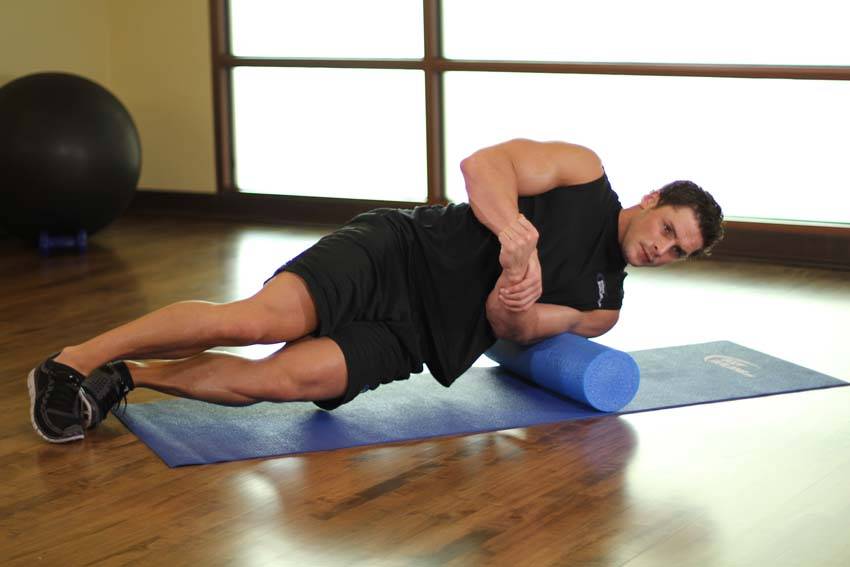
- Primary muscle
- Biceps
- Equipment
- Foam-roll
- Difficulty
- Beginner
- Type
- Isolation
How to perform Brachialis-smr
- Lie on your side, with your upper arm against the foam roller. The upper arm should be more or less aligned with your body, with the outside of the bicep pressed against the foam roller.
- Raise your hips off of the floor, supporting your weight on your arm and on your feet. Hold for 10-30 seconds, and then switch sides.
Ranked Brachialis-smr Alternatives
10 substitutes, ranked by how closely each one matches the Brachialis-smr on movement pattern, muscles worked, equipment and body position. The higher the score, the less you change. Open "How to perform this exercise" on a card for the steps; every card title links to that exercise's own alternatives page.
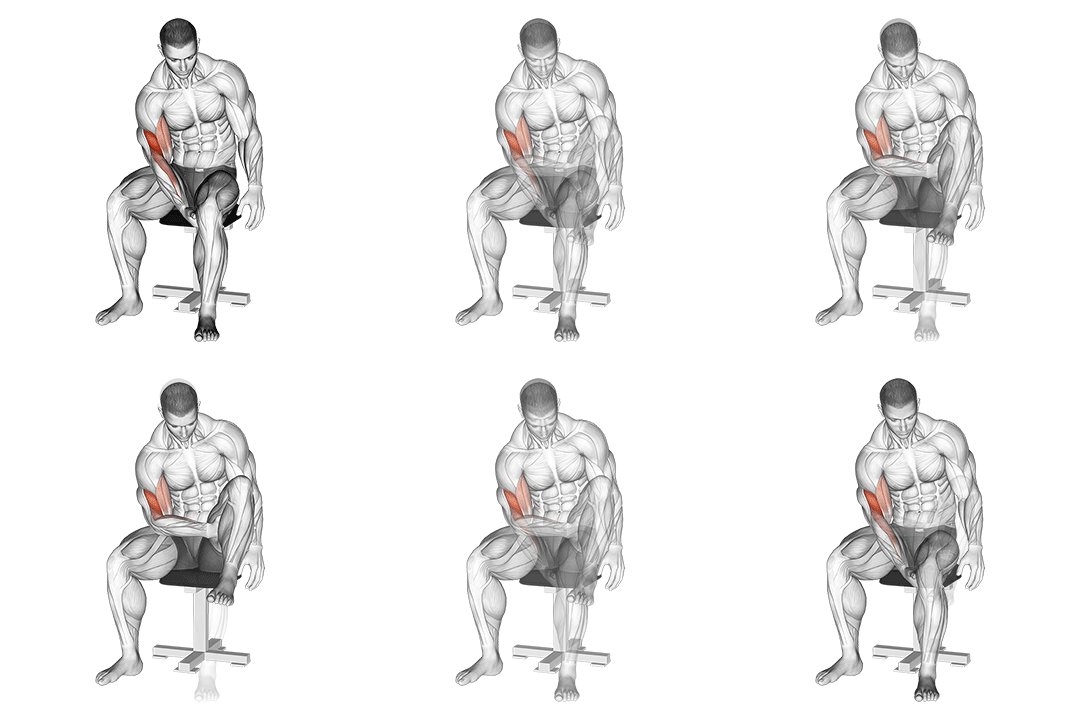
Best match 1. Biceps Leg Concentration Curl
89% match- Biceps
- Bodyweight
- Beginner
- Isolation
Use this when you have nothing to train with, because it works the biceps with bodyweight alone.
How to perform this exercise
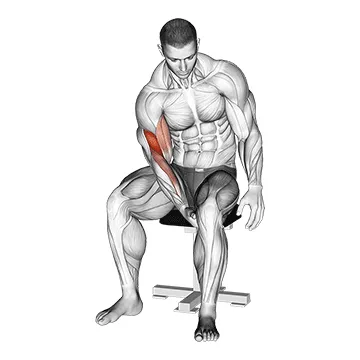
- Sit on a bench with your legs spread apart and your feet flat on the ground.
- Hold a dumbbell in one hand and place your elbow on the inside of your thigh, just above the knee.
- With your palm facing up, curl the dumbbell towards your shoulder while keeping your upper arm stationary.
- Squeeze your biceps at the top of the movement, then slowly lower the dumbbell back to the starting position.
- Repeat for the desired number of repetitions, then switch arms.
Sets and reps: 3 sets of 8 to 12 reps on each side, and add reps before you add load.
Why this matches
- Primary muscle: biceps, the same as the Brachialis-smr
- Equipment: bodyweight only, the same as the Brachialis-smr
- Body position: seated, the same as the Brachialis-smr
- Balance: harder to stay steady on than the Brachialis-smr
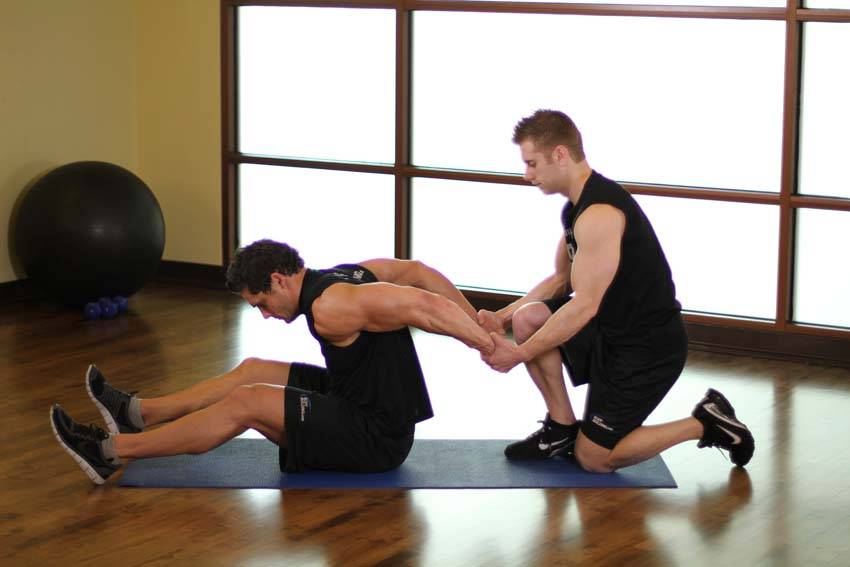
2. Seated Biceps
84% match- Biceps
- Bodyweight
- Beginner
- Isolation
How to perform this exercise
- Sit on the floor with your knees bent and your partner standing behind you. Extend your arms straight behind you with your palms facing each other. Your partner will hold your wrists for you. This will be the starting position.
- Attempt to flex your elbows, while your partner prevents any actual movement.
- After 10-20 seconds, relax your arms while your partner gently pulls your wrists up to stretch your biceps. Be sure to let your partner know when the stretch is appropriate to prevent injury or overstretching.
Sets and reps: 3 sets of 8 to 12 reps, and add reps before you add load.
Why this matches
- Primary muscle: biceps, the same as the Brachialis-smr
- Equipment: bodyweight only, the same as the Brachialis-smr
- Body position: seated, the same as the Brachialis-smr
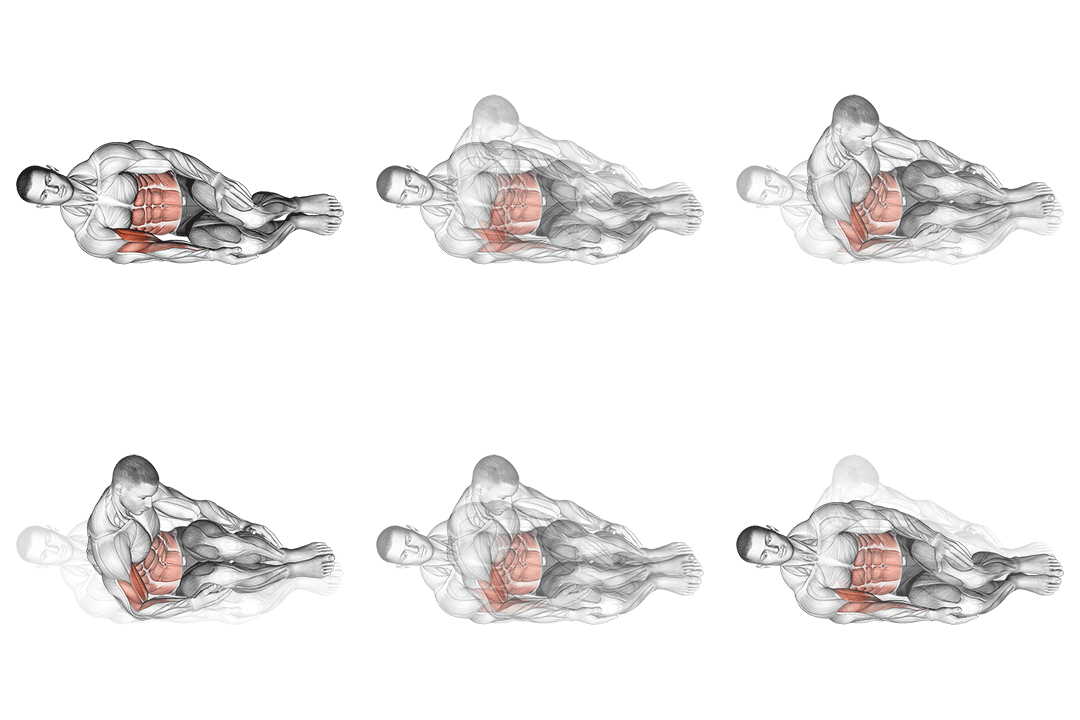
3. Bodyweight Side Lying Biceps Curl
80% match- Biceps
- Bodyweight
- Beginner
- Isolation
How to perform this exercise
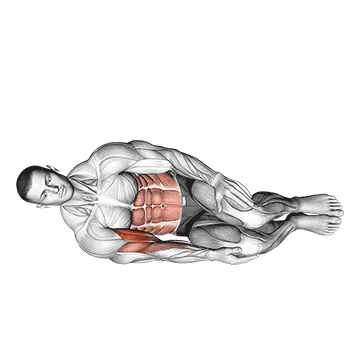
- Lie on your side with your legs extended and your head supported by your arm.
- Hold your upper arm against your side and bend your elbow to curl your forearm towards your shoulder.
- Pause for a moment at the top, then slowly lower your forearm back down to the starting position.
- Repeat for the desired number of repetitions.
Sets and reps: 3 sets of 8 to 12 reps on each side, and add reps before you add load.
Why this matches
- Primary muscle: biceps, the same as the Brachialis-smr
- Equipment: bodyweight only, the same as the Brachialis-smr
- Triceps
- Bodyweight
- Beginner
- Isolation
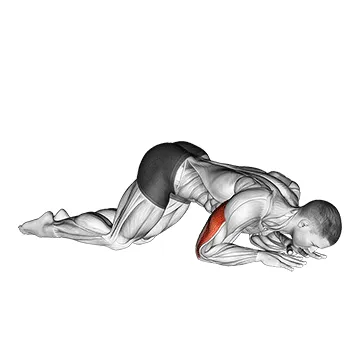
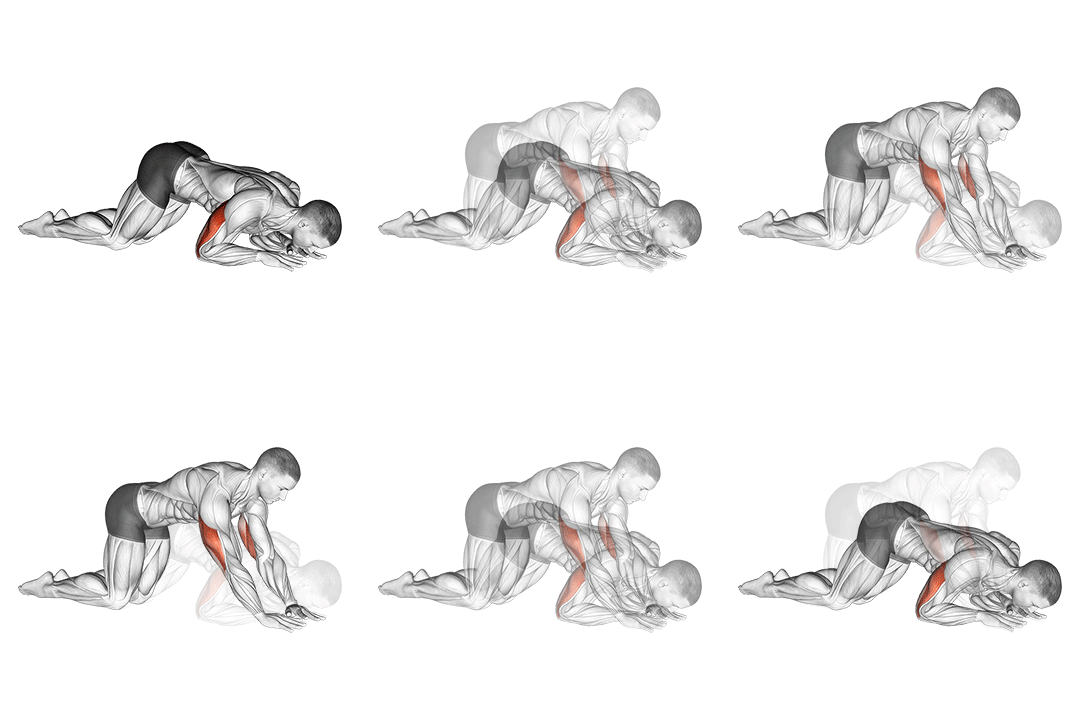
A looser match: it works the triceps rather than the biceps.
How to perform this exercise
- Kneel down on the ground with your knees hip-width apart.
- Place your hands on the ground in front of you, shoulder-width apart, fingers pointing forward.
- Extend your legs straight behind you, balancing on your toes and hands, forming a straight line from head to heels.
- Bend your elbows and lower your upper body towards the ground, keeping your elbows close to your sides.
- Pause for a moment at the bottom, then push through your hands to straighten your arms and return to the starting position.
- Repeat for the desired number of repetitions.
Sets and reps: 3 sets of 8 to 12 reps, and add reps before you add load.
Why this matches
- Primary muscle: triceps, not biceps
- Equipment: bodyweight only, the same as the Brachialis-smr
- Body position: kneeling, not seated
- Balance: harder to stay steady on than the Brachialis-smr
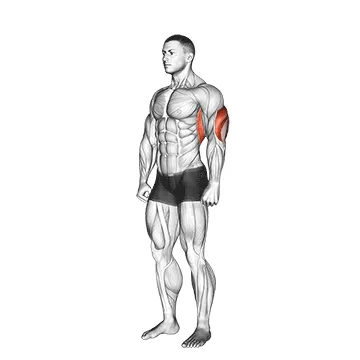
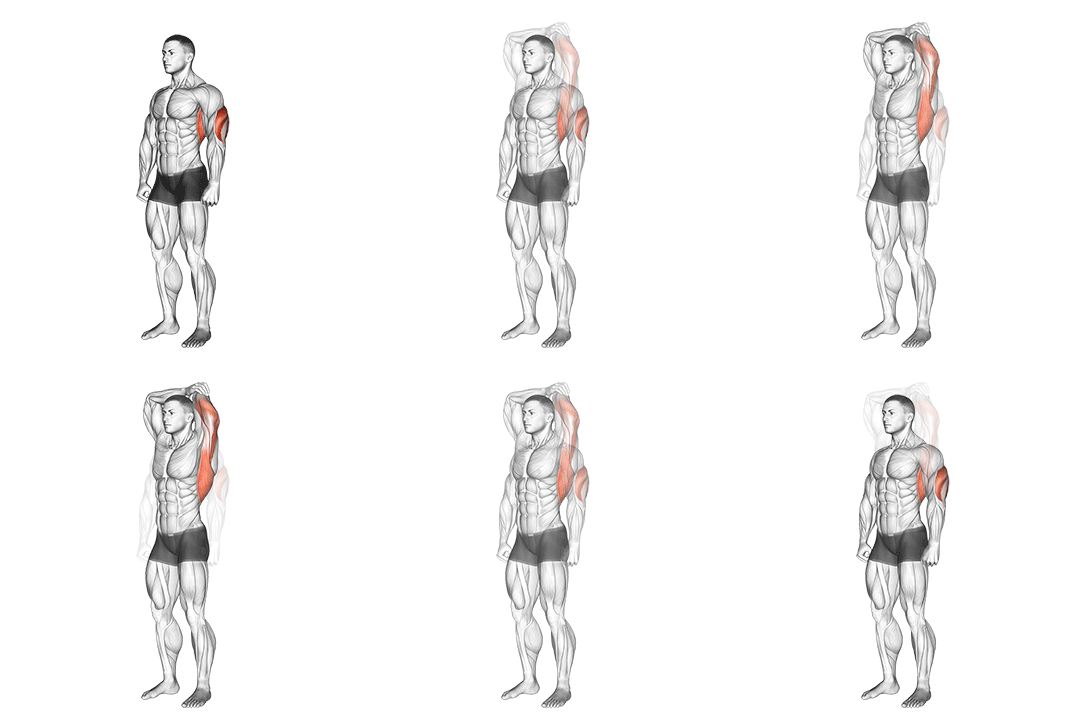
5. Overhead Triceps Stretch
41% match- Triceps
- Bodyweight
- Beginner
- Isolation
How to perform this exercise
- Stand or sit upright with your feet shoulder-width apart.
- Extend one arm overhead, bending at the elbow so that your hand reaches towards the opposite shoulder blade.
- With your other hand, gently pull the elbow of the extended arm towards the opposite side of your head, feeling a stretch in your triceps.
- Hold the stretch for 15-30 seconds, then release.
- Repeat on the other side.
Sets and reps: Hold for 20 to 30 seconds on each side, 3 sets.
Why this matches
- Primary muscle: triceps, not biceps
- Equipment: bodyweight only, the same as the Brachialis-smr
- Body position: standing, not seated
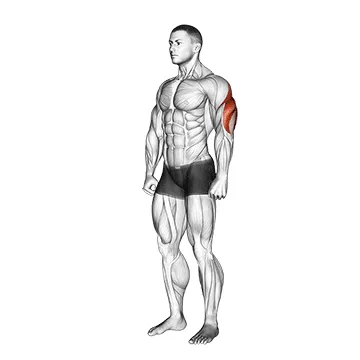
6. Triceps Stretch
41% match- Triceps
- Bodyweight
- Beginner
- Isolation
How to perform this exercise
- Stand or sit upright with your back straight.
- Extend one arm overhead, bending it at the elbow.
- Place your opposite hand on the bent elbow and gently pull it towards your head.
- Hold the stretch for 15-30 seconds, feeling a gentle stretch in your triceps.
- Release the stretch and repeat on the other arm.
Sets and reps: Hold for 20 to 30 seconds on each side, 3 sets.
Why this matches
- Primary muscle: triceps, not biceps
- Equipment: bodyweight only, the same as the Brachialis-smr
- Body position: standing, not seated
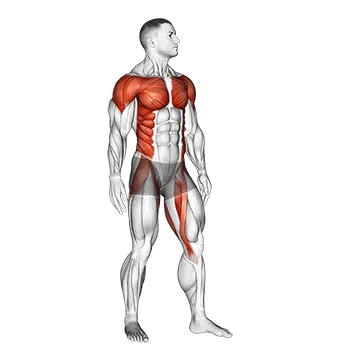
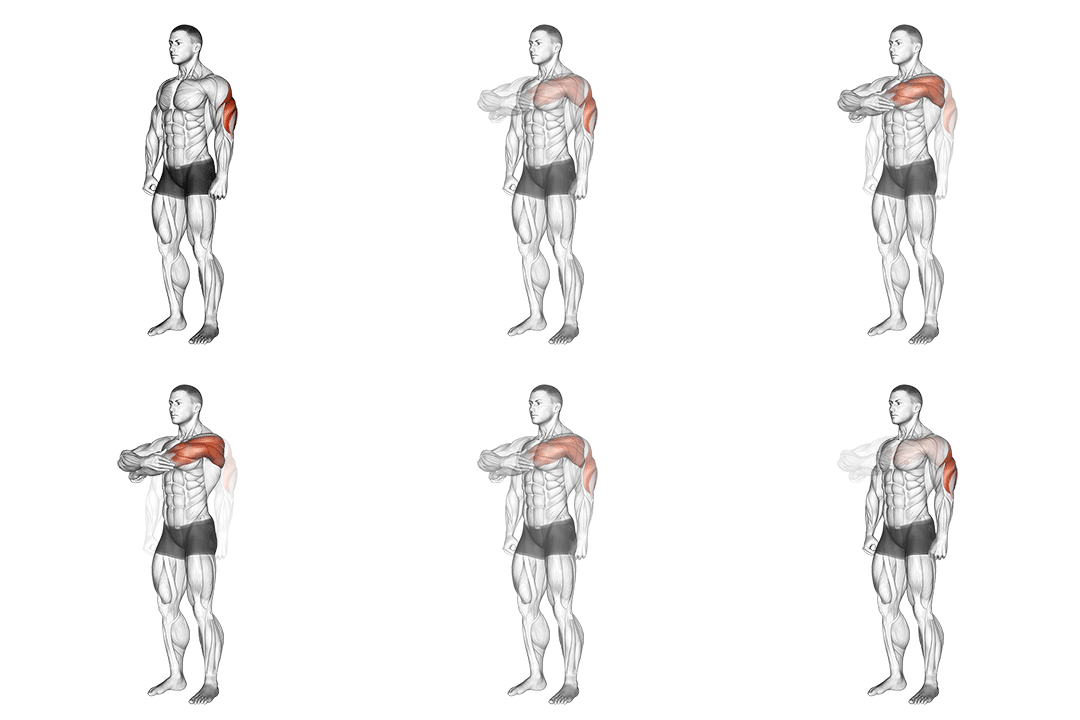
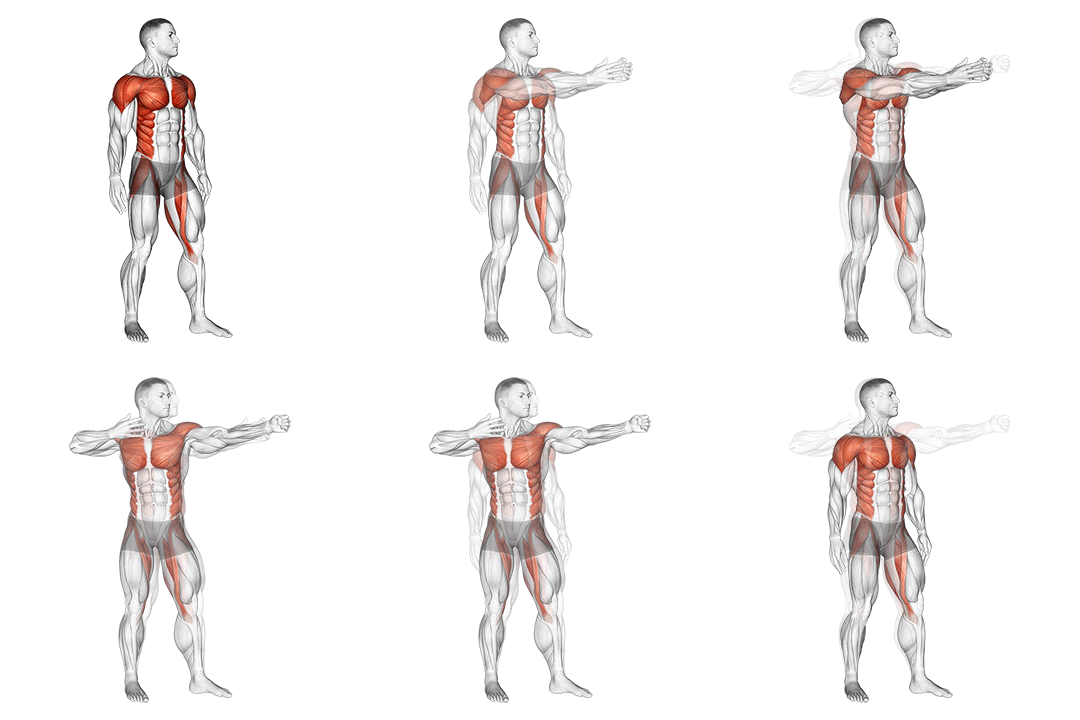
7. Standing Archer
41% match- Upper Back
- Bodyweight
- Advanced
- Compound
A looser match: it works the upper back rather than the biceps.
How to perform this exercise
- Stand with your feet shoulder-width apart and your knees slightly bent.
- Extend your arms straight out in front of you at shoulder height, parallel to the ground.
- Rotate your torso to the right, keeping your arms extended and your back straight.
- As you rotate, extend your right arm forward and your left arm back, mimicking the motion of drawing a bowstring.
- Hold the position for a moment, then return to the starting position.
- Repeat the motion, this time rotating your torso to the left and extending your left arm forward and your right arm back.
- Continue alternating sides for the desired number of repetitions.
Sets and reps: 3 or 4 sets of 6 to 10 reps on each side.
Why this matches
- Primary muscle: upper back, not biceps
- Equipment: bodyweight only, the same as the Brachialis-smr
- Body position: standing, not seated
- Balance: harder to stay steady on than the Brachialis-smr
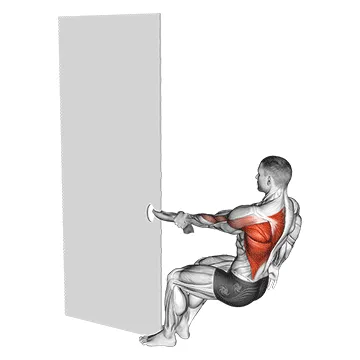
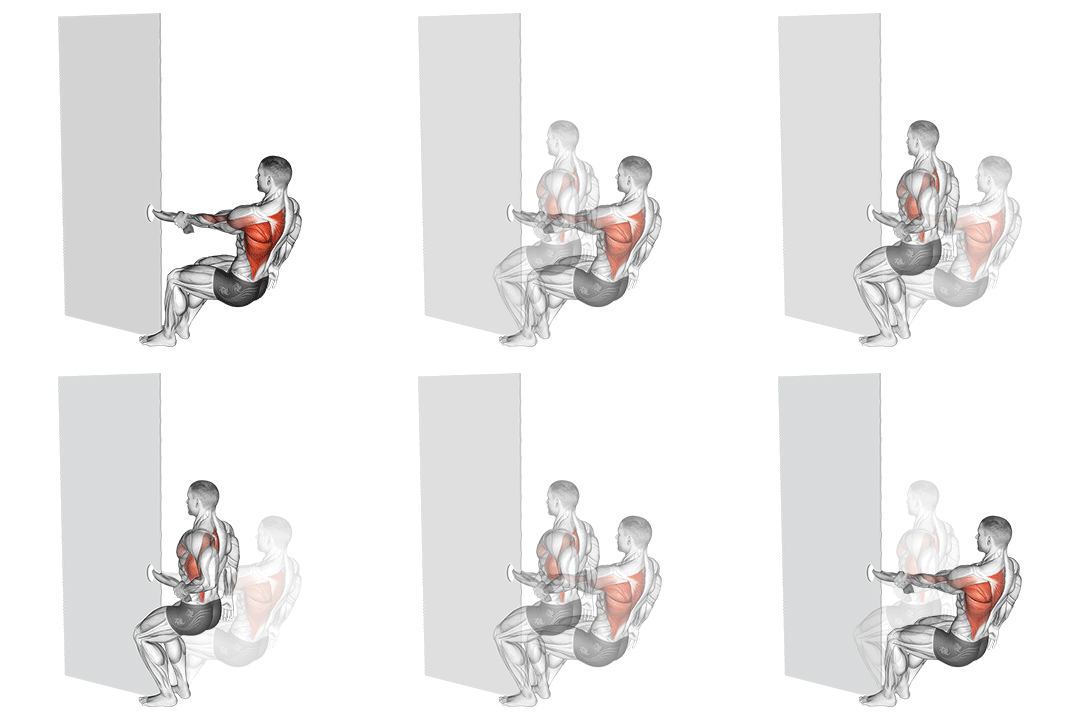
8. One Arm Towel Row
41% match- Upper Back
- Bodyweight
- Intermediate
- Compound
How to perform this exercise
- Stand with your feet shoulder-width apart, knees slightly bent, and hold a towel with one hand.
- Bend forward at the waist, keeping your back straight and your core engaged.
- Extend your arm fully, allowing the towel to hang in front of you.
- Pull the towel towards your chest, squeezing your shoulder blades together.
- Pause for a moment at the top, then slowly lower the towel back to the starting position.
- Repeat for the desired number of repetitions, then switch arms.
Sets and reps: 3 or 4 sets of 6 to 10 reps on each side.
Why this matches
- Primary muscle: upper back, not biceps
- Equipment: bodyweight only, the same as the Brachialis-smr
- Body position: standing, not seated
- Balance: harder to stay steady on than the Brachialis-smr
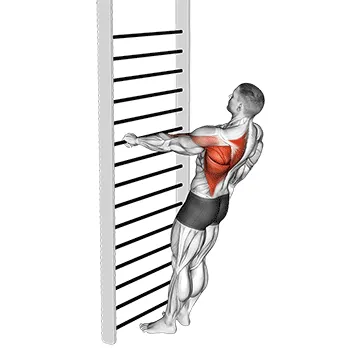
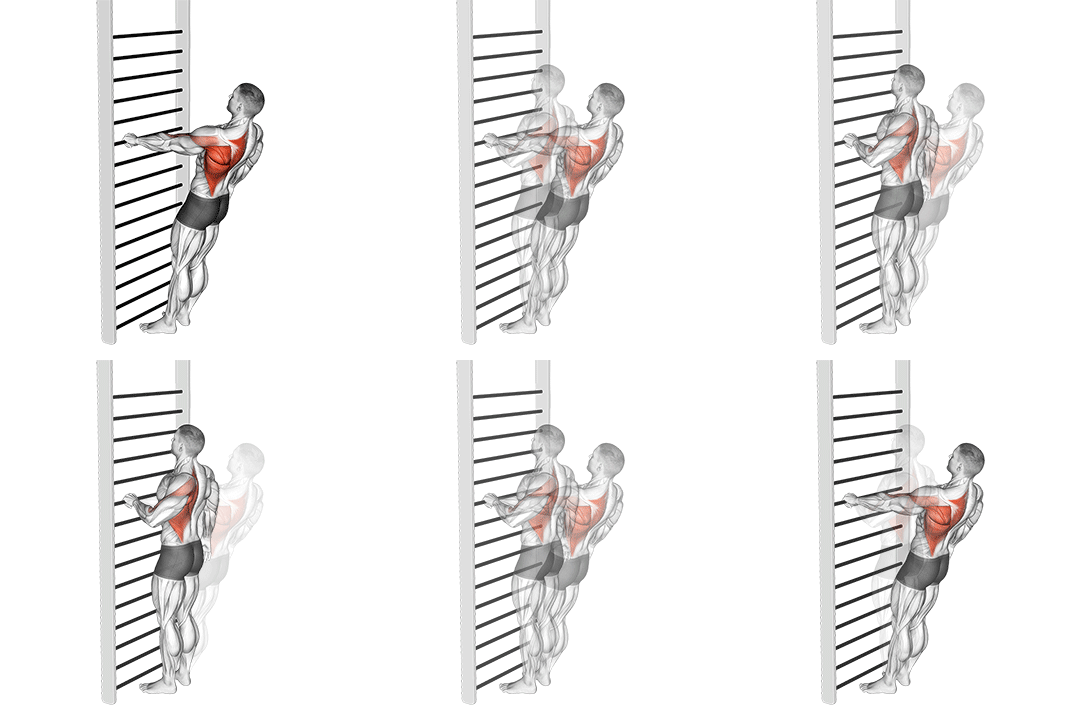
9. Bodyweight Standing One Arm Row
40% match- Lats
- Bodyweight
- Intermediate
- Compound
How to perform this exercise
- Stand with your feet shoulder-width apart, knees slightly bent, and hold a dumbbell in one hand.
- Bend forward at the hips, keeping your back straight and your core engaged.
- Let the dumbbell hang straight down in front of you, with your arm fully extended.
- Pull the dumbbell up towards your chest, keeping your elbow close to your body.
- Squeeze your shoulder blades together at the top of the movement.
- Lower the dumbbell back down to the starting position.
- Repeat for the desired number of repetitions, then switch sides.
Sets and reps: 3 or 4 sets of 6 to 10 reps on each side.
Why this matches
- Primary muscle: lats, not biceps
- Equipment: bodyweight only, the same as the Brachialis-smr
- Body position: standing, not seated
- Balance: harder to stay steady on than the Brachialis-smr
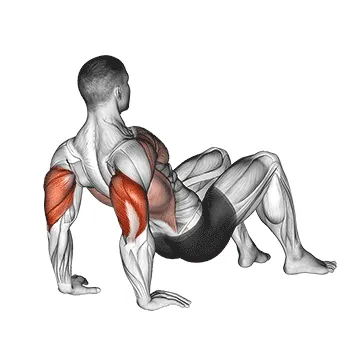
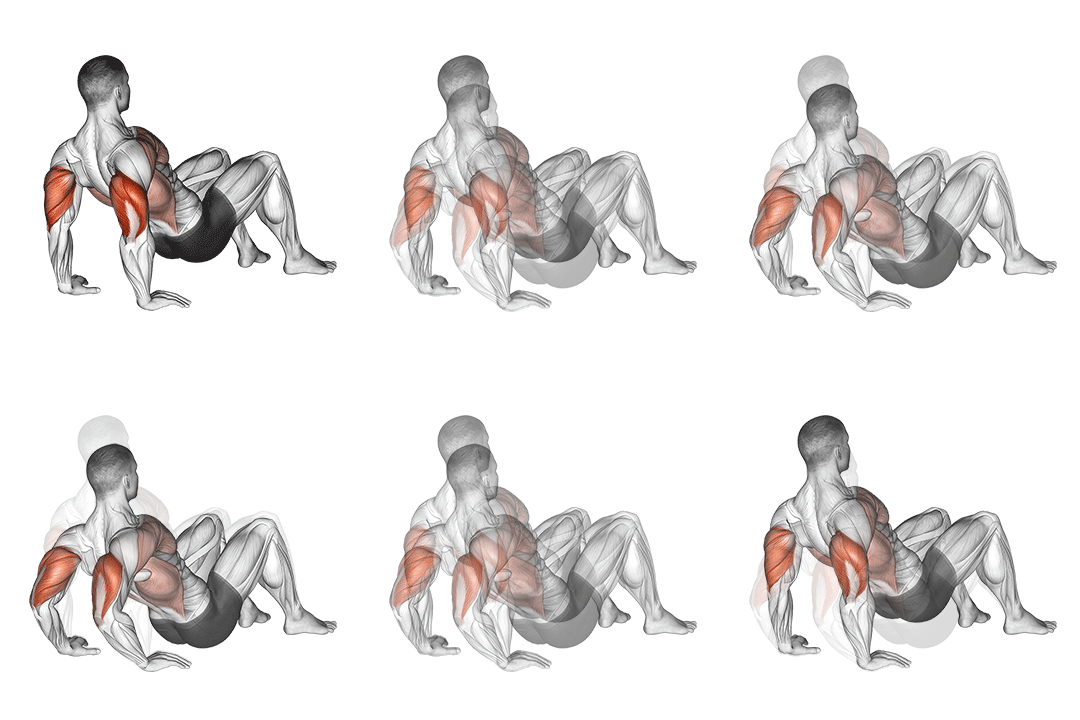
10. Triceps Dips Floor
39% match- Triceps
- Bodyweight
- Beginner
- Isolation
How to perform this exercise
- Sit on the edge of a chair or bench with your hands next to your hips, fingers pointing forward.
- Slide your butt off the front of the chair with your legs extended in front of you.
- Straighten your arms, keeping a little bend in your elbows to keep tension on your triceps and off your elbow joints.
- Slowly bend your elbows to lower your body toward the floor until your elbows are at about a 90-degree angle.
- Once you reach the bottom of the movement, press down into the chair to straighten your elbows, returning to the starting position.
- Repeat for the desired number of repetitions.
Sets and reps: 3 sets of 8 to 12 reps, and add reps before you add load.
Why this matches
- Primary muscle: triceps, not biceps
- Equipment: bodyweight only, the same as the Brachialis-smr
- Body position: seated, the same as the Brachialis-smr
Brachialis-smr FAQ
What muscles does Brachialis-smr work?
Brachialis-smr targets the brachialis, the primary elbow flexor that sits beneath the biceps brachii. Rolling the distal anterior humerus reduces tension in that muscle and can indirectly affect biceps function and elbow flexion mechanics.
Find Alternatives for Any Exercise
Search the exercise database and filter the ranked substitutes by the equipment you own.
Similarity scores compare exercise metadata such as movement pattern, muscles, equipment and body position. They are not a safety rating or a check that you own the equipment. Learn about our methodology