

10 Best Cable Internal Rotation Alternatives for Shoulder Rehab
The Cable Internal Rotation is done standing with a cable machine. Ranked closest by our scoring: the Incline Twisting Sit-up, the Crab Twist Toe Touch and the Side Hip (On Parallel Bars).
What can I do instead of Cable Internal Rotation? Use resistance-band internal rotations, dumbbell side-lying internal rotations, isometric wall holds, prone internal rotations, or single-arm low-pulley variations. Keep your elbow pinned to your side at 90°, rotate the forearm inward, and focus on subscapularis activation rather than shoulder shrugging.
Updated Ranked by our 12-factor similarity model How it works
Original Exercise: Cable Internal Rotation
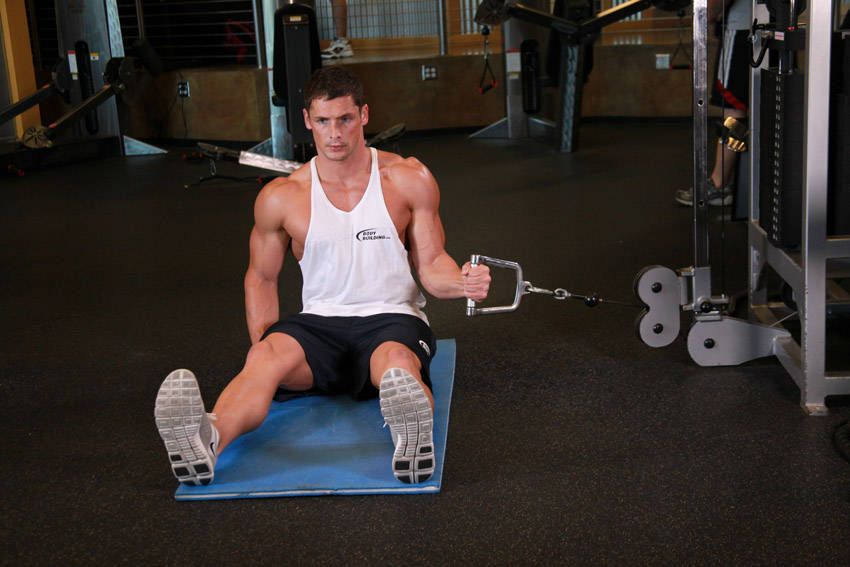
- Primary muscle
- Rotator Cuff
- Equipment
- Cable
- Difficulty
- Beginner
- Type
- Isolation
How to perform Cable Internal Rotation
- Sit next to a low pulley sideways (with legs stretched in front of you or crossed) and grasp the single hand cable attachment with the arm nearest to the cable. Tip: If you can adjust the pulley's height, you can use a flat bench to sit on instead.
- Position the elbow against your side with the elbow bent at 90° and the arm pointing towards the pulley. This will be your starting position.
- Pull the single hand cable attachment toward your body by internally rotating your shoulder until your forearm is across your abs. You will be creating an imaginary semi-circle. Tip: The forearm should be perpendicular to your torso at all times.
- Slowly go back to the initial position.
- Repeat for the recommended amount of repetitions and then repeat the movement with the next arm.
Ranked Cable Internal Rotation Alternatives
10 substitutes, ranked by how closely each one matches the Cable Internal Rotation on movement pattern, muscles worked, equipment and body position. The higher the score, the less you change. Open "How to perform this exercise" on a card for the steps; every card title links to that exercise's own alternatives page.
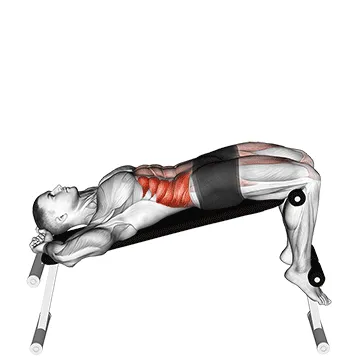
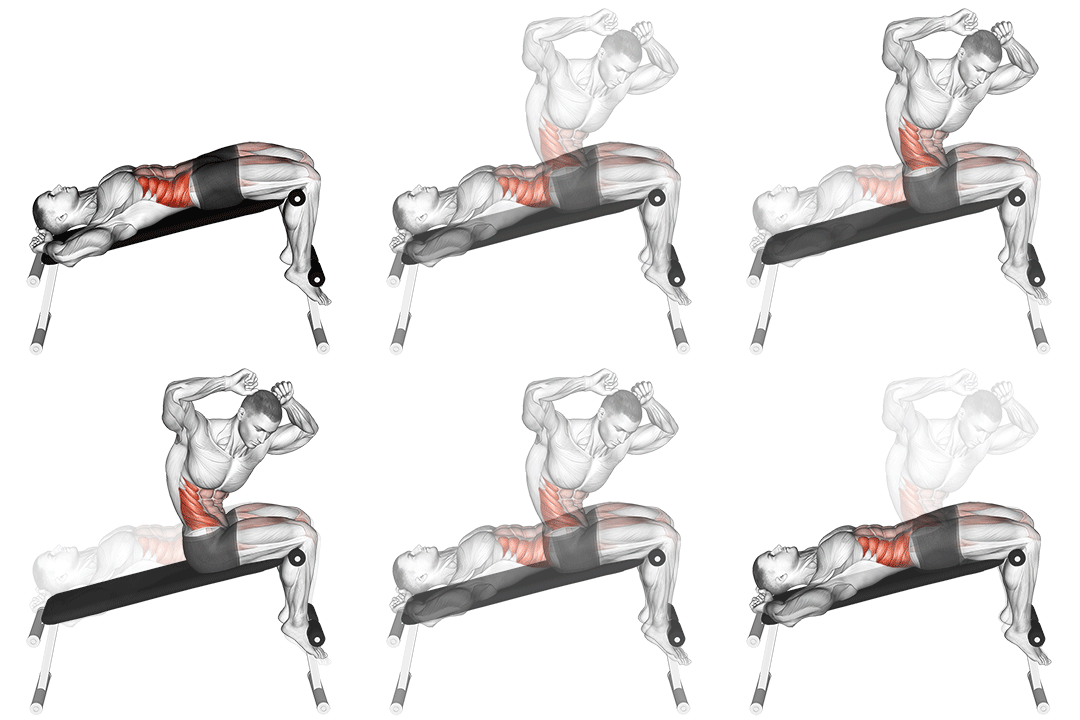
1. Incline Twisting Sit-up
54% match- Abs
- Bodyweight
- Intermediate
- Compound
A looser match: it works the abs rather than the rotator cuff.
How to perform this exercise
- Set up an incline bench at a 45-degree angle.
- Lie down on the bench with your feet secured under the foot pads.
- Place your hands behind your head or across your chest.
- Engage your abs and lift your upper body off the bench, curling forward.
- As you curl up, twist your torso to one side, bringing your elbow towards the opposite knee.
- Pause for a moment at the top, then slowly lower your upper body back down to the starting position.
- Repeat the movement, this time twisting your torso to the other side.
- Continue alternating sides for the desired number of repetitions.
Sets and reps: 3 or 4 sets of 6 to 10 reps.
Why this matches
- Primary muscle: abs, not rotator cuff
- Equipment: bodyweight only, not a cable
- Body position: lying on your back, not standing
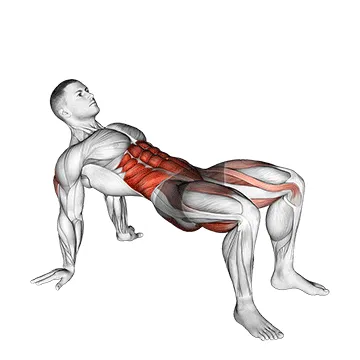
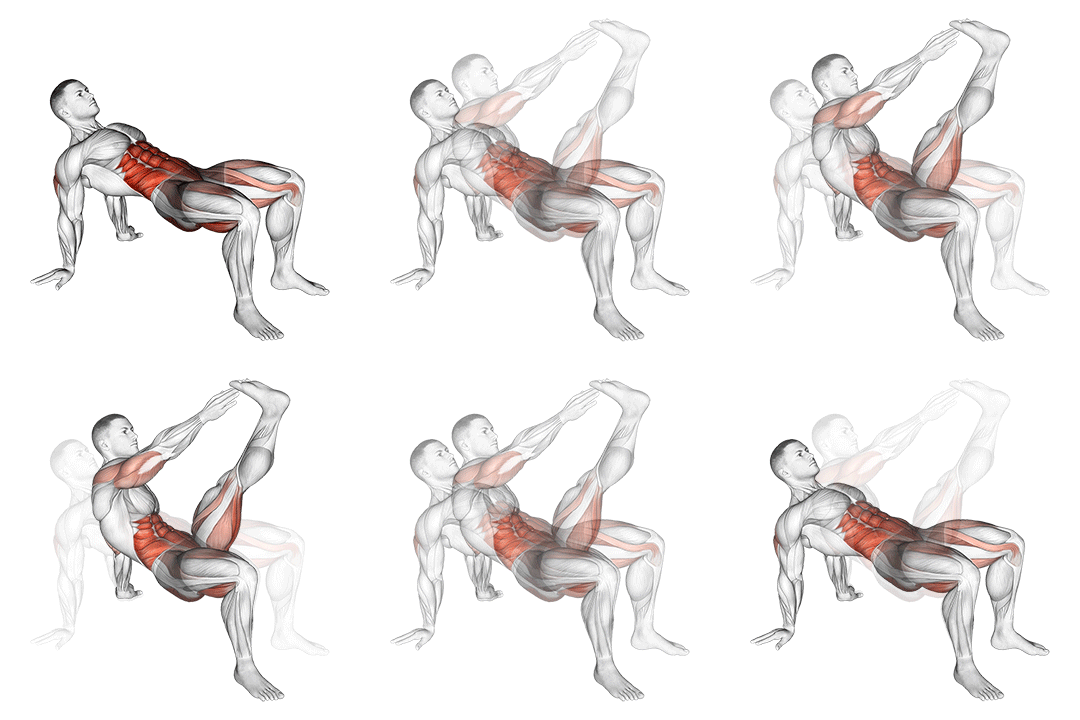
2. Crab Twist Toe Touch
50% match- Abs
- Bodyweight
- Intermediate
- Compound
How to perform this exercise
- Start by sitting on the ground with your knees bent and feet flat on the floor.
- Place your hands behind you, fingers pointing towards your feet, and lift your hips off the ground.
- Extend one leg straight out in front of you while simultaneously reaching your opposite hand towards your toes.
- Return to the starting position and repeat on the other side.
- Continue alternating sides for the desired number of repetitions.
Sets and reps: 3 or 4 sets of 6 to 10 reps on each side.
Why this matches
- Primary muscle: abs, not rotator cuff
- Equipment: bodyweight only, not a cable
- Body position: seated, not standing
- Balance: harder to stay steady on than the Cable Internal Rotation
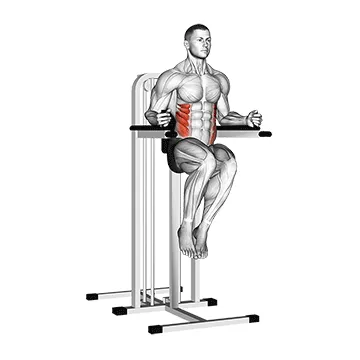
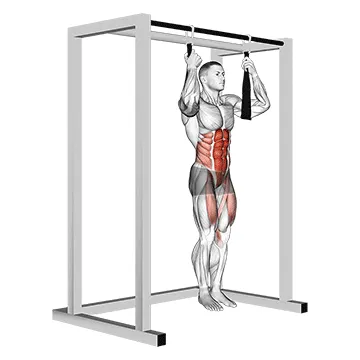
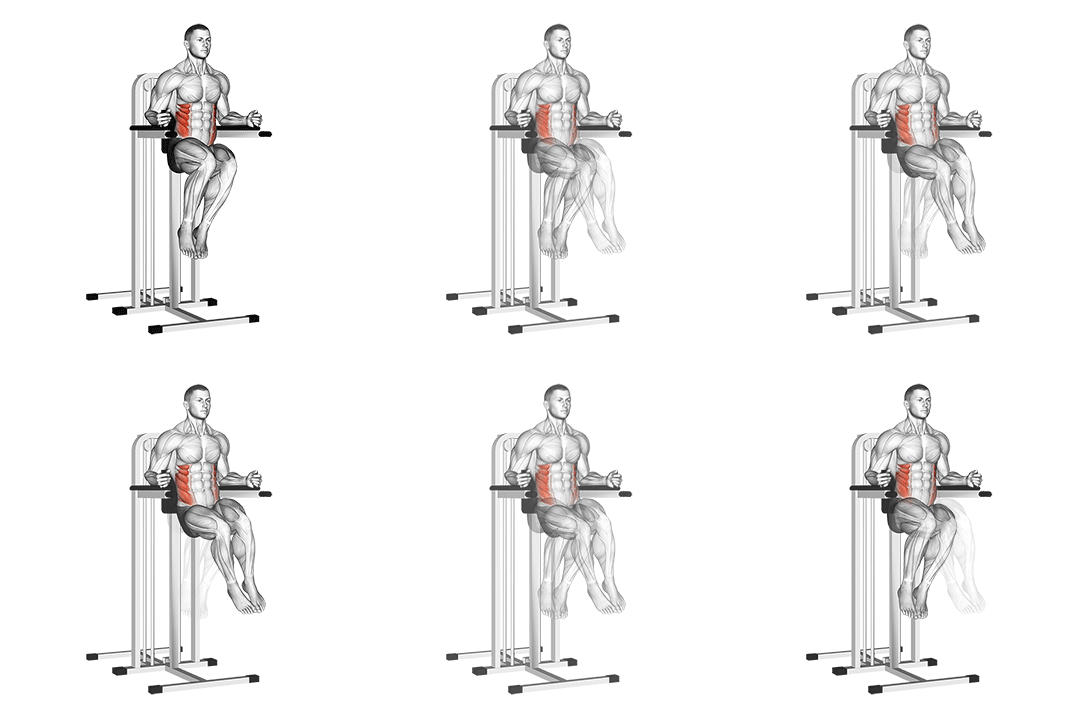
3. Side Hip (On Parallel Bars)
50% match- Abs
- Bodyweight
- Advanced
- Compound
How to perform this exercise
- Stand between two parallel bars with your feet shoulder-width apart.
- Place your hands on the bars and lift your body off the ground, supporting your weight on your arms.
- Engage your abs and slowly lift your legs to the side, keeping them straight.
- Pause for a moment at the top, then slowly lower your legs back down to the starting position.
- Repeat for the desired number of repetitions.
Sets and reps: 3 or 4 sets of 6 to 10 reps.
Why this matches
- Primary muscle: abs, not rotator cuff
- Equipment: bodyweight only, not a cable
- Body position: hanging, not standing
- Balance: harder to stay steady on than the Cable Internal Rotation
- Abs
- Bodyweight
- Advanced
- Compound
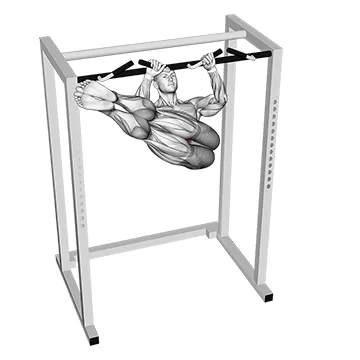
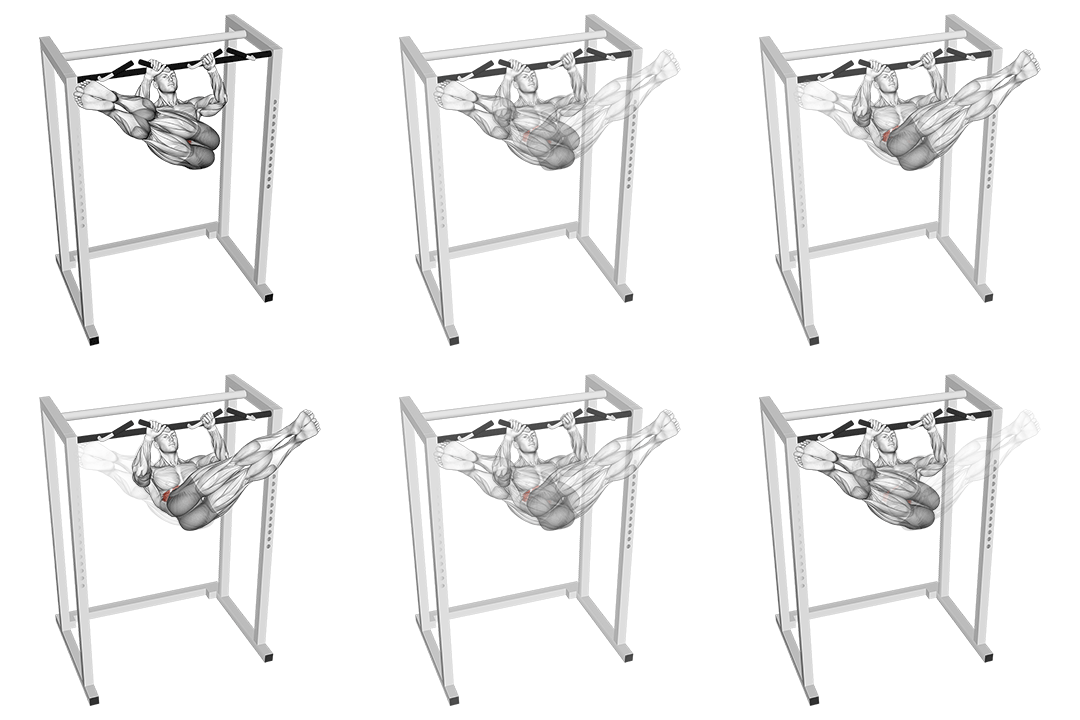
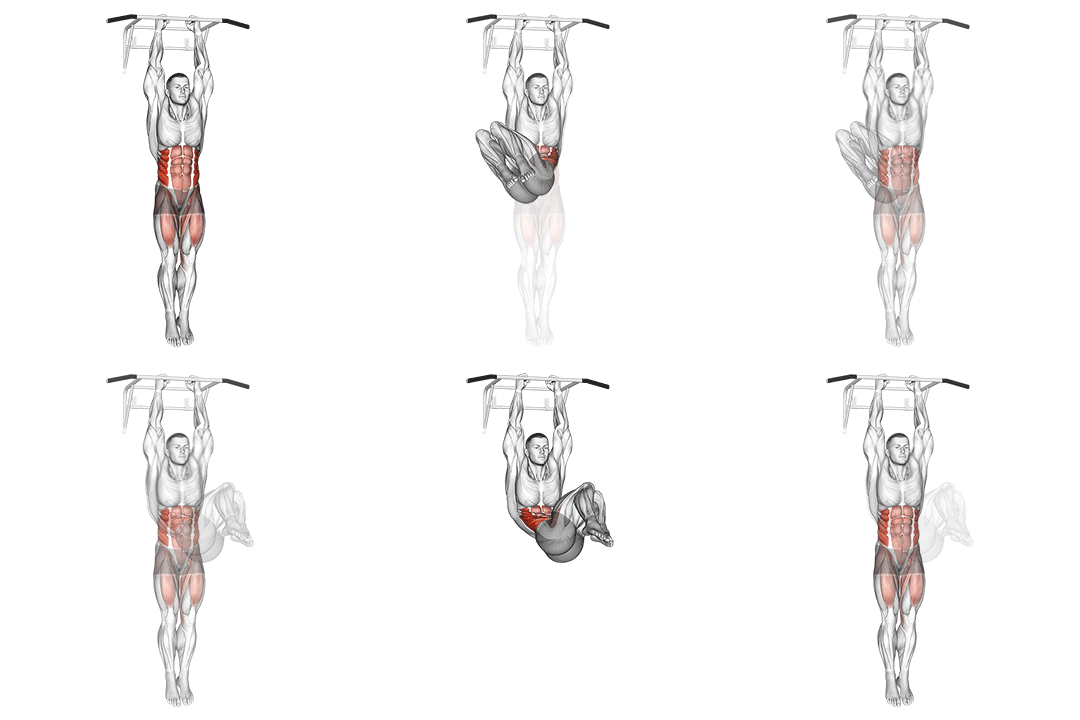
How to perform this exercise
- Hang from a pull-up bar with your arms fully extended and your legs straight.
- Engage your core and lift your legs up towards your chest, keeping them straight.
- Once your legs are parallel to the ground, twist your hips to one side, bringing your legs towards that side.
- Pause for a moment, then return to the starting position.
- Repeat the movement, but this time twist your hips to the opposite side.
- Continue alternating sides for the desired number of repetitions.
Sets and reps: 3 or 4 sets of 6 to 10 reps.
Why this matches
- Primary muscle: abs, not rotator cuff
- Equipment: bodyweight only, not a cable
- Body position: hanging, not standing
- Balance: harder to stay steady on than the Cable Internal Rotation
5. Gorilla Chin
45% match- Abs
- Bodyweight
- Intermediate
- Compound
How to perform this exercise
- Stand with your feet shoulder-width apart and your knees slightly bent.
- Grasp a pull-up bar with an overhand grip, slightly wider than shoulder-width apart.
- Hang from the bar with your arms fully extended and your palms facing away from you.
- Engage your core and pull your body up towards the bar, bringing your chin above the bar.
- Pause for a moment at the top, then slowly lower your body back down to the starting position.
- Repeat for the desired number of repetitions.
Sets and reps: 3 or 4 sets of 6 to 10 reps on each side.
Why this matches
- Primary muscle: abs, not rotator cuff
- Equipment: bodyweight only, not a cable
- Body position: hanging, not standing
- Balance: harder to stay steady on than the Cable Internal Rotation
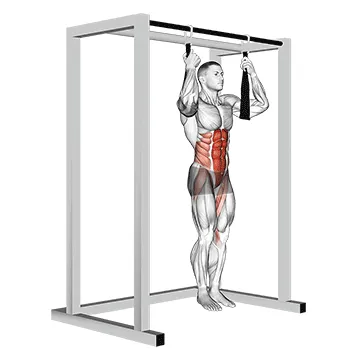
6. Hanging Oblique Knee Raise
42% match- Abs
- Bodyweight
- Advanced
- Compound
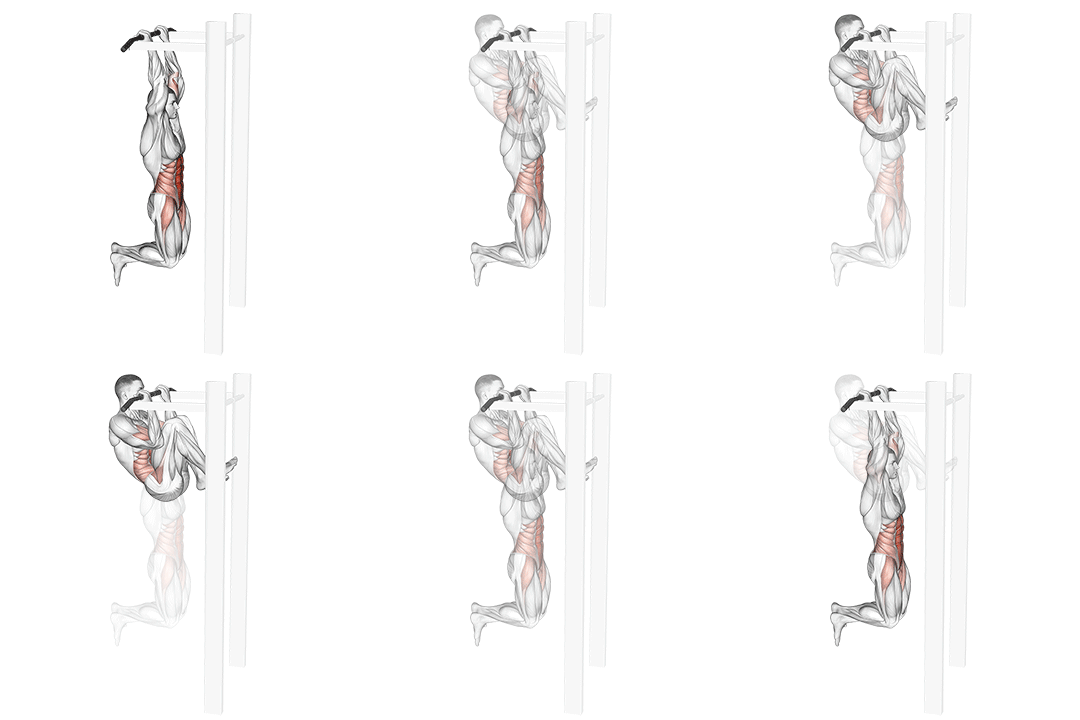
How to perform this exercise
- Hang from a pull-up bar with your arms fully extended and your palms facing away from you.
- Engage your core and lift your knees towards your chest, twisting your torso to the side as you do so.
- Pause for a moment at the top, then slowly lower your legs back down to the starting position.
- Repeat on the other side, twisting your torso in the opposite direction.
- Continue alternating sides for the desired number of repetitions.
Sets and reps: 3 or 4 sets of 6 to 10 reps on each side.
Why this matches
- Primary muscle: abs, not rotator cuff
- Equipment: bodyweight only, not a cable
- Body position: hanging, not standing
- Balance: harder to stay steady on than the Cable Internal Rotation
- Abs
- Bodyweight
- Intermediate
- Compound
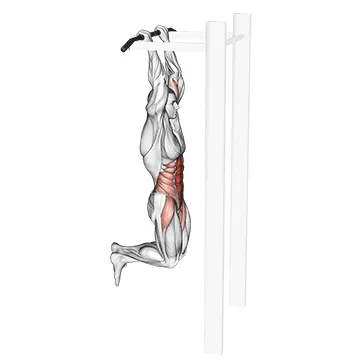
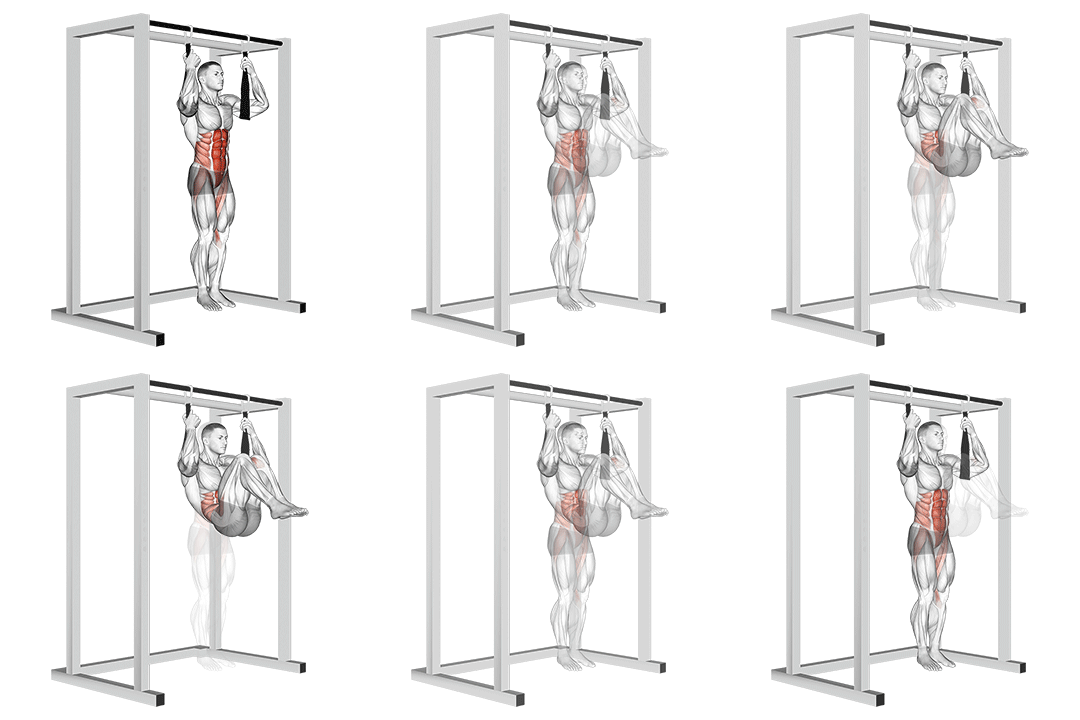
How to perform this exercise
- Hang from a pull-up bar with your arms fully extended and your knees bent at a 90-degree angle.
- Engage your core and lift your knees towards your chest, bringing them as close to your elbows as possible.
- Slowly lower your legs back down to the starting position.
- Repeat for the desired number of repetitions.
Sets and reps: 3 or 4 sets of 6 to 10 reps on each side.
Why this matches
- Primary muscle: abs, not rotator cuff
- Equipment: bodyweight only, not a cable
- Body position: hanging, not standing
- Balance: harder to stay steady on than the Cable Internal Rotation
- Abs
- Bodyweight
- Advanced
- Compound
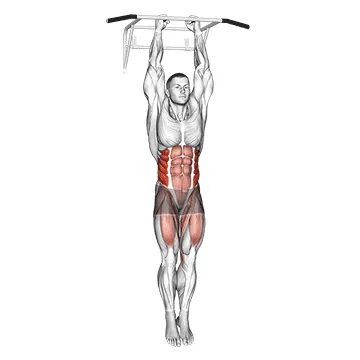
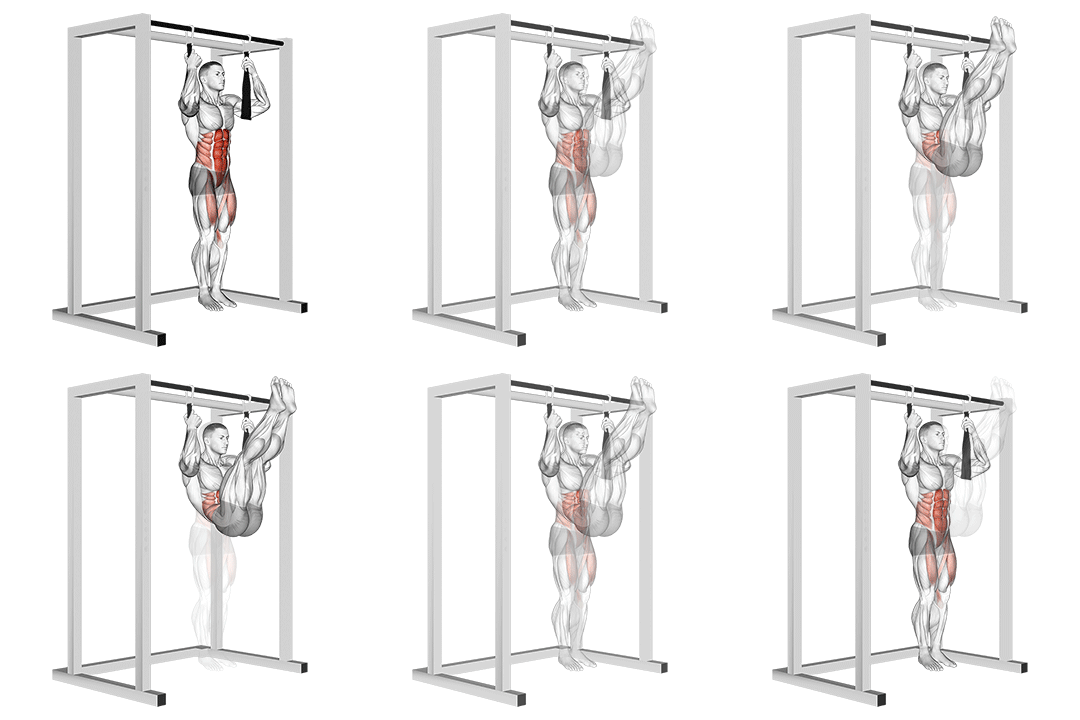
How to perform this exercise
- Hang from a pull-up bar with your arms fully extended and your legs straight down.
- Engage your core and lift your legs up in front of you until they are parallel to the ground.
- Hold for a moment at the top, then slowly lower your legs back down to the starting position.
- Repeat for the desired number of repetitions.
Sets and reps: 3 or 4 sets of 6 to 10 reps on each side.
Why this matches
- Primary muscle: abs, not rotator cuff
- Equipment: bodyweight only, not a cable
- Body position: hanging, not standing
- Balance: harder to stay steady on than the Cable Internal Rotation
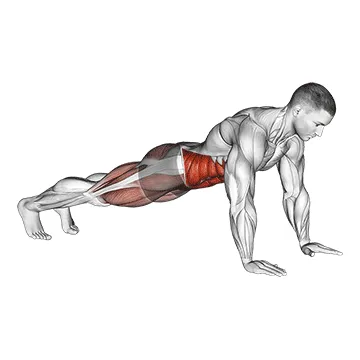
- Abs
- Bodyweight
- Intermediate
- Compound
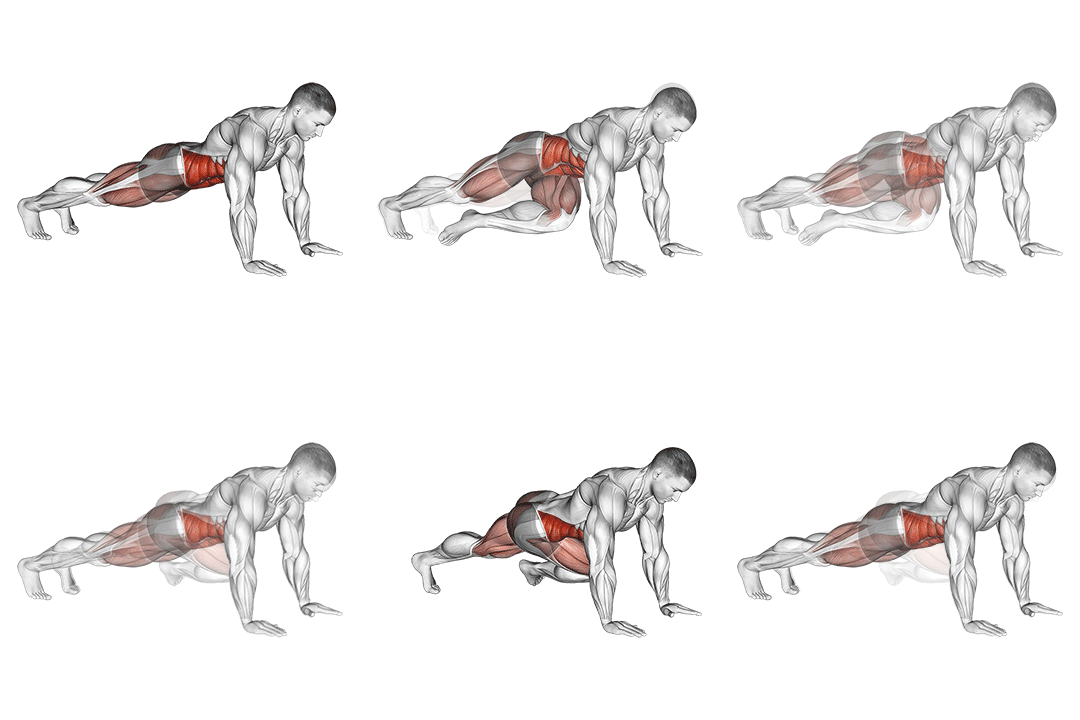
How to perform this exercise
- Start in a high plank position with your hands directly under your shoulders and your body in a straight line.
- Engage your core and lift your right foot off the ground, bringing your right knee towards your left elbow.
- Return your right foot to the starting position and repeat the movement with your left foot towards your right elbow.
- Continue alternating sides, moving at a controlled pace.
- Keep your hips level and avoid lifting your hips too high or sagging them too low.
- Maintain a steady breathing pattern throughout the exercise.
- Repeat for the desired number of repetitions.
Sets and reps: 3 or 4 sets of 6 to 10 reps on each side.
Why this matches
- Primary muscle: abs, not rotator cuff
- Equipment: bodyweight only, not a cable
- Body position: lying face down, not standing
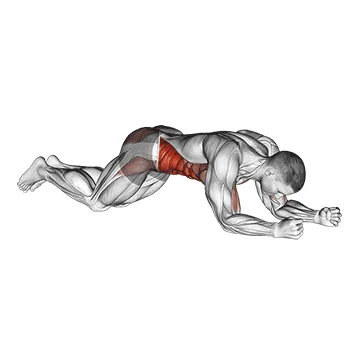
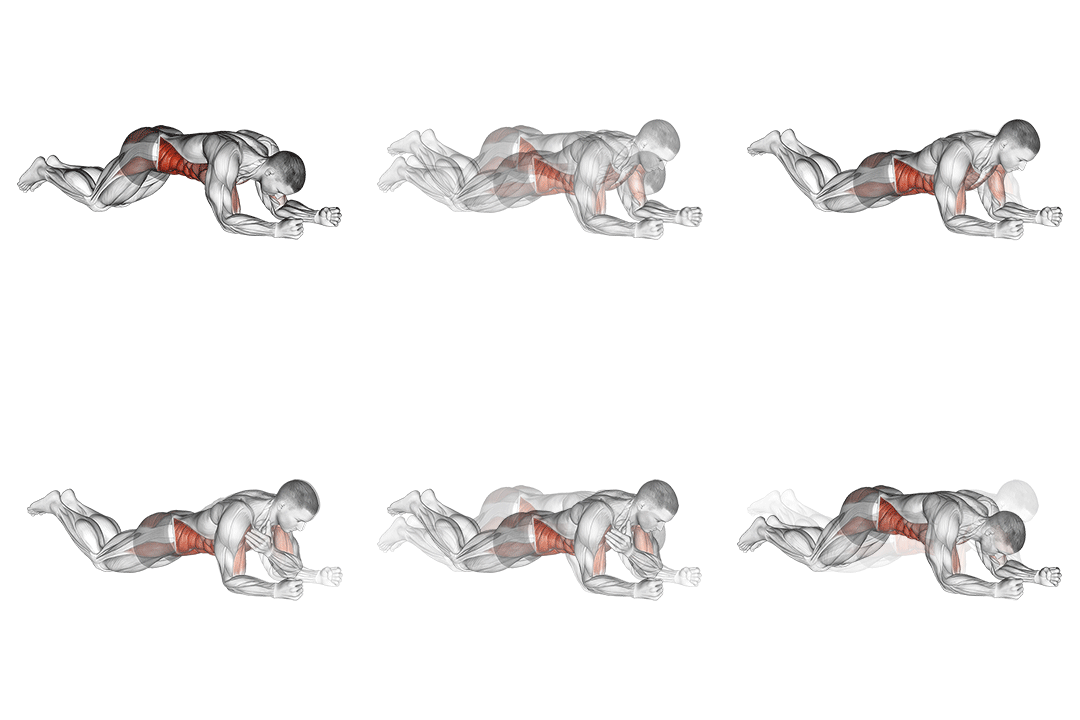
10. Kneeling Plank Tap Shoulder
40% match- Abs
- Bodyweight
- Intermediate
- Compound
How to perform this exercise
- Start in a kneeling position with your hands on the ground, shoulder-width apart.
- Extend your legs behind you, resting on your toes, and lift your body into a plank position.
- Keeping your core engaged and your hips stable, lift one hand off the ground and tap the opposite shoulder.
- Return the hand to the ground and repeat with the other hand.
- Continue alternating sides for the desired number of repetitions.
Sets and reps: 3 or 4 sets of 6 to 10 reps on each side.
Why this matches
- Movement: an anti-extension hold, close to the Cable Internal Rotation
- Primary muscle: abs, not rotator cuff
- Equipment: bodyweight only, not a cable
- Body position: kneeling, not standing
Why You Might Need a Cable Internal Rotation Alternative
You may substitute Cable Internal Rotation when a cable column is unavailable, when the cable aggravates anterior shoulder pain, or when you need a different loading profile for rehab. Cables provide constant tension; bands and dumbbells change muscle activation and joint torque through the range. For example, side-lying internal rotations reduce anterior shear and let you isolate the subscapularis, cue: lie on your side, elbow fixed at 90°, and rotate slowly from the shoulder. Bands permit variable resistance and slight scapular motion to recruit stabilizers, while isometrics protect tissue early in rehab. Choose the substitute that controls end-range load and limits compensatory deltoid elevation.
How to Choose the Right Cable Internal Rotation Substitute
Match the substitute to your goal, pain level, and equipment. For early rehab or pain control pick low-load, high-control options like isometric holds or band internal rotations; cue a slow 3–5 second concentric and controlled eccentric with the elbow pinned to your side at 90° to emphasize subscapularis recruitment. For strength and hypertrophy use dumbbell side-lying internal rotations or single-arm low-pulley variations to apply progressive overload while keeping the humerus close to the torso to limit deltoid compensation. Prioritize scapular stability, perform a few scapular retractions before sets to ensure consistent rotator-cuff activation.
Cable Internal Rotation FAQ
What muscles does Cable Internal Rotation work?
Primary responsibility falls to the subscapularis. Assisting internal rotators include teres major, latissimus dorsi, and pectoralis major, while the rotator cuff and scapular stabilizers control humeral head position during the motion.
What is the best bodyweight alternative to Cable Internal Rotation?
An isometric internal-rotation hold against a wall or doorframe is the best bodyweight option. Stand with your elbow tucked at 90°, press the palm inward for 5–10 seconds, and cue tension through the subscapularis while avoiding shoulder elevation.
Can I build muscle without doing Cable Internal Rotation?
Yes. You can develop rotator-cuff strength and size with bands, dumbbells, and targeted isometrics; focus on progressive overload and slow eccentrics. For example, increase load on side-lying internal rotations or lengthen the eccentric phase to increase stimulus to the subscapularis.
Find Alternatives for Any Exercise
Search the exercise database and filter the ranked substitutes by the equipment you own.
Similarity scores compare exercise metadata such as movement pattern, muscles, equipment and body position. They are not a safety rating or a check that you own the equipment. Learn about our methodology