

10 Best Cable Kickback Alternatives for Limited Equipment
The Cable Kickback is done standing with a cable machine. Ranked closest by our scoring: the Bodyweight Kneeling Triceps Extension, the One Arm Dip and the Triceps Dip (Between Benches).
Updated Ranked by our 12-factor similarity model How it works
Original Exercise: Cable Kickback
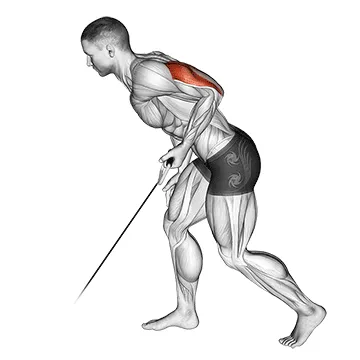
- Primary muscle
- Triceps
- Equipment
- Cable
- Difficulty
- Beginner
- Type
- Isolation
Secondary muscles: Shoulders
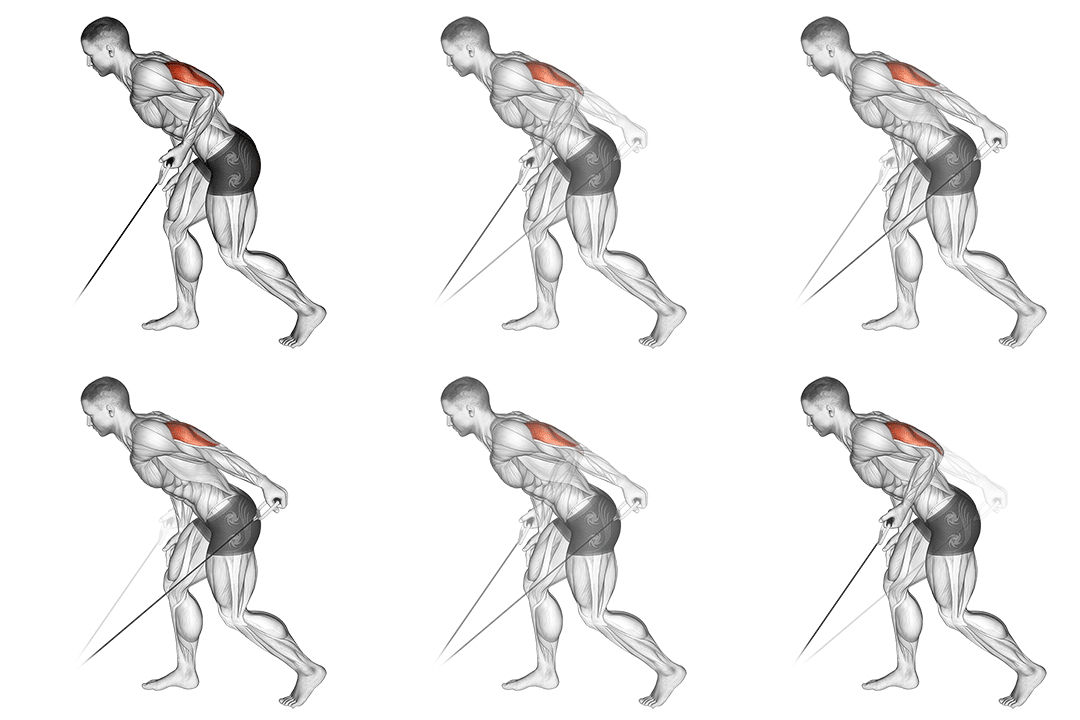
How to perform Cable Kickback
- Stand facing a cable machine with your feet shoulder-width apart.
- Hold the cable handle with your right hand and step back to create tension in the cable.
- Bend your knees slightly and hinge forward at the hips, keeping your back straight.
- Keep your upper arm close to your body and your elbow bent at a 90-degree angle.
- Extend your forearm backward, straightening your arm fully.
- Pause for a moment, then slowly return to the starting position.
- Repeat for the desired number of repetitions, then switch sides.
Ranked Cable Kickback Alternatives
10 substitutes, ranked by how closely each one matches the Cable Kickback on movement pattern, muscles worked, equipment and body position. The higher the score, the less you change. Open "How to perform this exercise" on a card for the steps; every card title links to that exercise's own alternatives page.
Best match - Triceps
- Bodyweight
- Beginner
- Isolation
Use this when you have nothing to train with, because it works the triceps with bodyweight alone.
How to perform this exercise
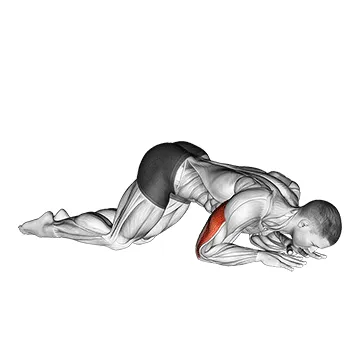
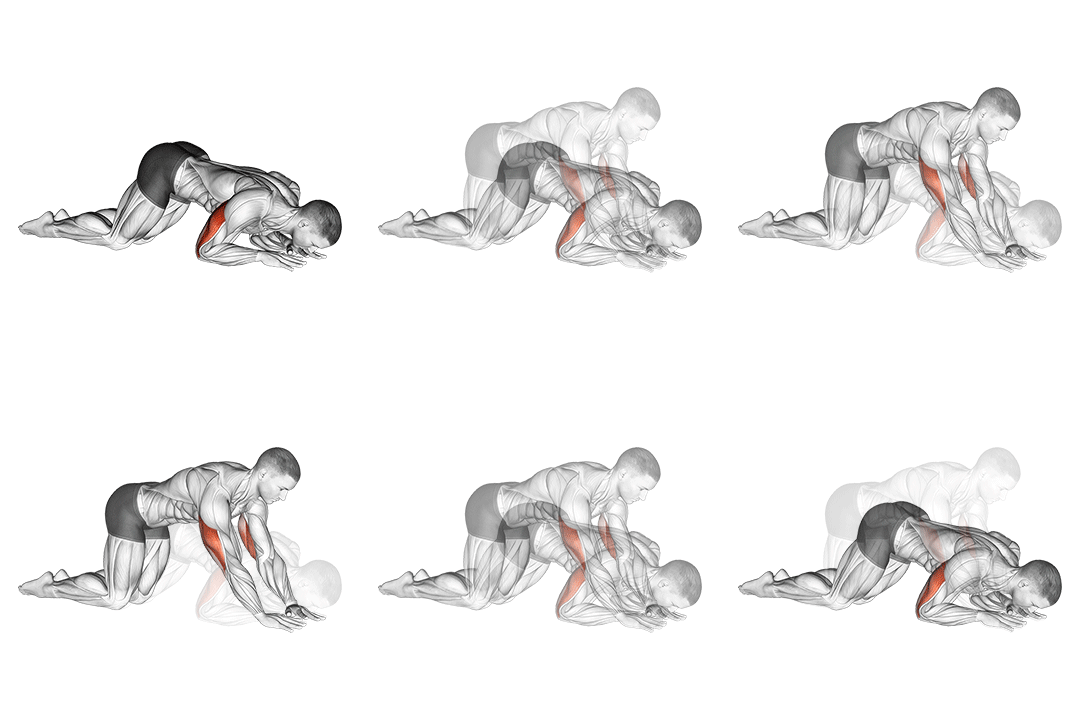
- Kneel down on the ground with your knees hip-width apart.
- Place your hands on the ground in front of you, shoulder-width apart, fingers pointing forward.
- Extend your legs straight behind you, balancing on your toes and hands, forming a straight line from head to heels.
- Bend your elbows and lower your upper body towards the ground, keeping your elbows close to your sides.
- Pause for a moment at the bottom, then push through your hands to straighten your arms and return to the starting position.
- Repeat for the desired number of repetitions.
Sets and reps: 3 sets of 8 to 12 reps, and add reps before you add load.
Why this matches
- Primary muscle: triceps, the same as the Cable Kickback
- Equipment: bodyweight only, not a cable
- Body position: kneeling, not standing
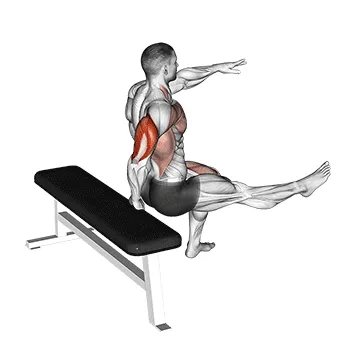
2. One Arm Dip
48% match- Triceps
- Bodyweight
- Advanced
- Compound
How to perform this exercise
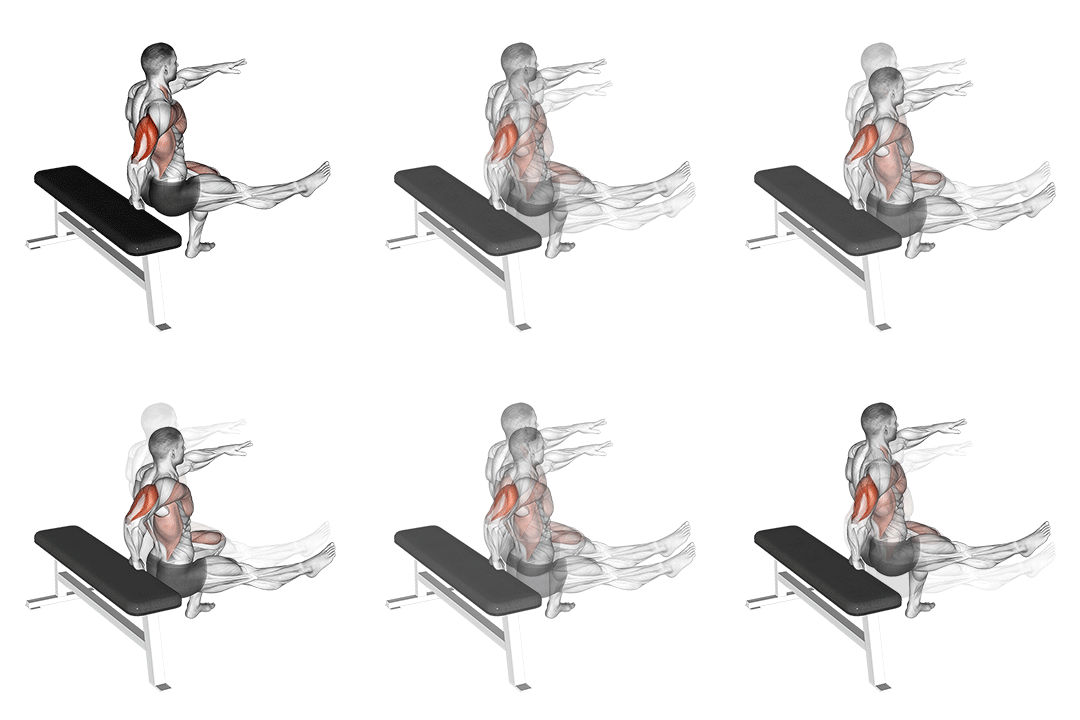
- Stand facing away from a bench or chair, with your feet shoulder-width apart.
- Place one hand on the bench or chair behind you, fingers pointing towards your body.
- Extend your legs out in front of you, keeping your heels on the ground.
- Bend your elbows and lower your body towards the ground, keeping your back close to the bench or chair.
- Pause for a moment at the bottom, then push through your palms to straighten your arms and return to the starting position.
- Repeat for the desired number of repetitions, then switch sides and repeat with the other arm.
Sets and reps: 3 or 4 sets of 6 to 10 reps on each side.
Why this matches
- Primary muscle: triceps, the same as the Cable Kickback
- Equipment: bodyweight only, not a cable
- Body position: standing, the same as the Cable Kickback
- Balance: harder to stay steady on than the Cable Kickback
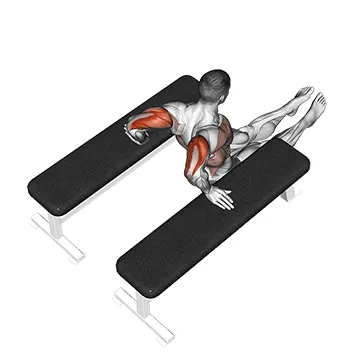
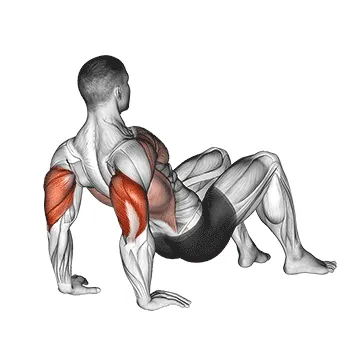
3. Triceps Dip (Between Benches)
44% match- Triceps
- Bodyweight
- Intermediate
- Compound
How to perform this exercise
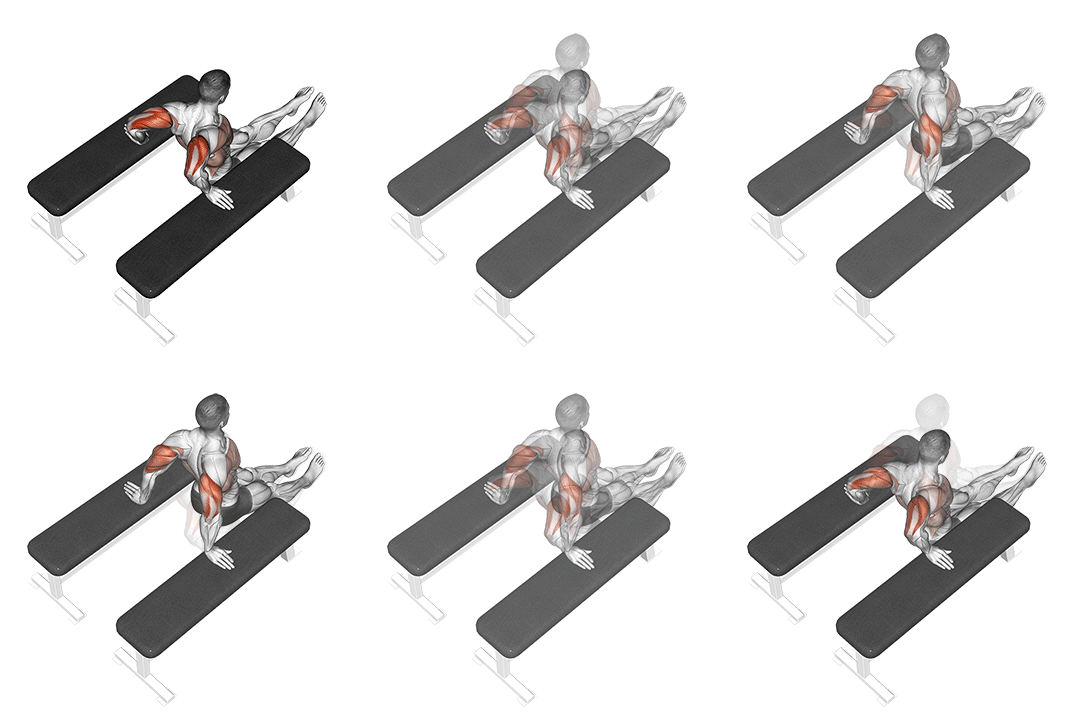
- Sit on a bench with your hands gripping the edge of the bench, fingers pointing forward.
- Slide your butt off the bench, supporting your weight with your hands.
- Bend your elbows and lower your body towards the ground, keeping your back close to the bench.
- Pause for a moment at the bottom, then push yourself back up to the starting position.
- Repeat for the desired number of repetitions.
Sets and reps: 3 or 4 sets of 6 to 10 reps.
Why this matches
- Primary muscle: triceps, the same as the Cable Kickback
- Equipment: bodyweight only, not a cable
- Body position: standing, the same as the Cable Kickback
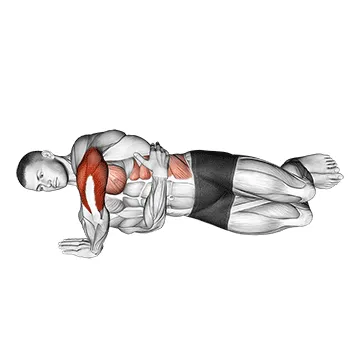
4. Side Push-up
43% match- Triceps
- Bodyweight
- Intermediate
- Compound
How to perform this exercise
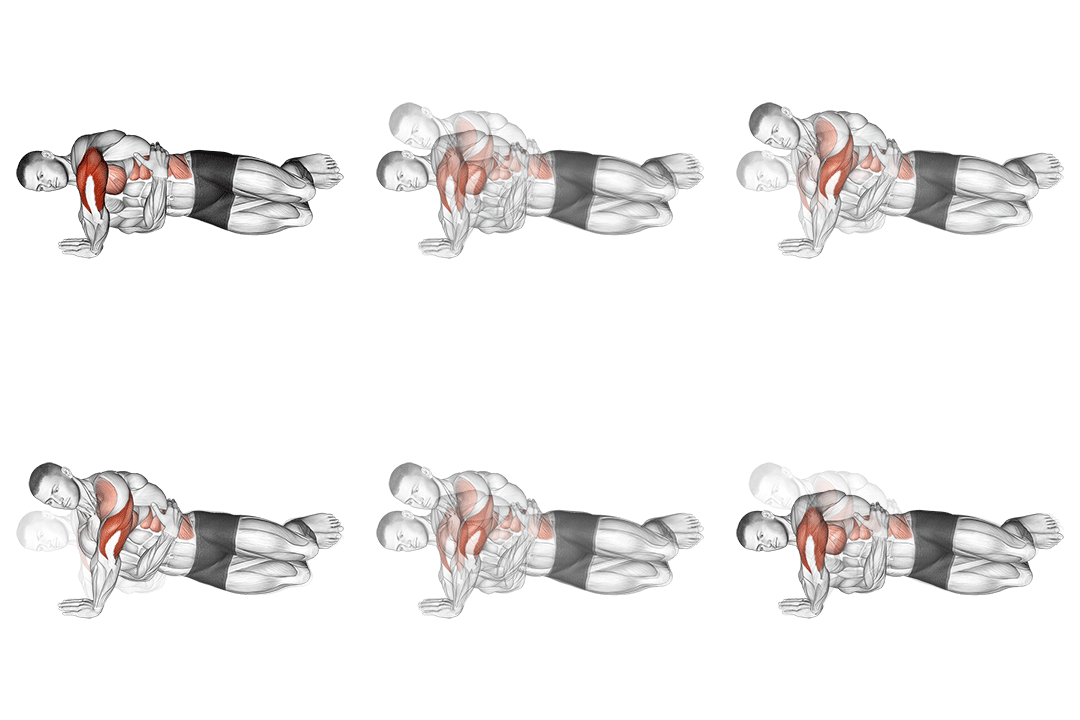
- Start by lying on your side with your legs extended and stacked on top of each other.
- Place your bottom hand on the ground directly under your shoulder, fingers pointing forward.
- Press through your bottom hand to lift your body off the ground, keeping your legs straight and your core engaged.
- Extend your top arm straight up towards the ceiling, creating a straight line from your head to your heels.
- Lower your body back down to the starting position with control.
- Repeat for the desired number of repetitions, then switch sides.
Sets and reps: 3 or 4 sets of 6 to 10 reps on each side.
Why this matches
- Primary muscle: triceps, the same as the Cable Kickback
- Equipment: bodyweight only, not a cable
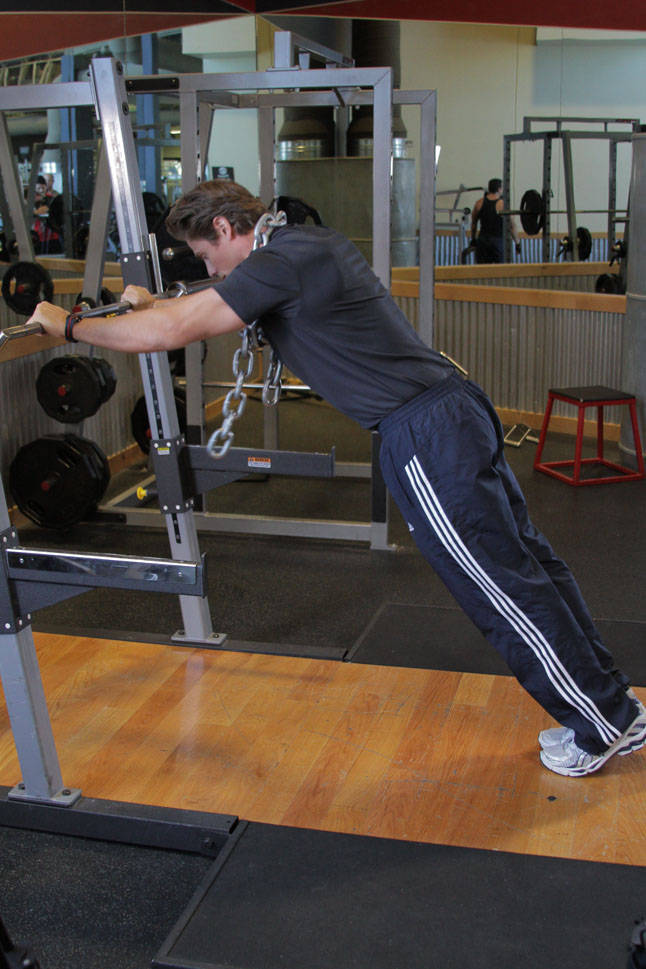
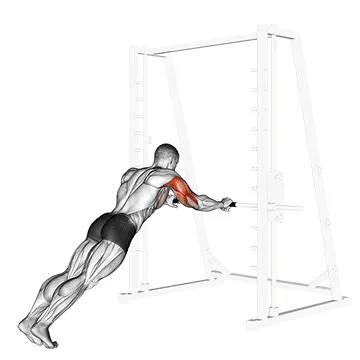
5. Body Tricep Press
42% match- Triceps
- Bodyweight
- Beginner
- Isolation
How to perform this exercise
- Position a bar in a rack at chest height.
- Standing, take a shoulder width grip on the bar and step a yard or two back, feet together and arms extended so that you are leaning on the bar. This will be your starting position.
- Begin by flexing the elbow, lowering yourself towards the bar.
- Pause, and then reverse the motion by extending the elbows.
- Progress from bodyweight by adding chains over your shoulders.
Sets and reps: 3 sets of 10 to 15 reps.
Why this matches
- Primary muscle: triceps, the same as the Cable Kickback
- Equipment: bodyweight only, not a cable
- Body position: lying face down, not standing
6. Triceps Press
41% match- Triceps
- Bodyweight
- Intermediate
- Isolation
How to perform this exercise
- Stand with your feet shoulder-width apart and your knees slightly bent.
- Extend your arms straight out in front of you, parallel to the ground.
- Bend your elbows and lower your body towards the ground, keeping your upper arms close to your sides.
- Pause for a moment at the bottom, then push yourself back up to the starting position.
- Repeat for the desired number of repetitions.
Sets and reps: 3 sets of 10 to 15 reps.
Why this matches
- Primary muscle: triceps, the same as the Cable Kickback
- Equipment: bodyweight only, not a cable
- Body position: kneeling, not standing
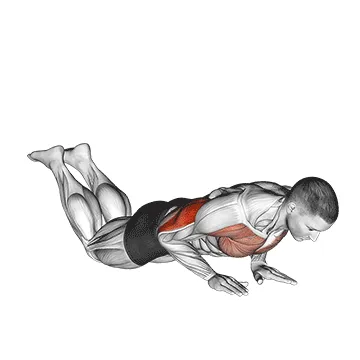
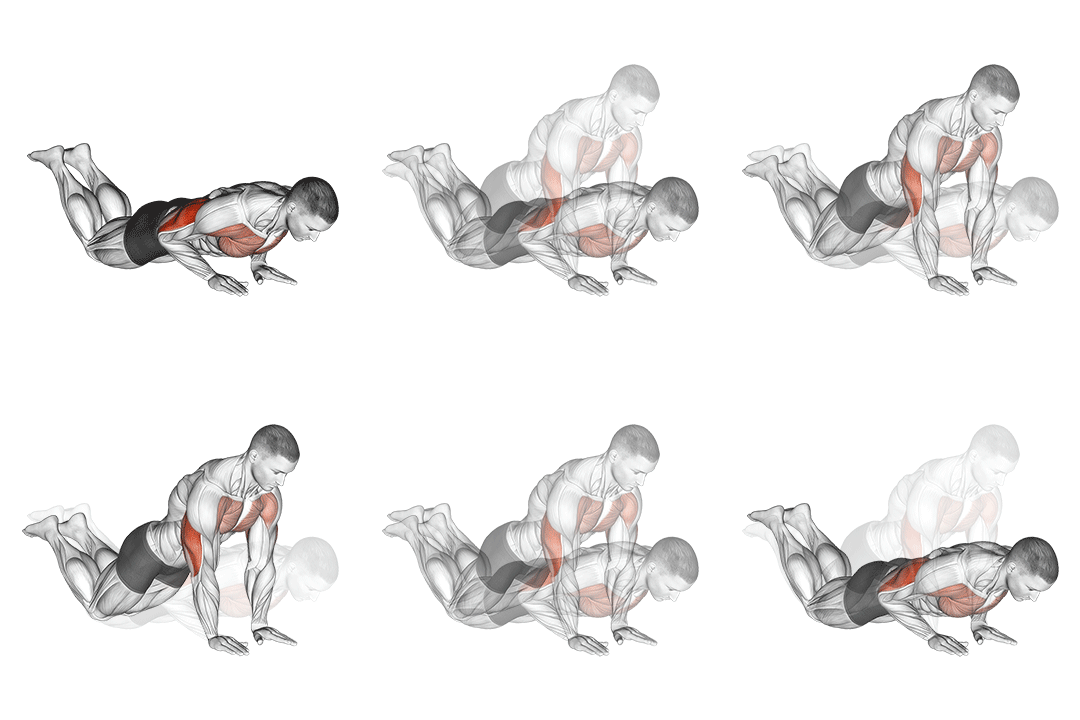
7. Close-grip Push-up (On Knees)
41% match- Triceps
- Bodyweight
- Beginner
- Compound
How to perform this exercise
- Start by getting on your hands and knees, with your hands shoulder-width apart and your knees hip-width apart.
- Lower your upper body towards the ground by bending your elbows, keeping them close to your sides.
- Pause for a moment when your chest is just above the ground.
- Push through your palms to straighten your arms and return to the starting position.
- Repeat for the desired number of repetitions.
Sets and reps: 3 sets of 8 to 12 reps, and add reps before you add load.
Why this matches
- Primary muscle: triceps, the same as the Cable Kickback
- Equipment: bodyweight only, not a cable
- Body position: lying face down, not standing
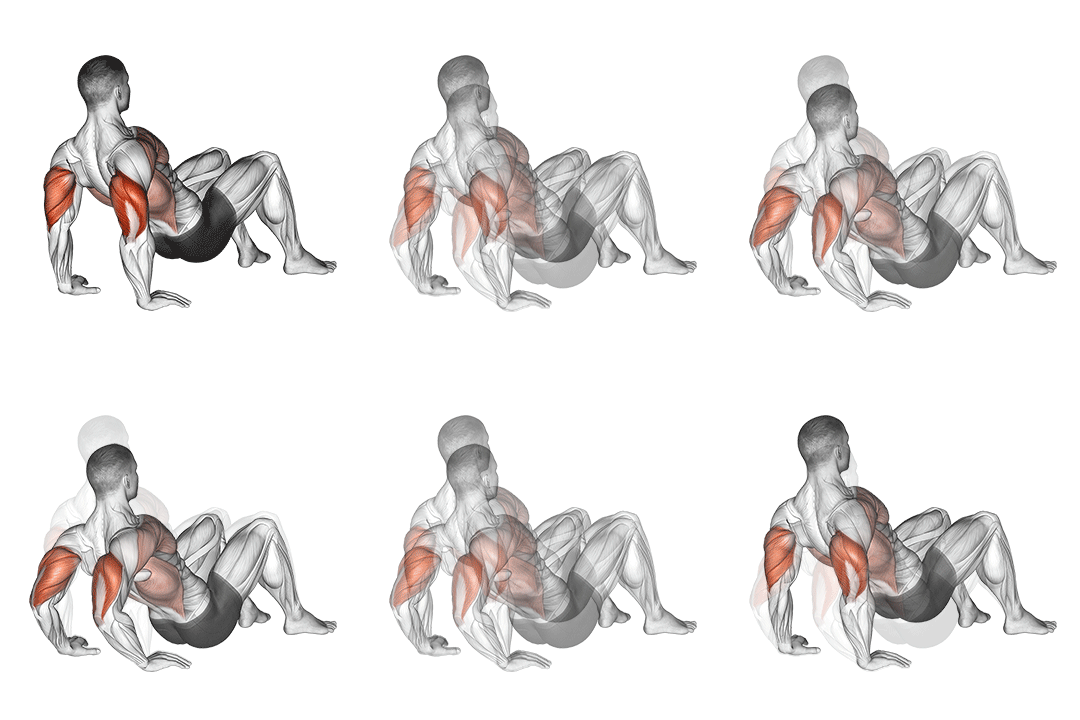
8. Triceps Dips Floor
40% match- Triceps
- Bodyweight
- Beginner
- Isolation
How to perform this exercise
- Sit on the edge of a chair or bench with your hands next to your hips, fingers pointing forward.
- Slide your butt off the front of the chair with your legs extended in front of you.
- Straighten your arms, keeping a little bend in your elbows to keep tension on your triceps and off your elbow joints.
- Slowly bend your elbows to lower your body toward the floor until your elbows are at about a 90-degree angle.
- Once you reach the bottom of the movement, press down into the chair to straighten your elbows, returning to the starting position.
- Repeat for the desired number of repetitions.
Sets and reps: 3 sets of 8 to 12 reps, and add reps before you add load.
Why this matches
- Primary muscle: triceps, the same as the Cable Kickback
- Equipment: bodyweight only, not a cable
- Body position: seated, not standing
- Balance: easier to stay steady on than the Cable Kickback
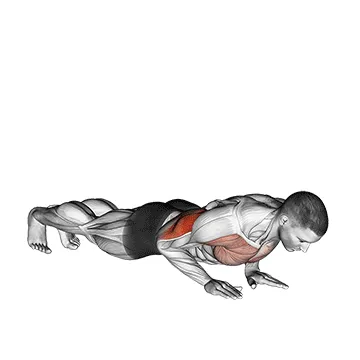
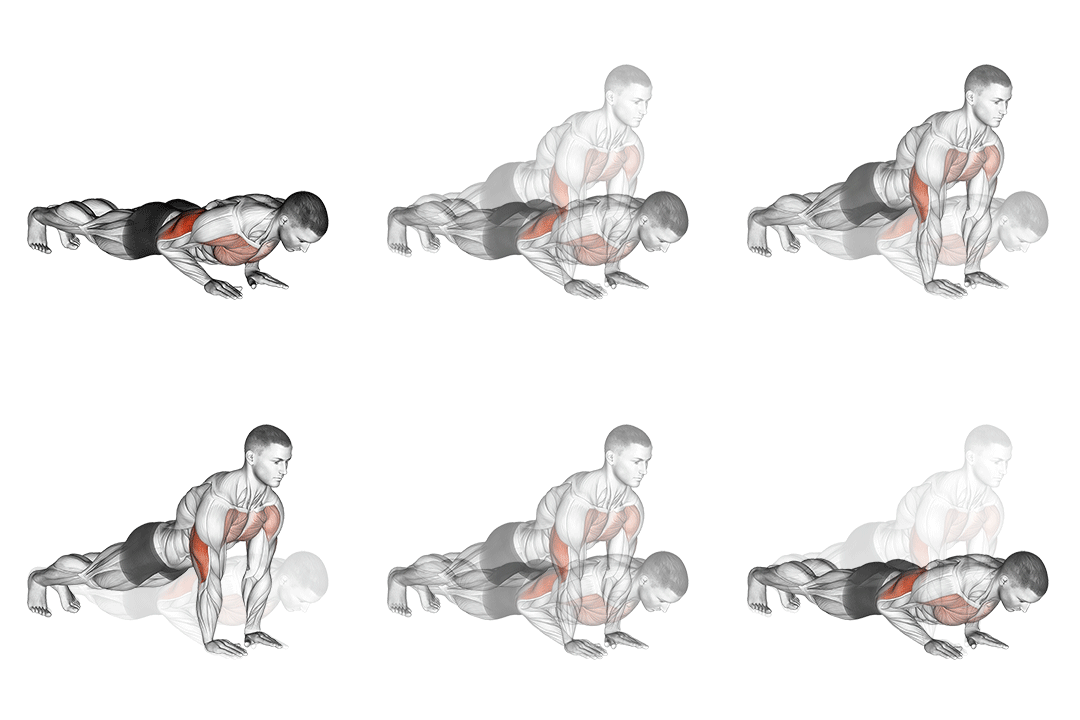
9. Close-grip Push-up
40% match- Triceps
- Bodyweight
- Intermediate
- Compound
How to perform this exercise
- Start in a high plank position with your hands placed close together, directly under your shoulders.
- Engage your core and lower your body towards the ground, keeping your elbows close to your sides.
- Push through your palms to extend your arms and return to the starting position.
- Repeat for the desired number of repetitions.
Sets and reps: 3 or 4 sets of 6 to 10 reps.
Why this matches
- Primary muscle: triceps, the same as the Cable Kickback
- Equipment: bodyweight only, not a cable
- Body position: lying face down, not standing
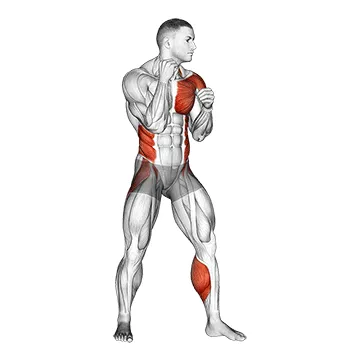
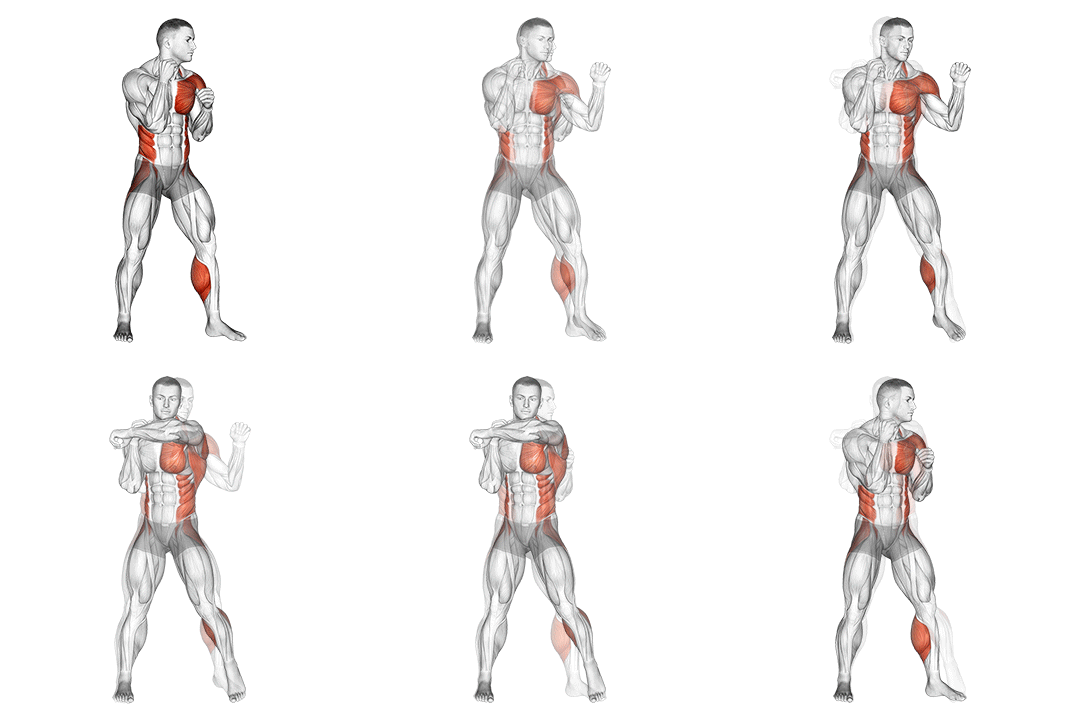
10. Left Hook. Boxing
40% match- Delts
- Bodyweight
- Intermediate
- Compound
How to perform this exercise
- Stand with your feet shoulder-width apart and your knees slightly bent.
- Keep your left hand up to protect your face and your right hand by your chin.
- Rotate your hips and pivot on your left foot as you extend your left arm forward in a punching motion.
- Twist your torso and engage your core muscles to generate power in the punch.
- Snap your arm back to the starting position and repeat for the desired number of repetitions.
Sets and reps: 3 or 4 sets of 6 to 10 reps on each side.
Why this matches
- Primary muscle: delts, not triceps
- Equipment: bodyweight only, not a cable
- Body position: standing, the same as the Cable Kickback
- Balance: harder to stay steady on than the Cable Kickback

Why You Might Need a Cable Kickback Alternative
You may substitute cable kickbacks for several practical reasons: no access to a cable machine, shoulder irritation from reaching back, or a desire for heavier progressive loading. Alternatives let you change the resistance curve and joint angles to target different triceps heads. For example, skull crushers lengthen the long head and emphasize stretch-mediated hypertrophy; cue: lower the bar to forehead level with elbows fixed. Band pushdowns maintain constant tension and reduce shear at the elbow, tuck your elbows and extend through the forearm. Choosing an alternative can preserve triceps activation while reducing pain or improving strength potential.
Cable Kickback FAQ
What muscles does Cable Kickback work?
Cable kickbacks isolate the triceps, primarily stressing the lateral head with the elbow in line with the torso and the long head when the shoulder is flexed. Cue: keep the upper arm fixed and extend the elbow to maximize triceps activation while avoiding shoulder movement.
Can I build muscle without doing Cable Kickback?
Yes, you can build triceps mass using compound lifts and other isolation movements that provide progressive overload, such as close‑grip bench presses, skull crushers, and weighted dips. Focus on controlled eccentrics, full but safe range of motion, and gradually increasing load to stimulate hypertrophy.
Find Alternatives for Any Exercise
Search the exercise database and filter the ranked substitutes by the equipment you own.
Similarity scores compare exercise metadata such as movement pattern, muscles, equipment and body position. They are not a safety rating or a check that you own the equipment. Learn about our methodology