

10 Best Cable Straight Back Seated Row Alternatives for Any Setup
You can replace the cable seated row with five exercises: single-arm dumbbell row, barbell bent-over row, chest-supported machine row, TRX inverted row, or band seated row. Each replicates horizontal pull mechanics and targets the rhomboids, traps, and rear delts—pull elbows toward your hips and retract the scapula on every rep.
Original Exercise: Cable Straight Back Seated Row
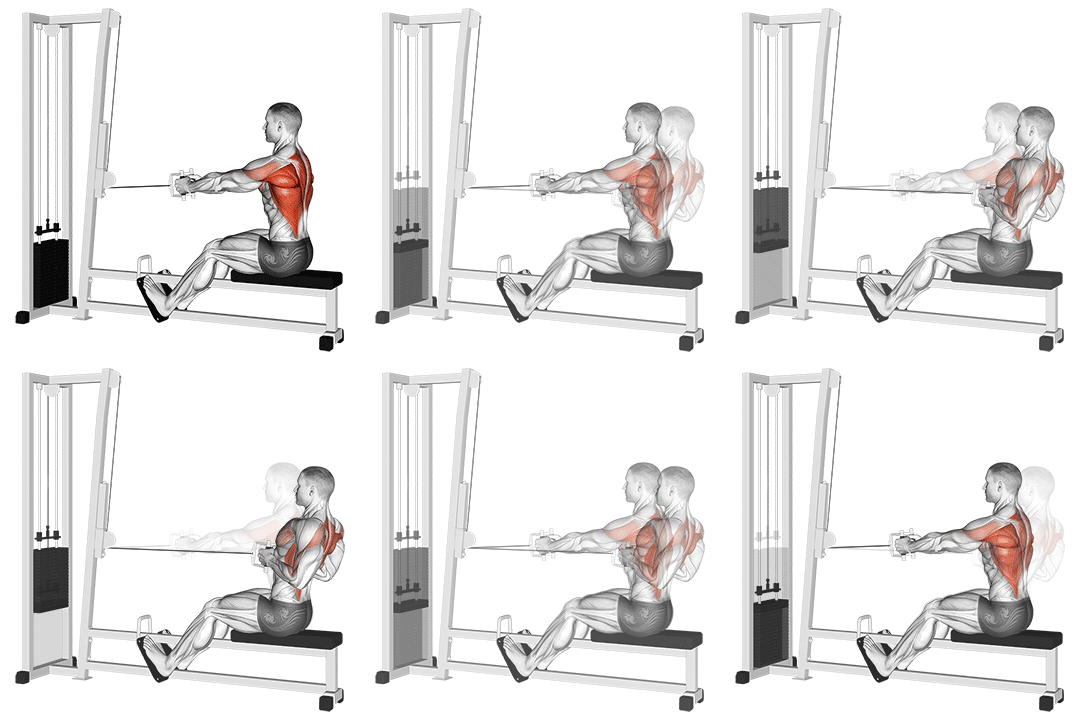
How to Perform Cable Straight Back Seated Row
- Sit on the cable row machine with your feet flat on the footrests and your knees slightly bent.
- Grasp the cable handles with an overhand grip, palms facing down.
- Keep your back straight and lean slightly forward from the hips.
- Pull the cable handles towards your body, squeezing your shoulder blades together.
- Pause for a moment at the peak of the movement, then slowly release the handles back to the starting position.
- Repeat for the desired number of repetitions.
Best Cable Straight Back Seated Row Alternatives
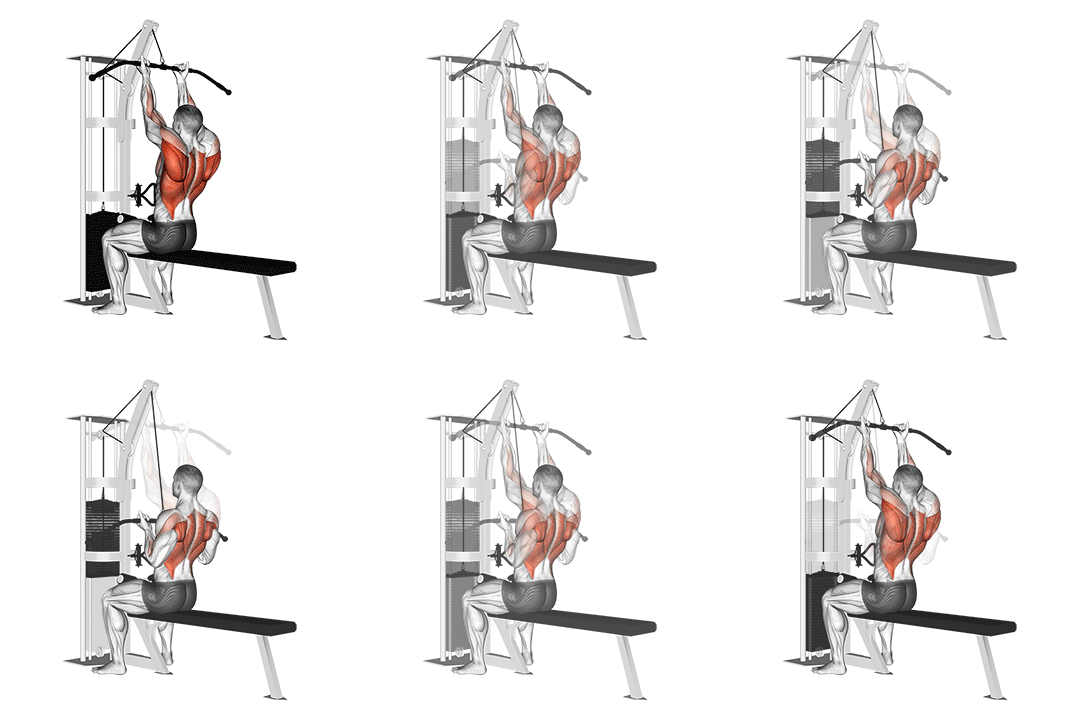
1. Cable Reverse-grip Straight Back Seated High Row
96% MatchHow to perform this exercise
- Sit on the seat facing the cable machine with your feet flat on the floor.
- Grasp the cable attachment with an underhand grip, palms facing up, and your hands shoulder-width apart.
- Keep your back straight and lean slightly forward from your hips.
- Pull the cable towards your torso by retracting your shoulder blades and squeezing your back muscles.
- Pause for a moment at the peak of the contraction, then slowly release the cable back to the starting position.
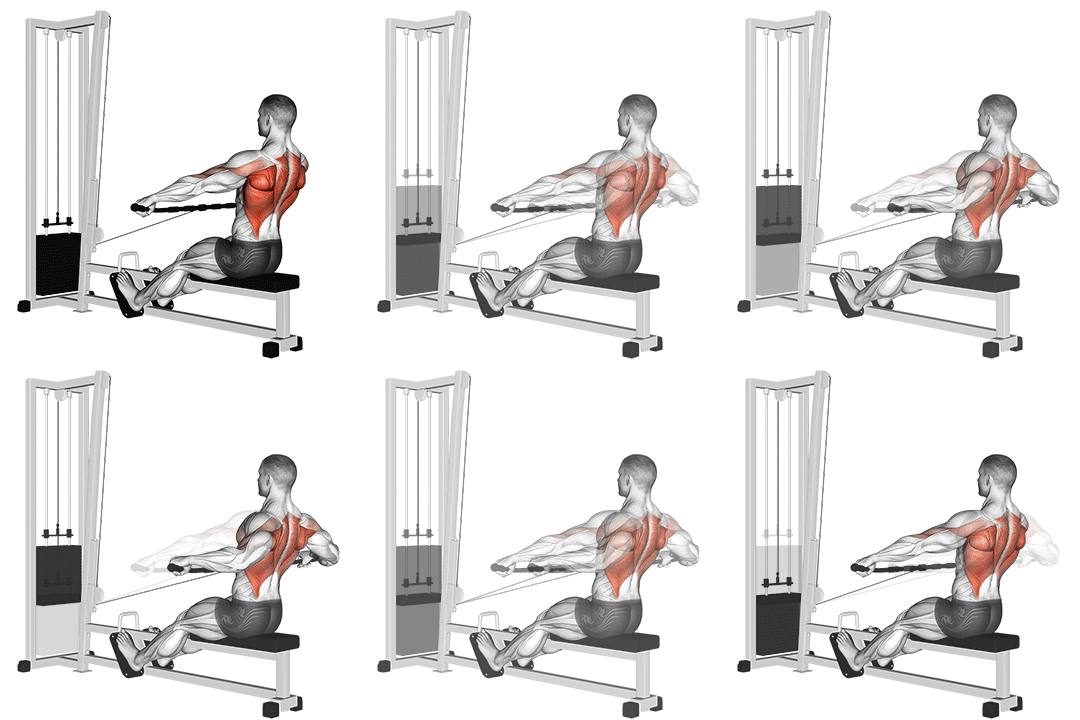
2. Cable Seated Wide-grip Row
96% MatchHow to perform this exercise
- Sit on the cable row machine with your feet flat on the footrests and your knees slightly bent.
- Grasp the handle with a wide overhand grip, palms facing down.
- Keep your back straight and lean slightly forward from the hips.
- Pull the handle towards your lower chest, squeezing your shoulder blades together.
- Pause for a moment at the peak of the contraction.
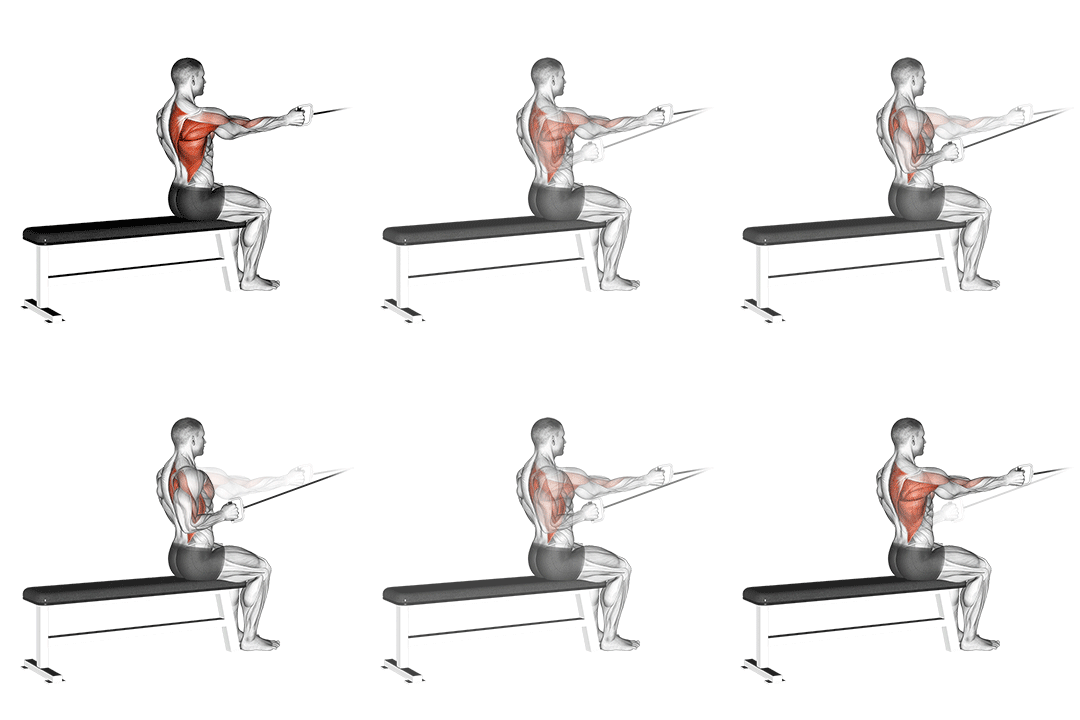
3. Cable Seated One Arm Alternate Row
91.7% MatchHow to perform this exercise
- Sit on a bench facing a cable machine with your feet flat on the ground and knees slightly bent.
- Grasp the handle with one hand and keep your arm fully extended in front of you.
- Pull the handle towards your body, retracting your shoulder blade and keeping your elbow close to your side.
- Pause for a moment at the top of the movement, squeezing your back muscles.
- Slowly release the handle back to the starting position.
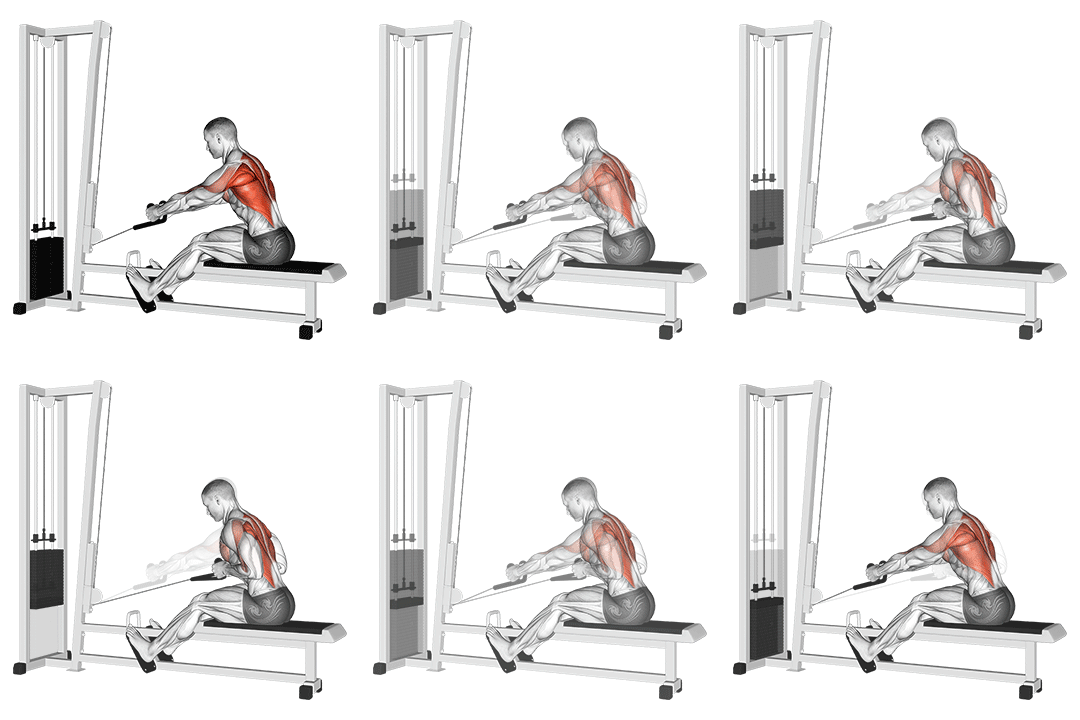
4. Cable Rope Elevated Seated Row
91% MatchHow to perform this exercise
- Sit on the elevated seat facing the cable machine.
- Grab the cable rope handles with an overhand grip, palms facing each other.
- Keep your back straight and lean slightly back, maintaining a slight bend in your knees.
- Pull the cable towards your body by retracting your shoulder blades and squeezing your back muscles.
- Pause for a moment at the fully contracted position.
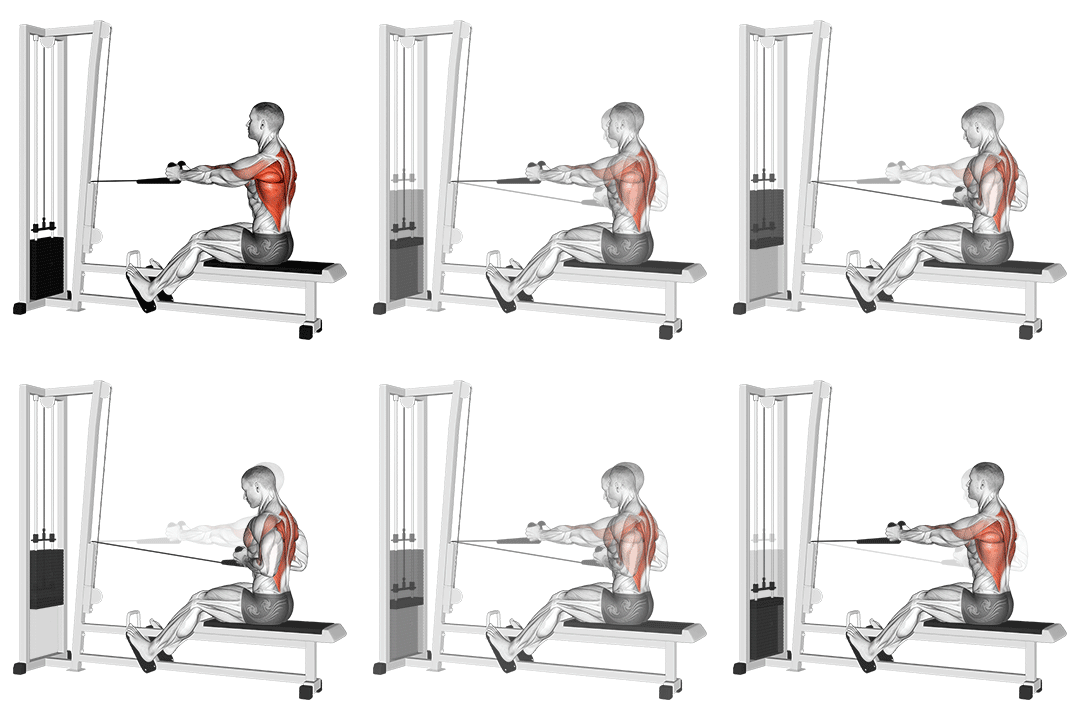
5. Cable Rope Seated Row
90.4% MatchHow to perform this exercise
- Sit on the rowing machine with your feet flat on the footrests and knees slightly bent.
- Grasp the cable ropes with an overhand grip, palms facing each other.
- Keep your back straight and lean slightly forward, maintaining a slight bend in your elbows.
- Pull the cable ropes towards your body, squeezing your shoulder blades together.
- Pause for a moment at the peak of the movement, then slowly release the tension and return to the starting position.
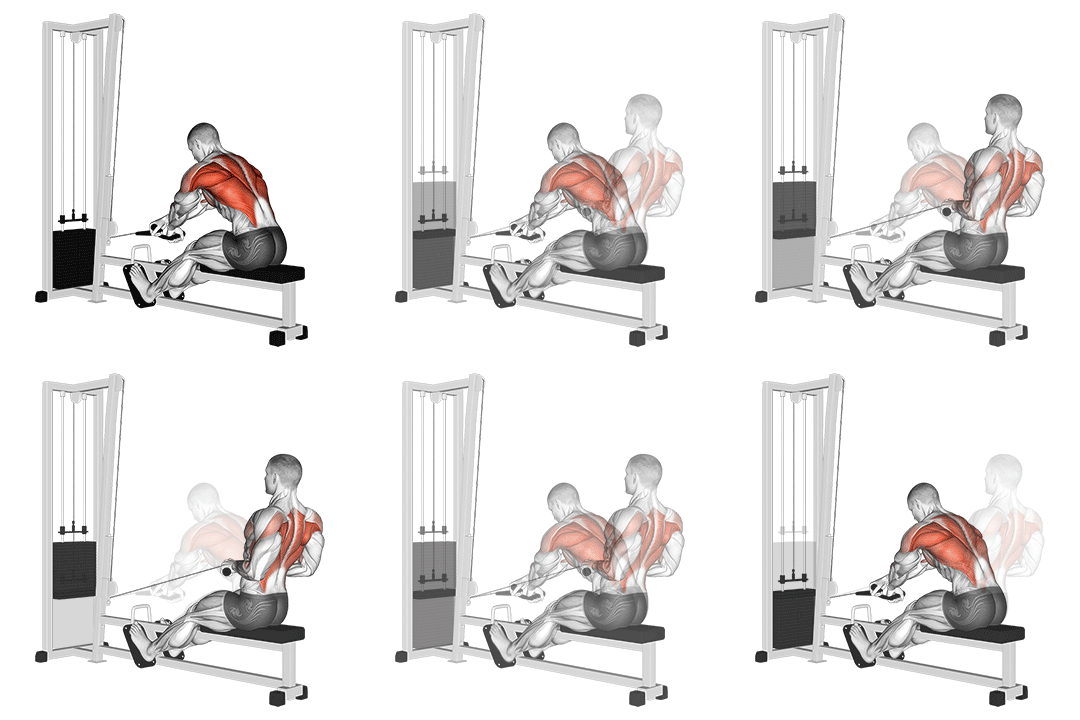
6. Cable Rope Crossover Seated Row
90.4% MatchHow to perform this exercise
- Sit on the rowing machine with your feet flat on the footrests and your knees slightly bent.
- Grasp the cable ropes with an overhand grip, palms facing each other.
- Lean back slightly, keeping your back straight and your core engaged.
- Pull the cable ropes towards your chest, squeezing your shoulder blades together.
- Pause for a moment at the peak of the movement, then slowly release the tension and return to the starting position.
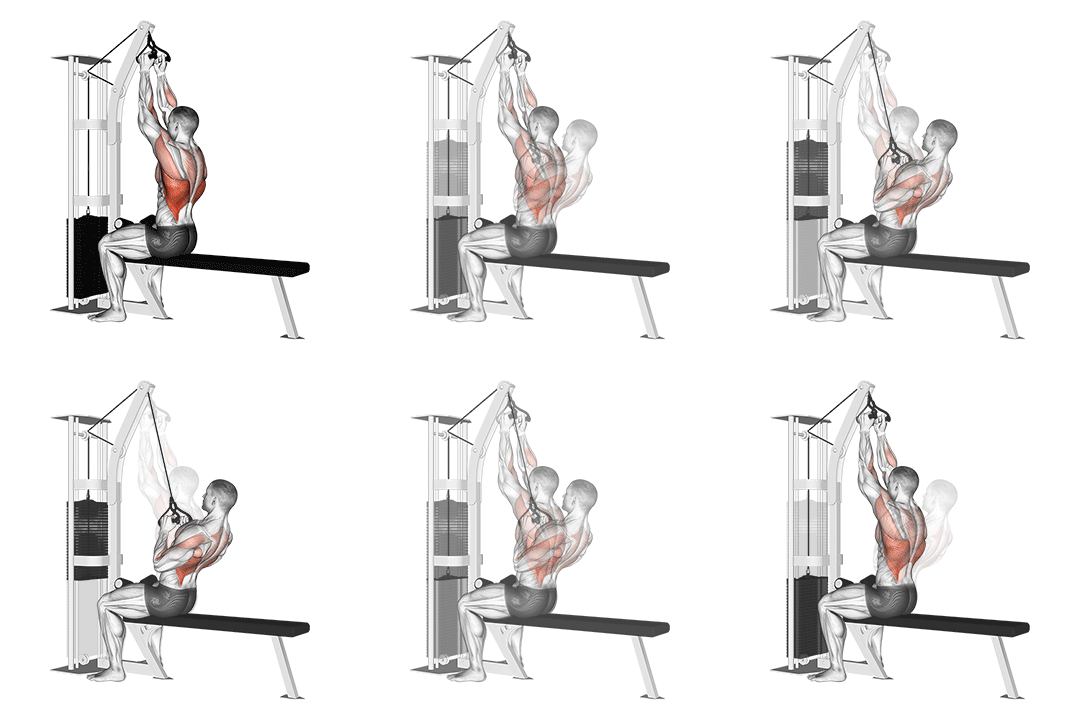
7. Cable Seated High Row (v-bar)
85% MatchHow to perform this exercise
- Sit on the cable machine with your feet flat on the floor and your knees slightly bent.
- Grasp the v-bar attachment with an overhand grip, palms facing each other, and your hands shoulder-width apart.
- Keep your back straight and lean slightly forward from the hips.
- Pull the v-bar towards your torso by retracting your shoulder blades and squeezing your back muscles.
- Pause for a moment at the peak of the contraction, then slowly release the tension and return to the starting position.
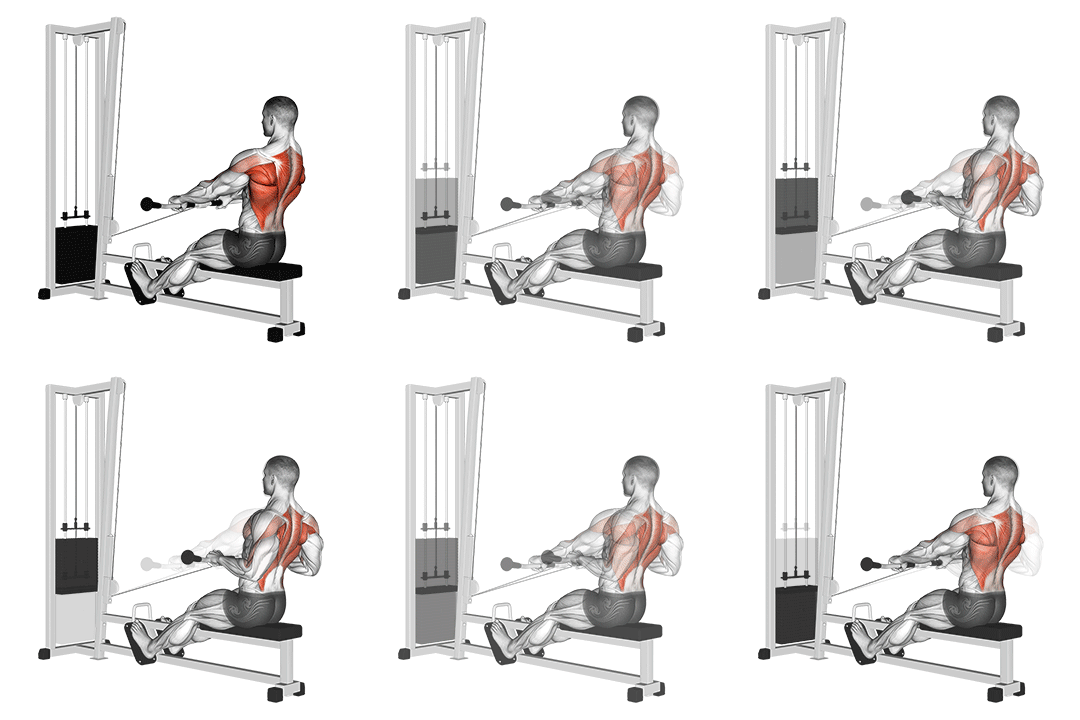
8. Cable Low Seated Row
85% MatchHow to perform this exercise
- Sit on the machine with your feet flat on the footrests and your knees slightly bent.
- Grasp the handles with an overhand grip, palms facing down.
- Keep your back straight and lean slightly forward, maintaining a slight bend in your elbows.
- Pull the handles towards your body, squeezing your shoulder blades together.
- Pause for a moment at the peak of the movement, then slowly release the handles back to the starting position.
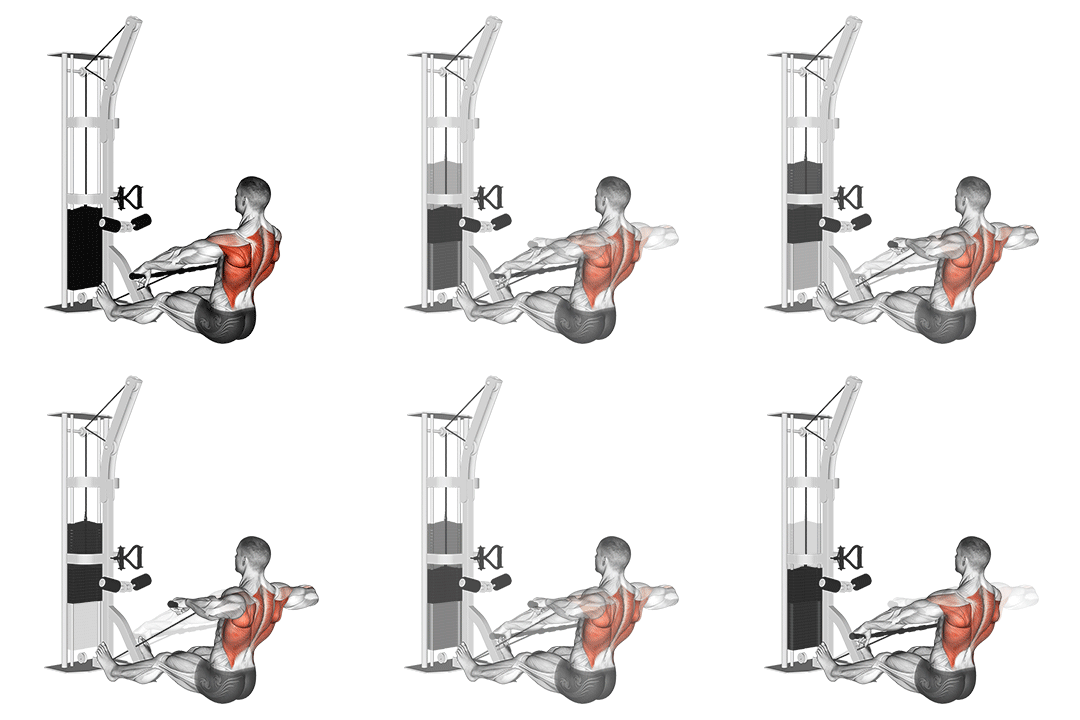
9. Cable Floor Seated Wide-grip Row
81% MatchHow to perform this exercise
- Sit on the floor with your legs extended and your back straight.
- Attach a cable handle to a low pulley and position the cable machine behind you.
- Grasp the handle with a wide overhand grip, palms facing down.
- Lean back slightly, keeping your back straight and your chest lifted.
- Pull the handle towards your waist, squeezing your shoulder blades together.
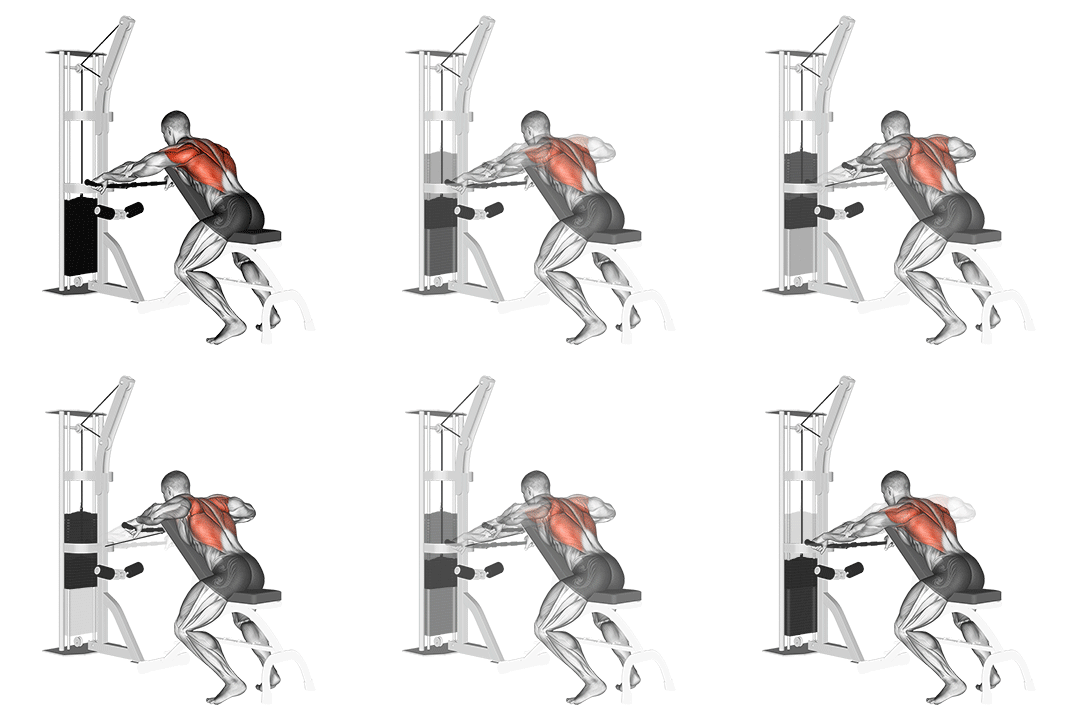
10. Cable Decline Seated Wide-grip Row
81% MatchHow to perform this exercise
- Sit on the decline bench facing the cable machine with your feet securely placed on the footrests.
- Grasp the cable attachment with a wide overhand grip, palms facing down.
- Lean back slightly, keeping your back straight and your core engaged.
- Pull the cable towards your lower chest, squeezing your shoulder blades together.
- Pause for a moment at the peak of the contraction, then slowly release the cable back to the starting position.
Why You Might Need a Cable Straight Back Seated Row Alternative
You might substitute the Cable Straight Back Seated Row for shoulder pain, limited cable access, or to address unilateral imbalances. Some lifters need a chest-supported option to remove lumbar loading; others need free-weight or bodyweight choices to emphasize core or stabilizer activation. Pick alternatives that preserve horizontal-pull mechanics and scapular retraction. Technique cue: keep a neutral spine, initiate the pull with scapular retraction, and drive the elbow toward the torso so the rhomboids and middle traps remain the prime movers.
How to Choose the Right Substitute
Choose a substitute based on equipment, goals, and biomechanics. For strict upper-back isolation pick a chest-supported machine or inverted row to reduce lumbar strain; cue a flat chest and scapular pull. For strength and progressive overload pick barbell bent-over rows and emphasize hip hinge and vertical torso control. For unilateral imbalance or core engagement use single-arm dumbbell rows and brace your core while pulling the elbow close to the ribcage. If cables are unavailable use heavy bands and focus on consistent tension and scapular retraction throughout the range.
Frequently Asked Questions
What muscles does Cable Straight Back Seated Row work?
The cable seated row primarily targets the middle and upper back: rhomboids, middle and lower traps, and posterior deltoids, with latissimus dorsi and biceps assisting. Biomechanically it emphasizes scapular retraction and horizontal shoulder extension—start each rep by pulling the shoulder blades back and down to load the target muscles.
What is the best bodyweight alternative to Cable Straight Back Seated Row?
The TRX or suspension inverted row is the top bodyweight substitute because it preserves horizontal-pull mechanics and allows grip and torso angle adjustments for load. Technique cue: keep a straight plank line, lead with the chest toward the handles, and retract the scapula before bending the elbows to maximize upper-back activation.
Can I build muscle without doing Cable Straight Back Seated Row?
Yes—use equivalent horizontal-pull movements that provide progressive overload and full scapular range of motion. Examples: perform heavy bent-over rows for load, single-arm dumbbell rows for unilateral stimulus, and chest-supported rows for isolation; always emphasize scapular retraction and controlled eccentric tempo to stimulate hypertrophy.
More Exercise Alternatives
Find Alternatives for Any Exercise
Use our free tool to discover the best substitute exercises based on your available equipment and goals.
Try the Exercise Substitution Finder →