

10 Best Cable One-arm Straight Back High Row Alternatives (kneeling)
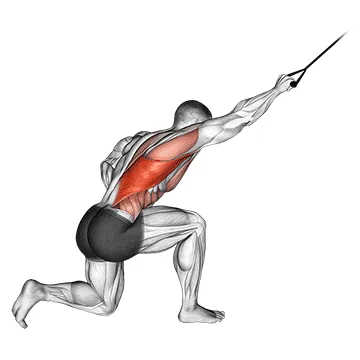
The Cable One Arm Straight Back High Row (Kneeling) is done kneeling with a cable machine. Ranked closest by our scoring: the Kneeling Single-arm High Pulley Row, the Alternate Lateral Pulldown and the Kneeling High Pulley Row.
Updated Ranked by our 12-factor similarity model How it works
Original Exercise: Cable One Arm Straight Back High Row (Kneeling)
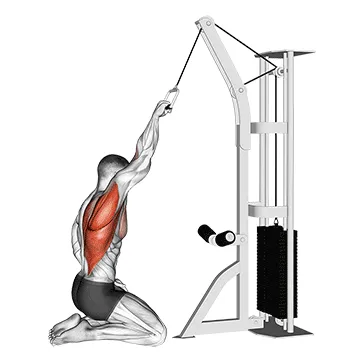
- Primary muscle
- Upper Back
- Equipment
- Cable
- Difficulty
- Intermediate
- Type
- Compound
Secondary muscles: Biceps, Shoulders
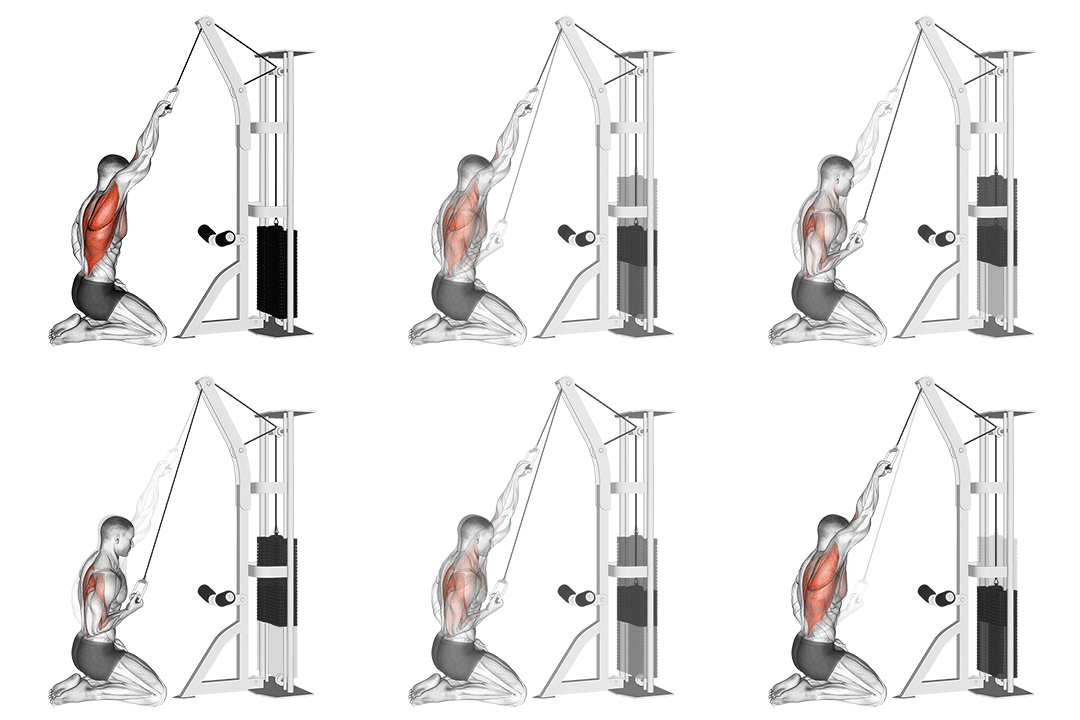
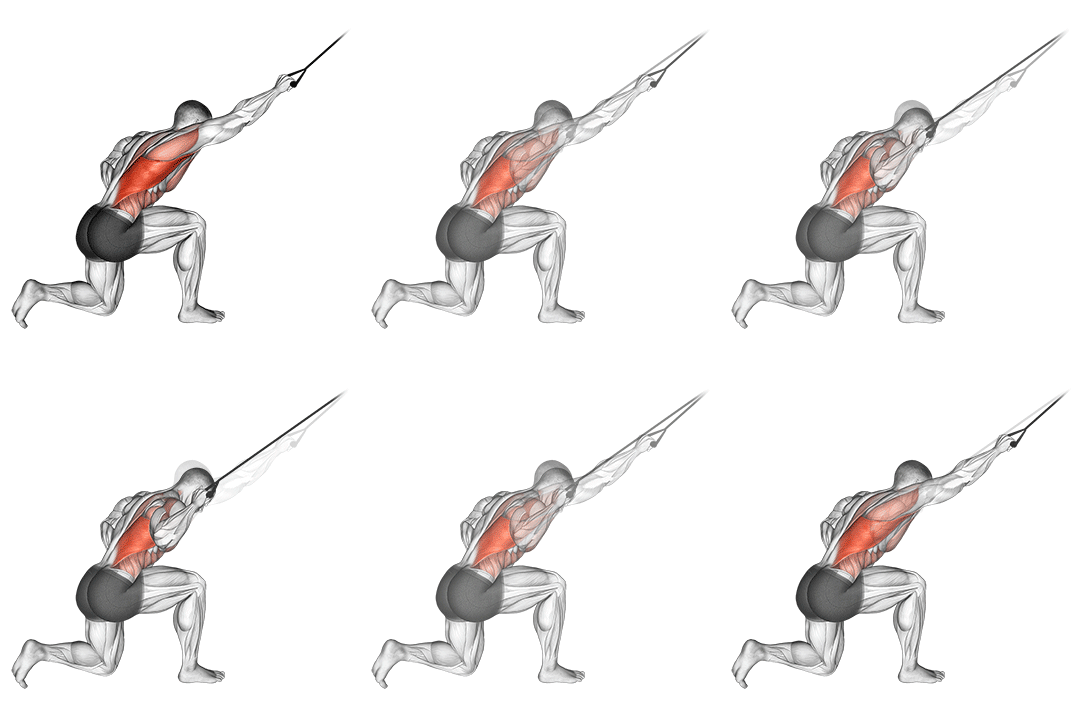
How to perform Cable One Arm Straight Back High Row (Kneeling)
- Attach a handle to a cable machine at waist height.
- Kneel down facing the cable machine and grab the handle with one hand.
- Keep your back straight and your core engaged.
- Pull the handle towards your chest, squeezing your shoulder blades together.
- Pause for a moment at the top of the movement.
- Slowly release the handle back to the starting position.
- Repeat for the desired number of repetitions.
- Switch sides and repeat the exercise with the other arm.
Ranked Cable One Arm Straight Back High Row (Kneeling) Alternatives
10 substitutes, ranked by how closely each one matches the Cable One Arm Straight Back High Row (Kneeling) on movement pattern, muscles worked, equipment and body position. The higher the score, the less you change. Open "How to perform this exercise" on a card for the steps; every card title links to that exercise's own alternatives page.
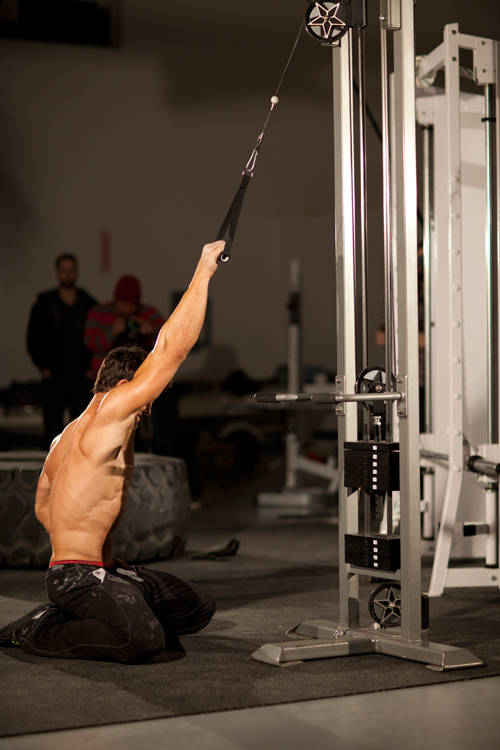
- Lats
- Cable
- Intermediate
- Compound
A looser match: it uses the same equipment, but it works the lats rather than the upper back.
How to perform this exercise
- Attach a single handle to a high pulley and make your weight selection.
- Kneel in front of the cable tower, taking the cable with one hand with your arm extended. This will be your starting position.
- Starting with your palm facing forward, pull the weight down to your torso by flexing the elbow and retract the shoulder blade. As you do so, rotate the wrist so that at the completion of the movement, your palm is now facing you.
- After a brief pause, return to the starting position.
Sets and reps: 3 or 4 sets of 6 to 10 reps on each side.
Why this matches
- Primary muscle: lats, not upper back
- Equipment: a cable, the same as the Cable One Arm Straight Back High Row (Kneeling)
- Body position: kneeling, the same as the Cable One Arm Straight Back High Row (Kneeling)
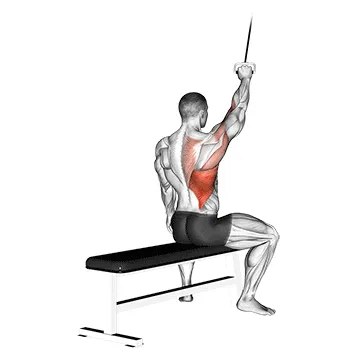
2. Alternate Lateral Pulldown
74% match- Lats
- Cable
- Intermediate
- Compound
How to perform this exercise
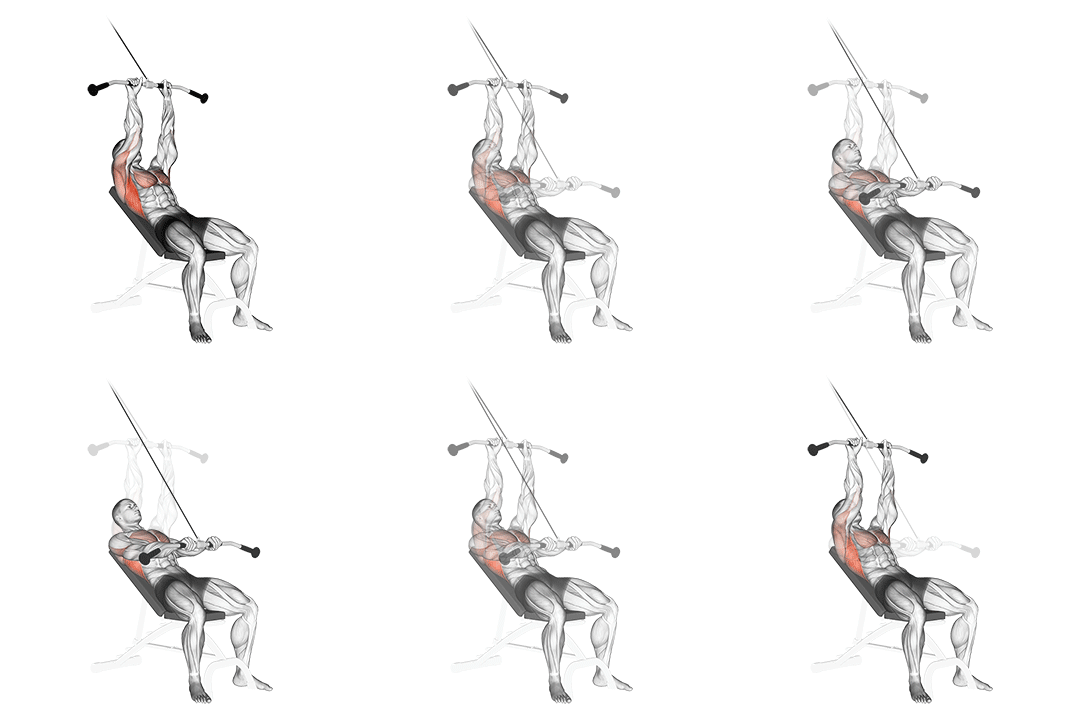
- Sit on the cable machine with your back straight and feet flat on the ground.
- Grasp the handles with an overhand grip, slightly wider than shoulder-width apart.
- Lean back slightly and pull the handles towards your chest, squeezing your shoulder blades together.
- Pause for a moment at the peak of the movement, then slowly release the handles back to the starting position.
- Repeat for the desired number of repetitions.
Sets and reps: 3 or 4 sets of 6 to 10 reps on each side.
Why this matches
- Primary muscle: lats, not upper back
- Equipment: a cable, the same as the Cable One Arm Straight Back High Row (Kneeling)
- Body position: seated, not kneeling
- Balance: easier to stay steady on than the Cable One Arm Straight Back High Row (Kneeling)
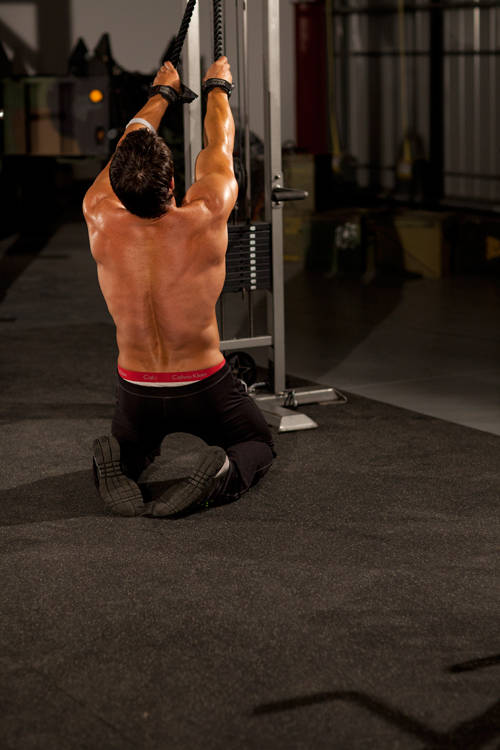
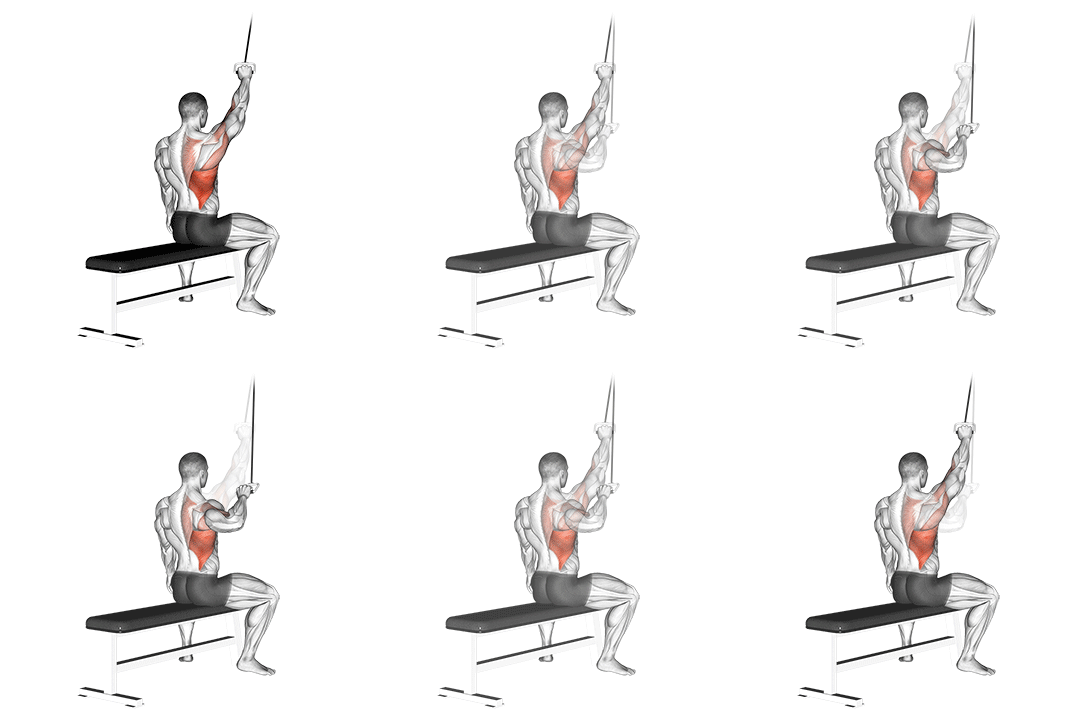
3. Kneeling High Pulley Row
72% match- Lats
- Cable
- Intermediate
- Compound
How to perform this exercise
- Select the appropriate weight using a pulley that is above your head. Attach a rope to the cable and kneel a couple of feet away, holding the rope out in front of you with both arms extended. This will be your starting position.
- Initiate the movement by flexing the elbows and fully retracting your shoulders, pulling the rope toward your upper chest with your elbows out.
- After pausing briefly, slowly return to the starting position.
Sets and reps: 3 or 4 sets of 6 to 10 reps.
Why this matches
- Primary muscle: lats, not upper back
- Equipment: a cable, the same as the Cable One Arm Straight Back High Row (Kneeling)
- Body position: kneeling, the same as the Cable One Arm Straight Back High Row (Kneeling)
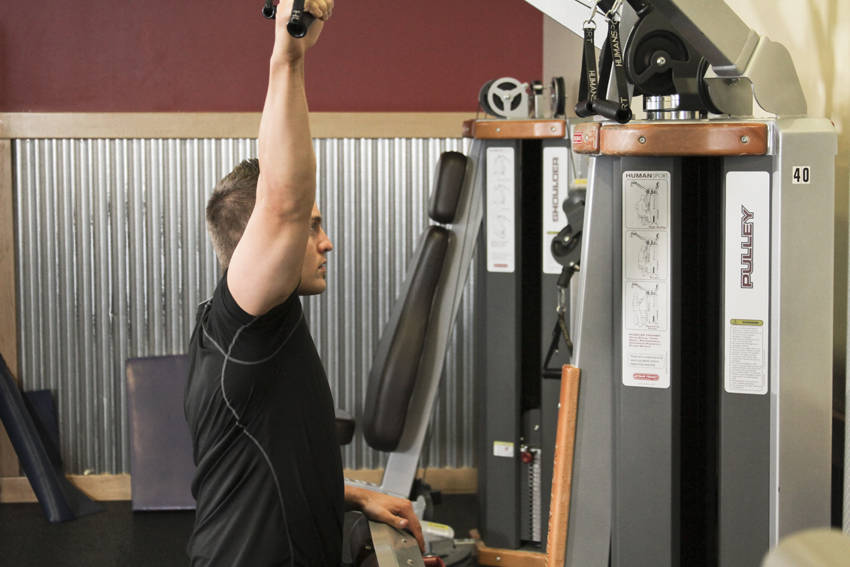
4. One Arm Lat Pulldown
70% match- Lats
- Cable
- Intermediate
- Compound
How to perform this exercise
- Select an appropriate weight and adjust the knee pad to help keep you down. Grasp the handle with a pronated grip. This will be your starting position.
- Pull the handle down, squeezing your elbow to your side as you flex the elbow.
- Pause at the bottom of the motion, and then slowly return the handle to the starting position.
- For multiple repetitions, avoid completely returning the weight to keep tension on the muscles being worked.
Sets and reps: 3 or 4 sets of 6 to 10 reps on each side.
Why this matches
- Primary muscle: lats, not upper back
- Equipment: a cable, the same as the Cable One Arm Straight Back High Row (Kneeling)
- Body position: seated, not kneeling
- Balance: easier to stay steady on than the Cable One Arm Straight Back High Row (Kneeling)
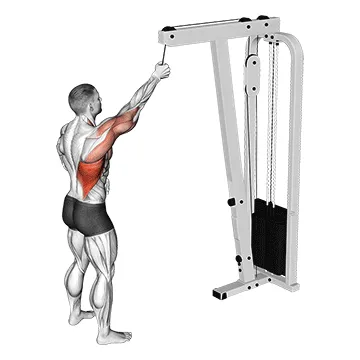
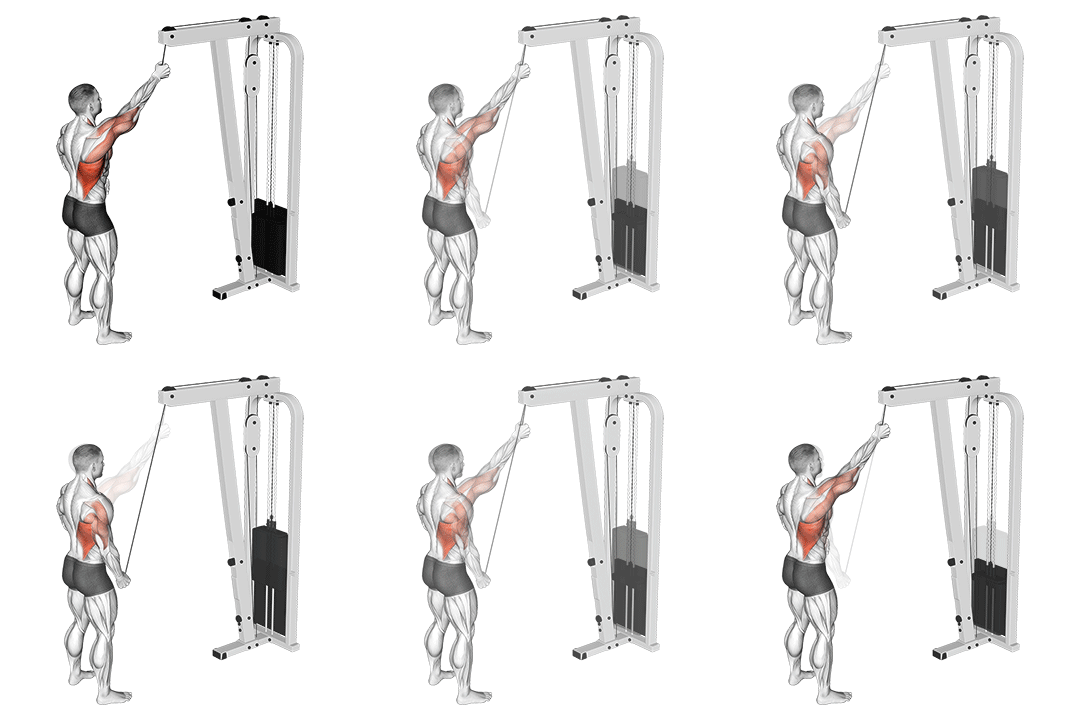
5. Cable One Arm Pulldown
66% match- Lats
- Cable
- Intermediate
- Compound
How to perform this exercise
- Attach a single handle to a high pulley cable machine.
- Stand facing the machine with your feet shoulder-width apart.
- Grasp the handle with an overhand grip and extend your arm fully.
- Keep your back straight and your core engaged.
- Pull the handle down towards your side while keeping your elbow close to your body.
- Pause for a moment at the bottom of the movement, squeezing your lat muscle.
- Slowly release the handle back to the starting position.
- Repeat for the desired number of repetitions.
- Switch sides and repeat the exercise with the other arm.
Sets and reps: 3 or 4 sets of 6 to 10 reps on each side.
Why this matches
- Primary muscle: lats, not upper back
- Equipment: a cable, the same as the Cable One Arm Straight Back High Row (Kneeling)
- Body position: seated, not kneeling
- Balance: easier to stay steady on than the Cable One Arm Straight Back High Row (Kneeling)
6. Band Kneeling One Arm Pulldown
65% match- Lats
- Band
- Intermediate
- Compound
A looser match: it works the lats rather than the upper back.
How to perform this exercise
- Attach the band to a sturdy anchor point above your head.
- Kneel down and hold the band with one hand, palm facing down.
- Extend your arm fully overhead, keeping your elbow slightly bent.
- Engage your lat muscles and pull the band down towards your side, bringing your elbow towards your ribcage.
- Pause for a moment at the bottom, then slowly release the tension and return to the starting position.
- Repeat for the desired number of repetitions, then switch sides.
Sets and reps: 3 or 4 sets of 6 to 10 reps on each side.
Why this matches
- Primary muscle: lats, not upper back
- Equipment: a band, not a cable
- Body position: kneeling, the same as the Cable One Arm Straight Back High Row (Kneeling)
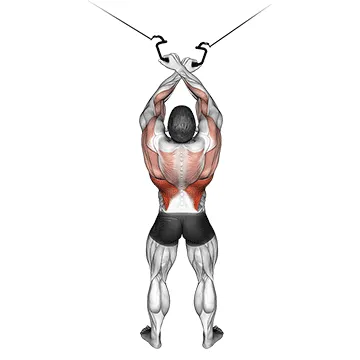
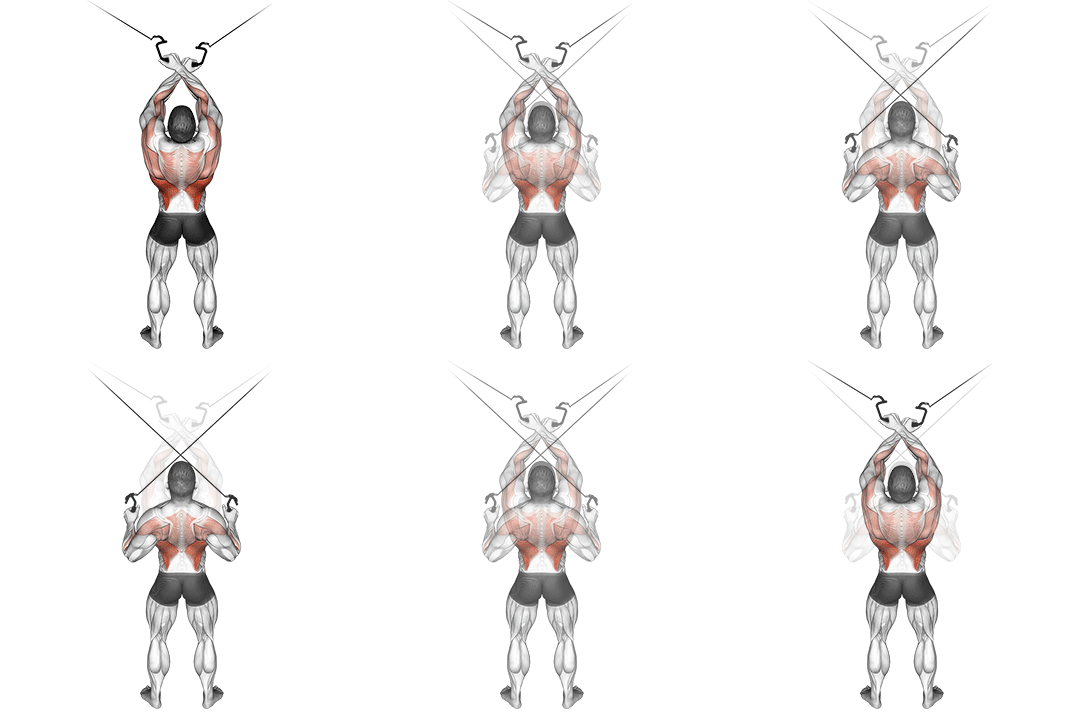
7. Cable Cross-over Lateral Pulldown
64% match- Lats
- Cable
- Intermediate
- Compound
How to perform this exercise
- Attach a cable handle to each side of a cable machine at shoulder height.
- Stand in the middle of the machine with your feet shoulder-width apart.
- Grasp the handles with an overhand grip and step back to create tension in the cables.
- Lean forward slightly from the hips, keeping your back straight and your chest up.
- Pull the handles down and across your body, squeezing your shoulder blades together.
- Pause for a moment at the bottom of the movement, then slowly return to the starting position.
- Repeat for the desired number of repetitions.
Sets and reps: 3 or 4 sets of 6 to 10 reps.
Why this matches
- Primary muscle: lats, not upper back
- Equipment: a cable, the same as the Cable One Arm Straight Back High Row (Kneeling)
- Body position: seated, not kneeling
- Balance: easier to stay steady on than the Cable One Arm Straight Back High Row (Kneeling)
8. Cable Incline Pushdown
64% match- Lats
- Cable
- Intermediate
- Compound
How to perform this exercise
- Attach a straight bar to a high pulley cable machine.
- Stand facing away from the machine with your feet shoulder-width apart.
- Grasp the bar with an overhand grip, hands slightly wider than shoulder-width apart.
- Lean forward slightly and keep your back straight.
- Pull the bar down towards your thighs by extending your elbows.
- Pause for a moment at the bottom, then slowly return the bar to the starting position.
- Repeat for the desired number of repetitions.
Sets and reps: 3 or 4 sets of 6 to 10 reps.
Why this matches
- Primary muscle: lats, not upper back
- Equipment: a cable, the same as the Cable One Arm Straight Back High Row (Kneeling)
- Body position: seated, not kneeling
- Balance: easier to stay steady on than the Cable One Arm Straight Back High Row (Kneeling)
9. Cable Pulldown
64% match- Lats
- Cable
- Intermediate
- Compound
How to perform this exercise
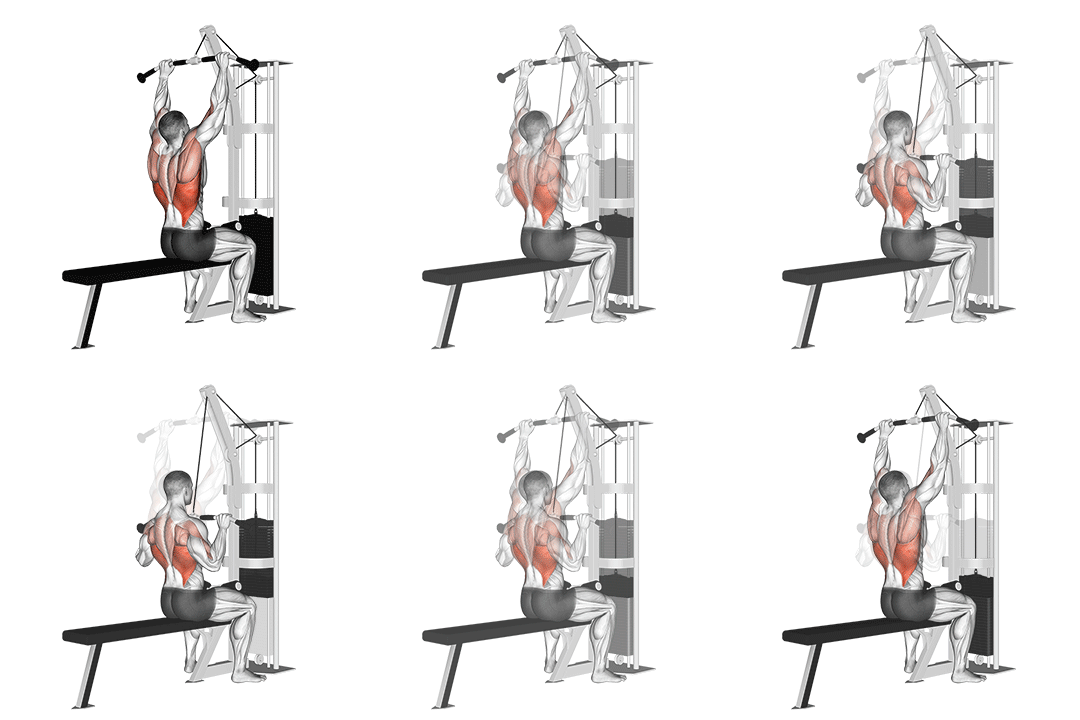
- Adjust the cable pulldown machine so that the seat is at a comfortable height and the knee pad is secured.
- Sit on the seat with your back straight and your feet flat on the ground.
- Grasp the cable bar with an overhand grip, slightly wider than shoulder-width apart.
- Lean back slightly and engage your core.
- Pull the cable bar down towards your chest, squeezing your shoulder blades together.
- Pause for a moment at the bottom of the movement, then slowly release the bar back to the starting position.
- Repeat for the desired number of repetitions.
Sets and reps: 3 or 4 sets of 6 to 10 reps.
Why this matches
- Primary muscle: lats, not upper back
- Equipment: a cable, the same as the Cable One Arm Straight Back High Row (Kneeling)
- Body position: seated, not kneeling
- Balance: easier to stay steady on than the Cable One Arm Straight Back High Row (Kneeling)
10. Cable Pulldown (Pro Lat Bar)
64% match- Lats
- Cable
- Intermediate
- Compound
How to perform this exercise
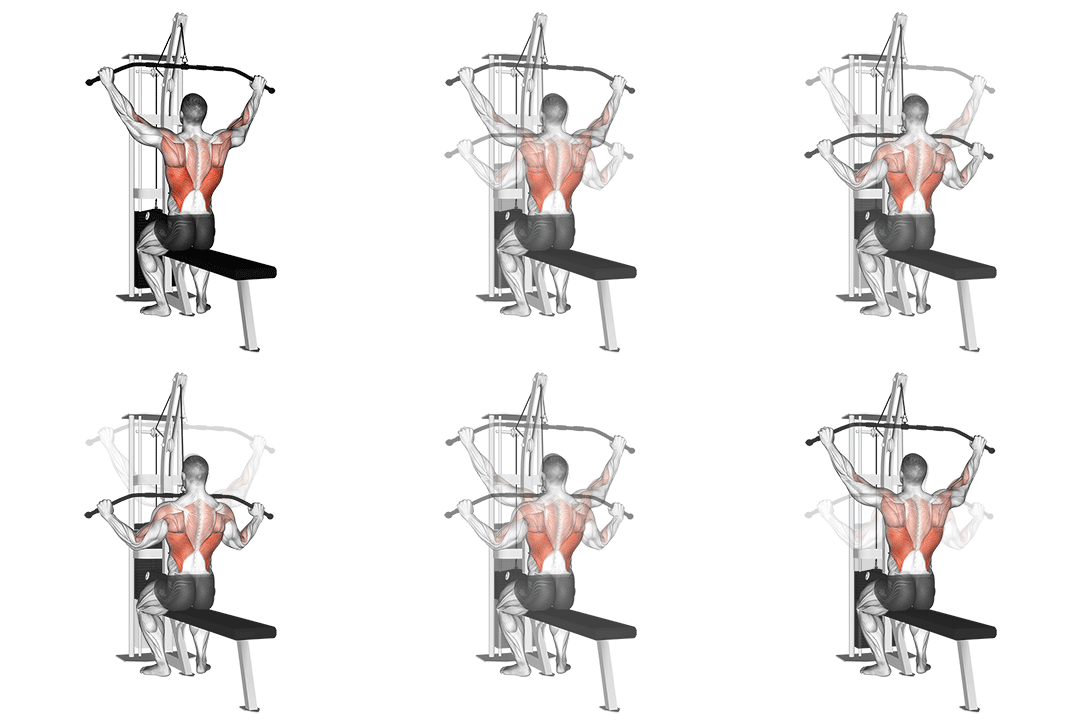
- Adjust the seat height so that your thighs are parallel to the ground and your feet are flat on the floor.
- Grasp the lat bar with an overhand grip, slightly wider than shoulder-width apart.
- Sit down and lean back slightly, keeping your chest up and your back straight.
- Pull the bar down towards your chest, squeezing your shoulder blades together.
- Pause for a moment at the bottom of the movement, then slowly release the bar back up to the starting position.
- Repeat for the desired number of repetitions.
Sets and reps: 3 or 4 sets of 6 to 10 reps.
Why this matches
- Primary muscle: lats, not upper back
- Equipment: a cable, the same as the Cable One Arm Straight Back High Row (Kneeling)
- Body position: seated, not kneeling
- Balance: easier to stay steady on than the Cable One Arm Straight Back High Row (Kneeling)
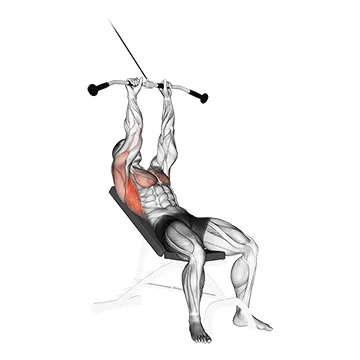
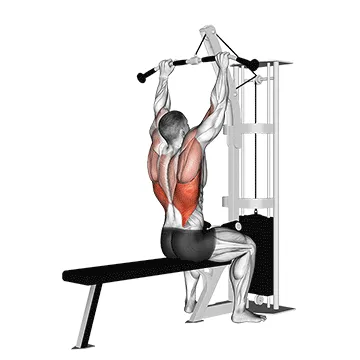
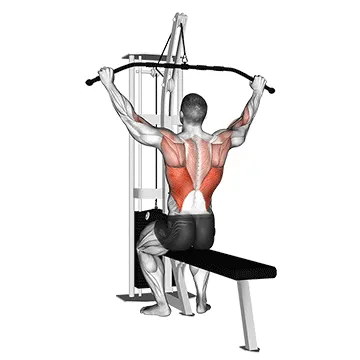
Why You Might Need a Cable One Arm Straight Back High Row (Kneeling) Alternative
You may substitute this kneeling cable row for pain, limited equipment, or to change stimulus. The original targets posterior deltoid, rhomboids, and lower/middle traps via a high-line unilateral pull and scapular retraction. If cables or a proper pulley angle are unavailable, or if knee or wrist pain prevents kneeling, select alternatives that reproduce the high elbow trajectory and scapular pinch. Prioritize options that let you cue scapular retraction before elbow flexion, for example, initiate each rep by pinching the shoulder blade together to keep rhomboids and traps engaged and avoid lat-dominant compensation.
Cable One Arm Straight Back High Row (Kneeling) FAQ
What muscles does Cable One Arm Straight Back High Row (kneeling) work?
It primarily trains the upper back: posterior deltoid, rhomboids, middle and lower trapezius, plus stabilizing rotator cuff fibers. Biomechanically it's a high-line unilateral row that emphasizes scapular retraction; cue a deliberate shoulder-blade pinch at peak contraction to maximize target muscle activation.
What is the best bodyweight alternative to Cable One Arm Straight Back High Row (kneeling)?
The inverted (Australian) row with feet elevated is the best bodyweight substitute, set your torso at 30–45°, pull your chest to the bar, and lead with the elbows to keep the pull high. For unilateral work, perform single-arm or staggered-arm variations and focus on squeezing the scapula on every rep.
Can I build muscle without doing Cable One Arm Straight Back High Row (kneeling)?
Yes. You can achieve similar hypertrophy with progressive overload across alternatives like single-arm dumbbell high-rows, TRX high rows, and bent-over rows while maintaining scapular control. Consistently increase load, volume, or time under tension and cue full scapular retraction to ensure the upper-back muscles receive sufficient mechanical stimulus.
Find Alternatives for Any Exercise
Search the exercise database and filter the ranked substitutes by the equipment you own.
Similarity scores compare exercise metadata such as movement pattern, muscles, equipment and body position. They are not a safety rating or a check that you own the equipment. Learn about our methodology