

10 Best Dead Bug Alternatives for Lower-Back Pain
Use bird dog, hollow body hold, reverse crunch, glute-bridge march, or plank march. Focus on drawing your navel to your spine and maintaining a neutral lumbar spine as you move limbs. These options preserve anti-extension control and train the transverse abdominis, rectus abdominis, and obliques for safer core stability.
Original Exercise: Dead Bug
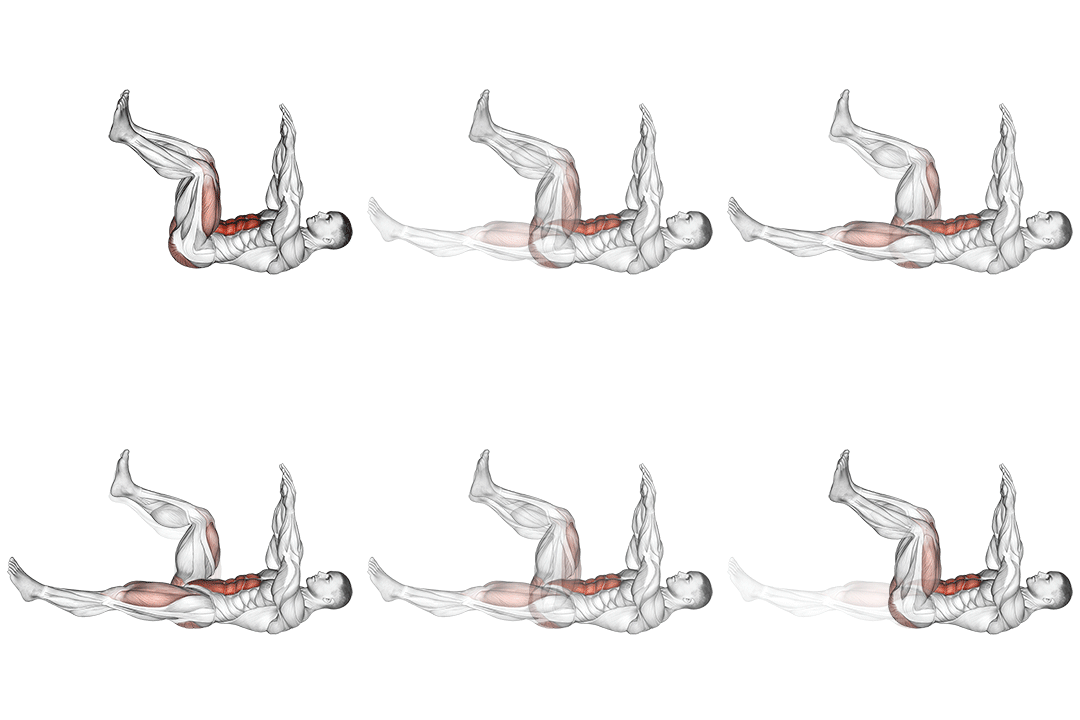
How to Perform Dead Bug
- Lie flat on your back with your arms extended towards the ceiling.
- Bend your knees and lift your legs off the ground, creating a 90-degree angle at your hips and knees.
- Engage your core and lower back to press your lower back into the ground.
- Slowly lower your right arm and left leg towards the ground, keeping them straight and hovering just above the floor.
- Pause for a moment, then return to the starting position.
- Repeat the movement with your left arm and right leg.
- Continue alternating sides for the desired number of repetitions.
Best Dead Bug Alternatives
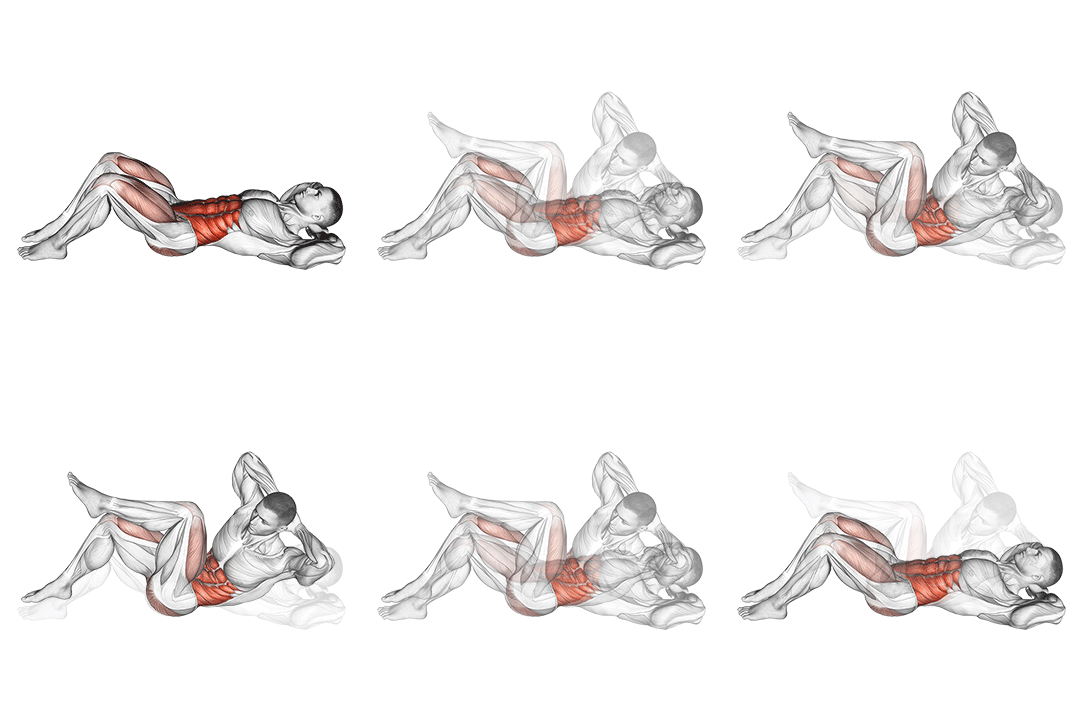
1. Cross Body Crunch
94.4% MatchHow to perform this exercise
- Lie flat on your back with your knees bent and feet flat on the ground.
- Place your hands behind your head with your elbows pointing outwards.
- Engaging your abs, lift your upper body off the ground and twist to bring your right elbow towards your left knee.
- Pause for a moment at the top, then slowly lower your upper body back down to the starting position.
- Repeat on the other side, bringing your left elbow towards your right knee.
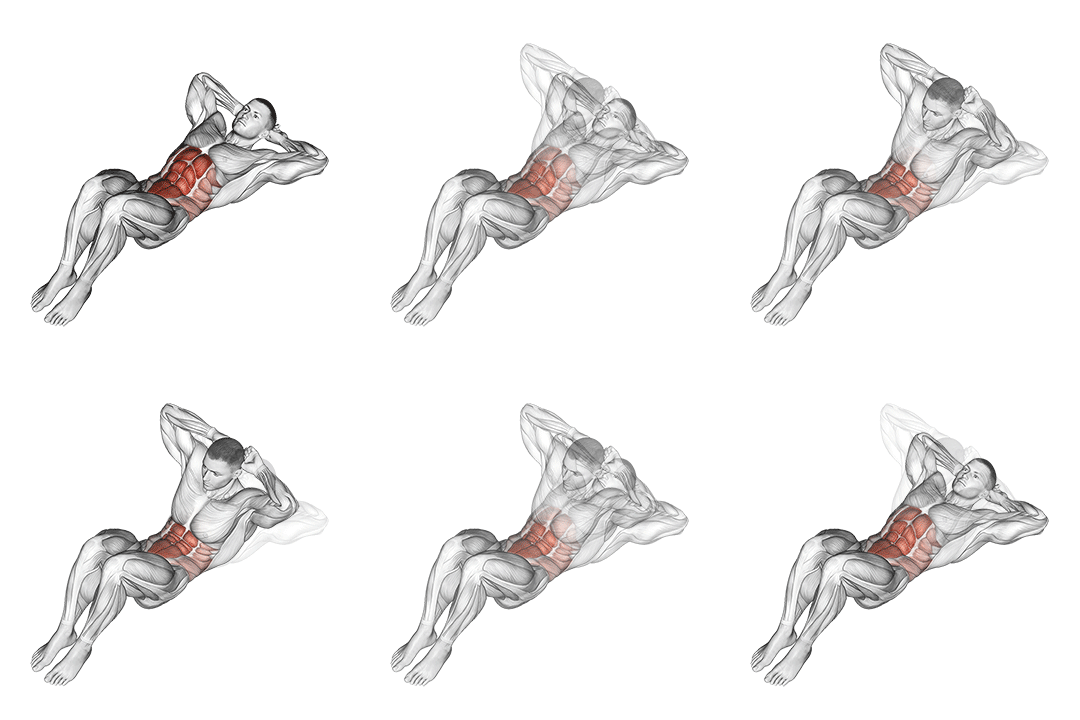
2. Crunch Floor
88.4% MatchHow to perform this exercise
- Lie flat on your back with your knees bent and feet flat on the ground.
- Place your hands behind your head with your elbows pointing outwards.
- Engage your abs and lift your shoulders off the ground, curling forward towards your knees.
- Pause for a moment at the top, then slowly lower your shoulders back down to the starting position.
- Repeat for the desired number of repetitions.
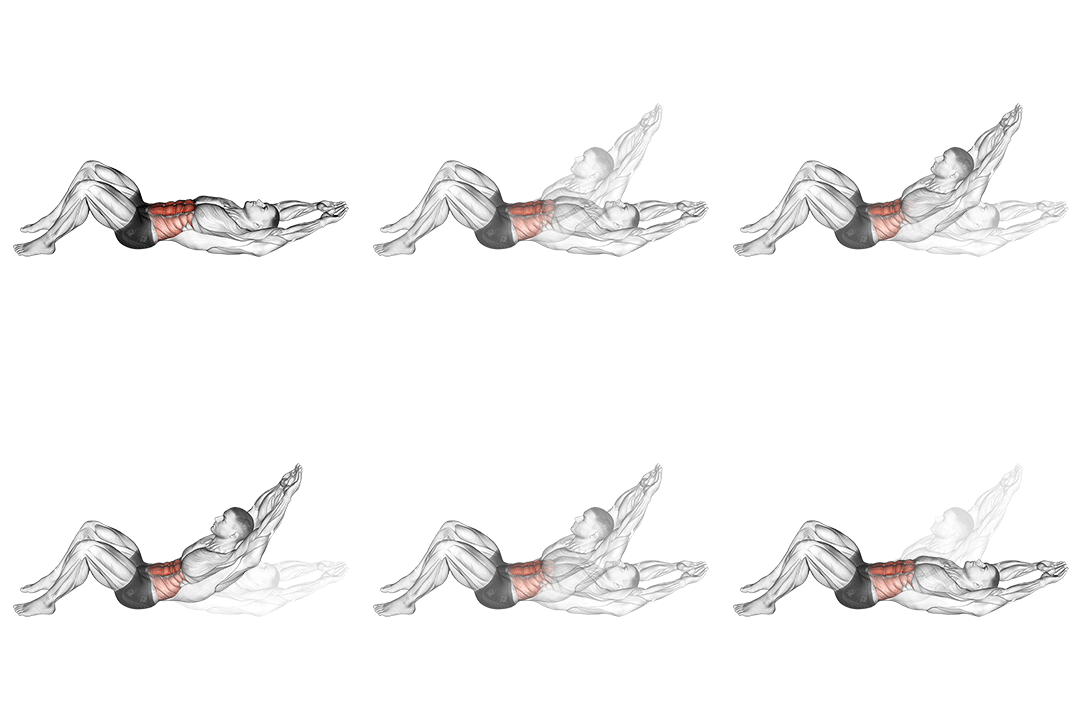
3. Crunch (hands Overhead)
88.4% MatchHow to perform this exercise
- Lie flat on your back with your knees bent and feet flat on the ground.
- Extend your arms straight above your head.
- Engaging your abs, lift your upper body off the ground, curling forward towards your knees.
- Pause for a moment at the top, then slowly lower your upper body back down to the starting position.
- Repeat for the desired number of repetitions.
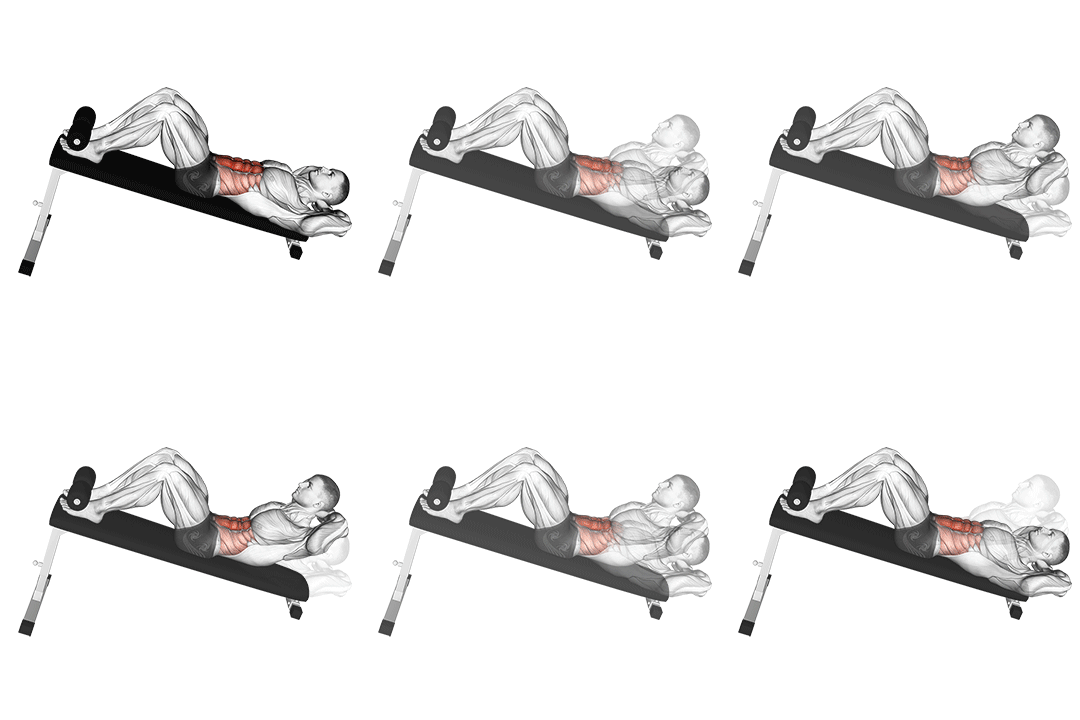
4. Decline Crunch
88.2% MatchHow to perform this exercise
- Lie on a decline bench with your feet secured and your knees bent at a 90-degree angle.
- Place your hands behind your head or across your chest.
- Engage your abs and lift your upper body towards your knees, curling your torso.
- Pause for a moment at the top, then slowly lower your upper body back down to the starting position.
- Repeat for the desired number of repetitions.
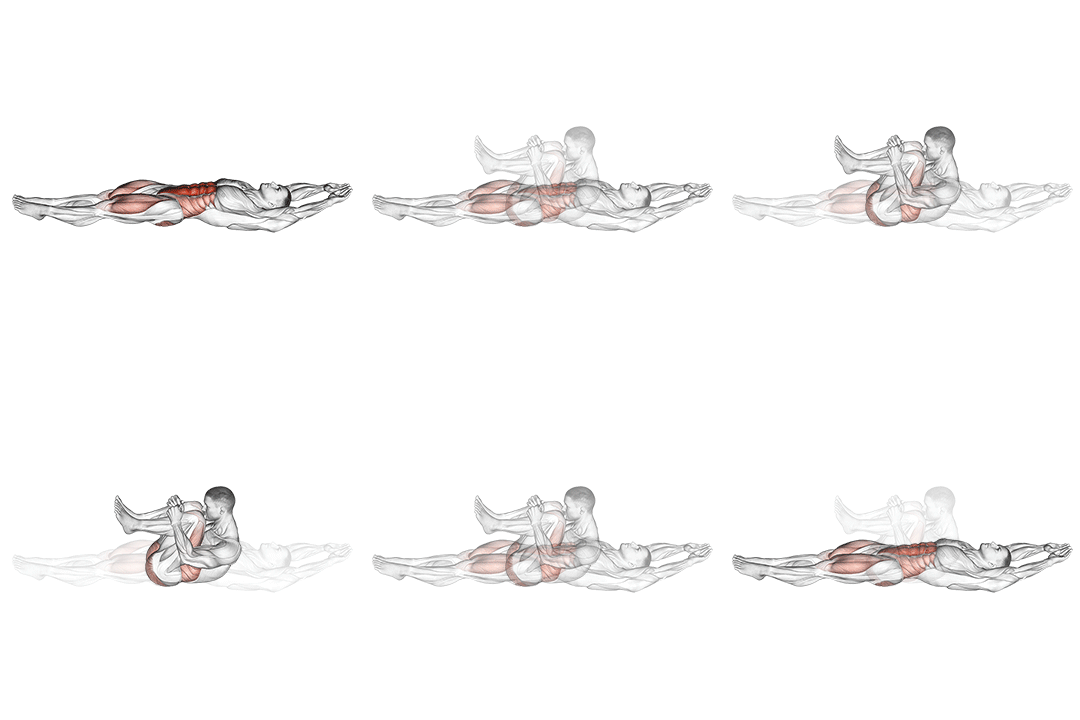
5. Cocoons
86.9% MatchHow to perform this exercise
- Lie flat on your back with your knees bent and feet flat on the ground.
- Place your hands behind your head with your elbows pointing outwards.
- Engaging your abs, slowly lift your upper body off the ground, curling forward until your torso is at a 45-degree angle.
- Pause for a moment at the top, then slowly lower your upper body back down to the starting position.
- Repeat for the desired number of repetitions.
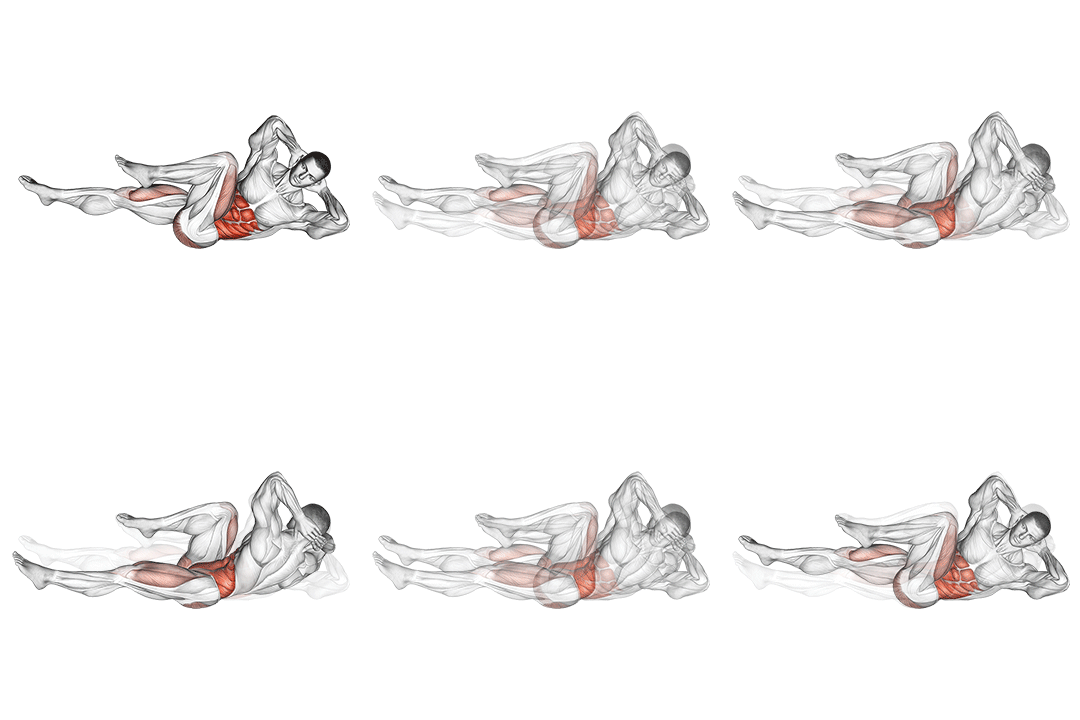
6. Elbow-to-knee
86% MatchHow to perform this exercise
- Start by lying flat on your back with your knees bent and feet flat on the ground.
- Place your hands behind your head with your elbows pointing outwards.
- Engage your abs and lift your upper body off the ground, bringing your right elbow towards your left knee.
- At the same time, bring your left knee towards your right elbow, creating a twisting motion.
- Pause for a moment at the top, then slowly lower your upper body and extend your legs back to the starting position.
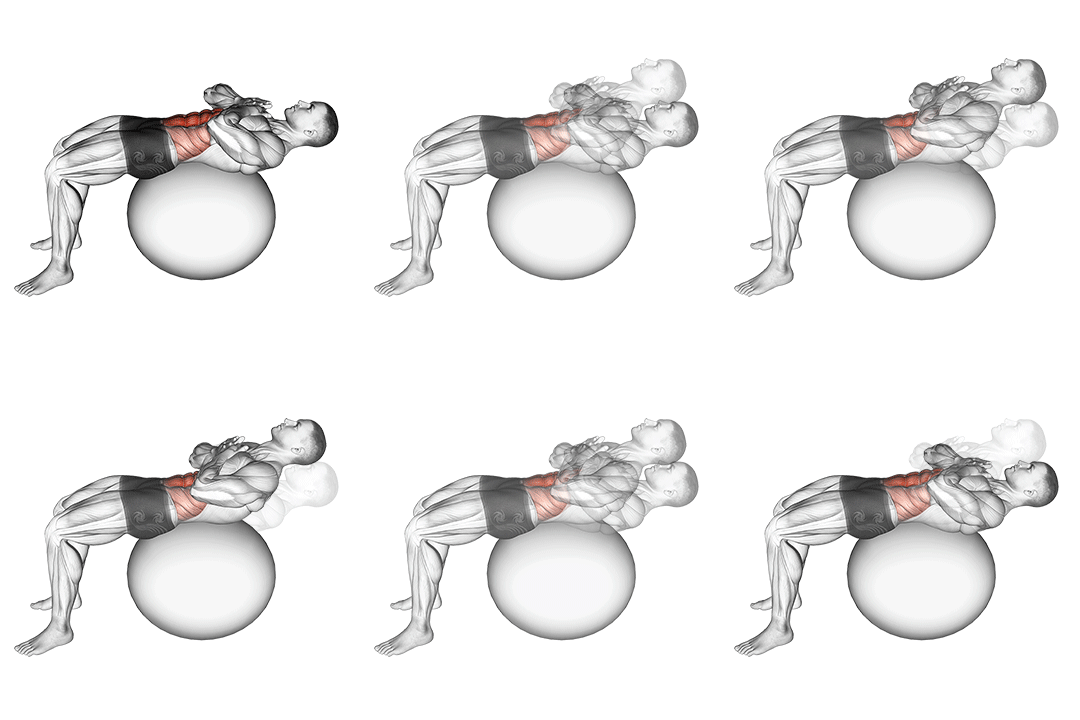
7. Crunch (on Stability Ball)
85.9% MatchHow to perform this exercise
- Sit on the stability ball with your feet flat on the ground and your knees bent at a 90-degree angle.
- Lie back on the ball until your lower back is supported and your upper body is parallel to the floor.
- Place your hands behind your head or across your chest.
- Engage your abs and lift your upper body towards your knees, curling your torso forward.
- Pause for a moment at the top of the movement, then slowly lower your upper body back down to the starting position.
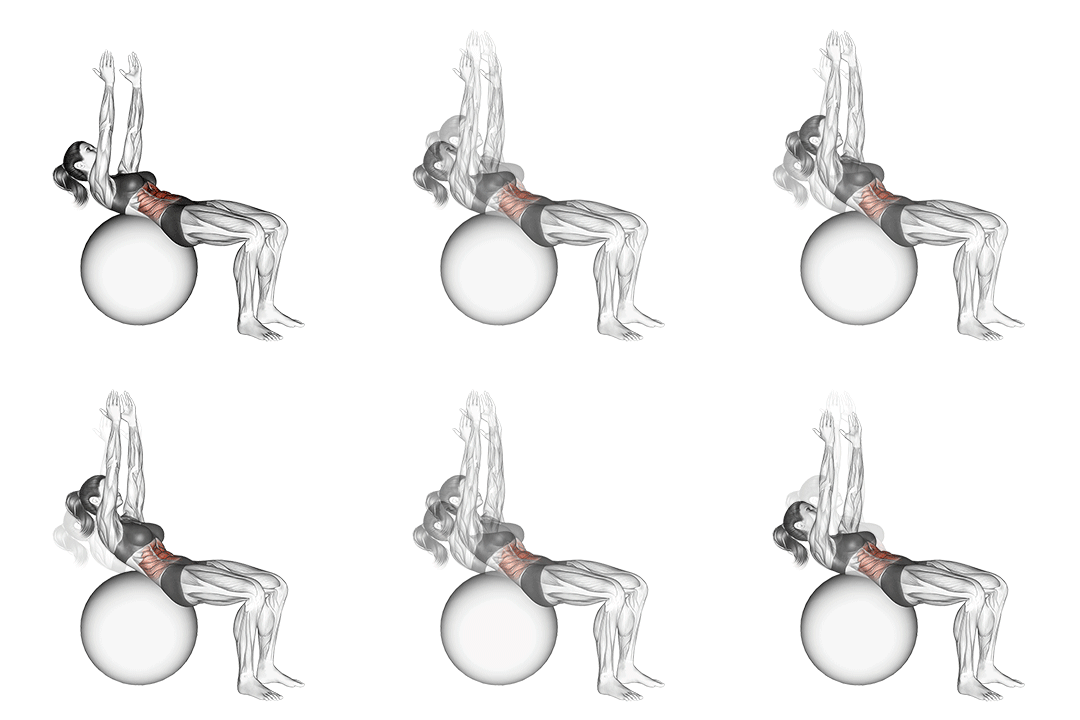
8. Crunch (on Stability Ball, Arms Straight)
85.3% MatchHow to perform this exercise
- Sit on the stability ball with your feet flat on the ground and your knees bent at a 90-degree angle.
- Lie back on the ball until your lower back is supported and your upper body is parallel to the floor.
- Place your hands behind your head or cross them over your chest.
- Engage your abs and lift your upper body off the ball, curling your shoulders towards your hips.
- Pause for a moment at the top, then slowly lower your upper body back down to the starting position.
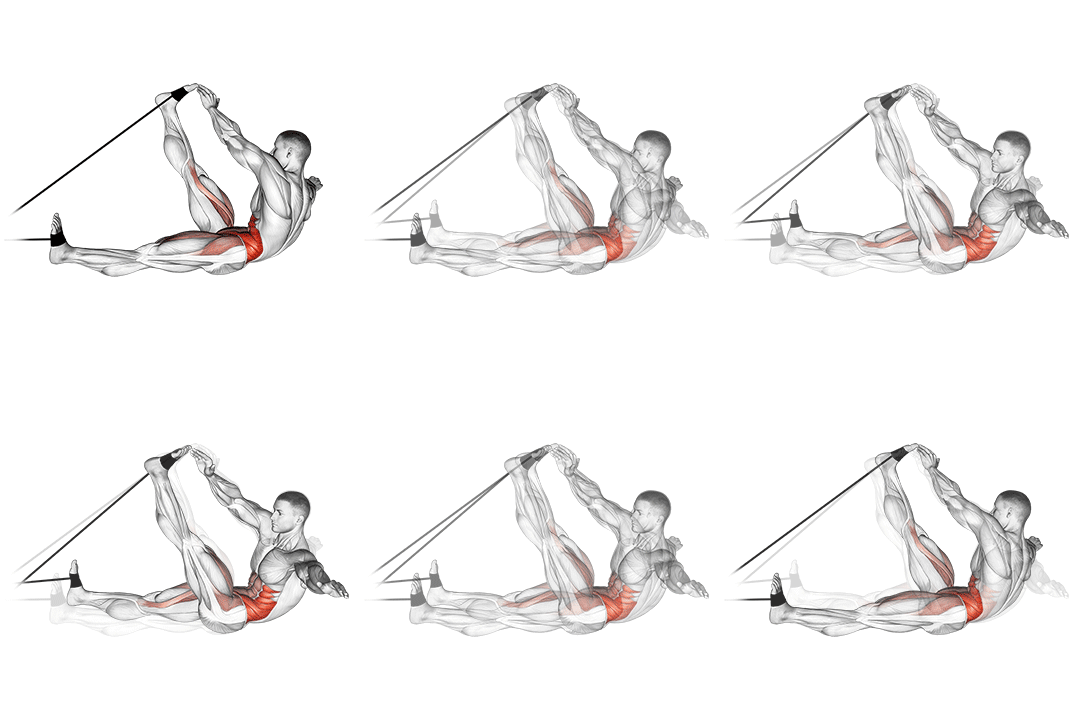
9. Band Alternating V-up
84.1% MatchHow to perform this exercise
- Lie flat on your back with your legs straight and your arms extended overhead, holding the band.
- Engage your abs and lift your legs and upper body off the ground simultaneously, reaching your hands towards your toes.
- As you lower your legs and upper body back down, switch the position of your legs, crossing one over the other.
- Repeat the movement, alternating the position of your legs with each repetition.
- Continue for the desired number of repetitions.
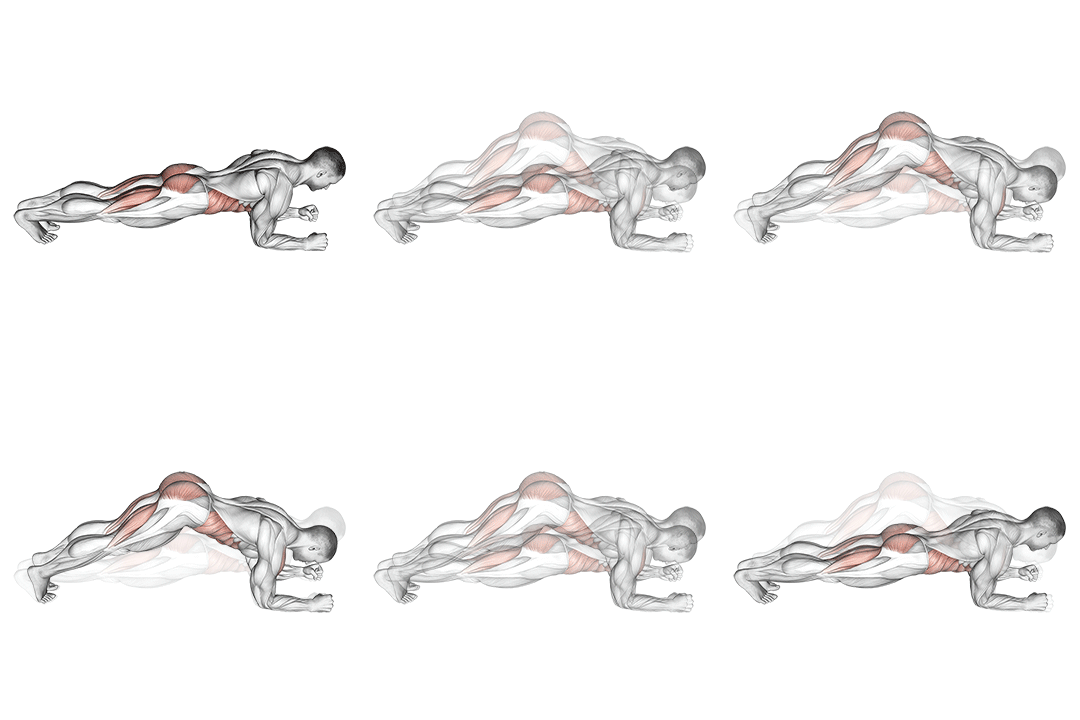
10. Butt-ups
84% MatchHow to perform this exercise
- Lie flat on your back with your knees bent and feet flat on the ground.
- Place your hands by your sides, palms facing down.
- Engaging your abs, lift your legs off the ground, bringing your knees towards your chest.
- At the top of the movement, squeeze your abs and pause for a moment.
- Slowly lower your legs back down to the starting position.
Why You Might Need a Dead Bug Alternative
You may need substitutes when Dead Bug aggravates low-back pain, when wrist or shoulder mobility limits floor positions, during pregnancy, or when you want variety in core stimulus. Dead Bug primarily trains anti-extension via the transverse abdominis and rectus abdominis while isolating limb movement. Alternatives let you shift the emphasis—bird dog adds contralateral posterior chain control, hollow holds increase global anterior tension, and glute-bridge marches load hip extensors while minimizing lumbar shear. Cue: keep the lower back gently pressed into the floor or maintain rib-to-pelvis alignment to limit lumbar extension and preserve segmental control.
How to Choose the Right Substitute
First, match the movement pattern: pick anti-extension progressions (hollow hold, plank march) if your goal is preventing lumbar arching; choose contralateral stability drills (bird dog) to improve cross-body coordination. Second, assess pain and mobility—if loading the shoulders hurts, use supine reverse crunches or bridges. Third, consider progression: increase time under tension for isometrics or add limb complexity for segmental control. Test each option by maintaining a neutral spine and drawing the navel to the spine while performing three slow reps; if you lose neutral alignment, regress to an easier variation.
Frequently Asked Questions
What muscles does Dead Bug work?
Dead Bug mainly targets the transverse abdominis and rectus abdominis for anti-extension control, with secondary activation of the obliques. It also trains coordination between core and hip flexors during contralateral limb movement; cue to draw the navel to the spine and keep the lumbar spine flattened against the floor.
What is the best bodyweight alternative to Dead Bug?
Bird dog is the top bodyweight substitute because it trains contralateral core stability and posterior chain control without sustained lumbar loading. Perform it by extending one arm and opposite leg while keeping the pelvis level and drawing the navel to the spine to maintain transverse abdominis engagement.
Can I build muscle without doing Dead Bug?
Yes. You can build core muscle and improve stability using alternatives like hollow holds, reverse crunches, and plank marches that load the rectus abdominis and obliques. Ensure progressive overload by increasing time under tension or adding limb complexity while maintaining neutral spine and proper breathing.
More Exercise Alternatives
Find Alternatives for Any Exercise
Use our free tool to discover the best substitute exercises based on your available equipment and goals.
Try the Exercise Substitution Finder →