

10 Best Dumbbell Alternate Seated Hammer Curl Alternatives for Home Gyms
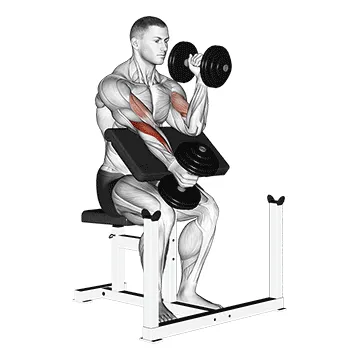
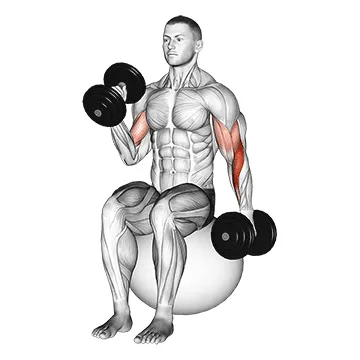
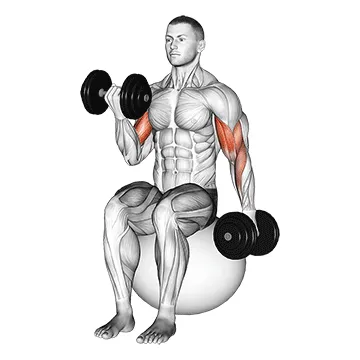
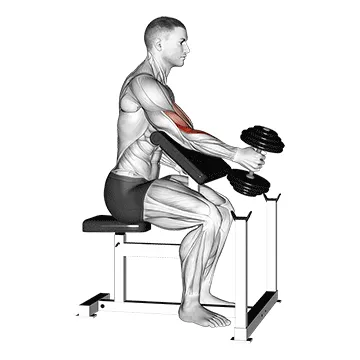
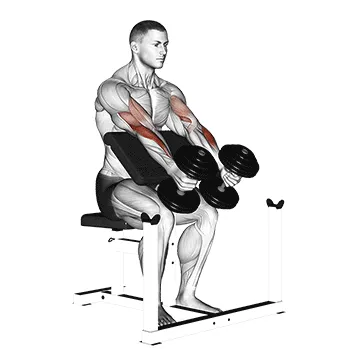
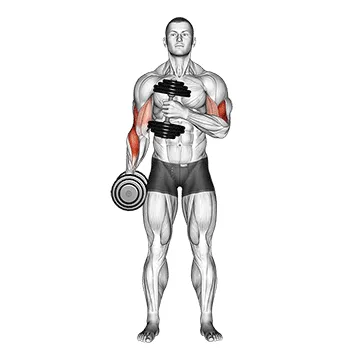
The Dumbbell Alternate Seated Hammer Curl is done seated with dumbbells. Ranked closest by our scoring: the Dumbbell Alternate Preacher Curl, the Dumbbell Peacher Hammer Curl and the Dumbbell Cross Body Hammer Curl. Seven harder versions, among them the Dumbbell Alternate Hammer Preacher Curl and the Dumbbell Seated Alternate Hammer Curl On Exercise Ball, are listed below as progressions rather than swaps.
Updated Ranked by our 12-factor similarity model How it works
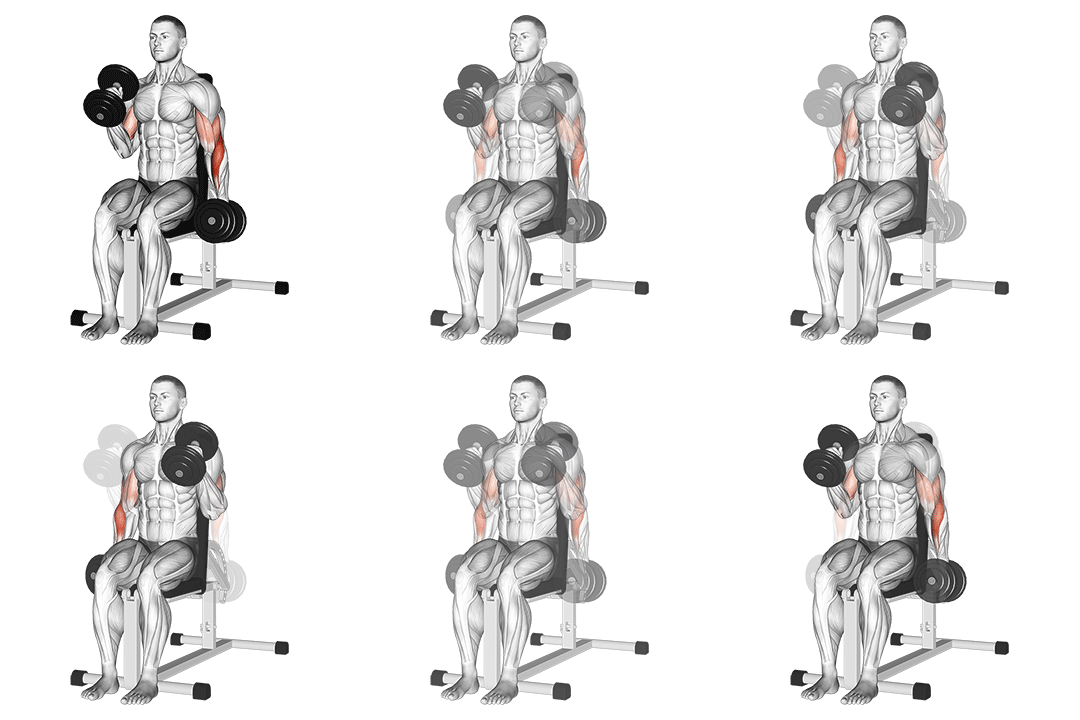
Original Exercise: Dumbbell Alternate Seated Hammer Curl
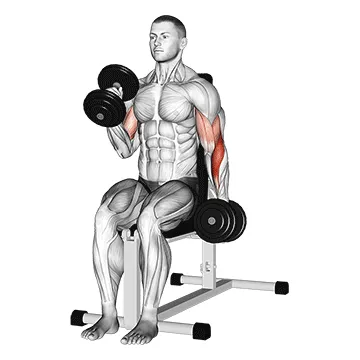
- Primary muscle
- Biceps
- Equipment
- Dumbbell
- Difficulty
- Beginner
- Type
- Isolation
Secondary muscles: Forearms
How to perform Dumbbell Alternate Seated Hammer Curl
- Sit on a bench with a dumbbell in each hand, palms facing your torso and arms extended down.
- Keep your back straight and your elbows close to your torso.
- Exhale and curl the dumbbell in your right hand towards your shoulder, keeping your upper arm stationary.
- Continue to raise the dumbbell until your biceps are fully contracted and the dumbbell is at shoulder level.
- Pause for a brief moment, then inhale and slowly lower the dumbbell back to the starting position.
- Repeat the movement with your left arm.
- Continue alternating arms for the desired number of repetitions.
Ranked Dumbbell Alternate Seated Hammer Curl Alternatives
10 substitutes, ranked by how closely each one matches the Dumbbell Alternate Seated Hammer Curl on movement pattern, muscles worked, equipment and body position. The higher the score, the less you change. Open "How to perform this exercise" on a card for the steps; every card title links to that exercise's own alternatives page. Harder versions are tagged as progressions and kept out of the top spot even when they score higher.
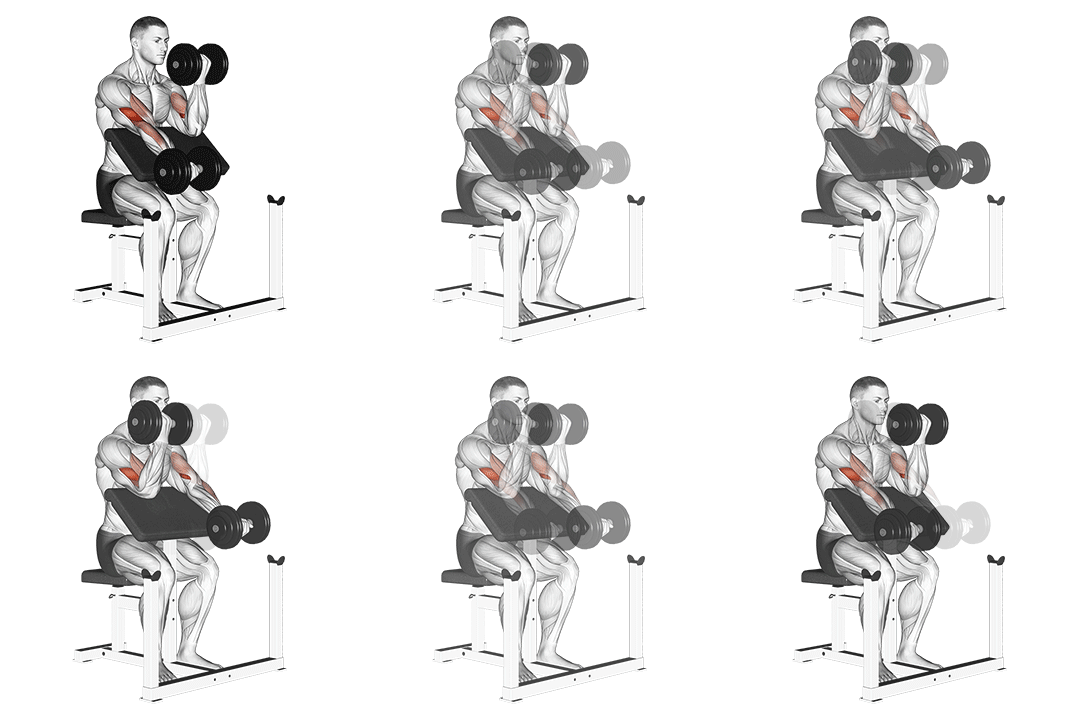
Best match 1. Dumbbell Alternate Preacher Curl
96% match- Biceps
- Dumbbell
- Beginner
- Isolation
The same equipment, taken with an underhand grip.
How to perform this exercise
- Sit on a preacher bench with a dumbbell in each hand, palms facing up.
- Rest your upper arms on the pad of the preacher bench, allowing your arms to fully extend.
- Keeping your upper arms stationary, exhale and curl the dumbbell in your right hand as you contract your biceps.
- Continue to curl the dumbbell until your biceps are fully contracted and the dumbbell is at shoulder level.
- Pause for a moment, then inhale and slowly lower the dumbbell back to the starting position.
- Repeat the movement with your left arm.
- Continue alternating arms for the desired number of repetitions.
Sets and reps: 3 sets of 10 to 15 reps on each side.
Why this matches
- Movement: curl, the same as the Dumbbell Alternate Seated Hammer Curl
- Primary muscle: biceps, the same as the Dumbbell Alternate Seated Hammer Curl
- Equipment: free weights, the same as the Dumbbell Alternate Seated Hammer Curl
- Body position: seated, the same as the Dumbbell Alternate Seated Hammer Curl
Progression
- Biceps
- Dumbbell
- Intermediate
- Isolation
Pick this when you want a harder version that still works the biceps.
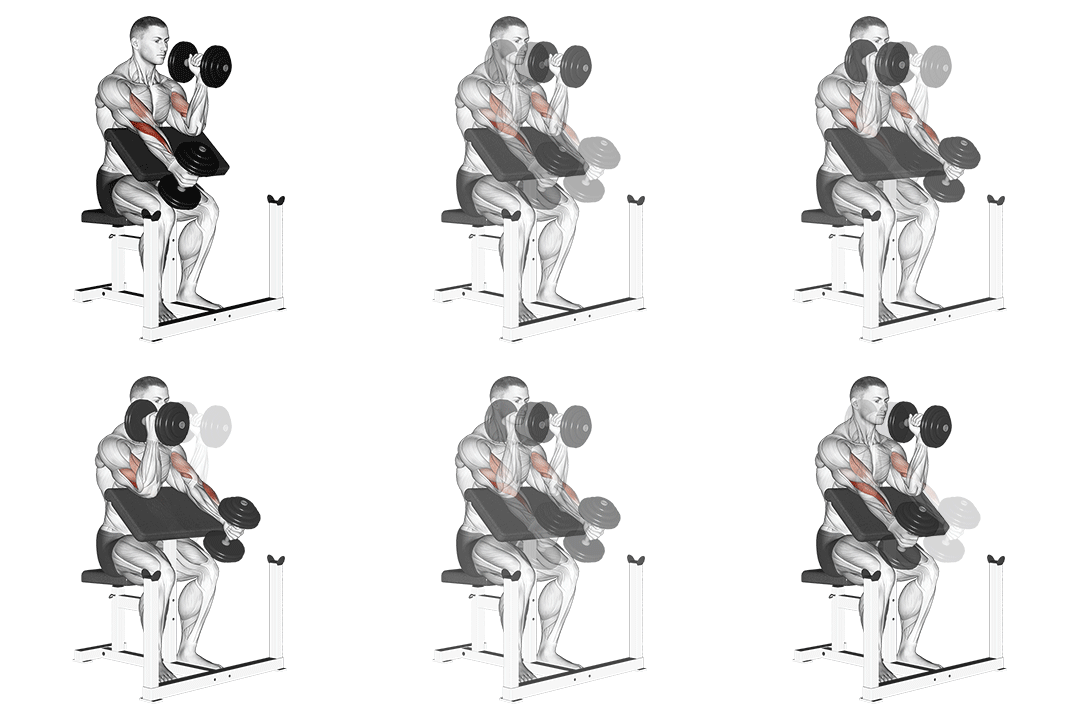
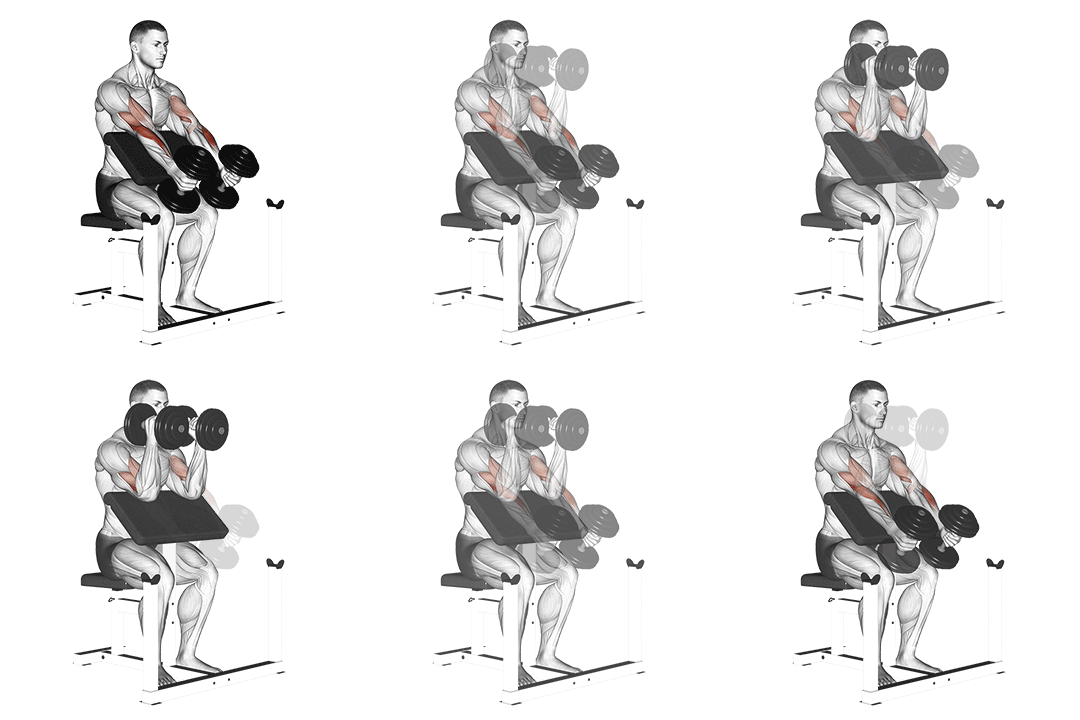
How to perform this exercise
- Sit on a preacher bench with a dumbbell in each hand, palms facing your torso and arms fully extended.
- Keep your upper arms stationary and exhale as you curl the weights while contracting your biceps.
- Continue to raise the dumbbells until your biceps are fully contracted and the dumbbells are at shoulder level.
- Hold the contracted position for a brief pause as you squeeze your biceps.
- Inhale and slowly begin to lower the dumbbells back to the starting position.
- Repeat for the recommended amount of repetitions.
Sets and reps: 3 sets of 10 to 15 reps on each side.
Why this matches
- Movement: curl, the same as the Dumbbell Alternate Seated Hammer Curl
- Primary muscle: biceps, the same as the Dumbbell Alternate Seated Hammer Curl
- Equipment: free weights, the same as the Dumbbell Alternate Seated Hammer Curl
- Body position: seated, the same as the Dumbbell Alternate Seated Hammer Curl
Progression
- Biceps
- Dumbbell
- Intermediate
- Isolation
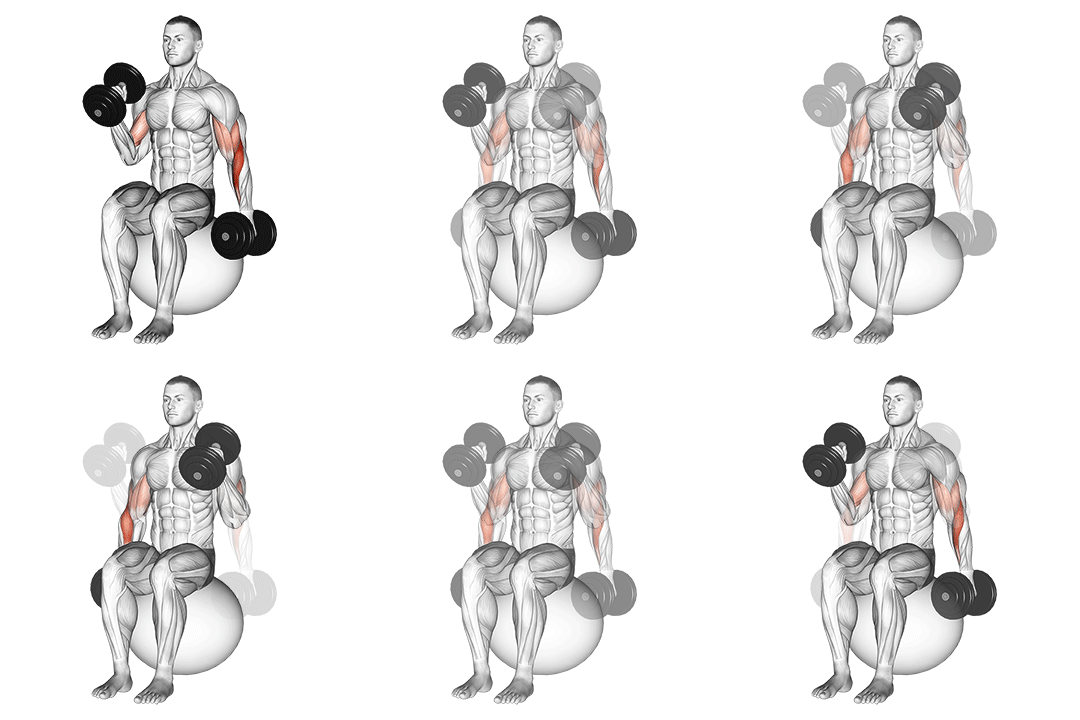
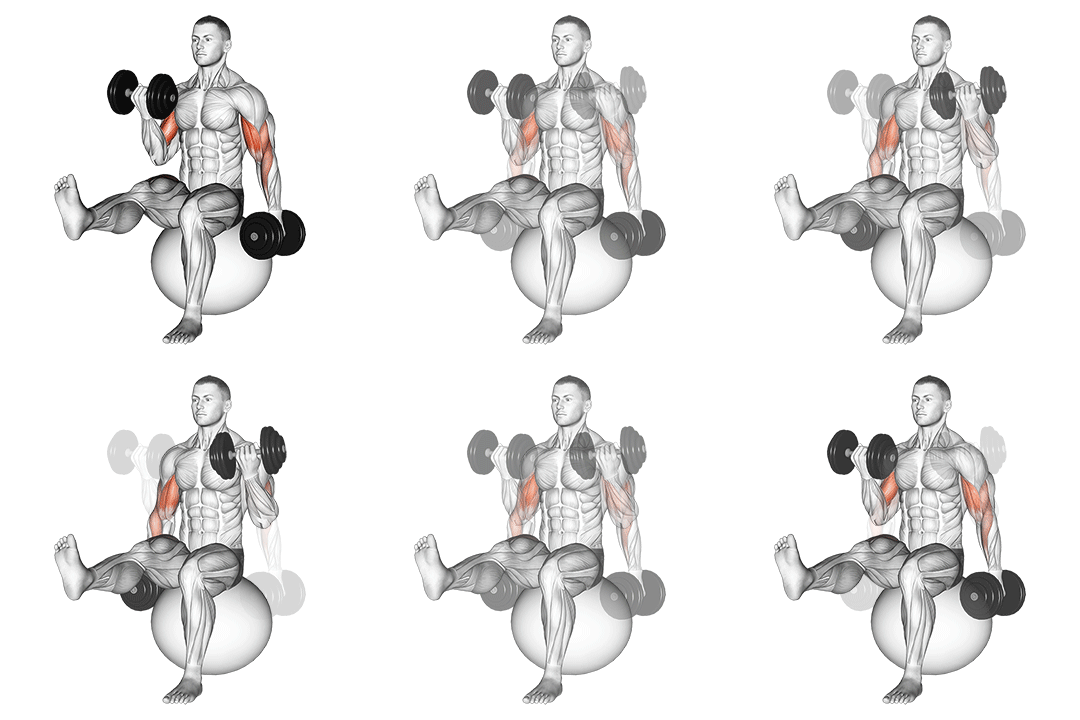
How to perform this exercise
- Sit on an exercise ball with your feet flat on the ground and your back straight.
- Hold a dumbbell in each hand with your palms facing your body and your arms fully extended.
- Keeping your upper arms stationary, exhale and curl one dumbbell up towards your shoulder while keeping your palm facing your body.
- Continue to raise the dumbbell until your biceps are fully contracted and the dumbbell is at shoulder level.
- Hold the contracted position for a brief pause as you squeeze your biceps.
- Inhale and slowly lower the dumbbell back to the starting position.
- Repeat the movement with the opposite arm.
- Continue alternating arms for the desired number of repetitions.
Sets and reps: 3 sets of 10 to 15 reps on each side.
Why this matches
- Movement: curl, the same as the Dumbbell Alternate Seated Hammer Curl
- Primary muscle: biceps, the same as the Dumbbell Alternate Seated Hammer Curl
- Equipment: free weights, the same as the Dumbbell Alternate Seated Hammer Curl
- Body position: seated, the same as the Dumbbell Alternate Seated Hammer Curl
- Balance: harder to stay steady on than the Dumbbell Alternate Seated Hammer Curl
Progression
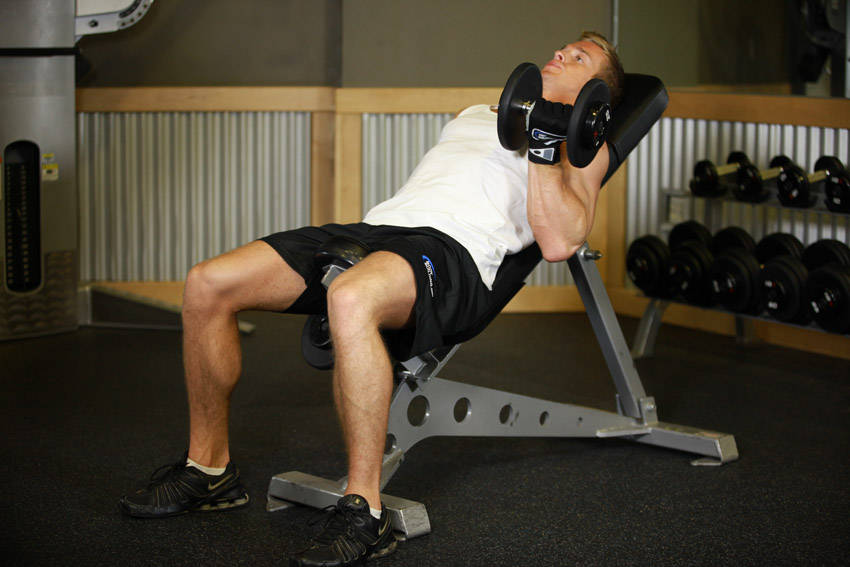
4. Alternate Incline Dumbbell Curl
95% match- Biceps
- Dumbbell
- Intermediate
- Isolation
How to perform this exercise
- Sit down on an incline bench with a dumbbell in each hand being held at arms length. Tip: Keep the elbows close to the torso.This will be your starting position.
- While holding the upper arm stationary, curl the right weight forward while contracting the biceps as you breathe out. As you do so, rotate the hand so that the palm is facing up. Continue the movement until your biceps is fully contracted and the dumbbells are at shoulder level. Hold the contracted position for a second as you squeeze the biceps. Tip: Only the forearms should move.
- Slowly begin to bring the dumbbell back to starting position as your breathe in.
- Repeat the movement with the left hand. This equals one repetition.
- Continue alternating in this manner for the recommended amount of repetitions.
Sets and reps: 3 sets of 10 to 15 reps on each side.
Why this matches
- Movement: curl, the same as the Dumbbell Alternate Seated Hammer Curl
- Primary muscle: biceps, the same as the Dumbbell Alternate Seated Hammer Curl
- Equipment: free weights, the same as the Dumbbell Alternate Seated Hammer Curl
- Body position: seated, the same as the Dumbbell Alternate Seated Hammer Curl
Progression
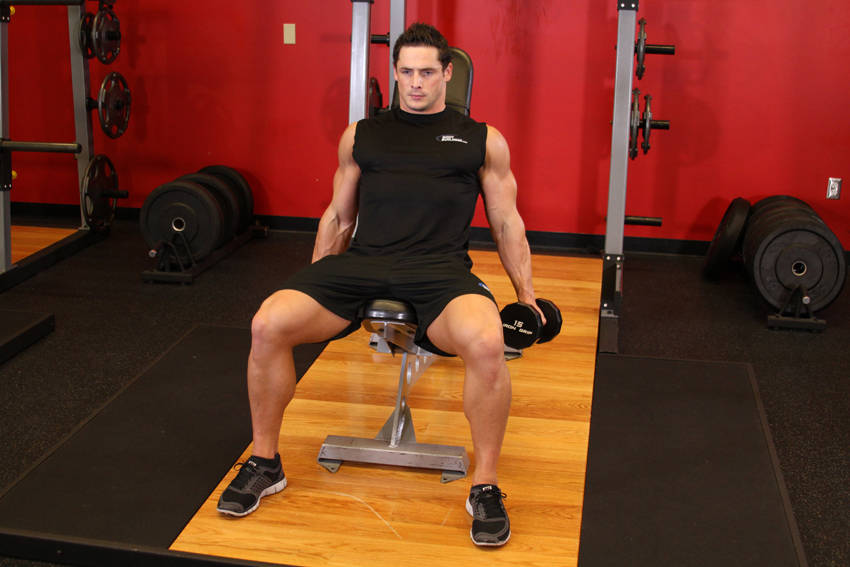
5. Flexor Incline Dumbbell Curls
95% match- Biceps
- Dumbbell
- Intermediate
- Isolation
How to perform this exercise
- Hold the dumbbell towards the side farther from you so that you have more weight on the side closest to you. (This can be done for a good effect on all bicep dumbbell exercises). Now do a normal incline dumbbell curl, but keep your wrists as far back as possible so as to neutralize any stress that is placed on them.
- Sit on an incline bench that is angled at 45-degrees while holding a dumbbell on each hand.
- Let your arms hang down on your sides, with the elbows in, and turn the palms of your hands forward with the thumbs pointing away from the body. Tip: You will keep this hand position throughout the movement as there should not be any twisting of the hands as they come up. This will be your starting position.
- Curl up the two dumbbells at the same time until your biceps are fully contracted and exhale. Tip: Do not swing the arms or use momentum. Keep a controlled motion at all times. Hold the contracted position for a second at the top.
- As you inhale, slowly go back to the starting position.
- Repeat for the recommended amount of repetitions.
Sets and reps: 3 sets of 10 to 15 reps on each side.
Why this matches
- Movement: curl, the same as the Dumbbell Alternate Seated Hammer Curl
- Primary muscle: biceps, the same as the Dumbbell Alternate Seated Hammer Curl
- Equipment: free weights, the same as the Dumbbell Alternate Seated Hammer Curl
- Body position: seated, the same as the Dumbbell Alternate Seated Hammer Curl
Progression
- Biceps
- Dumbbell
- Intermediate
- Isolation
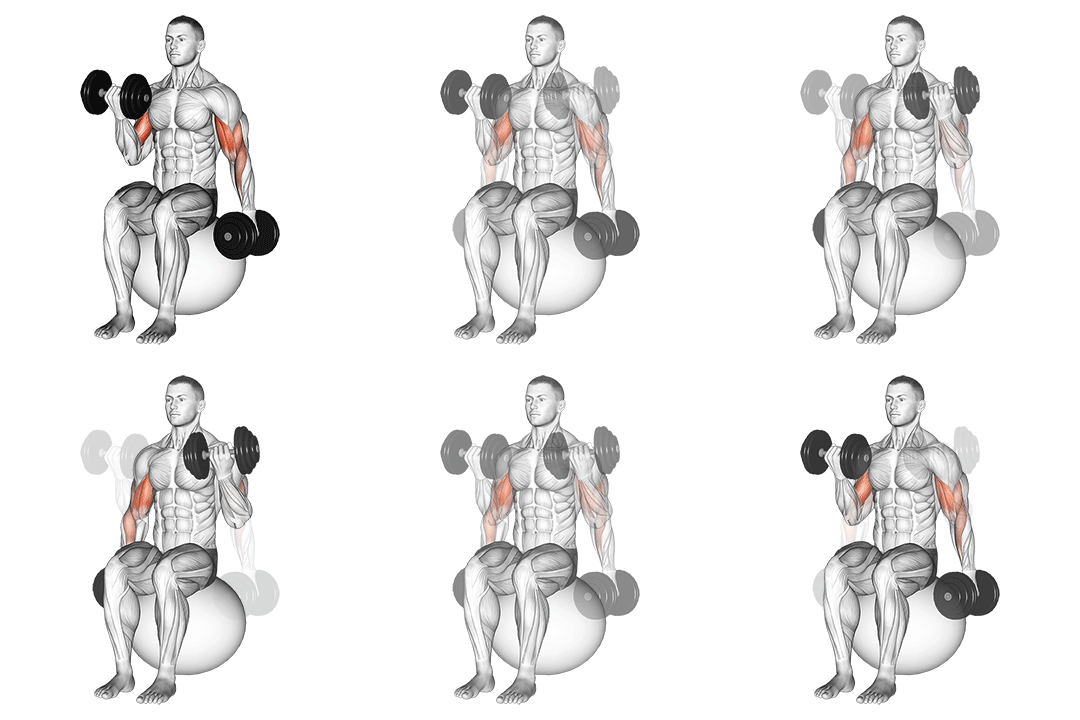
How to perform this exercise
- Sit on an exercise ball with your feet flat on the ground and your back straight.
- Hold a dumbbell in each hand with your palms facing forward and your arms fully extended.
- Keeping your upper arms stationary, exhale and curl one dumbbell while rotating your forearm until your palm is facing your shoulder.
- Inhale and slowly lower the dumbbell back to the starting position.
- Repeat the curl with the other arm.
- Continue alternating curls for the desired number of repetitions.
Sets and reps: 3 sets of 10 to 15 reps on each side.
Why this matches
- Movement: curl, the same as the Dumbbell Alternate Seated Hammer Curl
- Primary muscle: biceps, the same as the Dumbbell Alternate Seated Hammer Curl
- Equipment: free weights, the same as the Dumbbell Alternate Seated Hammer Curl
- Body position: seated, the same as the Dumbbell Alternate Seated Hammer Curl
- Balance: harder to stay steady on than the Dumbbell Alternate Seated Hammer Curl
Progression
- Biceps
- Dumbbell
- Intermediate
- Isolation
How to perform this exercise
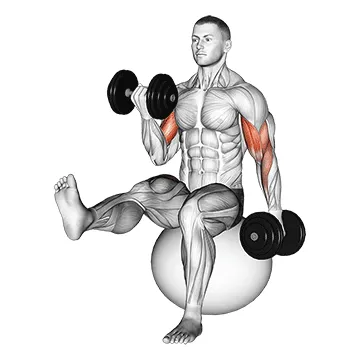
- Stand with your feet shoulder-width apart and hold a dumbbell in each hand, palms facing forward.
- Place an exercise ball behind you and position one foot on top of it, keeping your balance.
- With your arms fully extended and elbows close to your sides, curl one dumbbell towards your shoulder while keeping your upper arm stationary.
- Lower the dumbbell back down to the starting position and repeat with the other arm.
- Continue alternating arms for the desired number of repetitions.
Sets and reps: 3 sets of 10 to 15 reps on each side.
Why this matches
- Movement: curl, the same as the Dumbbell Alternate Seated Hammer Curl
- Primary muscle: biceps, the same as the Dumbbell Alternate Seated Hammer Curl
- Equipment: free weights, the same as the Dumbbell Alternate Seated Hammer Curl
- Body position: seated, the same as the Dumbbell Alternate Seated Hammer Curl
- Balance: harder to stay steady on than the Dumbbell Alternate Seated Hammer Curl
Progression
- Biceps
- Dumbbell
- Intermediate
- Isolation
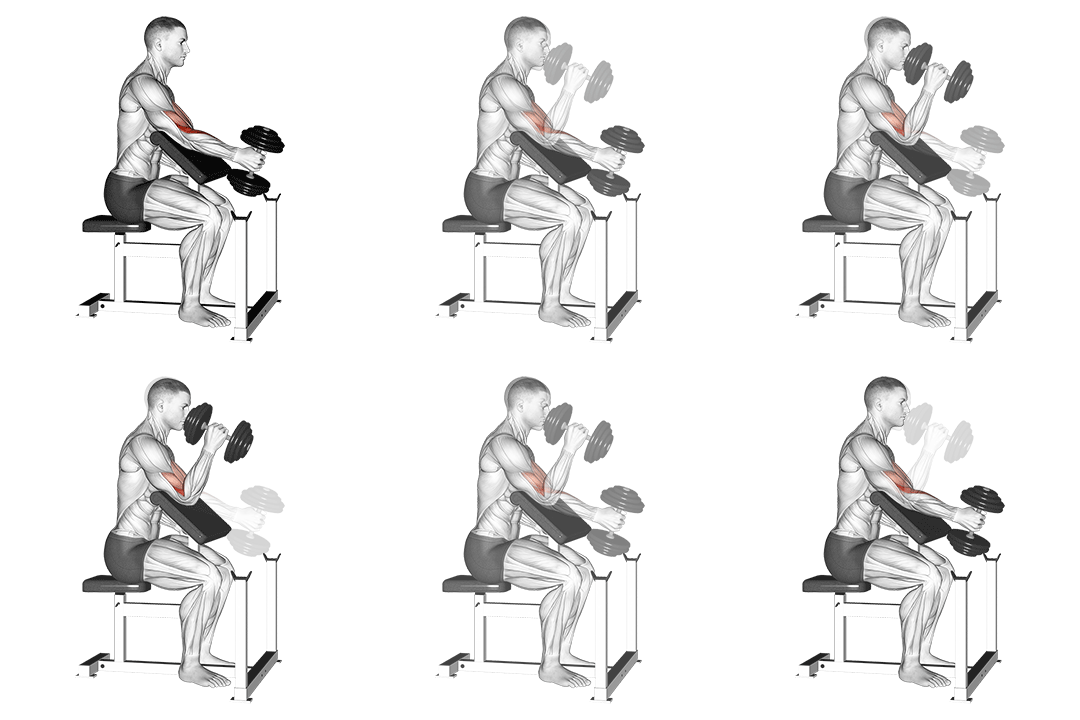
How to perform this exercise
- Sit on a preacher bench with a dumbbell in one hand and your upper arm resting on the pad.
- Hold the dumbbell with a neutral grip (palms facing your body).
- Keeping your upper arm stationary, exhale and curl the dumbbell up towards your shoulder.
- Pause for a moment at the top, squeezing your biceps.
- Inhale and slowly lower the dumbbell back to the starting position.
- Repeat for the desired number of repetitions, then switch arms.
Sets and reps: 3 sets of 10 to 15 reps on each side.
Why this matches
- Movement: curl, the same as the Dumbbell Alternate Seated Hammer Curl
- Primary muscle: biceps, the same as the Dumbbell Alternate Seated Hammer Curl
- Equipment: free weights, the same as the Dumbbell Alternate Seated Hammer Curl
- Body position: seated, the same as the Dumbbell Alternate Seated Hammer Curl
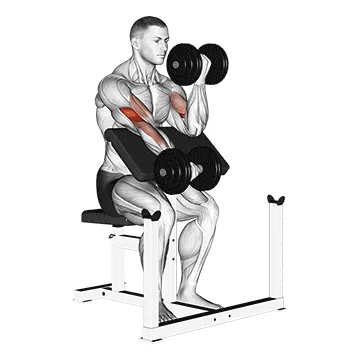
9. Dumbbell Peacher Hammer Curl
92% match- Biceps
- Dumbbell
- Beginner
- Isolation
How to perform this exercise
- Stand up straight with a dumbbell in each hand, palms facing your torso.
- Keep your elbows close to your torso and rotate the palms of your hands until they are facing forward.
- This will be your starting position.
- Now, keeping the upper arms stationary, exhale and curl the weights while contracting your biceps.
- Continue to raise the weights until your biceps are fully contracted and the dumbbells are at shoulder level.
- Hold the contracted position for a brief pause as you squeeze your biceps.
- Then, inhale and slowly begin to lower the dumbbells back to the starting position.
- Repeat for the recommended amount of repetitions.
Sets and reps: 3 sets of 10 to 15 reps.
Why this matches
- Movement: curl, the same as the Dumbbell Alternate Seated Hammer Curl
- Primary muscle: biceps, the same as the Dumbbell Alternate Seated Hammer Curl
- Equipment: free weights, the same as the Dumbbell Alternate Seated Hammer Curl
- Body position: seated, the same as the Dumbbell Alternate Seated Hammer Curl
10. Dumbbell Cross Body Hammer Curl
92% match- Biceps
- Dumbbell
- Beginner
- Isolation
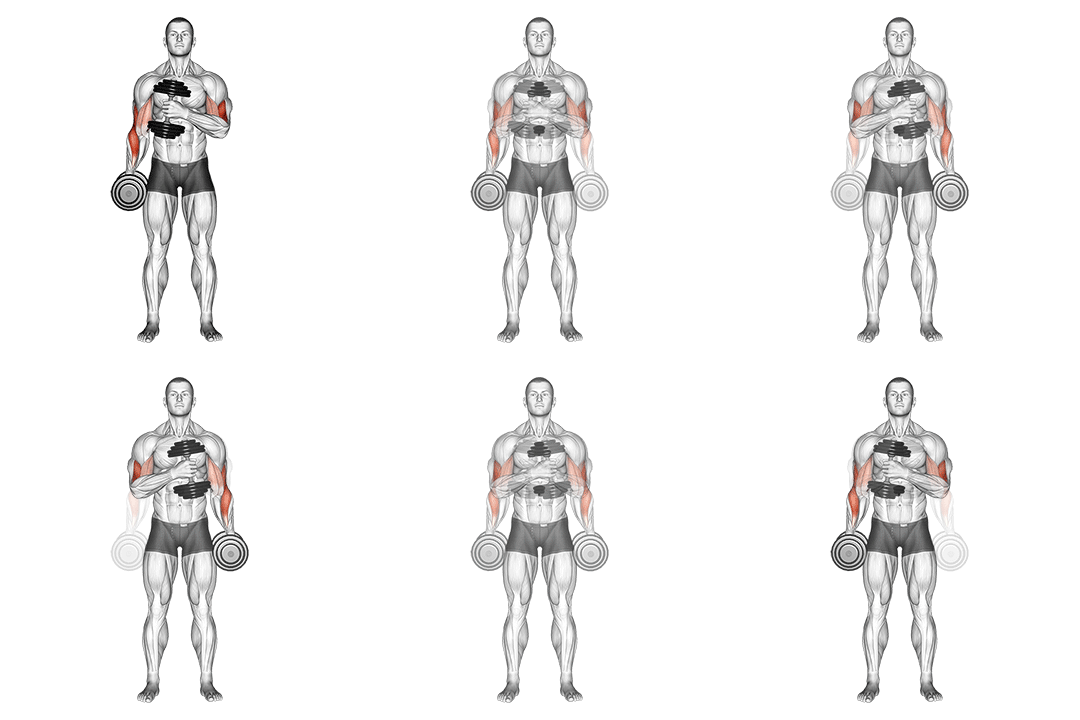
How to perform this exercise
- Stand up straight with a dumbbell in each hand, palms facing your body.
- Keep your elbows close to your torso and your upper arms stationary.
- Exhale and curl the weights while contracting your biceps, bringing the dumbbells as close to your opposite shoulder as possible.
- Hold the contracted position for a brief pause as you squeeze your biceps.
- Inhale and slowly begin to lower the dumbbells back to the starting position.
- Repeat for the desired number of repetitions.
Sets and reps: 3 sets of 10 to 15 reps on each side.
Why this matches
- Movement: curl, the same as the Dumbbell Alternate Seated Hammer Curl
- Primary muscle: biceps, the same as the Dumbbell Alternate Seated Hammer Curl
- Equipment: free weights, the same as the Dumbbell Alternate Seated Hammer Curl
- Body position: standing, not seated
Why You Might Need a Dumbbell Alternate Seated Hammer Curl Alternative
You might substitute the Dumbbell Alternate Seated Hammer Curl for several reasons: shoulder or wrist pain during seated work, lack of dumbbells, the need for greater overload, or a desire to bias the brachialis and brachioradialis. Alternate exercises can reduce shoulder involvement by keeping the torso stable, vary loading patterns (isolation vs compound), and change forearm orientation to alter muscle activation. For example, a rope hammer curl increases long head biceps and brachialis engagement if you keep elbows locked to your sides and use a controlled 2-1-2 tempo to emphasize the eccentric.
Dumbbell Alternate Seated Hammer Curl FAQ
What muscles does Dumbbell Alternate Seated Hammer Curl work?
The exercise primarily targets the brachialis and brachioradialis, with secondary involvement from the biceps brachii. Keeping a neutral grip emphasizes elbow flexion mechanics and reduces forearm supination, shifting activation away from the long head of the biceps toward the brachialis.
Find Alternatives for Any Exercise
Search the exercise database and filter the ranked substitutes by the equipment you own.
Similarity scores compare exercise metadata such as movement pattern, muscles, equipment and body position. They are not a safety rating or a check that you own the equipment. Learn about our methodology