

10 Best Dumbbell Fly On Exercise Ball Alternatives for Home Gyms
If you can’t perform the Dumbbell Fly on an exercise ball, use flat-bench dumbbell fly, cable fly, pec-deck machine, floor dumbbell fly, or wide push-ups to target the pectorals. Keep a slight bend in the elbows, retract the scapula, and cue a controlled eccentric to maintain pec loading and protect the shoulder.
Original Exercise: Dumbbell Fly On Exercise Ball
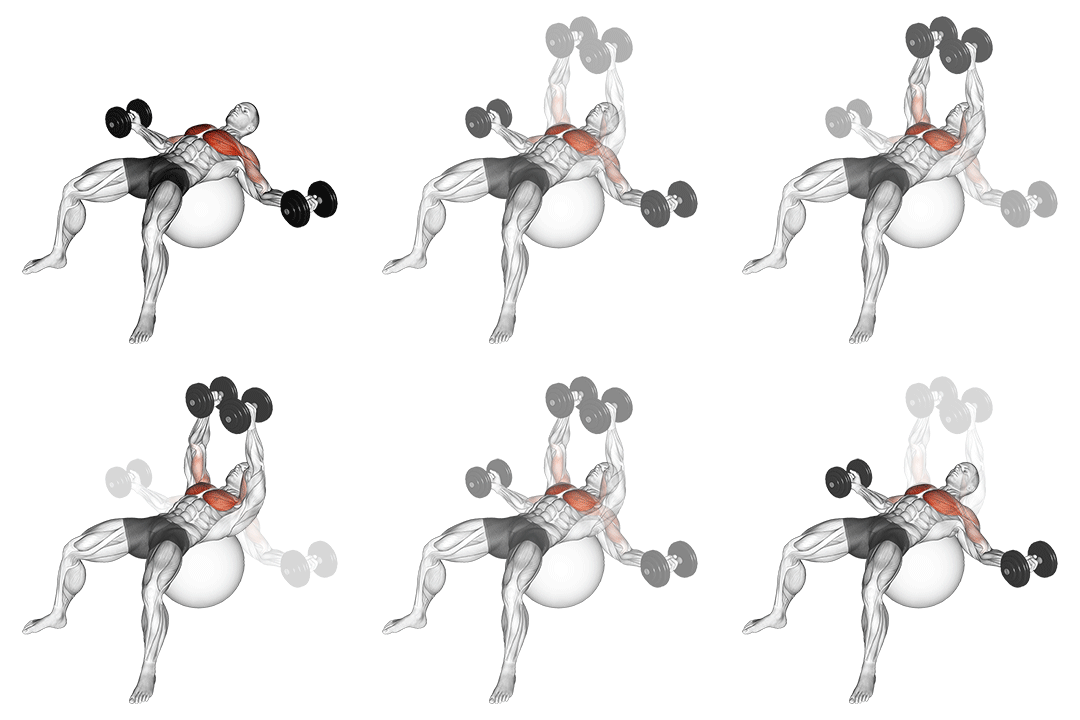
How to Perform Dumbbell Fly On Exercise Ball
- Sit on an exercise ball and hold a dumbbell in each hand.
- Walk your feet forward and roll your body down until your head, neck, and upper back are supported by the ball.
- Extend your arms straight up above your chest, palms facing each other.
- Bend your elbows slightly and lower your arms out to the sides in a wide arc until you feel a stretch in your chest.
- Pause for a moment, then reverse the movement and squeeze your chest muscles as you bring the dumbbells back to the starting position.
- Repeat for the desired number of repetitions.
Best Dumbbell Fly On Exercise Ball Alternatives
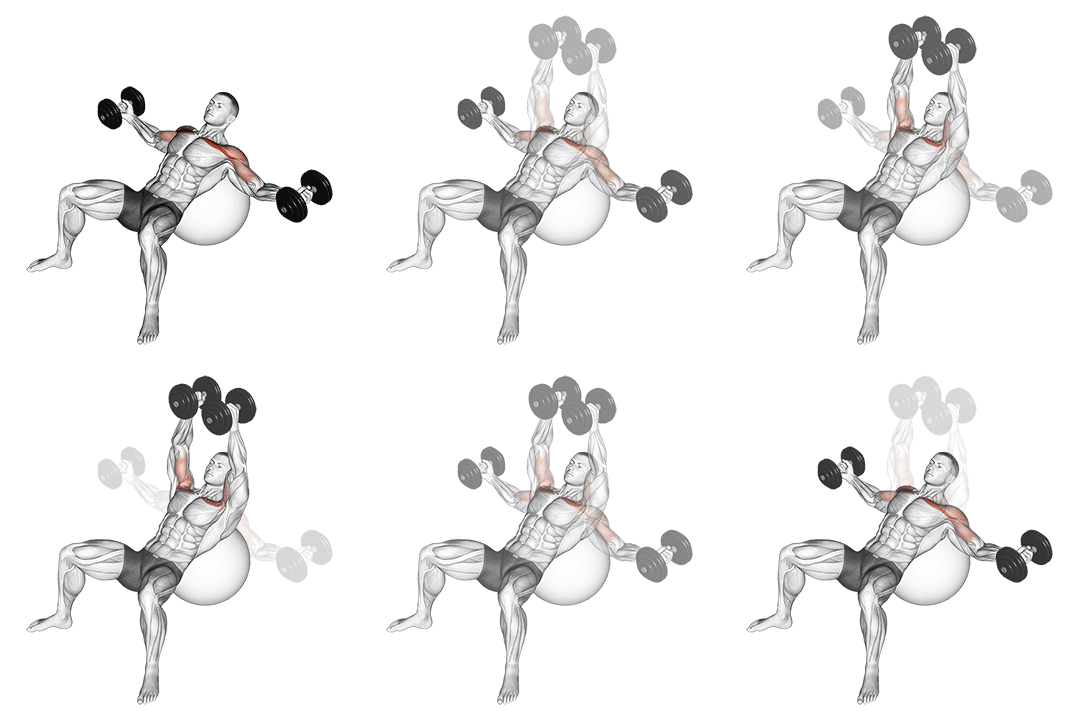
1. Dumbbell Incline Fly On Exercise Ball
99.9% MatchHow to perform this exercise
- Set up an incline bench at a 45-degree angle.
- Sit on an exercise ball and roll forward until your upper back is resting on the incline bench.
- Hold a dumbbell in each hand with your palms facing each other and your arms extended above your chest.
- Lower the dumbbells out to the sides in a wide arc until you feel a stretch in your chest.
- Pause for a moment, then squeeze your chest muscles to bring the dumbbells back to the starting position.
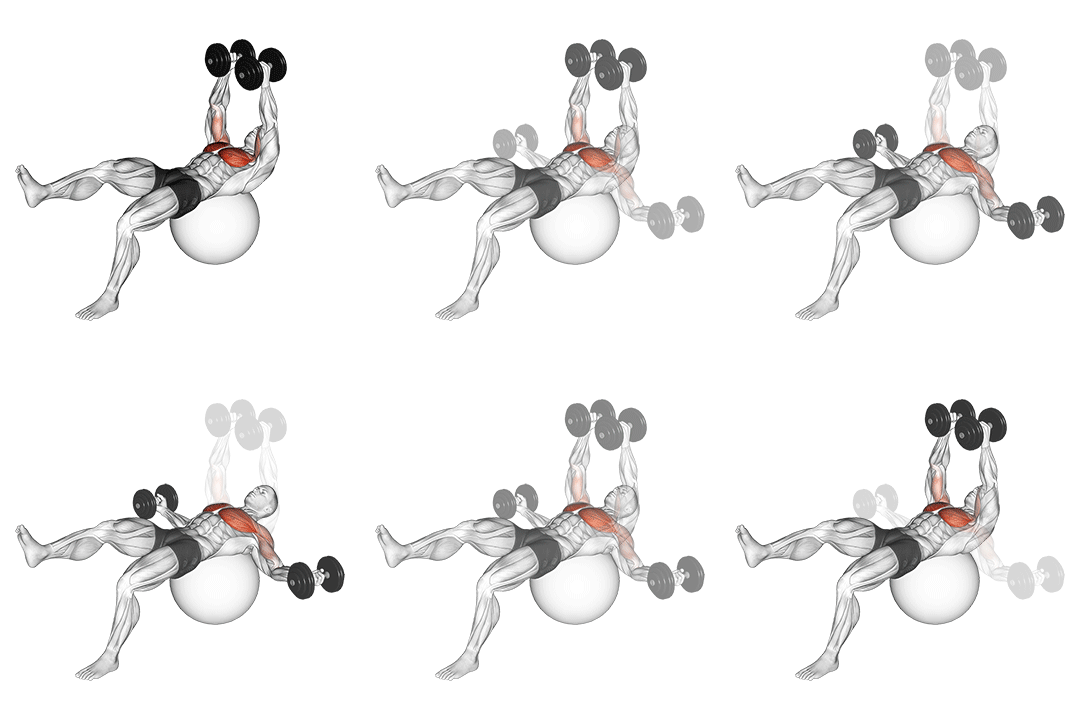
2. Dumbbell One Leg Fly On Exercise Ball
98.7% MatchHow to perform this exercise
- Sit on an exercise ball with a dumbbell in each hand, palms facing each other.
- Place one foot on the ground and extend the other leg straight out in front of you.
- Lean forward slightly and bring your arms out to the sides, keeping a slight bend in your elbows.
- Slowly lower the dumbbells down and out to the sides, feeling a stretch in your chest.
- Pause for a moment at the bottom, then squeeze your chest muscles to bring the dumbbells back up to the starting position.
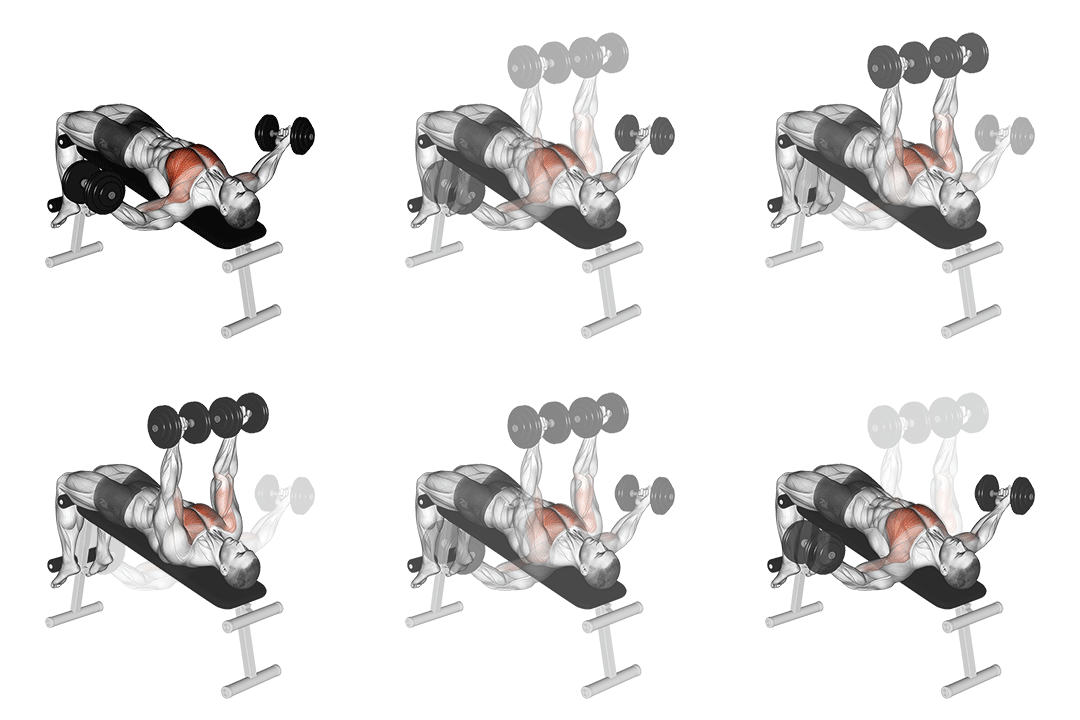
3. Dumbbell Decline Twist Fly
97.3% MatchHow to perform this exercise
- Lie down on a decline bench with your head lower than your hips.
- Hold a dumbbell in each hand with your palms facing each other and your arms extended straight up over your chest.
- Lower the dumbbells out to the sides in a wide arc until you feel a stretch in your chest.
- As you lower the dumbbells, twist your wrists so that your palms face forward at the bottom of the movement.
- Reverse the motion and bring the dumbbells back up to the starting position, squeezing your chest muscles at the top.
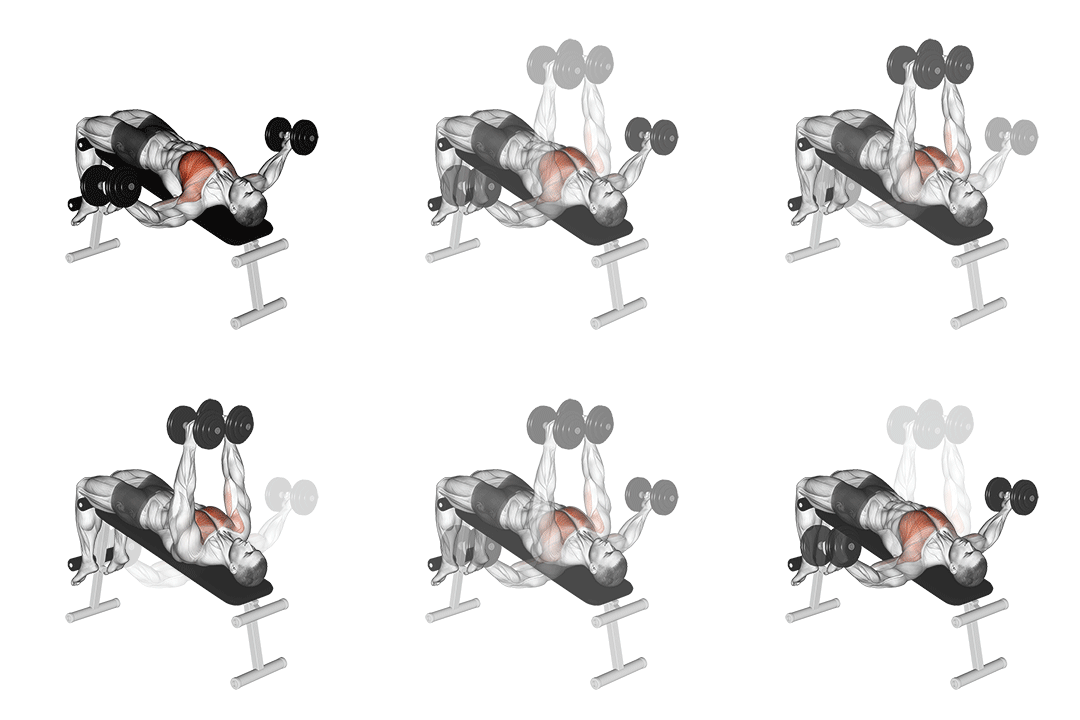
4. Dumbbell Decline Fly
96.8% MatchHow to perform this exercise
- Lie on a decline bench with your feet secured and your head lower than your hips.
- Hold a dumbbell in each hand with your palms facing each other and your arms extended above your chest.
- Lower the dumbbells out to the sides in a wide arc until you feel a stretch in your chest.
- Pause for a moment, then squeeze your chest muscles to bring the dumbbells back to the starting position.
- Repeat for the desired number of repetitions.
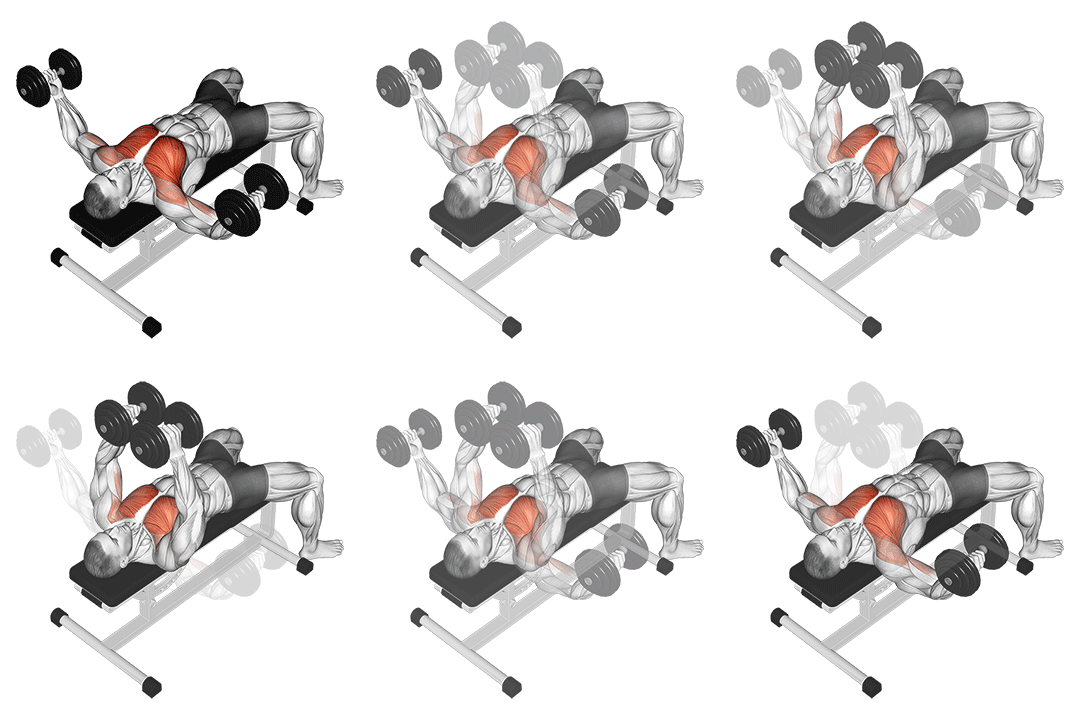
5. Dumbbell Fly
96.8% MatchHow to perform this exercise
- Lie flat on a bench with a dumbbell in each hand, palms facing each other.
- Extend your arms straight up over your chest, with a slight bend in your elbows.
- Keeping a slight bend in your elbows, lower your arms out to the sides in a wide arc until you feel a stretch in your chest.
- Pause for a moment, then reverse the movement and bring the dumbbells back up to the starting position.
- Repeat for the desired number of repetitions.
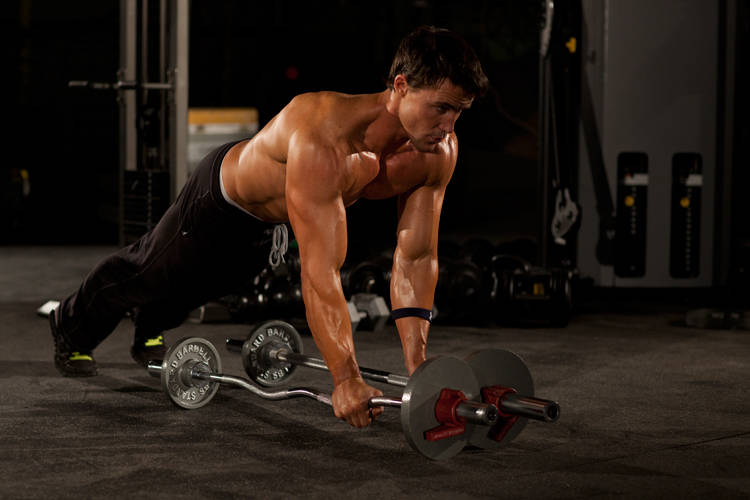
6. Bodyweight Flyes
95.2% MatchHow to perform this exercise
- Position two equally loaded EZ bars on the ground next to each other. Ensure they are able to roll.
- Assume a push-up position over the bars, supporting your weight on your toes and hands with your arms extended and body straight.
- Place your hands on the bars. This will be your starting position.
- Using a slow and controlled motion, move your hands away from the midline of your body, rolling the bars apart. Inhale during this portion of the motion.
- After moving the bars as far apart as you can, return to the starting position by pulling them back together. Exhale as you perform this movement.
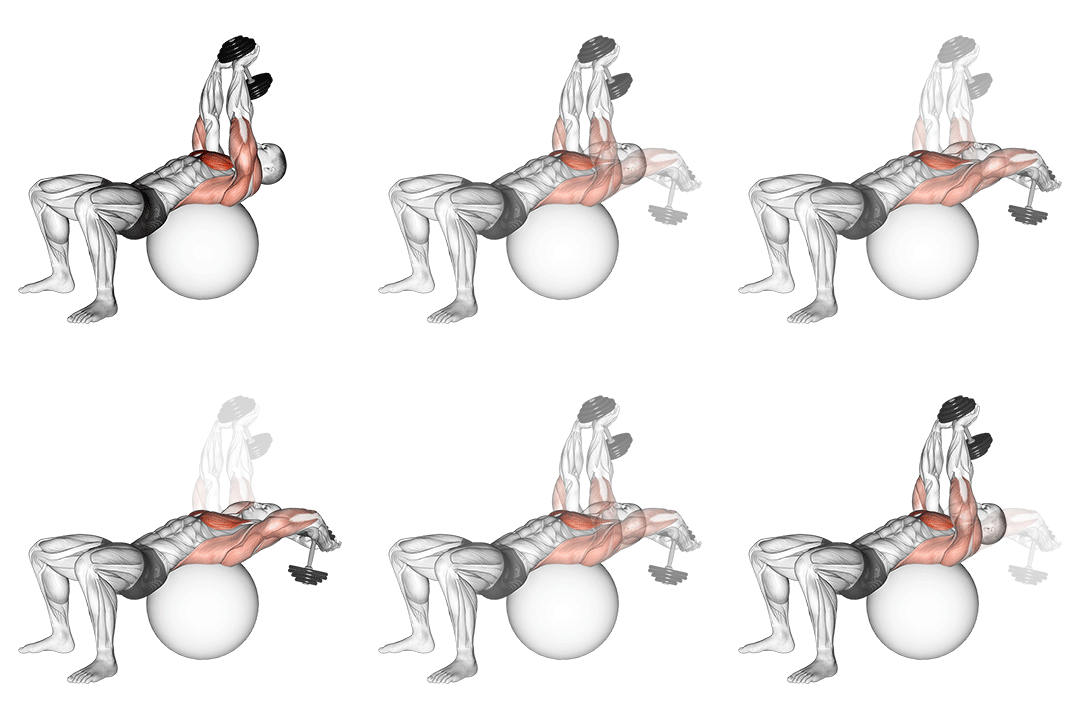
7. Dumbbell Pullover On Exercise Ball
93.7% MatchHow to perform this exercise
- Sit on an exercise ball and hold a dumbbell with both hands above your chest, arms extended.
- Slowly lower the dumbbell behind your head while keeping your arms straight.
- Pause for a moment, then raise the dumbbell back to the starting position.
- Repeat for the desired number of repetitions.
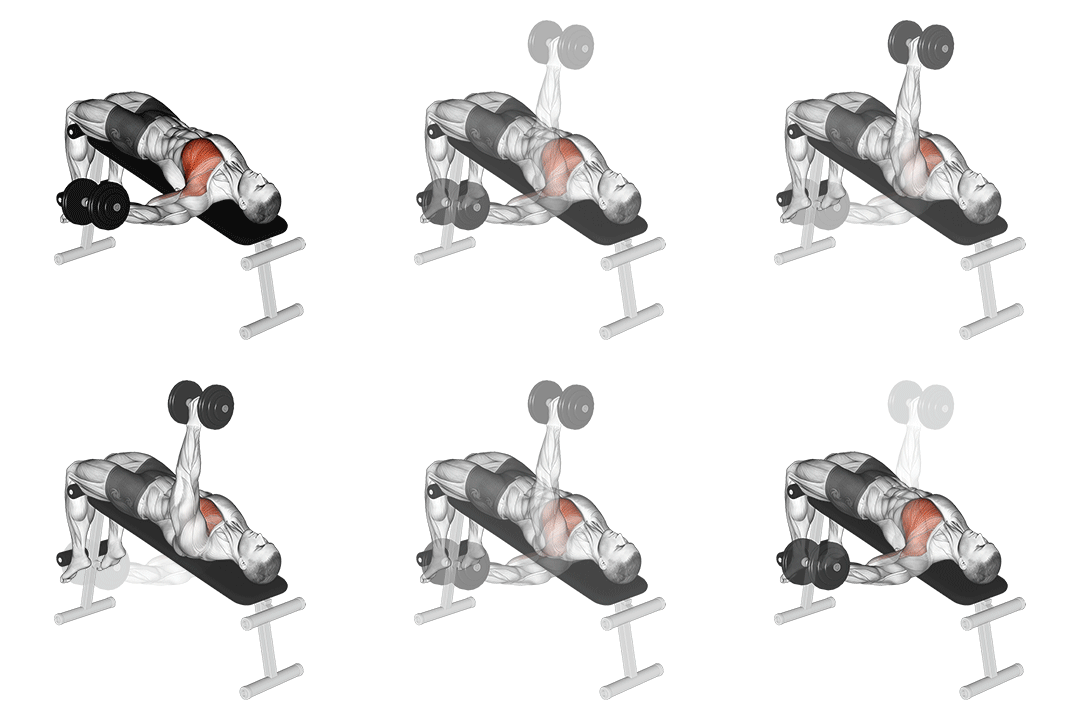
8. Dumbbell Decline One Arm Fly
92.2% MatchHow to perform this exercise
- Lie down on a decline bench with a dumbbell in one hand, resting it on your thigh.
- Using your thigh to help raise the dumbbell, lift it up to shoulder width with your palm facing your torso.
- Rotate your wrist so that the palm of your hand is facing forward.
- As you breathe in, lower the dumbbell slowly to the side until you feel a stretch in your chest.
- Exhale and use your chest muscles to bring the dumbbell back up to the starting position.
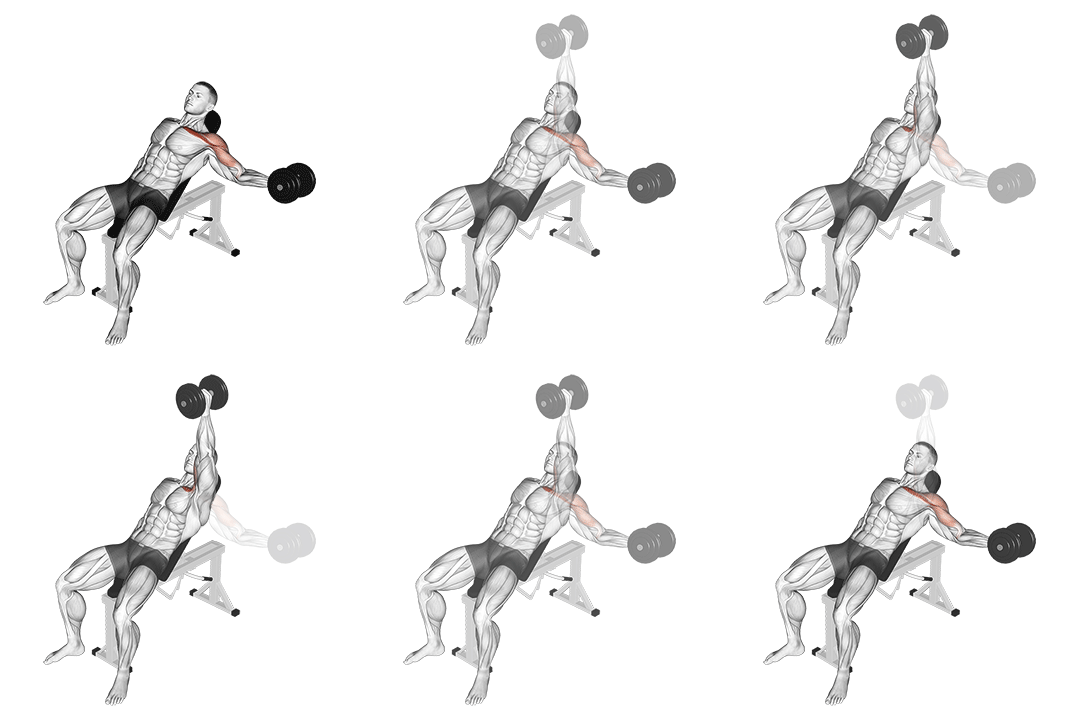
9. Dumbbell Incline One Arm Fly
92.2% MatchHow to perform this exercise
- Adjust the incline bench to a 30-45 degree angle.
- Sit on the bench with a dumbbell in one hand, resting it on your thigh.
- Lie back on the bench, keeping your feet flat on the ground.
- Hold the dumbbell with your arm extended straight up over your chest.
- Lower the dumbbell out to the side in a wide arc, keeping a slight bend in your elbow.
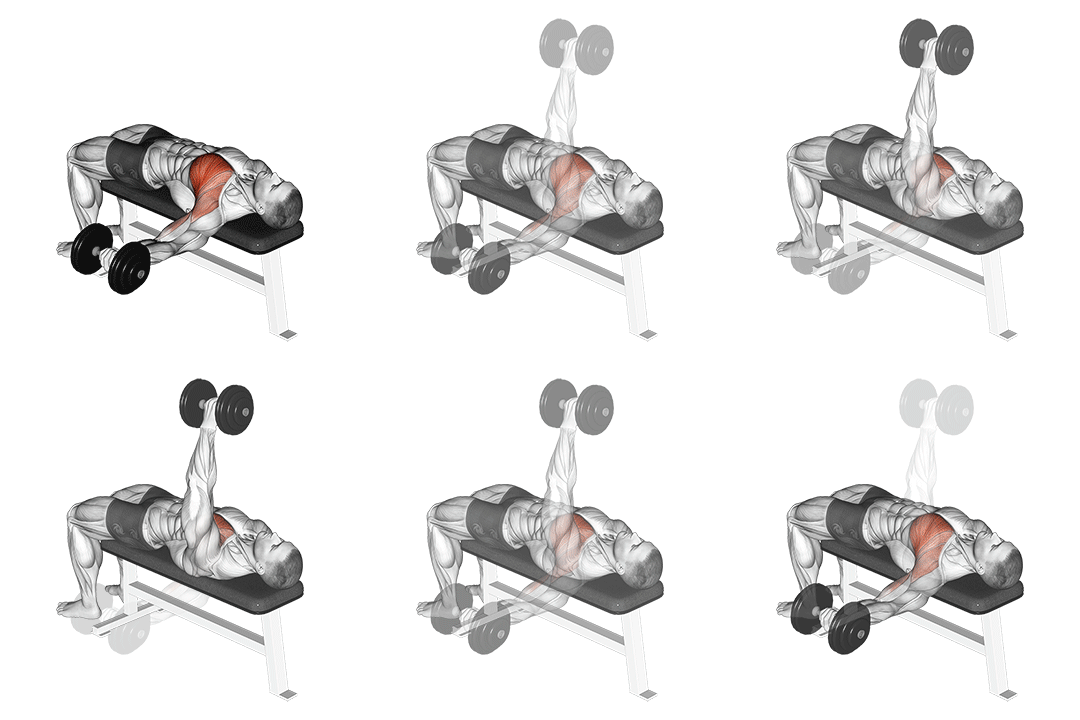
10. Dumbbell One Arm Bench Fly
92.2% MatchHow to perform this exercise
- Sit on a flat bench with a dumbbell in one hand, resting it on top of your thigh.
- Lie back on the bench, keeping the dumbbell pressed against your thigh.
- Using your free hand, help lift the dumbbell up to the starting position.
- Hold the dumbbell directly above your shoulder with your arm extended and palm facing inward.
- Lower the dumbbell out to the side in a wide arc, keeping a slight bend in your elbow.
Why You Might Need a Dumbbell Fly On Exercise Ball Alternative
You may substitute the exercise because you lack a stability ball, have shoulder pain, need a safer progression, or prefer consistent tension. The ball increases core and scapular demand; a bench or machine shifts load to the pectorals and reduces stabilization requirements. Cables produce continuous horizontal adduction, improving mid-range pec activation, while a floor fly limits end-range stretch to protect the anterior capsule. When choosing a change, cue the replacement specifically—for cable fly, step one foot forward, hinge slightly at the hips, keep a 10–15° elbow bend, and actively squeeze the pecs at the midline to mimic the ball fly’s peak contraction.
How to Choose the Right Substitute
Assess equipment, shoulder health, and training goals. If you lack a ball but want isolation, choose flat-bench dumbbell fly or pec-deck for similar pectoral emphasis with reduced core demand. For constant tension and adjustable angles, choose cable flys; for rehab or limited range, choose floor flys and stop when the arm touches the floor. Also consider progressive overload: machines allow faster weight jumps, cables allow micro-loads, and push-ups scale with elevation or weighted vests. Use a tempo cue—3-second eccentric, 1-second pause, controlled concentric—and prioritize pain-free ROM to match the original exercise’s muscle activation.
Frequently Asked Questions
What muscles does Dumbbell Fly On Exercise Ball work?
The exercise primarily targets the pectoralis major (sternal and clavicular heads) and secondary stabilizers like the anterior deltoid and serratus anterior. The instability also recruits core and scapular stabilizers; keep a slight elbow bend and avoid excessive horizontal abduction to limit anterior shoulder strain.
What is the best bodyweight alternative to Dumbbell Fly On Exercise Ball?
A wide push-up is the best bodyweight substitute for pectoral isolation—place hands wider than shoulder width to emphasize the pecs. Lower under control until the chest approaches the floor and keep elbows at roughly 45° to the torso to maintain horizontal adduction mechanics.
Can I build muscle without doing Dumbbell Fly On Exercise Ball?
Yes. You can build chest muscle using bench presses, cable flys, pec-deck, and progressive push-up variations that replicate horizontal adduction and time under tension. Track progressive overload—add load, increase reps, or slow the eccentric (3–4 seconds)—to stimulate hypertrophy without the ball.
More Exercise Alternatives
Find Alternatives for Any Exercise
Use our free tool to discover the best substitute exercises based on your available equipment and goals.
Try the Exercise Substitution Finder →