

10 Best Dumbbell Lying One Arm Press Alternatives for Limited Equipment
If you can't perform the dumbbell lying one-arm press, choose movements that preserve unilateral loading and horizontal adduction of the pecs. Effective swaps include the single-arm floor press, dumbbell bench press, archer push-up, cable single-arm press, and machine chest press. Cue: brace your core and tuck the elbow to emphasize pec activation.
Original Exercise: Dumbbell Lying One Arm Press
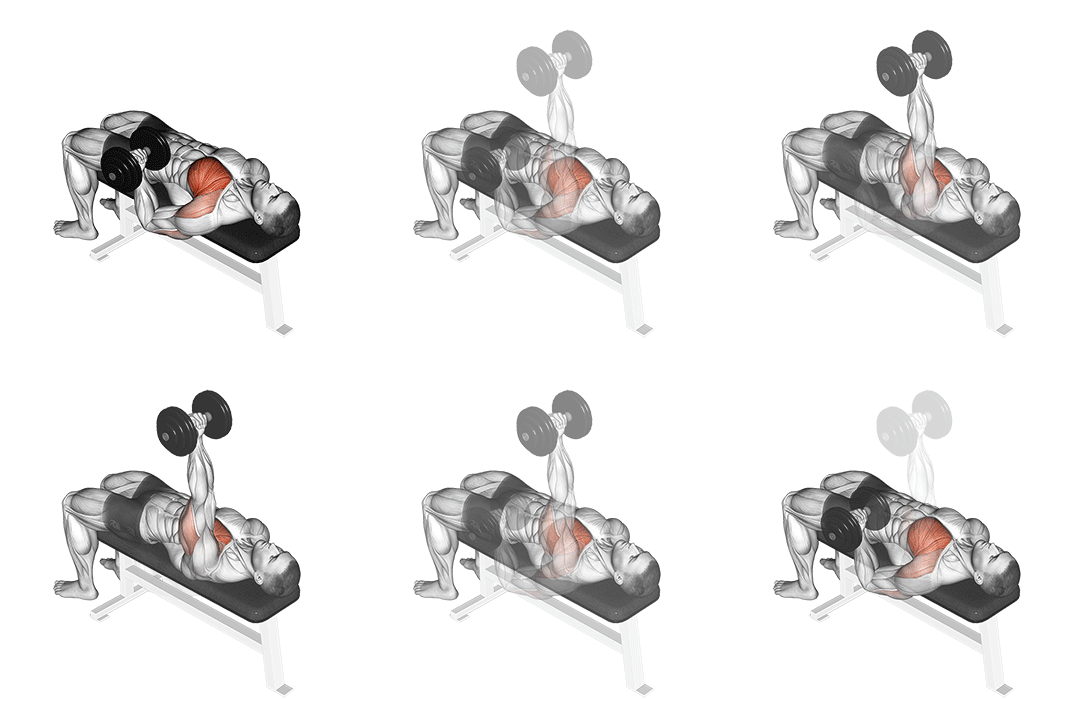
How to Perform Dumbbell Lying One Arm Press
- Lie flat on a bench with a dumbbell in one hand and your feet flat on the ground.
- Hold the dumbbell at shoulder level with your palm facing forward.
- Press the dumbbell upward until your arm is fully extended.
- Pause for a moment at the top, then slowly lower the dumbbell back to the starting position.
- Repeat for the desired number of repetitions, then switch to the other arm.
Best Dumbbell Lying One Arm Press Alternatives
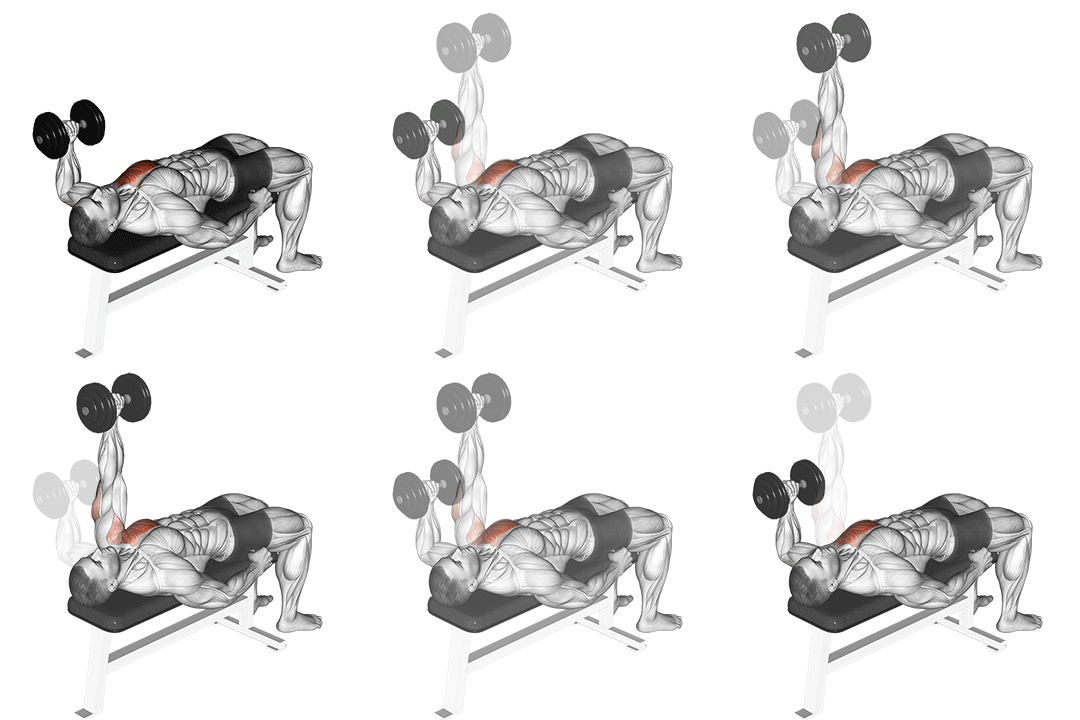
1. Dumbbell Lying One Arm Press V. 2
99.9% MatchHow to perform this exercise
- Lie flat on a bench with your back supported and feet flat on the ground.
- Hold a dumbbell in one hand with your palm facing towards your feet.
- Extend your arm straight up towards the ceiling, keeping your elbow slightly bent.
- Slowly lower the dumbbell down towards your chest, keeping your elbow close to your body.
- Pause for a moment at the bottom, then push the dumbbell back up to the starting position.
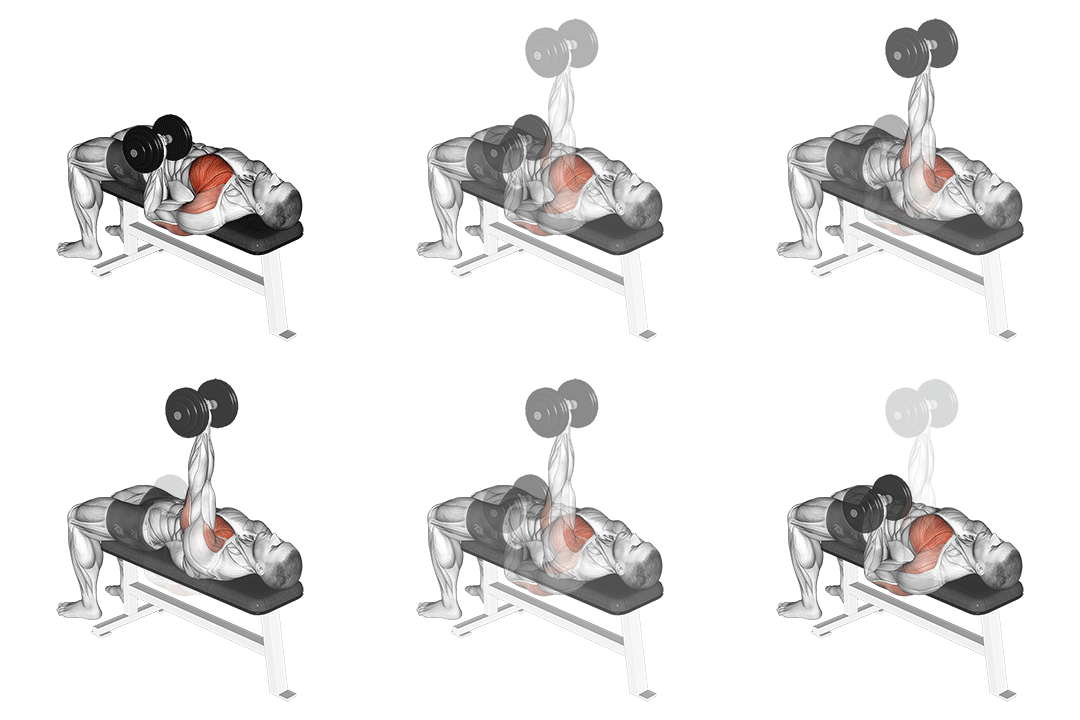
2. Dumbbell One Arm Reverse Grip Press
96% MatchHow to perform this exercise
- Sit on a flat bench with a dumbbell in one hand, palm facing towards your body.
- Place your feet flat on the ground and keep your back straight.
- Raise the dumbbell to shoulder height, keeping your elbow close to your body.
- Press the dumbbell upwards until your arm is fully extended.
- Pause for a moment at the top, then slowly lower the dumbbell back to the starting position.
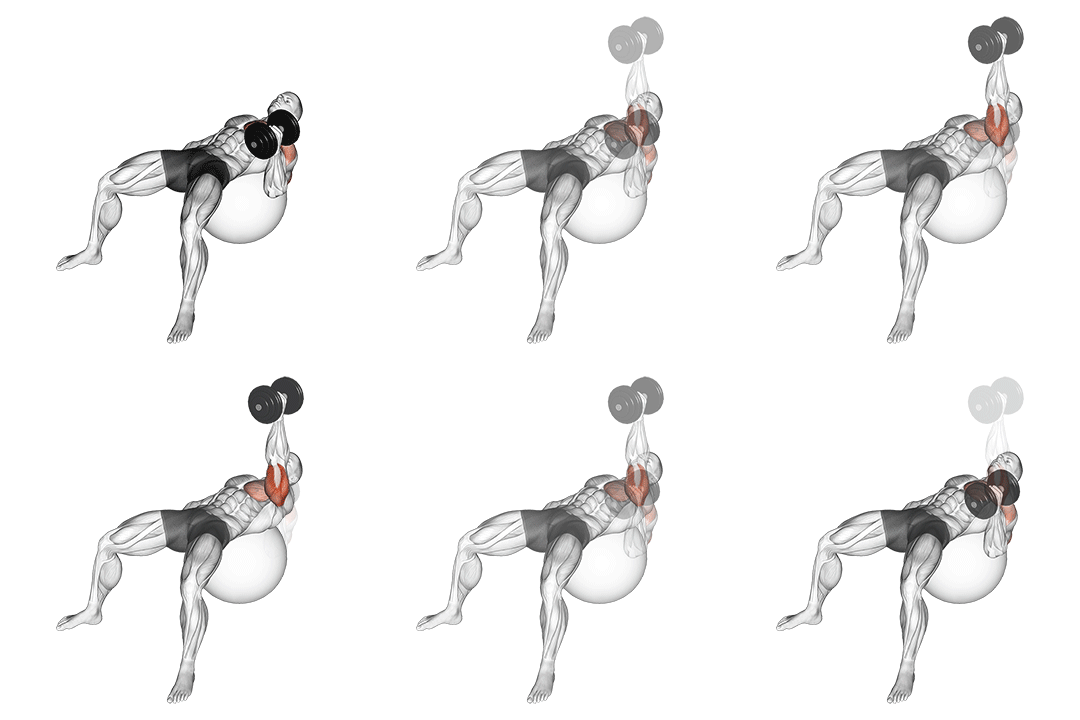
3. Dumbbell One Arm Hammer Press On Exercise Ball
94.4% MatchHow to perform this exercise
- Sit on an exercise ball with your feet flat on the ground and your back straight.
- Hold a dumbbell in one hand with your palm facing inwards and your elbow bent at a 90-degree angle.
- Place your other hand on your hip for stability.
- Press the dumbbell upwards, extending your arm fully.
- Pause for a moment at the top, then slowly lower the dumbbell back to the starting position.
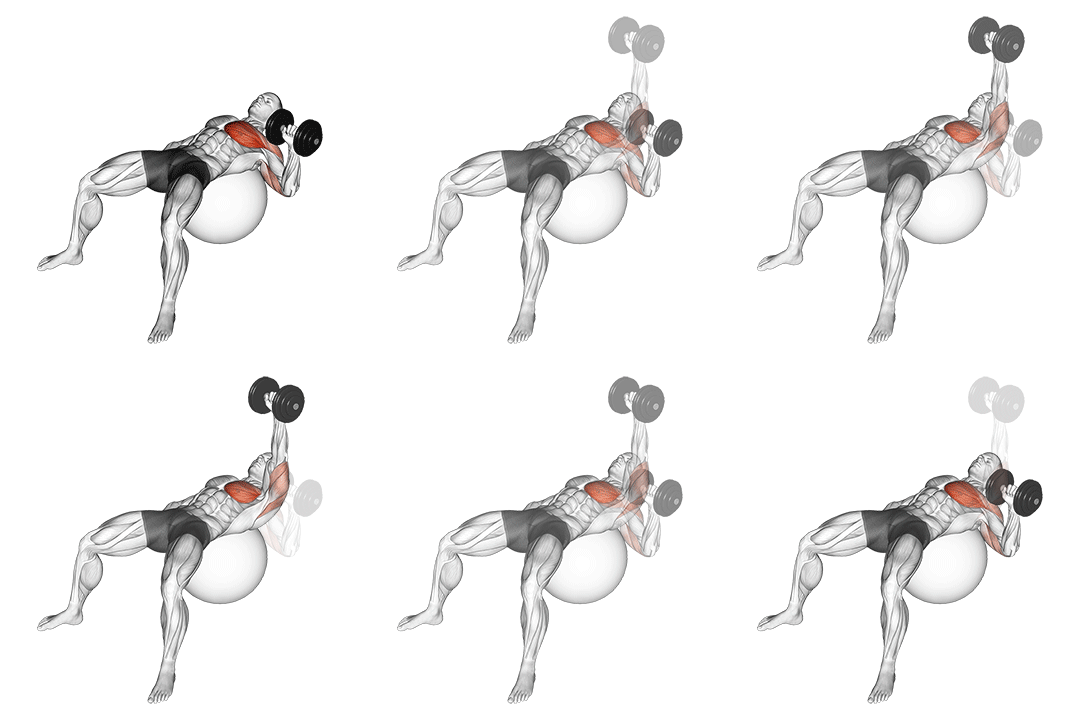
4. Dumbbell One Arm Press On Exercise Ball
92.6% MatchHow to perform this exercise
- Sit on an exercise ball with your feet flat on the ground and your knees bent at a 90-degree angle.
- Hold a dumbbell in one hand and position it at shoulder height, with your elbow bent and palm facing forward.
- Slowly press the dumbbell upward until your arm is fully extended, while keeping your core engaged and maintaining balance on the exercise ball.
- Pause for a moment at the top, then slowly lower the dumbbell back to the starting position.
- Repeat for the desired number of repetitions, then switch to the other arm.
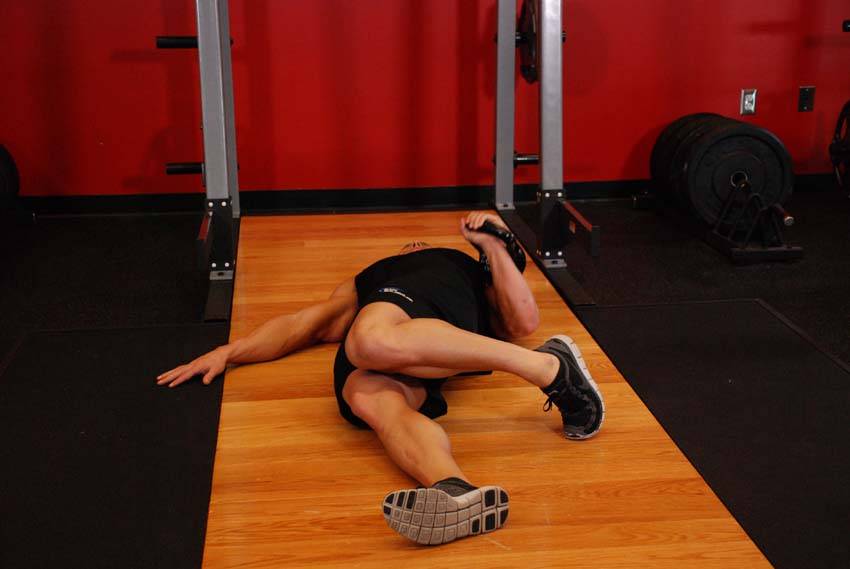
5. Extended Range One-Arm Kettlebell Floor Press
91.4% MatchHow to perform this exercise
- Lie on the floor and position a kettlebell for one arm to press. The kettlebell should be held by the handle. The leg on the same side that you are pressing should be bent, with the knee crossing over the midline of the body.
- Press the kettlebell by extending the elbow and adducting the arm, pressing it above your body. Return to the starting position.
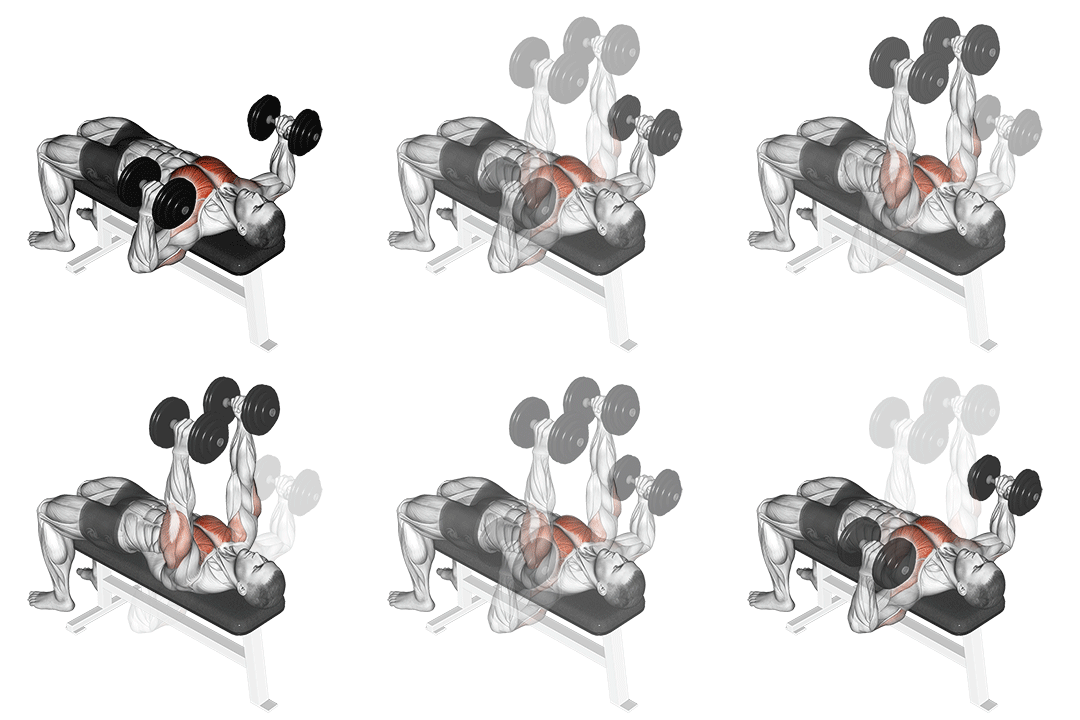
6. Dumbbell Lying Hammer Press
87.7% MatchHow to perform this exercise
- Lie flat on a bench with a dumbbell in each hand, palms facing each other and arms extended straight up.
- Lower the dumbbells to the sides of your chest, keeping your elbows at a 90-degree angle.
- Press the dumbbells back up to the starting position, fully extending your arms.
- Repeat for the desired number of repetitions.
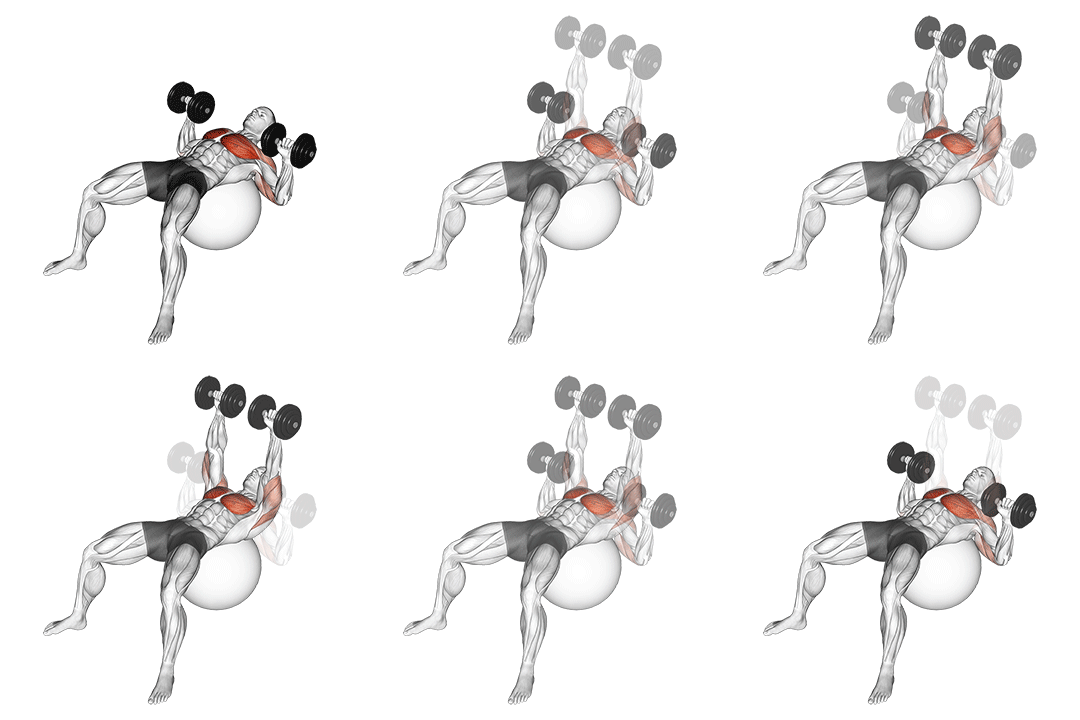
7. Dumbbell Press On Exercise Ball
87.4% MatchHow to perform this exercise
- Sit on an exercise ball with your feet flat on the ground and dumbbells in each hand, resting on your thighs.
- Slowly walk your feet forward, rolling the exercise ball until your lower back is supported on the ball and your knees are at a 90-degree angle.
- Raise the dumbbells to shoulder height, palms facing forward.
- Press the dumbbells upward until your arms are fully extended.
- Pause for a moment at the top, then slowly lower the dumbbells back to the starting position.
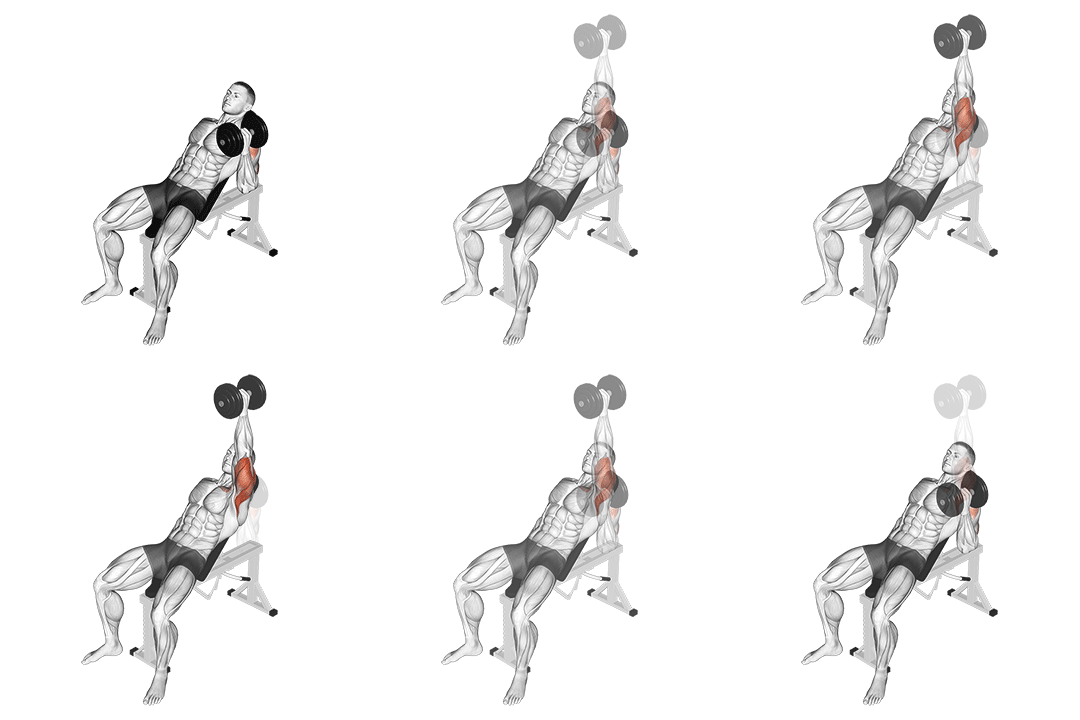
8. Dumbbell Incline One Arm Hammer Press
85.4% MatchHow to perform this exercise
- Sit on an incline bench with a dumbbell in one hand, resting on your thigh.
- Lean back on the bench and use your thigh to help raise the dumbbell to shoulder height.
- Rotate your wrist so that your palm is facing inward, towards your body.
- Press the dumbbell up and away from your body, extending your arm fully.
- Pause for a moment at the top, then slowly lower the dumbbell back down to the starting position.
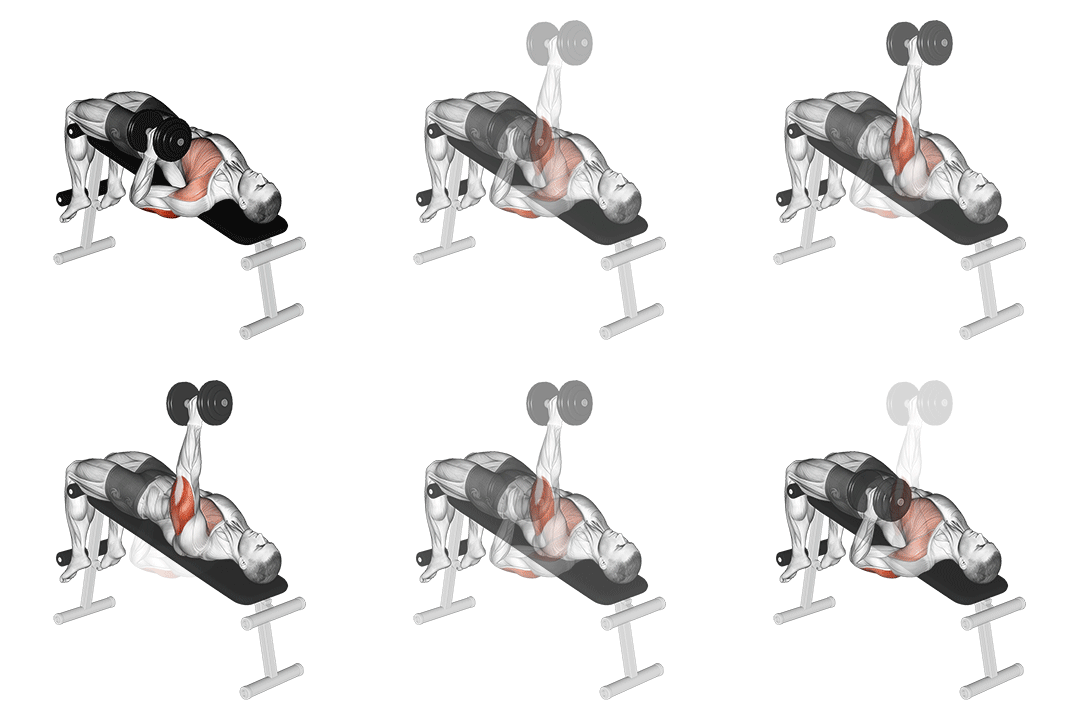
9. Dumbbell Decline One Arm Hammer Press
85.2% MatchHow to perform this exercise
- Lie on a decline bench with a dumbbell in one hand, resting on your chest.
- Extend your arm straight up, keeping your elbow slightly bent.
- Lower the dumbbell down towards your shoulder, keeping your elbow close to your body.
- Press the dumbbell back up to the starting position.
- Repeat for the desired number of repetitions, then switch arms.
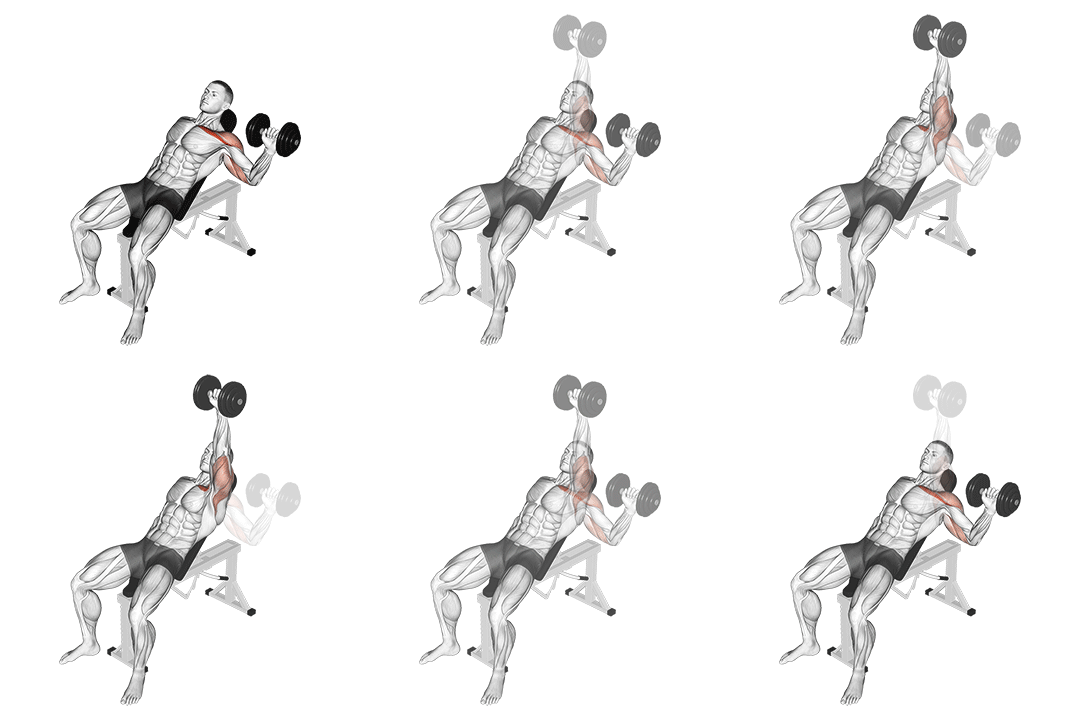
10. Dumbbell One Arm Incline Chest Press
84.7% MatchHow to perform this exercise
- Adjust the incline bench to a 45-degree angle.
- Sit on the bench with your back against the pad and feet flat on the ground.
- Hold a dumbbell in one hand with an overhand grip, resting it on your shoulder.
- Push the dumbbell up and away from your body, extending your arm fully.
- Pause for a moment at the top, then slowly lower the dumbbell back down to the starting position.
Why You Might Need a Dumbbell Lying One Arm Press Alternative
You may swap the dumbbell lying one-arm press for several practical reasons: shoulder pain, lack of bench or suitable dumbbell weight, imbalance correction, or a need for safer progressions. Substitutes can reduce glenohumeral stress by limiting range of motion (e.g., floor press) or increase stability demands (e.g., cable single-arm press). Choose variations that preserve horizontal adduction and internal rotation of the humerus to keep pectoral loading. Cue a controlled eccentric and press through the midline to maintain chest recruitment while minimizing compensatory deltoid or triceps dominance.
How to Choose the Right Substitute
Select a substitute by matching intent: preserve unilateral overload for balance, shorten range of motion for joint rehab, or increase stability challenge for scapular control. Check equipment availability—cables allow constant tension, machines limit transverse instability, and floor presses cap ROM. Evaluate muscle activation: favor movements that bias sternal pec fibers via horizontal adduction and a slight elbow tuck. Technique cue: control the descent for 2–3 seconds and stop just before scapular anterior tilt to protect the shoulder while maximizing chest engagement.
Frequently Asked Questions
What muscles does Dumbbell Lying One Arm Press work?
The exercise primarily targets the pectoralis major (horizontal adduction) while recruiting the anterior deltoid and triceps as synergists. Unilateral pressing also engages core stabilizers and scapular retractors to resist rotation.
What is the best bodyweight alternative to Dumbbell Lying One Arm Press?
The archer push-up or progressed one-arm push-up is the top bodyweight substitute because it reproduces unilateral horizontal adduction and anti-rotation demand. Cue: keep scapulae retracted, drive through the chest toward midline, and maintain a tight core to maximize pec loading.
Can I build muscle without doing Dumbbell Lying One Arm Press?
Yes. You can stimulate the same pectoral fibers with other unilateral or bilateral presses, push-up variations, and cable or machine horizontal presses. Focus on progressive overload, controlled tempo, and full tension on the chest to drive hypertrophy.
More Exercise Alternatives
Find Alternatives for Any Exercise
Use our free tool to discover the best substitute exercises based on your available equipment and goals.
Try the Exercise Substitution Finder →