

10 Best Incline Reverse Grip Push-up Alternatives
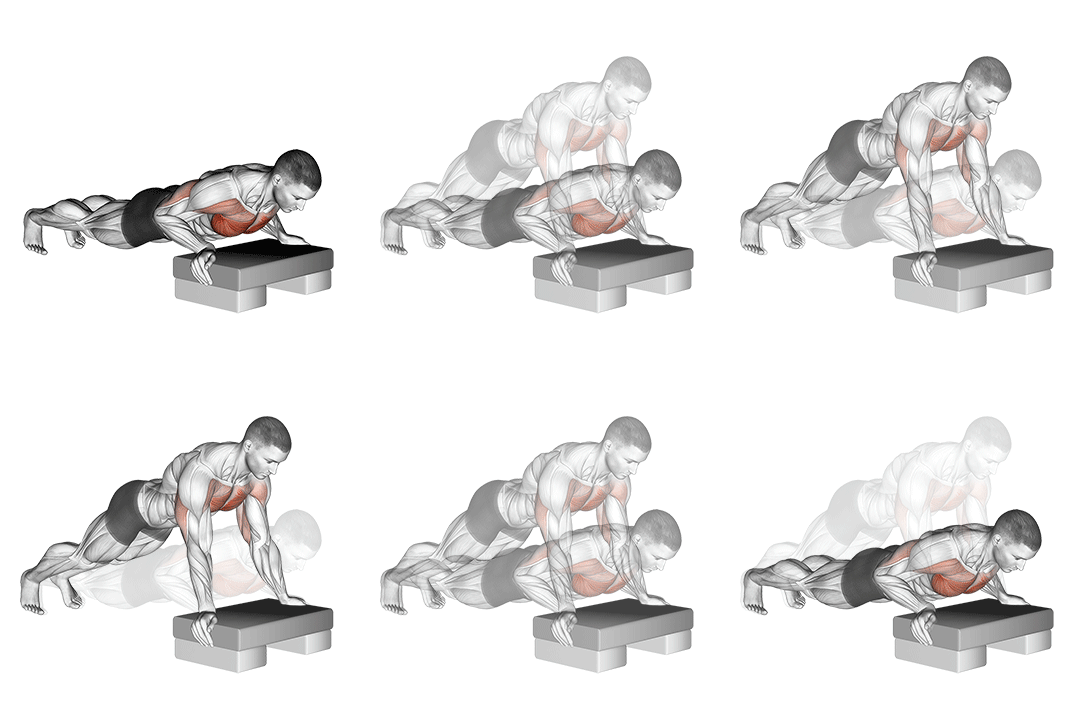
The Incline Reverse Grip Push-up is done lying face down. Ranked closest by our scoring: the Incline Push-up, the Incline Push-up (On Box) and the Kneeling Push-up. A harder version, the Incline Push Up Depth Jump, is listed below as a progression rather than a swap.
Updated Ranked by our 12-factor similarity model How it works
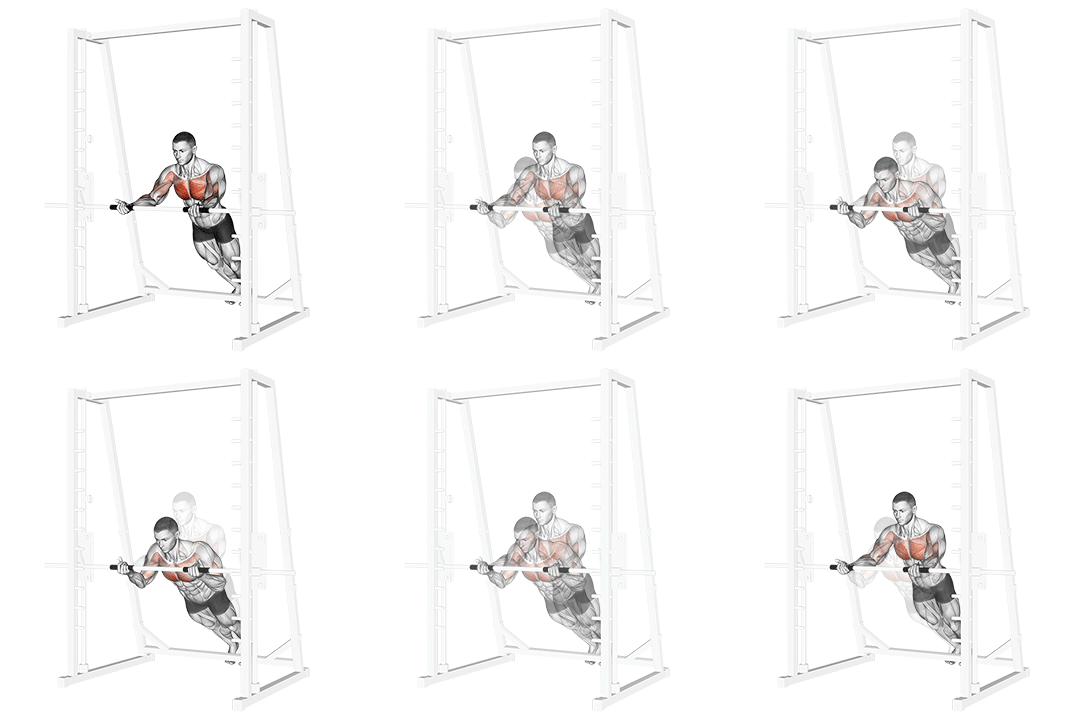
Original Exercise: Incline Reverse Grip Push-up
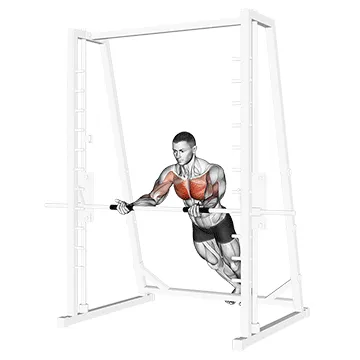
- Primary muscle
- Pectorals
- Equipment
- Bodyweight
- Difficulty
- Intermediate
- Type
- Compound
Secondary muscles: Triceps, Shoulders
How to perform Incline Reverse Grip Push-up
- Place your hands on the edge of a bench or elevated surface, slightly wider than shoulder-width apart.
- Extend your legs behind you, resting on the balls of your feet, creating a straight line from your head to your heels.
- Lower your chest towards the bench by bending your elbows, keeping them close to your sides.
- Pause for a moment at the bottom, then push yourself back up to the starting position by extending your arms.
- Repeat for the desired number of repetitions.
Ranked Incline Reverse Grip Push-up Alternatives
10 substitutes, ranked by how closely each one matches the Incline Reverse Grip Push-up on movement pattern, muscles worked, equipment and body position. The higher the score, the less you change. Open "How to perform this exercise" on a card for the steps; every card title links to that exercise's own alternatives page. Harder versions are tagged as progressions and kept out of the top spot even when they score higher.
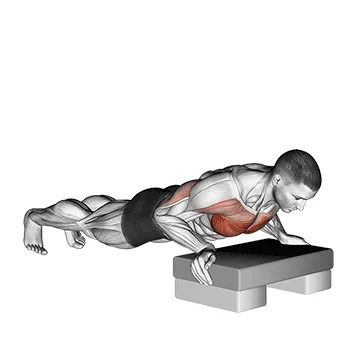
Best match 1. Incline Push-up
95% match- Pectorals
- Bodyweight
- Beginner
- Compound
Pick this when you want an easier version that still works the pectorals.
How to perform this exercise
- Place your hands on an elevated surface, such as a bench or step, slightly wider than shoulder-width apart.
- Extend your legs behind you, resting on the balls of your feet, creating a straight line from your head to your heels.
- Lower your chest towards the elevated surface by bending your elbows, keeping your body in a straight line.
- Pause for a moment at the bottom, then push yourself back up to the starting position by straightening your arms.
- Repeat for the desired number of repetitions.
Sets and reps: 3 sets of 8 to 12 reps, and add reps before you add load.
Why this matches
- Movement: incline press, the same as the Incline Reverse Grip Push-up
- Primary muscle: pectorals, the same as the Incline Reverse Grip Push-up
- Equipment: bodyweight only, the same as the Incline Reverse Grip Push-up
- Body position: lying face down, the same as the Incline Reverse Grip Push-up
Progression
2. Incline Push Up Depth Jump
89% match- Pectorals
- Bodyweight
- Advanced
- Compound
Pick this when you want a harder version that still works the pectorals.
How to perform this exercise
- Find an elevated surface, such as a bench or step, and place your hands shoulder-width apart on the edge.
- Step your feet back, keeping your body in a straight line from head to heels.
- Lower your chest towards the edge of the surface, bending your elbows and keeping your body aligned.
- Push through your palms to extend your arms and return to the starting position.
- Jump off the edge of the surface, landing softly with your knees slightly bent.
- Repeat the push-up and depth jump for the desired number of repetitions.
Sets and reps: 3 or 4 sets of 6 to 10 reps.
Why this matches
- Movement: incline press, the same as the Incline Reverse Grip Push-up
- Primary muscle: pectorals, the same as the Incline Reverse Grip Push-up
- Equipment: bodyweight only, the same as the Incline Reverse Grip Push-up
- Body position: lying face down, the same as the Incline Reverse Grip Push-up
- Balance: harder to stay steady on than the Incline Reverse Grip Push-up
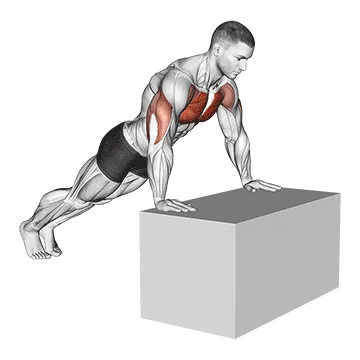
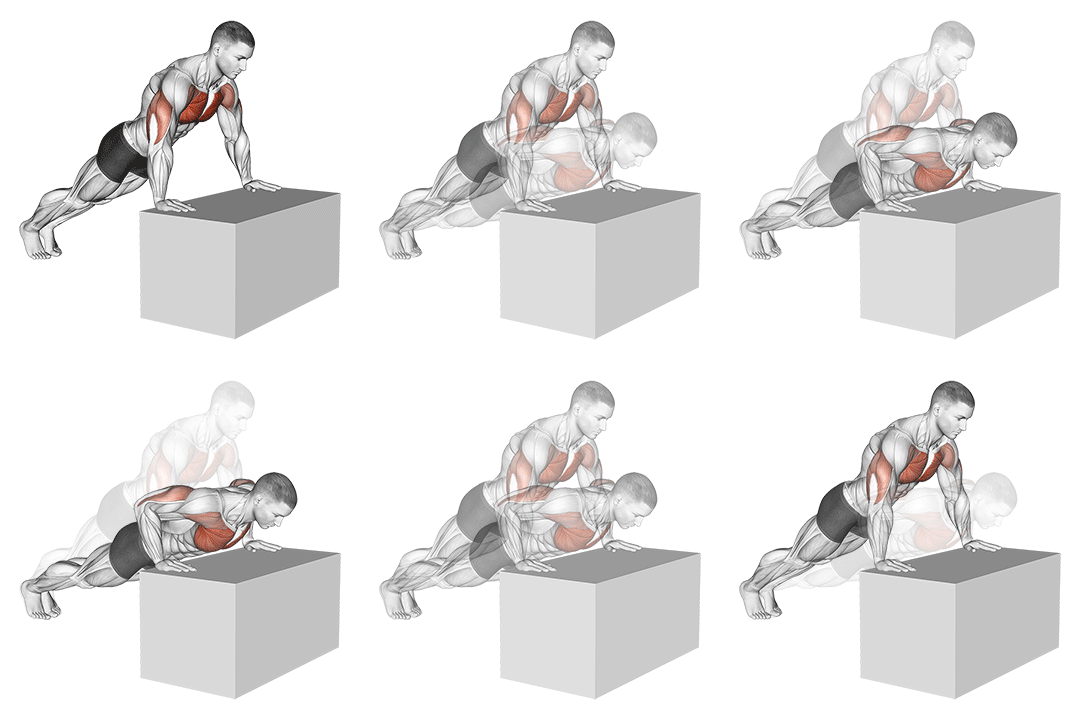
3. Incline Push-up (On Box)
87% match- Pectorals
- Bodyweight
- Beginner
- Compound
How to perform this exercise
- Place your hands on the edge of a box or elevated surface, slightly wider than shoulder-width apart.
- Extend your legs behind you, resting on the balls of your feet, creating a straight line from your head to your heels.
- Lower your chest towards the box by bending your elbows, keeping your body in a straight line.
- Pause for a moment at the bottom, then push yourself back up to the starting position by straightening your arms.
- Repeat for the desired number of repetitions.
Sets and reps: 3 sets of 8 to 12 reps, and add reps before you add load.
Why this matches
- Movement: incline press, the same as the Incline Reverse Grip Push-up
- Primary muscle: pectorals, the same as the Incline Reverse Grip Push-up
- Equipment: bodyweight only, the same as the Incline Reverse Grip Push-up
- Body position: standing, not lying face down
4. Kneeling Push-up
86% match- Pectorals
- Bodyweight
- Beginner
- Compound
How to perform this exercise
- Start by kneeling on the ground with your hands shoulder-width apart, fingers pointing forward.
- Extend your legs behind you, resting on the balls of your feet, so that your body forms a straight line from head to heels.
- Engage your core and lower your body towards the ground by bending your elbows, keeping them close to your sides.
- Continue lowering until your chest is just above the ground, then push back up to the starting position by straightening your arms.
- Repeat for the desired number of repetitions.
Sets and reps: 3 sets of 8 to 12 reps, and add reps before you add load.
Why this matches
- Primary muscle: pectorals, the same as the Incline Reverse Grip Push-up
- Equipment: bodyweight only, the same as the Incline Reverse Grip Push-up
- Body position: kneeling, not lying face down
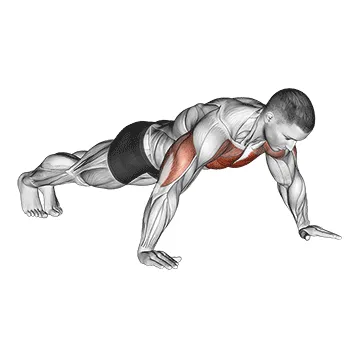
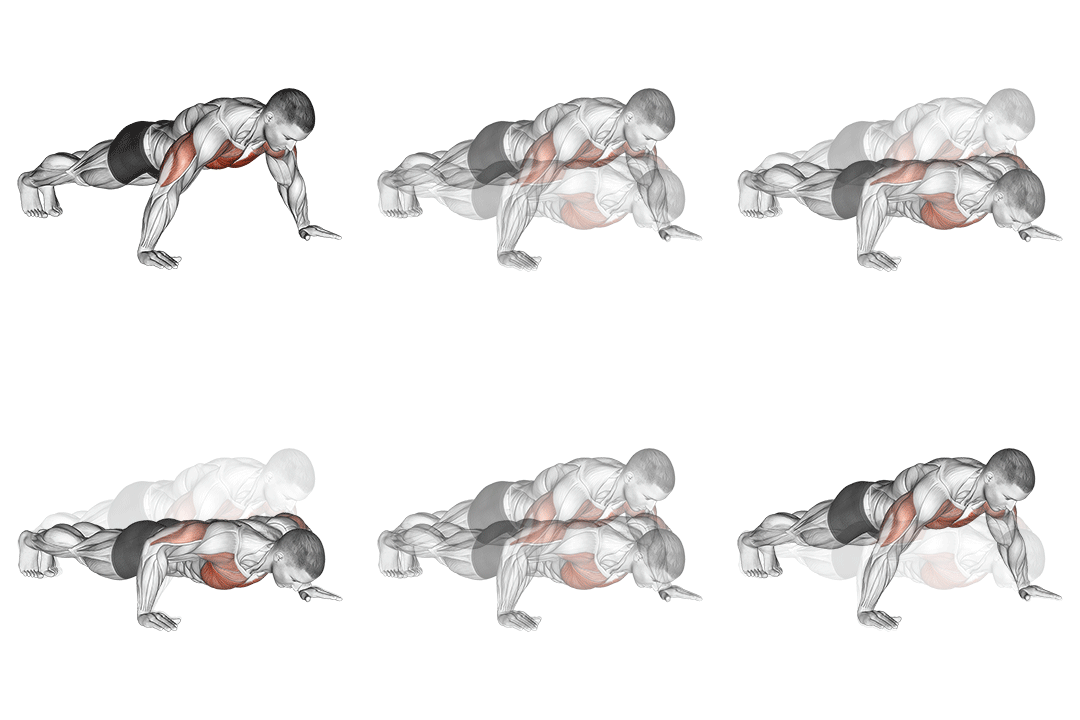
5. Wide Hand Push Up
85% match- Pectorals
- Bodyweight
- Beginner
- Compound
How to perform this exercise
- Start in a high plank position with your hands wider than shoulder-width apart.
- Keep your body in a straight line from head to toe.
- Lower your chest towards the ground by bending your elbows, keeping them close to your sides.
- Push through your palms to extend your arms and return to the starting position.
- Repeat for the desired number of repetitions.
Sets and reps: 3 sets of 8 to 12 reps, and add reps before you add load.
Why this matches
- Primary muscle: pectorals, the same as the Incline Reverse Grip Push-up
- Equipment: bodyweight only, the same as the Incline Reverse Grip Push-up
- Body position: lying face down, the same as the Incline Reverse Grip Push-up
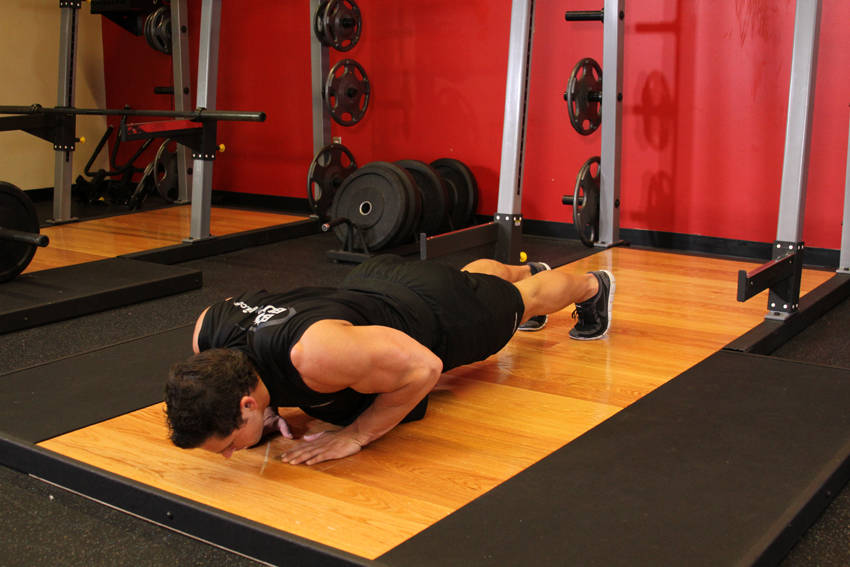
- Pectorals
- Bodyweight
- Intermediate
- Compound
It uses the same equipment and still works the pectorals.
How to perform this exercise
- Lie on the floor face down and body straight with your toes on the floor and the hands wider than shoulder width for a wide hand position and closer than shoulder width for a close hand position. Make sure you are holding your torso up at arms length.
- Lower yourself until your chest almost touches the floor as you inhale.
- Using your pectoral muscles, press your upper body back up to the starting position and squeeze your chest. Breathe out as you perform this step.
- After a second pause at the contracted position, repeat the movement for the prescribed amount of repetitions.
Sets and reps: 3 or 4 sets of 6 to 10 reps.
Why this matches
- Primary muscle: pectorals, the same as the Incline Reverse Grip Push-up
- Equipment: bodyweight only, the same as the Incline Reverse Grip Push-up
- Body position: lying face down, the same as the Incline Reverse Grip Push-up
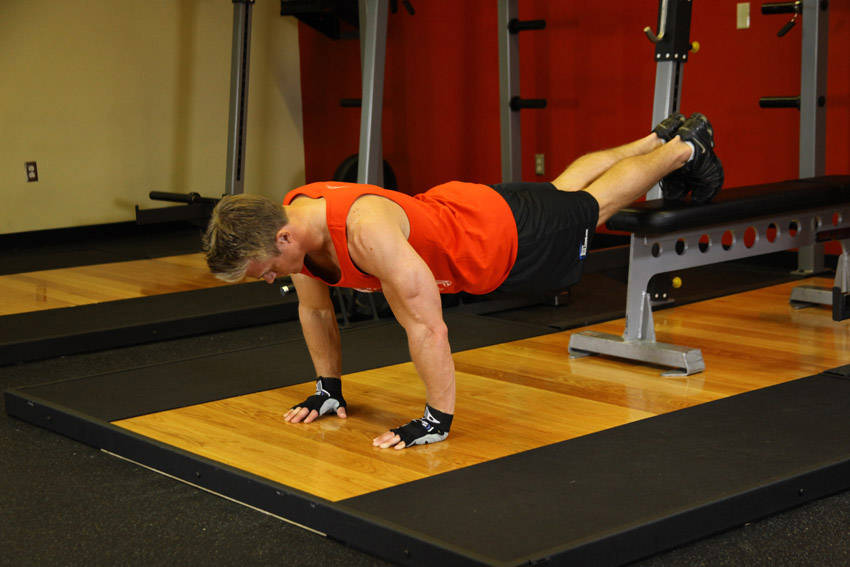
7. Push-ups With Feet Elevated
84% match- Pectorals
- Bodyweight
- Intermediate
- Compound
Pick this when you want to work the pectorals with more balance to manage.
How to perform this exercise
- Lie on the floor face down and place your hands about 36 inches apart from each other holding your torso up at arms length.
- Place your toes on top of a flat bench. This will allow your body to be elevated. Note: The higher the elevation of the flat bench, the higher the resistance of the exercise is.
- Lower yourself until your chest almost touches the floor as you inhale.
- Using your pectoral muscles, press your upper body back up to the starting position and squeeze your chest. Breathe out as you perform this step.
- After a second pause at the contracted position, repeat the movement for the prescribed amount of repetitions.
Sets and reps: 3 or 4 sets of 6 to 10 reps.
Why this matches
- Primary muscle: pectorals, the same as the Incline Reverse Grip Push-up
- Equipment: bodyweight only, the same as the Incline Reverse Grip Push-up
- Body position: lying face down, the same as the Incline Reverse Grip Push-up
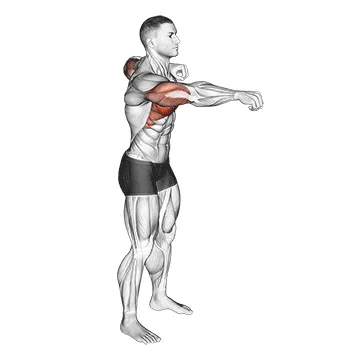
8. Push And Pull Bodyweight
84% match- Pectorals
- Bodyweight
- Intermediate
- Compound
How to perform this exercise
- Start in a push-up position with your hands slightly wider than shoulder-width apart and your body in a straight line.
- Lower your chest towards the ground by bending your elbows, keeping your body straight.
- Push through your palms to extend your arms and return to the starting position.
- From the push-up position, pull your chest towards the ground by bending your elbows, keeping your body straight.
- Push through your palms to extend your arms and return to the starting position.
- Repeat for the desired number of repetitions.
Sets and reps: 3 or 4 sets of 6 to 10 reps.
Why this matches
- Primary muscle: pectorals, the same as the Incline Reverse Grip Push-up
- Equipment: bodyweight only, the same as the Incline Reverse Grip Push-up
- Body position: lying face down, the same as the Incline Reverse Grip Push-up
- Balance: harder to stay steady on than the Incline Reverse Grip Push-up
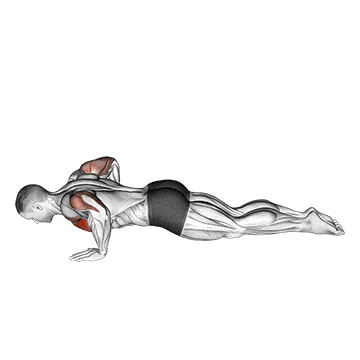
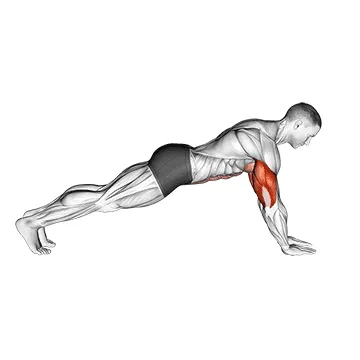
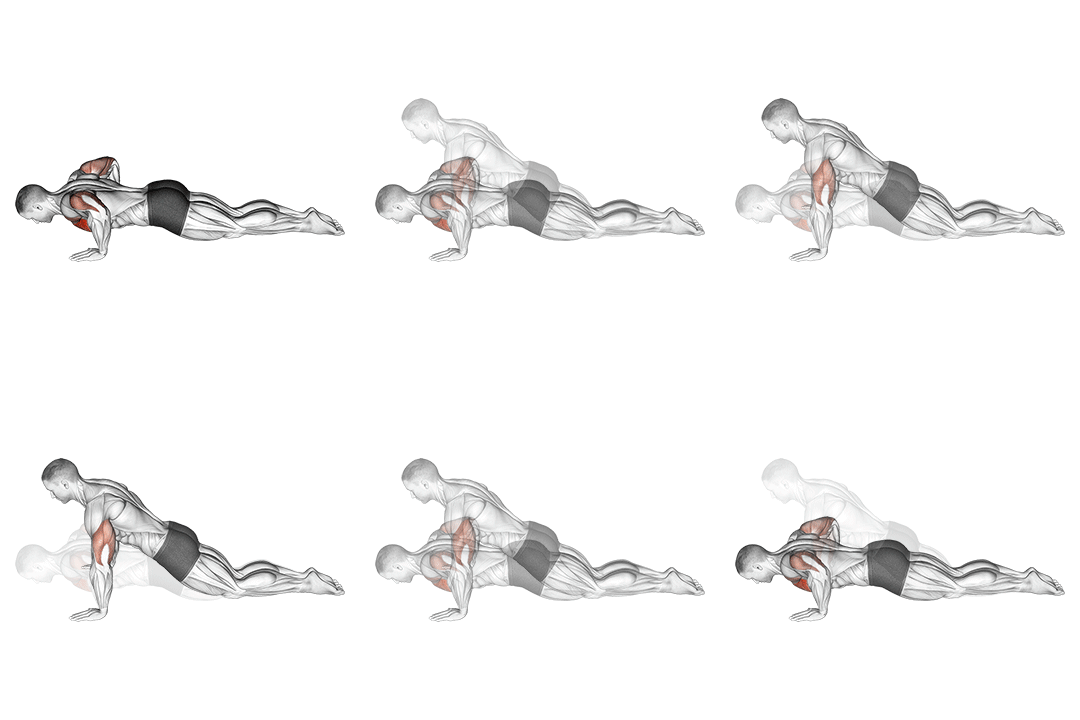
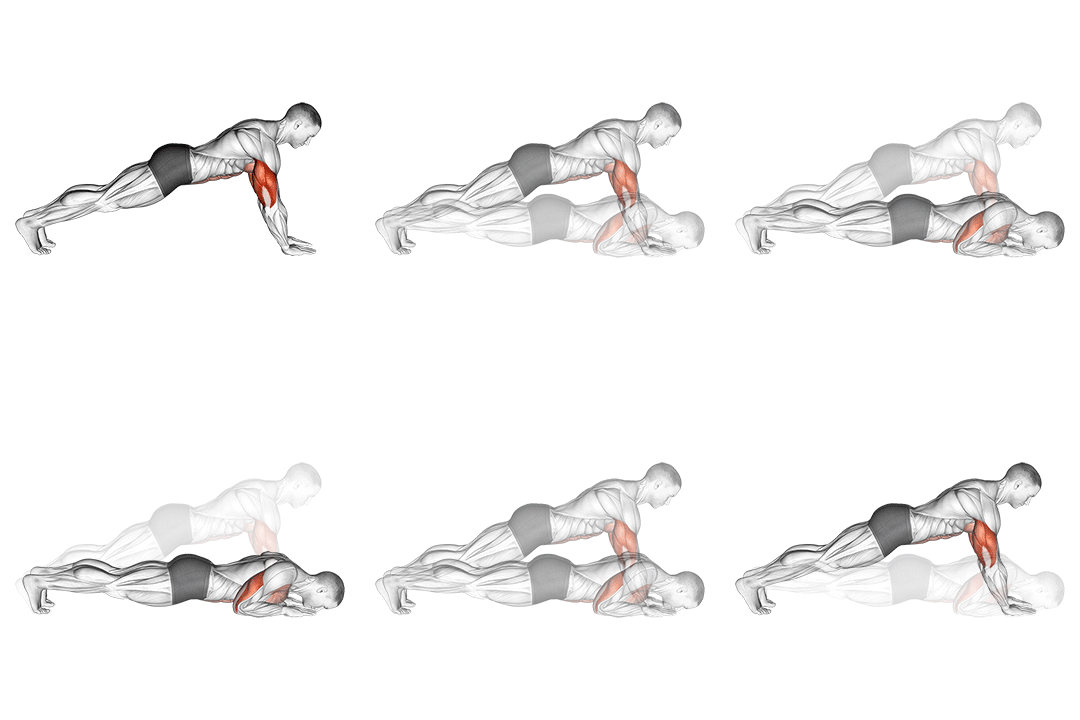
9. Push-up On Lower Arms
84% match- Pectorals
- Bodyweight
- Beginner
- Compound
How to perform this exercise
- Start in a plank position with your forearms on the ground and elbows directly below your shoulders.
- Engage your core and keep your body in a straight line from head to toe.
- Lower your chest towards the ground by bending your elbows, keeping them close to your body.
- Pause for a moment at the bottom, then push yourself back up to the starting position.
- Repeat for the desired number of repetitions.
Sets and reps: 3 sets of 8 to 12 reps, and add reps before you add load.
Why this matches
- Primary muscle: pectorals, the same as the Incline Reverse Grip Push-up
- Equipment: bodyweight only, the same as the Incline Reverse Grip Push-up
- Body position: lying face down, the same as the Incline Reverse Grip Push-up
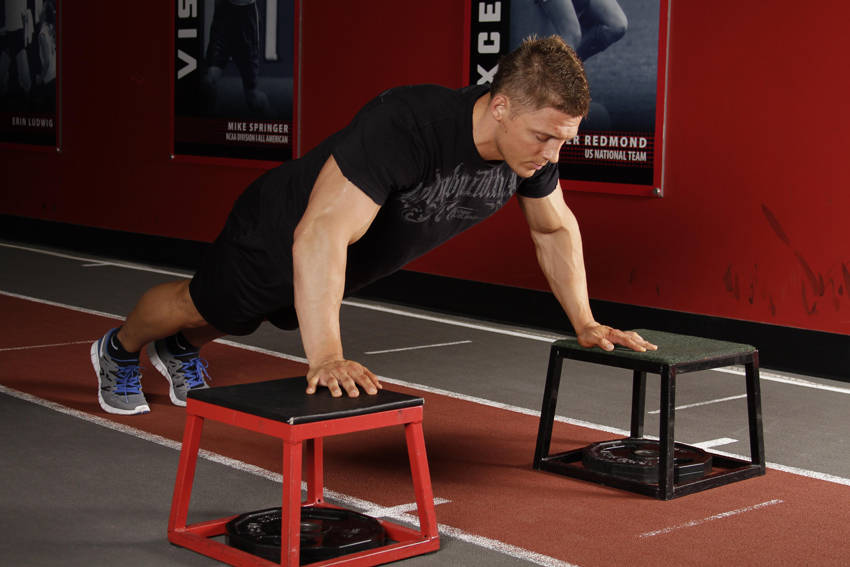
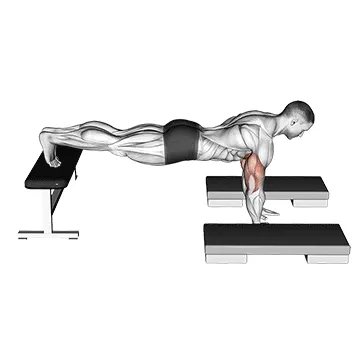
10. Drop Push
84% match- Pectorals
- Other
- Intermediate
- Compound
How to perform this exercise
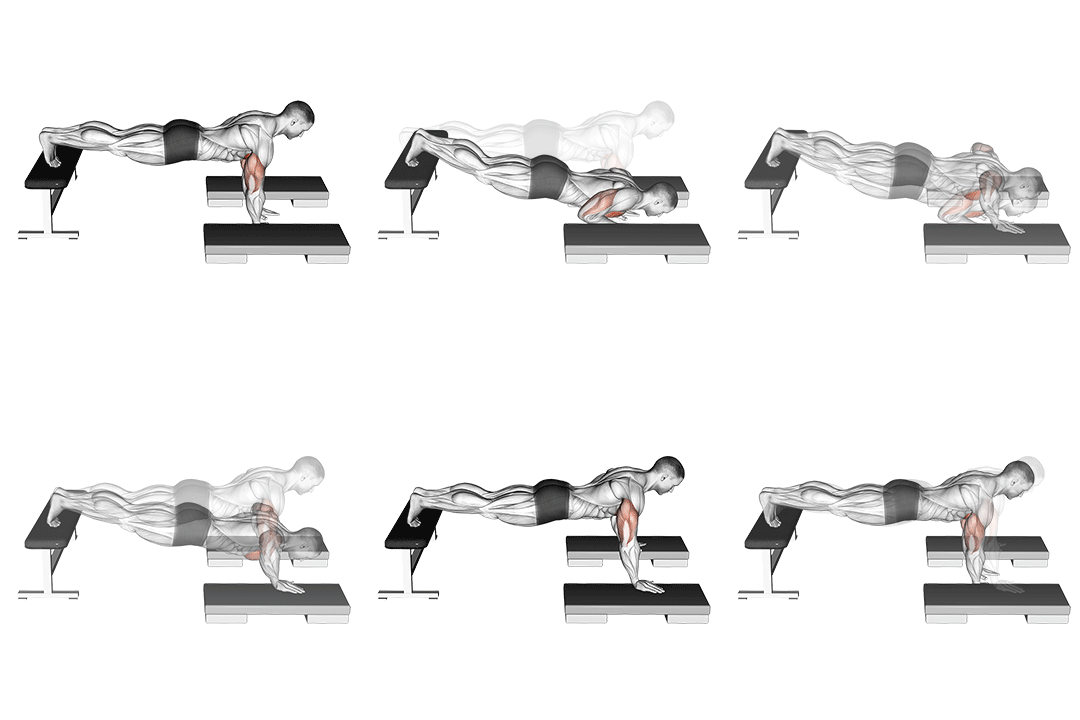
- Position low boxes or other platforms 2-3 feet apart.
- Move to a pushup position between them, supporting yourself by placing your hands on the boxes.
- With good posture, drop from the platforms by pressing up and moving your hands to shoulder width, cushioning your landing by absorbing the impact through the arm.
Sets and reps: 3 or 4 sets of 6 to 10 reps.
Why this matches
- Primary muscle: pectorals, the same as the Incline Reverse Grip Push-up
- Equipment: bodyweight only, the same as the Incline Reverse Grip Push-up
- Body position: lying face down, the same as the Incline Reverse Grip Push-up
- Balance: harder to stay steady on than the Incline Reverse Grip Push-up
Why You Might Need an Incline Reverse Grip Push-up Alternative
You might substitute the Incline Reverse Grip Push-up for pain, limited mobility, or lack of an appropriate incline surface. Reverse grips change wrist and forearm loading; if you have wrist discomfort, switch to a neutral-grip incline push-up and keep wrists stacked under forearms to reduce dorsal wrist extension. Injuries or weak triceps can alter force transfer, choose an alternative that shifts load to the sternal pecs or allows progressive overload (dumbbells or barbell). Preferences like wanting heavier loading or single-arm work also justify swaps; select movements that preserve chest horizontal adduction and scapular control for similar muscle activation.
Incline Reverse Grip Push-up FAQ
What muscles does Incline Reverse Grip Push-up work?
The exercise targets the pectoralis major (especially the clavicular and sternal fibers), anterior deltoid, and triceps while recruiting forearm supinators. Cue protraction control and 45-degree elbow angle to maximize horizontal adduction and pec fiber tension.
Find Alternatives for Any Exercise
Search the exercise database and filter the ranked substitutes by the equipment you own.
Similarity scores compare exercise metadata such as movement pattern, muscles, equipment and body position. They are not a safety rating or a check that you own the equipment. Learn about our methodology