

10 Best Dumbbell Lying Triceps Extension Alternatives
The Dumbbell Lying Triceps Extension is done lying on your back with dumbbells. Ranked closest by our scoring: the Triceps Press, the Body Tricep Press and the Body-up.
Updated Ranked by our 12-factor similarity model How it works
Original Exercise: Dumbbell Lying Triceps Extension
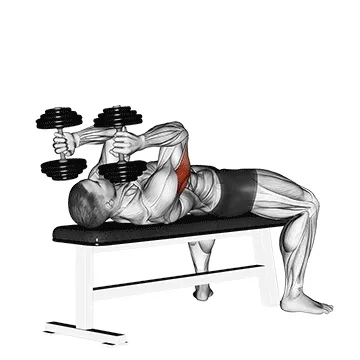
- Primary muscle
- Triceps
- Equipment
- Dumbbell
- Difficulty
- Intermediate
- Type
- Isolation
Secondary muscles: Shoulders
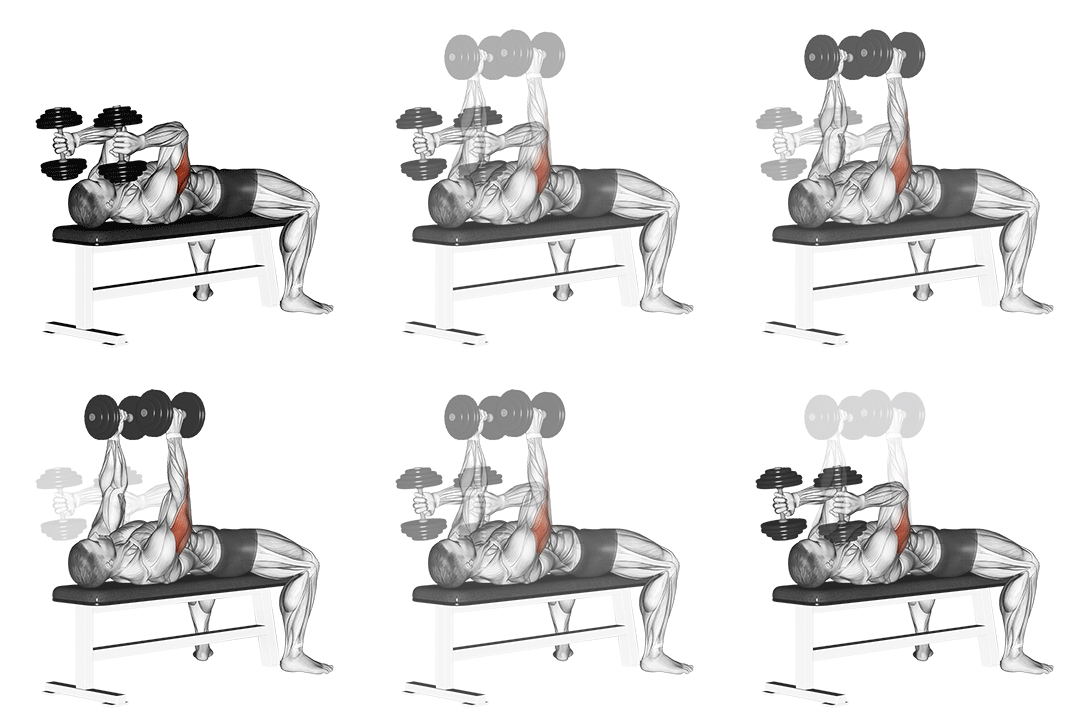
How to perform Dumbbell Lying Triceps Extension
- Lie flat on a bench with a dumbbell in each hand, palms facing each other.
- Extend your arms straight up over your chest, keeping your elbows close to your body.
- Lower the dumbbells down towards your forehead, bending your elbows.
- Pause for a moment, then extend your arms back up to the starting position.
- Repeat for the desired number of repetitions.
Ranked Dumbbell Lying Triceps Extension Alternatives
10 substitutes, ranked by how closely each one matches the Dumbbell Lying Triceps Extension on movement pattern, muscles worked, equipment and body position. The higher the score, the less you change. Open "How to perform this exercise" on a card for the steps; every card title links to that exercise's own alternatives page.
Best match 1. Triceps Press
77% match- Triceps
- Bodyweight
- Intermediate
- Isolation
Use this when you have nothing to train with, because it works the triceps with bodyweight alone.
How to perform this exercise
- Stand with your feet shoulder-width apart and your knees slightly bent.
- Extend your arms straight out in front of you, parallel to the ground.
- Bend your elbows and lower your body towards the ground, keeping your upper arms close to your sides.
- Pause for a moment at the bottom, then push yourself back up to the starting position.
- Repeat for the desired number of repetitions.
Sets and reps: 3 sets of 10 to 15 reps.
Why this matches
- Primary muscle: triceps, the same as the Dumbbell Lying Triceps Extension
- Equipment: bodyweight only, not free weights
- Body position: kneeling, not lying on your back
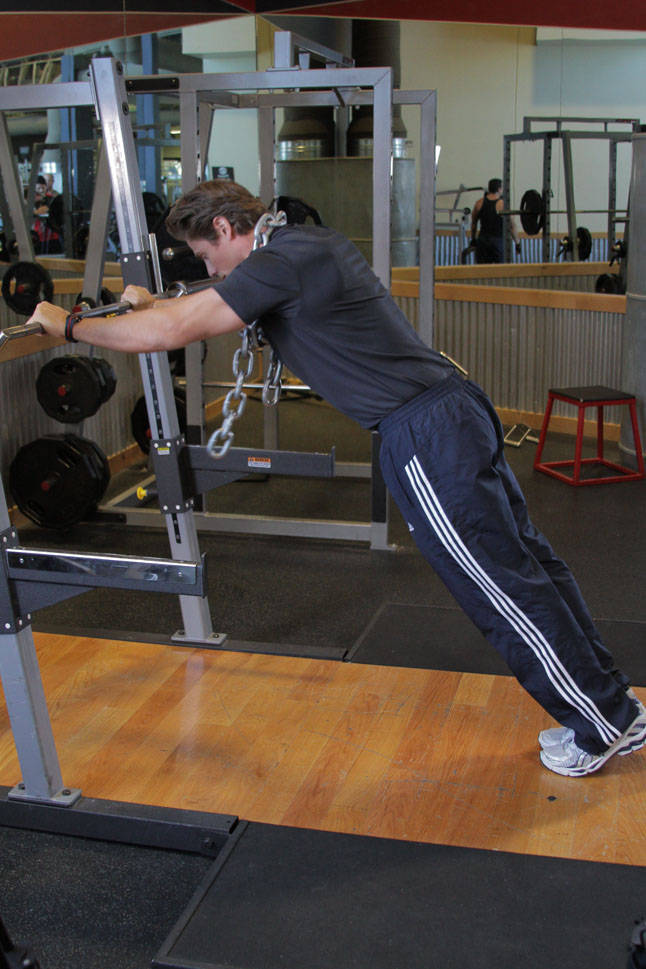
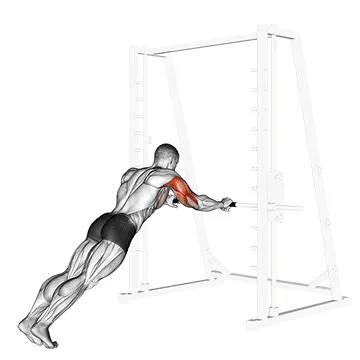
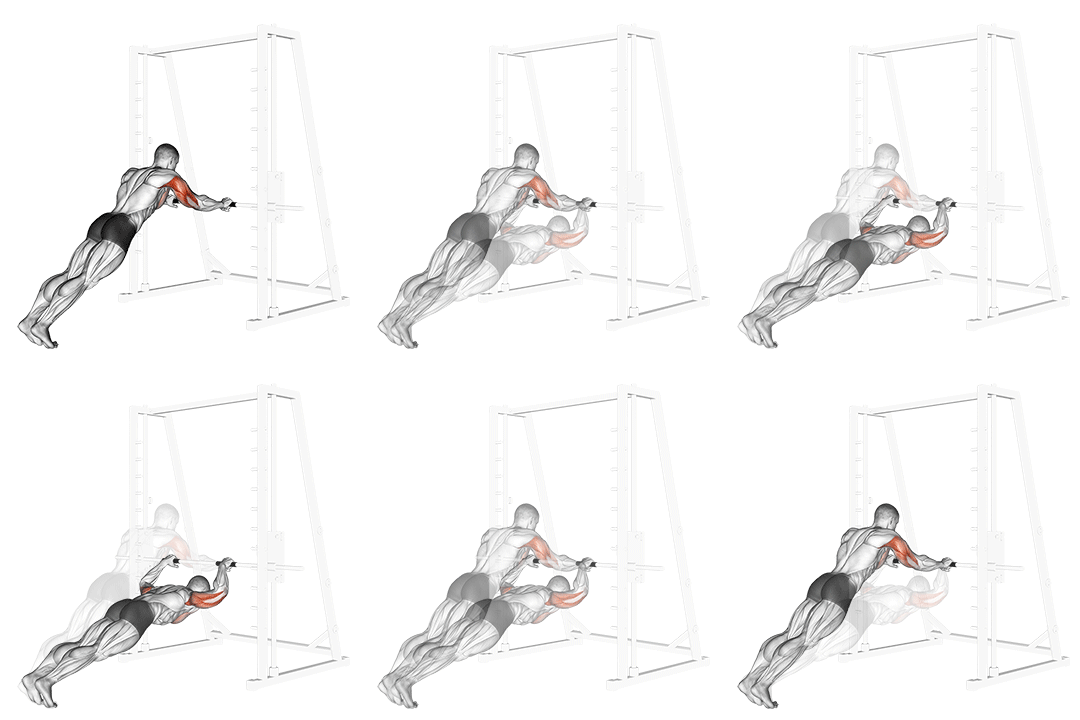
2. Body Tricep Press
77% match- Triceps
- Bodyweight
- Beginner
- Isolation
How to perform this exercise
- Position a bar in a rack at chest height.
- Standing, take a shoulder width grip on the bar and step a yard or two back, feet together and arms extended so that you are leaning on the bar. This will be your starting position.
- Begin by flexing the elbow, lowering yourself towards the bar.
- Pause, and then reverse the motion by extending the elbows.
- Progress from bodyweight by adding chains over your shoulders.
Sets and reps: 3 sets of 10 to 15 reps.
Why this matches
- Primary muscle: triceps, the same as the Dumbbell Lying Triceps Extension
- Equipment: bodyweight only, not free weights
- Body position: lying face down, not lying on your back
3. Body-up
75% match- Triceps
- Bodyweight
- Intermediate
- Compound
How to perform this exercise
- Start by placing your hands on a raised surface, such as a bench or parallel bars, with your palms facing down and fingers pointing forward.
- Extend your legs out in front of you, keeping your heels on the ground and your body straight.
- Lower your body by bending your elbows, keeping them close to your sides, until your upper arms are parallel to the ground.
- Pause for a moment, then push through your palms to straighten your arms and lift your body back up to the starting position.
- Repeat for the desired number of repetitions.
Sets and reps: 3 or 4 sets of 6 to 10 reps.
Why this matches
- Primary muscle: triceps, the same as the Dumbbell Lying Triceps Extension
- Equipment: bodyweight only, not free weights
- Body position: lying face down, not lying on your back
- Balance: harder to stay steady on than the Dumbbell Lying Triceps Extension
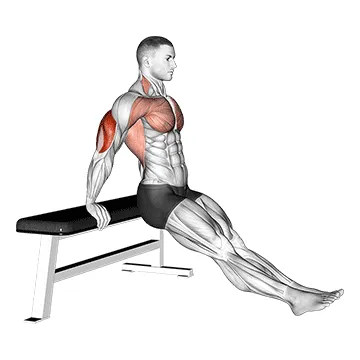
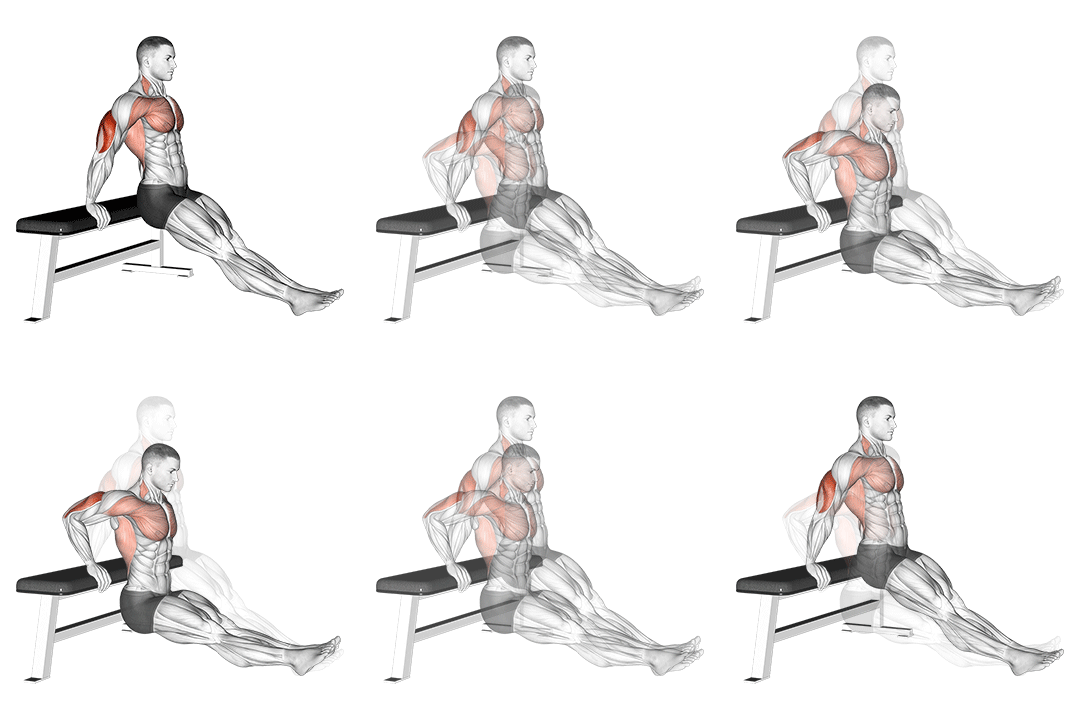
4. Bench Dip (Knees Bent)
75% match- Triceps
- Bodyweight
- Beginner
- Compound
How to perform this exercise
- Sit on the edge of a bench or chair with your hands gripping the edge next to your hips.
- Slide your butt off the bench and straighten your legs in front of you, keeping your heels on the ground.
- Bend your elbows and lower your body towards the ground, keeping your back close to the bench.
- Pause for a moment at the bottom, then push yourself back up to the starting position.
- Repeat for the desired number of repetitions.
Sets and reps: 3 sets of 8 to 12 reps, and add reps before you add load.
Why this matches
- Primary muscle: triceps, the same as the Dumbbell Lying Triceps Extension
- Equipment: bodyweight only, not free weights
- Body position: seated, not lying on your back
- Balance: harder to stay steady on than the Dumbbell Lying Triceps Extension
5. Bench Dip On Floor
74% match- Triceps
- Bodyweight
- Intermediate
- Compound
How to perform this exercise
- Sit on the edge of a bench or chair with your hands gripping the edge, fingers pointing forward.
- Slide your butt off the bench, supporting your weight with your hands.
- Lower your body by bending your elbows until your upper arms are parallel to the floor.
- Push yourself back up to the starting position by straightening your arms.
- Repeat for the desired number of repetitions.
Sets and reps: 3 or 4 sets of 6 to 10 reps.
Why this matches
- Primary muscle: triceps, the same as the Dumbbell Lying Triceps Extension
- Equipment: bodyweight only, not free weights
- Body position: seated, not lying on your back
- Balance: harder to stay steady on than the Dumbbell Lying Triceps Extension
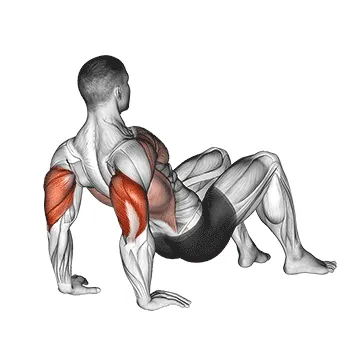
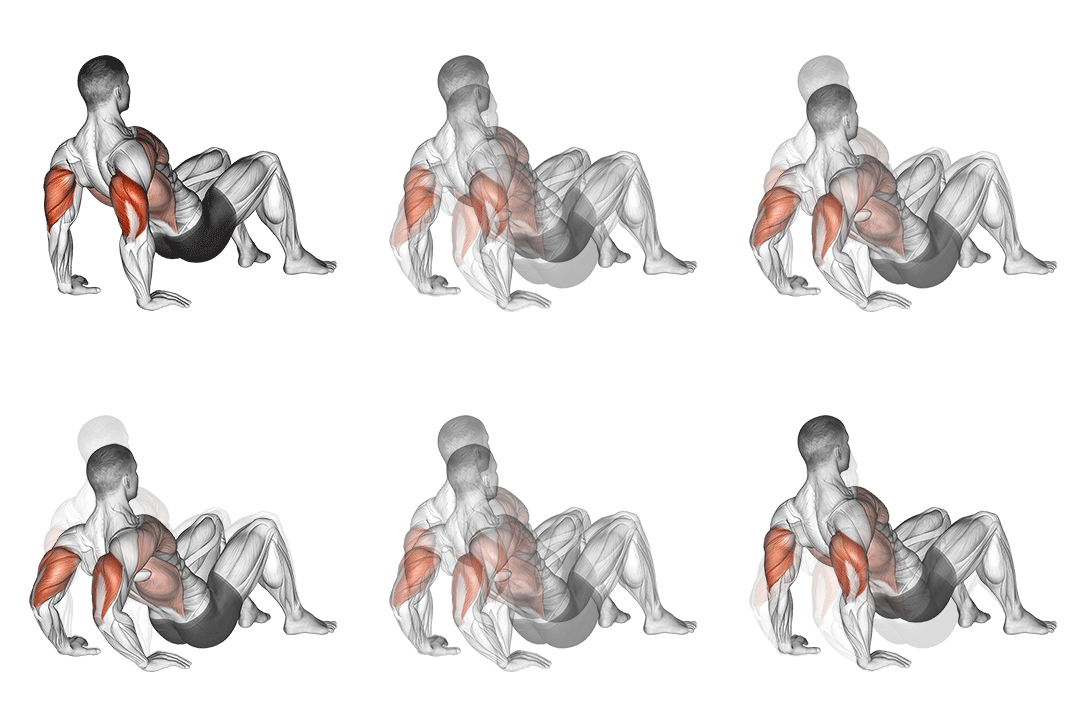
6. Triceps Dips Floor
72% match- Triceps
- Bodyweight
- Beginner
- Isolation
How to perform this exercise
- Sit on the edge of a chair or bench with your hands next to your hips, fingers pointing forward.
- Slide your butt off the front of the chair with your legs extended in front of you.
- Straighten your arms, keeping a little bend in your elbows to keep tension on your triceps and off your elbow joints.
- Slowly bend your elbows to lower your body toward the floor until your elbows are at about a 90-degree angle.
- Once you reach the bottom of the movement, press down into the chair to straighten your elbows, returning to the starting position.
- Repeat for the desired number of repetitions.
Sets and reps: 3 sets of 8 to 12 reps, and add reps before you add load.
Why this matches
- Primary muscle: triceps, the same as the Dumbbell Lying Triceps Extension
- Equipment: bodyweight only, not free weights
- Body position: seated, not lying on your back
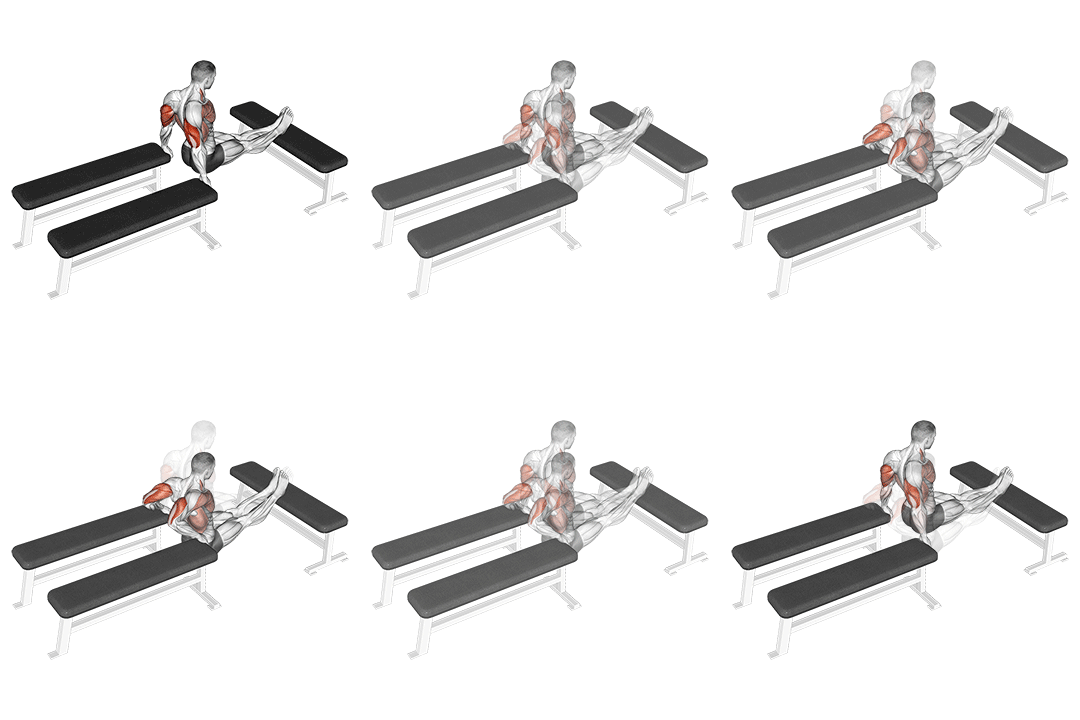
7. Three Bench Dip
72% match- Triceps
- Bodyweight
- Intermediate
- Compound
How to perform this exercise
- Sit on a bench with your hands gripping the edge, fingers pointing forward.
- Slide your butt off the bench, supporting your weight with your hands.
- Bend your elbows and lower your body until your upper arms are parallel to the ground.
- Push yourself back up to the starting position.
- Repeat for the desired number of repetitions.
Sets and reps: 3 or 4 sets of 6 to 10 reps.
Why this matches
- Primary muscle: triceps, the same as the Dumbbell Lying Triceps Extension
- Equipment: bodyweight only, not free weights
- Body position: seated, not lying on your back
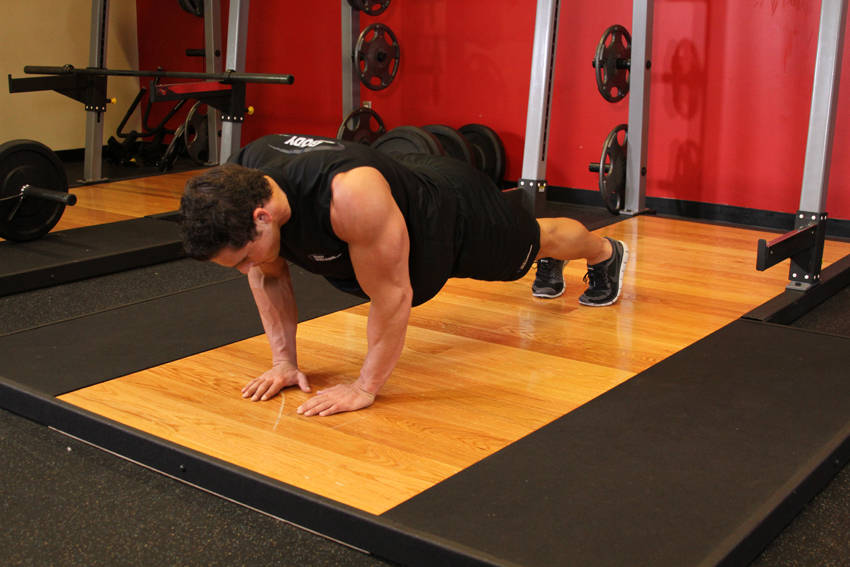
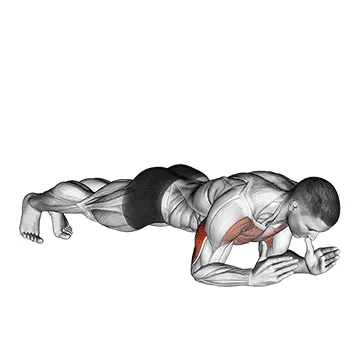
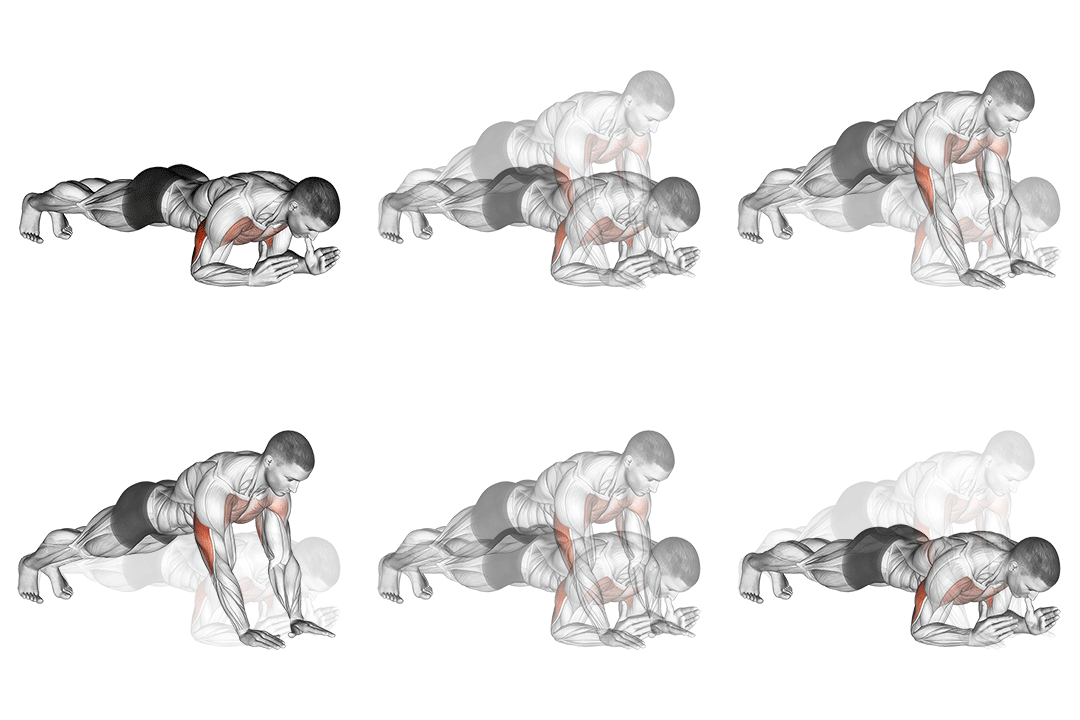
8. Push-ups - Close Triceps Position
71% match- Triceps
- Bodyweight
- Intermediate
- Compound
How to perform this exercise
- Lie on the floor face down and place your hands closer than shoulder width for a close hand position. Make sure that you are holding your torso up at arms' length.
- Lower yourself until your chest almost touches the floor as you inhale.
- Using your triceps and some of your pectoral muscles, press your upper body back up to the starting position and squeeze your chest. Breathe out as you perform this step.
- After a second pause at the contracted position, repeat the movement for the prescribed amount of repetitions.
Sets and reps: 3 or 4 sets of 6 to 10 reps.
Why this matches
- Primary muscle: triceps, the same as the Dumbbell Lying Triceps Extension
- Equipment: bodyweight only, not free weights
- Body position: lying face down, not lying on your back
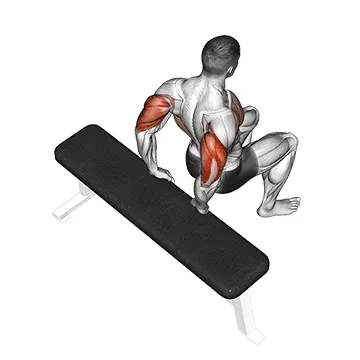
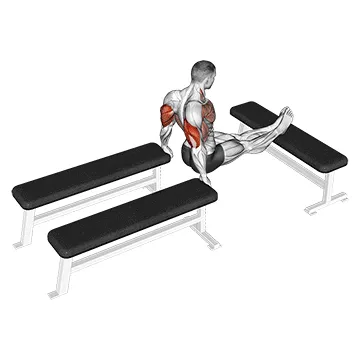
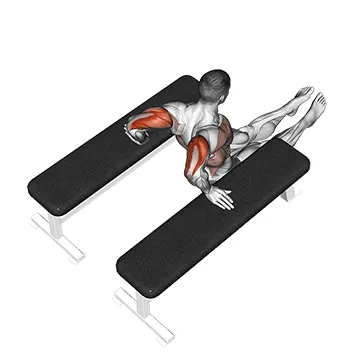
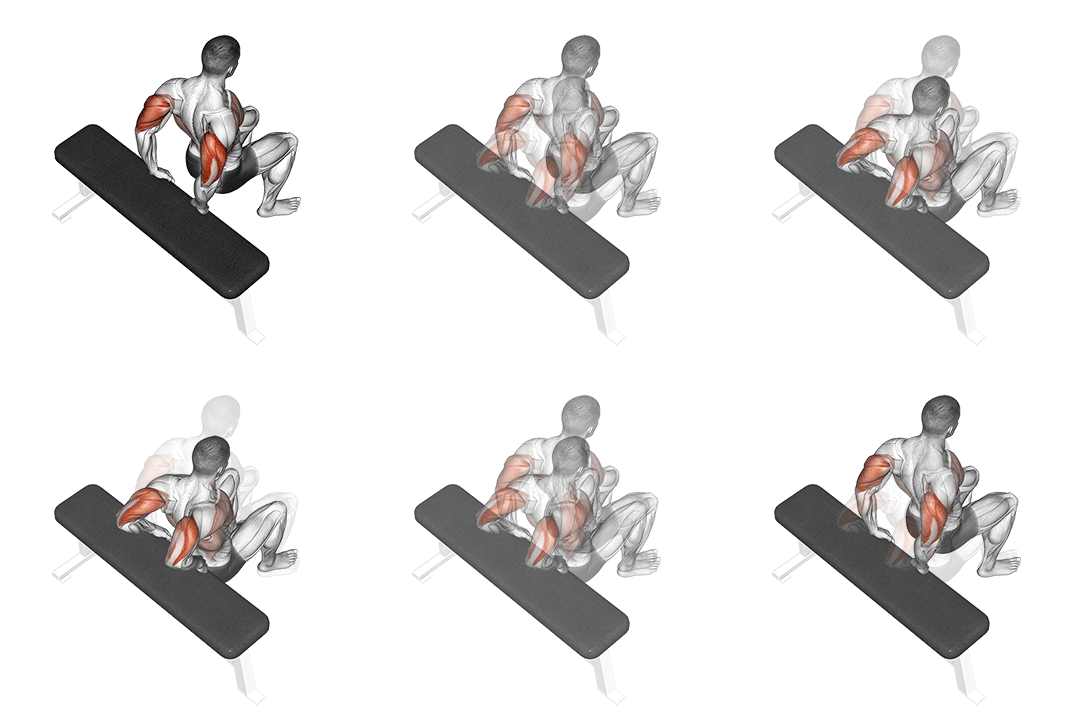
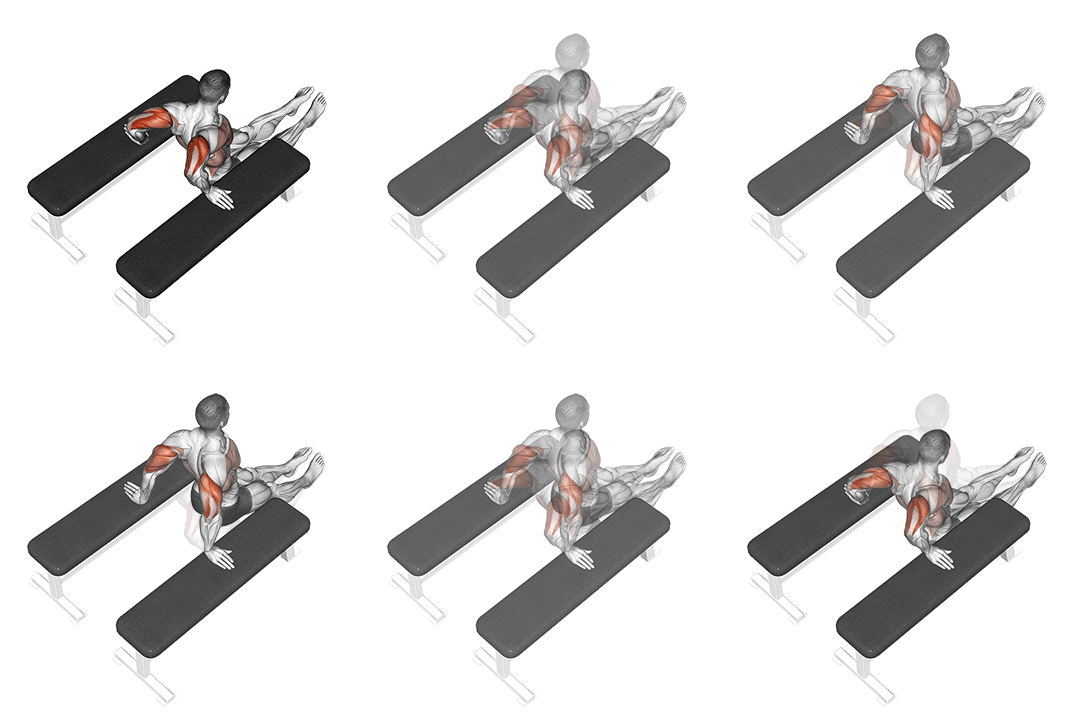
9. Triceps Dip (Between Benches)
71% match- Triceps
- Bodyweight
- Intermediate
- Compound
How to perform this exercise
- Sit on a bench with your hands gripping the edge of the bench, fingers pointing forward.
- Slide your butt off the bench, supporting your weight with your hands.
- Bend your elbows and lower your body towards the ground, keeping your back close to the bench.
- Pause for a moment at the bottom, then push yourself back up to the starting position.
- Repeat for the desired number of repetitions.
Sets and reps: 3 or 4 sets of 6 to 10 reps.
Why this matches
- Primary muscle: triceps, the same as the Dumbbell Lying Triceps Extension
- Equipment: bodyweight only, not free weights
- Body position: standing, not lying on your back
- Balance: harder to stay steady on than the Dumbbell Lying Triceps Extension
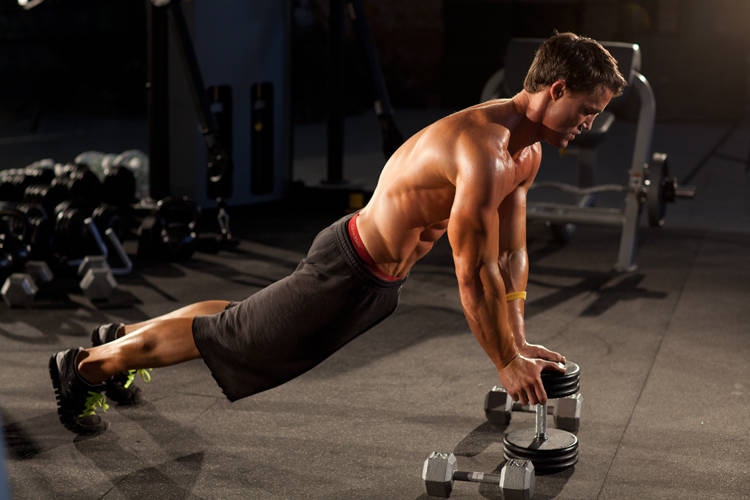
- Triceps
- Bodyweight
- Intermediate
- Compound
How to perform this exercise
- Lie on the floor and place your hands on an upright dumbbell. Supporting your weight on your toes and hands, keep your torso rigid and your elbows in with your arms straight. This will be your starting position.
- Lower your body, allowing the elbows to flex while you inhale. Keep your body straight, not allowing your hips to rise or sag.
- Press yourself back up to the starting position by extending the elbows. Breathe out as you perform this step.
- After a pause at the contracted position, repeat the movement for the prescribed amount of repetitions.
Sets and reps: 3 or 4 sets of 6 to 10 reps.
Why this matches
- Primary muscle: triceps, the same as the Dumbbell Lying Triceps Extension
- Equipment: bodyweight only, not free weights
- Body position: lying face down, not lying on your back
- Balance: harder to stay steady on than the Dumbbell Lying Triceps Extension
Dumbbell Lying Triceps Extension FAQ
What muscles does Dumbbell Lying Triceps Extension work?
Dumbbell lying triceps extensions primarily target the triceps brachii, long, lateral, and medial heads, by driving elbow extension. The long head sees extra stretch when the humerus is behind the torso; cue: keep the upper arm fixed and hinge only at the elbow to isolate the triceps.
Find Alternatives for Any Exercise
Search the exercise database and filter the ranked substitutes by the equipment you own.
Similarity scores compare exercise metadata such as movement pattern, muscles, equipment and body position. They are not a safety rating or a check that you own the equipment. Learn about our methodology