

5 Dumbbell One-Arm Fly on Exercise Ball Alternatives for Limited Gear
If you can’t do the Dumbbell One Arm Fly on an exercise ball, choose exercises that preserve horizontal adduction and unilateral loading. Good options include single-arm cable fly, dumbbell fly on a flat bench, floor fly, incline single-arm press, and archer push-ups. Cue a slight elbow bend and lead with the elbow to load the pectoralis major.
Original Exercise: Dumbbell One Arm Fly On Exercise Ball
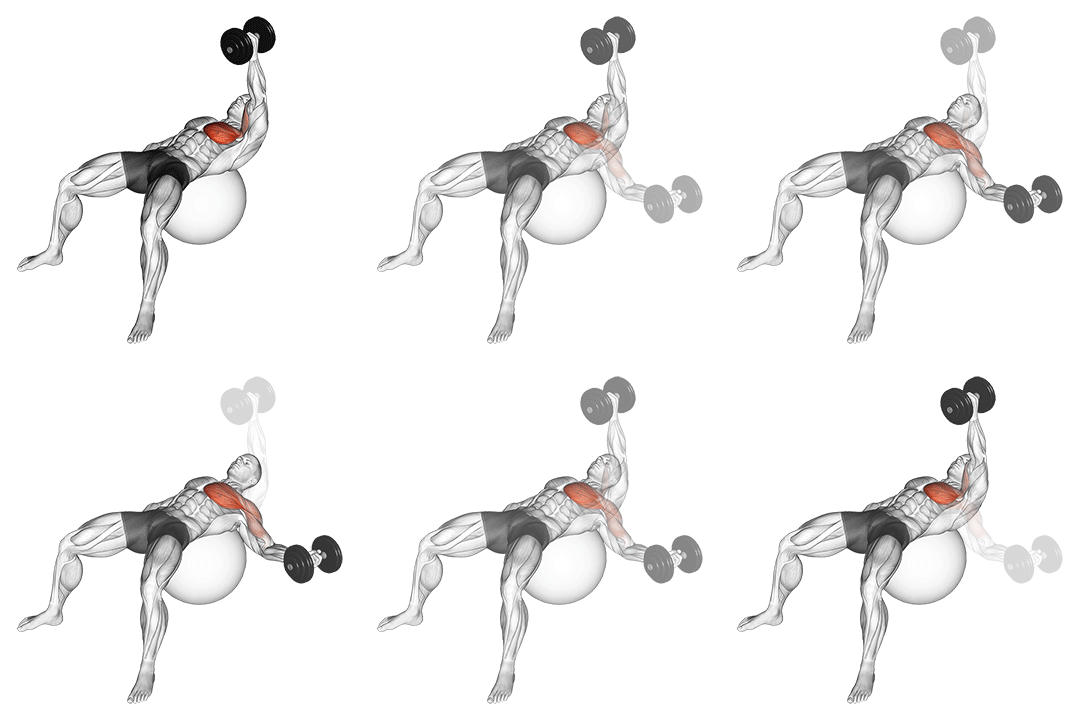
How to Perform Dumbbell One Arm Fly On Exercise Ball
- Sit on an exercise ball with a dumbbell in one hand and your feet flat on the ground.
- Walk your feet forward and roll your body down until your upper back is resting on the exercise ball.
- Extend your arm with the dumbbell straight up above your chest, palm facing inwards.
- Slowly lower the dumbbell out to the side, keeping a slight bend in your elbow.
- Pause for a moment, then squeeze your chest muscles to bring the dumbbell back to the starting position.
- Repeat for the desired number of repetitions, then switch arms.
Best Dumbbell One Arm Fly On Exercise Ball Alternatives
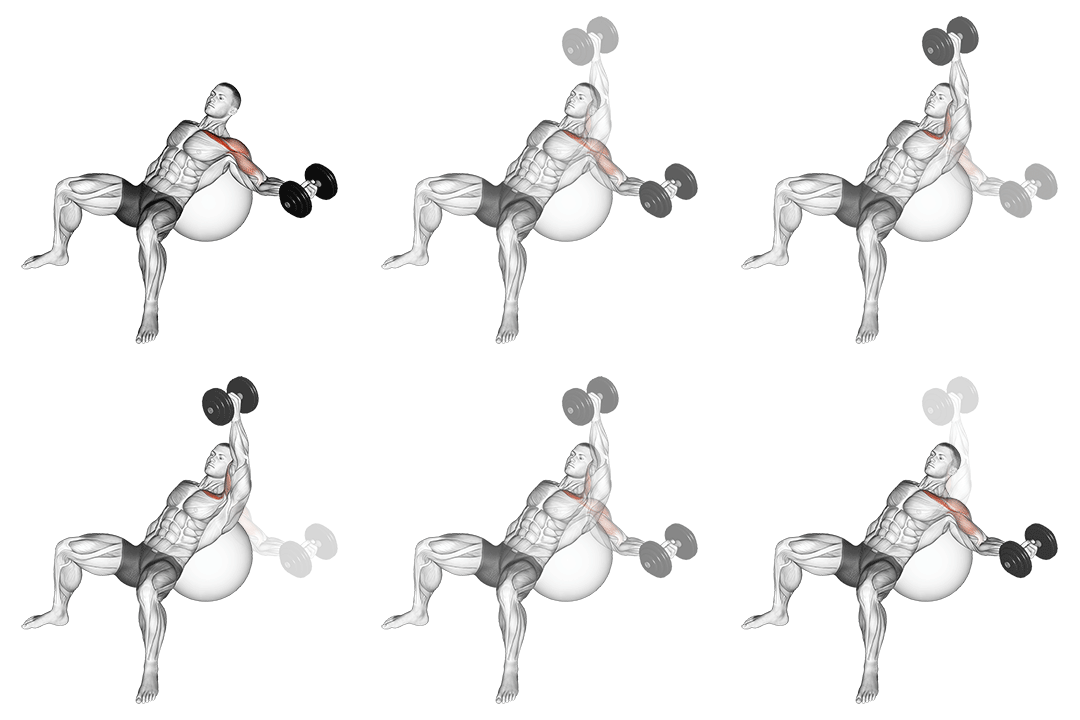
1. Dumbbell Incline One Arm Fly On Exercise Ball
99.9% MatchHow to perform this exercise
- Sit on an exercise ball with a dumbbell in one hand.
- Walk your feet forward and roll your body down until your head, neck, and upper back are supported on the ball.
- Hold the dumbbell with your arm extended straight up over your chest, palm facing inwards.
- Slowly lower the dumbbell out to the side, keeping a slight bend in your elbow.
- Pause for a moment when your arm is parallel to the ground.
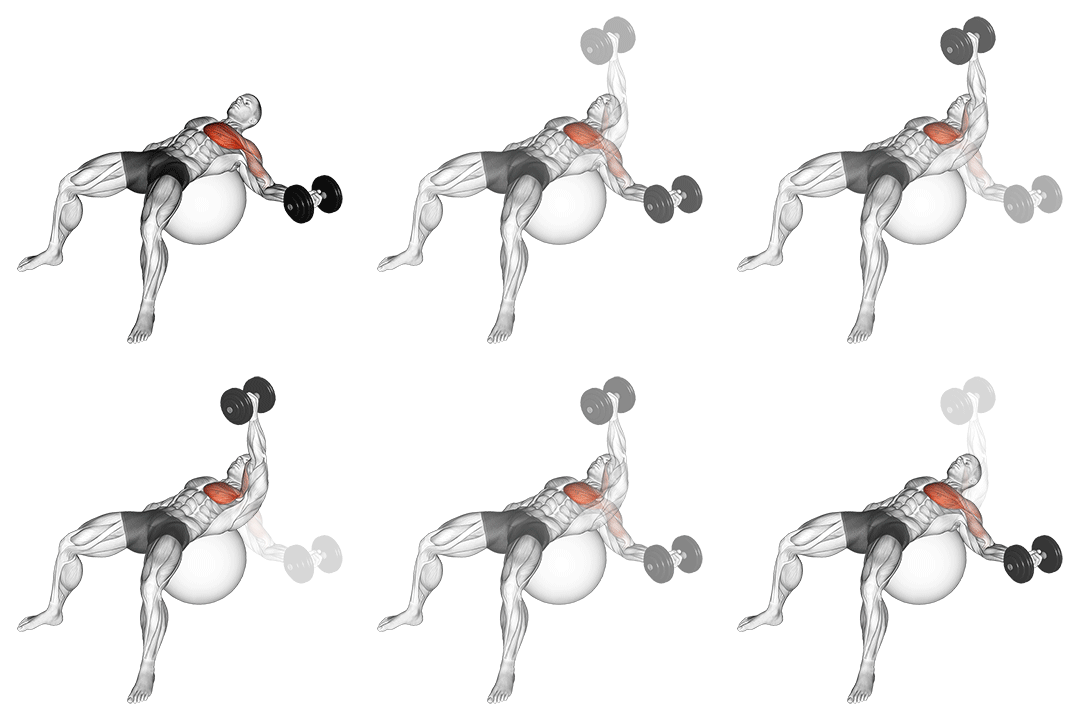
2. Dumbbell One Arm Chest Fly On Exercise Ball
99.9% MatchHow to perform this exercise
- Sit on an exercise ball with a dumbbell in one hand and your feet flat on the ground.
- Walk your feet forward, rolling the ball until your upper back is supported on the ball and your head, neck, and shoulders are off the ball.
- Extend your arm with the dumbbell straight up above your chest, palm facing inward.
- Slowly lower the dumbbell out to the side, keeping a slight bend in your elbow.
- Pause for a moment when your arm is parallel to the ground.
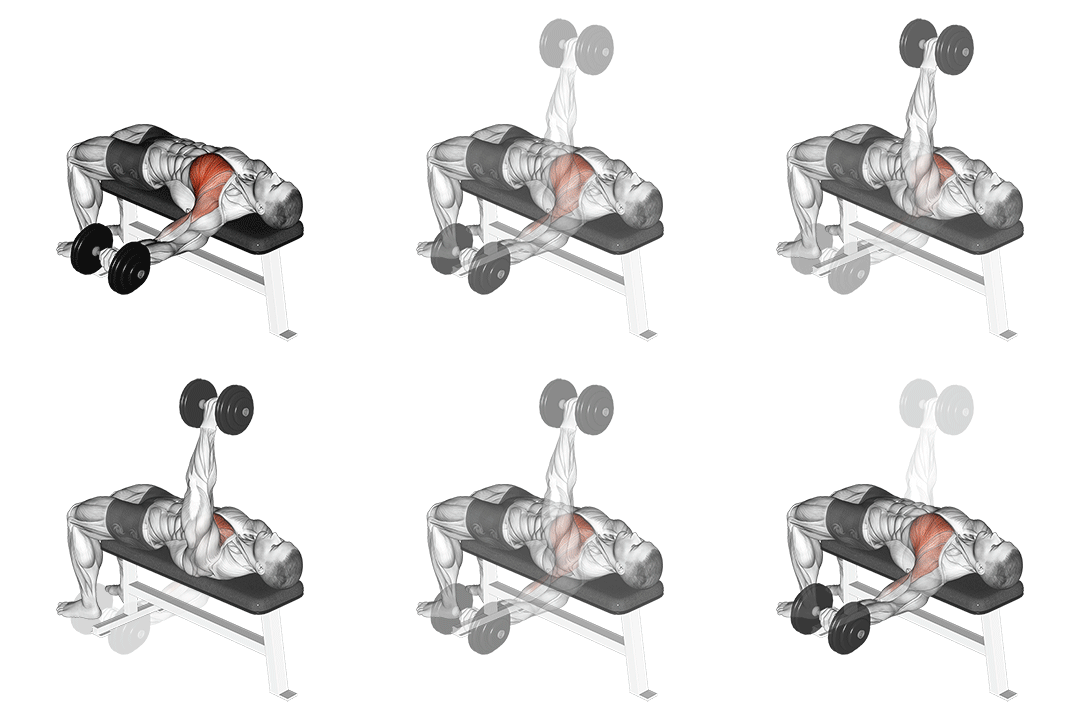
3. Dumbbell One Arm Bench Fly
97.9% MatchHow to perform this exercise
- Sit on a flat bench with a dumbbell in one hand, resting it on top of your thigh.
- Lie back on the bench, keeping the dumbbell pressed against your thigh.
- Using your free hand, help lift the dumbbell up to the starting position.
- Hold the dumbbell directly above your shoulder with your arm extended and palm facing inward.
- Lower the dumbbell out to the side in a wide arc, keeping a slight bend in your elbow.
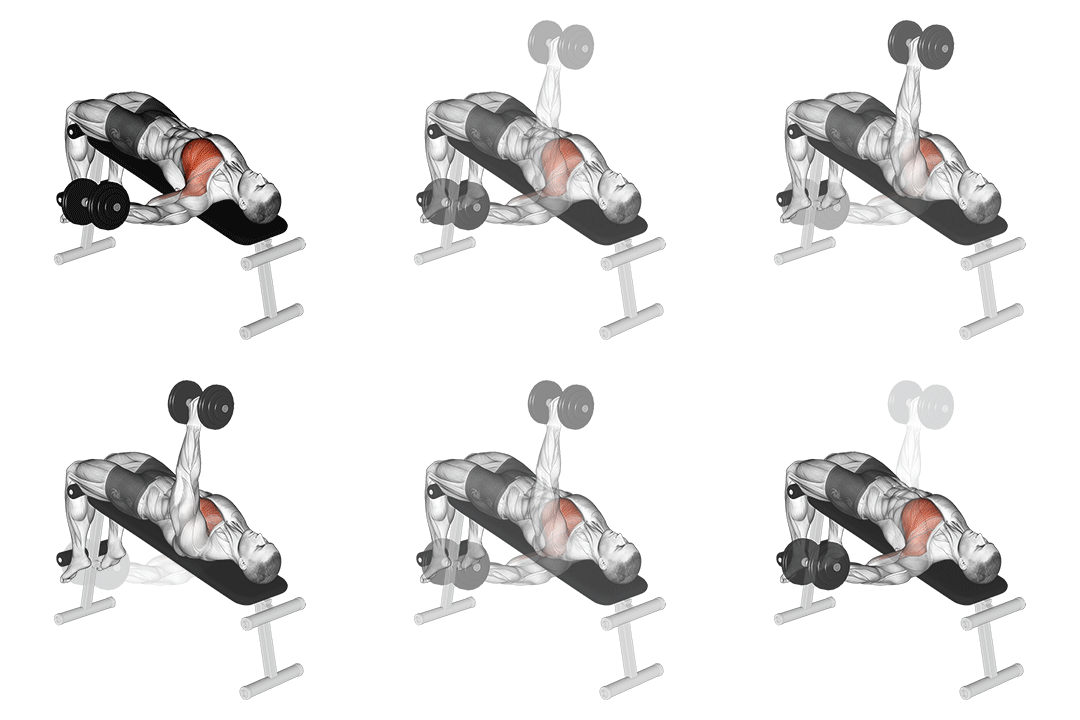
4. Dumbbell Decline One Arm Fly
97.9% MatchHow to perform this exercise
- Lie down on a decline bench with a dumbbell in one hand, resting it on your thigh.
- Using your thigh to help raise the dumbbell, lift it up to shoulder width with your palm facing your torso.
- Rotate your wrist so that the palm of your hand is facing forward.
- As you breathe in, lower the dumbbell slowly to the side until you feel a stretch in your chest.
- Exhale and use your chest muscles to bring the dumbbell back up to the starting position.
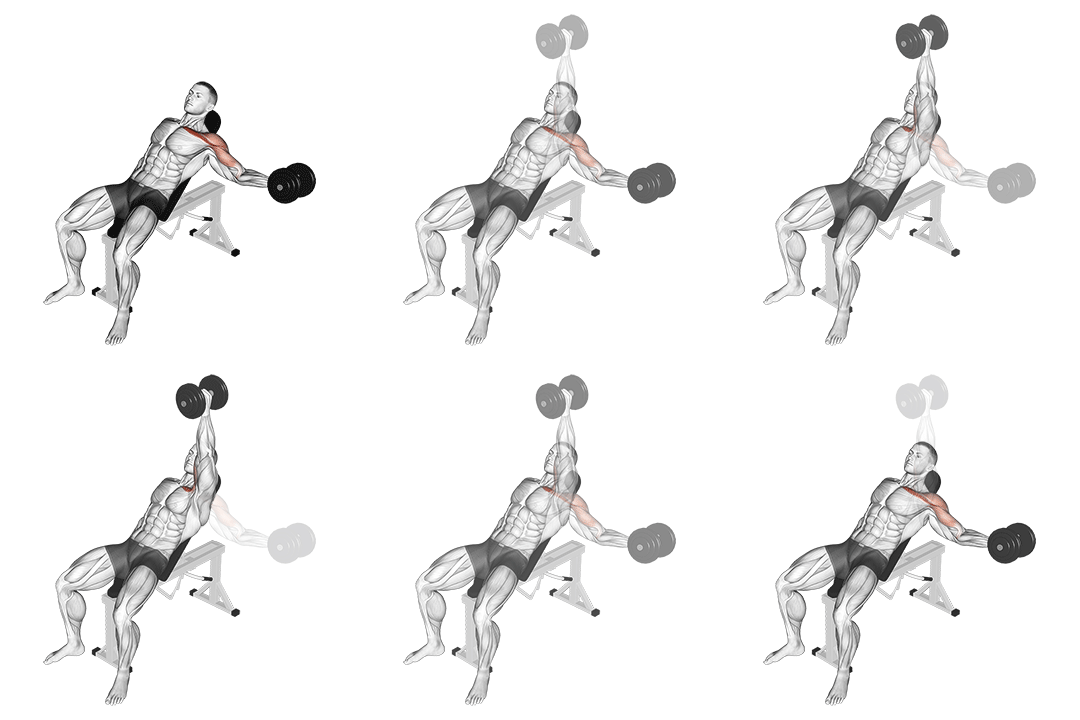
5. Dumbbell Incline One Arm Fly
97.9% MatchHow to perform this exercise
- Adjust the incline bench to a 30-45 degree angle.
- Sit on the bench with a dumbbell in one hand, resting it on your thigh.
- Lie back on the bench, keeping your feet flat on the ground.
- Hold the dumbbell with your arm extended straight up over your chest.
- Lower the dumbbell out to the side in a wide arc, keeping a slight bend in your elbow.
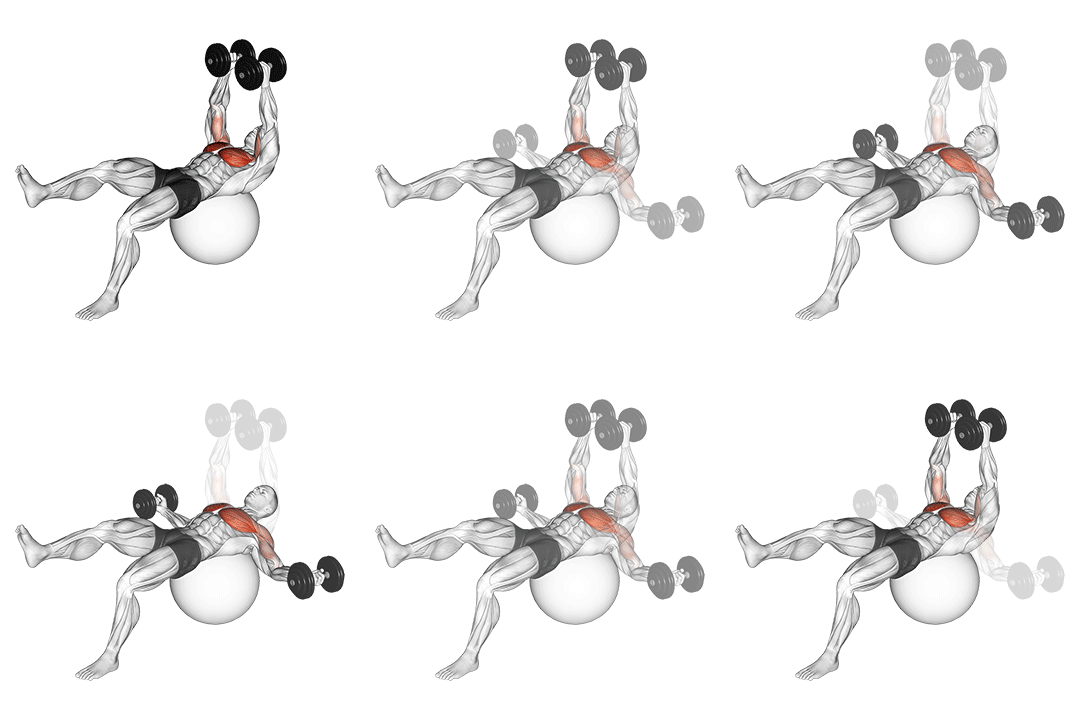
6. Dumbbell One Leg Fly On Exercise Ball
93% MatchHow to perform this exercise
- Sit on an exercise ball with a dumbbell in each hand, palms facing each other.
- Place one foot on the ground and extend the other leg straight out in front of you.
- Lean forward slightly and bring your arms out to the sides, keeping a slight bend in your elbows.
- Slowly lower the dumbbells down and out to the sides, feeling a stretch in your chest.
- Pause for a moment at the bottom, then squeeze your chest muscles to bring the dumbbells back up to the starting position.
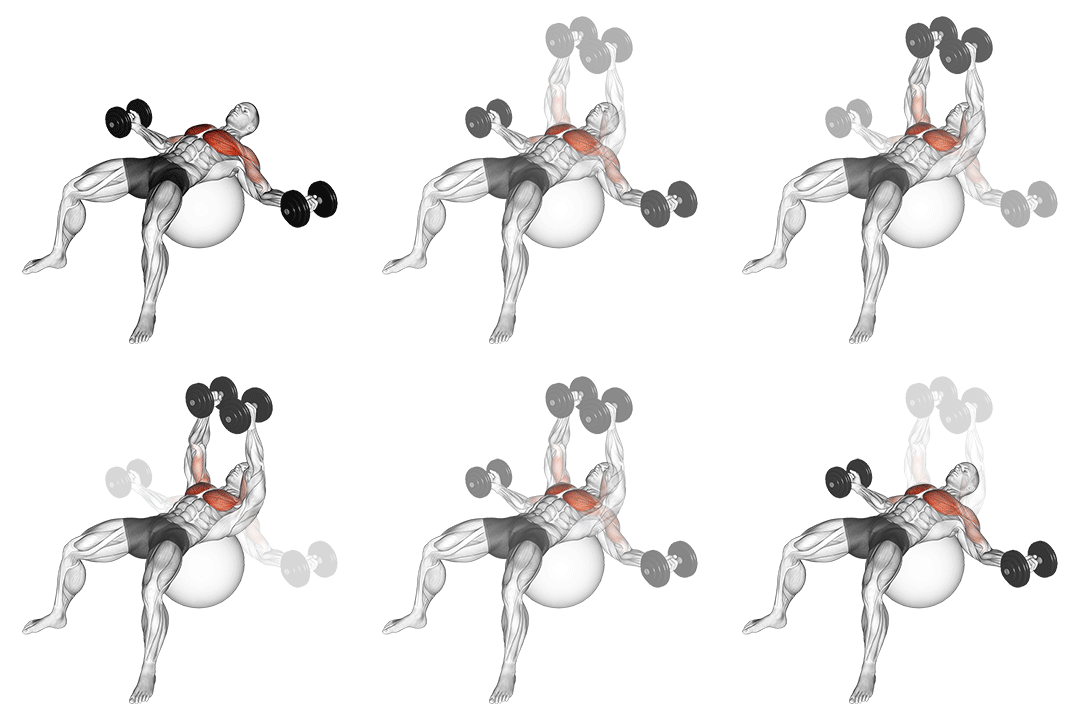
7. Dumbbell Fly On Exercise Ball
91.7% MatchHow to perform this exercise
- Sit on an exercise ball and hold a dumbbell in each hand.
- Walk your feet forward and roll your body down until your head, neck, and upper back are supported by the ball.
- Extend your arms straight up above your chest, palms facing each other.
- Bend your elbows slightly and lower your arms out to the sides in a wide arc until you feel a stretch in your chest.
- Pause for a moment, then reverse the movement and squeeze your chest muscles as you bring the dumbbells back to the starting position.
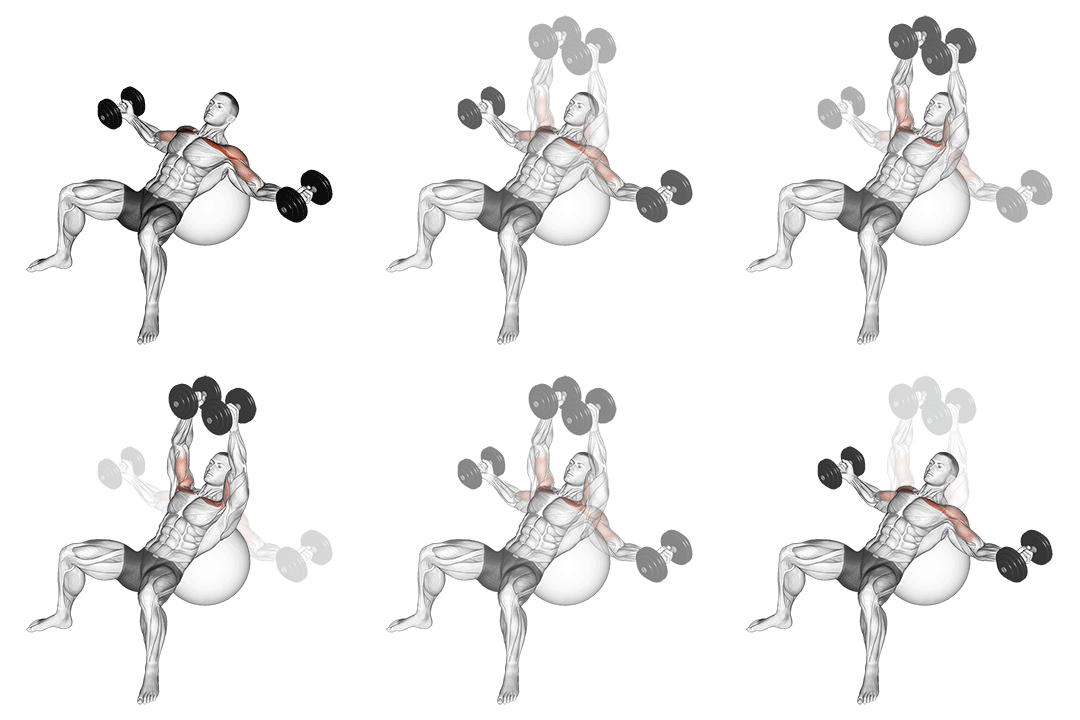
8. Dumbbell Incline Fly On Exercise Ball
91.7% MatchHow to perform this exercise
- Set up an incline bench at a 45-degree angle.
- Sit on an exercise ball and roll forward until your upper back is resting on the incline bench.
- Hold a dumbbell in each hand with your palms facing each other and your arms extended above your chest.
- Lower the dumbbells out to the sides in a wide arc until you feel a stretch in your chest.
- Pause for a moment, then squeeze your chest muscles to bring the dumbbells back to the starting position.
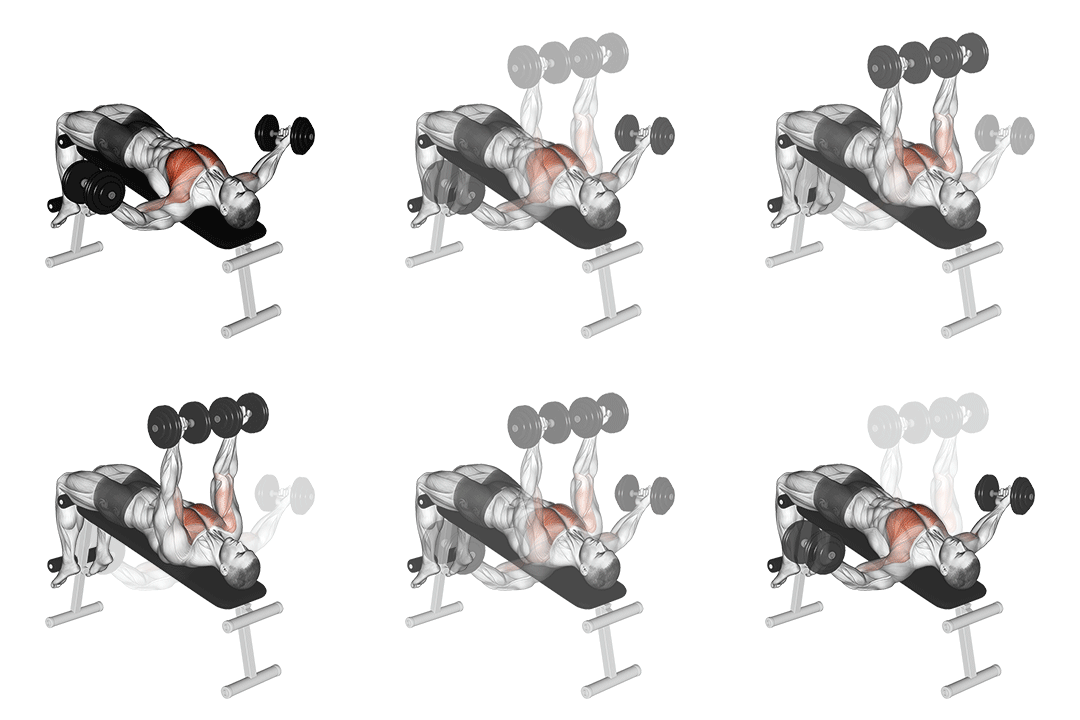
9. Dumbbell Decline Twist Fly
89% MatchHow to perform this exercise
- Lie down on a decline bench with your head lower than your hips.
- Hold a dumbbell in each hand with your palms facing each other and your arms extended straight up over your chest.
- Lower the dumbbells out to the sides in a wide arc until you feel a stretch in your chest.
- As you lower the dumbbells, twist your wrists so that your palms face forward at the bottom of the movement.
- Reverse the motion and bring the dumbbells back up to the starting position, squeezing your chest muscles at the top.
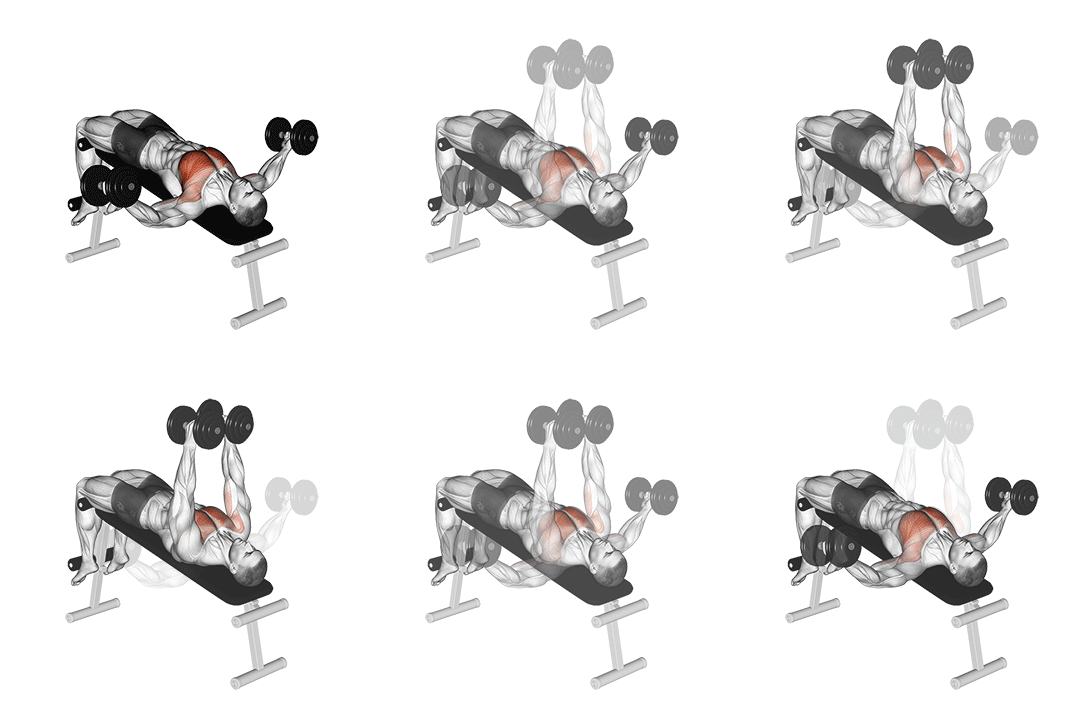
10. Dumbbell Decline Fly
88.4% MatchHow to perform this exercise
- Lie on a decline bench with your feet secured and your head lower than your hips.
- Hold a dumbbell in each hand with your palms facing each other and your arms extended above your chest.
- Lower the dumbbells out to the sides in a wide arc until you feel a stretch in your chest.
- Pause for a moment, then squeeze your chest muscles to bring the dumbbells back to the starting position.
- Repeat for the desired number of repetitions.
Why You Might Need a Dumbbell One Arm Fly On Exercise Ball Alternative
You may substitute the exercise for several reasons: no stability ball, shoulder pain from excessive humeral extension, poor balance, or the need for heavier loading. The exercise ball increases spinal extension and core demand; replacing it can reduce lumbar stress while keeping pec isolation. For rehab, pick the floor fly to limit extension and protect the anterior shoulder. If you want more constant tension, choose cables; if you need greater overload, use a flat-bench dumbbell fly with slower eccentrics. Always cue scapular retraction and a 10°–20° elbow bend to emphasize horizontal adduction and protect the rotator cuff.
How to Choose the Right Substitute
Decide based on equipment, shoulder health, and training goals. For maximal pec isolation with constant tension choose single-arm cable fly and keep the working arm in horizontal adduction; cue controlled 2–3 second eccentrics. For heavier loading pick flat-bench dumbbell fly or single-arm dumbbell press and brace your core to reduce spinal extension. If you lack equipment or need joint-friendly options, use floor flys or archer push-ups and shorten range of motion to limit humeral extension. Prioritize a cue that maintains scapular stability—retract and depress the scapula—and select the variation that allows progressive overload while keeping pain-free mechanics.
Frequently Asked Questions
What muscles does Dumbbell One Arm Fly On Exercise Ball work?
The primary mover is the pectoralis major, emphasized through horizontal adduction. The anterior deltoid assists, while the rotator cuff and serratus anterior stabilize the glenohumeral joint and scapula. The stability ball also recruits core and lumbar extensors to maintain posture during the movement.
What is the best bodyweight alternative to Dumbbell One Arm Fly On Exercise Ball?
Archer push-ups are the best bodyweight substitute for unilateral pec loading; they create an extended lever on the working side to increase pec demand. Cue a tight core, a 30°–45° elbow angle, and drive the chest across the midline to emphasize horizontal adduction and pec activation.
Can I build muscle without doing Dumbbell One Arm Fly On Exercise Ball?
Yes. You can build chest muscle with other isolation and compound moves that produce horizontal adduction and progressive overload, such as cable flys, flat or incline dumbbell presses, and bench presses. Focus on controlled eccentrics, increasing load or volume, and maintaining scapular control to maximize pectoral hypertrophy.
More Exercise Alternatives
Find Alternatives for Any Exercise
Use our free tool to discover the best substitute exercises based on your available equipment and goals.
Try the Exercise Substitution Finder →