

10 Best Push-up Medicine Ball Alternatives for Chest Strength
The Push-up Medicine Ball is done lying face down with a medicine ball. Ranked closest by our scoring: the Deep Push Up, the Shoulder Tap Push-up and the Kettlebell Plyo Push-up.
The Push-up Medicine Ball goes missing for one plain reason: no ball at the gym, or nothing round to press on at home. The Deep Push Up is the closest swap: the same bent-elbow press with your hands on the floor, set slightly wider than shoulder width, elbows kept close to your body as you lower your chest to the ground. With no equipment at all, the Shoulder Tap Push-up keeps the same movement, trading the ball for a tap to your own shoulder and a core hold.
Updated Ranked by our 12-factor similarity model How it works
Original Exercise: Push-up Medicine Ball
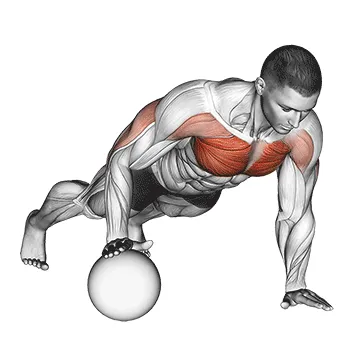
- Primary muscle
- Pectorals
- Equipment
- Medicine-ball
- Difficulty
- Intermediate
- Type
- Compound
Secondary muscles: Triceps, Shoulders, Core
How to perform Push-up Medicine Ball
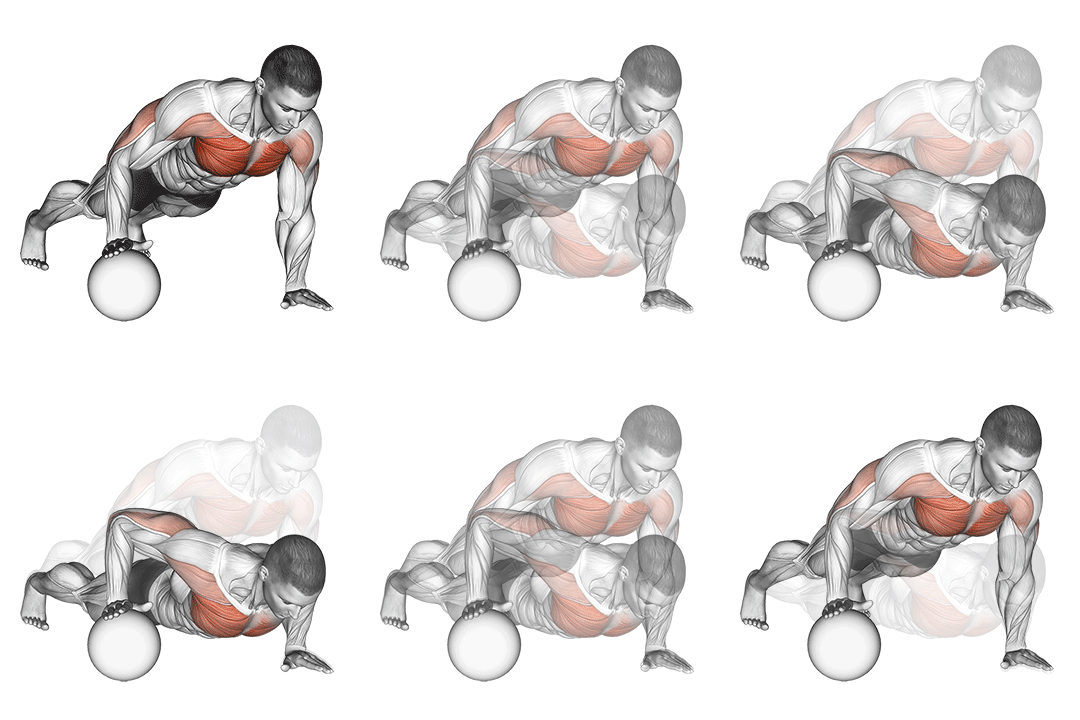
- Start in a high plank position with your hands on the medicine ball, shoulder-width apart.
- Engage your core and lower your body towards the ground by bending your elbows, keeping your back straight.
- Push through your palms to extend your arms and return to the starting position.
- Repeat for the desired number of repetitions.
Ranked Push-up Medicine Ball Alternatives
10 substitutes, ranked by how closely each one matches the Push-up Medicine Ball on movement pattern, muscles worked, equipment and body position. The higher the score, the less you change. Open "How to perform this exercise" on a card for the steps; every card title links to that exercise's own alternatives page.
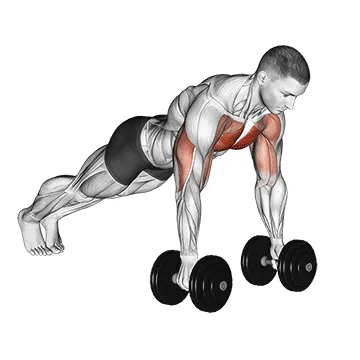
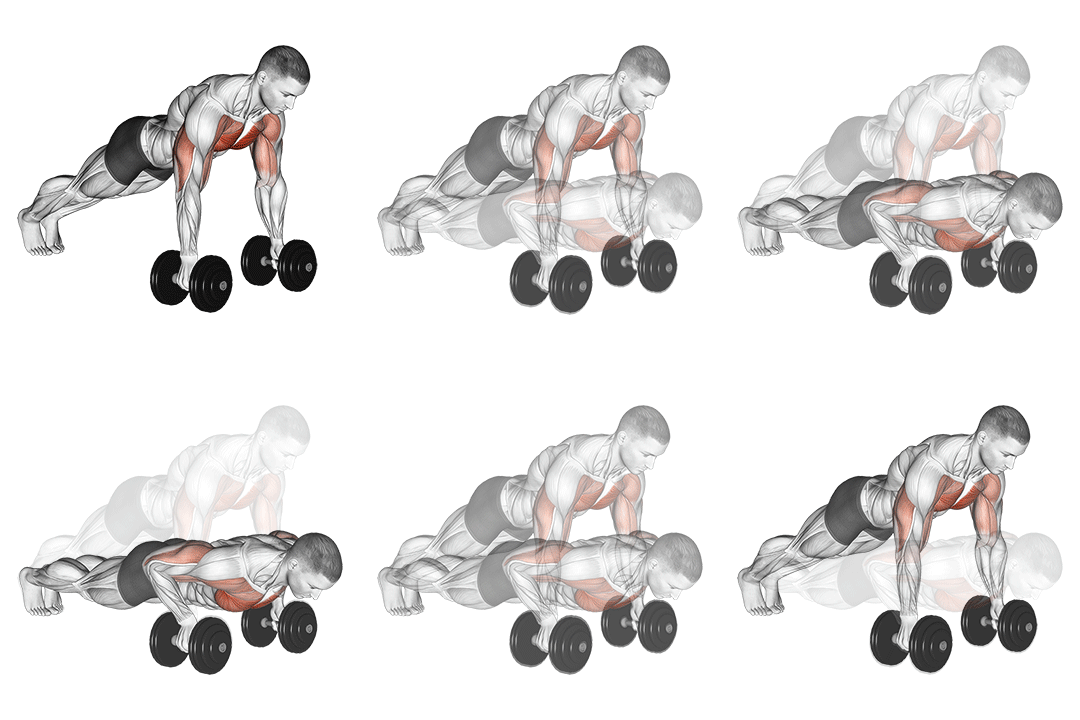
Best match 1. Deep Push Up
90% match- Pectorals
- Dumbbell
- Intermediate
- Compound
A good swap when you have dumbbells to work with, and it still works the pectorals.
How to perform this exercise
- Start in a high plank position with your hands slightly wider than shoulder-width apart and your body in a straight line.
- Lower your chest towards the ground by bending your elbows, keeping them close to your body.
- Push through your palms to extend your arms and return to the starting position.
- Repeat for the desired number of repetitions.
Sets and reps: 3 or 4 sets of 6 to 10 reps.
Why this matches
- Movement: flat horizontal press, the same as the Push-up Medicine Ball
- Primary muscle: pectorals, the same as the Push-up Medicine Ball
- Equipment: free weights, the same as the Push-up Medicine Ball
- Body position: lying face down, the same as the Push-up Medicine Ball
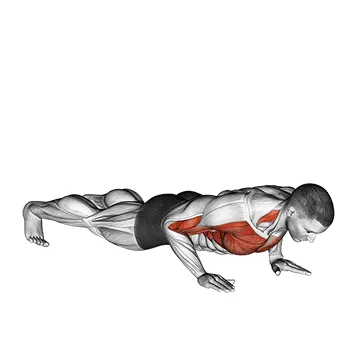
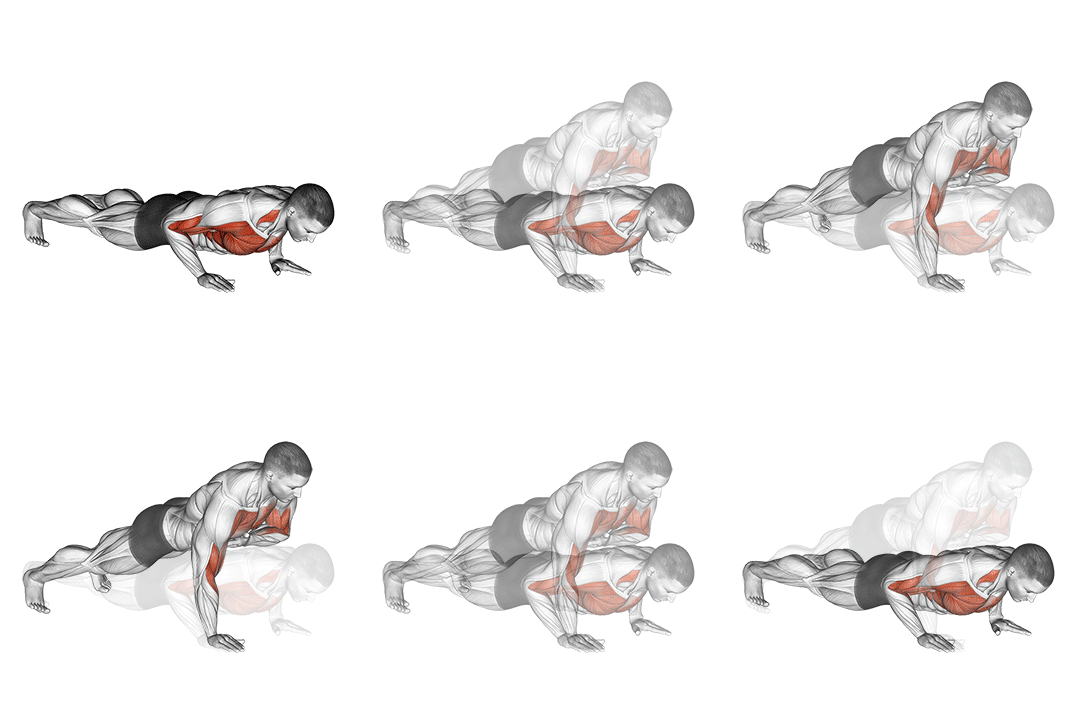
2. Shoulder Tap Push-up
89% match- Pectorals
- Bodyweight
- Intermediate
- Compound
Use this when you have nothing to train with, because it works the pectorals with bodyweight alone.
How to perform this exercise
- Start in a high plank position with your hands slightly wider than shoulder-width apart and your body in a straight line from head to heels.
- Lower your body towards the ground by bending your elbows, keeping them close to your sides.
- As you push back up, lift your right hand off the ground and tap your left shoulder.
- Return your right hand to the ground and repeat the push-up, this time lifting your left hand and tapping your right shoulder.
- Continue alternating shoulder taps with each push-up repetition.
- Maintain a stable core and avoid excessive hip rotation throughout the exercise.
- Repeat for the desired number of repetitions.
Sets and reps: 3 or 4 sets of 6 to 10 reps on each side.
Why this matches
- Primary muscle: pectorals, the same as the Push-up Medicine Ball
- Equipment: bodyweight only, not free weights
- Body position: lying face down, the same as the Push-up Medicine Ball
3. Kettlebell Plyo Push-up
88% match- Pectorals
- Kettlebell
- Advanced
- Compound
A good swap when you have a kettlebell to work with, and it still works the pectorals.
How to perform this exercise
- Start in a high plank position with your hands on the kettlebells, shoulder-width apart.
- Lower your chest towards the ground, keeping your elbows close to your body.
- Push through your hands explosively, lifting your hands off the kettlebells and extending your arms fully.
- Land softly back on the kettlebells and immediately lower your chest back down for the next repetition.
- Repeat for the desired number of repetitions.
Sets and reps: 3 to 5 sets of 5 to 8 reps.
Why this matches
- Movement: flat horizontal press, the same as the Push-up Medicine Ball
- Primary muscle: pectorals, the same as the Push-up Medicine Ball
- Equipment: free weights, the same as the Push-up Medicine Ball
- Body position: lying face down, the same as the Push-up Medicine Ball
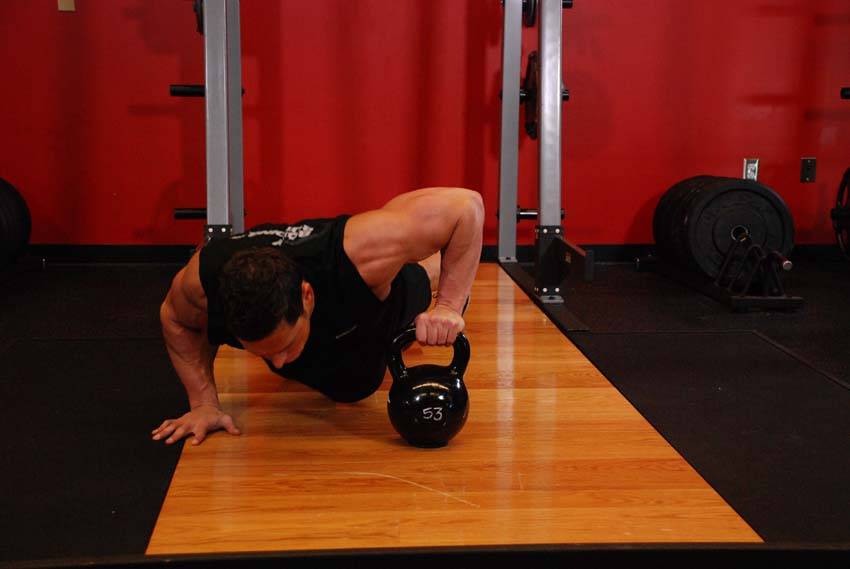
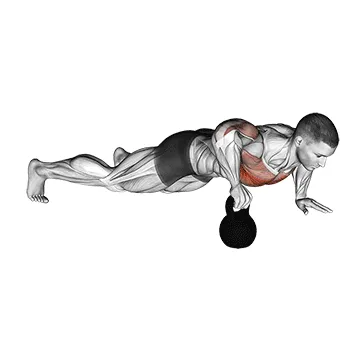
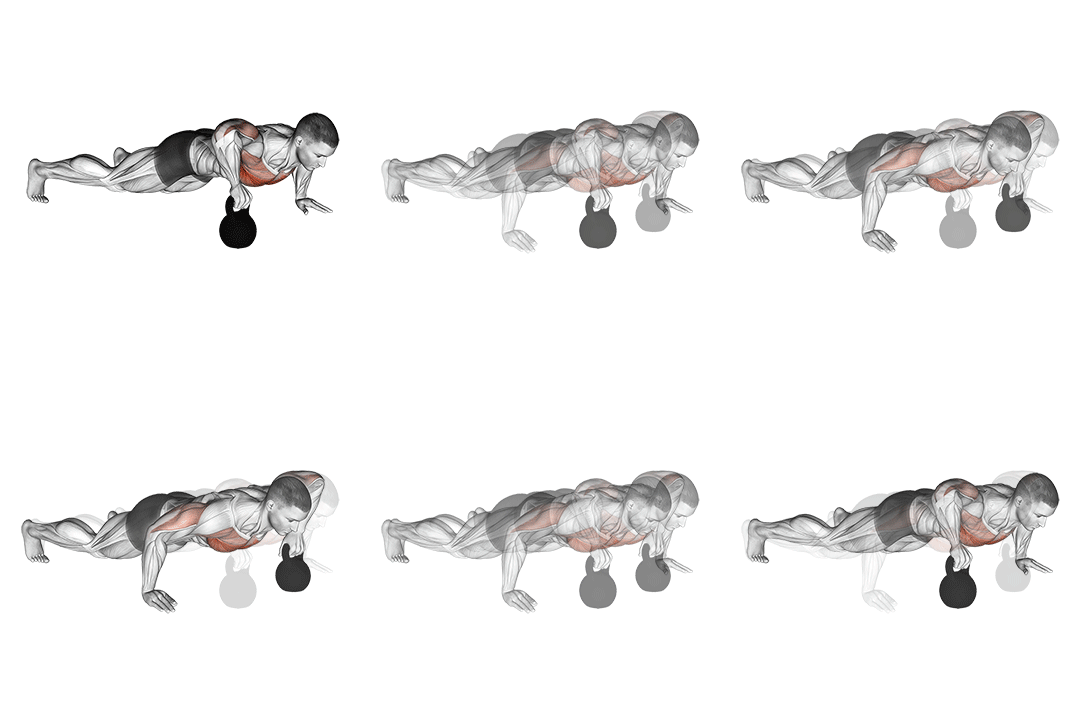
4. Plyo Kettlebell Pushups
88% match- Pectorals
- Kettlebell
- Advanced
- Compound
How to perform this exercise
- Place a kettlebell on the floor. Place yourself in a pushup position, on your toes with one hand on the ground and one hand holding the kettlebell, with your elbows extended. This will be your starting position.
- Begin by lowering yourself as low as you can, keeping your back straight.
- Quickly and forcefully reverse direction, pushing yourself up to the other side of the kettlebell, switching hands as you do so. Continue the movement by descending and repeating the movement back and forth.
Sets and reps: 3 to 5 sets of 5 to 8 reps.
Why this matches
- Movement: flat horizontal press, the same as the Push-up Medicine Ball
- Primary muscle: pectorals, the same as the Push-up Medicine Ball
- Equipment: free weights, the same as the Push-up Medicine Ball
- Body position: lying face down, the same as the Push-up Medicine Ball
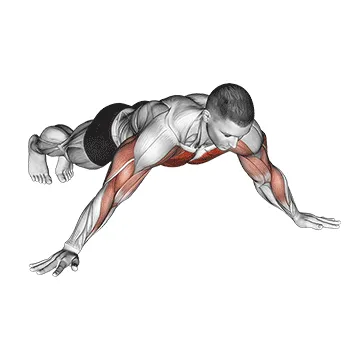
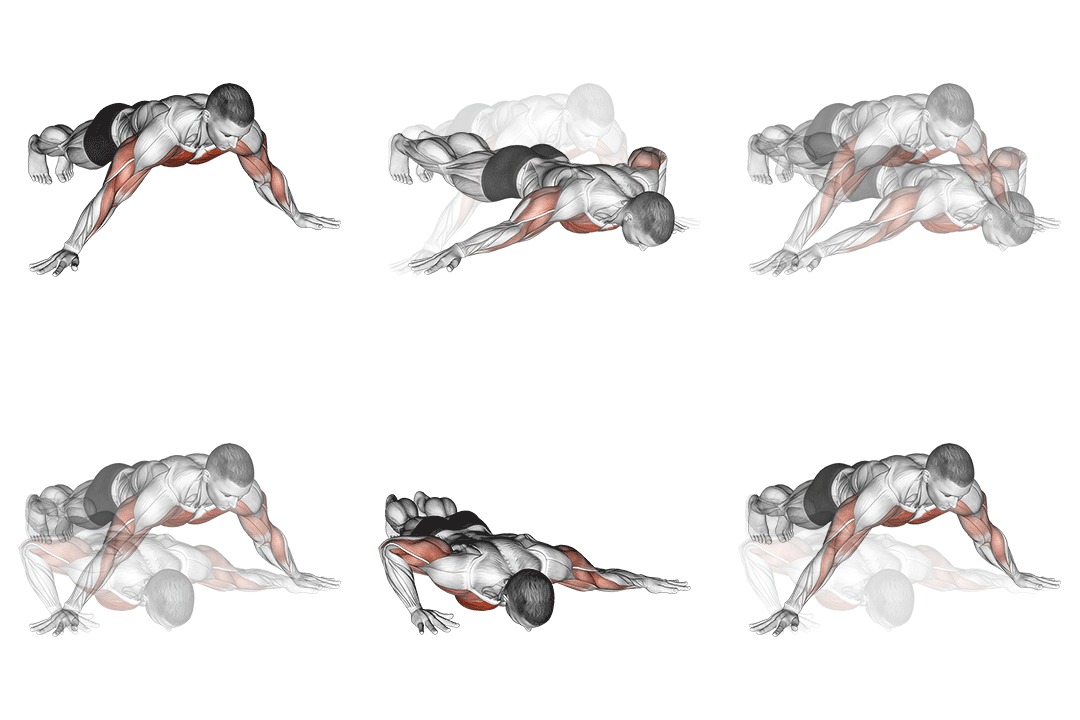
5. Archer Push Up
88% match- Pectorals
- Bodyweight
- Advanced
- Compound
How to perform this exercise
- Start in a push-up position with your hands slightly wider than shoulder-width apart.
- Extend one arm straight out to the side, parallel to the ground.
- Lower your body by bending your elbows, keeping your back straight and core engaged.
- Push back up to the starting position.
- Repeat on the other side, extending the opposite arm out to the side.
- Continue alternating sides for the desired number of repetitions.
Sets and reps: 3 or 4 sets of 6 to 10 reps on each side.
Why this matches
- Movement: flat horizontal press, the same as the Push-up Medicine Ball
- Primary muscle: pectorals, the same as the Push-up Medicine Ball
- Equipment: bodyweight only, not free weights
- Body position: lying face down, the same as the Push-up Medicine Ball
- Balance: easier to stay steady on than the Push-up Medicine Ball
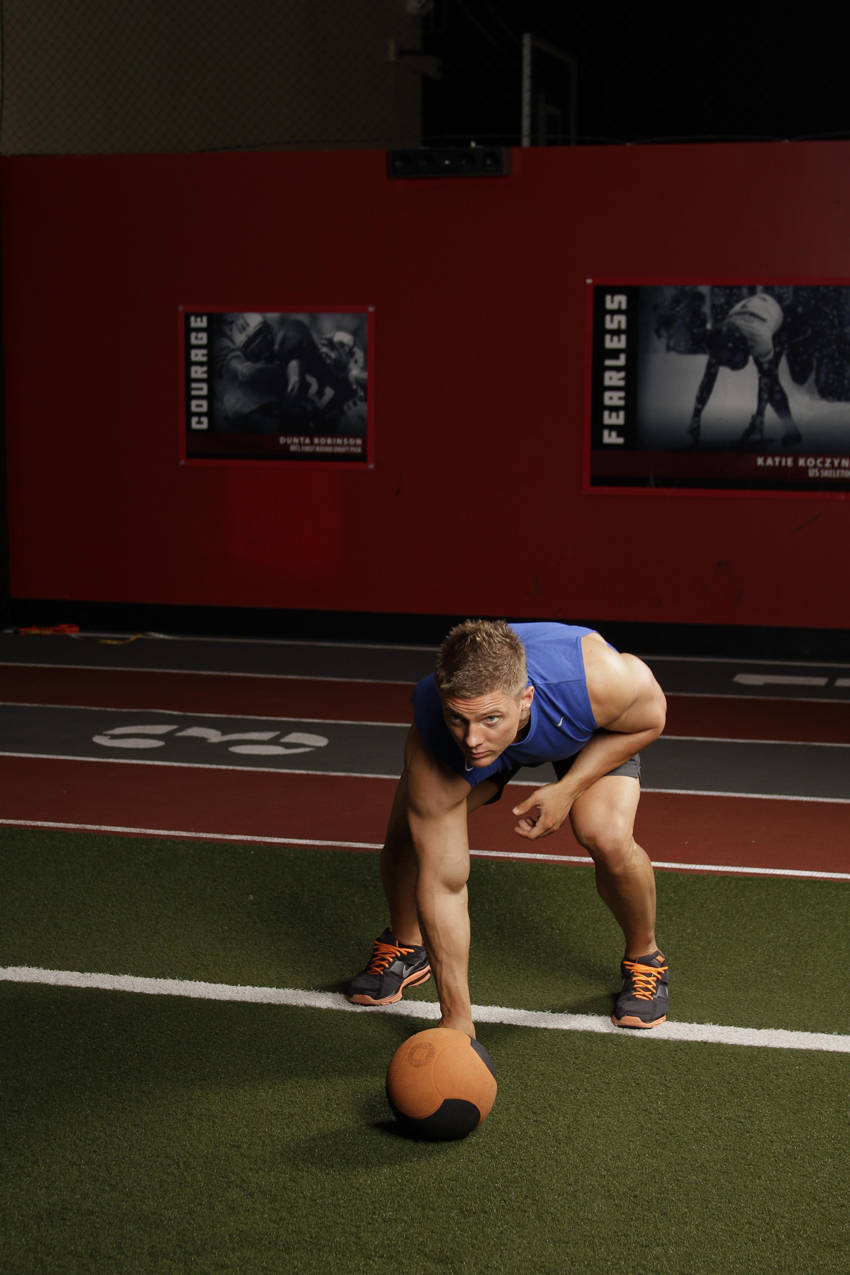
6. Chest Push From 3 Point Stance
86% match- Pectorals
- Medicine-ball
- Intermediate
- Compound
Pick this when you want to work the pectorals with less balance to manage.
How to perform this exercise
- Begin in a three point stance, squatted down with your back flat and one hand on the ground. Place the medicine ball directly in front of you.
- To begin, take your first step as you pull the ball to your chest, positioning both hands to prepare for the throw.
- As you execute the second step, explosively release the ball forward as hard as possible.
Sets and reps: 3 or 4 sets of 6 to 10 reps on each side.
Why this matches
- Primary muscle: pectorals, the same as the Push-up Medicine Ball
- Equipment: free weights, the same as the Push-up Medicine Ball
- Body position: standing, not lying face down
- Balance: easier to stay steady on than the Push-up Medicine Ball
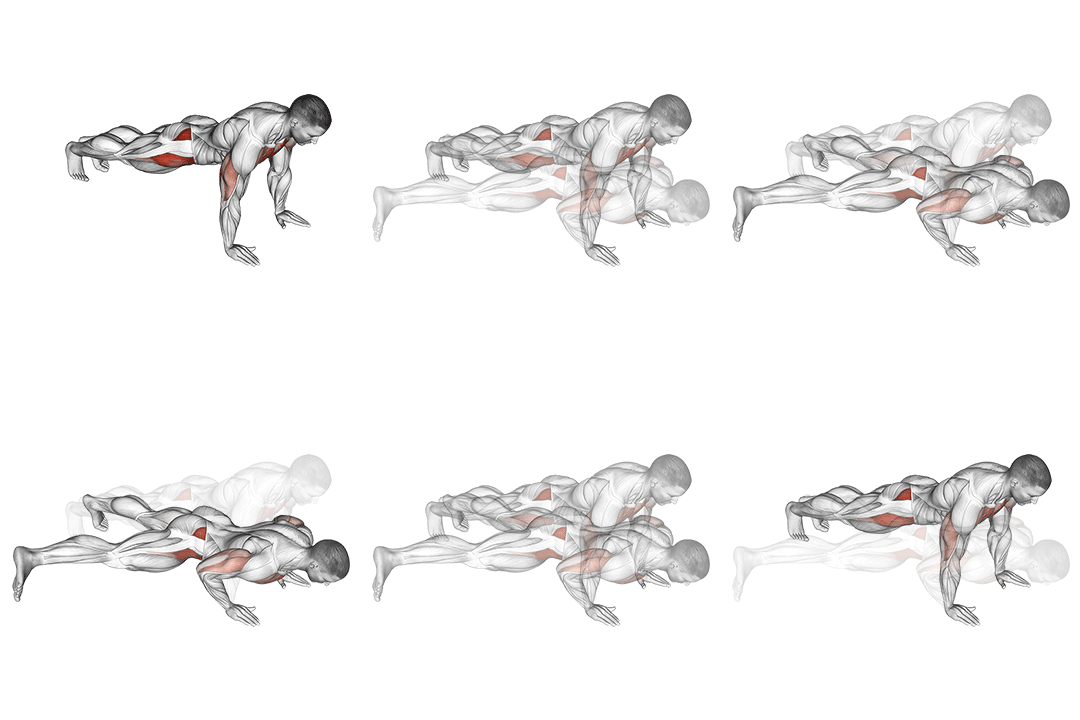
7. Push-up Inside Leg Kick
85% match- Pectorals
- Bodyweight
- Intermediate
- Compound
How to perform this exercise
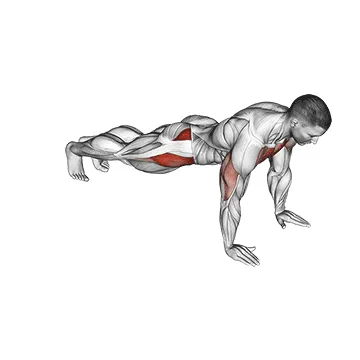
- Start in a push-up position with your hands slightly wider than shoulder-width apart and your feet together.
- Lower your body towards the ground by bending your elbows, keeping your back straight and your core engaged.
- As you push back up, lift one leg off the ground and kick it out to the side, keeping it straight.
- Lower your leg back down and repeat the push-up, then switch to the other leg.
- Continue alternating leg kicks with each push-up repetition.
Sets and reps: 3 or 4 sets of 6 to 10 reps on each side.
Why this matches
- Primary muscle: pectorals, the same as the Push-up Medicine Ball
- Equipment: bodyweight only, not free weights
- Body position: lying face down, the same as the Push-up Medicine Ball
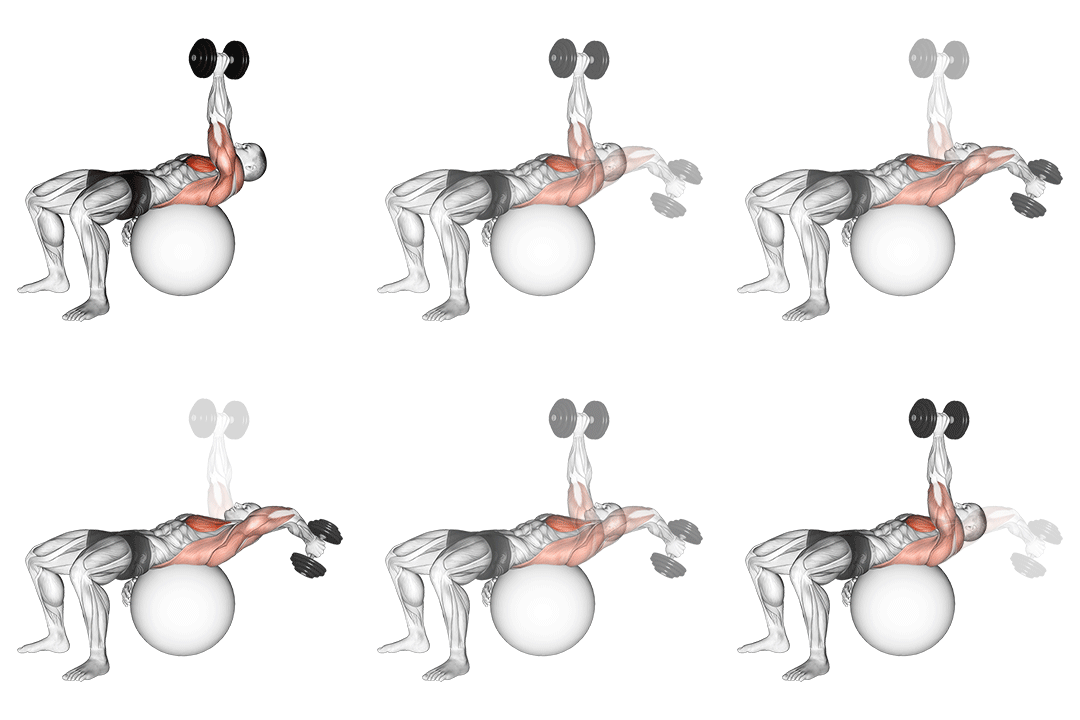
- Pectorals
- Dumbbell
- Intermediate
- Compound
How to perform this exercise
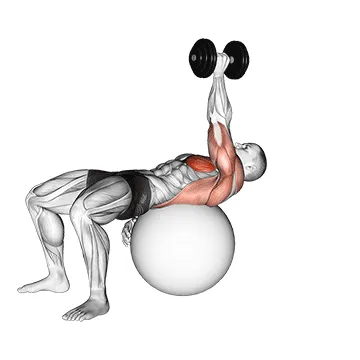
- Sit on an exercise ball with your feet flat on the ground and your knees bent at a 90-degree angle.
- Hold a dumbbell with one hand and extend your arm straight up above your chest.
- Slowly lower the dumbbell behind your head while keeping your arm straight.
- Pause for a moment, then raise the dumbbell back to the starting position.
- Repeat for the desired number of repetitions, then switch arms.
Sets and reps: 3 or 4 sets of 6 to 10 reps on each side.
Why this matches
- Primary muscle: pectorals, the same as the Push-up Medicine Ball
- Equipment: free weights, the same as the Push-up Medicine Ball
- Body position: lying on your back, not lying face down
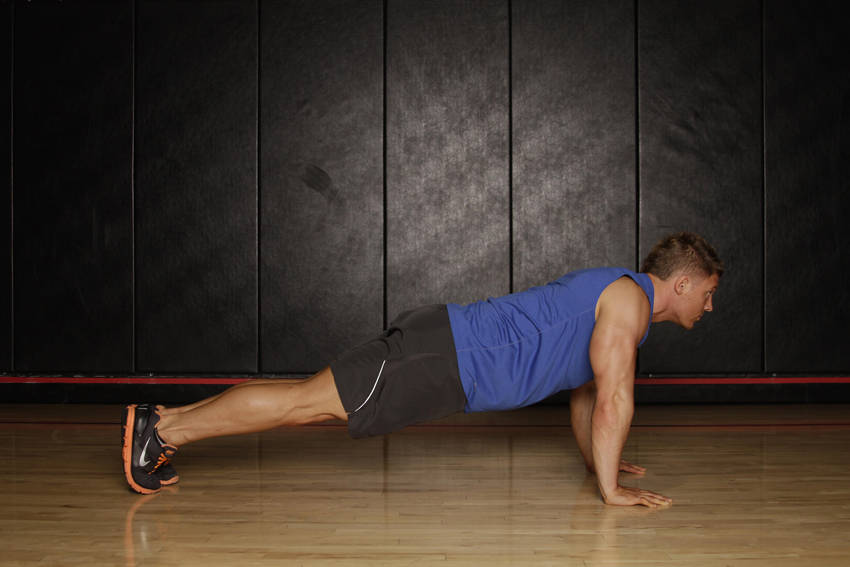
9. Push Up To Side Plank
84% match- Pectorals
- Bodyweight
- Intermediate
- Compound
How to perform this exercise
- Get into pushup position on the toes with your hands just outside of shoulder width.
- Perform a pushup by allowing the elbows to flex. As you descend, keep your body straight.
- Do one pushup and as you come up, shift your weight on the left side of the body, twist to the side while bringing the right arm up towards the ceiling in a side plank.
- Lower the arm back to the floor for another pushup and then twist to the other side.
- Repeat the series, alternating each side, for 10 or more reps.
Sets and reps: 3 or 4 sets of 6 to 10 reps on each side.
Why this matches
- Movement: flat horizontal press, the same as the Push-up Medicine Ball
- Primary muscle: pectorals, the same as the Push-up Medicine Ball
- Equipment: bodyweight only, not free weights
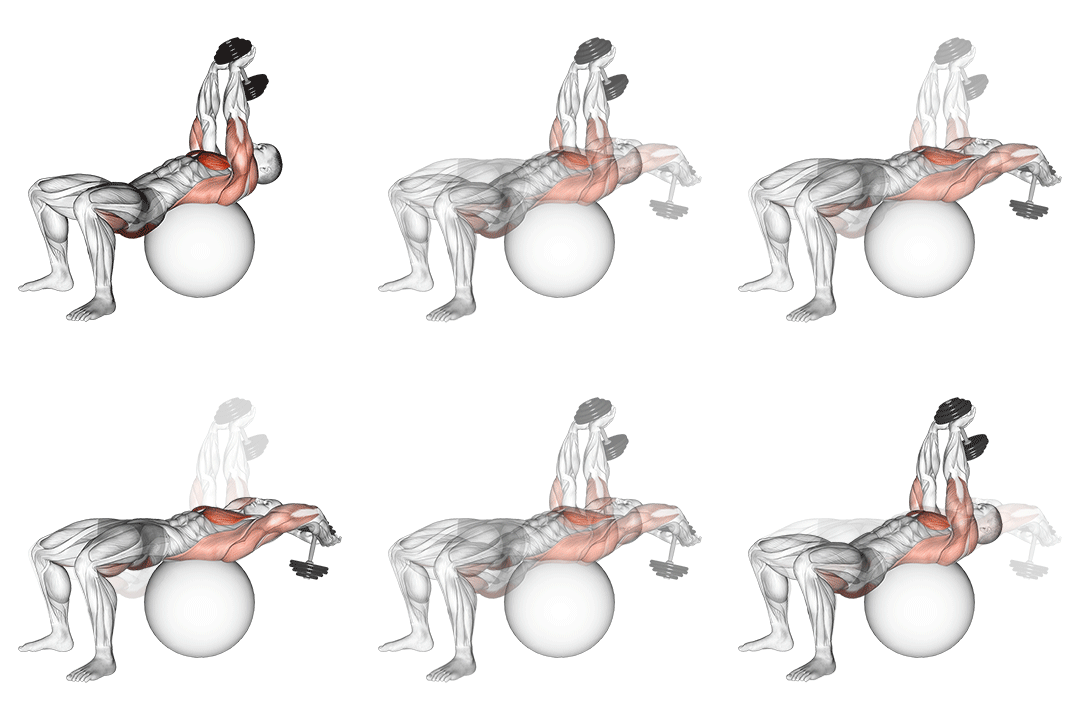
- Pectorals
- Dumbbell
- Advanced
- Compound
How to perform this exercise
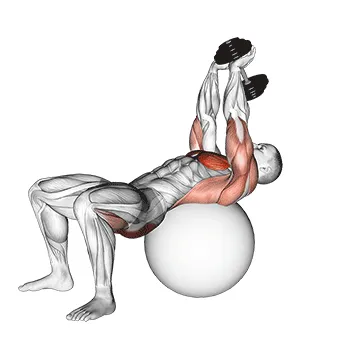
- Sit on an exercise ball with your feet flat on the ground and the dumbbell resting on your thighs.
- Slowly walk your feet forward, rolling the exercise ball down your back until your head, neck, and upper back are supported on the ball.
- Hold the dumbbell with both hands and extend your arms straight up over your chest, keeping a slight bend in your elbows.
- Lower the dumbbell behind your head, keeping your arms straight and maintaining control.
- Pause for a moment, then raise the dumbbell back to the starting position.
- While keeping your arms extended, lift your hips off the ground, squeezing your glutes and engaging your core.
- Lower your hips back down to the starting position.
- Repeat for the desired number of repetitions.
Sets and reps: 3 to 5 sets of 5 to 8 reps.
Why this matches
- Primary muscle: pectorals, the same as the Push-up Medicine Ball
- Equipment: free weights, the same as the Push-up Medicine Ball
- Body position: lying on your back, not lying face down
Why You Might Need a Push-up Medicine Ball Alternative
The Push-up Medicine Ball is a high-plank press with both hands on the ball: you lower by bending your elbows and press back up, which trains your chest with your triceps, shoulders and core holding the position. Most of these swaps keep you in that same high plank and change only what is under your hands: the floor, a kettlebell you press off and land back on, or nothing but the floor plus a tap to your shoulder, a leg kick or a side-plank twist that asks your core to hold you steady. A few move you off the floor entirely, onto an exercise ball on your back or into a standing throw, once the goal shifts from pressing to something else.
How to Choose the Right Push-up Medicine Ball Substitute
Take the Deep Push Up for the nearest thing to the original: hands on the floor, wider than shoulder width, elbows tucked close, so only the surface under your hands changes. With nothing at all, the Shoulder Tap Push-up trades the ball for a tap of your own shoulder each rep, asking more of your core. A kettlebell gives you a raised base, but the Kettlebell Plyo Push-up adds a jump: press off hard enough to leave the kettlebells and land back on them, for a harder version, not just a ball stand-in. Save the Archer Push Up for once the others feel easy, since extending one arm to the side puts most of your weight on the other; the Push-up Inside Leg Kick matches the Shoulder Tap Push-up in difficulty, with a leg kick added on the way up.
Push-up Medicine Ball FAQ
Which swap needs no equipment at all?
The Shoulder Tap Push-up and the Push-up Inside Leg Kick both add one move, a tap or a kick, to the standard press; the Push Up To Side Plank adds a twist into side plank. The Archer Push Up shifts most of your weight onto one arm, so save it for once those feel light.
Which swap is harder than the standard version?
The Kettlebell Plyo Push-up and the Archer Push Up both ask more of you than the standard version. The Kettlebell Plyo Push-up trades the ball for a kettlebell you press off explosively, and the Archer Push Up drops most of your weight onto one arm while the other stays almost straight. Try either once the standard version feels easy.
Which swap still uses a medicine ball?
The Chest Push From 3 Point Stance keeps a medicine ball in the movement, but it changes the drill: you squat into a three point stance, pull the ball to your chest, then explosively throw it forward as you step through. It works the same chest muscles in one throw rather than a slow press, so treat it as a different tool for the same job.
Can I do the Push-up Medicine Ball at home?
Not without a medicine ball, but the nearest swaps need nothing more than floor space, and a kettlebell gives you a raised base to press off if you want one. The Deep Push Up puts your hands on the floor slightly wider than shoulder width, and the Kettlebell Plyo Push-up gives you kettlebells to press off and land back on. With no equipment, the Shoulder Tap Push-up adds a tap to your own shoulder in place of the ball.
Find Alternatives for Any Exercise
Search the exercise database and filter the ranked substitutes by the equipment you own.
Similarity scores compare exercise metadata such as movement pattern, muscles, equipment and body position. They are not a safety rating or a check that you own the equipment. Learn about our methodology