

10 Best Dumbbell One Arm Wrist Curl Alternatives for Limited Gear
If the dumbbell one-arm wrist curl is off-limits, use exercises that still load wrist flexors and improve grip. Try seated barbell wrist curls, reverse curls, hammer curls, wrist rollers, or farmer carries. For each, brace your forearm on a flat surface, flex through full wrist range and control the eccentric to target the flexor carpi muscles.
Original Exercise: Dumbbell One Arm Wrist Curl
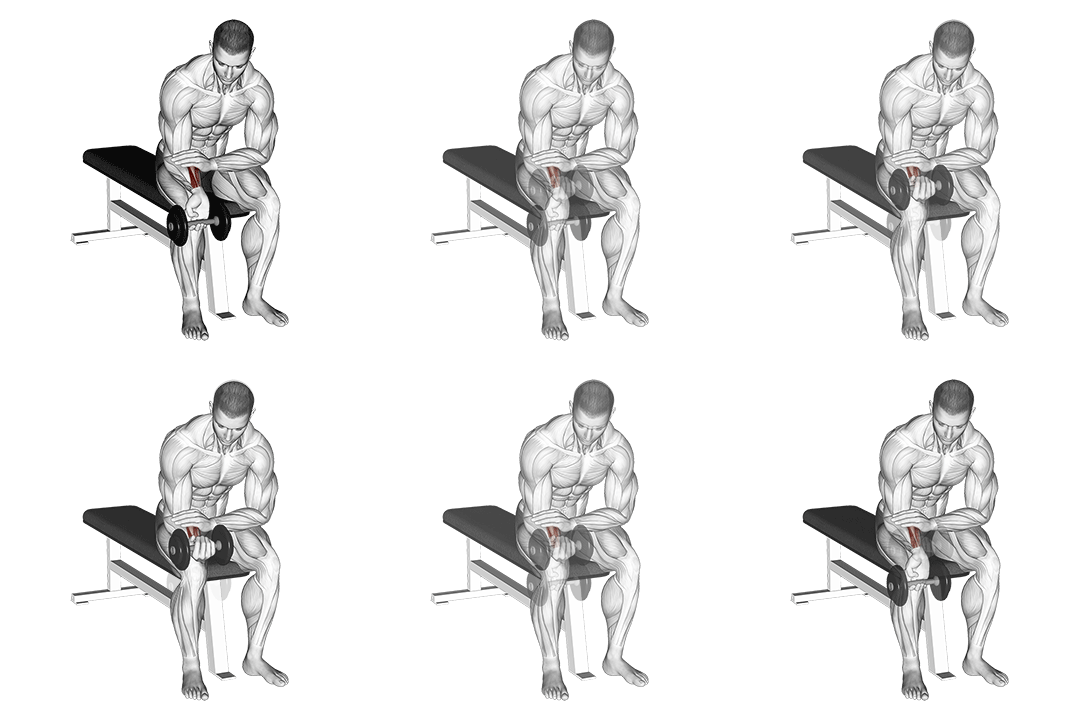
How to Perform Dumbbell One Arm Wrist Curl
- Sit on a bench or chair with your feet flat on the ground.
- Hold a dumbbell in one hand with an underhand grip, resting your forearm on your thigh.
- Allow your wrist to extend, letting the dumbbell roll down towards your fingers.
- Slowly curl your wrist back up, bringing the dumbbell towards your forearm.
- Repeat for the desired number of repetitions, then switch to the other hand.
Ranked Dumbbell One Arm Wrist Curl Alternatives
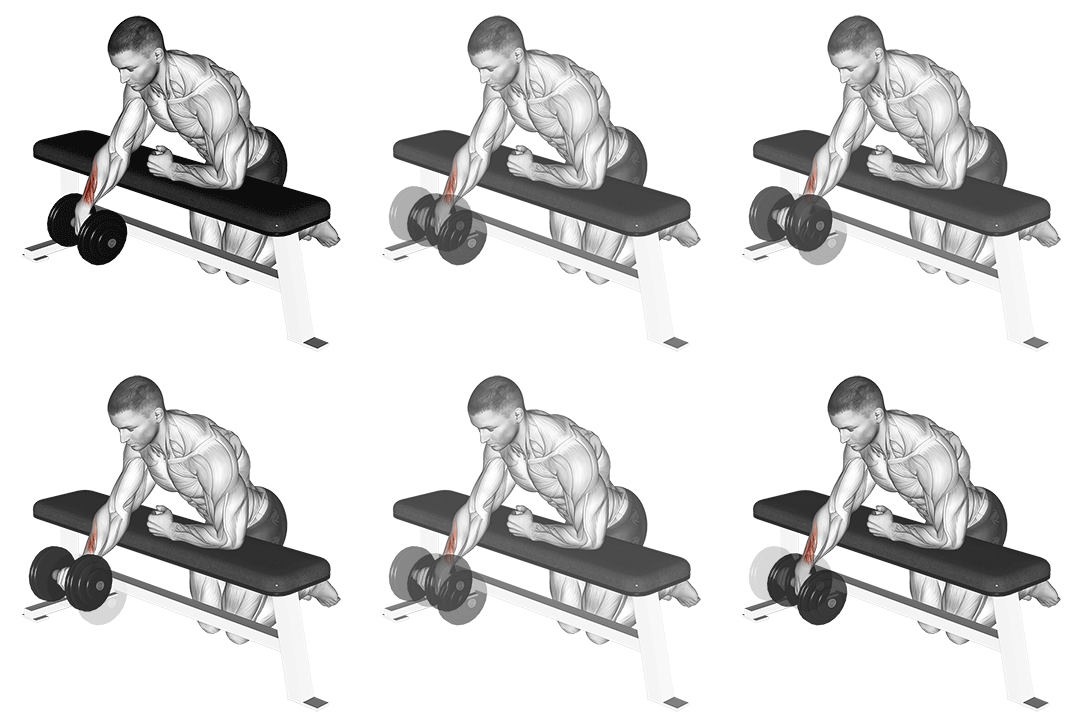
1. Dumbbell Over Bench One Arm Wrist Curl
95% MatchHow to perform this exercise
- Sit on a bench with your feet flat on the ground and hold a dumbbell in one hand, palm facing down.
- Rest your forearm on the bench with your wrist hanging off the edge.
- Slowly curl your wrist upwards, bringing the dumbbell towards your forearm.
- Pause for a moment at the top, then slowly lower the dumbbell back down to the starting position.
- Repeat for the desired number of repetitions, then switch to the other arm.
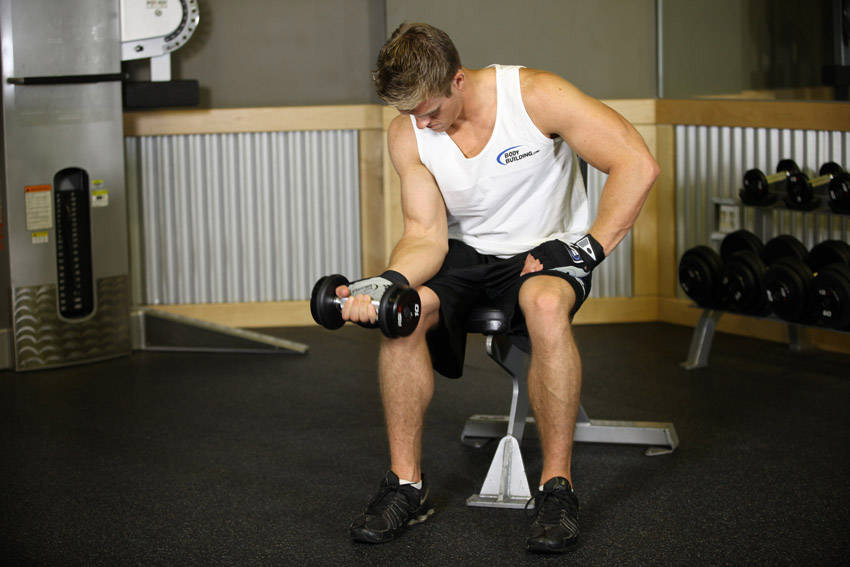
2. Seated One-Arm Dumbbell Palms-Up Wrist Curl
95% MatchHow to perform this exercise
- Sit on a flat bench with a dumbbell in your right hand.
- Place your feet flat on the floor, at a distance that is slightly wider than shoulder width apart.
- Lean forward and place your right forearm on top of your upper right thigh with your palm up. Tip: Make sure that the front of the wrist lies on top of your knees. This will be your starting position.
- Lower the dumbbell as far as possible as you keep a tight grip on the dumbbell. Inhale as you perform this movement.
- Now curl the dumbbell as high as possible as you contract the forearms and as you exhale. Keep the contraction for a second before you lower again. Tip: The only movement should happen at the wrist.
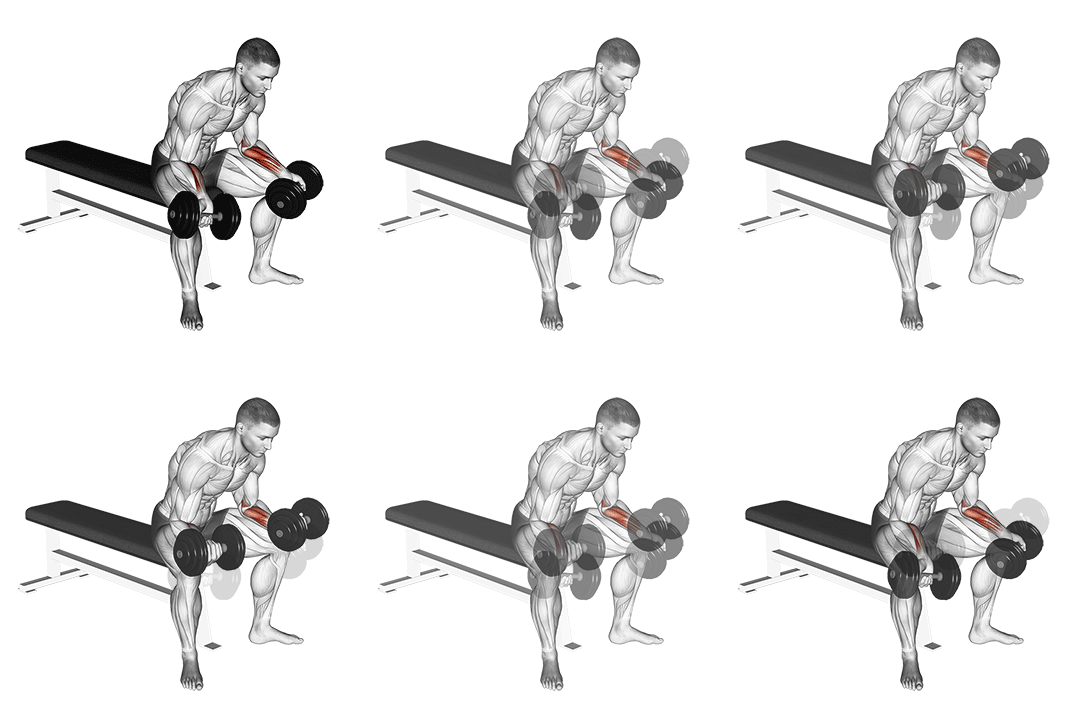
3. Dumbbell Seated Palms Up Wrist Curl
93% MatchHow to perform this exercise
- Sit on a bench with your feet flat on the ground and hold a dumbbell in each hand, palms facing up.
- Rest your forearms on your thighs, allowing your wrists to hang off the edge.
- Slowly curl your wrists upward, squeezing your forearms at the top of the movement.
- Pause for a moment, then lower your wrists back down to the starting position.
- Repeat for the desired number of repetitions.
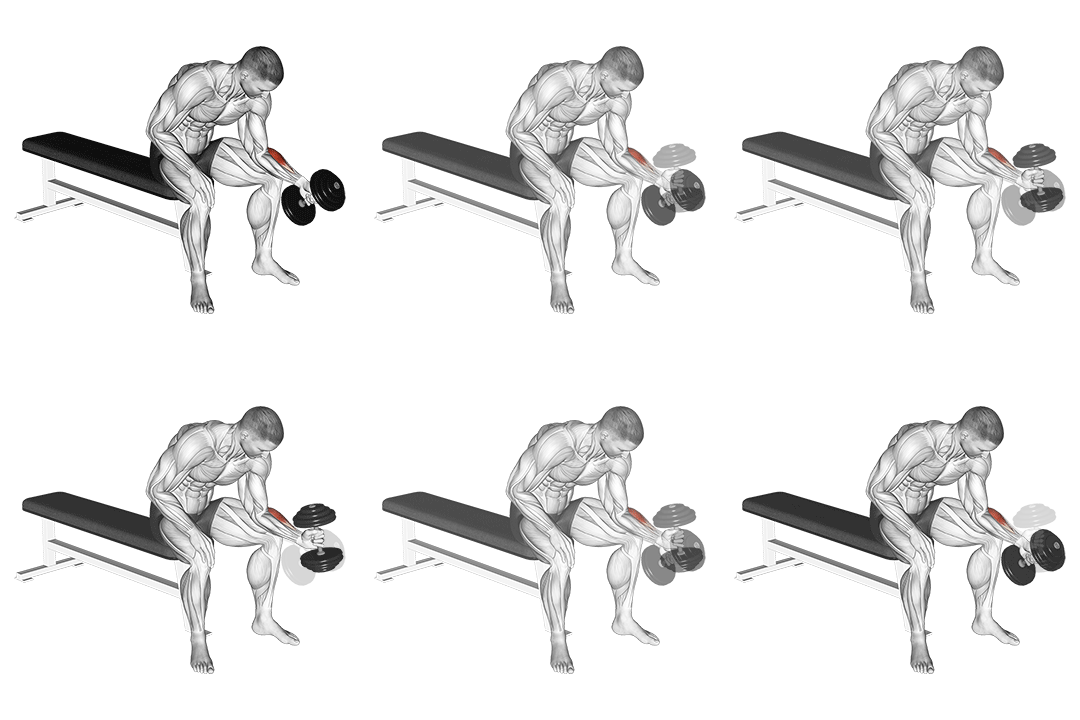
4. Dumbbell One Arm Seated Neutral Wrist Curl
92% MatchHow to perform this exercise
- Sit on a bench with your feet flat on the ground and hold a dumbbell in one hand, palm facing up.
- Rest your forearm on your thigh, allowing your wrist to hang off the edge.
- Keeping your forearm stationary, curl your wrist upward as far as possible.
- Pause for a moment at the top, then slowly lower your wrist back down to the starting position.
- Repeat for the desired number of repetitions, then switch to the other hand.
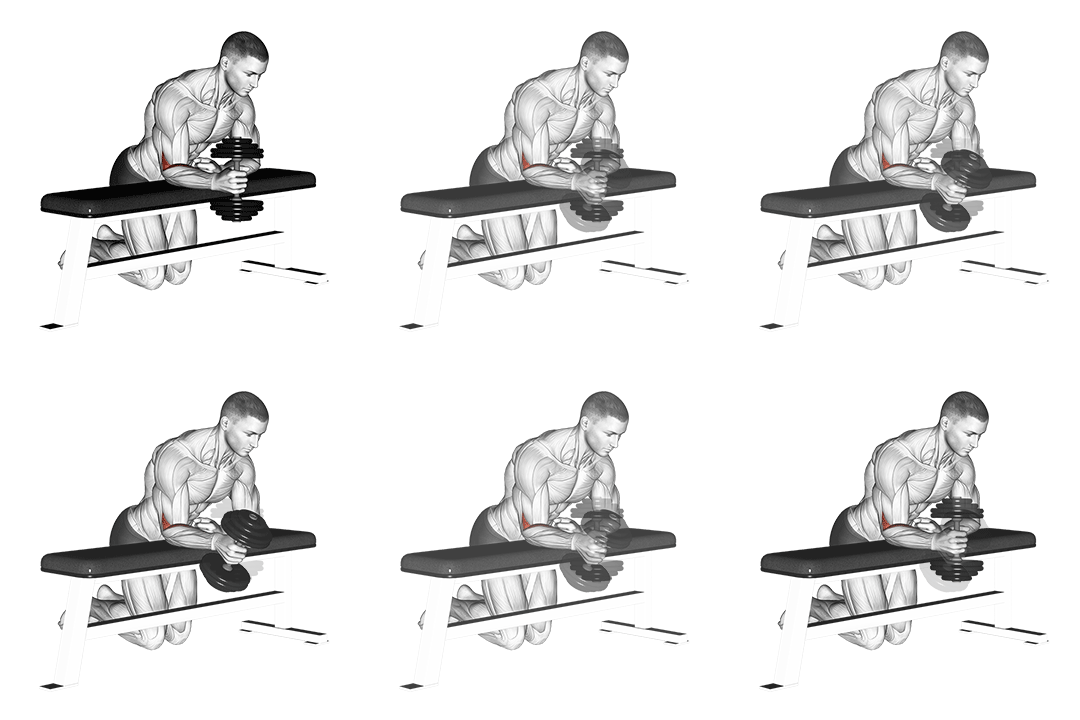
5. Dumbbell Over Bench One Arm Neutral Wrist Curl
91% MatchHow to perform this exercise
- Sit on a bench with a dumbbell in one hand and your arm extended over the bench, palm facing up.
- Keep your upper arm stationary and curl the dumbbell towards your shoulder, keeping your wrist in a neutral position.
- Pause for a moment at the top, then slowly lower the dumbbell back to the starting position.
- Repeat for the desired number of repetitions, then switch arms.
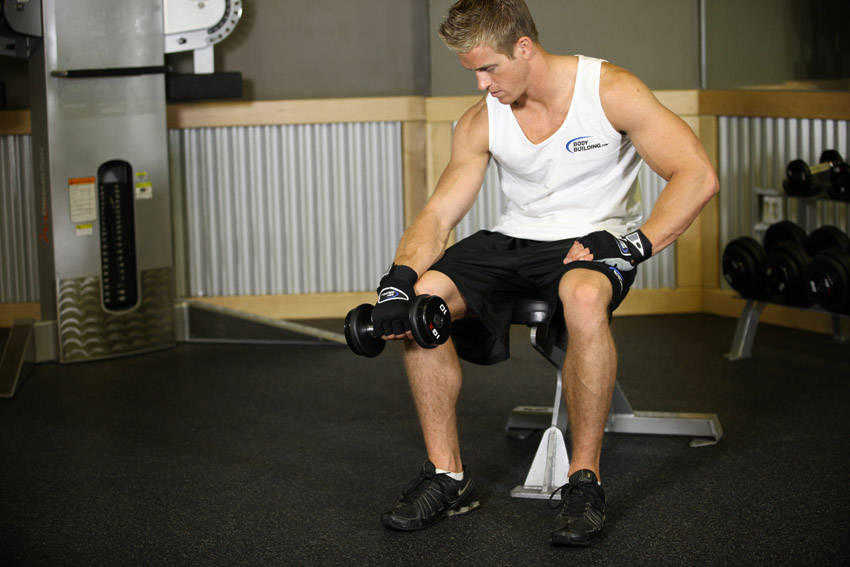
6. Seated One-Arm Dumbbell Palms-Down Wrist Curl
91% MatchHow to perform this exercise
- Sit on a flat bench with a dumbbell in your right hand.
- Place your feet flat on the floor, at a distance that is slightly wider than shoulder width apart.
- Lean forward and place your right forearm on top of your upper right thigh with your palm down. Tip: Make sure that the back of the wrist lies on top of your knees. This will be your starting position.
- Lower the dumbbell as far as possible as you keep a tight grip on the dumbbell. Inhale as you perform this movement.
- Now curl the dumbbell as high as possible as you contract the forearms and as you exhale. Keep the contraction for a second before you lower again. Tip: The only movement should happen at the wrist.
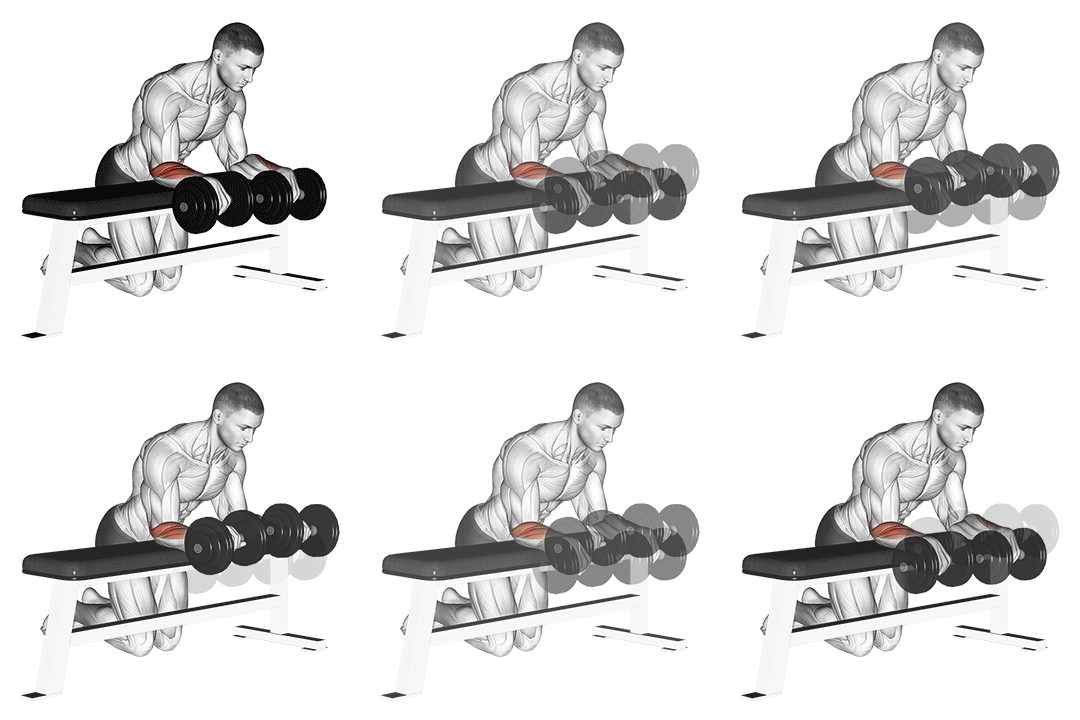
7. Dumbbell Over Bench Wrist Curl
88% MatchHow to perform this exercise
- Sit on a bench with your forearms resting on the bench and your palms facing up, holding a dumbbell in each hand.
- Allow your wrists to hang over the edge of the bench.
- Slowly curl your wrists upward, squeezing your forearms at the top of the movement.
- Pause for a moment, then slowly lower your wrists back down to the starting position.
- Repeat for the desired number of repetitions.
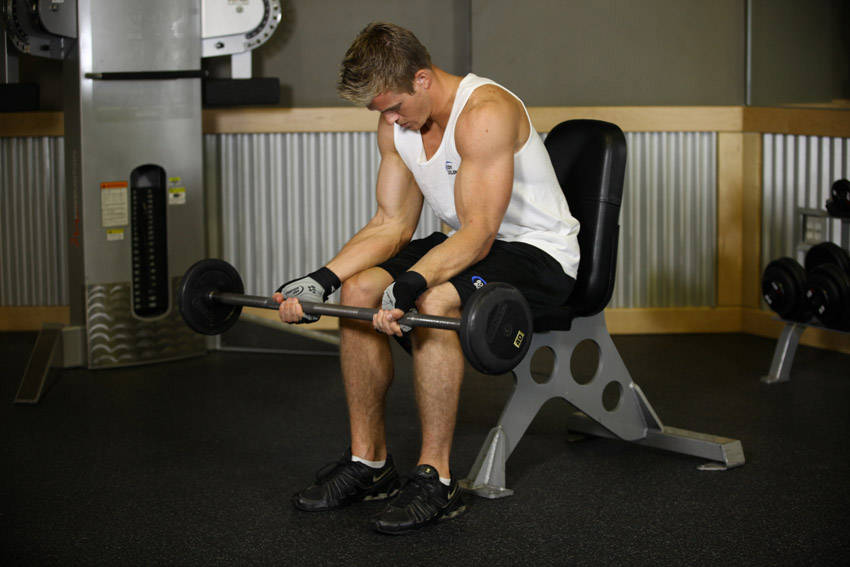
8. Seated Palm-Up Barbell Wrist Curl
88% MatchHow to perform this exercise
- Hold a barbell with both hands and your palms facing up; hands spaced about shoulder width.
- Place your feet flat on the floor, at a distance that is slightly wider than shoulder width apart.
- Lean forward and place your forearms on top of your upper thighs with your palms up. Tip: Make sure that the front of the wrists lay on top of your knees. This will be your starting position.
- Lower the bar as far as possible while inhaling and keeping a tight grip.
- Now curl bar up as high as possible while flexing the forearms and exhaling. Hold the contraction at the top for a second and Tip: Only the wrist should move.
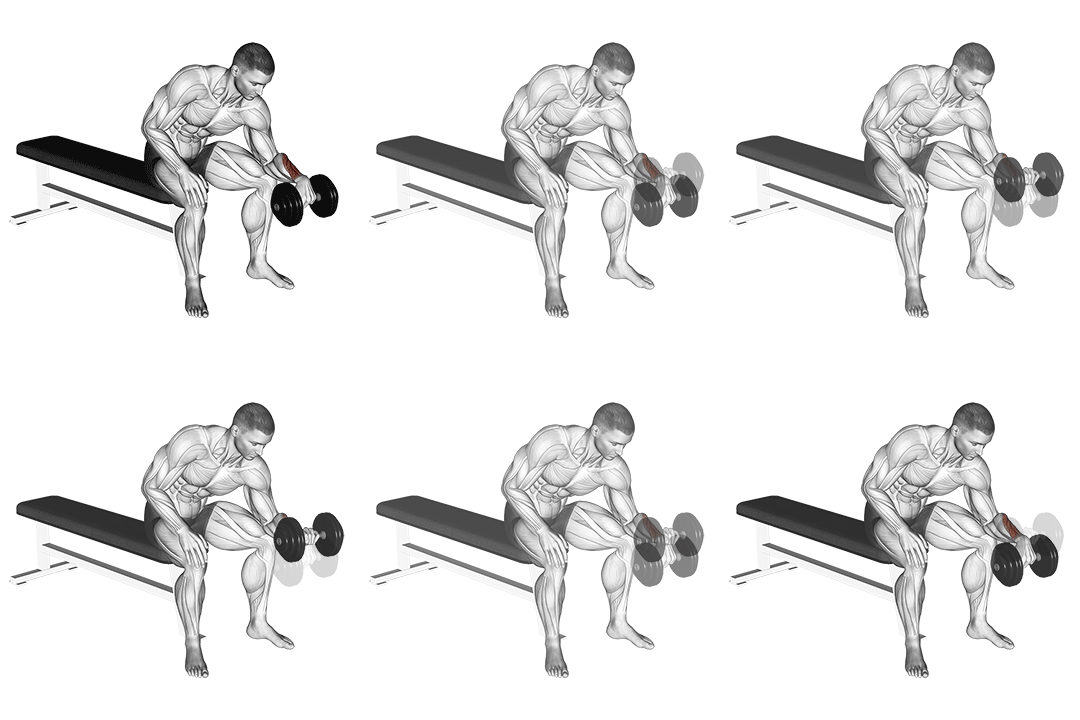
9. Dumbbell One Arm Reverse Wrist Curl
86% MatchHow to perform this exercise
- Sit on a bench or chair with your feet flat on the ground.
- Hold a dumbbell in one hand with an overhand grip, palm facing down.
- Rest your forearm on your thigh, with your wrist hanging off the edge.
- Slowly lower the dumbbell towards the ground by flexing your wrist.
- Pause for a moment at the bottom, then slowly curl your wrist back up towards your body.
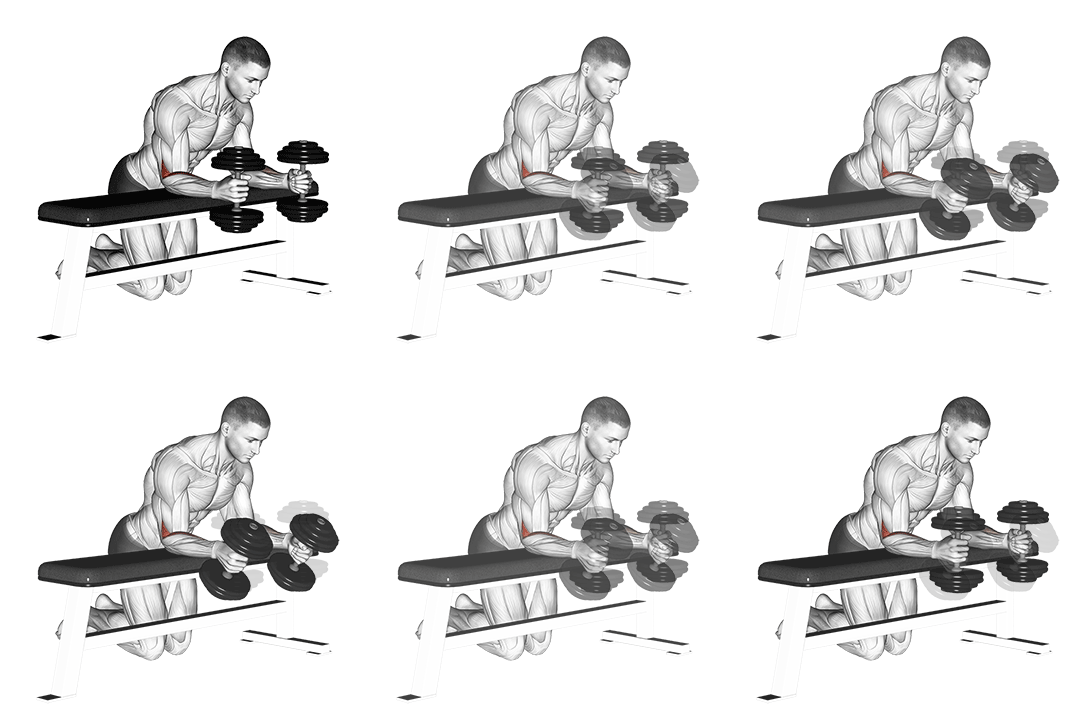
10. Dumbbell Over Bench Neutral Wrist Curl
84% MatchHow to perform this exercise
- Sit on a bench with your feet flat on the ground and hold a dumbbell in each hand, palms facing up.
- Rest your forearms on the bench, allowing your wrists to hang off the edge.
- Keeping your upper arms stationary, exhale and curl the dumbbells up towards your shoulders.
- Pause for a moment at the top, then inhale and slowly lower the dumbbells back down to the starting position.
- Repeat for the desired number of repetitions.
Why You Might Need a Dumbbell One Arm Wrist Curl Alternative
You may substitute the one-arm wrist curl for wrist pain, limited dumbbell weight, or sport-specific needs. A barbell wrist curl or wrist roller spreads load across both forearms and limits awkward wrist angles, reducing shear on the radiocarpal joint. Bodyweight or carry variations improve grip endurance and recruit brachioradialis and finger flexors. If you feel tendon irritation, reduce wrist extension under load and focus on slow eccentrics to improve tendon remodeling. Always cue a neutral elbow and a full but pain-free wrist flexion to preserve joint biomechanics and ensure the flexor carpi radialis and ulnaris are the prime movers.
How to Choose the Right Substitute
Pick a substitute based on load progression, joint tolerance, and training goal. For pure hypertrophy use controlled barbell or dumbbell wrist curls with 2–3 second eccentrics and full ROM to stress wrist flexors. For grip or functional strength choose heavy farmer carries or wrist rollers, keeping shoulders packed and scapula stable to transfer force through the forearm. If you have tendon issues select high-rep low-load eccentrics or isometrics, keeping the wrist in neutral at rest and avoiding sudden heavy flexion. Always assess activation: you should feel tension in the flexor compartment and minimal compensation from the biceps or shoulder.
Frequently Asked Questions
What muscles does Dumbbell One Arm Wrist Curl work?
The movement primarily targets the wrist flexors, flexor carpi radialis and flexor carpi ulnaris, and recruits finger flexors for grip. The brachioradialis assists during loaded movements, so cue a stable forearm on your thigh and move only at the wrist to isolate those muscles.
What is the best bodyweight alternative to Dumbbell One Arm Wrist Curl?
A towel or fingertip carry challenges the same wrist and finger flexors using bodyweight; grip a rolled towel and walk for distance, keeping the wrist slightly extended and fingers loaded. For higher specificity, perform wrist-flexion isometrics against a fixed object, holding 10–20 seconds while bracing the forearm on a flat surface.
Can I build muscle without doing Dumbbell One Arm Wrist Curl?
Yes. Barbell wrist curls, reverse curls, hammer curls, wrist rollers, and farmer carries all stimulate forearm hypertrophy when progressed appropriately. Focus on full wrist ROM, controlled eccentrics, and progressive overload to drive growth in the flexors and improve grip strength.
More Exercise Alternatives
Find Alternatives for Any Exercise
Use the exercise substitution finder to compare ranked alternatives for your available equipment and training preference.
Try the Exercise Substitution Finder →