

10 Best Dumbbell Lying Pronation Alternatives for Forearm Strength
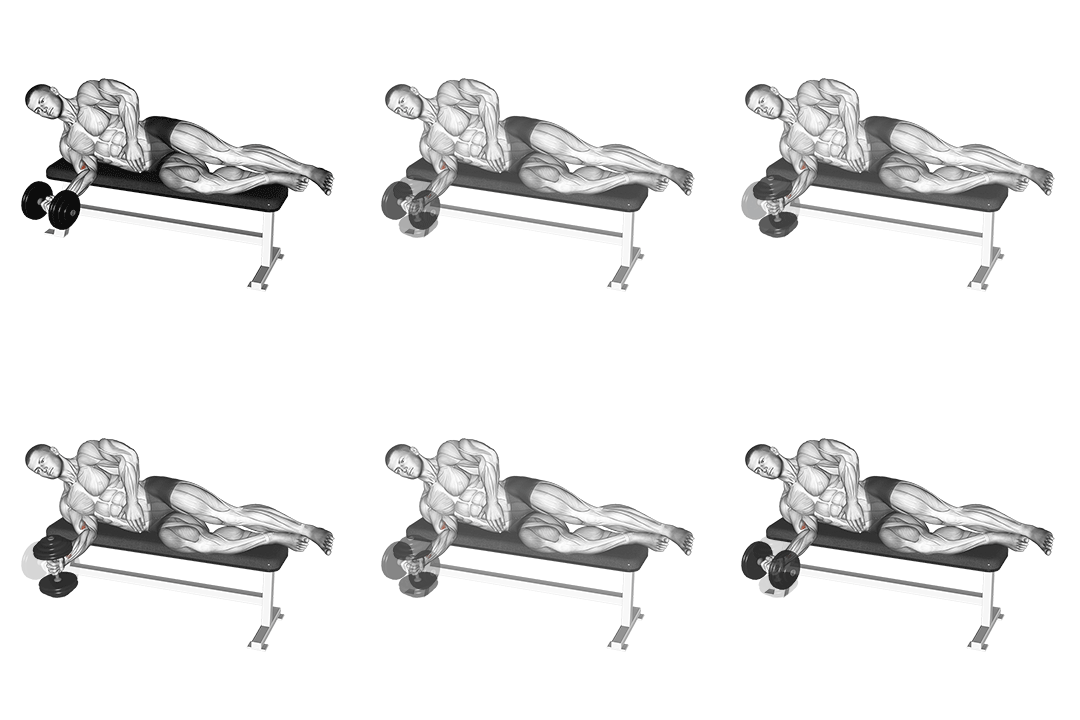
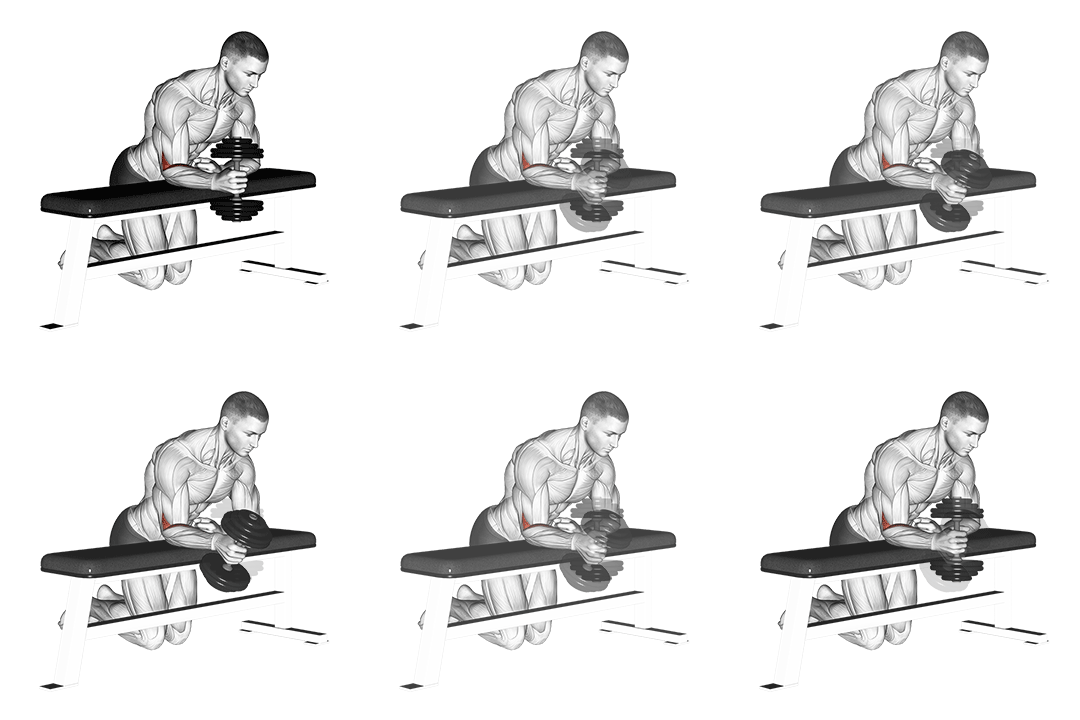
The Dumbbell Lying Pronation is done lying on your back with dumbbells. Ranked closest by our scoring: the Dumbbell Lying Supination, the Dumbbell Lying Pronation On Floor and the Dumbbell Lying Supination On Floor. Three harder versions, the Dumbbell Seated One Arm Rotate, the Dumbbell Over Bench One Arm Neutral Wrist Curl and the Dumbbell Over Bench One Arm Wrist Curl, are listed below as progressions rather than swaps.
Updated Ranked by our 12-factor similarity model How it works
Original Exercise: Dumbbell Lying Pronation
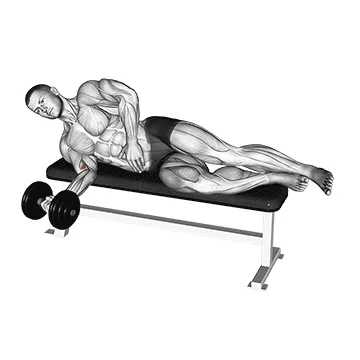
- Primary muscle
- Forearms
- Equipment
- Dumbbell
- Difficulty
- Beginner
- Type
- Isolation
Secondary muscles: Biceps, Shoulders
How to perform Dumbbell Lying Pronation
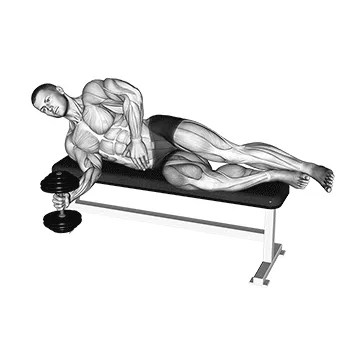
- Lie flat on a bench with your chest facing down and your arms extended straight down, holding a dumbbell in each hand.
- Rotate your palms so they are facing up.
- Keeping your upper arms stationary, exhale and curl the dumbbells as you rotate your palms to face down.
- Inhale and slowly lower the dumbbells back to the starting position.
- Repeat for the desired number of repetitions.
Ranked Dumbbell Lying Pronation Alternatives
10 substitutes, ranked by how closely each one matches the Dumbbell Lying Pronation on movement pattern, muscles worked, equipment and body position. The higher the score, the less you change. Open "How to perform this exercise" on a card for the steps; every card title links to that exercise's own alternatives page. Harder versions are tagged as progressions and kept out of the top spot even when they score higher.
Best match 1. Dumbbell Lying Supination
99% match- Forearms
- Dumbbell
- Beginner
- Isolation
It uses the same equipment and still works the forearms.
How to perform this exercise
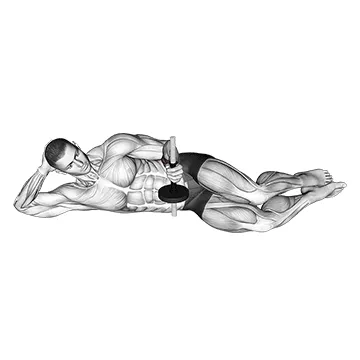
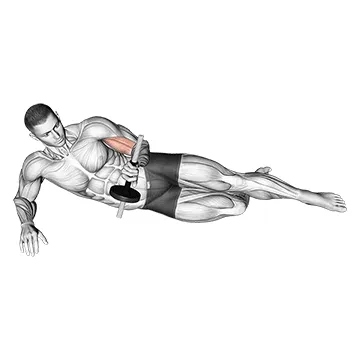
- Lie flat on a bench with your feet flat on the ground.
- Hold a dumbbell in each hand with your palms facing up and your arms fully extended.
- Keeping your upper arms stationary, curl the dumbbells towards your shoulders by contracting your forearms.
- Pause for a moment at the top, then slowly lower the dumbbells back to the starting position.
- Repeat for the desired number of repetitions.
Sets and reps: 3 sets of 10 to 15 reps on each side.
Why this matches
- Primary muscle: forearms, the same as the Dumbbell Lying Pronation
- Equipment: free weights, the same as the Dumbbell Lying Pronation
- Body position: lying on your back, the same as the Dumbbell Lying Pronation
2. Dumbbell Lying Pronation On Floor
95% match- Forearms
- Dumbbell
- Beginner
- Isolation
How to perform this exercise
- Lie flat on the floor with your face down and your arms extended straight out in front of you, holding a dumbbell in each hand.
- Rotate your palms so they are facing down towards the floor.
- Keeping your arms straight, lift the dumbbells off the floor by contracting your forearms.
- Continue lifting until your forearms are fully contracted and the dumbbells are at shoulder level.
- Hold for a moment, then slowly lower the dumbbells back down to the starting position.
- Repeat for the desired number of repetitions.
Sets and reps: 3 sets of 10 to 15 reps on each side.
Why this matches
- Primary muscle: forearms, the same as the Dumbbell Lying Pronation
- Equipment: free weights, the same as the Dumbbell Lying Pronation
- Body position: lying on your back, the same as the Dumbbell Lying Pronation
- Forearms
- Dumbbell
- Beginner
- Isolation
How to perform this exercise
- Lie flat on your back on the floor with your legs extended and your arms by your sides, holding a dumbbell in each hand.
- Rotate your palms to face up, keeping your elbows close to your sides.
- Slowly curl the dumbbells towards your shoulders, squeezing your forearms.
- Pause for a moment at the top, then slowly lower the dumbbells back down to the starting position.
- Repeat for the desired number of repetitions.
Sets and reps: 3 sets of 10 to 15 reps on each side.
Why this matches
- Primary muscle: forearms, the same as the Dumbbell Lying Pronation
- Equipment: free weights, the same as the Dumbbell Lying Pronation
- Body position: lying on your back, the same as the Dumbbell Lying Pronation
Progression
4. Dumbbell Seated One Arm Rotate
92% match- Forearms
- Dumbbell
- Beginner
- Isolation
Pick this when you want a harder version that still works the forearms.
How to perform this exercise
- Sit on a bench with your back straight and hold a dumbbell in one hand, resting it on your thigh.
- Raise the dumbbell up to shoulder height, keeping your elbow close to your body.
- Rotate your forearm outward, away from your body, while keeping your upper arm stationary.
- Pause for a moment at the top, then slowly rotate your forearm back to the starting position.
- Repeat for the desired number of repetitions, then switch to the other arm.
Sets and reps: 3 sets of 10 to 15 reps on each side.
Why this matches
- Primary muscle: forearms, the same as the Dumbbell Lying Pronation
- Equipment: free weights, the same as the Dumbbell Lying Pronation
- Body position: seated, not lying on your back
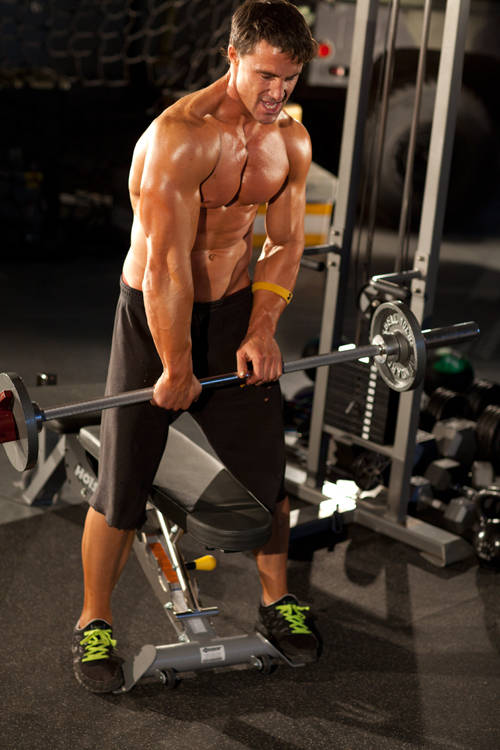
5. Wrist Rotations With Straight Bar
81% match- Forearms
- Barbell
- Beginner
- Isolation
A good swap when you have a barbell to work with, and it still works the forearms.
How to perform this exercise
- Hold a barbell with both hands and your palms facing down; hands spaced about shoulder width. This will be your starting position.
- Alternating between each of your hands, perform the movement by extending the wrist as though you were rolling up a newspaper. Continue alternating back and forth until failure.
- Reverse the motion by flexing the wrist, rolling the opposite direction. Continue the alternating motion until failure.
Sets and reps: 3 sets of 10 to 15 reps.
Why this matches
- Primary muscle: forearms, the same as the Dumbbell Lying Pronation
- Equipment: free weights, the same as the Dumbbell Lying Pronation
- Body position: standing, not lying on your back
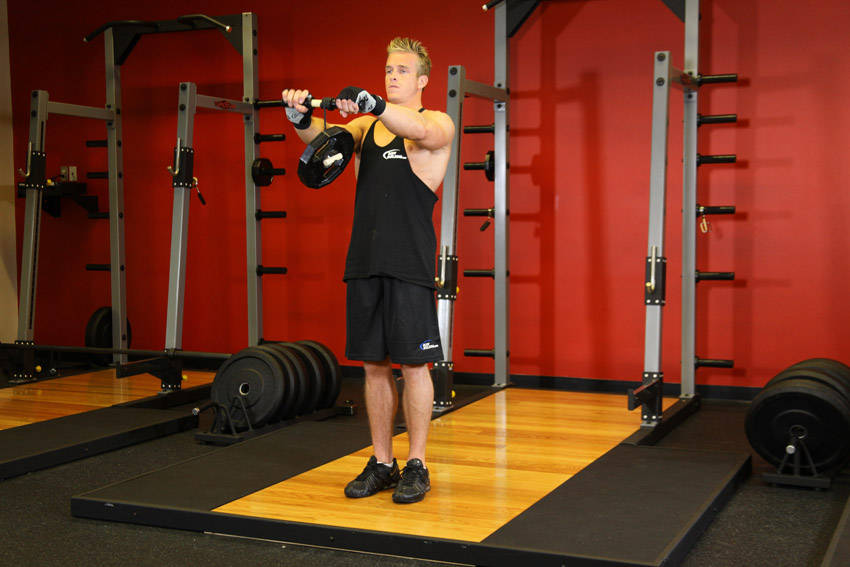
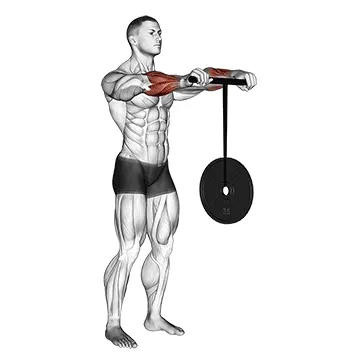
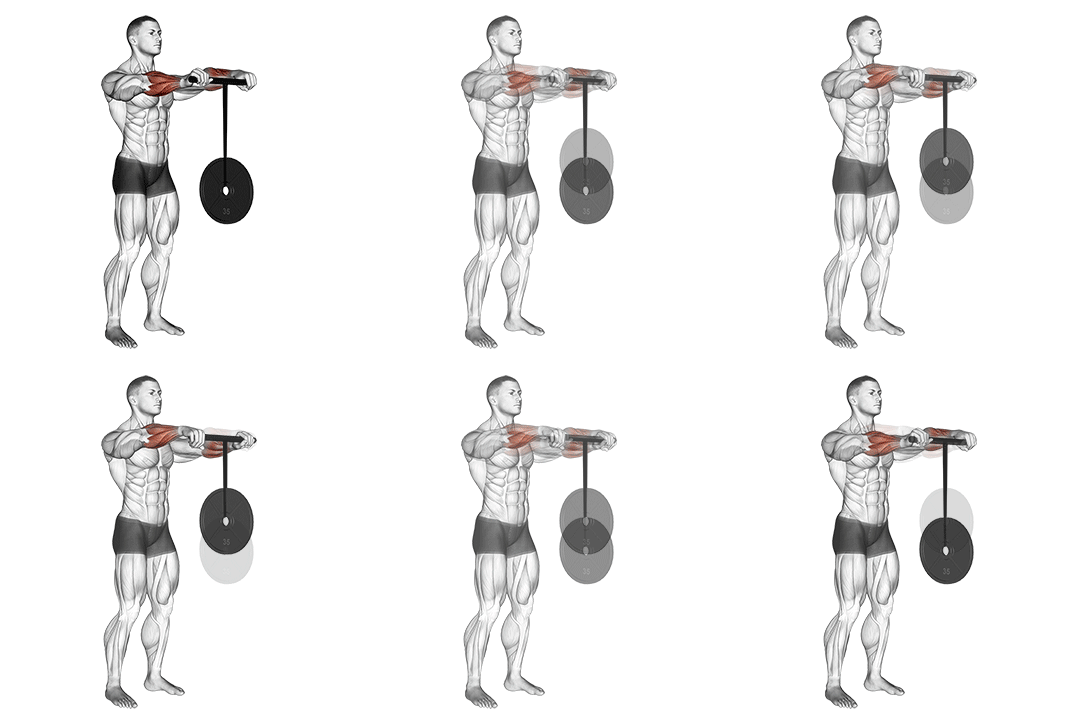
6. Wrist Roller
77% match- Forearms
- Other
- Intermediate
- Isolation
How to perform this exercise
- To begin, stand straight up grabbing a wrist roller using a pronated grip (palms facing down). Your feet should be shoulder width apart.
- Slowly lift both arms until they are fully extended and parallel to the floor in front of you. Note: Make sure the rope is not wrapped around the roller. Your entire body should be stationary except for the forearms. This is the starting position.
- Rotate one wrist at a time in an upward motion to bring the weight up to the bar by rolling the rope around the roller.
- Once the weight has reached the bar, slowly begin to lower the weight back down by rotating the wrist in a downward motion until the weight reaches the starting position.
- Repeat for the prescribed amount of repetitions in your program.
Sets and reps: 3 sets of 10 to 15 reps.
Why this matches
- Primary muscle: forearms, the same as the Dumbbell Lying Pronation
- Body position: standing, not lying on your back
7. Wrist Rollerer
76% match- Forearms
- Weighted
- Intermediate
- Isolation
How to perform this exercise
- Attach a weight to one end of a rope or bar.
- Hold the other end of the rope or bar with both hands, palms facing down.
- Stand with your feet shoulder-width apart and your arms fully extended in front of you.
- Slowly roll the weight up towards your hands by flexing your wrists.
- Pause for a moment at the top, then slowly lower the weight back down to the starting position.
- Repeat for the desired number of repetitions.
Sets and reps: 3 sets of 10 to 15 reps.
Why this matches
- Primary muscle: forearms, the same as the Dumbbell Lying Pronation
- Equipment: free weights, the same as the Dumbbell Lying Pronation
- Body position: standing, not lying on your back
Progression
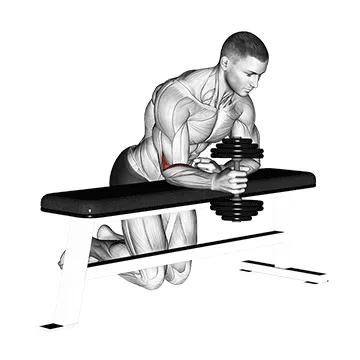
- Forearms
- Dumbbell
- Beginner
- Isolation
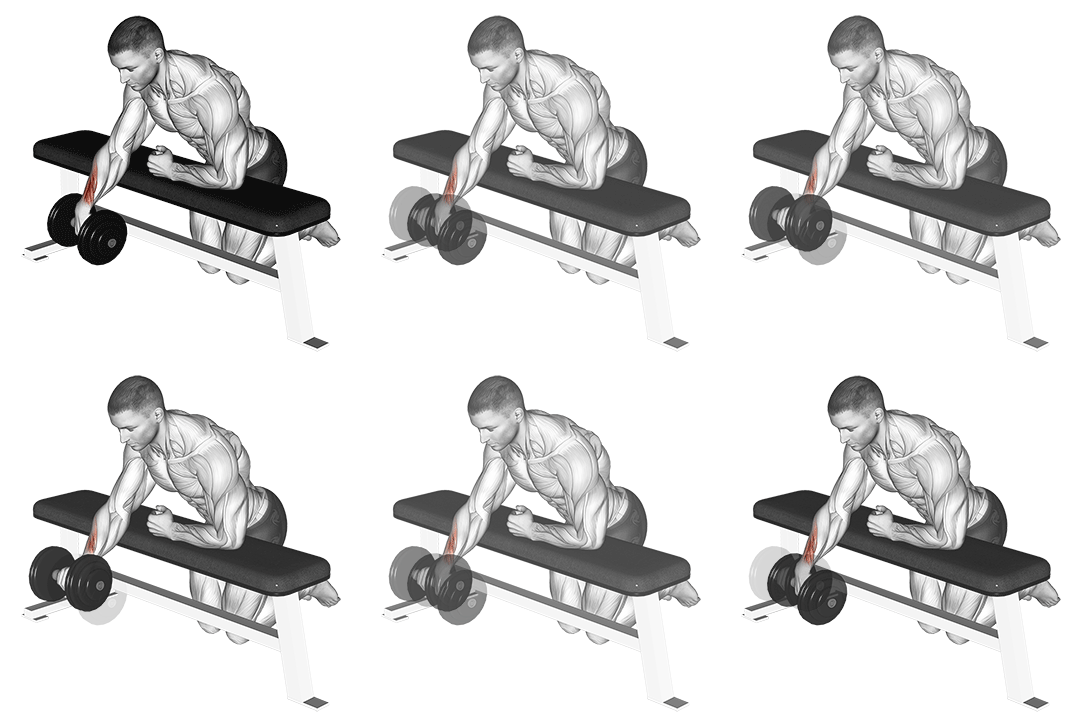
How to perform this exercise
- Sit on a bench with a dumbbell in one hand and your arm extended over the bench, palm facing up.
- Keep your upper arm stationary and curl the dumbbell towards your shoulder, keeping your wrist in a neutral position.
- Pause for a moment at the top, then slowly lower the dumbbell back to the starting position.
- Repeat for the desired number of repetitions, then switch arms.
Sets and reps: 3 sets of 10 to 15 reps on each side.
Why this matches
- Primary muscle: forearms, the same as the Dumbbell Lying Pronation
- Equipment: free weights, the same as the Dumbbell Lying Pronation
- Body position: seated, not lying on your back
Progression
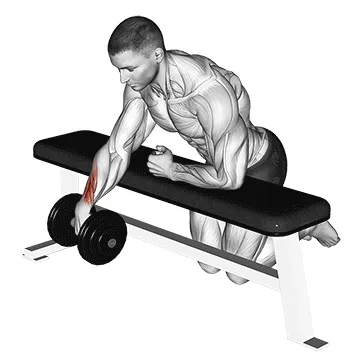
- Forearms
- Dumbbell
- Beginner
- Isolation
How to perform this exercise
- Sit on a bench with your feet flat on the ground and hold a dumbbell in one hand, palm facing down.
- Rest your forearm on the bench with your wrist hanging off the edge.
- Slowly curl your wrist upwards, bringing the dumbbell towards your forearm.
- Pause for a moment at the top, then slowly lower the dumbbell back down to the starting position.
- Repeat for the desired number of repetitions, then switch to the other arm.
Sets and reps: 3 sets of 10 to 15 reps on each side.
Why this matches
- Primary muscle: forearms, the same as the Dumbbell Lying Pronation
- Equipment: free weights, the same as the Dumbbell Lying Pronation
- Body position: seated, not lying on your back
- Forearms
- Dumbbell
- Beginner
- Isolation
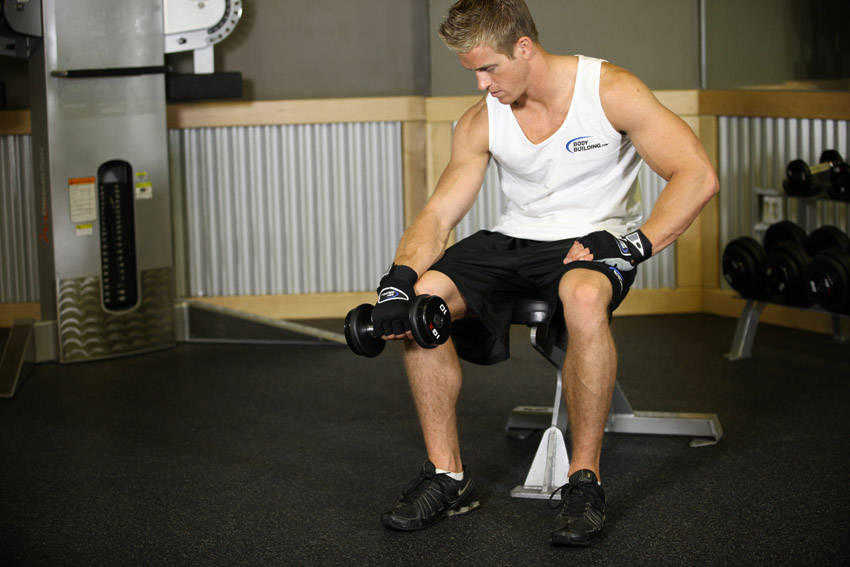
How to perform this exercise
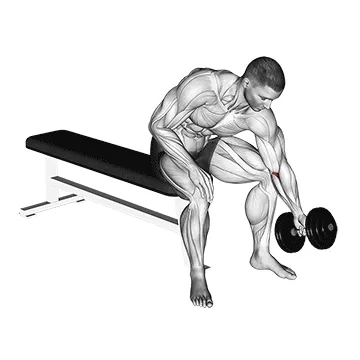
- Sit on a flat bench with a dumbbell in your right hand.
- Place your feet flat on the floor, at a distance that is slightly wider than shoulder width apart.
- Lean forward and place your right forearm on top of your upper right thigh with your palm down. Tip: Make sure that the back of the wrist lies on top of your knees. This will be your starting position.
- Lower the dumbbell as far as possible as you keep a tight grip on the dumbbell. Inhale as you perform this movement.
- Now curl the dumbbell as high as possible as you contract the forearms and as you exhale. Keep the contraction for a second before you lower again. Tip: The only movement should happen at the wrist.
- Perform for the recommended amount of repetitions, switch arms and repeat the movement.
Sets and reps: 3 sets of 10 to 15 reps on each side.
Why this matches
- Primary muscle: forearms, the same as the Dumbbell Lying Pronation
- Equipment: free weights, the same as the Dumbbell Lying Pronation
- Body position: seated, not lying on your back
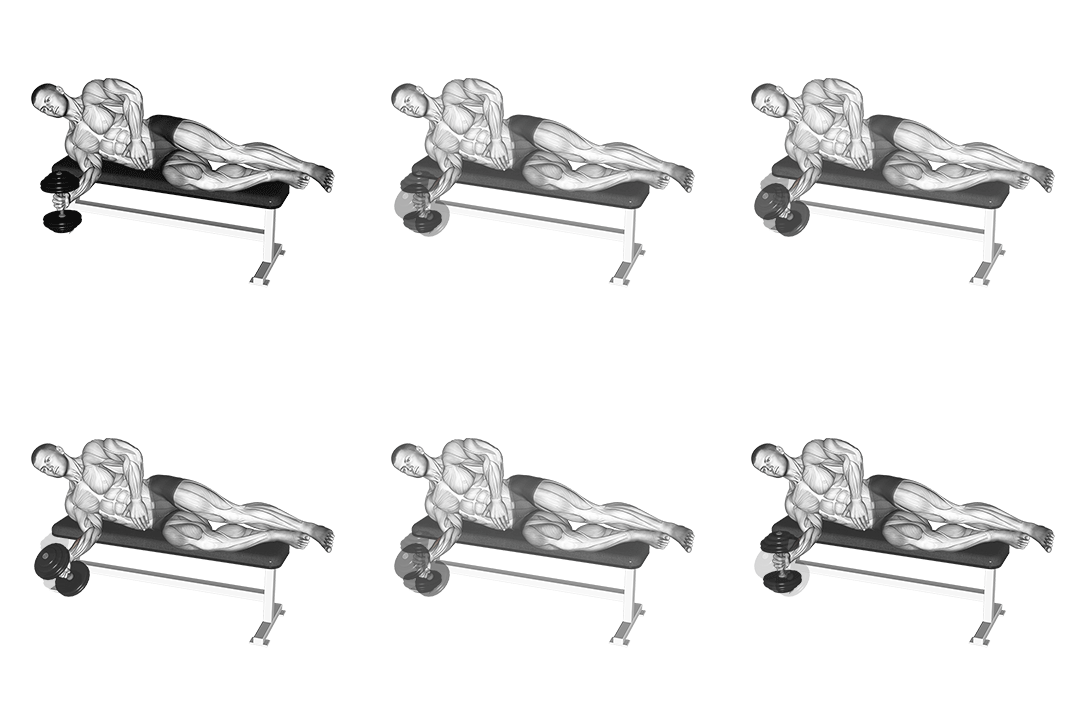
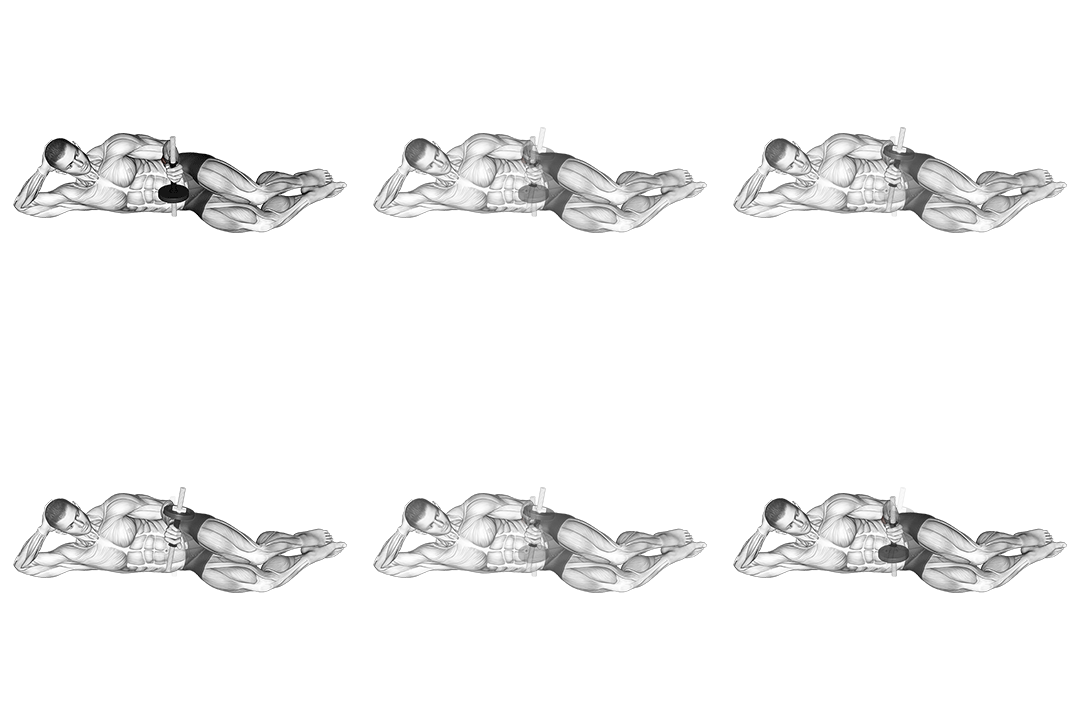
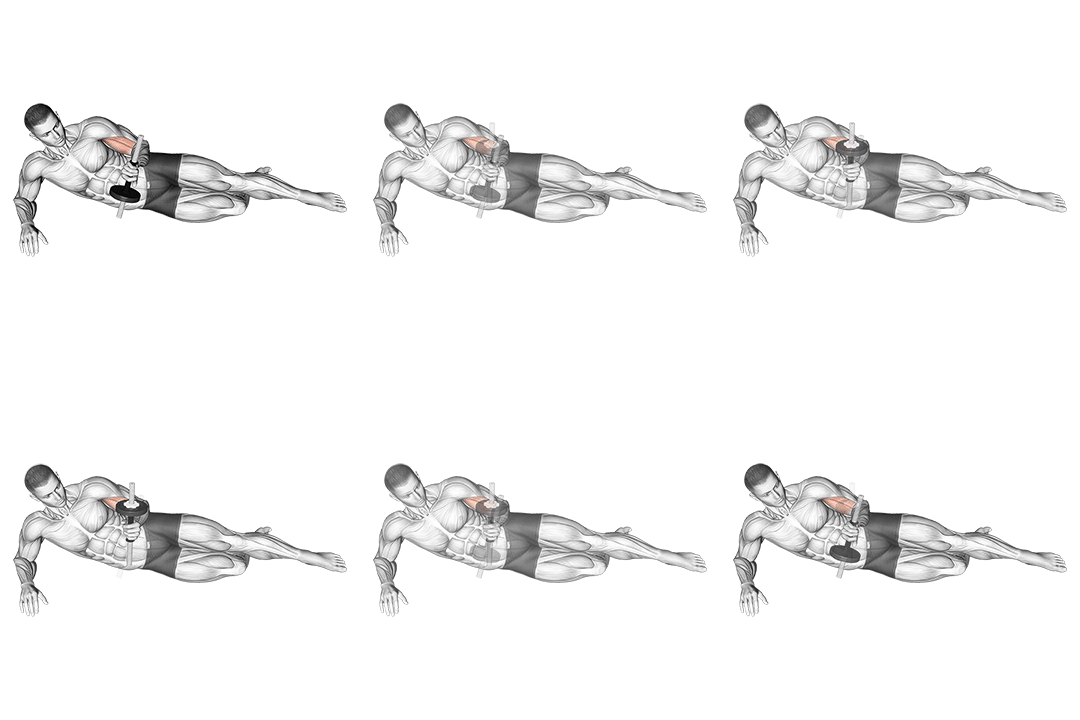
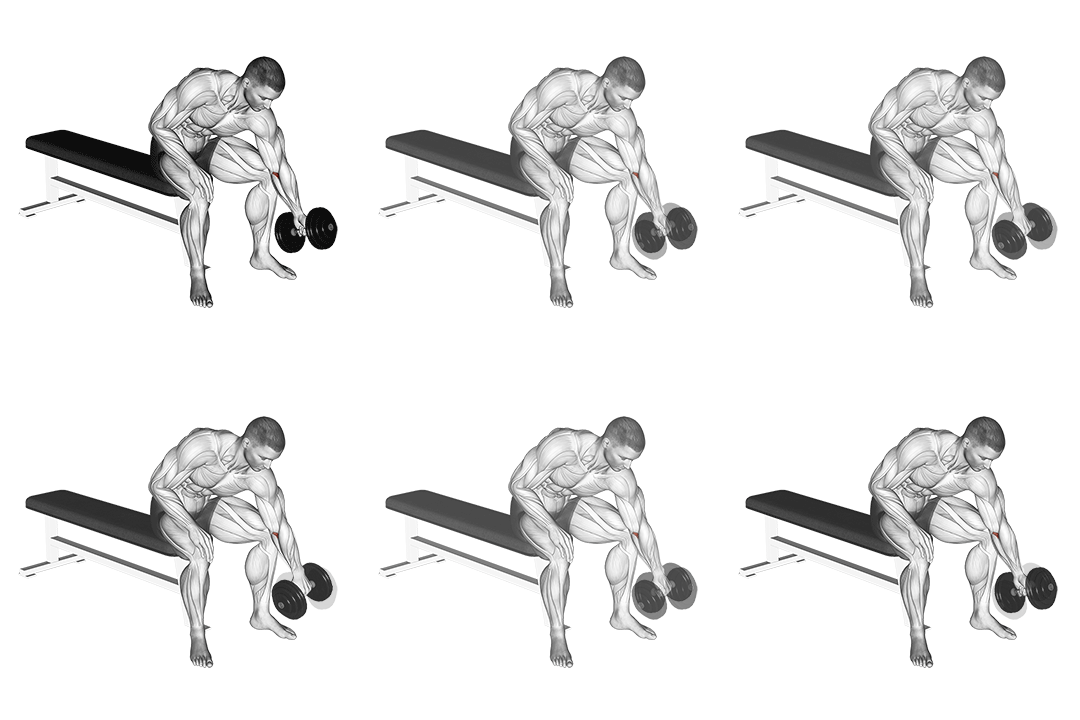
Why You Might Need a Dumbbell Lying Pronation Alternative
You may substitute Dumbbell Lying Pronation for pain management, equipment limits, or specific training goals. Lying pronation isolates forearm rotation but can irritate a sensitive wrist or require a dumbbell you don’t have. Alternatives change lever arm, grip, and resistance modality to maintain pronator teres and pronator quadratus loading while reducing shear or compensatory shoulder activity. For example, a wrist roller shifts load to torque through the wrists; cue: hold arms extended and wind slowly with wrist-only motion to prioritize forearm activation. Choosing a variation preserves targeted forearm rotational mechanics without stressing injured structures.
How to Choose the Right Dumbbell Lying Pronation Substitute
Evaluate equipment, loading capacity, range of motion, and pain response when picking a substitute. If you lack dumbbells, use a cable or band, anchor at elbow height and perform slow pronations with the elbow pinned at 90° to isolate the pronators. For rehab, favor short lever-arm tools like wrist rollers or banded isometrics to reduce eccentric stress; cue: perform controlled 3–5 second rotations and avoid shoulder movement. For hypertrophy, use heavier standing pronations or reverse curls with strict tempo (3-second eccentric) to increase time under tension while maintaining pure forearm rotation.
Dumbbell Lying Pronation FAQ
What muscles does Dumbbell Lying Pronation work?
Dumbbell Lying Pronation primarily targets the pronator teres and pronator quadratus while recruiting wrist flexors for stabilization. With the elbow supported, it isolates forearm rotation; cue: keep the upper arm stationary and rotate the palm from supinated to pronated to maximize pronator activation.
What is the best bodyweight alternative to Dumbbell Lying Pronation?
A practical bodyweight alternative is an isometric doorframe pronation: press the back of your hand into a fixed frame and attempt to rotate the palm downward against immovable resistance. Cue: hold the elbow at 90°, create tension with the forearm, and maintain steady force to engage the pronators without external load.
Find Alternatives for Any Exercise
Search the exercise database and filter the ranked substitutes by the equipment you own.
Similarity scores compare exercise metadata such as movement pattern, muscles, equipment and body position. They are not a safety rating or a check that you own the equipment. Learn about our methodology