

10 Best Dumbbell Seated Shoulder Press Alternatives for Limited Gear
If you can't perform the dumbbell seated shoulder press, substitute presses that keep a vertical push pattern: standing dumbbell or barbell press, Arnold press, landmine press, push press, or pike push-ups. Pick a movement that maintains deltoid and triceps loading and scapular control. Technique cue: brace your core, tuck your ribs, and press through the heel of the hand to engage the delts.
Original Exercise: Dumbbell Seated Shoulder Press
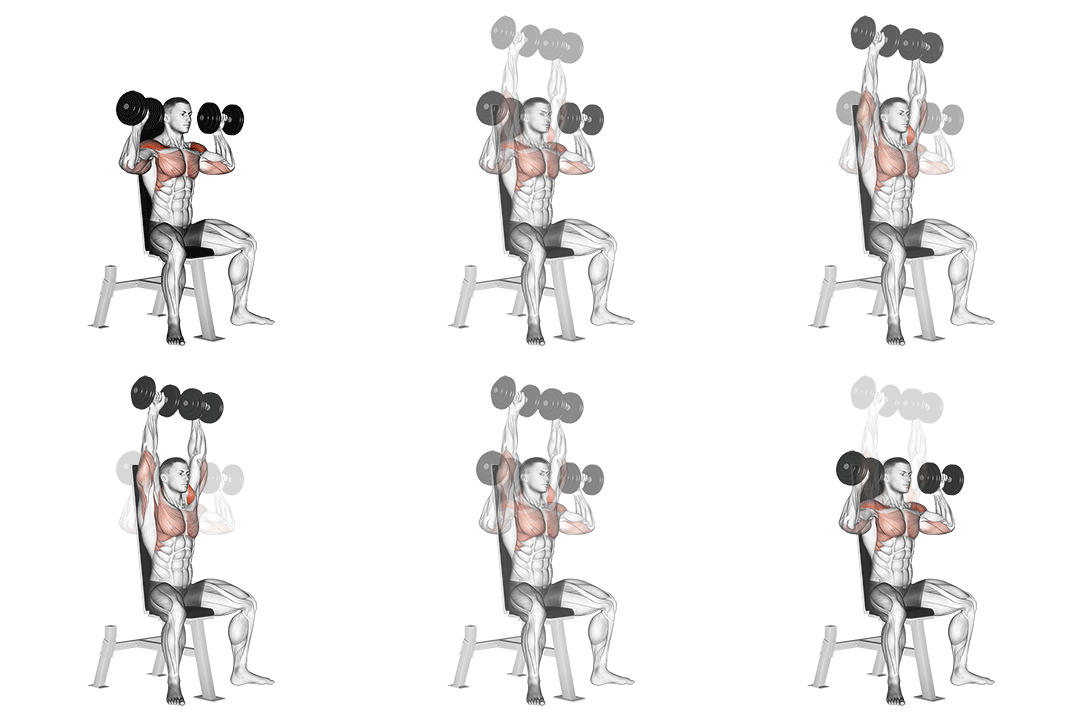
How to Perform Dumbbell Seated Shoulder Press
- Sit on a bench with a dumbbell in each hand, resting on your thighs.
- Raise the dumbbells to shoulder height, palms facing forward.
- Press the dumbbells upward until your arms are fully extended overhead.
- Pause for a moment at the top, then slowly lower the dumbbells back to shoulder height.
- Repeat for the desired number of repetitions.
Best Dumbbell Seated Shoulder Press Alternatives
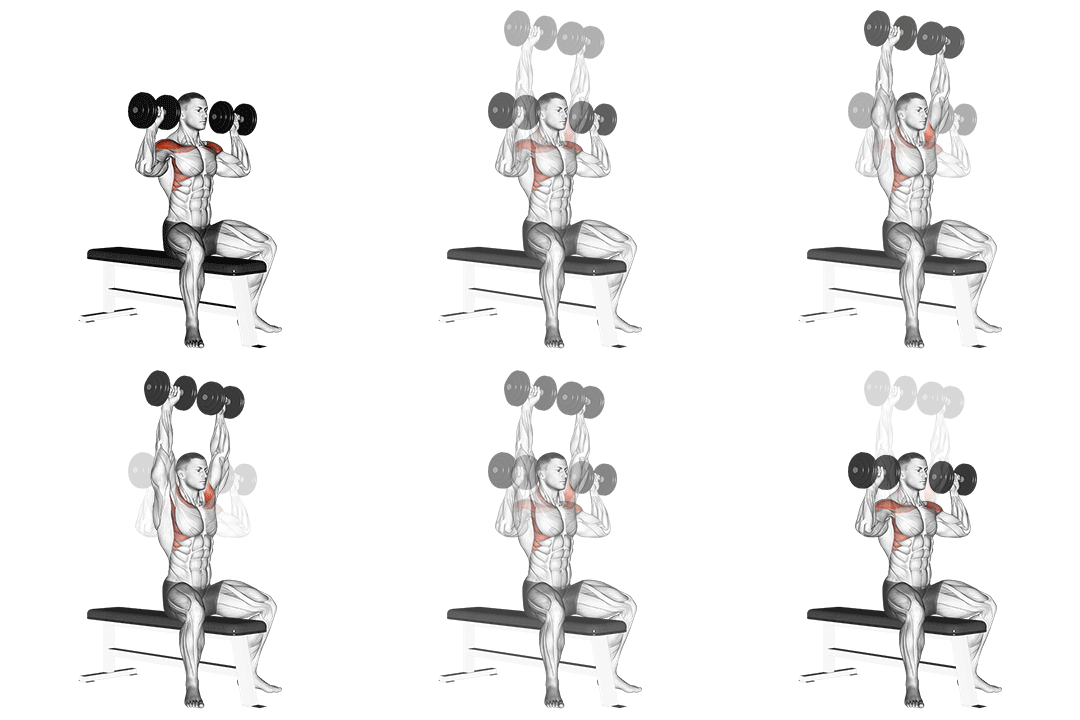
1. Dumbbell Bench Seated Press
99.9% MatchHow to perform this exercise
- Sit on a bench with a dumbbell in each hand, resting on your thighs.
- Lean back and position the dumbbells to the sides of your chest, palms facing forward.
- Press the dumbbells upward until your arms are fully extended.
- Pause for a moment at the top, then slowly lower the dumbbells back to the starting position.
- Repeat for the desired number of repetitions.
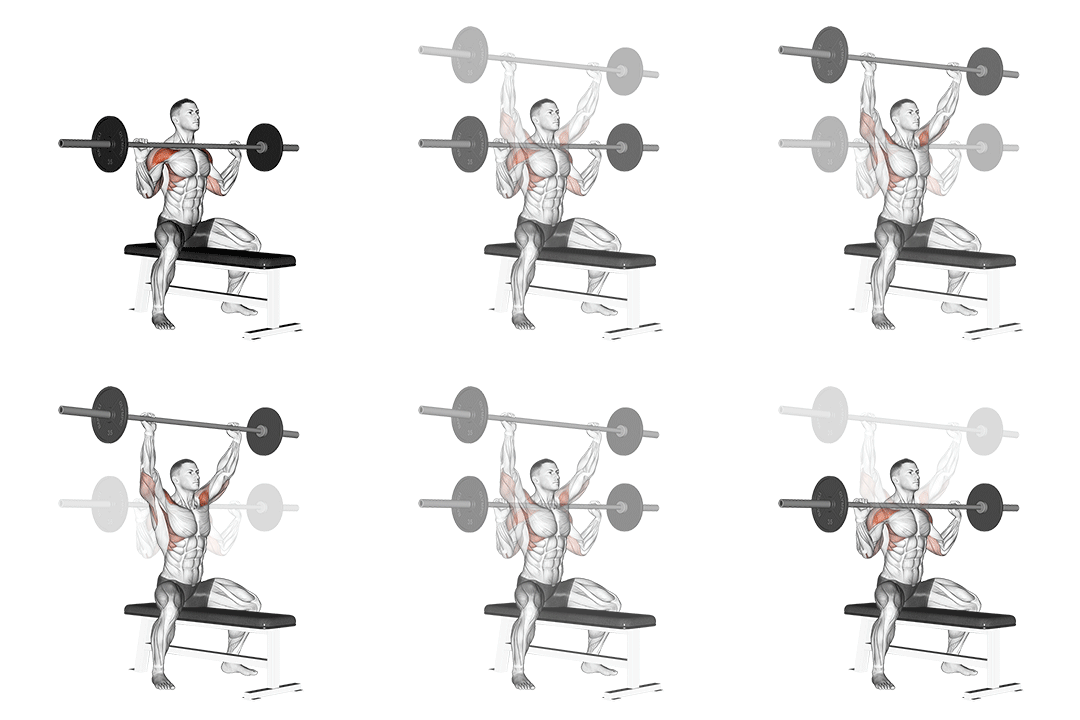
2. Barbell Seated Overhead Press
99.9% MatchHow to perform this exercise
- Sit on a bench with your back straight and feet flat on the ground.
- Hold the barbell with an overhand grip, slightly wider than shoulder-width apart.
- Lift the barbell off the rack and bring it to shoulder level, with your elbows bent and palms facing forward.
- Press the barbell overhead by extending your arms fully.
- Pause for a moment at the top, then slowly lower the barbell back to shoulder level.
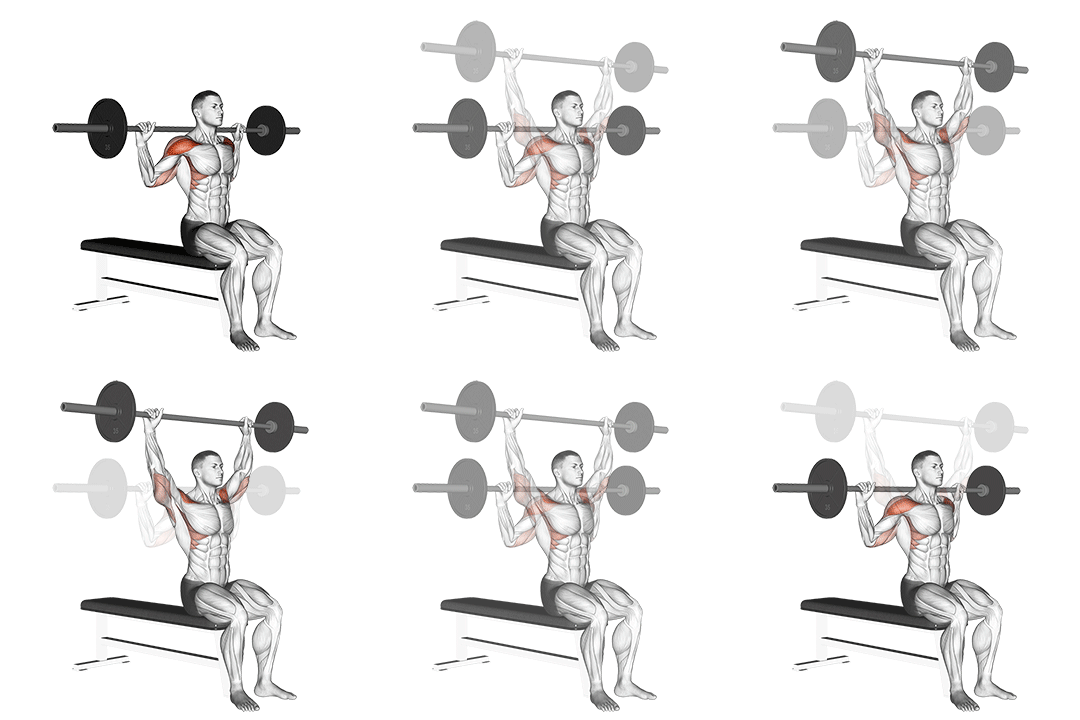
3. Barbell Seated Behind Head Military Press
99.4% MatchHow to perform this exercise
- Sit on a bench with your back straight and feet flat on the ground.
- Hold the barbell with an overhand grip, slightly wider than shoulder-width apart.
- Lift the barbell off the rack and bring it down to shoulder level, behind your head.
- Press the barbell upward until your arms are fully extended.
- Lower the barbell back down to the starting position.
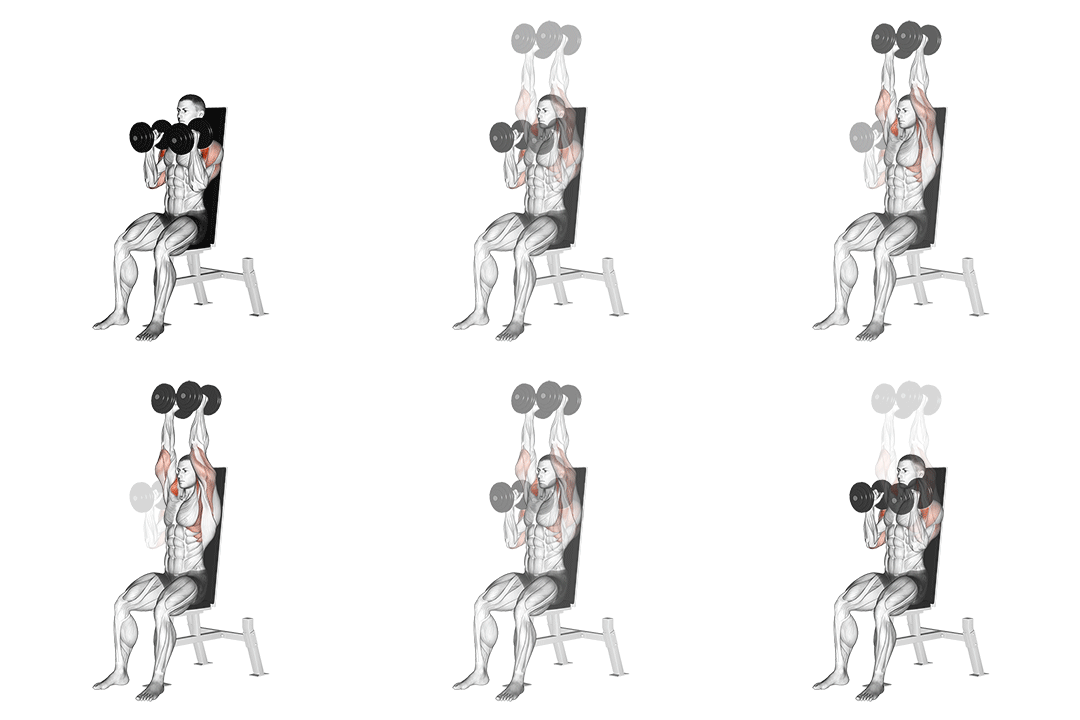
4. Dumbbell Seated Shoulder Press (parallel Grip)
96% MatchHow to perform this exercise
- Sit on a bench with a dumbbell in each hand, palms facing inward.
- Raise the dumbbells to shoulder height, elbows bent and palms facing forward.
- Press the dumbbells upward until your arms are fully extended overhead.
- Pause for a moment at the top, then slowly lower the dumbbells back to shoulder height.
- Repeat for the desired number of repetitions.
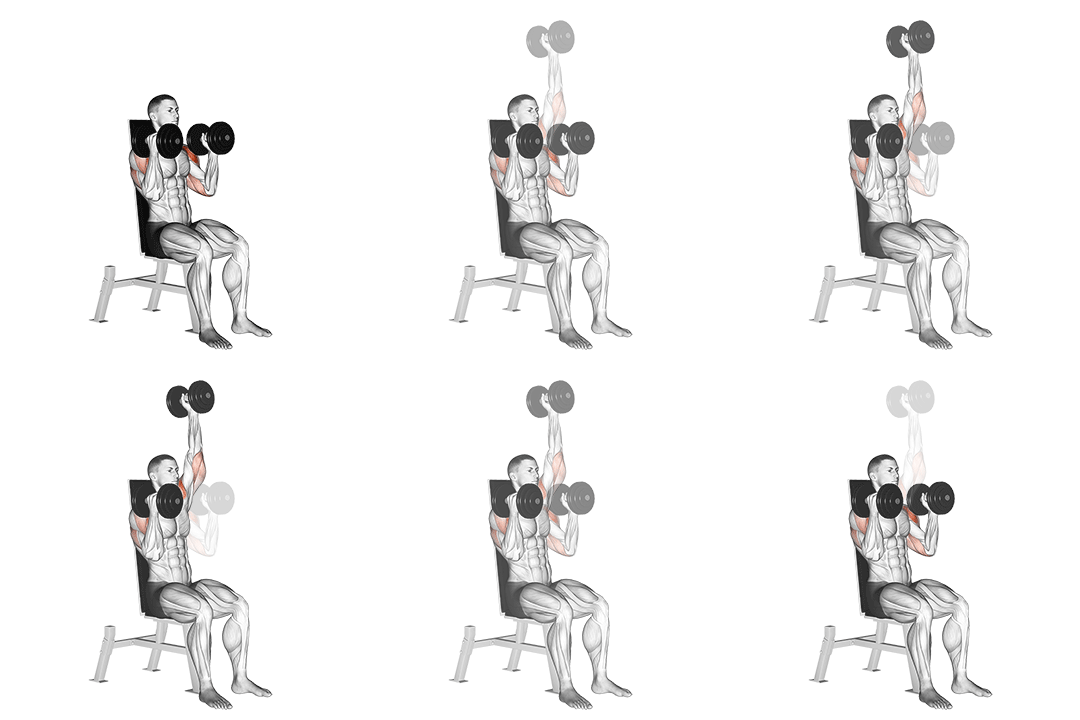
5. Dumbbell Seated Alternate Press
93% MatchHow to perform this exercise
- Sit on a bench with a dumbbell in each hand, palms facing forward.
- Raise the dumbbells to shoulder height, with your elbows bent and palms facing forward.
- Press one dumbbell up overhead, fully extending your arm.
- Lower the dumbbell back down to shoulder height.
- Repeat with the other arm.
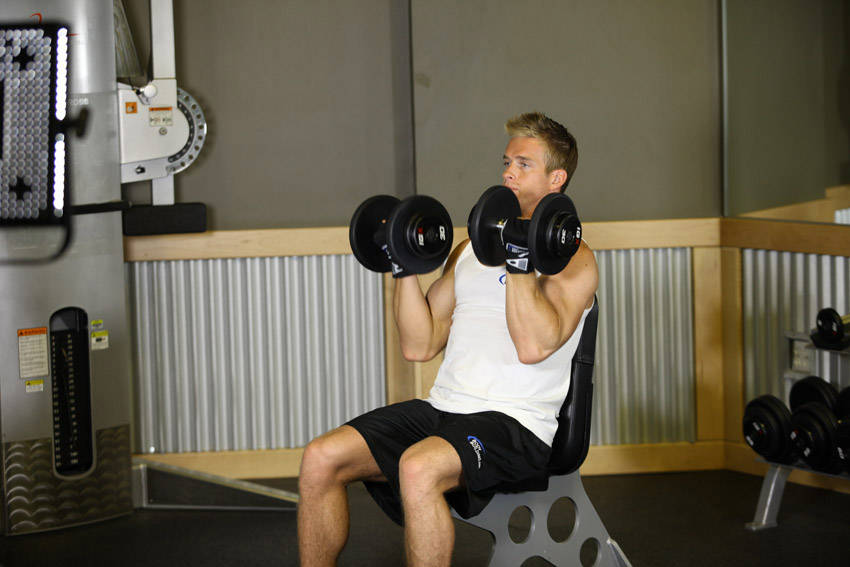
6. Arnold Dumbbell Press
90.2% MatchHow to perform this exercise
- Sit on an exercise bench with back support and hold two dumbbells in front of you at about upper chest level with your palms facing your body and your elbows bent. Tip: Your arms should be next to your torso. The starting position should look like the contracted portion of a dumbbell curl.
- Now to perform the movement, raise the dumbbells as you rotate the palms of your hands until they are facing forward.
- Continue lifting the dumbbells until your arms are extended above you in straight arm position. Breathe out as you perform this portion of the movement.
- After a second pause at the top, begin to lower the dumbbells to the original position by rotating the palms of your hands towards you. Tip: The left arm will be rotated in a counter clockwise manner while the right one will be rotated clockwise. Breathe in as you perform this portion of the movement.
- Repeat for the recommended amount of repetitions.
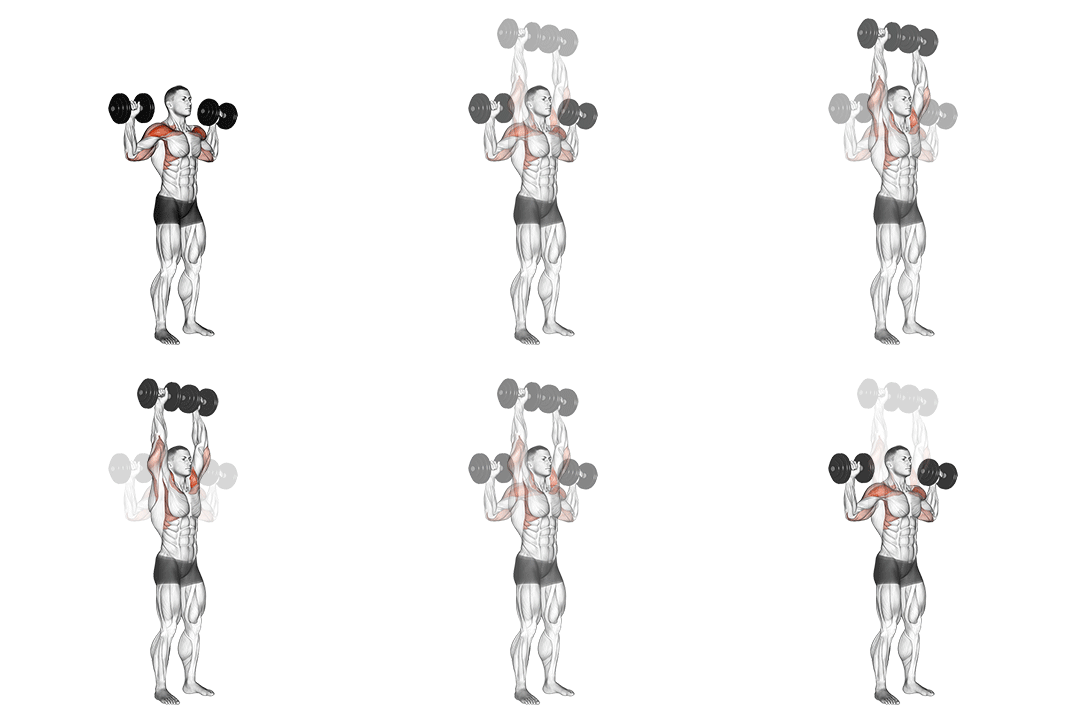
7. Dumbbell Standing Overhead Press
89.9% MatchHow to perform this exercise
- Stand with your feet shoulder-width apart, holding a dumbbell in each hand at shoulder level with your palms facing forward.
- Press the dumbbells upward until your arms are fully extended overhead.
- Pause for a moment at the top, then slowly lower the dumbbells back down to shoulder level.
- Repeat for the desired number of repetitions.
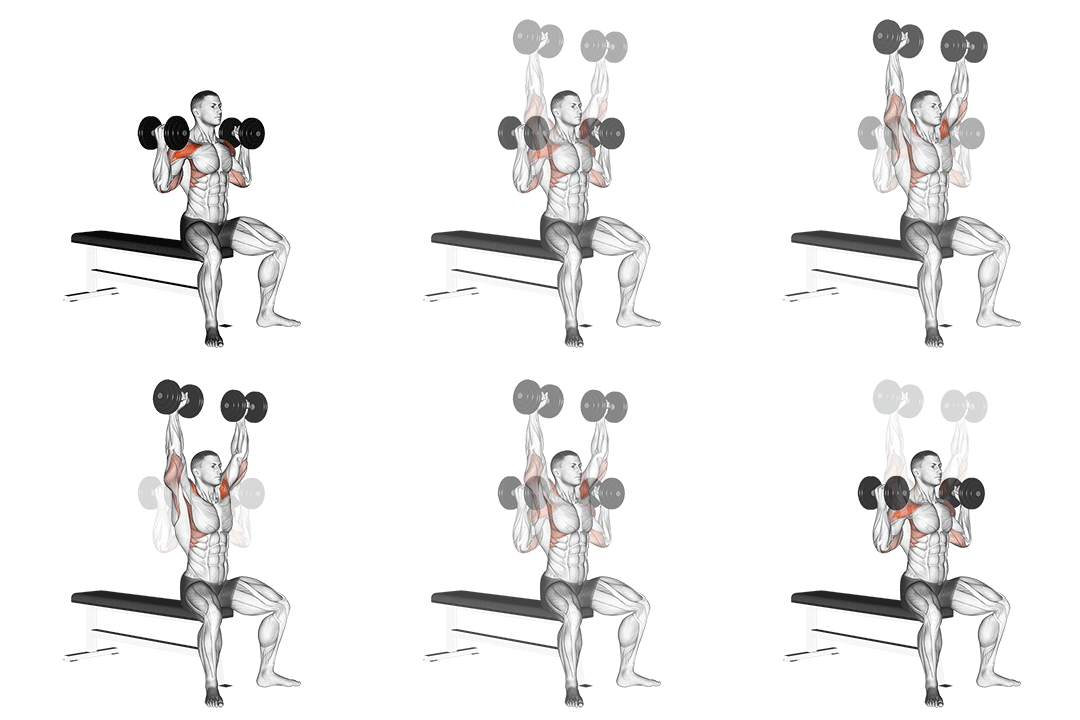
8. Dumbbell Arnold Press V. 2
85.9% MatchHow to perform this exercise
- Sit on a bench with back support and hold a dumbbell in each hand at shoulder level, palms facing your body and elbows bent.
- Press the dumbbells upward until your arms are fully extended and your palms are facing forward.
- Rotate your wrists as you lift, so that your palms end up facing forward at the top of the movement.
- Pause for a moment at the top, then slowly lower the dumbbells back to the starting position.
- Repeat for the desired number of repetitions.
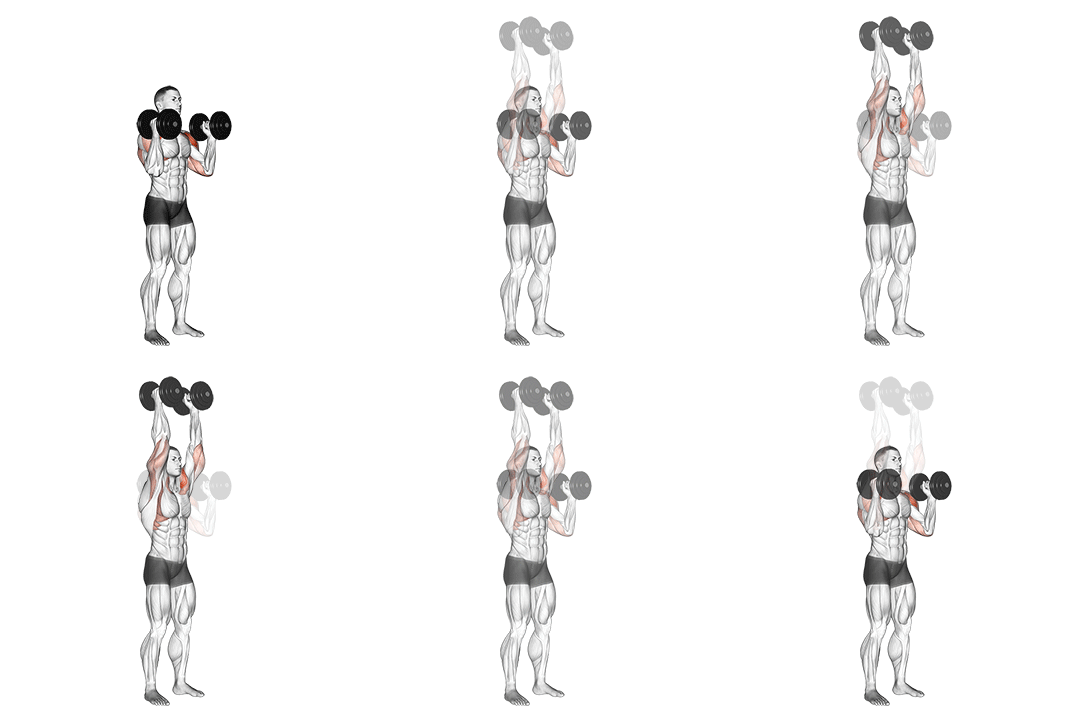
9. Dumbbell Standing Palms In Press
85.9% MatchHow to perform this exercise
- Stand with your feet shoulder-width apart, holding a dumbbell in each hand at shoulder level with your palms facing inwards.
- Keeping your core engaged and your back straight, press the dumbbells upwards until your arms are fully extended overhead.
- Pause for a moment at the top, then slowly lower the dumbbells back to the starting position.
- Repeat for the desired number of repetitions.
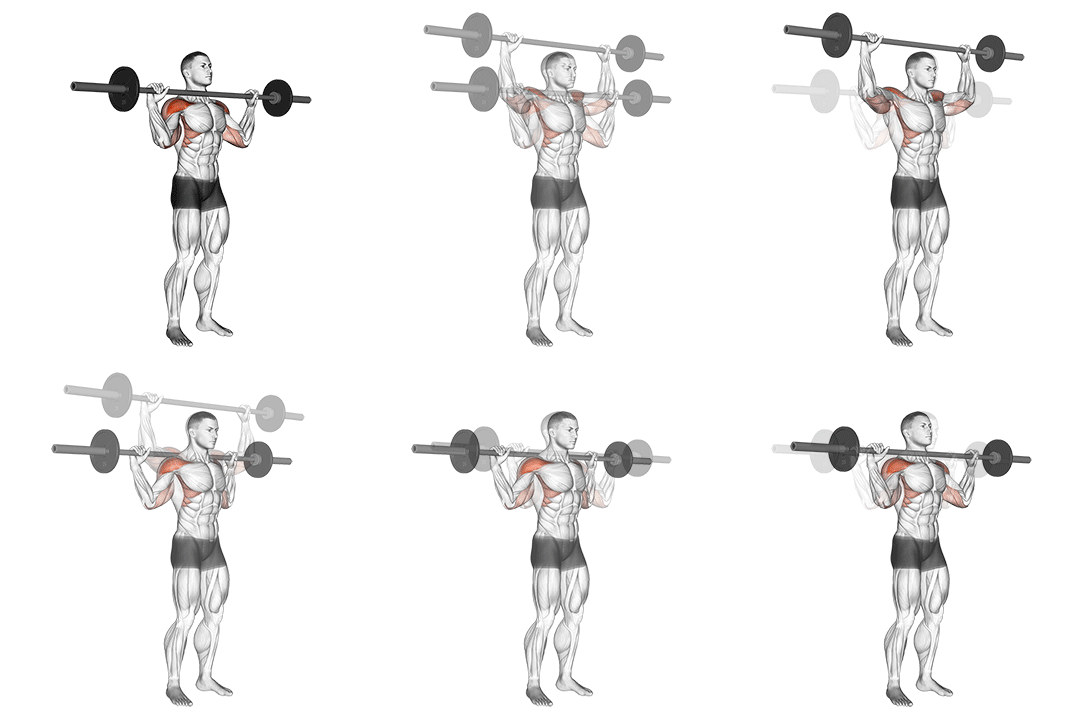
10. Barbell Standing Bradford Press
85.3% MatchHow to perform this exercise
- Stand with your feet shoulder-width apart and hold the barbell in front of your shoulders with an overhand grip.
- Press the barbell overhead, fully extending your arms.
- Lower the barbell back down to the starting position.
- Repeat for the desired number of repetitions.
Why You Might Need a Dumbbell Seated Shoulder Press Alternative
You may need alternatives for shoulder pain, limited equipment, or to target different movement demands. Seated dumbbell press loads the deltoids with a stabilized torso; if you lack a bench, have rotator cuff irritation, or want unilateral work, swap to a more joint-friendly or core-challenging option. Consider biomechanics: choose movements that preserve upward force vectors and scapular upward rotation to keep the anterior and lateral deltoids activated. Technique cue: avoid flaring elbows past 90 degrees and keep the scapulae retracted during the press to offload the joint.
How to Choose the Right Substitute
Match the substitute to your goal, equipment, and injury history. For pure deltoid strength with similar loading, use a barbell or standing dumbbell press; for shoulder health, use landmine or single-arm variations to reduce shear. For greater core demand or power, choose push press. Compare muscle activation: unilateral presses increase rotator cuff and serratus anterior stabilization, while bilateral barbell presses allow heavier axial load. Technique cue: control descent for 2 seconds and press with an intentional scapular upward rotation to maintain deltoid emphasis.
Frequently Asked Questions
What muscles does Dumbbell Seated Shoulder Press work?
The dumbbell seated shoulder press primarily targets the anterior and lateral deltoids, with secondary load on the triceps and upper trapezius. It also demands scapular stabilizers and the rotator cuff to control the upward rotation and external rotation of the shoulder.
What is the best bodyweight alternative to Dumbbell Seated Shoulder Press?
A pike push-up or a wall-assisted handstand push-up replicates the vertical pressing angle and spikes deltoid activation without equipment. Technique cue: keep hips high, drive the crown of the head toward the floor, and maintain scapular protraction on the descent to load the delts efficiently.
Can I build muscle without doing Dumbbell Seated Shoulder Press?
Yes. You can achieve comparable hypertrophy with barbell overhead presses, Arnold presses, single-arm dumbbell presses, and progressive push-up variants that load the deltoids. Focus on progressive overload, full range of motion, and controlled eccentric tempo to maximize deltoid activation.
More Exercise Alternatives
Find Alternatives for Any Exercise
Use our free tool to discover the best substitute exercises based on your available equipment and goals.
Try the Exercise Substitution Finder →