

10 Best Exercise Ball Lat Stretch Alternatives for Home Workouts
If you can't use the Exercise Ball Lat Stretch, choose targeted options like the doorframe lat stretch, child's pose lat reach, band-assisted overhead stretch, kneeling bench lat mobilization, or foam-roller lateral flexion. For each, reach the arm overhead, push hips back, and keep the ribs anchored so the latissimus dorsi lengthens without shoulder compensation.
Original Exercise: Exercise Ball Lat Stretch
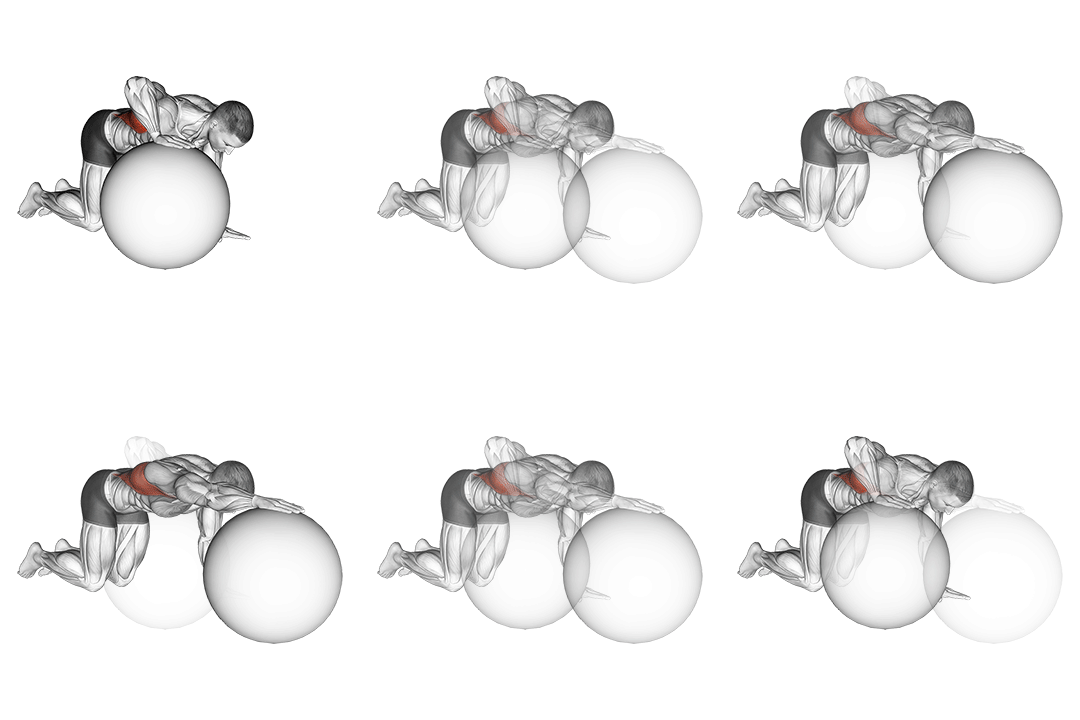
How to Perform Exercise Ball Lat Stretch
- Sit on a stability ball with your feet flat on the ground and your back straight.
- Hold a dumbbell in one hand and extend your arm straight up overhead.
- Slowly lean to the opposite side, feeling a stretch in your lat muscle.
- Hold the stretch for 20-30 seconds, then return to the starting position.
- Repeat on the other side.
Ranked Exercise Ball Lat Stretch Alternatives
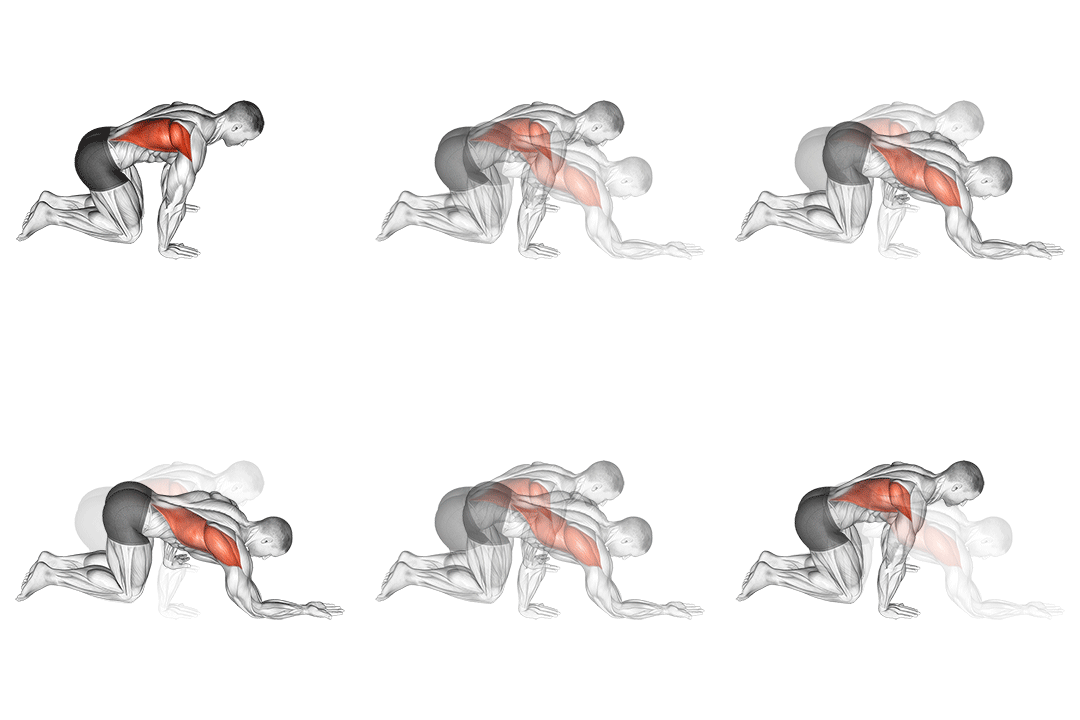
1. Kneeling Lat Stretch
97.7% MatchHow to perform this exercise
- Kneel on the ground with your knees hip-width apart and your toes pointing back.
- Extend your arms overhead and interlace your fingers.
- Keeping your back straight, slowly lean to the right side, feeling a stretch in your left lat muscle.
- Hold the stretch for 20-30 seconds, then return to the starting position.
- Repeat the stretch on the left side, leaning to the left and feeling a stretch in your right lat muscle.
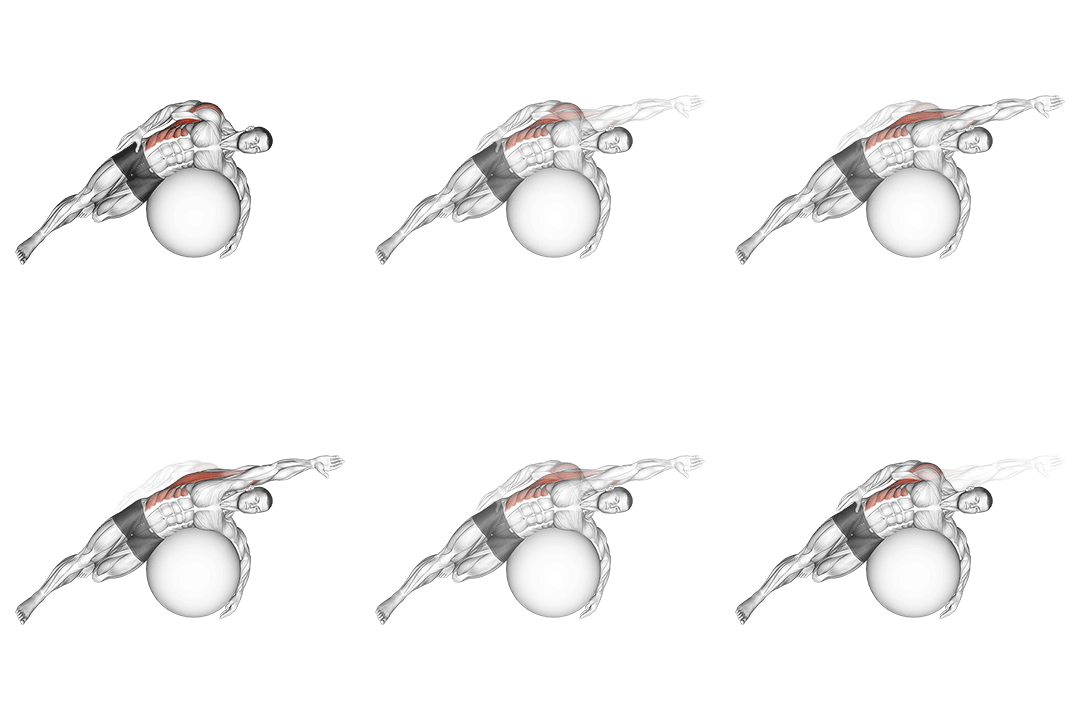
2. Exercise Ball Lying Side Lat Stretch
91.2% MatchHow to perform this exercise
- Lie on your side with your legs extended and your head supported by the stability ball.
- Place your top arm on the ball for stability.
- Reach your top arm overhead and allow your torso to rotate slightly.
- Feel the stretch in your lat muscles on the side of your body.
- Hold the stretch for 20-30 seconds, then switch sides and repeat.
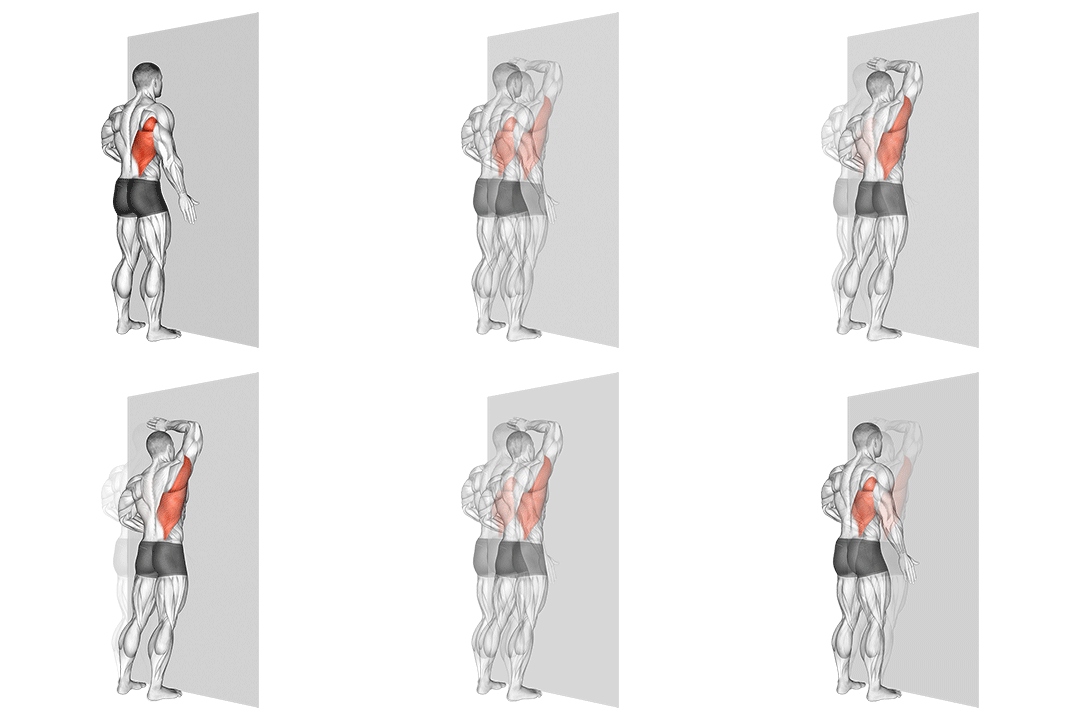
3. One Arm Against Wall
84.3% MatchHow to perform this exercise
- Stand facing a wall with your feet shoulder-width apart.
- Extend one arm straight out in front of you and place your palm against the wall.
- Engage your core and lean your body forward, keeping your arm straight and your back flat.
- Slowly push against the wall with your palm, activating your lat muscles.
- Hold the position for a few seconds, then release and repeat with the other arm.
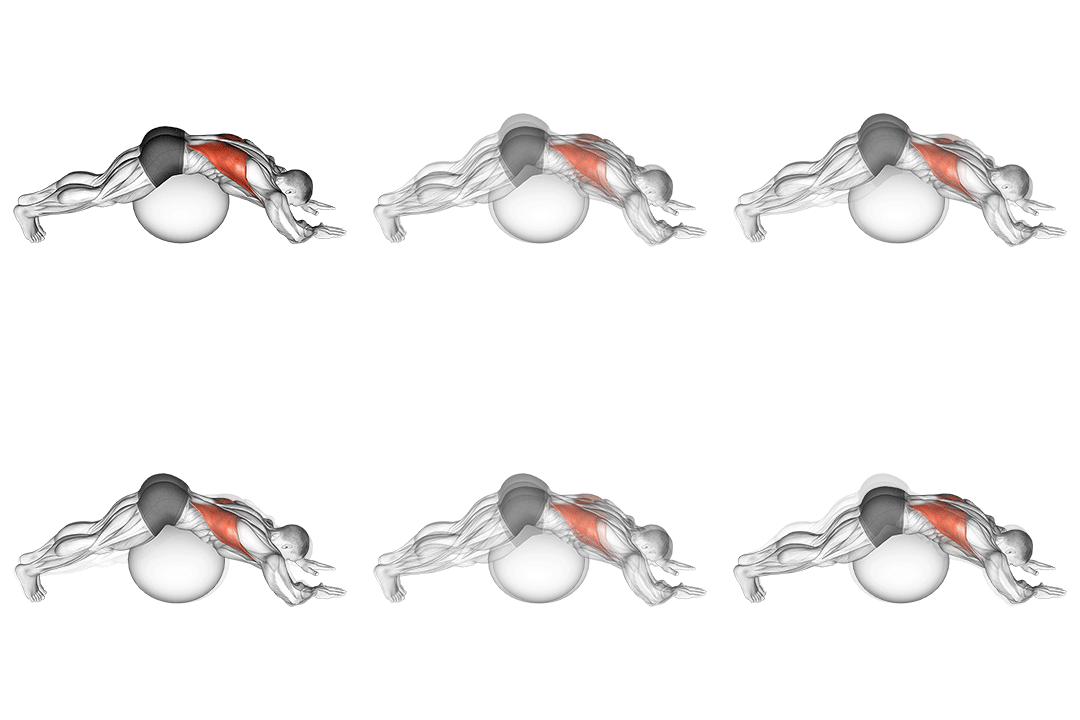
4. Exercise Ball Lower Back Stretch (pyramid)
84.2% MatchHow to perform this exercise
- Sit on the stability ball with your feet flat on the ground and your knees bent at a 90-degree angle.
- Slowly walk your feet forward, rolling the ball down your back until your lower back is resting on the ball.
- Place your hands behind your head or cross them over your chest.
- Engage your core and slowly lower your upper body towards the ground, allowing your lower back to stretch over the ball.
- Hold the stretch for a few seconds, then slowly return to the starting position.
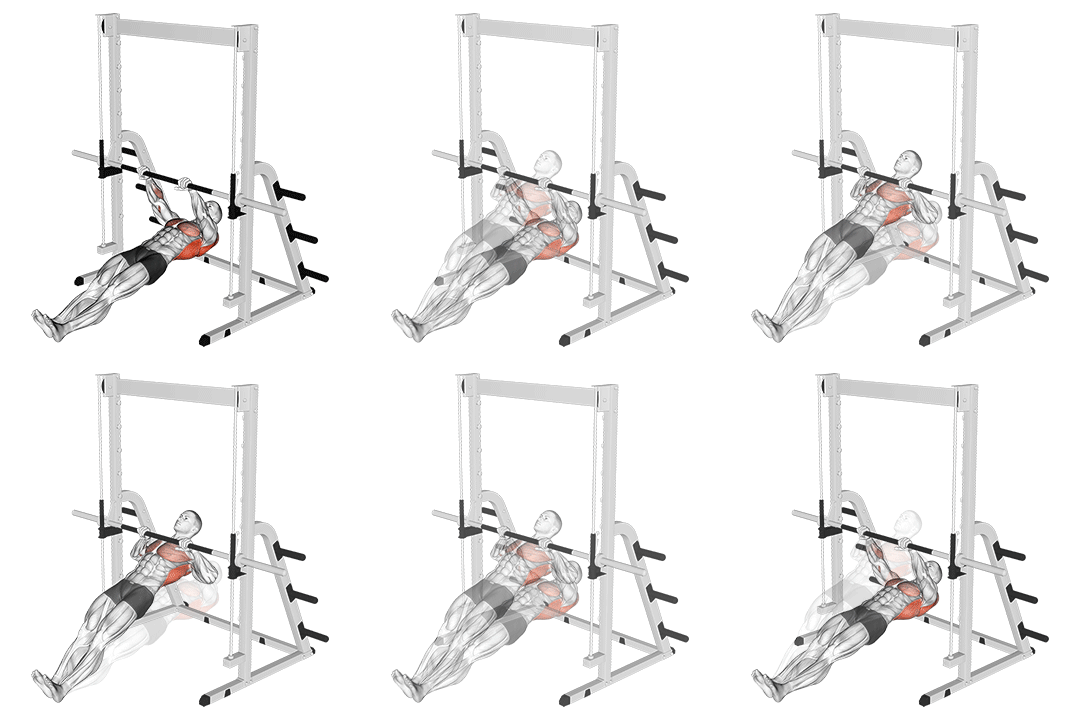
5. Inverted Row
74.3% MatchHow to perform this exercise
- Set up a bar at waist height or use a suspension trainer.
- Stand facing the bar or suspension trainer, with your feet shoulder-width apart.
- Grab the bar or handles with an overhand grip, slightly wider than shoulder-width apart.
- Lean back, keeping your body straight and your heels on the ground.
- Pull your chest towards the bar or handles, squeezing your shoulder blades together.
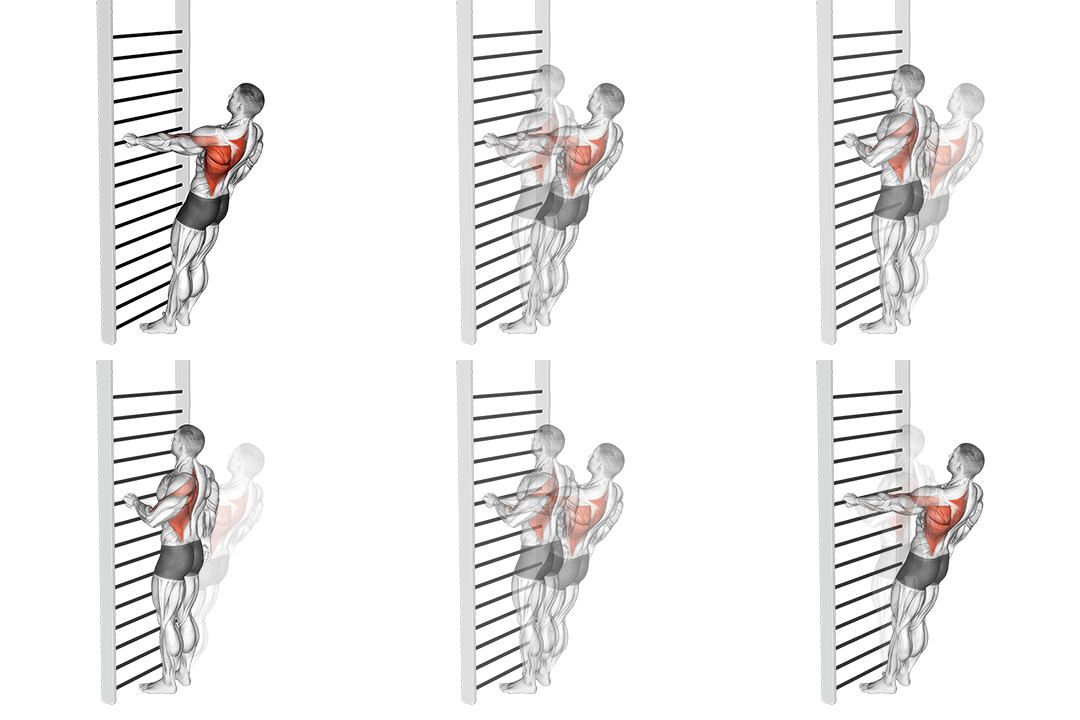
6. Bodyweight Standing One Arm Row
72.7% MatchHow to perform this exercise
- Stand with your feet shoulder-width apart, knees slightly bent, and hold a dumbbell in one hand.
- Bend forward at the hips, keeping your back straight and your core engaged.
- Let the dumbbell hang straight down in front of you, with your arm fully extended.
- Pull the dumbbell up towards your chest, keeping your elbow close to your body.
- Squeeze your shoulder blades together at the top of the movement.
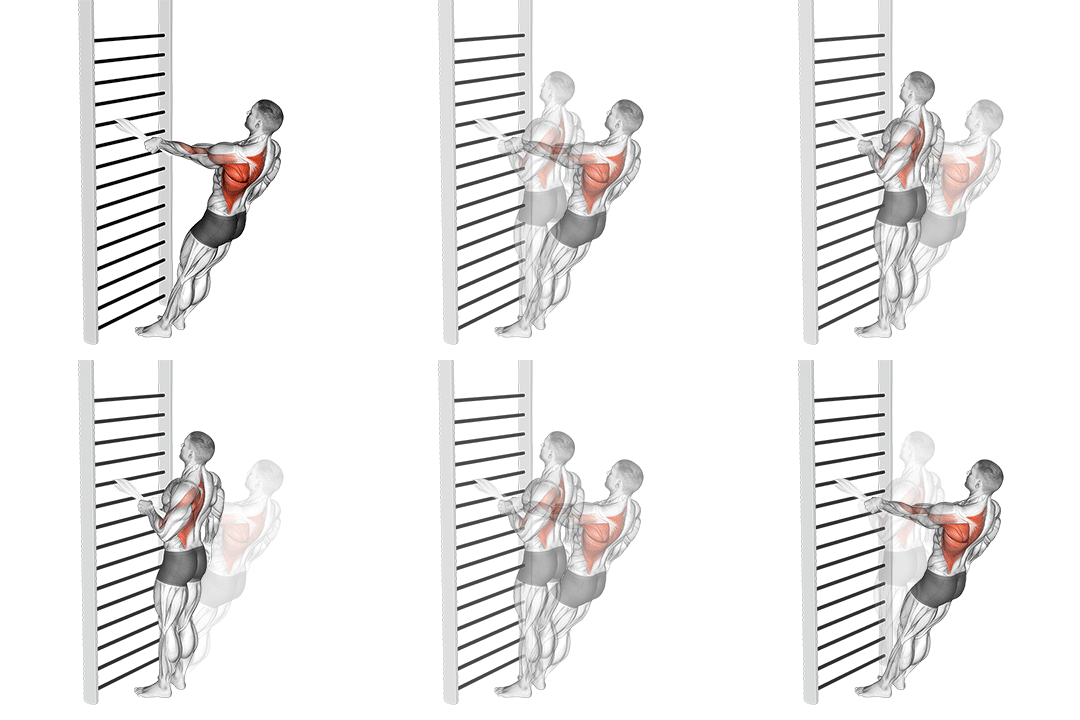
7. Bodyweight Standing One Arm Row (with Towel)
71.9% MatchHow to perform this exercise
- Stand with your feet shoulder-width apart, knees slightly bent, and hold a towel with one hand.
- Bend forward at the hips, keeping your back straight and your core engaged.
- Pull the towel towards your chest, squeezing your shoulder blades together.
- Pause for a moment at the top, then slowly lower the towel back to the starting position.
- Repeat for the desired number of repetitions, then switch to the other arm.
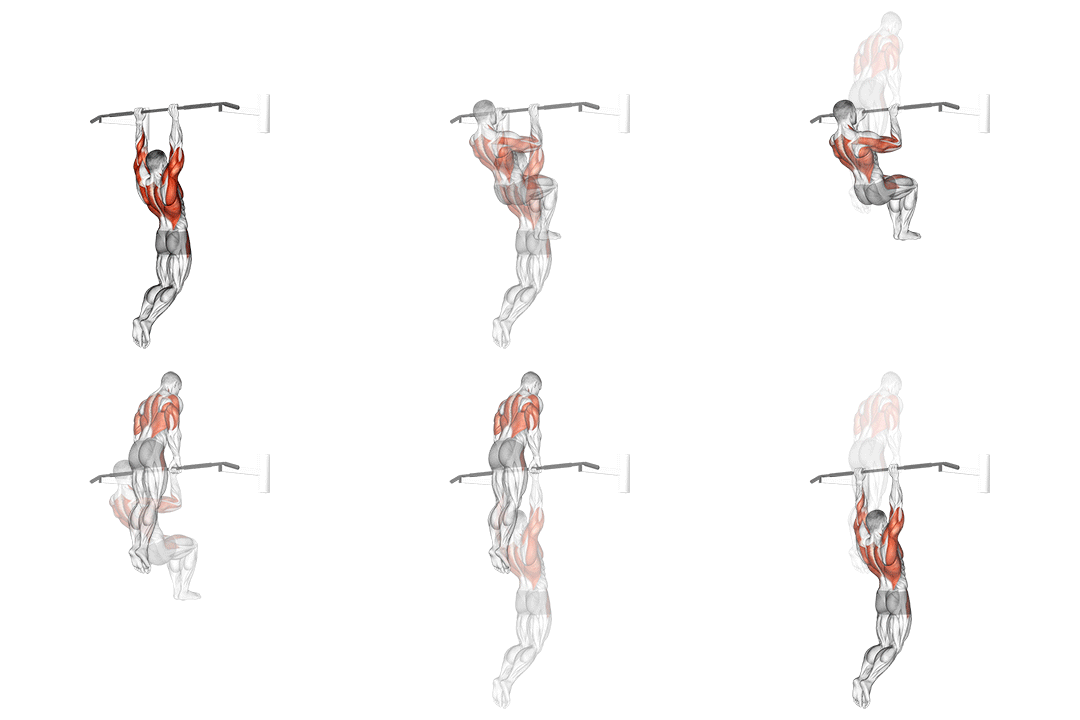
8. Muscle-up (on Vertical Bar)
70.6% MatchHow to perform this exercise
- Start by hanging from a vertical bar with your palms facing away from you and your arms fully extended.
- Engage your core and pull your body up towards the bar, leading with your chest.
- As you pull yourself up, lean back slightly and bring your elbows towards your sides.
- Continue pulling until your chest reaches the bar and your elbows are fully bent.
- Pause for a moment at the top, then slowly lower yourself back down to the starting position.
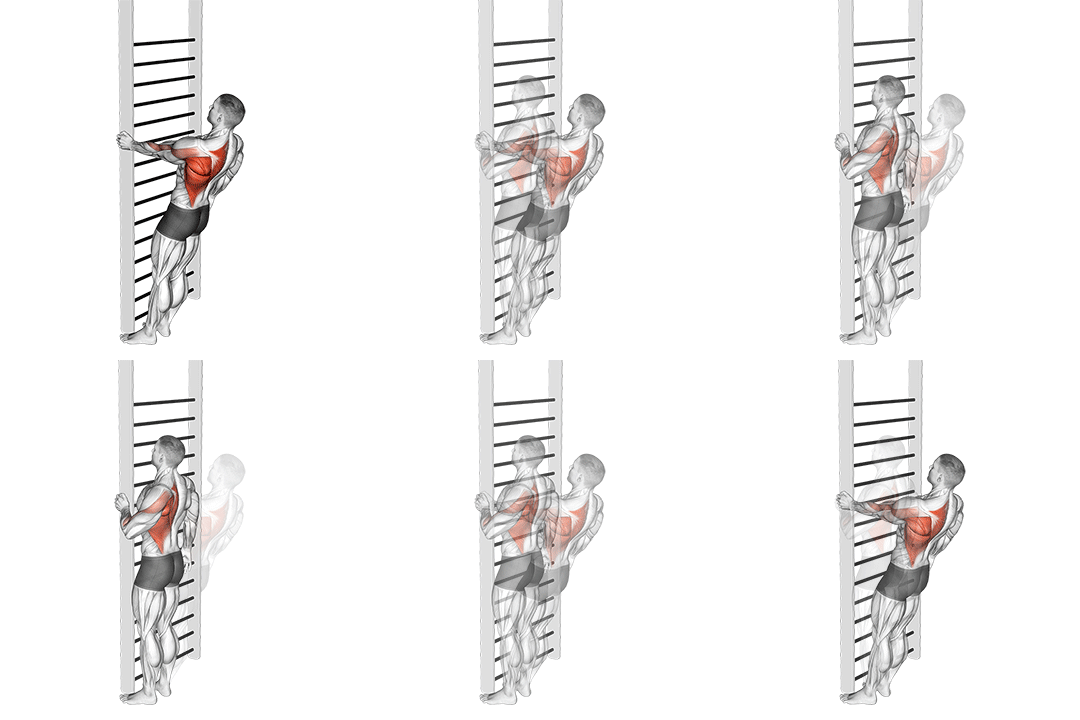
9. Bodyweight Standing Close-grip One Arm Row
69.2% MatchHow to perform this exercise
- Stand with your feet shoulder-width apart, knees slightly bent, and hold a dumbbell in one hand with a neutral grip.
- Bend forward at the hips, keeping your back straight and your core engaged.
- Pull the dumbbell up towards your chest, keeping your elbow close to your body and squeezing your shoulder blades together.
- Pause for a moment at the top, then slowly lower the dumbbell back down to the starting position.
- Repeat for the desired number of repetitions, then switch sides.
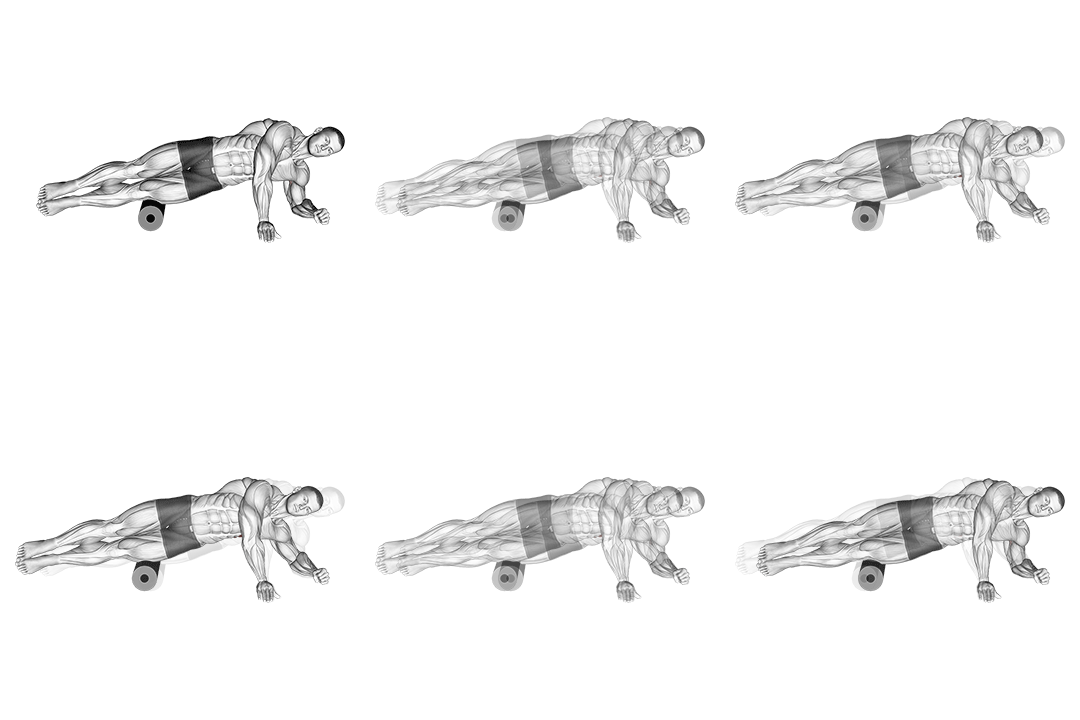
10. Roller Side Lat Stretch
68.3% MatchHow to perform this exercise
- Stand with your feet shoulder-width apart and hold the roller with both hands in front of your body.
- Bend your knees slightly and hinge forward at the hips, keeping your back straight.
- Extend your arms forward and roll the roller down towards your feet, feeling a stretch in your lats.
- Hold the stretch for a few seconds, then slowly roll the roller back up to the starting position.
- Repeat for the desired number of repetitions.
Why You Might Need a Exercise Ball Lat Stretch Alternative
You might substitute the exercise for several reasons: no stability ball, shoulder pain with unsupported overhead reach, limited core stability, or rehab progressions that require more control. Some athletes need a passive hold; others need active unloading of the scapula. Choose alternatives that limit humeral elevation if impingement occurs, or that promote scapular depression and thoracic lateral flexion to isolate the latissimus dorsi. For example, a doorframe lat stretch keeps the torso upright and lets you depress the scapula, reducing anterior shoulder strain while still lengthening the lat’s fibers along their insertion into the humerus and thoracolumbar fascia.
How to Choose the Right Substitute
Match the substitute to your goal: mobility, pain relief, or muscle activation. If you want passive lengthening, pick a doorframe or child's-pose lat reach and hold 30–60 seconds while keeping the ribs down. For active control and scapular training, use a band-assisted lat stretch and cue scapular depression and posterior tilt of the shoulder. If you lack overhead clearance or have impingement, choose kneeling bench mobilizations that emphasize thoracic side-bend with a neutral spine. Always test range with small progressive pulls and stop if you feel sharp anterior shoulder pain.
Frequently Asked Questions
What muscles does Exercise Ball Lat Stretch work?
The stretch primarily targets the latissimus dorsi and teres major along their posterior-lateral lines. It also lengthens the posterior shoulder complex and can unload the serratus and lower trapezius when you depress the scapula.
What is the best bodyweight alternative to Exercise Ball Lat Stretch?
Child's-pose lat reach is the top bodyweight option: sit back on your heels, extend one arm overhead, and push your hips back while keeping the ribs down. Cue scapular depression and a long spine to isolate the latissimus dorsi without requiring external equipment.
Can I build muscle without doing Exercise Ball Lat Stretch?
Yes. The Exercise Ball Lat Stretch is a mobility tool, not a hypertrophy exercise. To build lat muscle, use progressive loading via pull-ups, bent-over rows, and single-arm lat pulldowns while emphasizing full concentric contraction and controlled eccentric lengthening.
More Exercise Alternatives
Find Alternatives for Any Exercise
Use the exercise substitution finder to compare ranked alternatives for your available equipment and training preference.
Try the Exercise Substitution Finder →