

10 Best Exercise Ball Lower Back Stretch (Pyramid) Alternatives for Home
If you can’t use the exercise ball lower back stretch (pyramid), choose movements that lengthen the latissimus dorsi and unload the thoracolumbar fascia. Try a dead hang from a pull-up bar, actively depress the scapula and keep the ribs down, or an inclined child's pose, reaching the arms overhead to bias lat lengthening.
Original Exercise: Exercise Ball Lower Back Stretch (Pyramid)
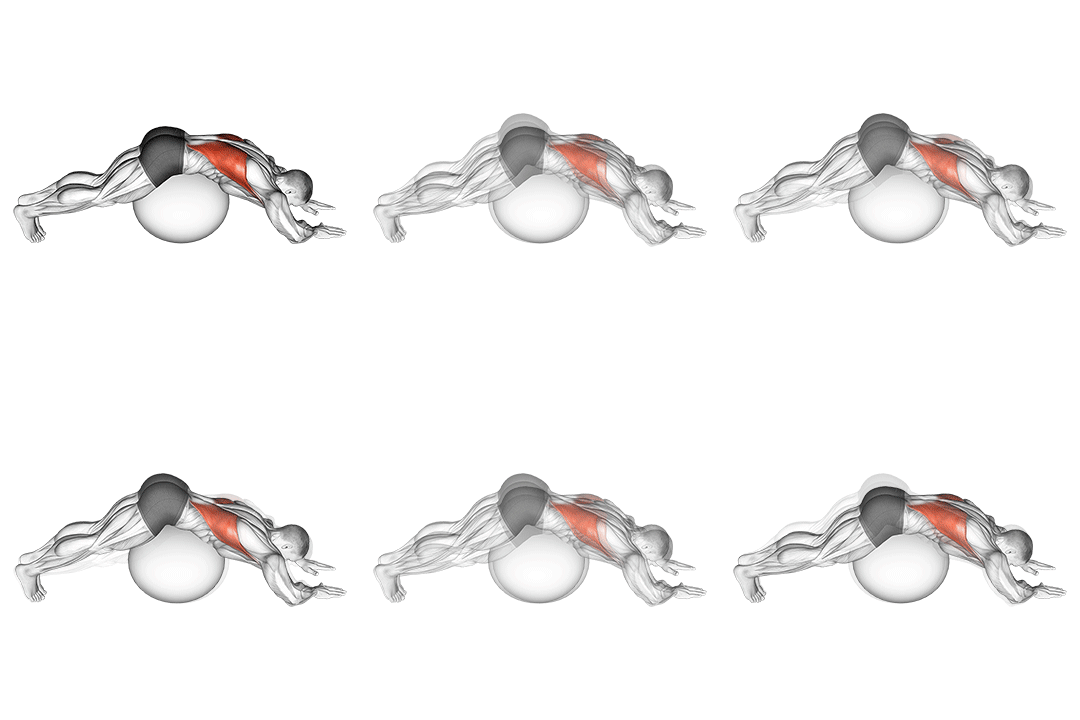
How to Perform Exercise Ball Lower Back Stretch (Pyramid)
- Sit on the stability ball with your feet flat on the ground and your knees bent at a 90-degree angle.
- Slowly walk your feet forward, rolling the ball down your back until your lower back is resting on the ball.
- Place your hands behind your head or cross them over your chest.
- Engage your core and slowly lower your upper body towards the ground, allowing your lower back to stretch over the ball.
- Hold the stretch for a few seconds, then slowly return to the starting position.
- Repeat for the desired number of repetitions.
Ranked Exercise Ball Lower Back Stretch (Pyramid) Alternatives
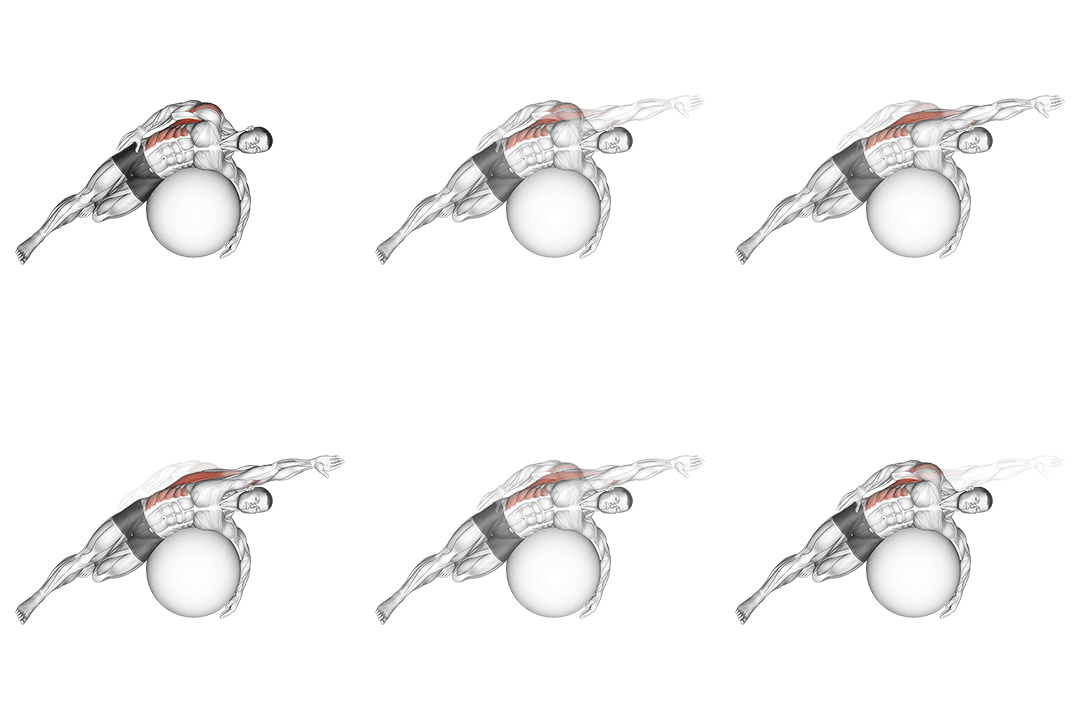
1. Exercise Ball Lying Side Lat Stretch
93% MatchHow to perform this exercise
- Lie on your side with your legs extended and your head supported by the stability ball.
- Place your top arm on the ball for stability.
- Reach your top arm overhead and allow your torso to rotate slightly.
- Feel the stretch in your lat muscles on the side of your body.
- Hold the stretch for 20-30 seconds, then switch sides and repeat.
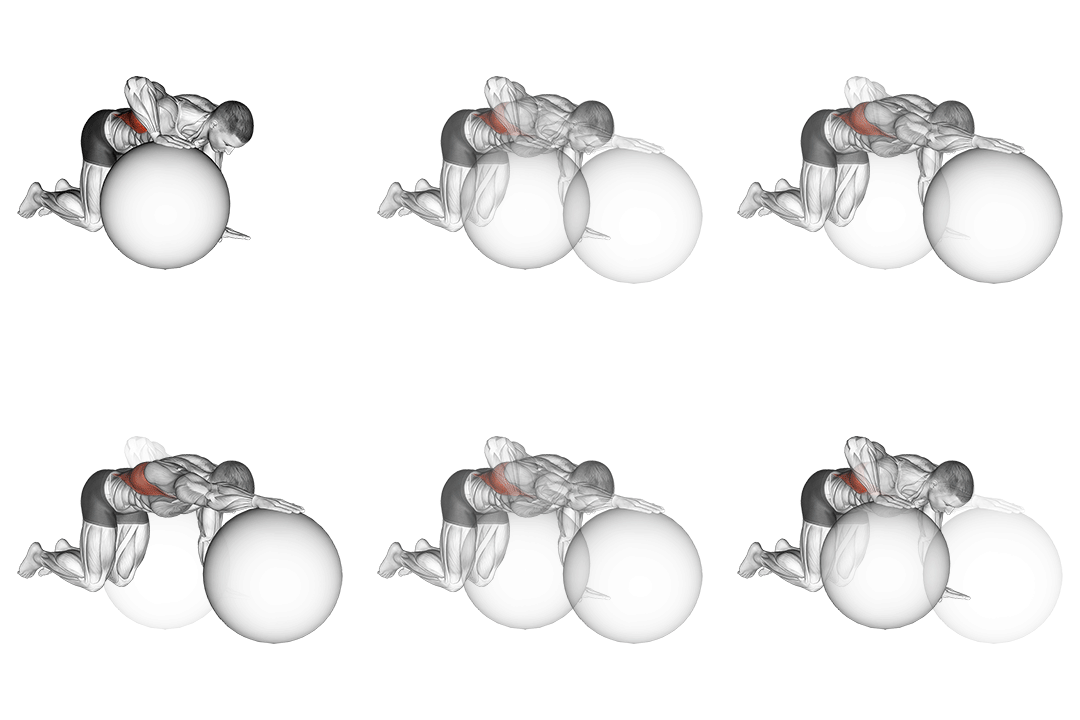
2. Exercise Ball Lat Stretch
84.2% MatchHow to perform this exercise
- Sit on a stability ball with your feet flat on the ground and your back straight.
- Hold a dumbbell in one hand and extend your arm straight up overhead.
- Slowly lean to the opposite side, feeling a stretch in your lat muscle.
- Hold the stretch for 20-30 seconds, then return to the starting position.
- Repeat on the other side.
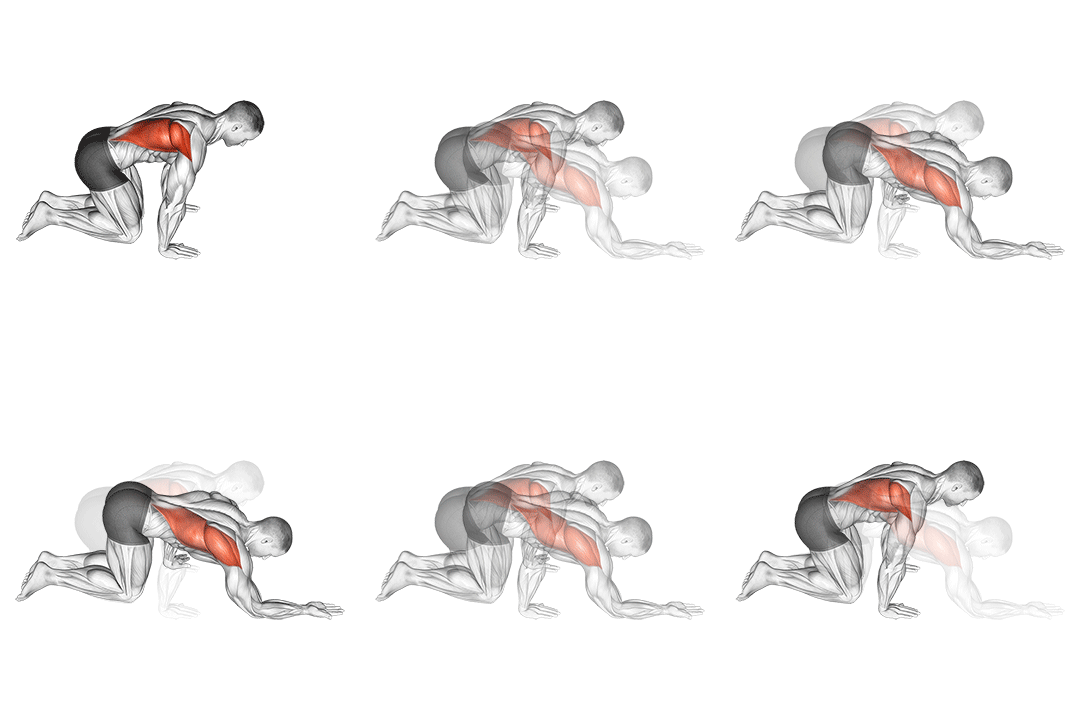
3. Kneeling Lat Stretch
81.9% MatchHow to perform this exercise
- Kneel on the ground with your knees hip-width apart and your toes pointing back.
- Extend your arms overhead and interlace your fingers.
- Keeping your back straight, slowly lean to the right side, feeling a stretch in your left lat muscle.
- Hold the stretch for 20-30 seconds, then return to the starting position.
- Repeat the stretch on the left side, leaning to the left and feeling a stretch in your right lat muscle.
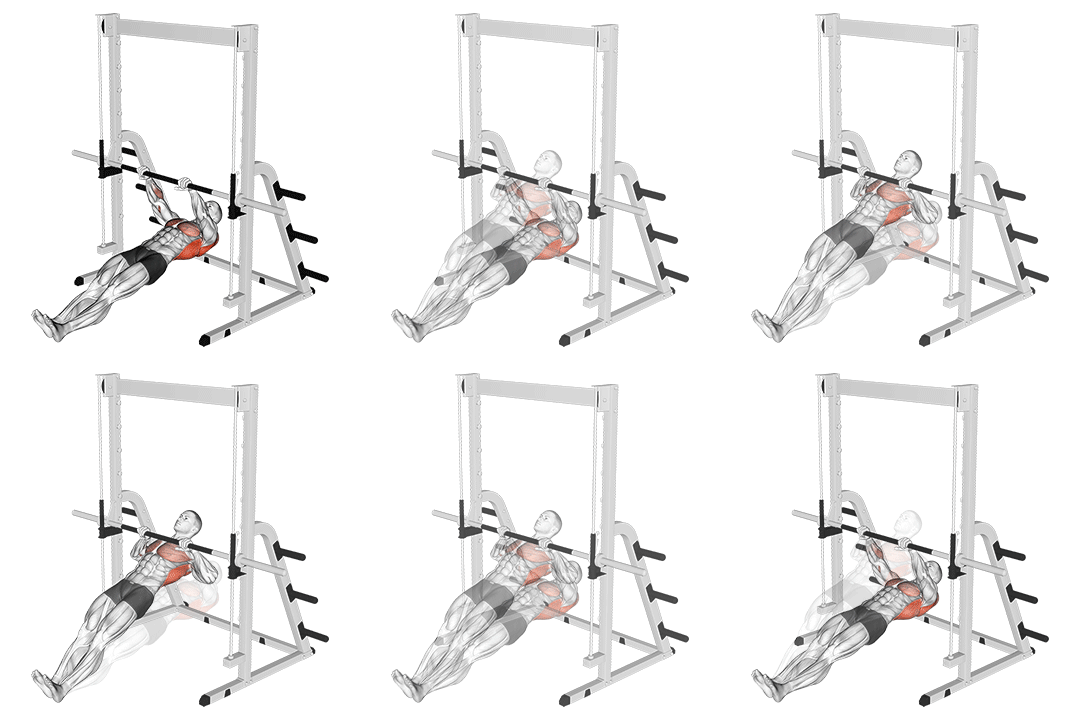
4. Inverted Row
80.6% MatchHow to perform this exercise
- Set up a bar at waist height or use a suspension trainer.
- Stand facing the bar or suspension trainer, with your feet shoulder-width apart.
- Grab the bar or handles with an overhand grip, slightly wider than shoulder-width apart.
- Lean back, keeping your body straight and your heels on the ground.
- Pull your chest towards the bar or handles, squeezing your shoulder blades together.
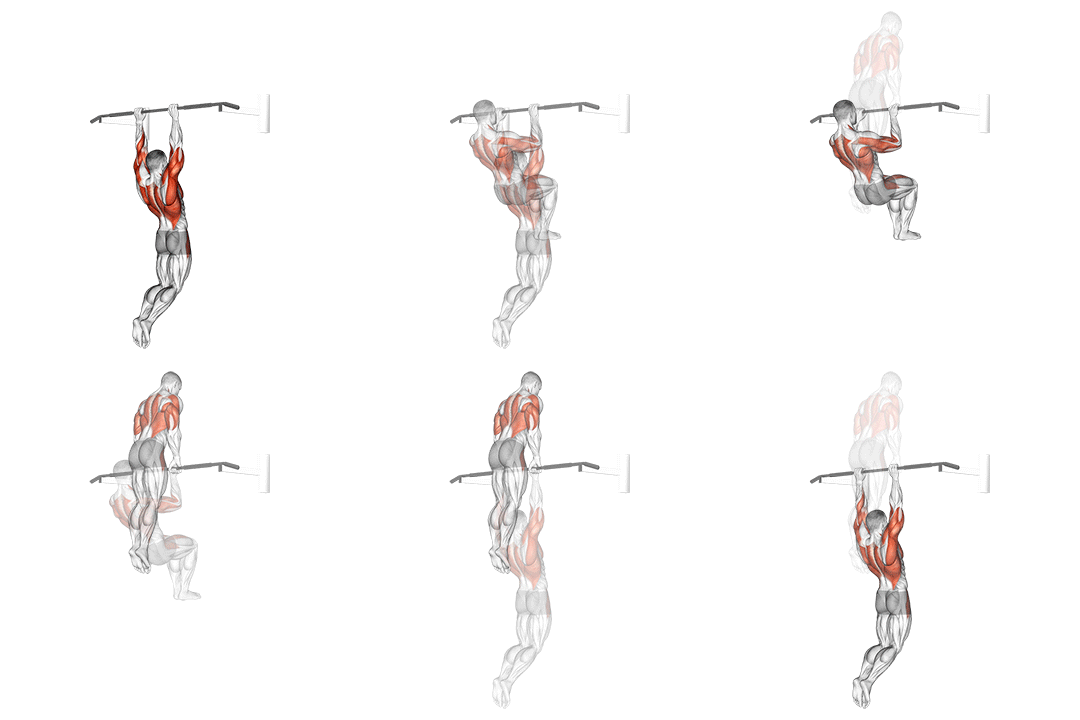
5. Muscle-up (on Vertical Bar)
78.3% MatchHow to perform this exercise
- Start by hanging from a vertical bar with your palms facing away from you and your arms fully extended.
- Engage your core and pull your body up towards the bar, leading with your chest.
- As you pull yourself up, lean back slightly and bring your elbows towards your sides.
- Continue pulling until your chest reaches the bar and your elbows are fully bent.
- Pause for a moment at the top, then slowly lower yourself back down to the starting position.
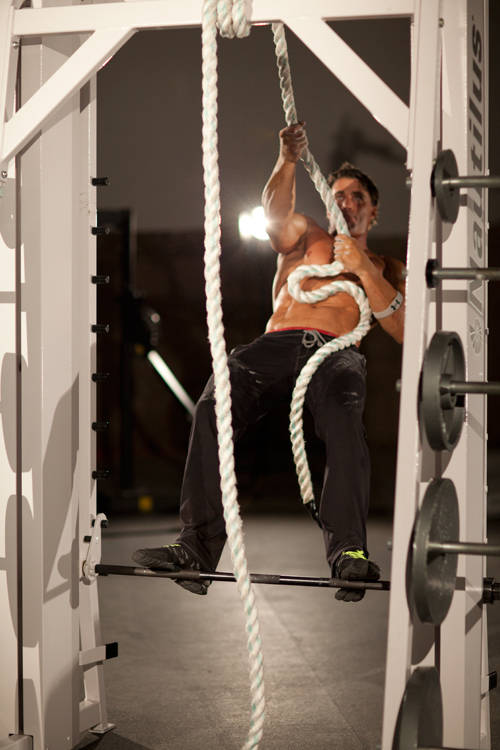
6. London Bridges
78.2% MatchHow to perform this exercise
- Attach a climbing rope to a high beam or cross member. Below it, ensure that the smith machine bar is locked in place with the safeties and cannot move. Alternatively, a secure box could also be utilized.
- Stand on the bar, using the rope to balance yourself. This will be your starting position.
- Keeping your body straight, lean back and lower your body by slowly going hand over hand with the rope. Continue until you are perpendicular to the ground.
- Keeping your body straight, reverse the motion, going hand over hand back to the starting position.
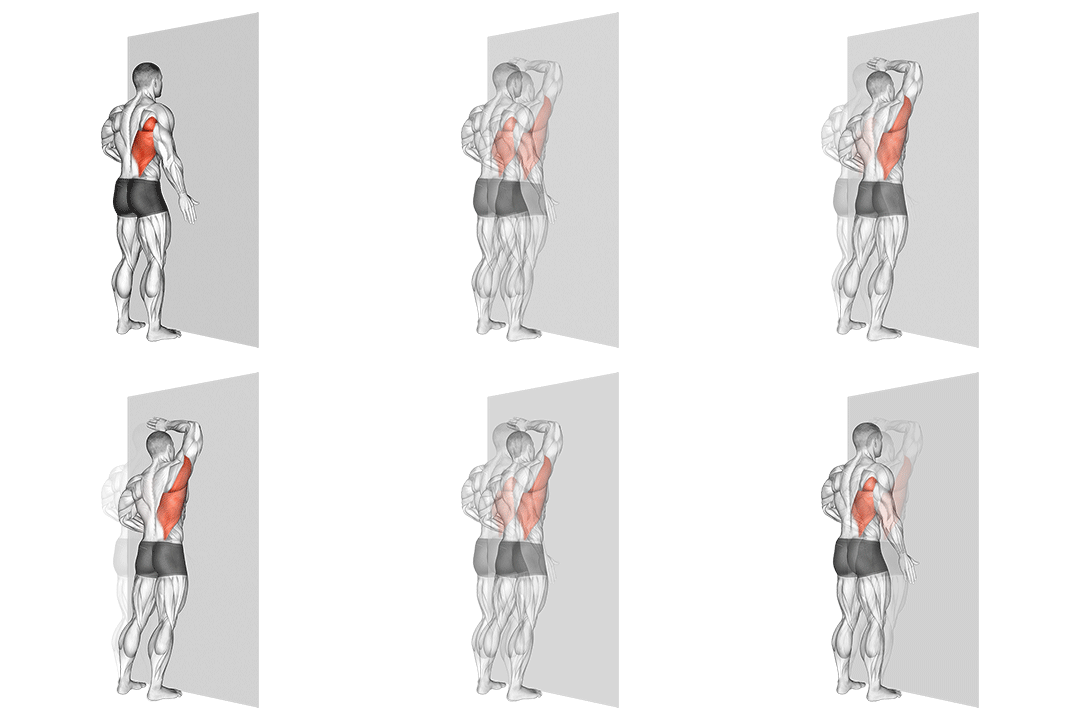
7. One Arm Against Wall
76.6% MatchHow to perform this exercise
- Stand facing a wall with your feet shoulder-width apart.
- Extend one arm straight out in front of you and place your palm against the wall.
- Engage your core and lean your body forward, keeping your arm straight and your back flat.
- Slowly push against the wall with your palm, activating your lat muscles.
- Hold the position for a few seconds, then release and repeat with the other arm.
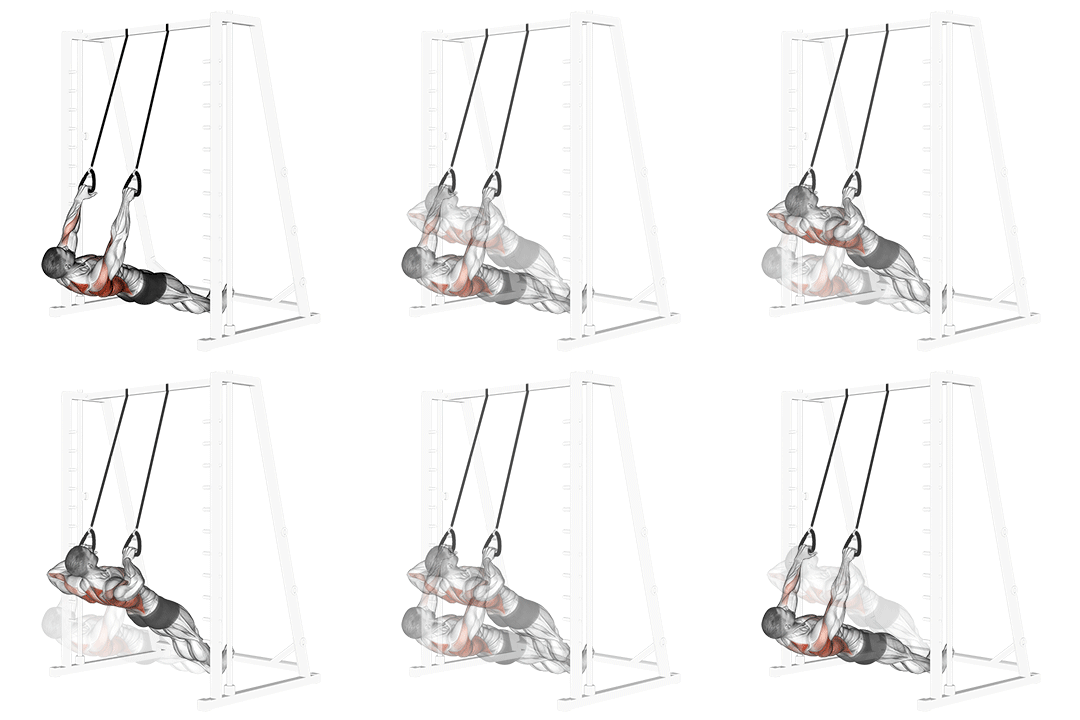
8. Inverted Row With Straps
74.8% MatchHow to perform this exercise
- Set up a suspension trainer or straps at chest height.
- Stand facing the anchor point and grab the handles with an overhand grip.
- Walk your feet forward, leaning back until your body is at an angle.
- Keep your body straight and engage your core.
- Pull your chest towards the handles, squeezing your shoulder blades together.
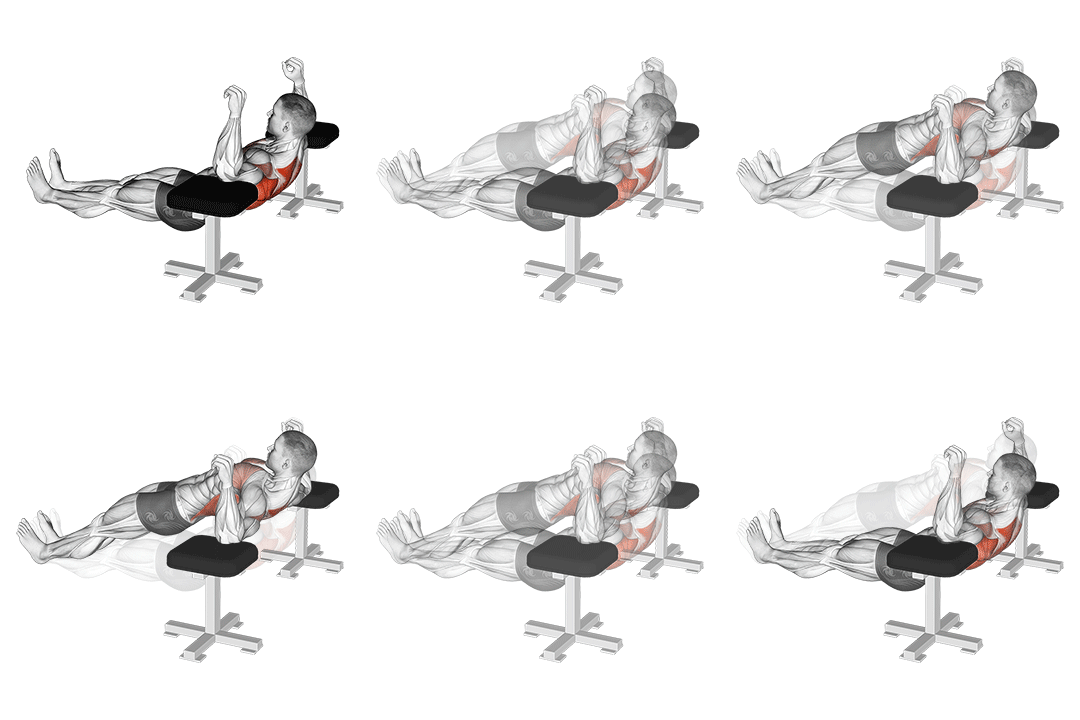
9. Elbow Lift - Reverse Push-up
74.3% MatchHow to perform this exercise
- Start by lying face down on the ground with your legs extended and your hands placed directly under your shoulders.
- Engage your core and press through your palms to lift your upper body off the ground, keeping your elbows close to your sides.
- Pause at the top for a moment, squeezing your upper back muscles.
- Slowly lower your body back down to the starting position.
- Repeat for the desired number of repetitions.
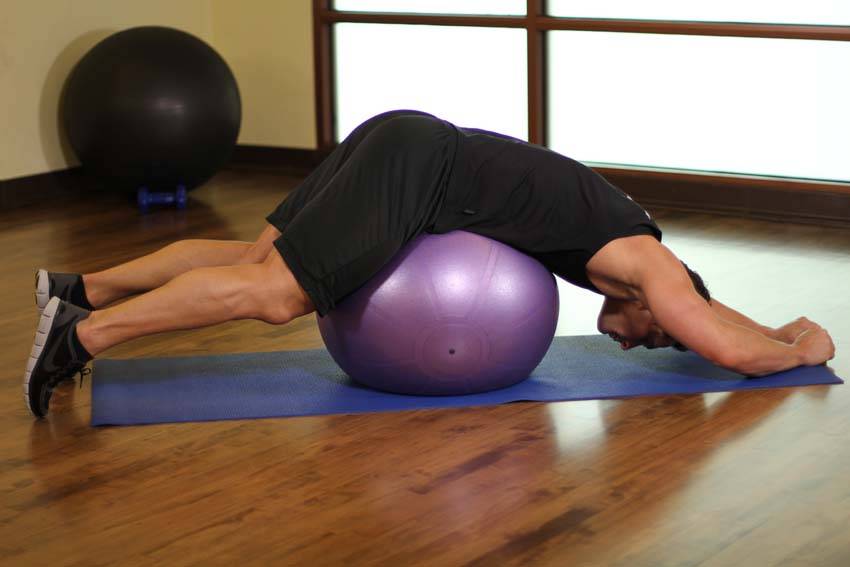
10. Pyramid
74% MatchHow to perform this exercise
- Start off by rolling your torso forward onto the ball so your hips rest on top of the ball and become the highest point of your body.
- Rest your hands and feet on the floor. Your arms and legs can be slightly bent or straight, depending on the size of the ball, your flexibility, and the length of your limbs. This also helps develop stabilizing strength in your torso and shoulders.
Why You Might Need a Exercise Ball Lower Back Stretch (Pyramid) Alternative
You might substitute this stretch due to a lack of equipment, shoulder or low-back pain, pregnancy, or limited balance on a stability ball. Alternatives let you unload the lumbar spine while still elongating the lats and thoracolumbar fascia. Choose options that reduce hip hinge or pelvic rotation if you have low-back symptoms; cue a neutral pelvis and long thoracic spine to prevent compensatory lumbar flexion. For shoulder issues pick positions that limit end-range shoulder extension and emphasize scapular depression to protect the glenohumeral joint.
How to Choose the Right Substitute
Match the substitute to your goal: mobility, pain relief, or strength. For pure lengthening pick unloaded holds (dead hangs or child's pose) and cue scapular depression and posterior pelvic tilt to isolate lat stretch. For strengthening choose loaded vertical pulls or straight-arm pulldowns with full range and a controlled eccentric to load the lat fibers. Consider shoulder ROM, core stability, and available equipment; if you have shoulder impingement, prefer floor-based reaches with the ribs packed and arms in slightly abducted positions.
Frequently Asked Questions
What muscles does Exercise Ball Lower Back Stretch (pyramid) work?
The stretch targets the latissimus dorsi and the thoracolumbar fascia, with secondary lengthening of the posterior shoulder and serratus anterior. Maintain scapular depression while reaching overhead to bias the lats rather than over-stressing the lower lumbar extensors.
What is the best bodyweight alternative to Exercise Ball Lower Back Stretch (pyramid)?
A dead hang from a pull-up bar is the top bodyweight substitute: grip the bar, actively depress your scapula, and allow the shoulders to extend under control to lengthen the lats. If grip or shoulder pain limits you, use an inclined child's pose, kneel, reach forward with ribs packed and arms long, to achieve similar lat lengthening.
Can I build muscle without doing Exercise Ball Lower Back Stretch (pyramid)?
Yes. That stretch is primarily for mobility and soft-tissue lengthening, not hypertrophy. To grow the lats use progressive overload with rows, pull-ups, or straight-arm pulldowns, cueing full scapular retraction and a controlled eccentric to maximize lat activation.
More Exercise Alternatives
Find Alternatives for Any Exercise
Use the exercise substitution finder to compare ranked alternatives for your available equipment and training preference.
Try the Exercise Substitution Finder →