

10 Best Face Pull Alternatives for Shoulder Strength
If you can't do face pulls, use exercises that emphasize horizontal abduction and external rotation: band pull-aparts, bent-over reverse flyes, prone Y/T raises, single-arm cable external rotations, or machine rear-delt flyes. Cue: pull to eye level while pinching the scapulae and externally rotating at the end range to load posterior deltoids and the rotator cuff.
Original Exercise: Face Pull
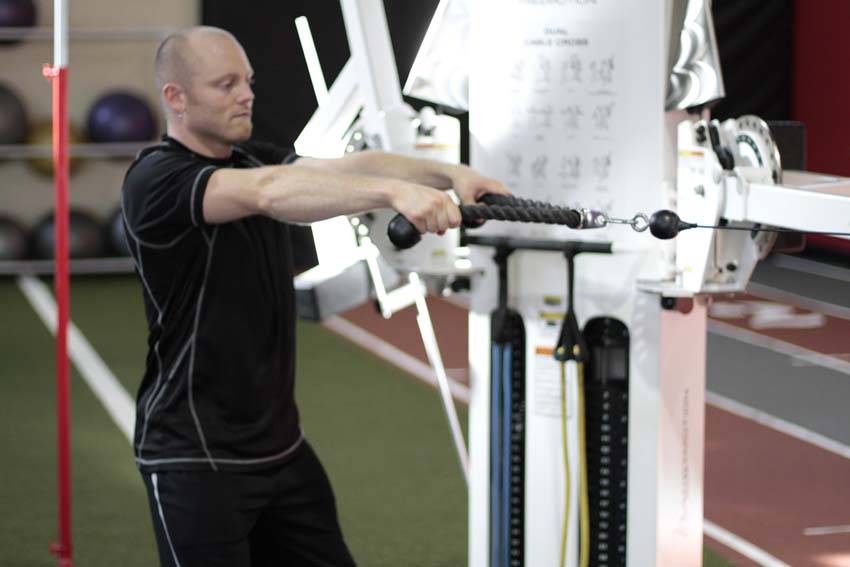
How to Perform Face Pull
- Facing a high pulley with a rope or dual handles attached, pull the weight directly towards your face, separating your hands as you do so. Keep your upper arms parallel to the ground.
Pro Tips
- Category: Strength
- Force: Pull
- Movement type: Compound
Best Face Pull Alternatives
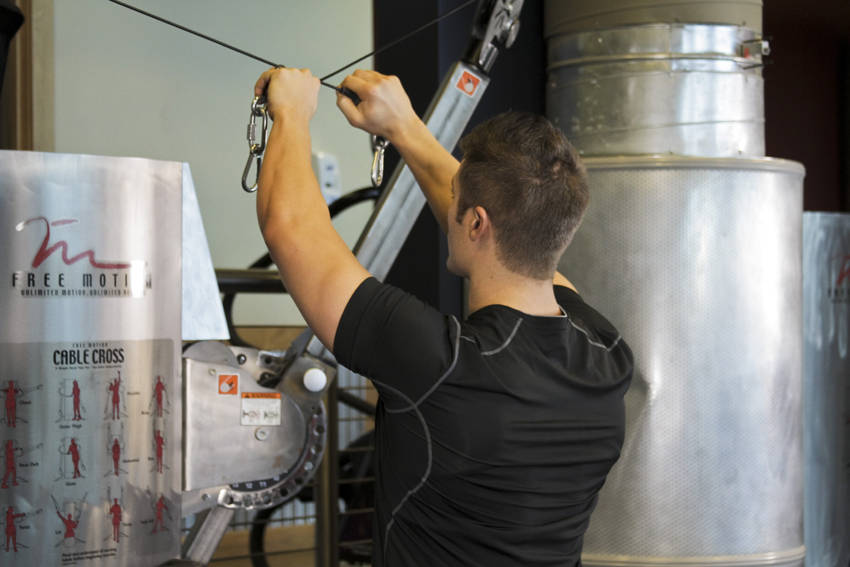
1. Cable Rear Delt Fly
94.2% MatchHow to perform this exercise
- Adjust the pulleys to the appropriate height and adjust the weight. The pulleys should be above your head.
- Grab the left pulley with your right hand and the right pulley with your left hand, crossing them in front of you. This will be your starting position.
- Initiate the movement by moving your arms back and outward, keeping your arms straight as you execute the movement.
- Pause at the end of the motion before returning the handles to the start position.
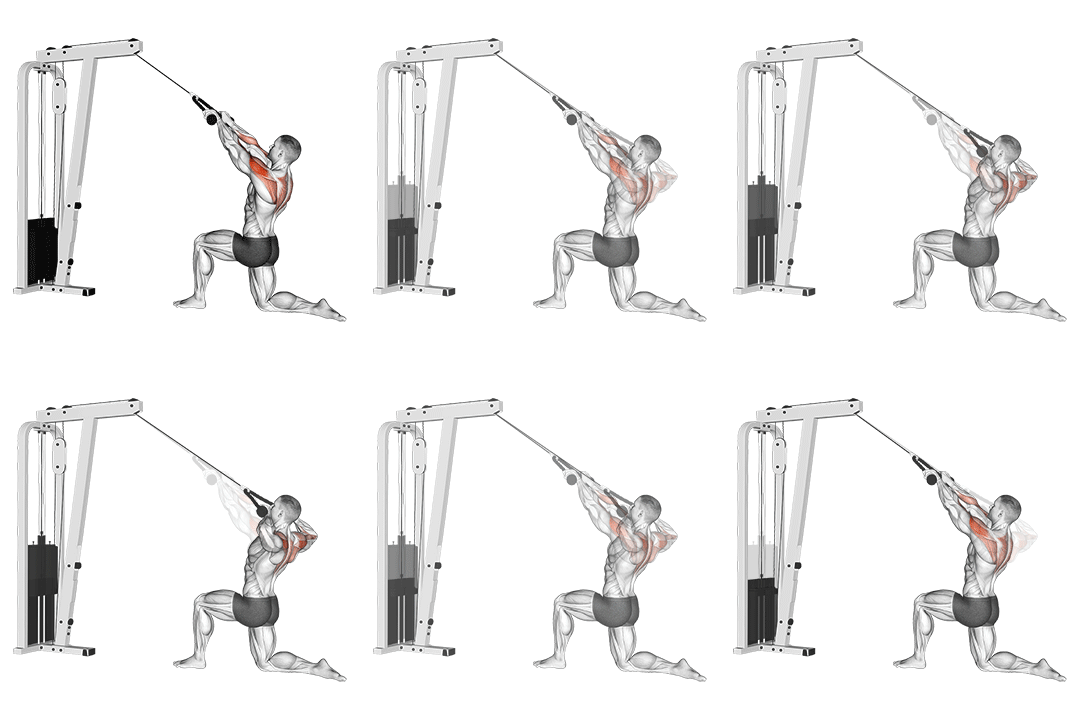
2. Cable Kneeling Rear Delt Row (with Rope) (male)
90.7% MatchHow to perform this exercise
- Attach a rope handle to a low cable pulley and kneel down facing the machine.
- Grasp the rope with a neutral grip (palms facing each other) and extend your arms fully in front of you.
- Keeping your back straight and core engaged, pull the rope towards your body by retracting your shoulder blades.
- Squeeze your shoulder blades together at the end of the movement and hold for a brief pause.
- Slowly release the tension and return to the starting position.
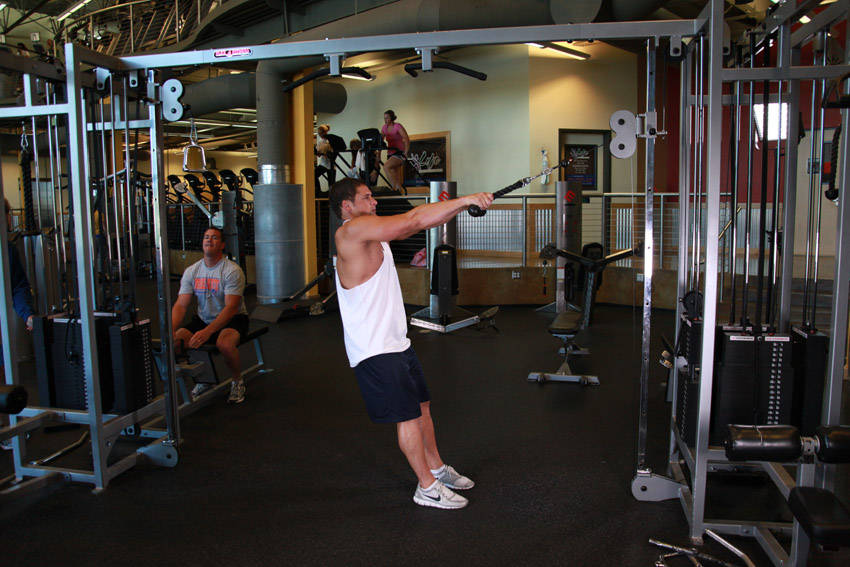
3. Cable Rope Rear-Delt Rows
87.9% MatchHow to perform this exercise
- Sit in the same position on a low pulley row station as you would if you were doing seated cable rows for the back.
- Attach a rope to the pulley and grasp it with an overhand grip. Your arms should be extended and parallel to the floor with the elbows flared out.
- Keep your lower back upright and slide your hips back so that your knees are slightly bent. This will be your starting position.
- Pull the cable attachment towards your upper chest, just below the neck, as you keep your elbows up and out to the sides. Continue this motion as you exhale until the elbows travel slightly behind the back. Tip: Keep your upper arms horizontal, perpendicular to the torso and parallel to the floor throughout the motion.
- Go back to the initial position where the arms are extended and the shoulders are stretched forward. Inhale as you perform this portion of the movement.
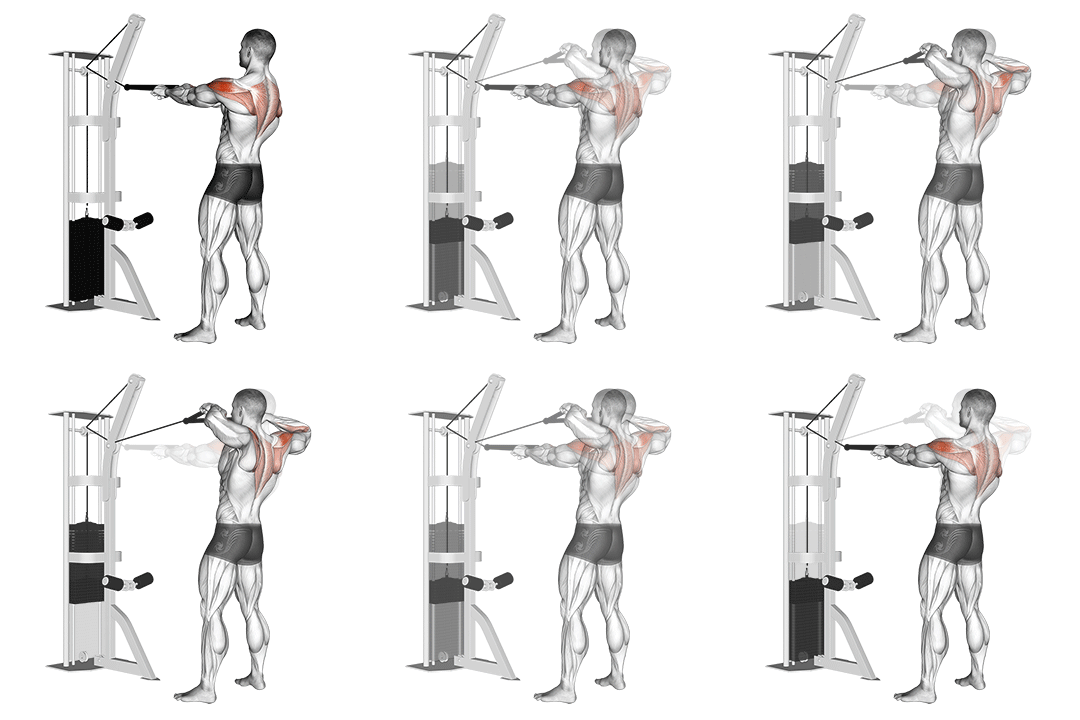
4. Cable Standing Rear Delt Row (with Rope)
83.7% MatchHow to perform this exercise
- Stand facing a cable machine with your feet shoulder-width apart.
- Hold the cable attachment with both hands, palms facing each other, and step back to create tension in the cable.
- Keep your back straight and your core engaged.
- Pull the cable towards your body, squeezing your shoulder blades together.
- Pause for a moment at the peak of the movement, then slowly release the cable back to the starting position.
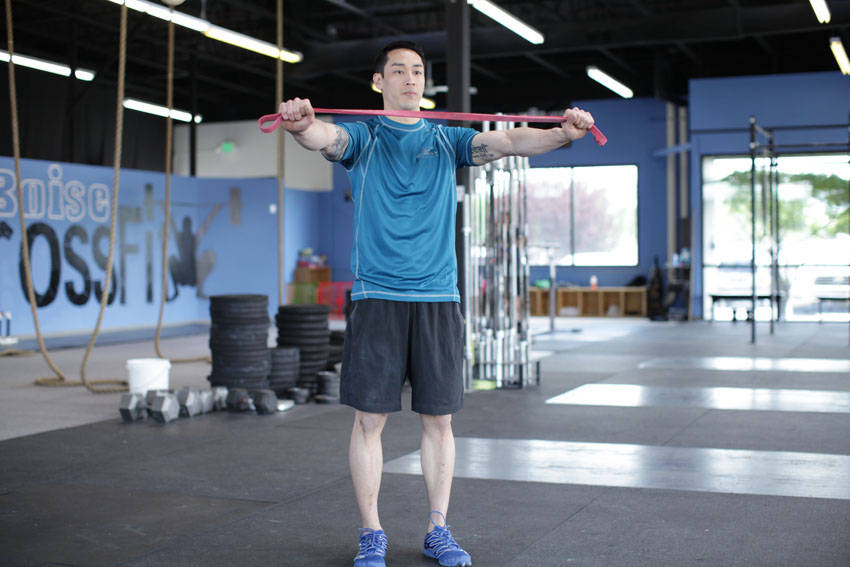
5. Band Pull Apart
80.4% MatchHow to perform this exercise
- Begin with your arms extended straight out in front of you, holding the band with both hands.
- Initiate the movement by performing a reverse fly motion, moving your hands out laterally to your sides.
- Keep your elbows extended as you perform the movement, bringing the band to your chest. Ensure that you keep your shoulders back during the exercise.
- Pause as you complete the movement, returning to the starting position under control.
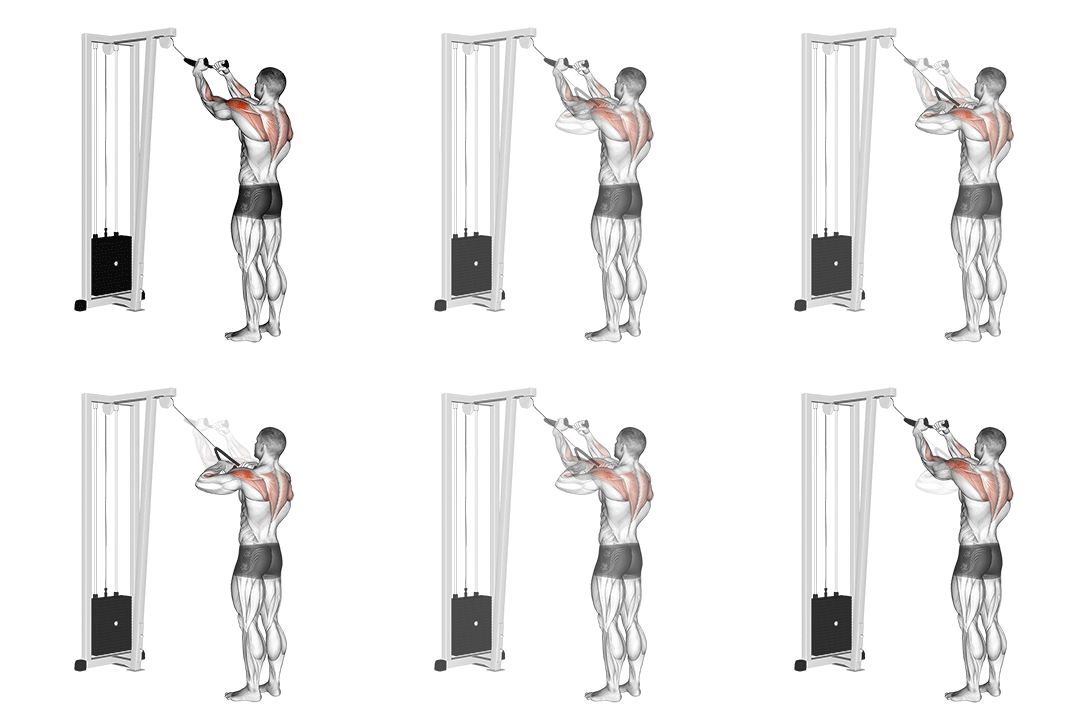
6. Cable Rear Delt Row (with Rope)
78.7% MatchHow to perform this exercise
- Attach a rope handle to a low pulley cable machine.
- Stand facing the machine with your feet shoulder-width apart.
- Grasp the rope handle with an overhand grip, palms facing each other.
- Bend your knees slightly and hinge forward at the hips, keeping your back straight.
- Keep your elbows slightly bent and pull the rope towards your chest, squeezing your shoulder blades together.
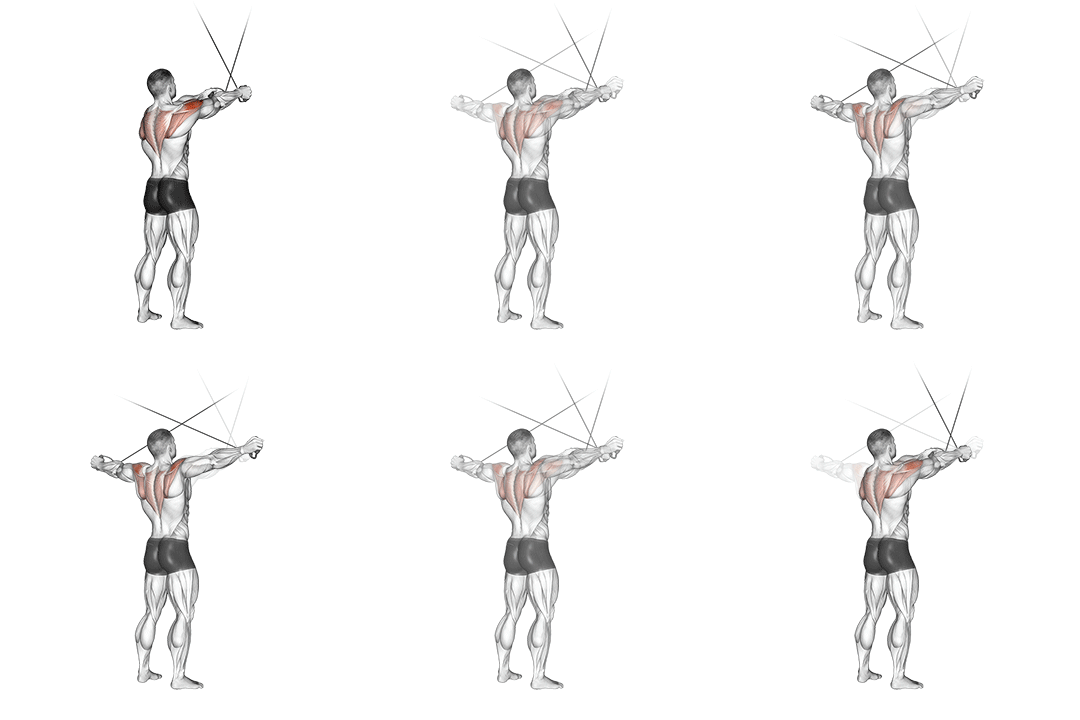
7. Cable Standing Cross-over High Reverse Fly
78.7% MatchHow to perform this exercise
- Attach a D-handle to each side of a cable machine at shoulder height.
- Stand in the middle of the cable machine with your feet shoulder-width apart.
- Grasp the handles with an overhand grip and extend your arms out to the sides, palms facing forward.
- Keep a slight bend in your elbows and maintain a straight back throughout the exercise.
- Engage your shoulder muscles and squeeze your shoulder blades together as you pull the handles towards the front of your body.
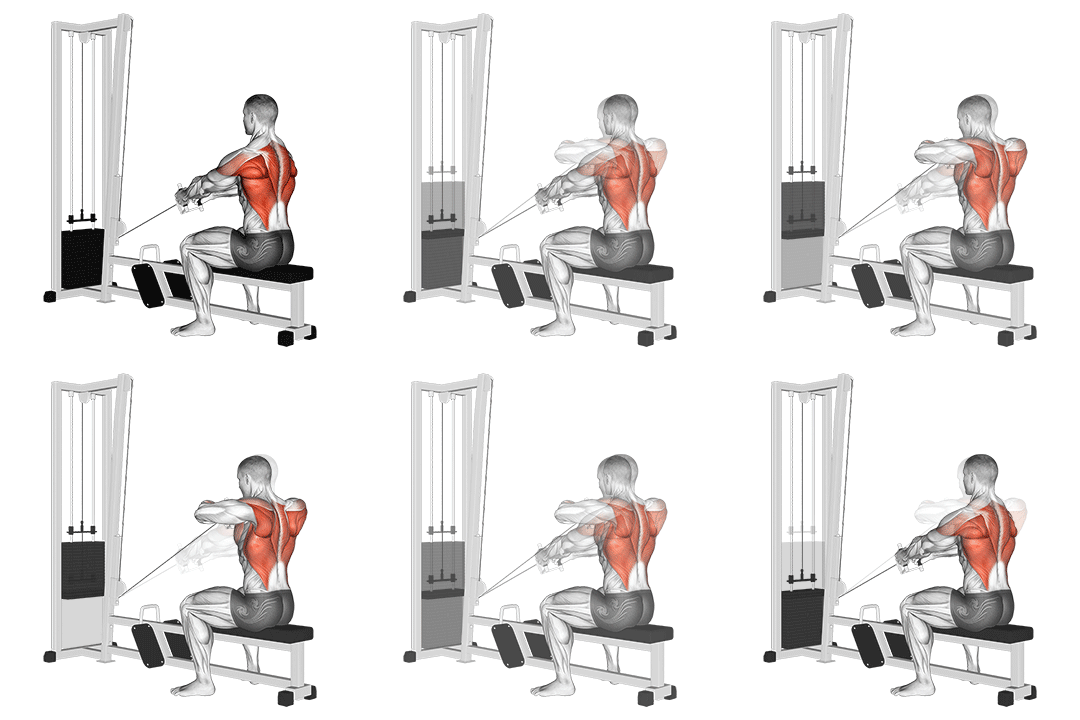
8. Cable Upper Row
75% MatchHow to perform this exercise
- Attach a straight bar to a cable machine at chest height.
- Stand facing the machine with your feet shoulder-width apart.
- Grasp the bar with an overhand grip, hands slightly wider than shoulder-width apart.
- Keep your back straight and your core engaged.
- Pull the bar towards your upper chest, squeezing your shoulder blades together.
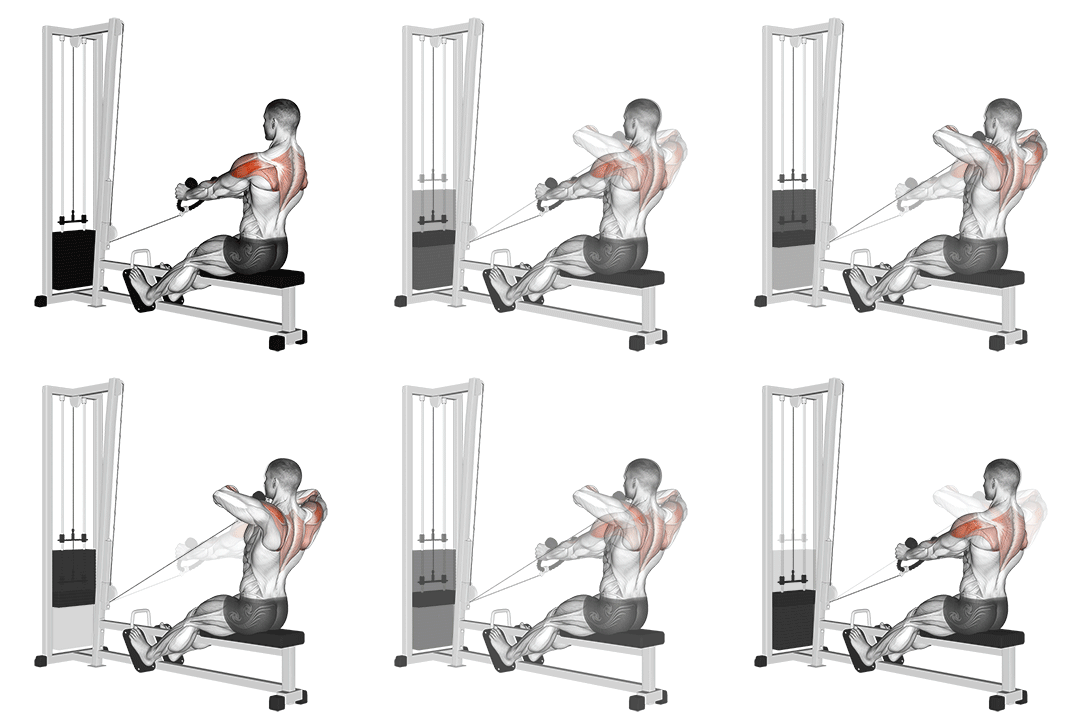
9. Cable Rear Delt Row (stirrups)
74.7% MatchHow to perform this exercise
- Attach a stirrup handle to a low cable pulley and stand facing the machine.
- Grasp the handle with your left hand and take a step back with your right foot, positioning your body at a slight angle.
- Bend your knees slightly and hinge forward at the hips, keeping your back straight and your core engaged.
- With your left arm extended and your palm facing down, pull the handle towards your chest by retracting your shoulder blade.
- Pause for a moment at the top of the movement, squeezing your shoulder blade.
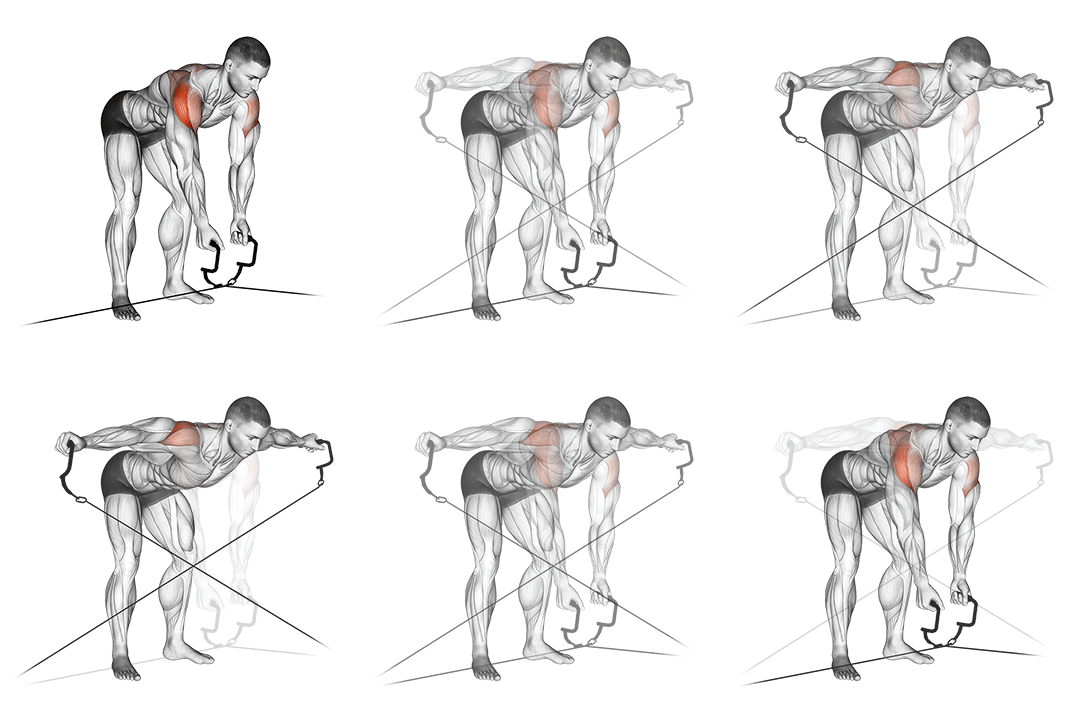
10. Cable Cross-over Revers Fly
73.9% MatchHow to perform this exercise
- Attach a D-handle to each low pulley cable and stand in the middle of the cable crossover machine.
- Grasp the handles with a pronated grip (palms facing down) and take a step forward, positioning your feet shoulder-width apart.
- Bend your knees slightly and lean forward at the waist, keeping your back straight and your abs engaged.
- With your arms extended out to the sides and slightly bent at the elbows, exhale and squeeze your shoulder blades together as you pull the cables back and upward in a reverse fly motion.
- Pause for a moment at the peak contraction, then inhale and slowly return to the starting position.
Why You Might Need a Face Pull Alternative
You may need substitutes due to lack of cable equipment, shoulder pain during the face pull pattern, or program variety demands. Face pulls load both horizontal abduction and external rotation; alternatives can isolate the posterior deltoid or emphasize rotator-cuff activation while reducing impingement risk. For example, bending the elbows and performing a bent-over reverse fly shifts torque onto the rear delts and reduces supraspinatus compression. If you have a sore AC joint, choose prone Y raises that keep the humerus in safer elevation angles. Technique cue: keep thoracic extension and lead the movement with scapular retraction to maintain posterior chain tension and proper muscle activation.
How to Choose the Right Substitute
Select a substitute by matching movement plane, required muscle activation, and equipment. If you want external rotation emphasis, pick single-arm cable external rotations with the elbow at 90°; this targets infraspinatus and teres minor with a short lever. For greater rear-delt hypertrophy use bent-over reverse flyes with the elbows slightly bent and the hands pulling horizontally to maximize posterior delt length-tension. If you lack weights, choose band pull-aparts and progress resistance or range. Consider joint history: reduce humeral elevation if you have impingement and prioritize scapular control—cue: retract and depress the scapula before each rep to ensure correct biomechanics.
Frequently Asked Questions
What muscles does Face Pull work?
Face pulls primarily target the posterior deltoid and the external rotators (infraspinatus and teres minor), while also activating the middle trapezius and rhomboids for scapular retraction. Emphasize external rotation at the finish to recruit the rotator cuff and protect the glenohumeral joint.
What is the best bodyweight alternative to Face Pull?
Prone Y and T raises are the best bodyweight options because they place the shoulder into horizontal abduction and controlled external rotation. Lie on an inclined bench or the floor, lift with thumbs up, and pinch the scapulae to activate rear delts and scapular stabilizers.
Can I build muscle without doing Face Pull?
Yes. You can build the posterior deltoids and rotator cuff using bent-over reverse flyes, band pull-aparts, machine rear-delt flyes, and single-arm cable external rotations with progressive overload and volume. Focus on full range, slow eccentrics, and scapular control to ensure consistent muscle activation.
More Exercise Alternatives
Find Alternatives for Any Exercise
Use our free tool to discover the best substitute exercises based on your available equipment and goals.
Try the Exercise Substitution Finder →