

10 Best Front Lever Reps Alternatives for Upper-Back Strength
What can you do instead of Front Lever Reps? Use progressions and horizontal pulling variations that train scapular retraction, lat eccentric control, and core bracing — for example, tuck front lever progressions, elevated inverted rows, and slow negatives. Cue: keep scapula retracted and lats packed; feel posterior deltoid and lower-trap engagement.
Original Exercise: Front Lever Reps
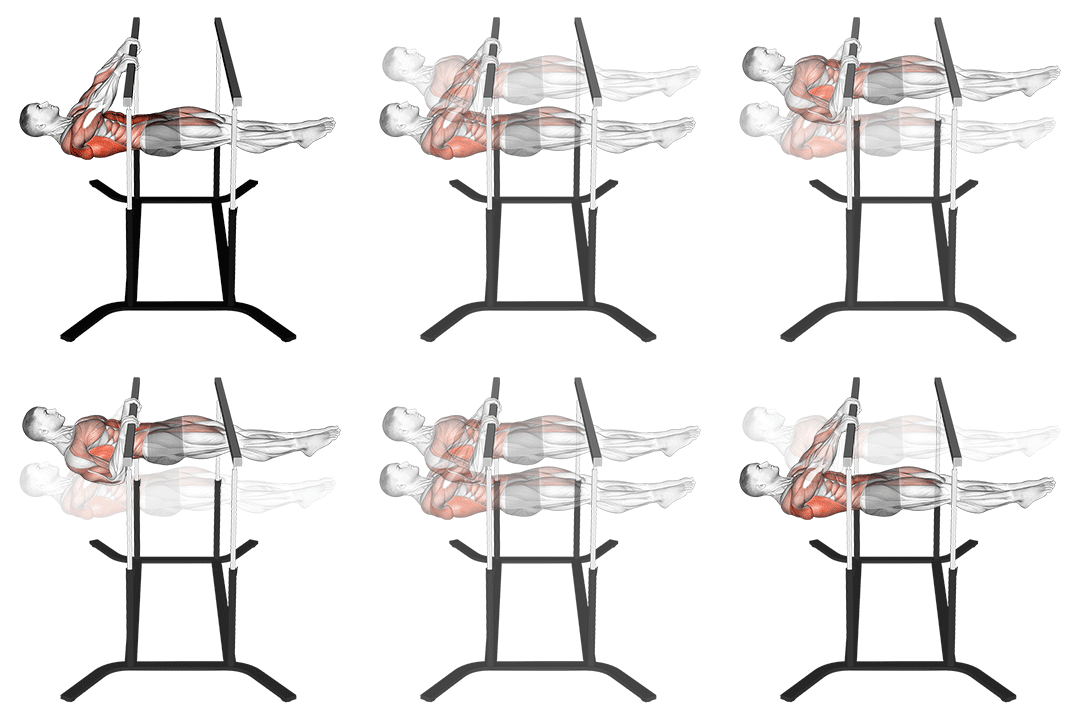
How to Perform Front Lever Reps
- Hang from a pull-up bar with an overhand grip, palms facing away from you.
- Engage your core and pull your shoulder blades down and back.
- Keeping your body straight, lift your legs up until they are parallel to the ground.
- Hold this position for as long as you can, aiming for 10-20 seconds.
- Slowly lower your legs back down to the starting position.
- Repeat for the desired number of repetitions.
Best Front Lever Reps Alternatives
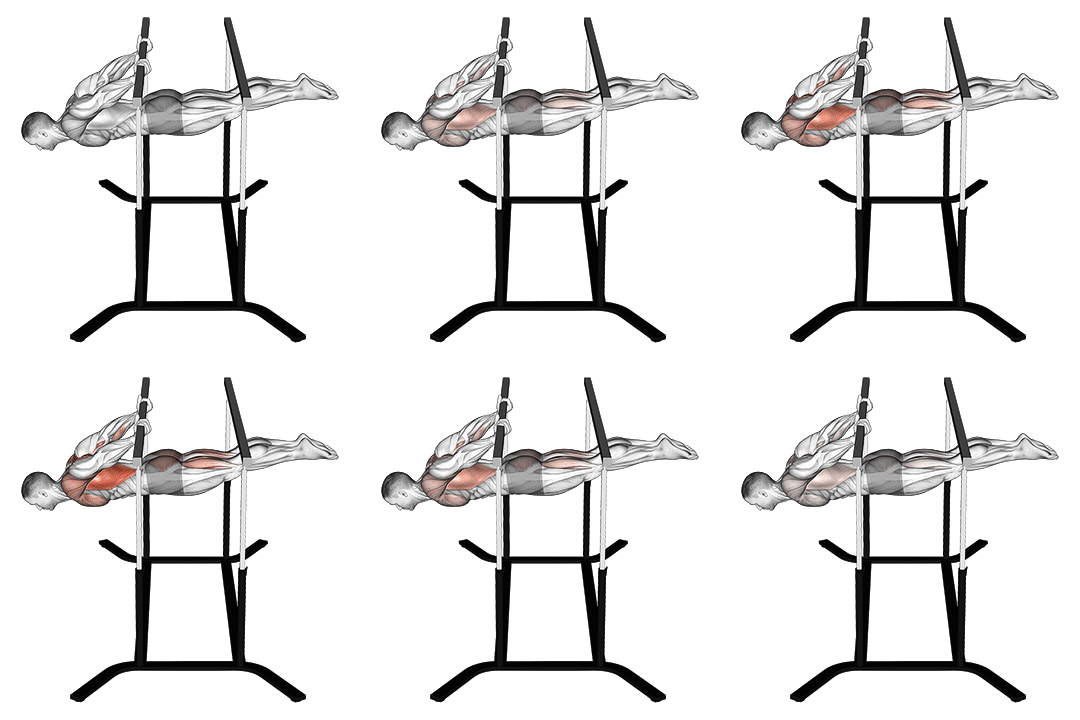
1. Back Lever
95.4% MatchHow to perform this exercise
- Start by hanging from a pull-up bar with an overhand grip, hands slightly wider than shoulder-width apart.
- Engage your core and pull your shoulder blades down and back.
- Bend your knees and tuck them towards your chest.
- Slowly lift your legs up, keeping them straight, until your body is parallel to the ground.
- Hold this position for a few seconds, then slowly lower your legs back down to the starting position.
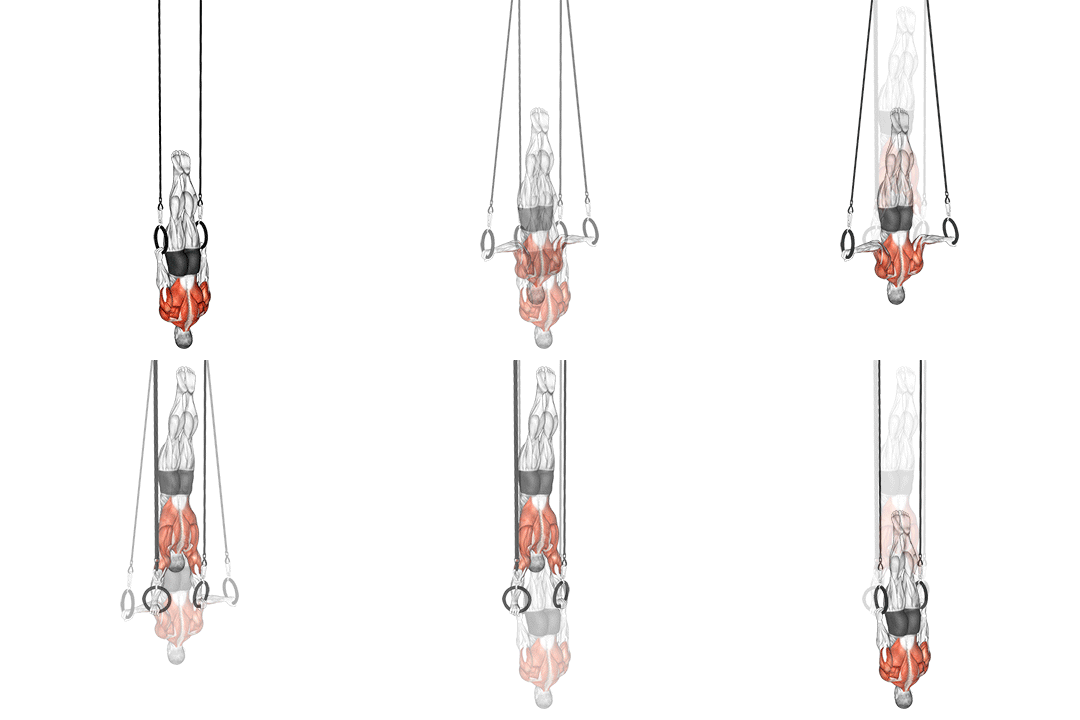
2. Elevator
84% MatchHow to perform this exercise
- Stand with your feet shoulder-width apart and your knees slightly bent.
- Place your hands on your hips or cross them in front of your chest.
- Keeping your back straight, slowly bend forward at the waist, lowering your upper body towards the ground.
- Pause for a moment at the bottom, then slowly raise your upper body back up to the starting position.
- Repeat for the desired number of repetitions.
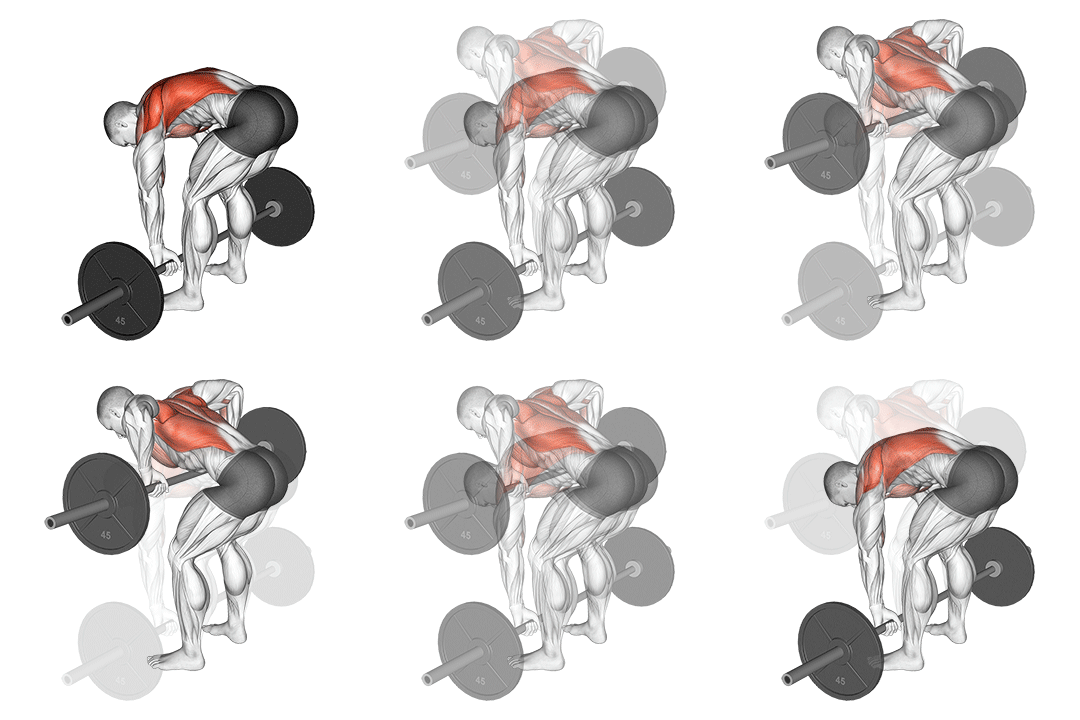
3. Barbell Pendlay Row
75.1% MatchHow to perform this exercise
- Stand with your feet shoulder-width apart and your knees slightly bent.
- Bend forward at the hips, keeping your back straight and your chest up.
- Grasp the barbell with an overhand grip, slightly wider than shoulder-width apart.
- Pull the barbell towards your upper abdomen, squeezing your shoulder blades together.
- Lower the barbell back down to the starting position.
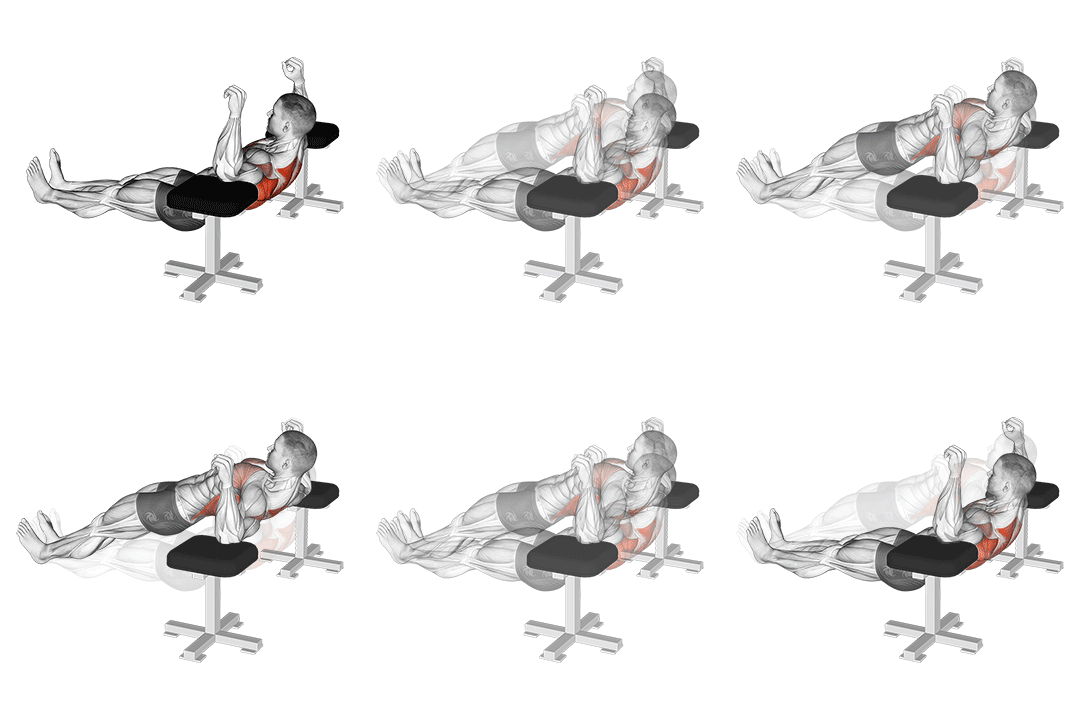
4. Elbow Lift - Reverse Push-up
74.8% MatchHow to perform this exercise
- Start by lying face down on the ground with your legs extended and your hands placed directly under your shoulders.
- Engage your core and press through your palms to lift your upper body off the ground, keeping your elbows close to your sides.
- Pause at the top for a moment, squeezing your upper back muscles.
- Slowly lower your body back down to the starting position.
- Repeat for the desired number of repetitions.
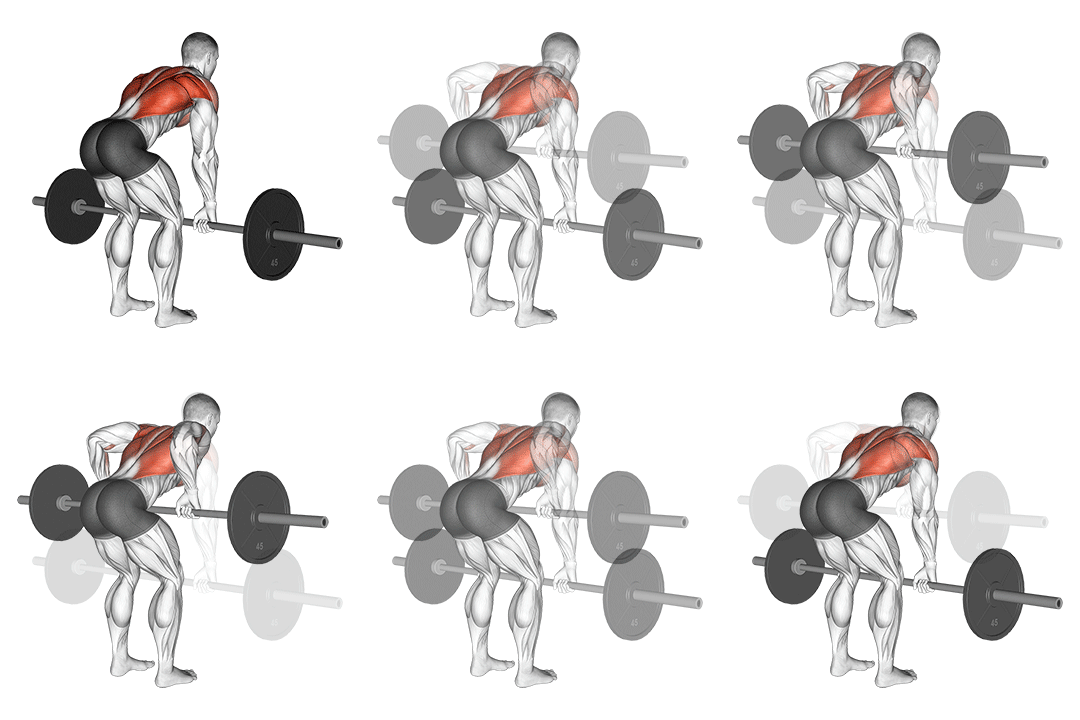
5. Barbell Bent Over Row
74.6% MatchHow to perform this exercise
- Stand with your feet shoulder-width apart and knees slightly bent.
- Bend forward at the hips while keeping your back straight and chest up.
- Grasp the barbell with an overhand grip, hands slightly wider than shoulder-width apart.
- Pull the barbell towards your lower chest by retracting your shoulder blades and squeezing your back muscles.
- Pause for a moment at the top, then slowly lower the barbell back to the starting position.
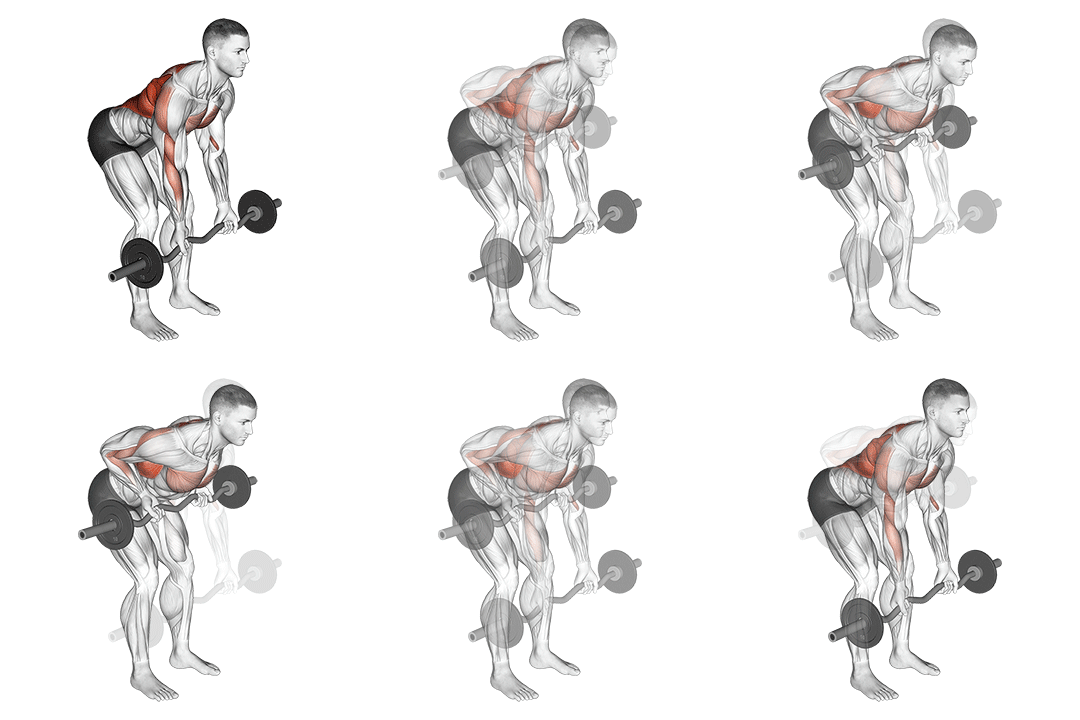
6. Ez Bar Reverse Grip Bent Over Row
70.6% MatchHow to perform this exercise
- Stand with your feet shoulder-width apart and knees slightly bent.
- Hold the ez barbell with an underhand grip, palms facing up, and hands shoulder-width apart.
- Bend forward at the hips, keeping your back straight and chest up, until your torso is almost parallel to the floor.
- Pull the ez barbell towards your lower chest, squeezing your shoulder blades together.
- Pause for a moment at the top, then slowly lower the ez barbell back to the starting position.
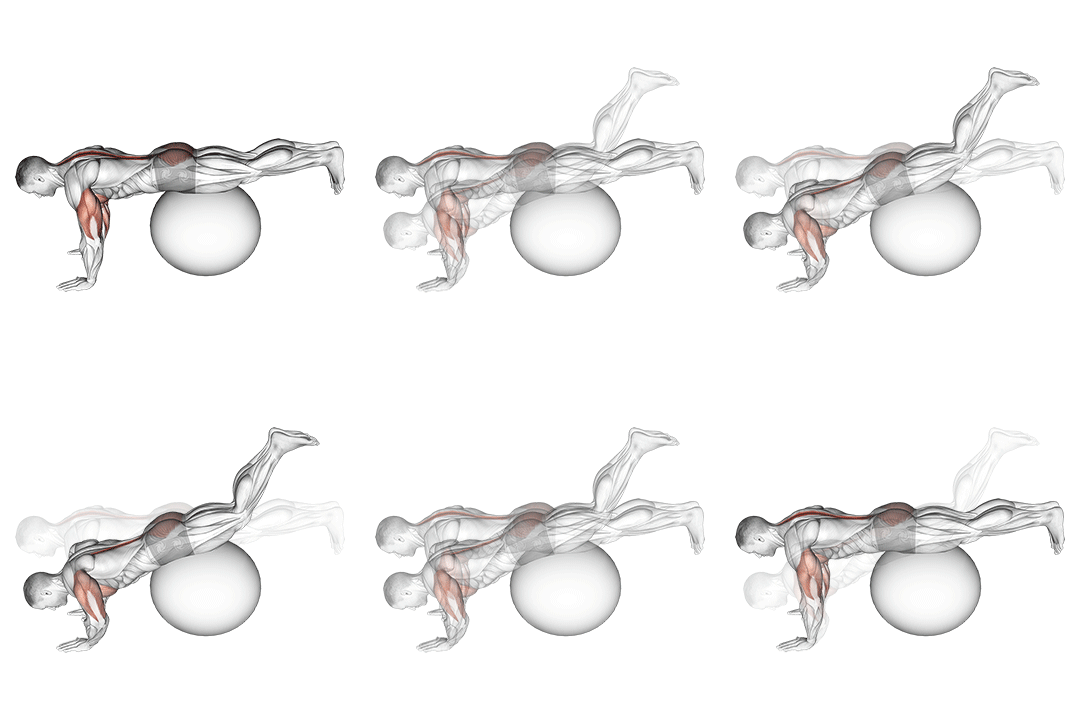
7. Exercise Ball Prone Leg Raise
70.6% MatchHow to perform this exercise
- Lie face down on a mat with your legs extended and your toes resting on top of the stability ball.
- Place your hands on the ground, shoulder-width apart, and engage your core muscles.
- Keeping your legs straight, slowly lift them off the ground, using your lower back and glutes to raise them as high as possible.
- Pause for a moment at the top, then slowly lower your legs back down to the starting position.
- Repeat for the desired number of repetitions.
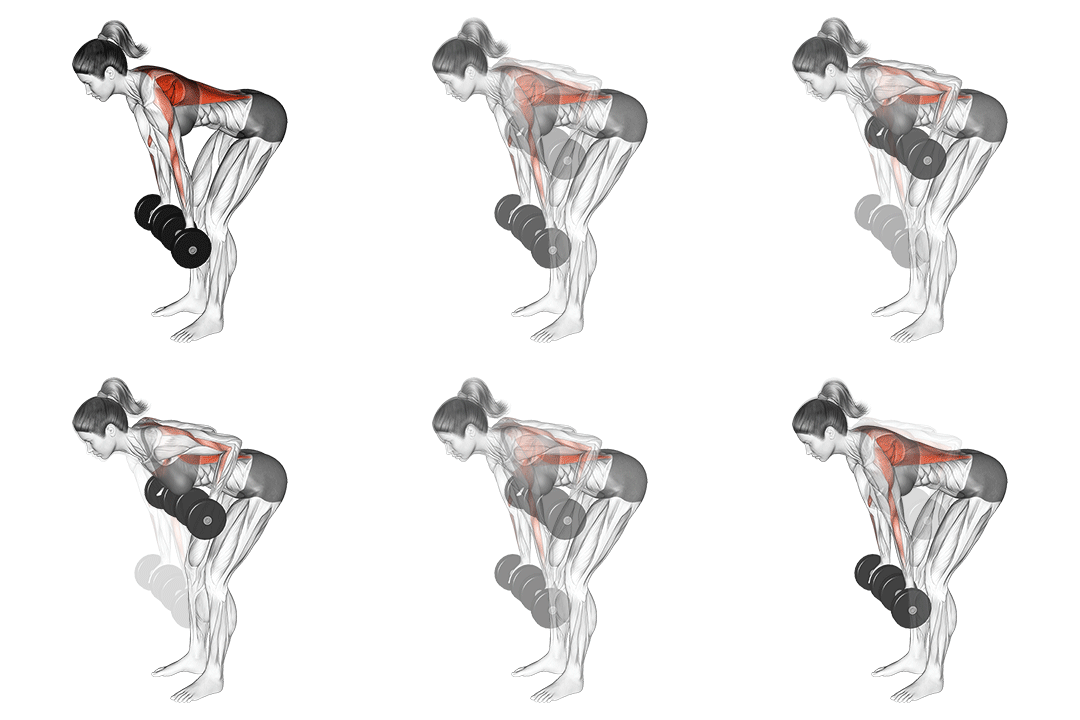
8. Dumbbell Reverse Grip Row (female)
70.6% MatchHow to perform this exercise
- Stand with your feet shoulder-width apart and knees slightly bent.
- Hold a dumbbell in each hand with an overhand grip, palms facing your body.
- Bend forward at the waist, keeping your back straight and your core engaged.
- Let your arms hang straight down, fully extended, with a slight bend in your elbows.
- Pull the dumbbells up towards your chest, squeezing your shoulder blades together.
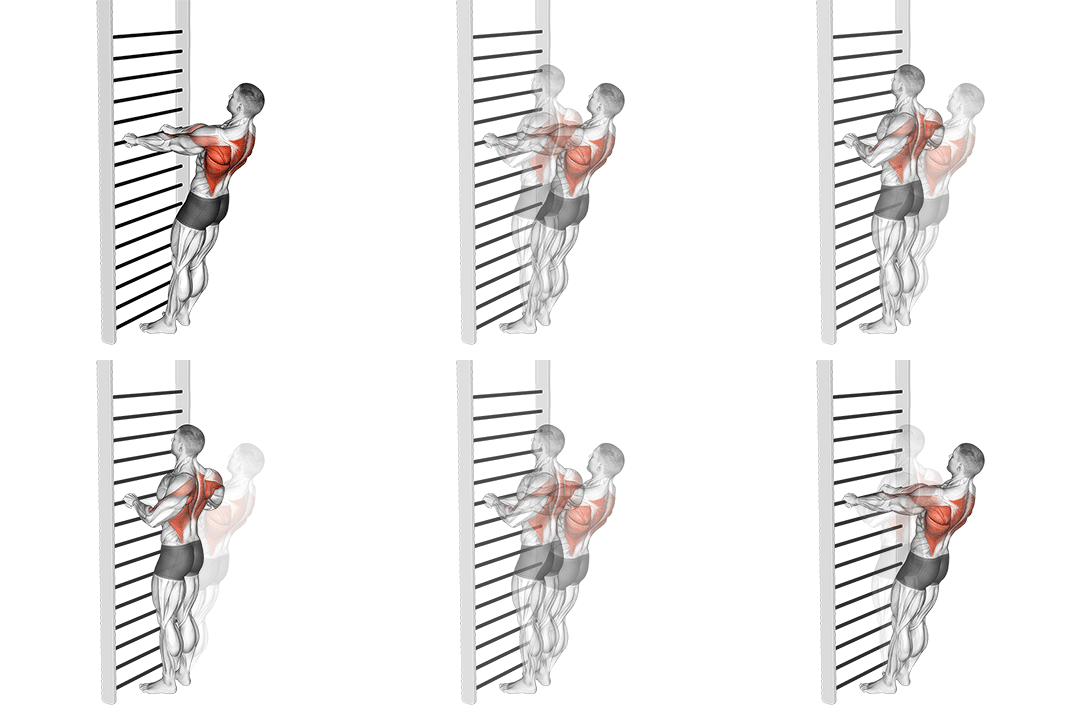
9. Bodyweight Standing Row
70.3% MatchHow to perform this exercise
- Stand with your feet shoulder-width apart and knees slightly bent.
- Grasp a bar or handles with an overhand grip, palms facing down.
- Keep your back straight and core engaged.
- Pull the bar or handles towards your body, squeezing your shoulder blades together.
- Pause for a moment at the top of the movement.
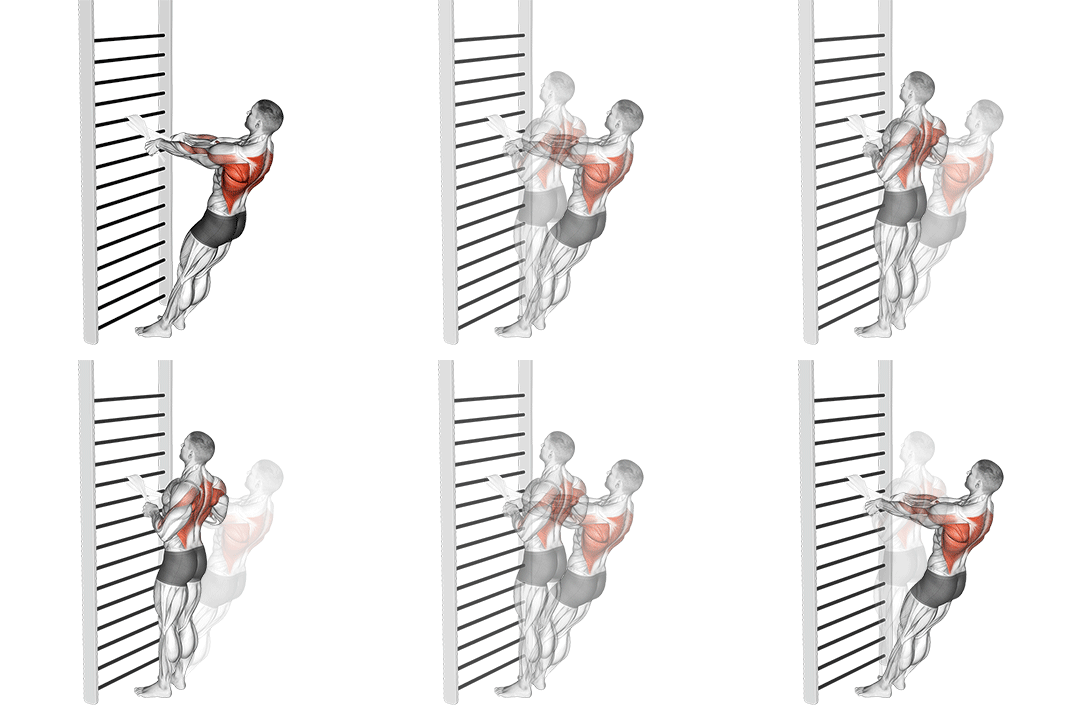
10. Bodyweight Standing Row (with Towel)
67.1% MatchHow to perform this exercise
- Stand with your feet shoulder-width apart and hold a towel in front of you with both hands.
- Bend your knees slightly and hinge forward at the hips, keeping your back straight.
- Pull the towel towards your chest, squeezing your shoulder blades together.
- Pause for a moment at the top, then slowly release the tension and return to the starting position.
- Repeat for the desired number of repetitions.
Why You Might Need a Front Lever Reps Alternative
Athletes substitute Front Lever Reps for skill, safety, or equipment reasons. The front lever demands high scapular control, long lever torque, and strong anti-extension core; lacking any of these increases injury risk. You might swap to inverted rows or tuck lever holds to reduce lever arm torque while preserving lat, teres major, and rhomboid loading. For shoulder pain, choose exercises that limit end-range horizontal abduction and emphasize scapular retraction. If you lack a pull bar, band-assisted rows or table rows deliver similar posterior-chain activation. Cue when substituting: brace your ribs, retract the scapula, and maintain a rigid torso so the target muscles activate correctly.
How to Choose the Right Substitute
Pick a substitute by matching the mechanical demand you can currently tolerate. Test scapular control with scapular pulls: if you cannot hold a 10-second scapular retraction, prioritize scapular pull-ups and face pulls. If core anti-extension is weak, use tuck front lever progressions and hollow holds to shorten the lever arm and reduce torque on the lats. Consider equipment: a bar lets you perform inverted rows and negative front levers; bands let you control eccentric tempo. Choose exercises that increase load progressively—slow eccentrics, added holds, or increased lever length—and maintain cues: keep ribs down, scapula retracted, and lats engaged.
Frequently Asked Questions
What muscles does Front Lever Reps work?
Front Lever Reps primarily load the lats, teres major, rhomboids, lower trapezius, and posterior deltoids while the rectus abdominis and obliques act as anti-extension stabilizers. Cue scapular retraction and full lat tension to maximize upper-back activation.
What is the best bodyweight alternative to Front Lever Reps?
Tuck front lever progressions are the best pure bodyweight alternative because they shorten the lever arm while still training lat and scapular control. Keep the pelvis tucked, squeeze the lats, and maintain a rigid torso to transfer strength to longer lever variations.
Can I build muscle without doing Front Lever Reps?
Yes. You can hypertrophy the same upper-back muscles with progressive horizontal and vertical pulls—elevated inverted rows, slow negatives, and weighted pull variations—by emphasizing full scapular retraction and slow eccentrics. Progress load, tempo, and range of motion to drive adaptation.
More Exercise Alternatives
Find Alternatives for Any Exercise
Use our free tool to discover the best substitute exercises based on your available equipment and goals.
Try the Exercise Substitution Finder →