

10 Best Hanging Oblique Knee Raise Alternatives for Home & Gym
If you can’t perform the Hanging Oblique Knee Raise, use moves that pair hip flexion with trunk rotation or anti-rotation. Try side-plank knee tucks, Russian twists, windshield wipers, pallof presses, or lying leg raises. Brace your core and exhale as you draw the knee toward the opposite elbow to maximize oblique contraction and hip-flexor drive.
Original Exercise: Hanging Oblique Knee Raise
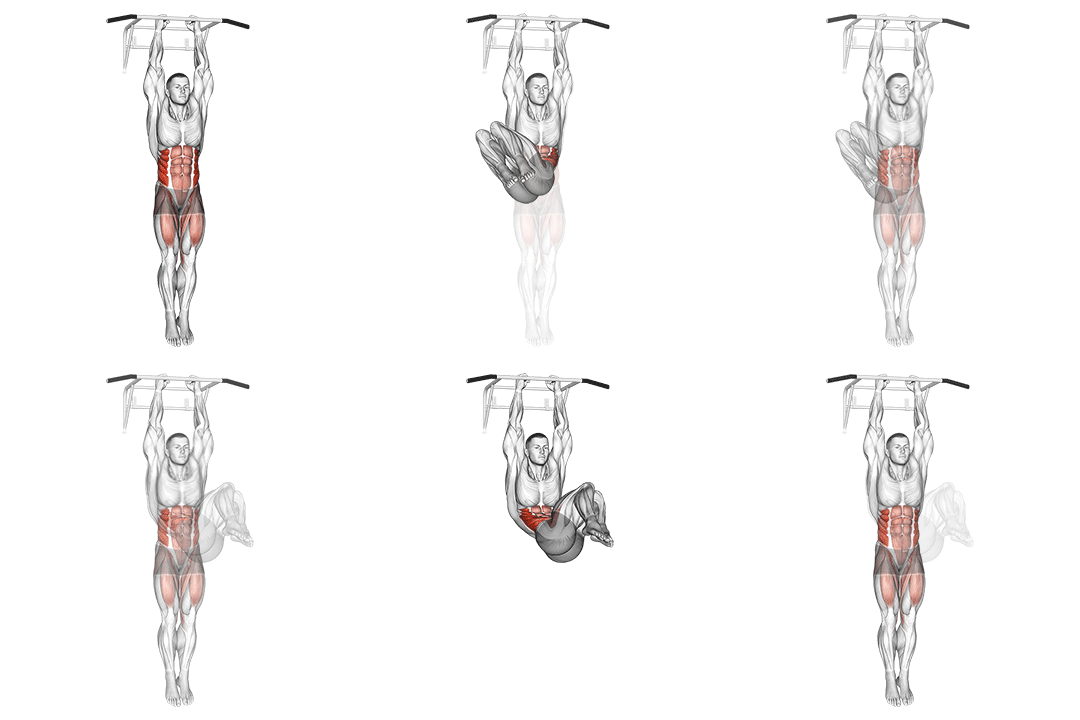
How to Perform Hanging Oblique Knee Raise
- Hang from a pull-up bar with your arms fully extended and your palms facing away from you.
- Engage your core and lift your knees towards your chest, twisting your torso to the side as you do so.
- Pause for a moment at the top, then slowly lower your legs back down to the starting position.
- Repeat on the other side, twisting your torso in the opposite direction.
- Continue alternating sides for the desired number of repetitions.
Best Hanging Oblique Knee Raise Alternatives
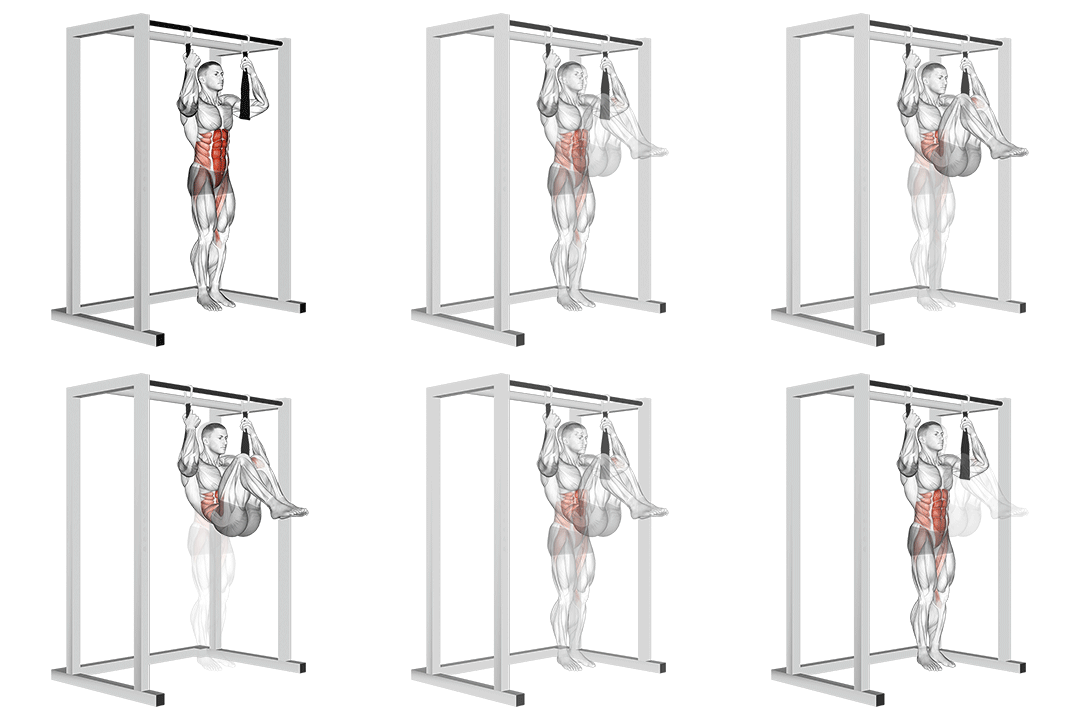
1. Arm Slingers Hanging Bent Knee Legs
90.4% MatchHow to perform this exercise
- Hang from a pull-up bar with your arms fully extended and your knees bent at a 90-degree angle.
- Engage your core and lift your knees towards your chest, bringing them as close to your elbows as possible.
- Slowly lower your legs back down to the starting position.
- Repeat for the desired number of repetitions.
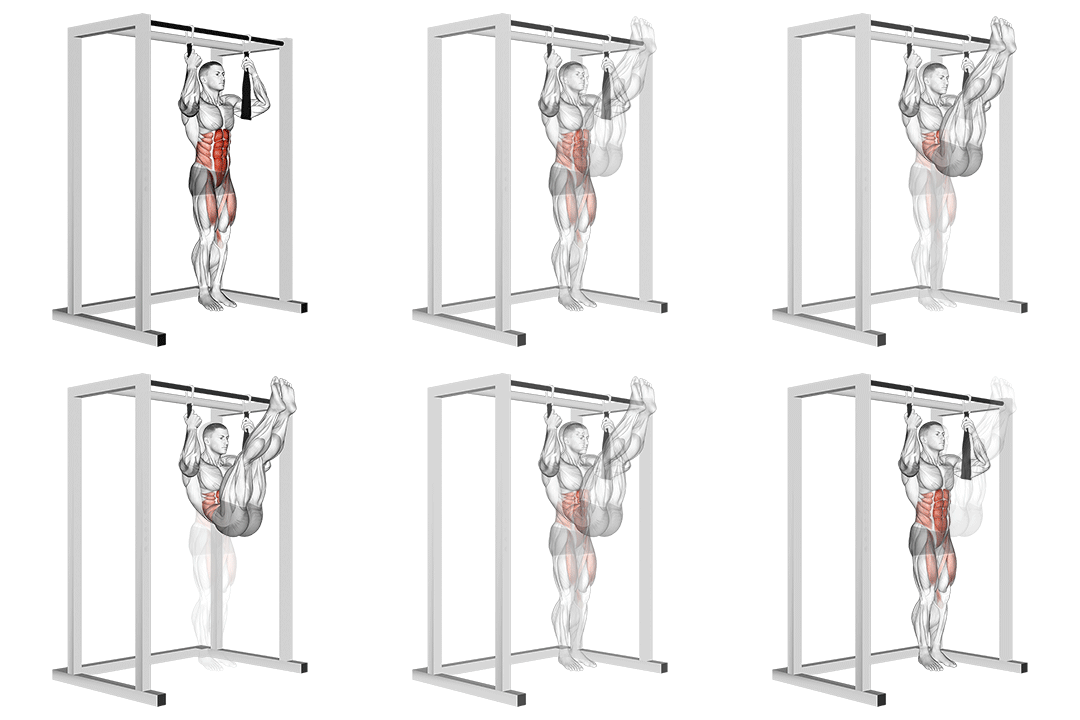
2. Arm Slingers Hanging Straight Legs
90.2% MatchHow to perform this exercise
- Hang from a pull-up bar with your arms fully extended and your legs straight down.
- Engage your core and lift your legs up in front of you until they are parallel to the ground.
- Hold for a moment at the top, then slowly lower your legs back down to the starting position.
- Repeat for the desired number of repetitions.
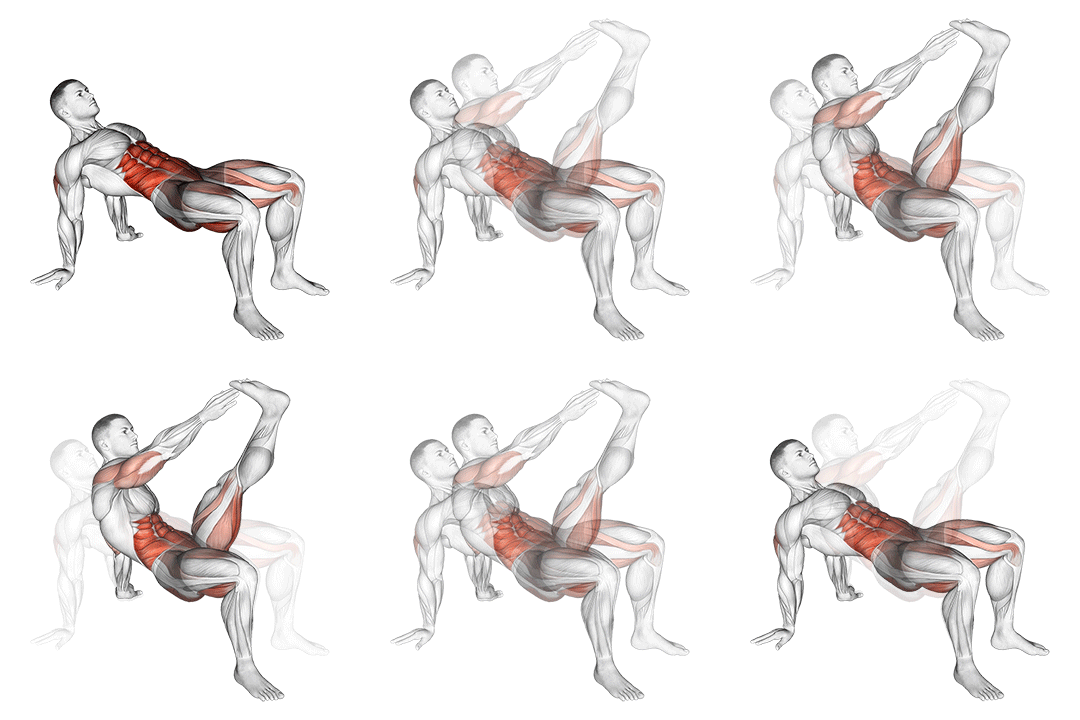
3. Crab Twist Toe Touch
84% MatchHow to perform this exercise
- Start by sitting on the ground with your knees bent and feet flat on the floor.
- Place your hands behind you, fingers pointing towards your feet, and lift your hips off the ground.
- Extend one leg straight out in front of you while simultaneously reaching your opposite hand towards your toes.
- Return to the starting position and repeat on the other side.
- Continue alternating sides for the desired number of repetitions.
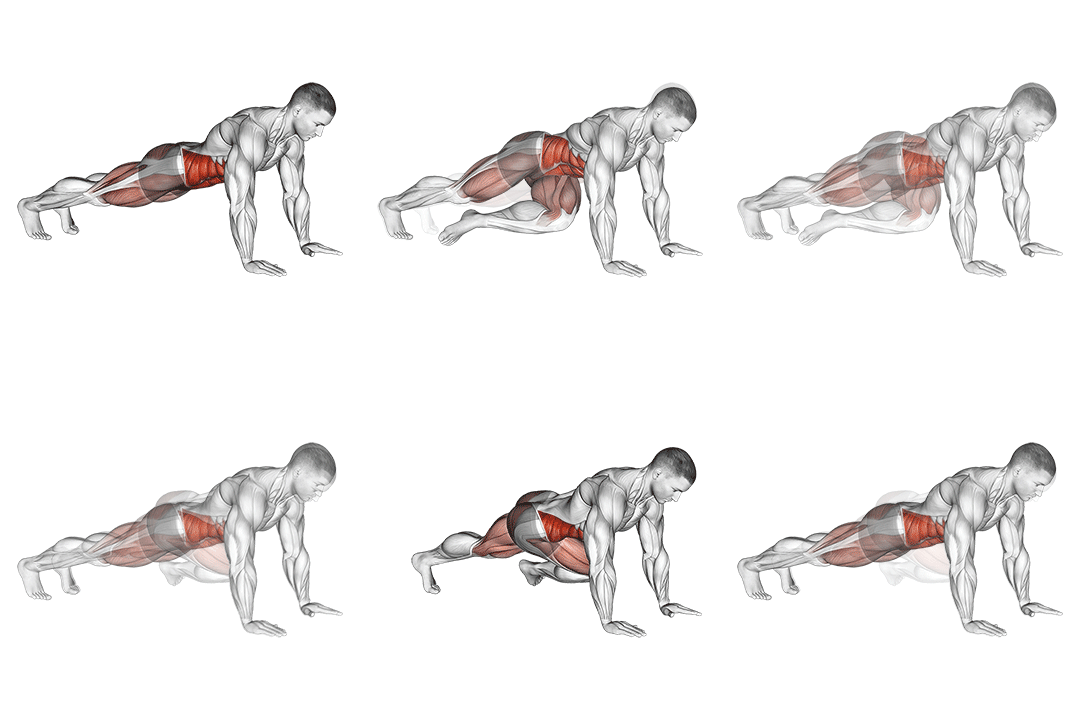
4. Bridge - Mountain Climber (cross Body)
82.2% MatchHow to perform this exercise
- Start in a high plank position with your hands directly under your shoulders and your body in a straight line.
- Engage your core and lift your right foot off the ground, bringing your right knee towards your left elbow.
- Return your right foot to the starting position and repeat the movement with your left foot towards your right elbow.
- Continue alternating sides, moving at a controlled pace.
- Keep your hips level and avoid lifting your hips too high or sagging them too low.
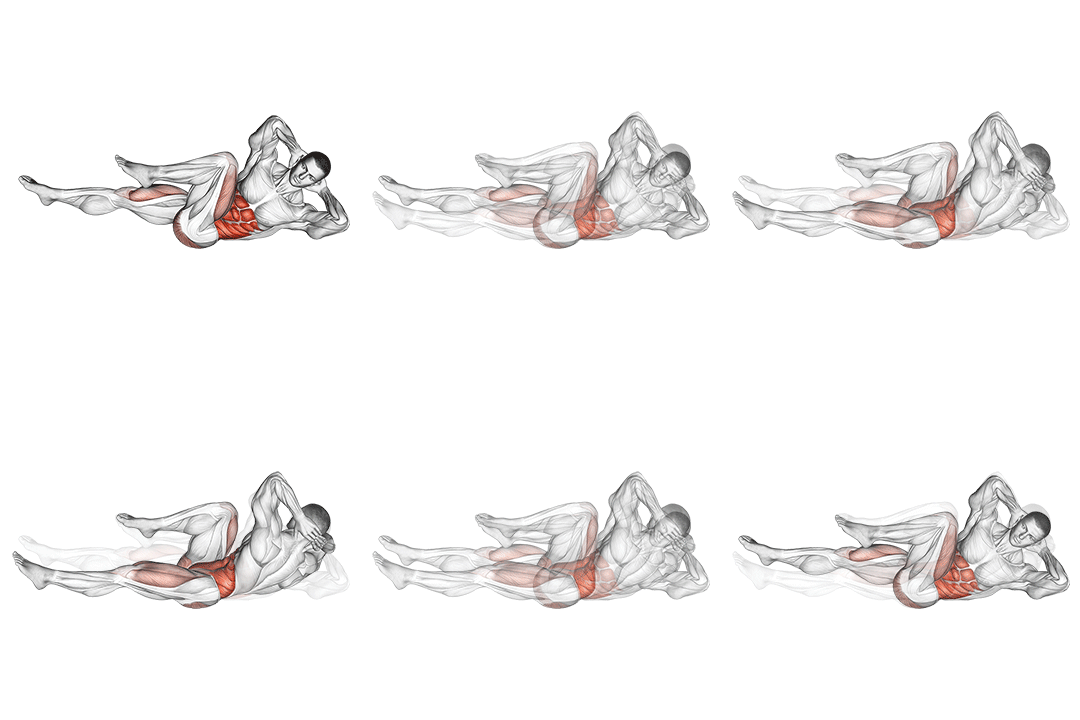
5. Elbow-to-knee
74.2% MatchHow to perform this exercise
- Start by lying flat on your back with your knees bent and feet flat on the ground.
- Place your hands behind your head with your elbows pointing outwards.
- Engage your abs and lift your upper body off the ground, bringing your right elbow towards your left knee.
- At the same time, bring your left knee towards your right elbow, creating a twisting motion.
- Pause for a moment at the top, then slowly lower your upper body and extend your legs back to the starting position.
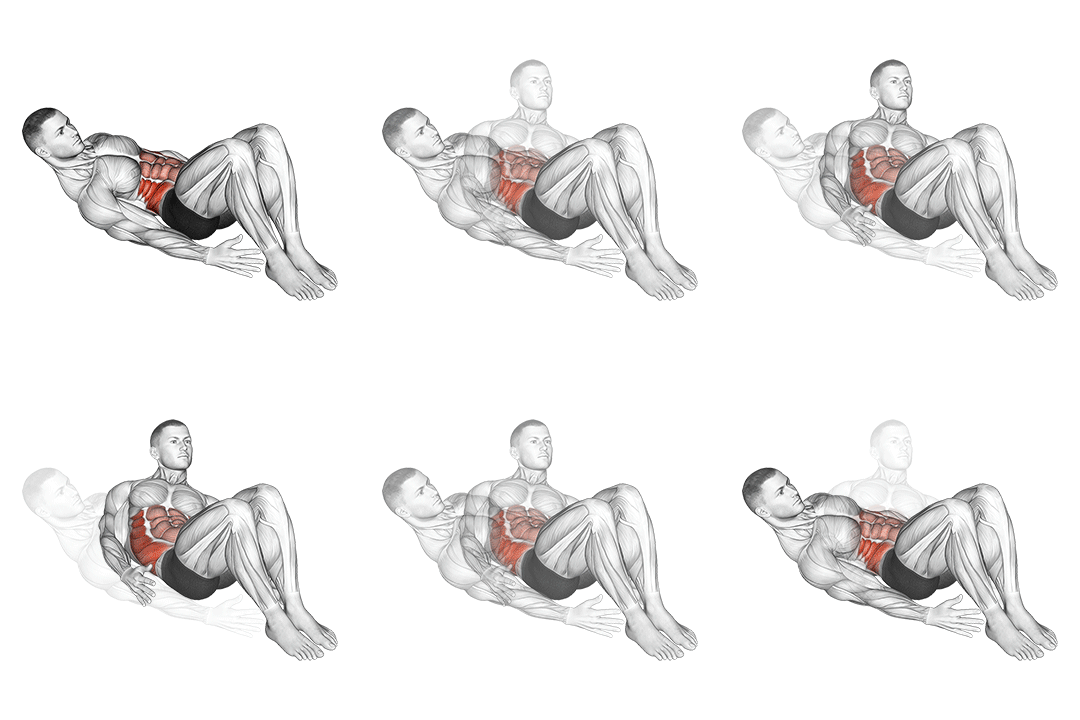
6. Alternate Heel Touchers
73.2% MatchHow to perform this exercise
- Lie flat on your back with your knees bent and feet flat on the ground.
- Extend your arms straight out to the sides, parallel to the ground.
- Engaging your abs, lift your shoulders off the ground and reach your right hand towards your right heel.
- Return to the starting position and repeat on the left side, reaching your left hand towards your left heel.
- Continue alternating sides for the desired number of repetitions.
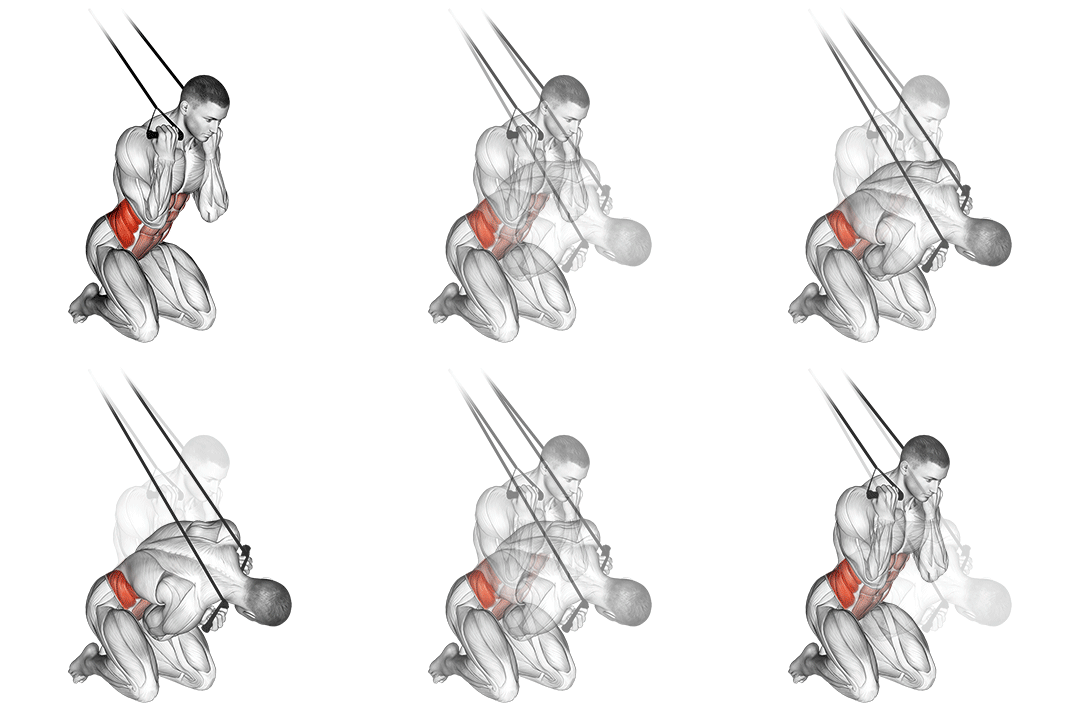
7. Band Kneeling Twisting Crunch
71.7% MatchHow to perform this exercise
- Attach the band to a sturdy anchor point at waist height.
- Kneel down facing away from the anchor point and hold the band with both hands, keeping your elbows bent and close to your sides.
- Engage your abs and slowly twist your torso to one side, bringing your hands towards your opposite hip.
- Pause for a moment, then slowly return to the starting position.
- Repeat on the other side.
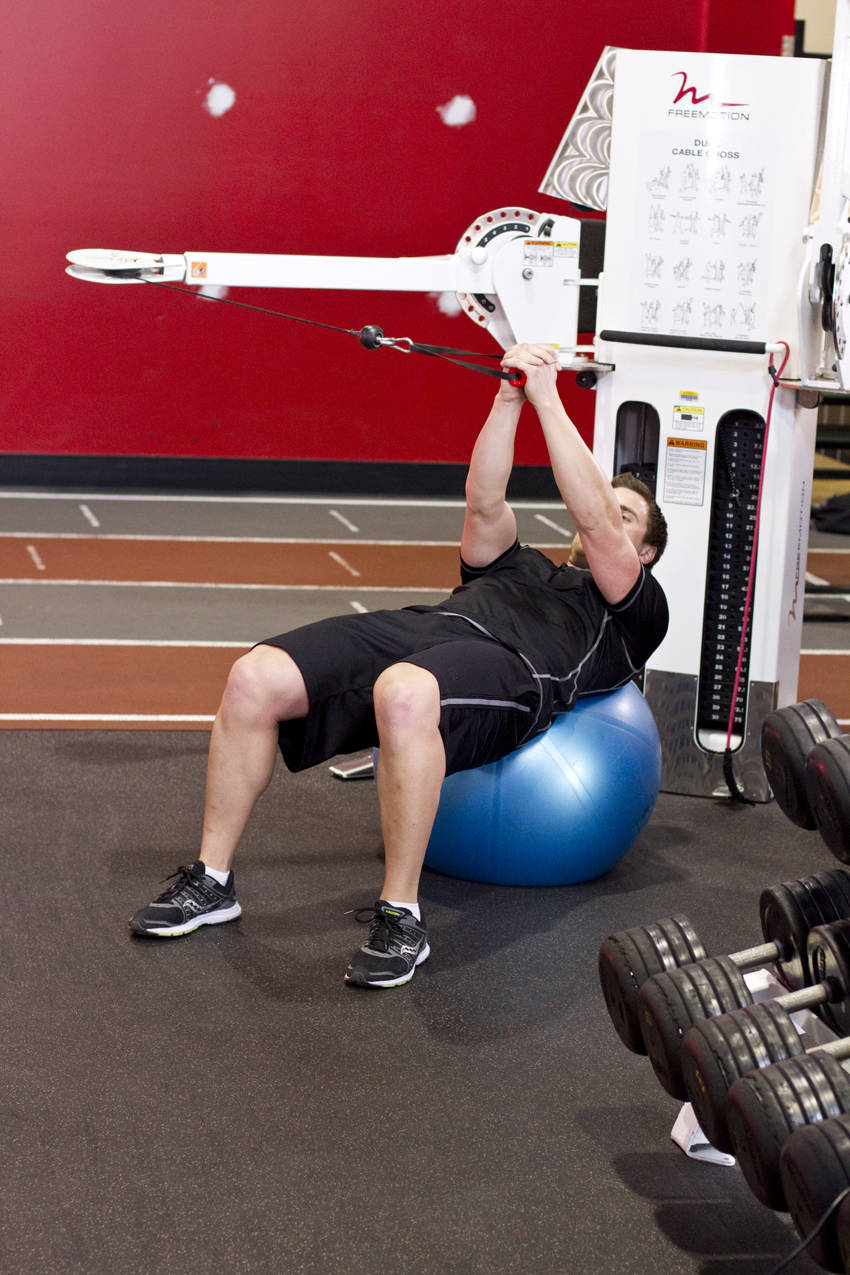
8. Cable Russian Twists
70.6% MatchHow to perform this exercise
- Connect a standard handle attachment, and position the cable to a middle pulley position.
- Lie on a stability ball perpendicular to the cable and grab the handle with one hand. You should be approximately arm's length away from the pulley, with the tension of the weight on the cable.
- Grab the handle with both hands and fully extend your arms above your chest. You hands should be directly in-line with the pulley. If not, adjust the pulley up or down until they are.
- Keep your hips elevated and abs engaged. Rotate your torso away from the pulley for a full-quarter rotation. Your body should be flat from head to knees.
- Pause for a moment and in a slow and controlled manner reset to the starting position. You should still have side tension on the cable in the resting position.
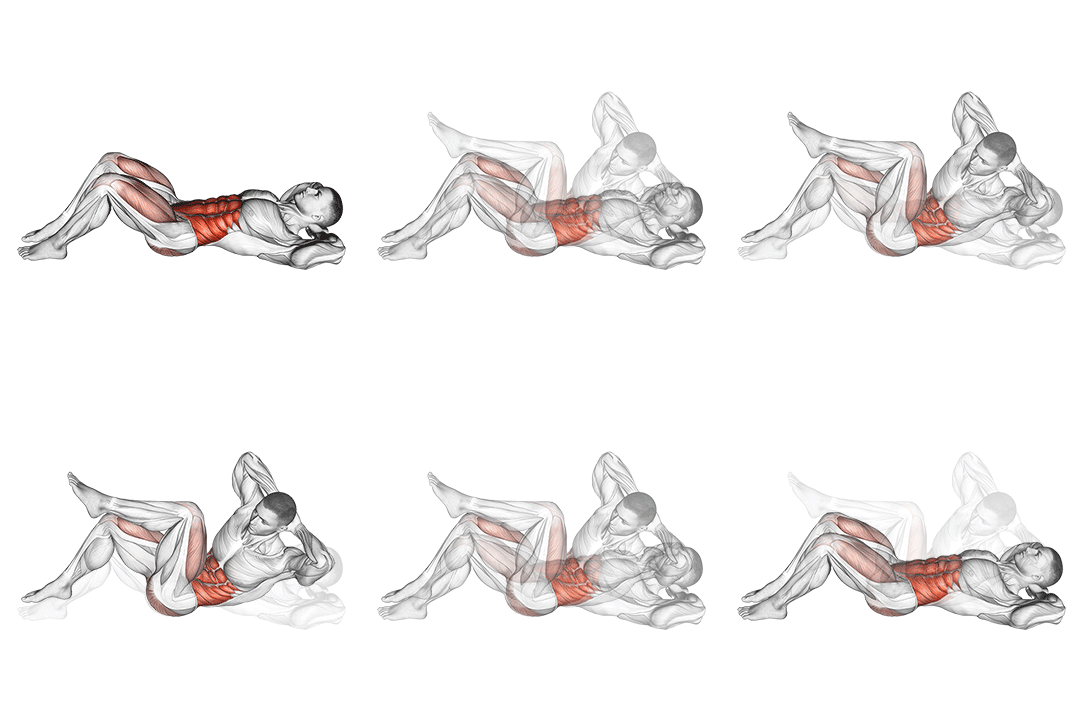
9. Cross Body Crunch
69.8% MatchHow to perform this exercise
- Lie flat on your back with your knees bent and feet flat on the ground.
- Place your hands behind your head with your elbows pointing outwards.
- Engaging your abs, lift your upper body off the ground and twist to bring your right elbow towards your left knee.
- Pause for a moment at the top, then slowly lower your upper body back down to the starting position.
- Repeat on the other side, bringing your left elbow towards your right knee.
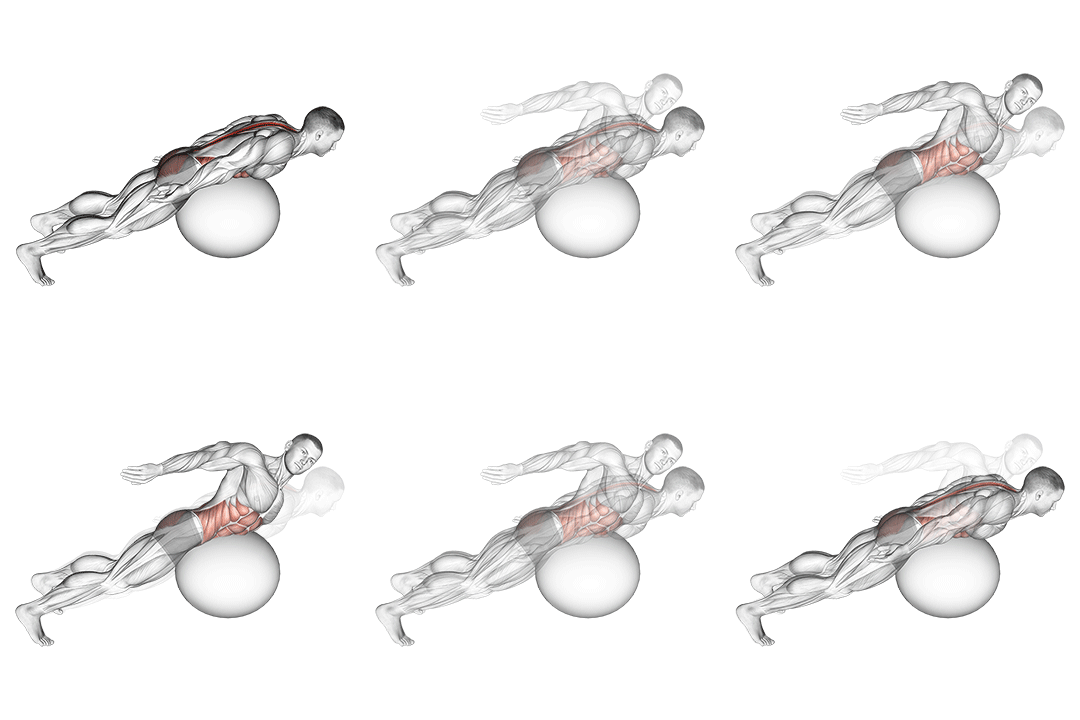
10. Exercise Ball Back Extension With Rotation
68.2% MatchHow to perform this exercise
- Start by lying face down on the stability ball with your hips resting on the ball and your feet firmly planted on the ground.
- Place your hands behind your head or cross them over your chest.
- Engage your core and slowly lift your upper body off the ball, extending your back until your body forms a straight line from your head to your heels.
- Pause for a moment at the top, then slowly rotate your torso to one side, keeping your hips and legs stable.
- Return to the center and repeat the rotation to the other side.
Why You Might Need a Hanging Oblique Knee Raise Alternative
You may need substitutes because of limited grip strength, shoulder or scapular pain, lack of a pull-up bar, lower-back sensitivity, or a desire for progressive overload and variation. Hanging raises load the spine and require strong scapular stability; floor or anti-rotation options reduce lumbar shear and remove the hanging grip while preserving oblique demand. For example, side-plank knee tucks let you keep hips stacked, squeeze the glutes, and drive the knee to the elbow to preferentially activate the external oblique and hip flexors without vertical spinal compression. Substitutes let you isolate transverse-plane control or emphasize eccentric tension safely.
How to Choose the Right Substitute
Choose a substitute by matching movement pattern, equipment, and injury history to your goals. If shoulders or grip limit you, pick floor-based hip-flexion variations (cue: maintain a neutral spine and pull the navel to the spine) to engage the transverse abdominis and reduce scapular load. For anti-rotation strength, use Pallof presses or standing cable chops with hips square to force isometric oblique activation. If you want more hip-flexor involvement, use controlled leg raises or slow windshield wipers; increase difficulty by adding range of motion, tempo manipulation, or external resistance to progressively overload the obliques and hip flexors.
Frequently Asked Questions
What muscles does Hanging Oblique Knee Raise work?
The exercise targets the external obliques and rectus abdominis while the iliopsoas and rectus femoris drive hip flexion. Forearms and scapular stabilizers work isometrically to maintain the hang, and the movement combines hip flexion with transverse-plane rotation to produce oblique contraction and anterior pelvic control.
What is the best bodyweight alternative to Hanging Oblique Knee Raise?
A side-plank knee-to-elbow (side-plank knee tuck) is the top bodyweight swap; cue: stack hips, press the top elbow into the floor, and draw the knee to the same-side elbow with a controlled tempo. This preserves strong external oblique activation and transverse-plane control without requiring a hanging grip.
Can I build muscle without doing Hanging Oblique Knee Raise?
Yes. Use progressive overload through higher volume, slower eccentrics, added resistance, or harder leverage variations—e.g., weighted Russian twists, slow windshield wipers, or band-resisted side planks. Track perceived oblique tension to ensure the external obliques and hip flexors receive adequate mechanical stimulus for hypertrophy.
More Exercise Alternatives
Find Alternatives for Any Exercise
Use our free tool to discover the best substitute exercises based on your available equipment and goals.
Try the Exercise Substitution Finder →