

10 Best Decline Crunch Alternatives for Bodyweight Ab Work
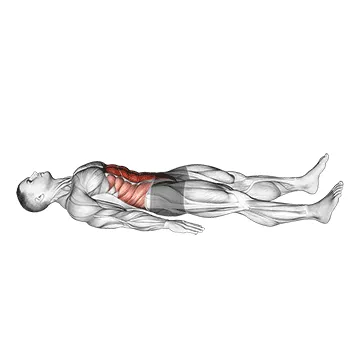
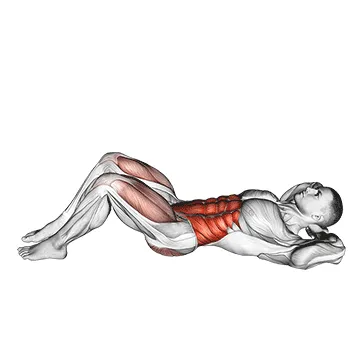
The Decline Crunch is done lying on your back. Ranked closest by our scoring: the Crunch (Hands Overhead), the Crunch Floor and the Prisoner Half Sit-up.
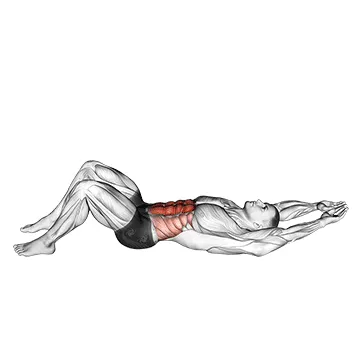
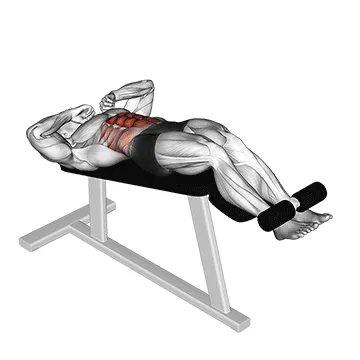
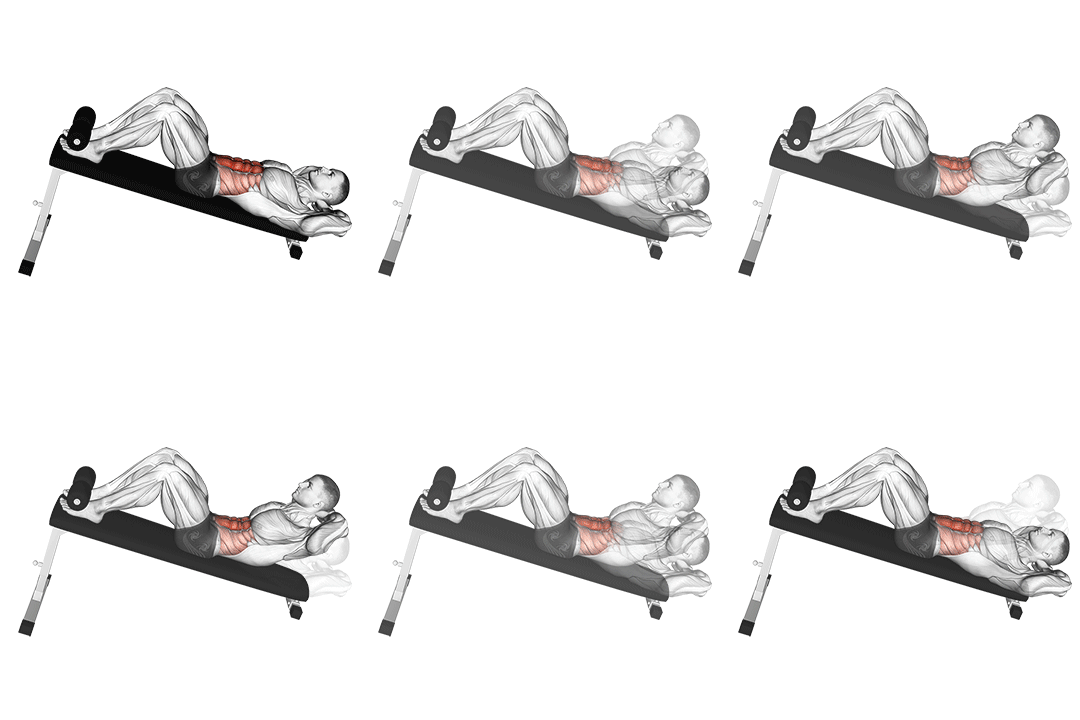
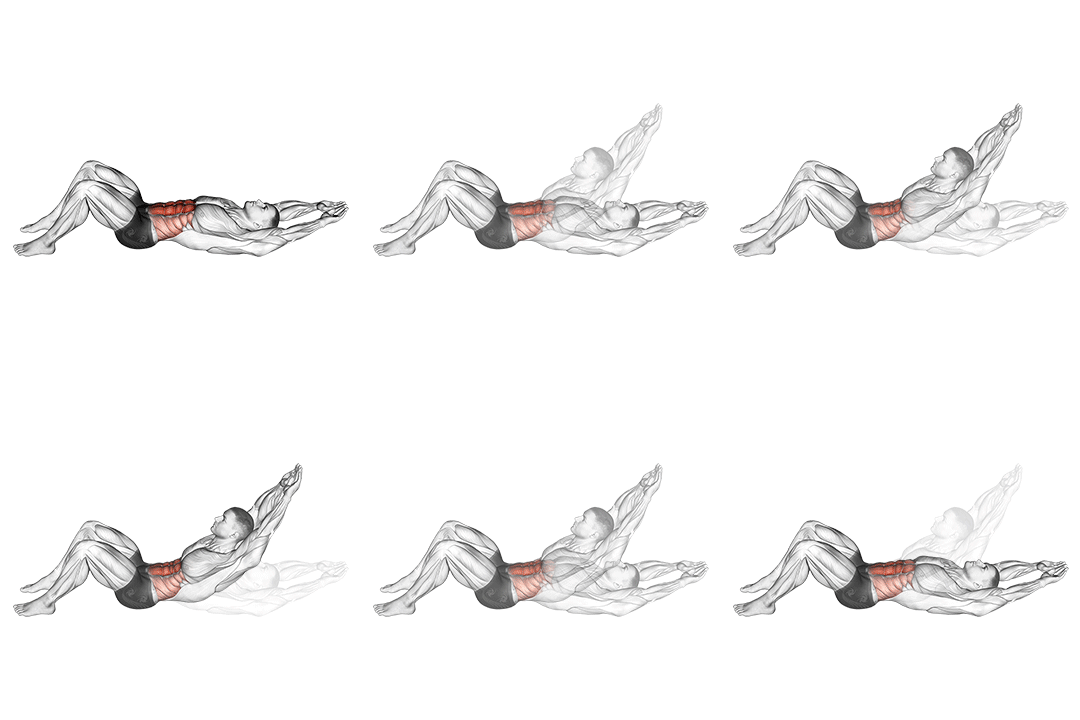
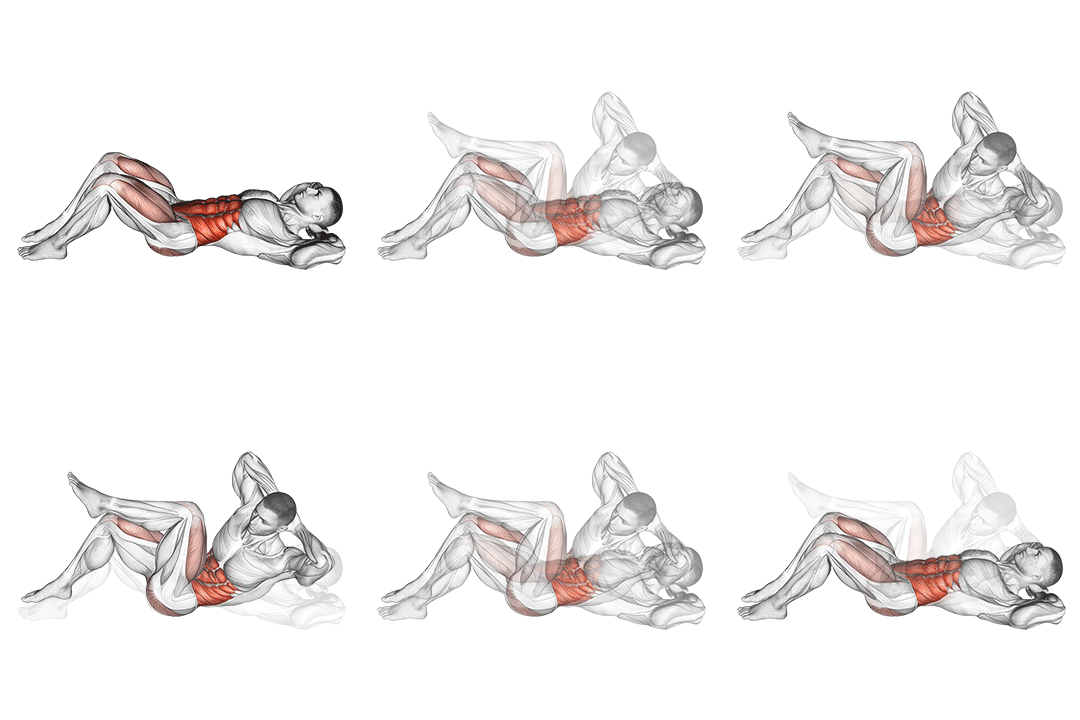
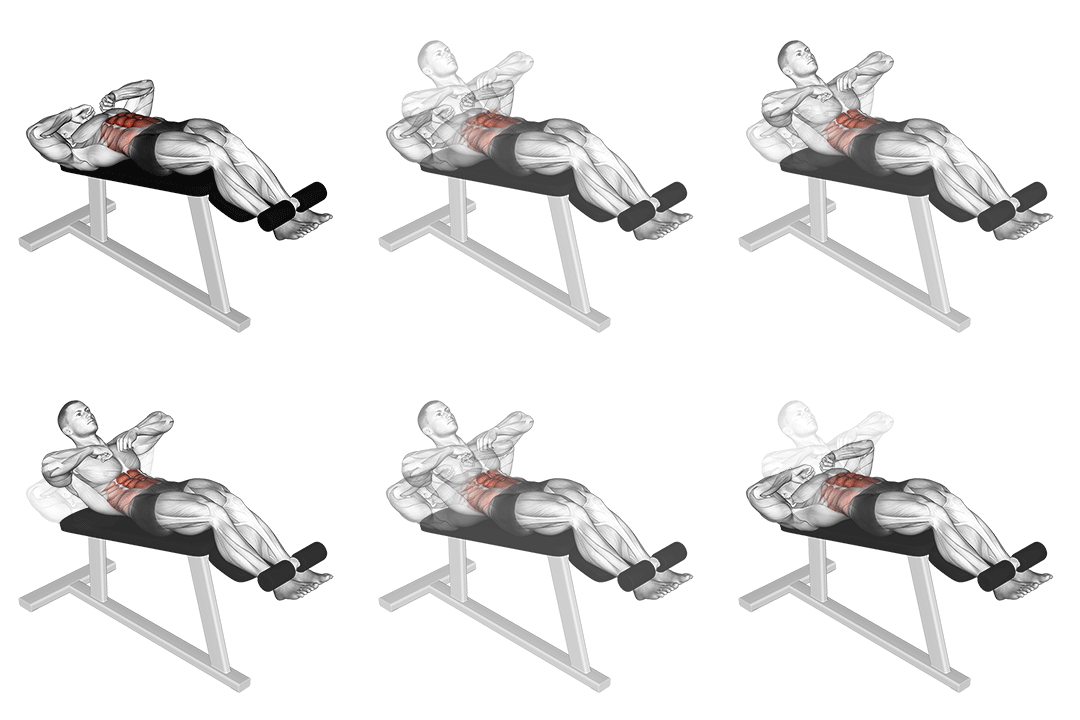
A home lifter without a decline bench still wants the same curl. The Decline Crunch secures your feet at a downward angle and curls your torso up toward your bent knees. The Crunch (Hands Overhead) is the closest swap: you lie flat on the floor with your arms straight overhead and curl your torso toward your knees the same way, so the bench and the hand position are the only changes.
Updated Ranked by our 12-factor similarity model How it works
Original Exercise: Decline Crunch
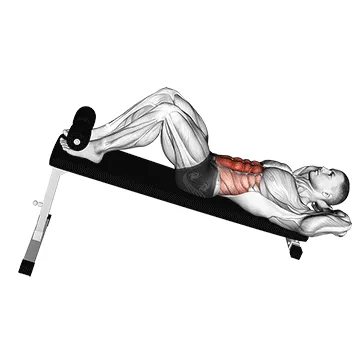
- Primary muscle
- Abs
- Equipment
- Bodyweight
- Difficulty
- Intermediate
- Type
- Isolation
Secondary muscles: Hip Flexors
How to perform Decline Crunch
- Lie on a decline bench with your feet secured and your knees bent at a 90-degree angle.
- Place your hands behind your head or across your chest.
- Engage your abs and lift your upper body towards your knees, curling your torso.
- Pause for a moment at the top, then slowly lower your upper body back down to the starting position.
- Repeat for the desired number of repetitions.
Ranked Decline Crunch Alternatives
10 substitutes, ranked by how closely each one matches the Decline Crunch on movement pattern, muscles worked, equipment and body position. The higher the score, the less you change. Open "How to perform this exercise" on a card for the steps; every card title links to that exercise's own alternatives page.
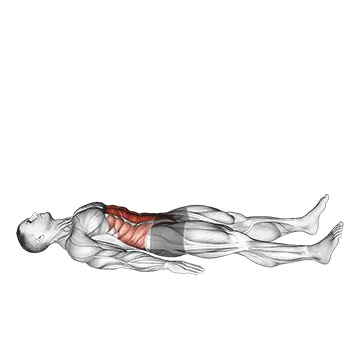
Best match 1. Crunch (Hands Overhead)
99% match- Abs
- Bodyweight
- Intermediate
- Isolation
Pick this when you want an easier version that still works the abs.
How to perform this exercise
- Lie flat on your back with your knees bent and feet flat on the ground.
- Extend your arms straight above your head.
- Engaging your abs, lift your upper body off the ground, curling forward towards your knees.
- Pause for a moment at the top, then slowly lower your upper body back down to the starting position.
- Repeat for the desired number of repetitions.
Sets and reps: 3 sets of 10 to 15 reps.
Why this matches
- Primary muscle: abs, the same as the Decline Crunch
- Equipment: bodyweight only, the same as the Decline Crunch
- Body position: lying on your back, the same as the Decline Crunch
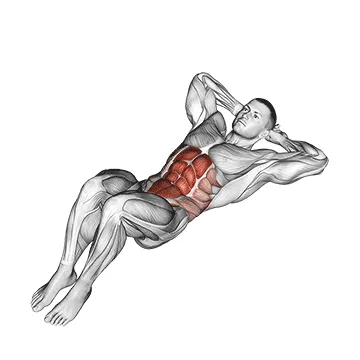
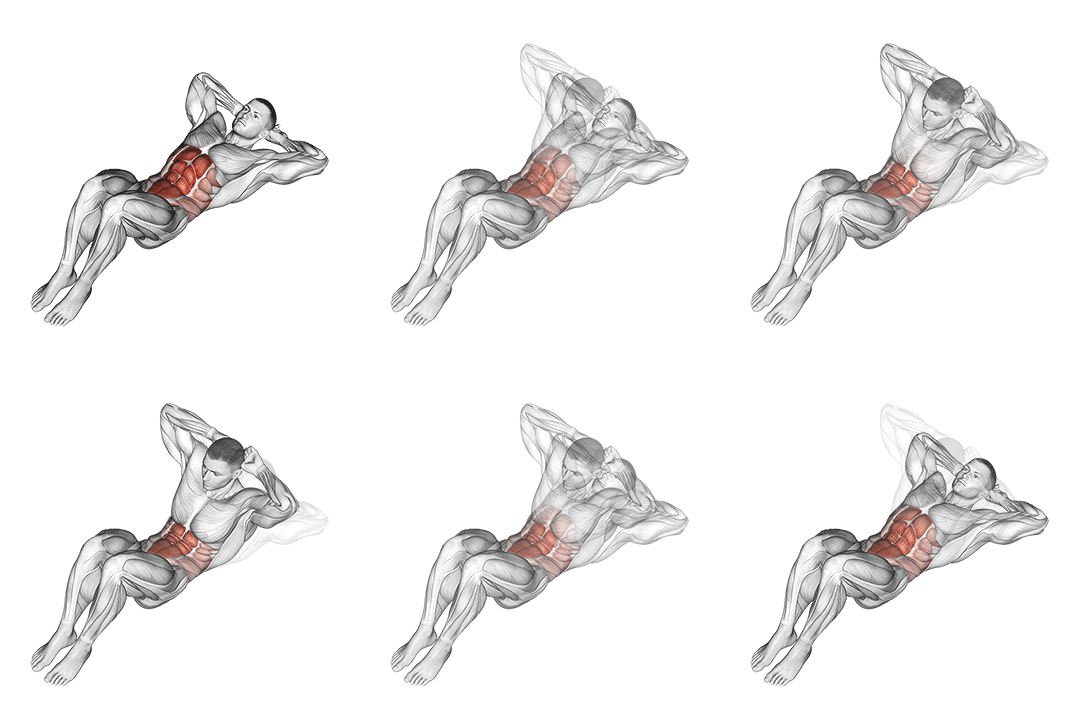
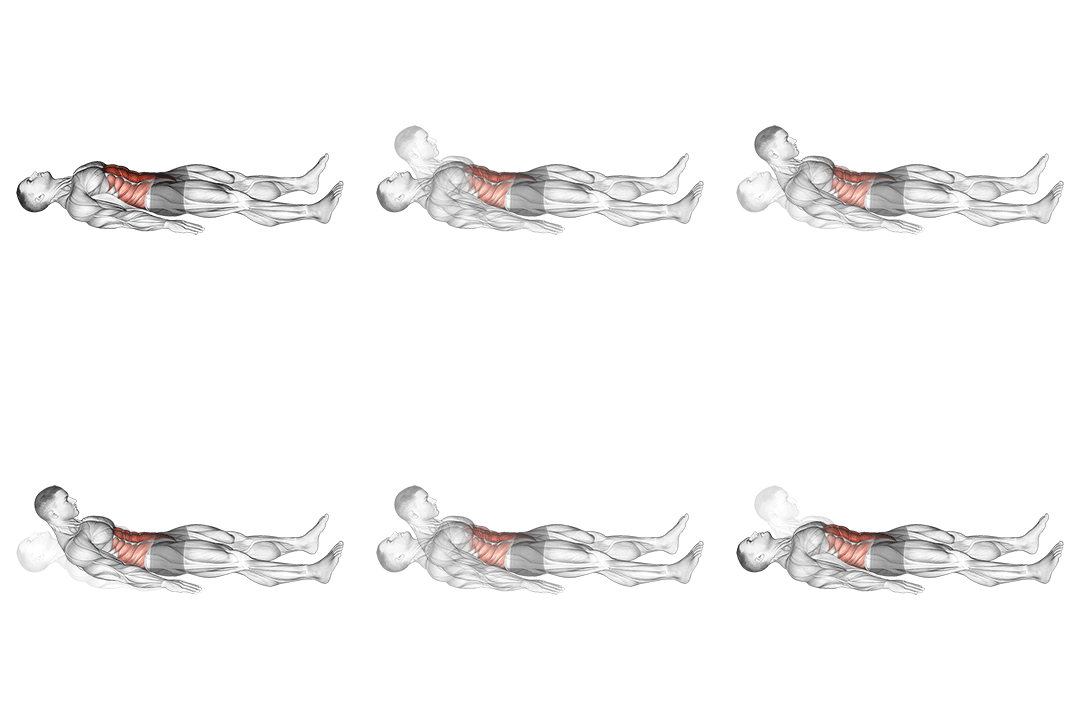
2. Crunch Floor
99% match- Abs
- Bodyweight
- Beginner
- Isolation
How to perform this exercise
- Lie flat on your back with your knees bent and feet flat on the ground.
- Place your hands behind your head with your elbows pointing outwards.
- Engage your abs and lift your shoulders off the ground, curling forward towards your knees.
- Pause for a moment at the top, then slowly lower your shoulders back down to the starting position.
- Repeat for the desired number of repetitions.
Sets and reps: 3 sets of 8 to 12 reps, and add reps before you add load.
Why this matches
- Primary muscle: abs, the same as the Decline Crunch
- Equipment: bodyweight only, the same as the Decline Crunch
- Body position: lying on your back, the same as the Decline Crunch
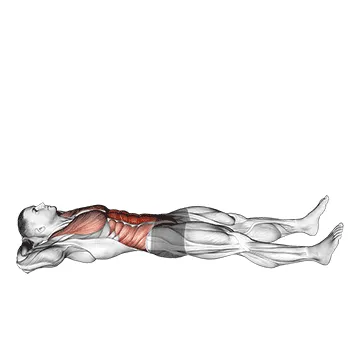
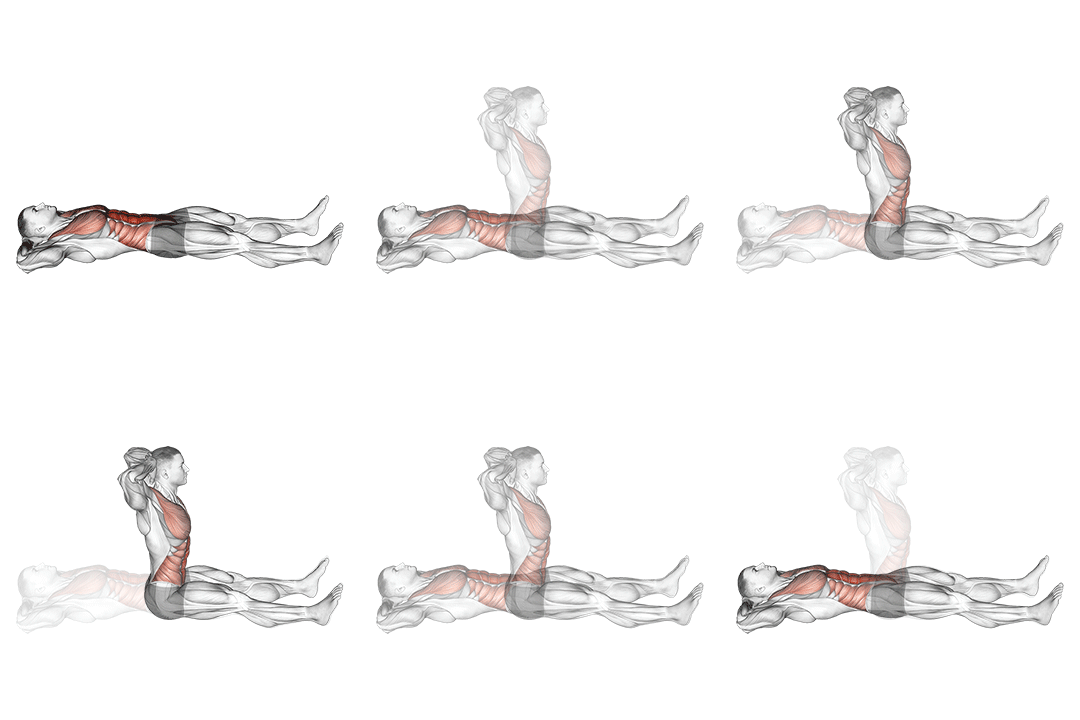
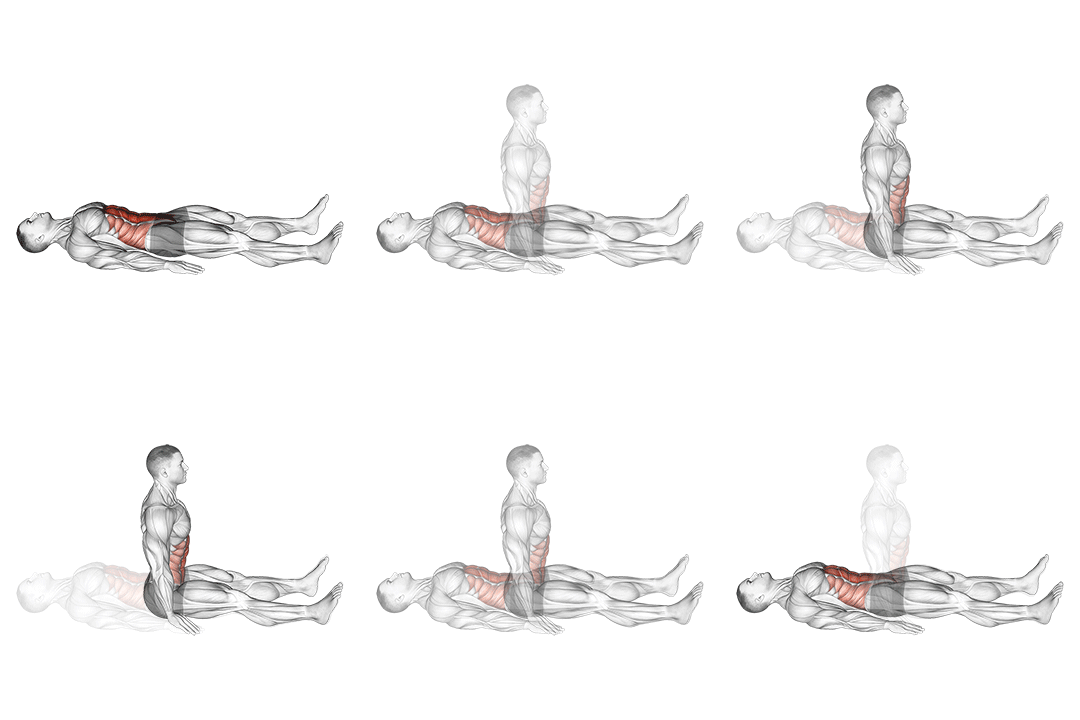
3. Prisoner Half Sit-up
98% match- Abs
- Bodyweight
- Beginner
- Isolation
How to perform this exercise
- Lie flat on your back with your knees bent and feet flat on the ground.
- Place your hands behind your head with your elbows pointing outwards.
- Engaging your abs, slowly lift your upper body off the ground, curling forward until your torso is at a 45-degree angle.
- Pause for a moment at the top, then slowly lower your upper body back down to the starting position.
- Repeat for the desired number of repetitions.
Sets and reps: 3 sets of 8 to 12 reps, and add reps before you add load.
Why this matches
- Primary muscle: abs, the same as the Decline Crunch
- Equipment: bodyweight only, the same as the Decline Crunch
- Body position: lying on your back, the same as the Decline Crunch
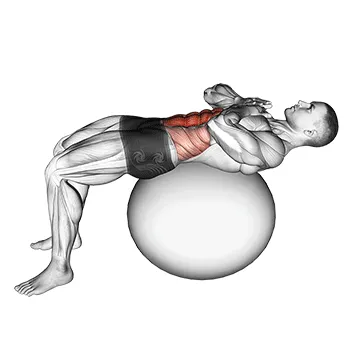
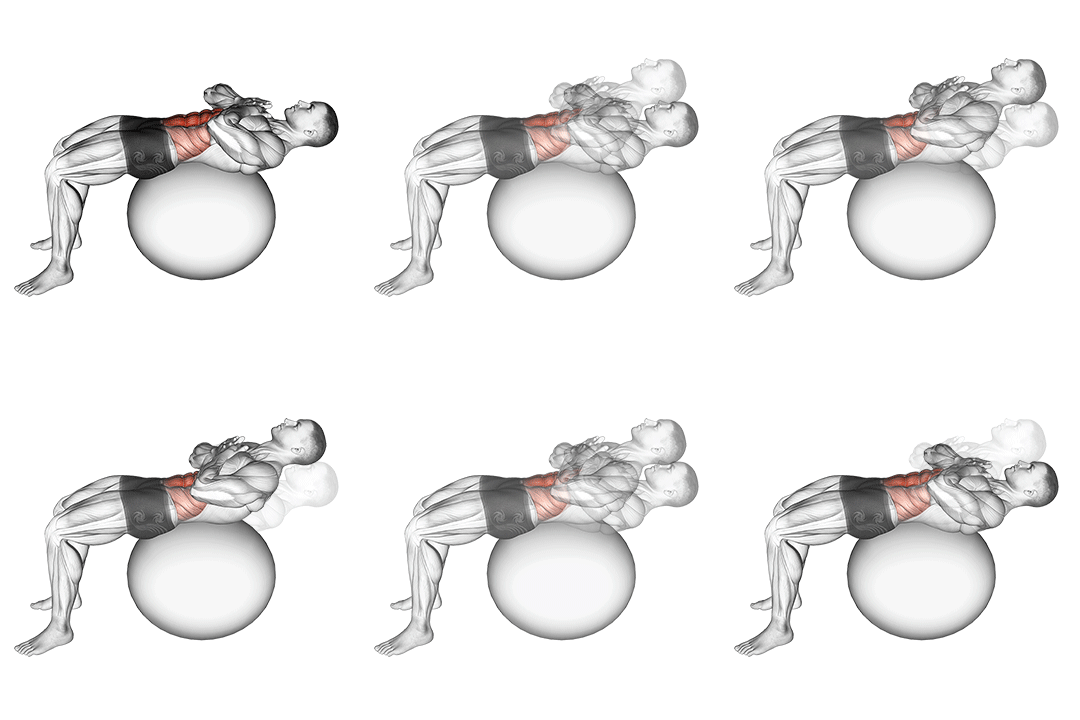
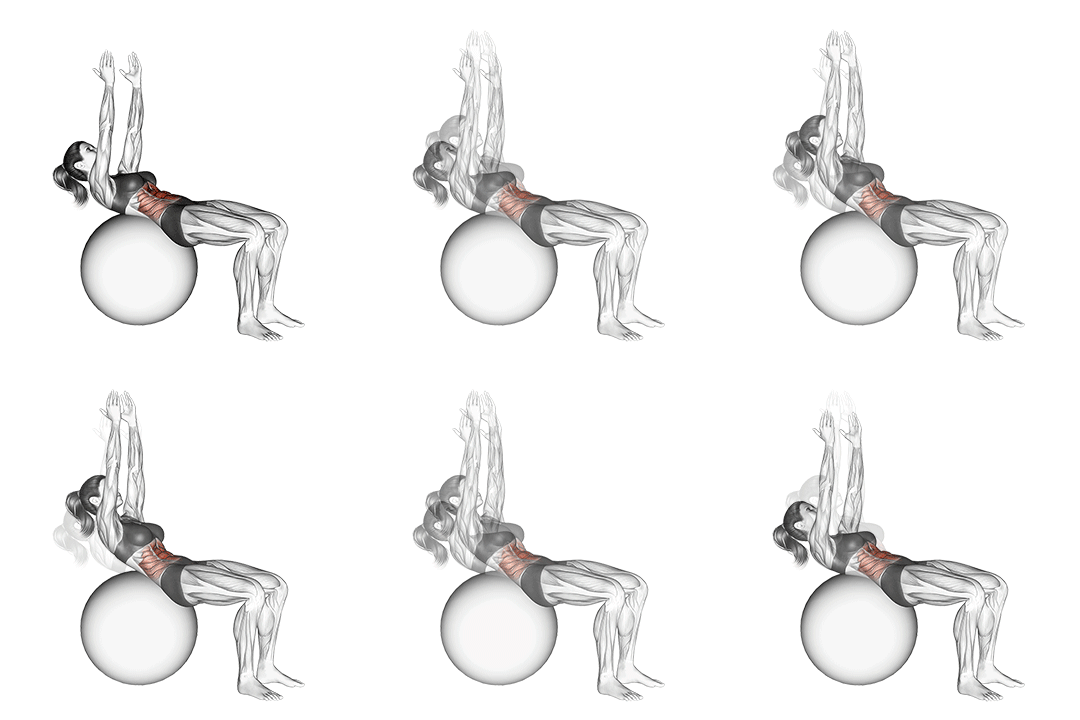
4. Crunch (On Stability Ball)
98% match- Abs
- Stability-ball
- Intermediate
- Isolation
A good swap when you have a stability ball to work with, and it still works the abs.
How to perform this exercise
- Sit on the stability ball with your feet flat on the ground and your knees bent at a 90-degree angle.
- Lie back on the ball until your lower back is supported and your upper body is parallel to the floor.
- Place your hands behind your head or across your chest.
- Engage your abs and lift your upper body towards your knees, curling your torso forward.
- Pause for a moment at the top of the movement, then slowly lower your upper body back down to the starting position.
- Repeat for the desired number of repetitions.
Sets and reps: 3 sets of 10 to 15 reps.
Why this matches
- Primary muscle: abs, the same as the Decline Crunch
- Equipment: bodyweight only, the same as the Decline Crunch
- Body position: lying on your back, the same as the Decline Crunch
- Balance: harder to stay steady on than the Decline Crunch
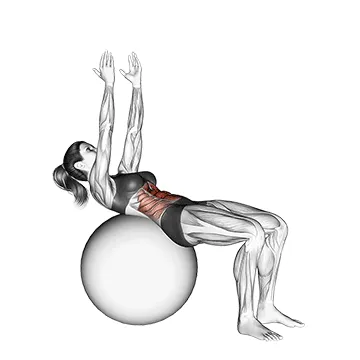
- Abs
- Stability-ball
- Intermediate
- Isolation
How to perform this exercise
- Sit on the stability ball with your feet flat on the ground and your knees bent at a 90-degree angle.
- Lie back on the ball until your lower back is supported and your upper body is parallel to the floor.
- Place your hands behind your head or cross them over your chest.
- Engage your abs and lift your upper body off the ball, curling your shoulders towards your hips.
- Pause for a moment at the top, then slowly lower your upper body back down to the starting position.
- Repeat for the desired number of repetitions.
Sets and reps: 3 sets of 10 to 15 reps.
Why this matches
- Primary muscle: abs, the same as the Decline Crunch
- Equipment: bodyweight only, the same as the Decline Crunch
- Body position: lying on your back, the same as the Decline Crunch
- Balance: harder to stay steady on than the Decline Crunch
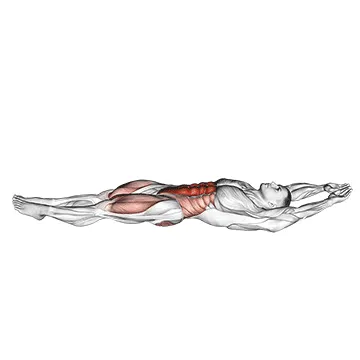
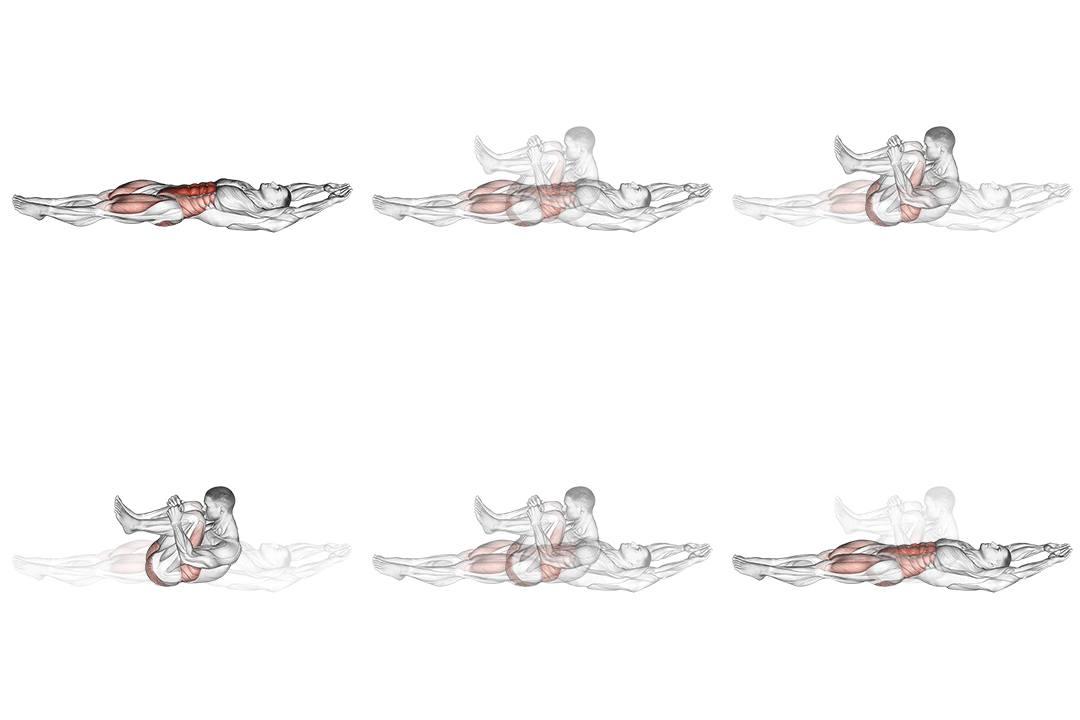
6. Cocoons
95% match- Abs
- Bodyweight
- Beginner
- Isolation
How to perform this exercise
- Lie flat on your back with your knees bent and feet flat on the ground.
- Place your hands behind your head with your elbows pointing outwards.
- Engaging your abs, slowly lift your upper body off the ground, curling forward until your torso is at a 45-degree angle.
- Pause for a moment at the top, then slowly lower your upper body back down to the starting position.
- Repeat for the desired number of repetitions.
Sets and reps: 3 sets of 8 to 12 reps, and add reps before you add load.
Why this matches
- Primary muscle: abs, the same as the Decline Crunch
- Equipment: bodyweight only, the same as the Decline Crunch
- Body position: lying on your back, the same as the Decline Crunch
7. Half Sit-up
93% match- Abs
- Bodyweight
- Beginner
- Isolation
How to perform this exercise
- Lie flat on your back with your knees bent and feet flat on the ground.
- Place your hands behind your head with your elbows pointing outwards.
- Engaging your abs, slowly lift your upper body off the ground, curling forward until your torso is at a 45-degree angle.
- Pause for a moment at the top, then slowly lower your upper body back down to the starting position.
- Repeat for the desired number of repetitions.
Sets and reps: 3 sets of 8 to 12 reps, and add reps before you add load.
Why this matches
- Primary muscle: abs, the same as the Decline Crunch
- Equipment: bodyweight only, the same as the Decline Crunch
- Body position: lying on your back, the same as the Decline Crunch
8. Quarter Sit-up
93% match- Abs
- Bodyweight
- Beginner
- Isolation
How to perform this exercise
- Lie flat on your back with your knees bent and feet flat on the ground.
- Place your hands behind your head with your elbows pointing outwards.
- Engaging your abs, slowly lift your upper body off the ground, curling forward until your torso is at a 45-degree angle.
- Pause for a moment at the top, then slowly lower your upper body back down to the starting position.
- Repeat for the desired number of repetitions.
Sets and reps: 3 sets of 8 to 12 reps, and add reps before you add load.
Why this matches
- Primary muscle: abs, the same as the Decline Crunch
- Equipment: bodyweight only, the same as the Decline Crunch
- Body position: lying on your back, the same as the Decline Crunch
9. Cross Body Crunch
92% match- Abs
- Bodyweight
- Beginner
- Isolation
How to perform this exercise
- Lie flat on your back with your knees bent and feet flat on the ground.
- Place your hands behind your head with your elbows pointing outwards.
- Engaging your abs, lift your upper body off the ground and twist to bring your right elbow towards your left knee.
- Pause for a moment at the top, then slowly lower your upper body back down to the starting position.
- Repeat on the other side, bringing your left elbow towards your right knee.
- Repeat for the desired number of repetitions.
Sets and reps: 3 sets of 8 to 12 reps on each side, and add reps before you add load.
Why this matches
- Primary muscle: abs, the same as the Decline Crunch
- Equipment: bodyweight only, the same as the Decline Crunch
- Body position: lying on your back, the same as the Decline Crunch
10. Negative Crunch
91% match- Abs
- Bodyweight
- Intermediate
- Isolation
How to perform this exercise
- Lie flat on your back with your knees bent and feet flat on the ground.
- Place your hands behind your head with your elbows pointing outwards.
- Engaging your abs, slowly lift your upper body off the ground, curling forward until your torso is at a 45-degree angle.
- Pause for a moment at the top, then slowly lower your upper body back down to the starting position.
- Repeat for the desired number of repetitions.
Sets and reps: 3 sets of 10 to 15 reps.
Why this matches
- Primary muscle: abs, the same as the Decline Crunch
- Equipment: bodyweight only, the same as the Decline Crunch
- Body position: lying on your back, the same as the Decline Crunch
Why You Might Need a Decline Crunch Alternative
Not every gym keeps a decline bench free, and home setups rarely have one. The Decline Crunch secures your feet at a downward angle and curls your torso toward your knees, so once the bench is gone you need a different curl for the same work on your abs. Crunch Floor lifts just your shoulders off the ground rather than your whole upper body, and the Prisoner Half Sit-up stops the curl at a 45-degree angle, so both move that curl onto flat ground with less range to manage. If you own a stability ball, the Crunch (On Stability Ball) lets you lie back until your lower back is supported and your upper body is parallel to the floor, then curl your torso toward your knees the same way. Cocoons and the Cross Body Crunch stay bodyweight only.
How to Choose the Right Decline Crunch Substitute
Without a decline bench, take the Crunch (Hands Overhead): you lie flat with arms overhead through the curl, close to what the Decline Crunch asks of your abs. If you are new to ab training, start with the Crunch Floor or the Prisoner Half Sit-up, since both curl through a shorter range on flat ground, easier to control than a downward angle. If you have a stability ball, the Crunch (On Stability Ball) rests your lower back on the ball with your upper body parallel to the floor before you curl, so the ball takes the place of the bench under you. If you want to work one side more than the other, the Cross Body Crunch brings one elbow across your body while you curl, so your obliques share the load with your abs.
Decline Crunch FAQ
Can I train the Decline Crunch alternatives without a decline bench?
Yes. Only the Decline Crunch itself needs a decline bench, because it holds your feet at a downward angle. Every other swap starts lying flat on the floor with your knees bent and feet flat, or sitting back on a stability ball. The Negative Crunch, for example, has you curl forward until your torso reaches a 45-degree angle, then lower slowly back to the floor.
Which swap suits a complete beginner to ab training?
The Prisoner Half Sit-up and the Quarter Sit-up curl your torso only to a 45-degree angle instead of all the way toward your knees, so there is less range to manage while you learn the movement. The Crunch Floor lifts just your shoulders off the ground rather than your whole upper body, which is a similar way to start small before you take on the full curl the Decline Crunch asks for.
What extra equipment does the Crunch (On Stability Ball) need?
A stability ball and nothing else. You lie back on the ball until your lower back is supported and your upper body sits parallel to the floor, then curl your upper body toward your knees the same way you would on the bench. The Arms Straight) Crunch (On Stability Ball uses the same ball and the same lie-back setup, and its steps describe the same curl, so there is nothing to choose between the two on the ball itself.
Which alternative works my obliques instead of just my abs?
The Cross Body Crunch. You curl your torso while bringing one elbow across your body toward the opposite knee, so your obliques share the work with your abs instead of your abs alone. It needs only your bodyweight, so it is an easy add to any of the other curls here.
Find Alternatives for Any Exercise
Search the exercise database and filter the ranked substitutes by the equipment you own.
Similarity scores compare exercise metadata such as movement pattern, muscles, equipment and body position. They are not a safety rating or a check that you own the equipment. Learn about our methodology