

10 Best Hip Extension With Bands Alternatives for Glute Strength
If you can’t perform Hip Extension With Bands, use hip thrusts, glute bridges, single-leg Romanian deadlifts, cable pull-throughs, or kettlebell swings to load the glutes. Focus on full hip extension and a firm glute squeeze at the top while keeping a neutral spine to maximize gluteus maximus activation and limit lumbar compensation.
Original Exercise: Hip Extension With Bands
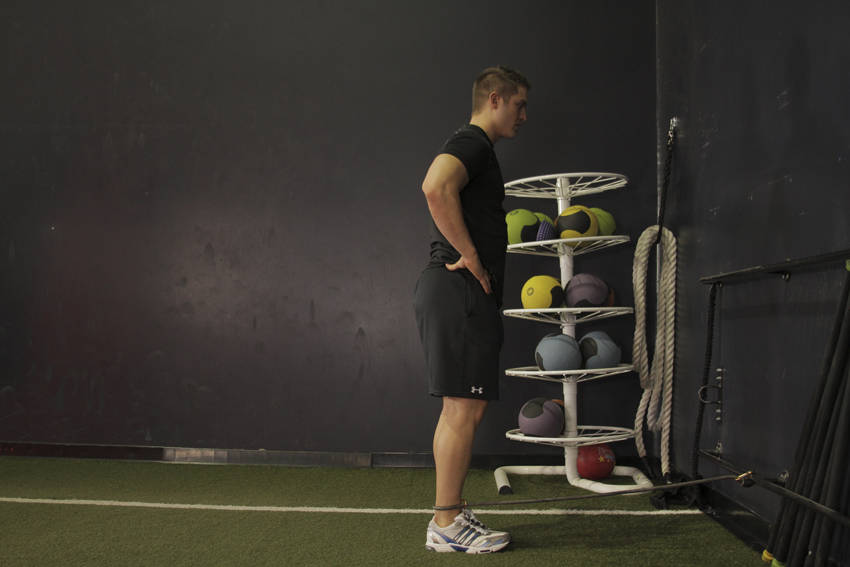
How to Perform Hip Extension With Bands
- Secure one end of the band to the lower portion of a post and attach the other to one ankle.
- Facing the attachment point of the band, hold on to the column to stabilize yourself.
- Keeping your head and your chest up, move the resisted leg back as far as you can while keeping the knee straight.
- Return the leg to the starting position.
Pro Tips
- Category: Strength
- Force: Push
- Movement type: Compound
Best Hip Extension With Bands Alternatives
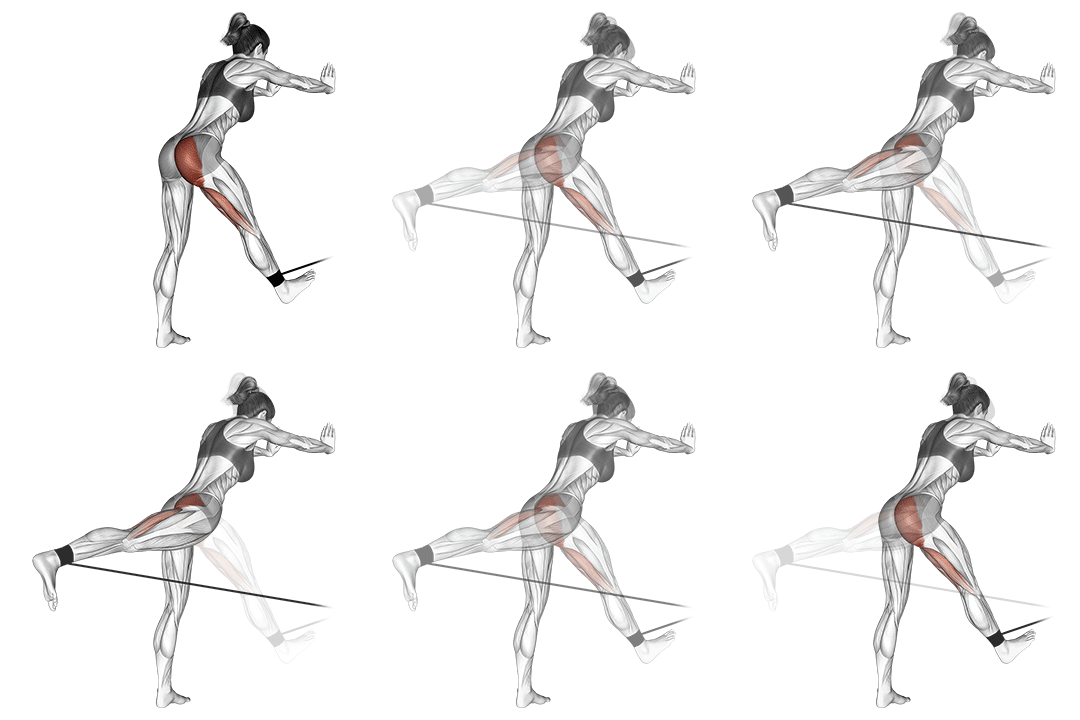
1. Band Bent-over Hip Extension
90.4% MatchHow to perform this exercise
- Attach the band to a sturdy anchor point at ankle height.
- Stand facing away from the anchor point with your feet shoulder-width apart.
- Step back to create tension in the band, keeping your knees slightly bent.
- Hinge at the hips and lean forward, maintaining a neutral spine.
- Extend your right leg straight back, squeezing your glutes at the top.
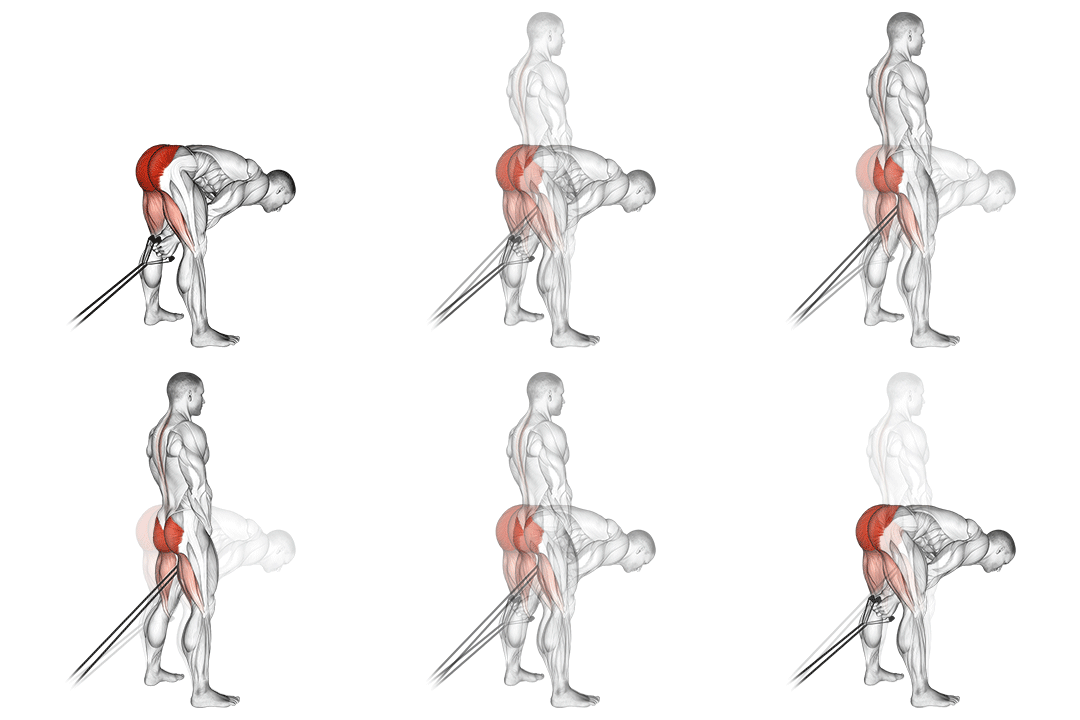
2. Band Pull Through
80.9% MatchHow to perform this exercise
- Attach a resistance band to a sturdy anchor point at ground level.
- Stand facing away from the anchor point with your feet shoulder-width apart.
- Step forward to create tension in the band, keeping your knees slightly bent.
- Hinge at the hips and push your glutes back, maintaining a slight bend in your knees.
- Lower your torso until it is parallel to the ground, feeling a stretch in your hamstrings.
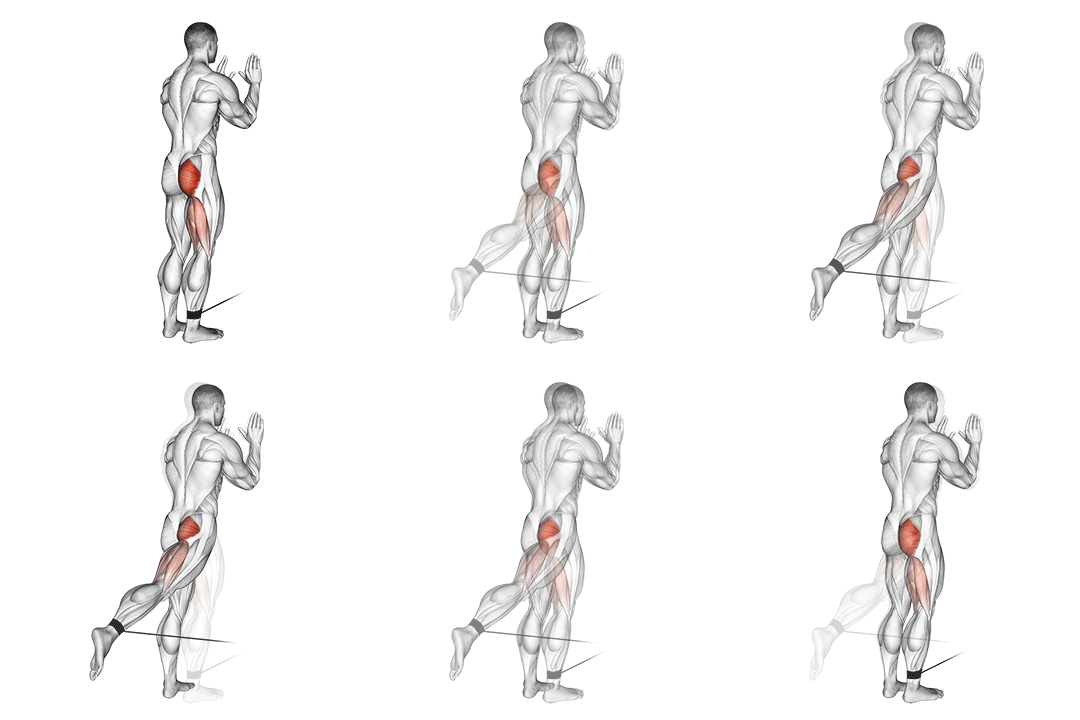
3. Cable Standing Hip Extension
80.4% MatchHow to perform this exercise
- Attach a cable to a low pulley and stand facing away from the machine.
- Place the cable around your ankle and stand with your feet shoulder-width apart.
- Keep your core engaged and your back straight throughout the exercise.
- Slowly extend your leg straight back, squeezing your glutes at the top of the movement.
- Pause for a moment, then return to the starting position.
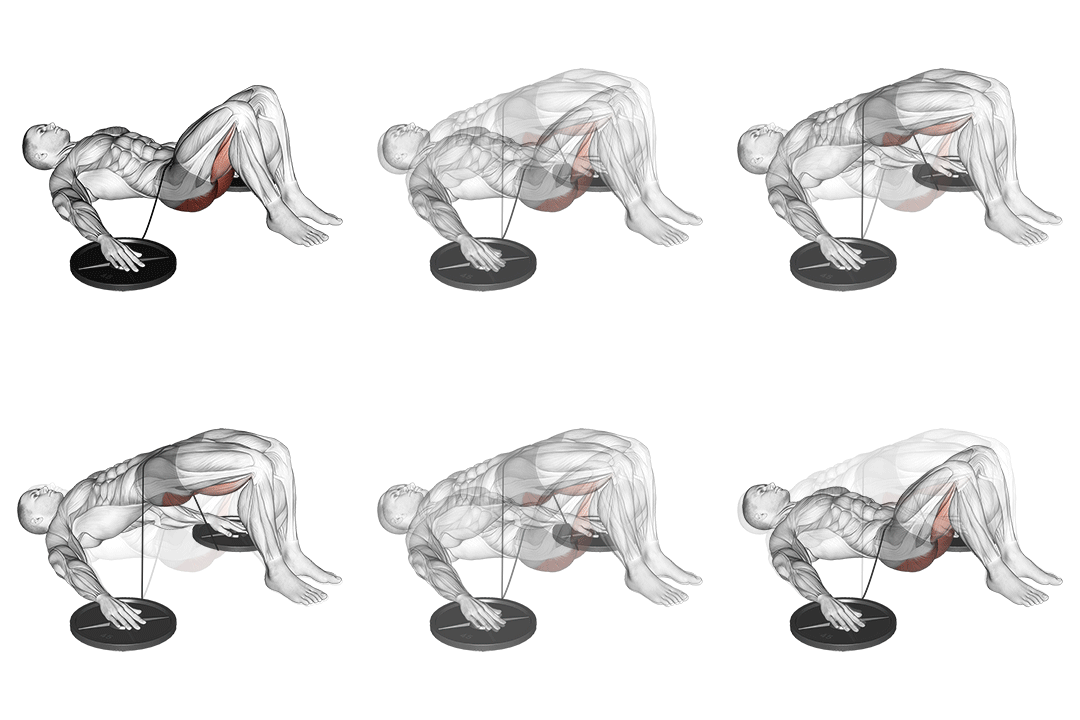
4. Band Hip Lift
73.1% MatchHow to perform this exercise
- Lie on your back with your knees bent and feet flat on the ground.
- Place a resistance band just above your knees.
- Engage your glutes and core muscles.
- Press your heels into the ground and lift your hips off the floor, squeezing your glutes at the top.
- Pause for a moment at the top, then slowly lower your hips back down to the starting position.
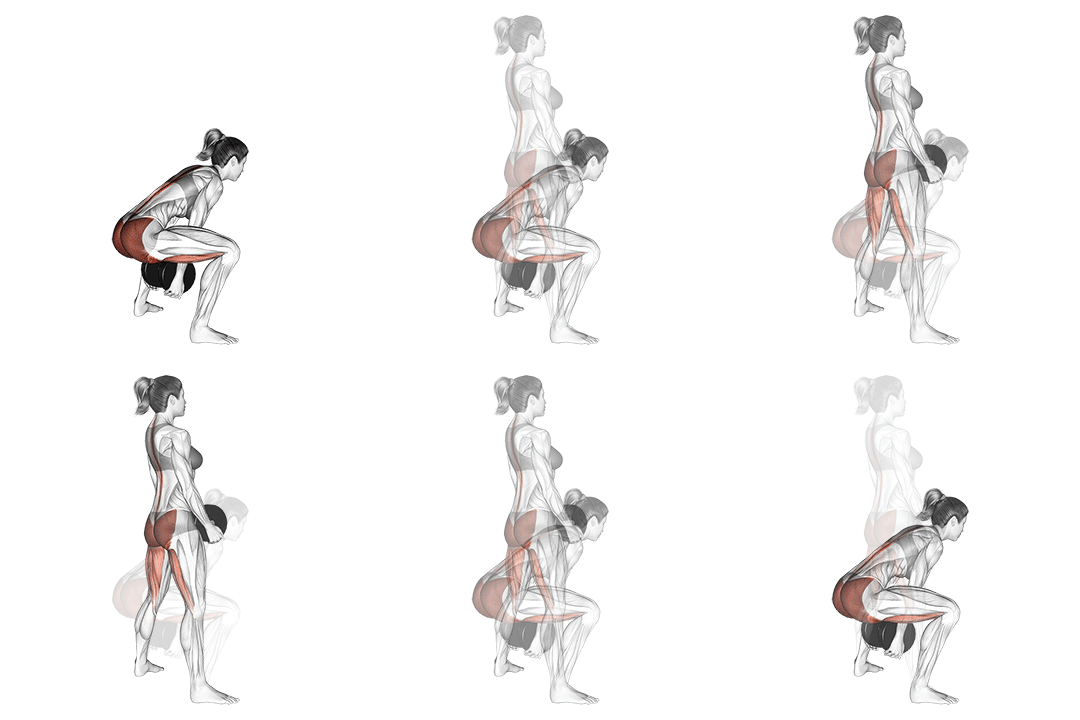
5. Dumbbell Sumo Pull Through
71.7% MatchHow to perform this exercise
- Stand with your feet wider than shoulder-width apart, toes pointed outwards.
- Hold a dumbbell with both hands in front of your body, arms extended.
- Bend your knees and lower your hips down into a squat position, keeping your back straight.
- Lower the dumbbell down between your legs, keeping your arms straight.
- Drive through your heels and extend your hips forward, pulling the dumbbell up and in front of your body.
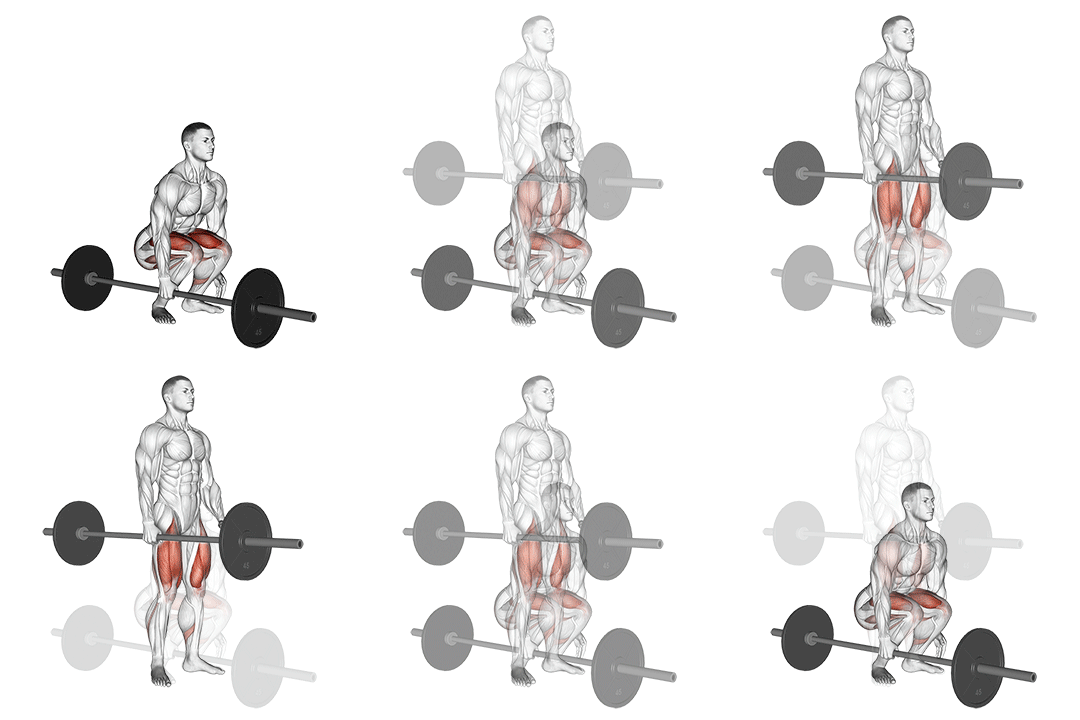
6. Barbell One Arm Side Deadlift
69.1% MatchHow to perform this exercise
- Stand with your feet shoulder-width apart, holding a barbell in one hand with an overhand grip.
- Keep your back straight and your core engaged.
- Bend at the hips and lower the barbell towards the outside of your leg, keeping your arm straight and your chest up.
- Lower the barbell as far as you can while maintaining good form.
- Pause for a moment, then slowly return to the starting position.
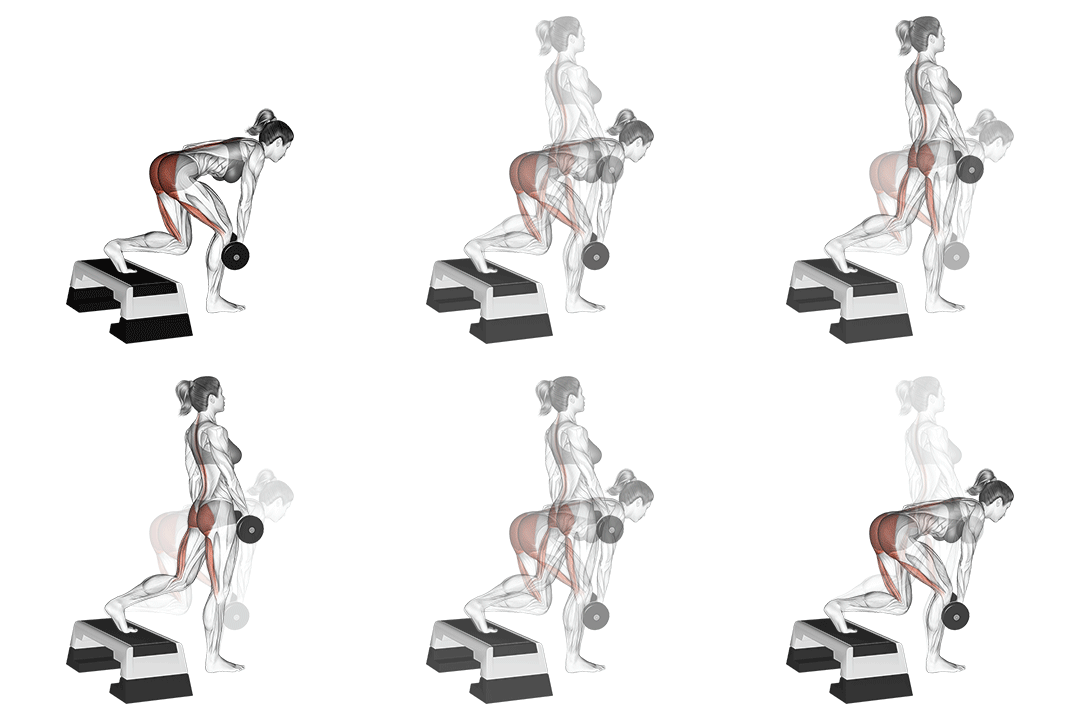
7. Dumbbell Single Leg Deadlift With Stepbox Support
68.1% MatchHow to perform this exercise
- Stand with your feet hip-width apart, holding a dumbbell in your right hand.
- Place your left foot on a stepbox or elevated surface behind you.
- Keeping your back straight and core engaged, hinge forward at the hips, lowering the dumbbell towards the ground.
- As you lower the dumbbell, simultaneously lift your left leg behind you, maintaining a straight line from head to heel.
- Lower the dumbbell until you feel a stretch in your right hamstring, then return to the starting position.
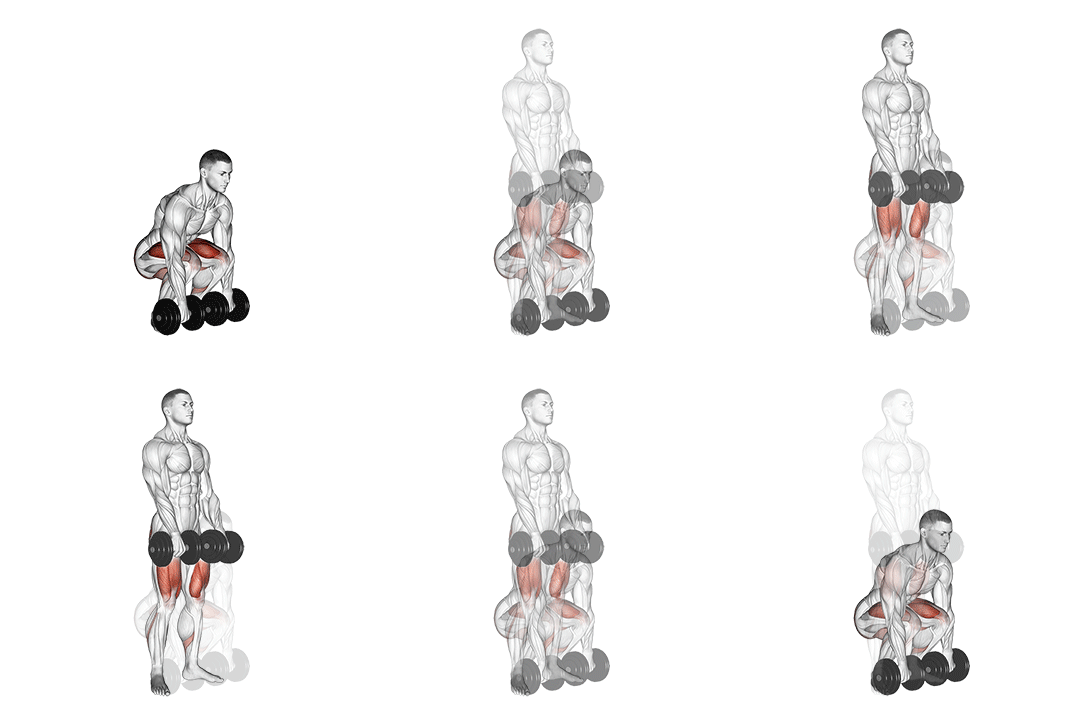
8. Dumbbell Deadlift
67.2% MatchHow to perform this exercise
- Stand with your feet shoulder-width apart, toes pointing forward.
- Hold a dumbbell in each hand, palms facing your body, arms extended downwards.
- Bend at your hips and knees, lowering the dumbbells towards the ground while keeping your back straight.
- Push through your heels and extend your hips and knees, lifting the dumbbells back up to the starting position.
- Repeat for the desired number of repetitions.
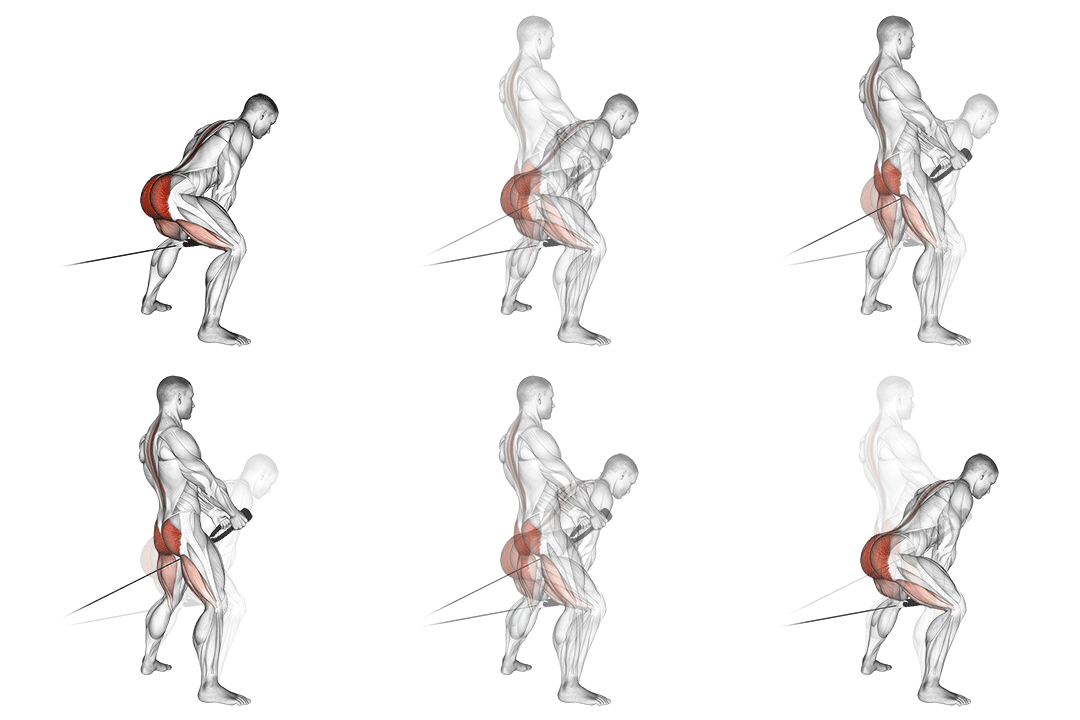
9. Cable Pull Through (with Rope)
66.7% MatchHow to perform this exercise
- Stand facing away from the cable machine with your feet shoulder-width apart.
- Grab the rope attachment with both hands and step forward, creating tension in the cable.
- Bend at the hips and lower your upper body until it is parallel to the ground, keeping your back straight.
- Engage your glutes and hamstrings to pull your body back up to the starting position.
- Repeat for the desired number of repetitions.
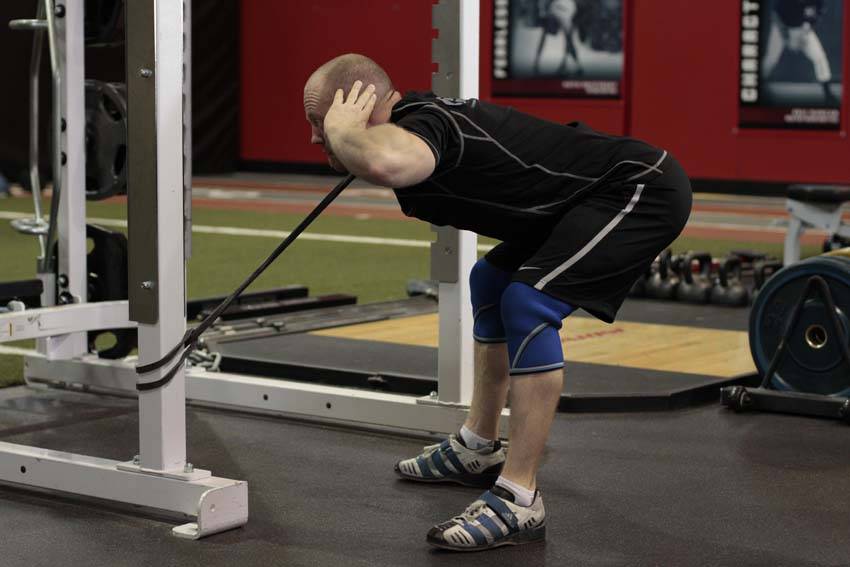
10. Band Good Morning (Pull Through)
66.4% MatchHow to perform this exercise
- Loop the band around a post. Standing a little ways away, loop the opposite end around the neck. Your hands can help hold the band in position.
- Begin by bending at the hips, getting your butt back as far as possible. Keep your back flat and bend forward to about 90 degrees. Your knees should be only slightly bent.
- Return to the starting position be driving through with the hips to come back to a standing position.
Why You Might Need a Hip Extension With Bands Alternative
You may substitute Hip Extension With Bands for several practical reasons: lack of bands, persistent hip or low-back irritation from resisted posterior pelvic tilt, a need for heavier load, or a preference for compound lifts that better transfer to athletic performance. Biomechanically, some people struggle to produce peak glute torque with a short-band lever; heavier hip thrusts or deadlift variations increase external load and hip extension moment arm for greater hypertrophic stimulus. If pain occurs, choose motions that keep the pelvis neutral and hinge at the hip rather than forcing lumbar extension. Always cue a controlled eccentric and deliberate 1–2 second glute squeeze at maximum extension to bias glute activation.
How to Choose the Right Substitute
Select a substitute based on loading capacity, range of motion, unilateral vs. bilateral needs, and spinal tolerance. If you need progressive overload, pick hip thrusts or loaded RDLs that let you add plates; cue a vertical shin and drive through the heel to emphasize glute recruitment. If pelvic control or asymmetry is the issue, use single-leg bridges or Bulgarian split squats and keep hips square to train unilateral glute medius stabilization. For back-sensitive athletes, favor hinge patterns with neutral spine and shorter ROM initially, then increase hip extension as glute activation improves.
Frequently Asked Questions
What muscles does Hip Extension With Bands work?
Hip Extension With Bands primarily targets the gluteus maximus and secondarily loads the hamstrings and gluteus medius for stabilization. Cue a full hip extension and a hard glute squeeze at the top to emphasize posterior-chain torque and reduce lumbar contribution.
What is the best bodyweight alternative to Hip Extension With Bands?
The single-leg glute bridge is the best bodyweight alternative because it isolates the glute while increasing load per side. Press through your heel, drive the knee toward the ceiling, and hold 1–2 seconds at full extension to maximize gluteus maximus activation.
Can I build muscle without doing Hip Extension With Bands?
Yes. You can build glute mass with progressive overload through hip thrusts, loaded RDLs, and heavy glute bridges that increase hip extension torque. Focus on increasing external load, improving range of motion, and consistently cueing a peak glute contraction to drive hypertrophy.
More Exercise Alternatives
Find Alternatives for Any Exercise
Use our free tool to discover the best substitute exercises based on your available equipment and goals.
Try the Exercise Substitution Finder →