

10 Best L-sit On Floor Alternatives for Core Strength
If you can't perform an L-sit on the floor, choose regressions that reduce leverage while training the same rectus abdominis and hip-flexor pattern. Effective swaps include tuck L-sits, hanging knee raises, supported L-holds on parallettes, seated leg raises and V-sit progressions. Cue: tuck the pelvis and depress the shoulders to keep tension in the abs.
Original Exercise: L-sit On Floor
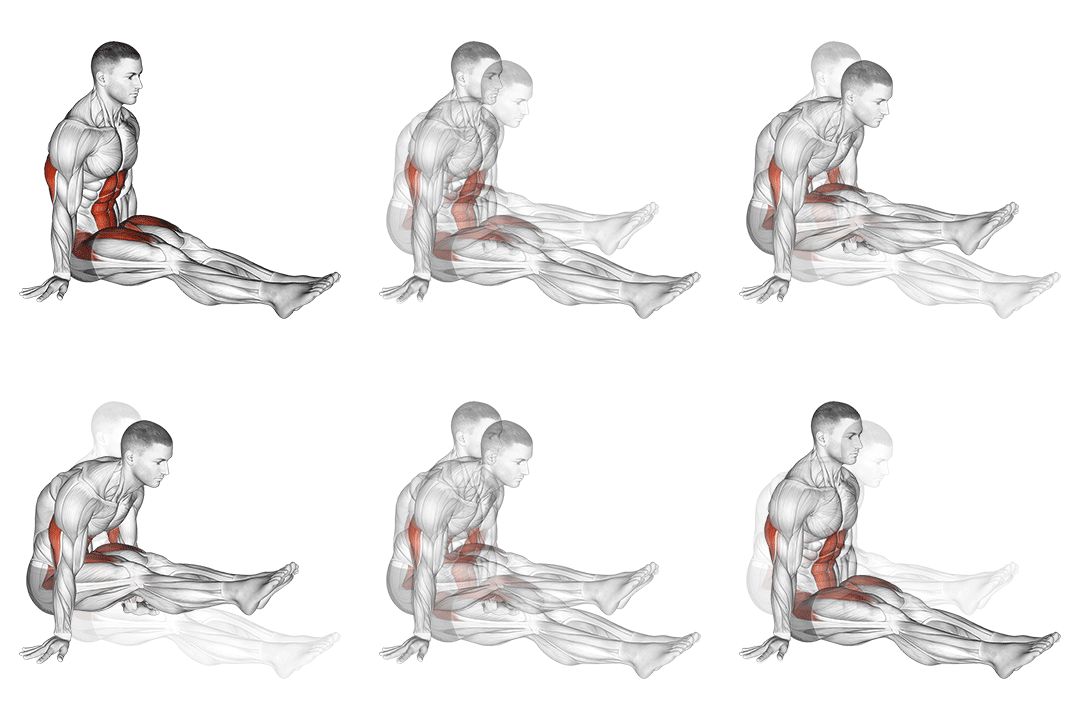
How to Perform L-sit On Floor
- Sit on the floor with your legs extended in front of you.
- Place your hands on the floor beside your hips, fingers pointing forward.
- Engage your core and lift your legs off the ground, keeping them straight.
- Try to bring your legs parallel to the floor, forming an 'L' shape with your body.
- Hold this position for as long as you can.
- Slowly lower your legs back down to the starting position.
- Repeat for the desired number of repetitions.
Best L-sit On Floor Alternatives
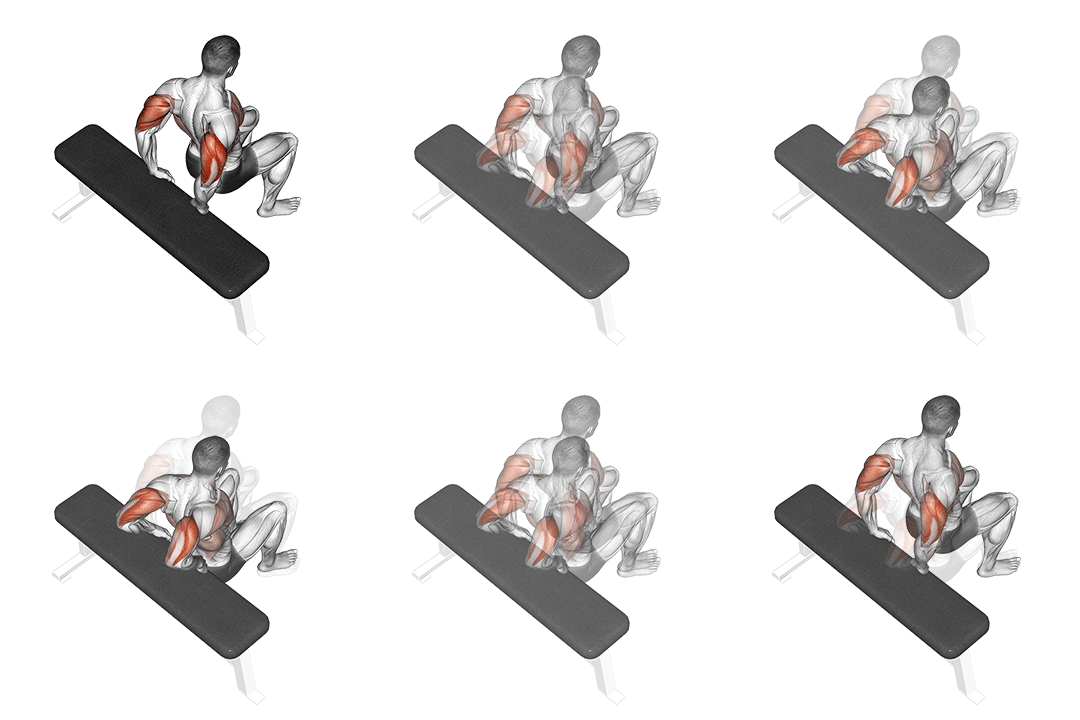
1. Bench Dip (knees Bent)
71.4% MatchHow to perform this exercise
- Sit on the edge of a bench or chair with your hands gripping the edge next to your hips.
- Slide your butt off the bench and straighten your legs in front of you, keeping your heels on the ground.
- Bend your elbows and lower your body towards the ground, keeping your back close to the bench.
- Pause for a moment at the bottom, then push yourself back up to the starting position.
- Repeat for the desired number of repetitions.
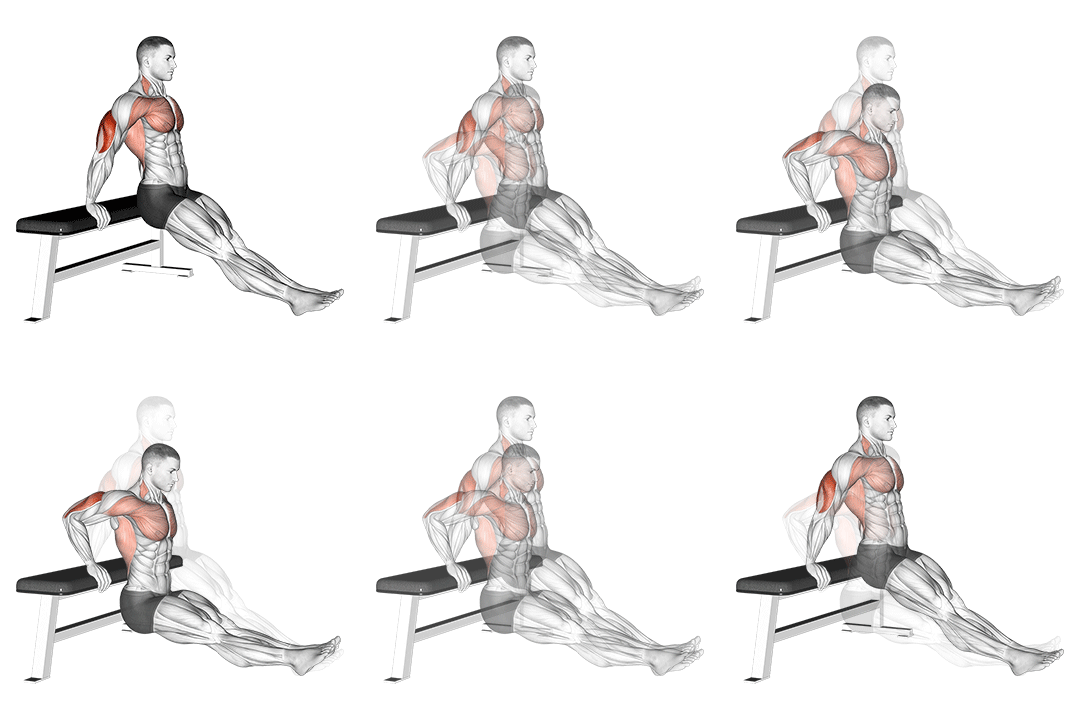
2. Bench Dip On Floor
70.9% MatchHow to perform this exercise
- Sit on the edge of a bench or chair with your hands gripping the edge, fingers pointing forward.
- Slide your butt off the bench, supporting your weight with your hands.
- Lower your body by bending your elbows until your upper arms are parallel to the floor.
- Push yourself back up to the starting position by straightening your arms.
- Repeat for the desired number of repetitions.
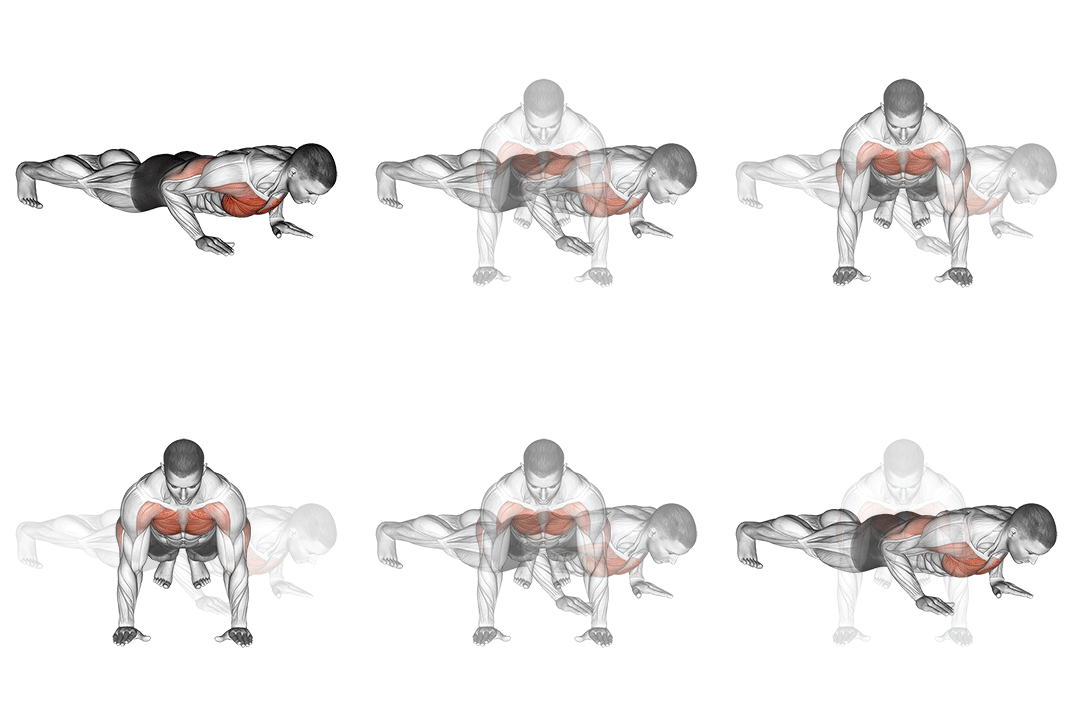
3. Clock Push-up
69.6% MatchHow to perform this exercise
- Start in a high plank position with your hands directly under your shoulders and your body in a straight line.
- Lower your body towards the ground by bending your elbows, keeping them close to your sides.
- As you lower, rotate your body to the left, extending your left arm straight out to the side.
- Push back up to the starting position, while rotating your body to the center.
- Repeat the push-up, this time rotating your body to the right and extending your right arm out to the side.
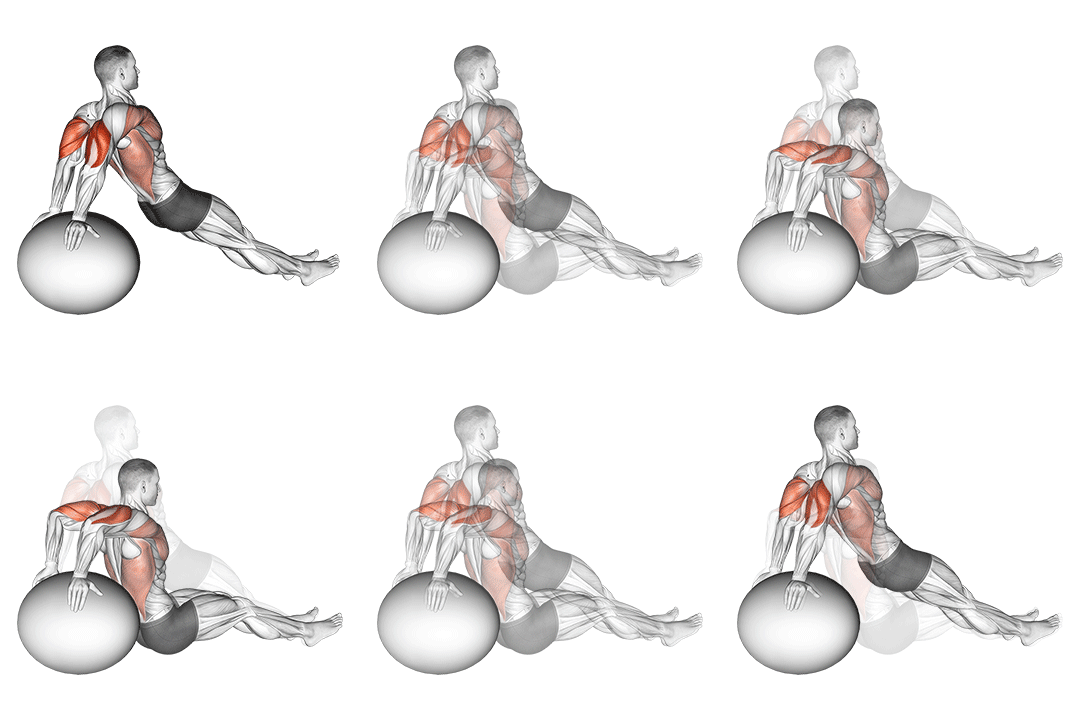
4. Exercise Ball Dip
66.9% MatchHow to perform this exercise
- Sit on the stability ball with your feet flat on the ground and your knees bent at a 90-degree angle.
- Place your hands on the ball beside your hips, fingers pointing forward.
- Engage your triceps and push through your hands to lift your body off the ball, straightening your arms.
- Lower your body back down by bending your elbows, keeping them close to your sides.
- Repeat for the desired number of repetitions.
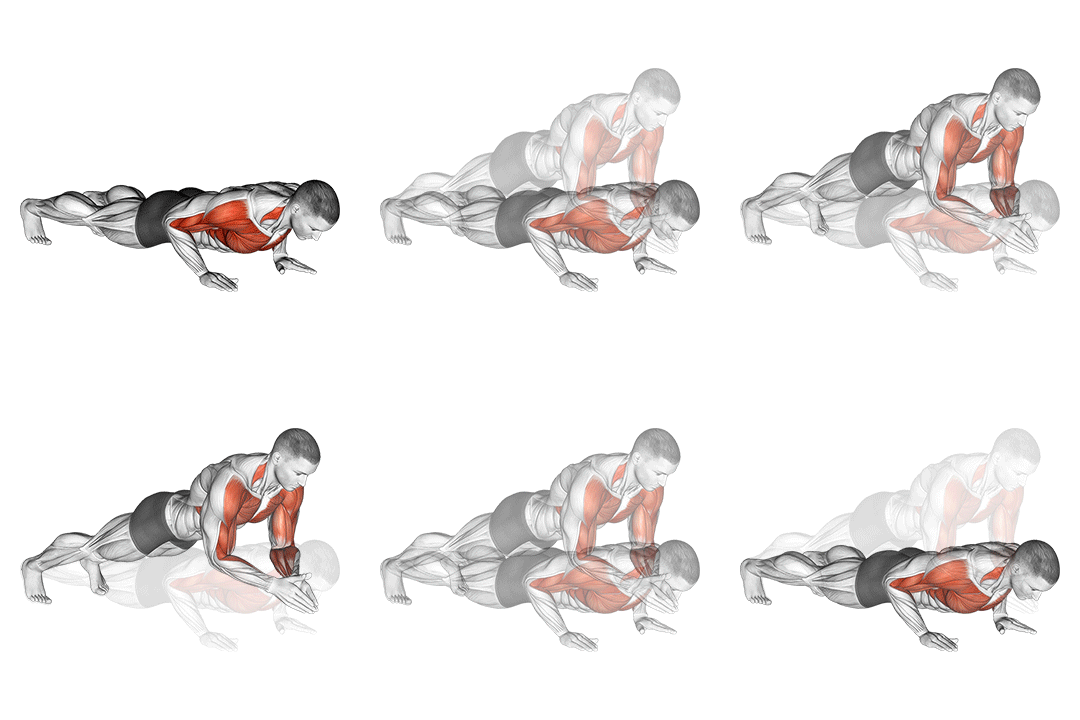
5. Clap Push Up
65.9% MatchHow to perform this exercise
- Start in a high plank position with your hands slightly wider than shoulder-width apart.
- Lower your body towards the ground by bending your elbows, keeping your core engaged.
- Push through your palms explosively to propel your body off the ground.
- While in mid-air, clap your hands together before landing back in the starting position.
- Repeat for the desired number of repetitions.
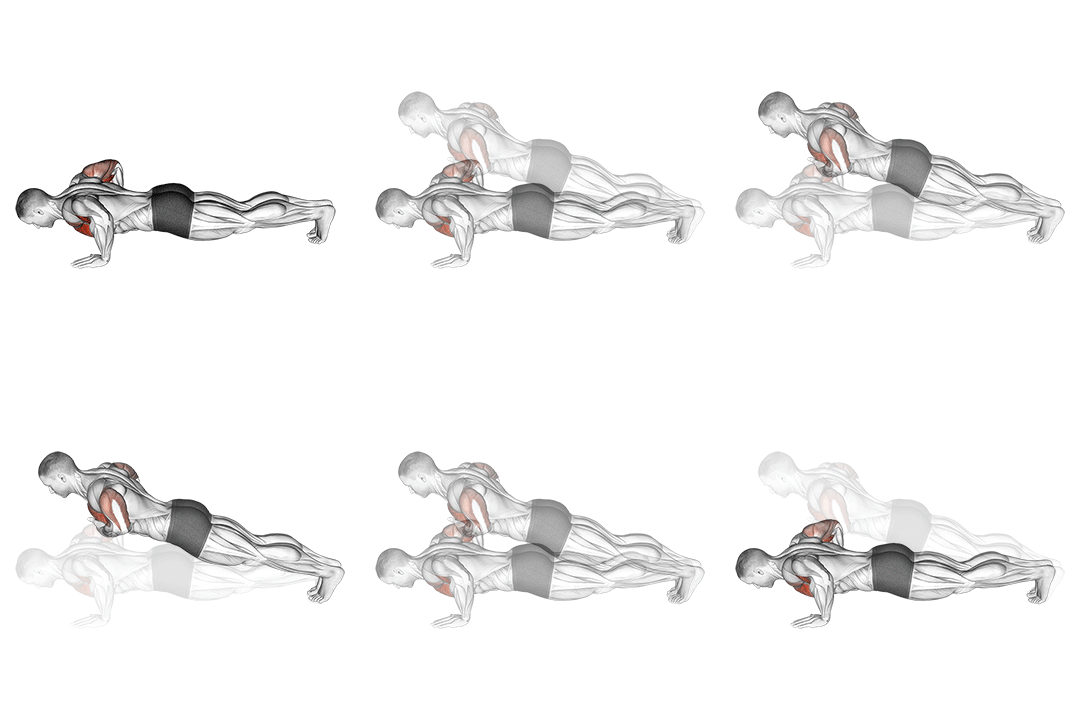
6. Chest Tap Push-up (male)
65.3% MatchHow to perform this exercise
- Start in a high plank position with your hands slightly wider than shoulder-width apart and your body in a straight line.
- Lower your body towards the ground by bending your elbows, keeping them close to your sides.
- As you lower yourself, tap your chest with your right hand.
- Push yourself back up to the starting position.
- Repeat the movement, this time tapping your chest with your left hand.
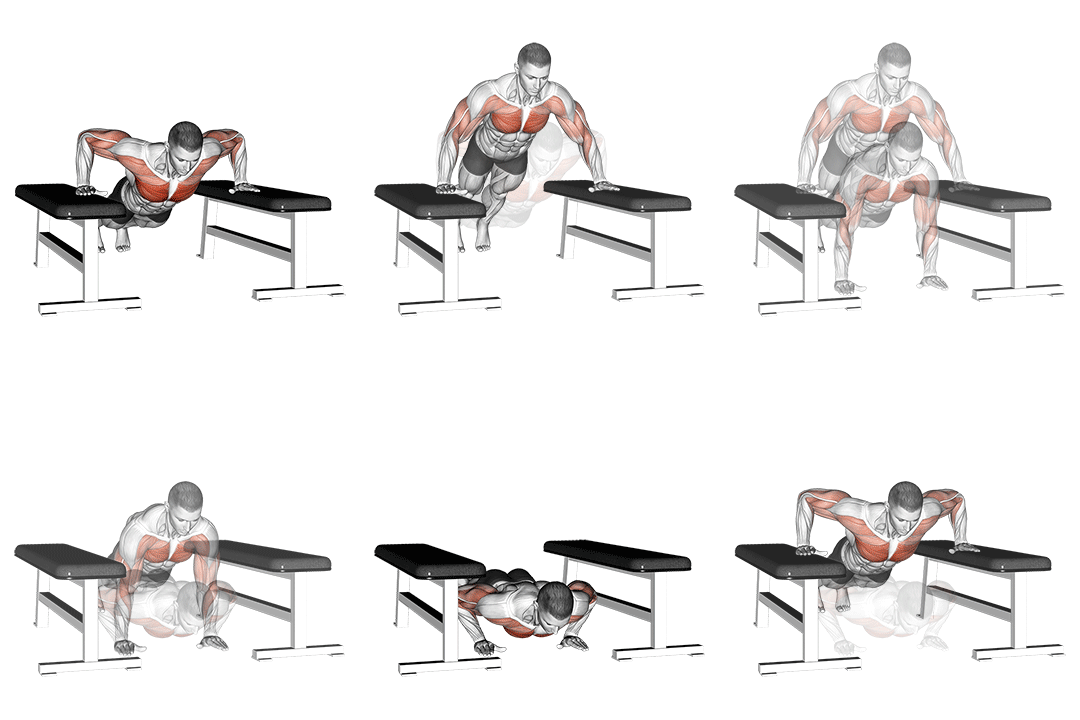
7. Drop Push Up
65.1% MatchHow to perform this exercise
- Start in a high plank position with your hands slightly wider than shoulder-width apart.
- Lower your chest towards the ground, keeping your elbows close to your body.
- Once your chest is just above the ground, quickly drop your knees to the ground.
- Push yourself back up to the starting position by extending your arms.
- Repeat for the desired number of repetitions.
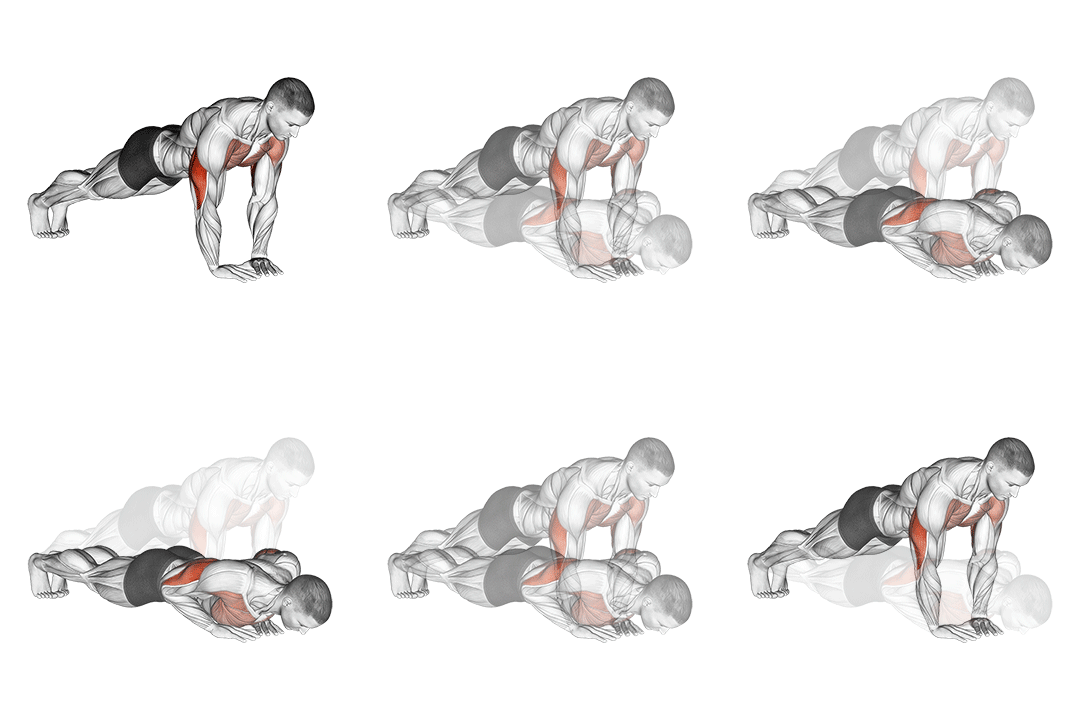
8. Diamond Push-up
65% MatchHow to perform this exercise
- Start in a high plank position with your hands close together, forming a diamond shape with your thumbs and index fingers.
- Keep your body in a straight line from head to toe, engaging your core and glutes.
- Lower your chest towards the diamond shape formed by your hands, keeping your elbows close to your body.
- Pause for a moment at the bottom, then push yourself back up to the starting position.
- Repeat for the desired number of repetitions.
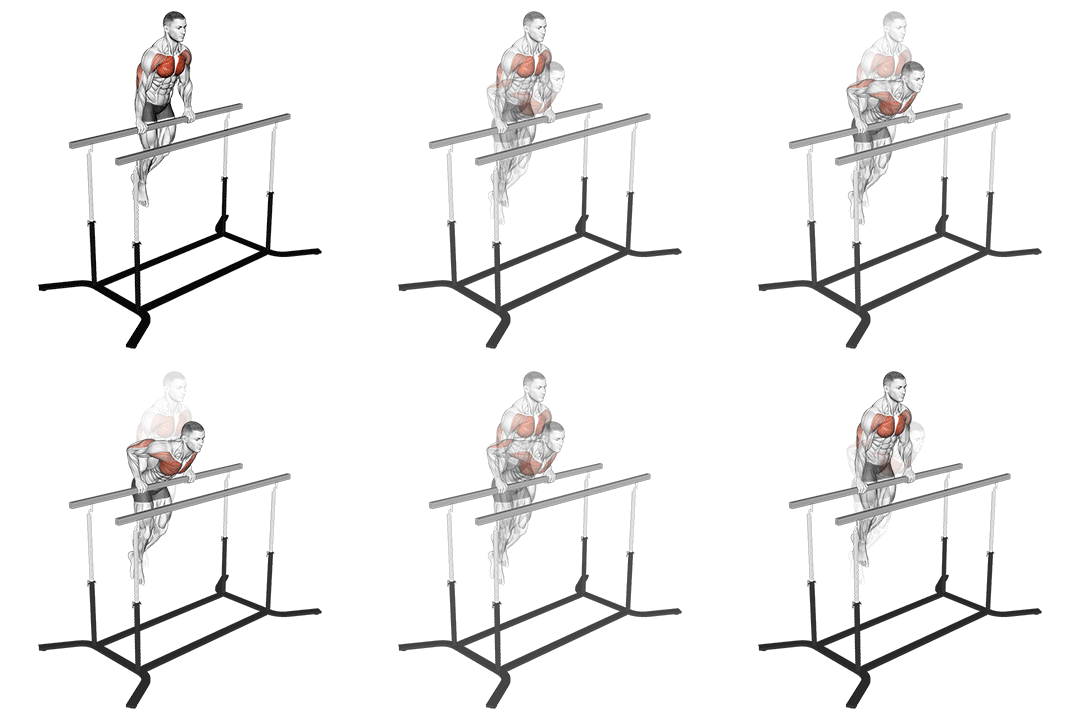
9. Chest Dip On Straight Bar
64.6% MatchHow to perform this exercise
- Grab the parallel bars with your palms facing down and your arms fully extended.
- Bend your knees and cross your ankles.
- Lower your body by bending your arms until your shoulders are below your elbows.
- Push yourself back up to the starting position by straightening your arms.
- Repeat for the desired number of repetitions.
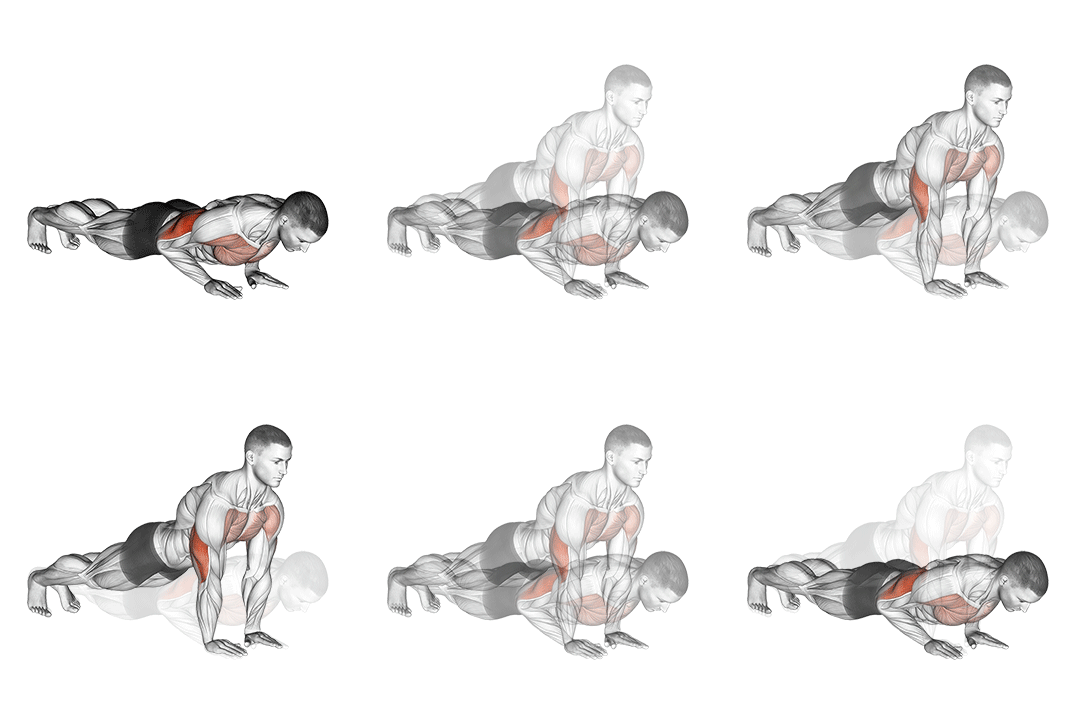
10. Close-grip Push-up
64.4% MatchHow to perform this exercise
- Start in a high plank position with your hands placed close together, directly under your shoulders.
- Engage your core and lower your body towards the ground, keeping your elbows close to your sides.
- Push through your palms to extend your arms and return to the starting position.
- Repeat for the desired number of repetitions.
Why You Might Need a L-sit On Floor Alternative
You might substitute the L-sit because of limited hip flexion, wrist or shoulder pain from supporting bodyweight, insufficient core strength, or lack of equipment. Regressions reduce the hip-flexor moment arm and lower lumbar shear while preserving rectus abdominis activation, which lessens injury risk. For example, a tuck L-sit shortens the lever arm to cut peak torque on the iliopsoas, and hanging knee raises let you load hip flexion eccentrically without compressive forces on the lumbar spine. Choose alternatives that maintain posterior pelvic tilt and scapular depression to keep emphasis on the abs and avoid compensatory lumbar extension.
How to Choose the Right Substitute
Match the substitute to your limiting factor: pick regressions for strength deficits, supported holds for wrist or shoulder irritation, and hanging variations if you have shoulder mobility but limited hip flexor endurance. Progress by increasing lever length (tuck → one-leg → full L) or time under tension. Cue each rep: draw the ribs down, posteriorly tilt the pelvis, and squeeze the lower abs to maximize rectus abdominis activation. Consider training goals—endurance favors longer holds, hypertrophy favors controlled eccentrics and higher volume—and select a variation that lets you progressively increase difficulty while keeping proper pelvic alignment.
Frequently Asked Questions
What muscles does L-sit On Floor work?
The L-sit primarily trains the rectus abdominis and hip flexors (iliopsoas, rectus femoris) through isometric hip flexion and trunk stabilization. It also recruits the quads isometrically and scapular depressors if you support yourself with your hands; maintain posterior pelvic tilt to bias the abs over the lumbar spine.
What is the best bodyweight alternative to L-sit On Floor?
The tuck L-sit (on parallettes or the floor) is the best bodyweight alternative because it shortens the lever arm while preserving abdominal and hip-flexor activation. Cue: pull your knees to your chest, depress the shoulders, and hold with a posterior pelvic tilt to keep tension in the lower abs.
Can I build muscle without doing L-sit On Floor?
Yes. You can build abdominal and hip-flexor strength using progressive alternatives like hanging leg raises, weighted seated leg raises, and slow eccentrics to increase time under tension. Increase difficulty by extending the legs, adding load, or lengthening the hold while maintaining pelvic tilt to maximize rectus abdominis activation.
More Exercise Alternatives
Find Alternatives for Any Exercise
Use our free tool to discover the best substitute exercises based on your available equipment and goals.
Try the Exercise Substitution Finder →