

10 Best Leg Extensions Alternatives for Knee Pain or No Machine
Use compound or unilateral quad-focused moves—front squats, Bulgarian split squats, hack squats, step-ups, and sissy squats—to replicate knee-extension torque and quad activation without the machine. Prioritize a forward-shifted shin angle, full knee extension and progressive loading to target the rectus femoris and the vasti.
Original Exercise: Leg Extensions
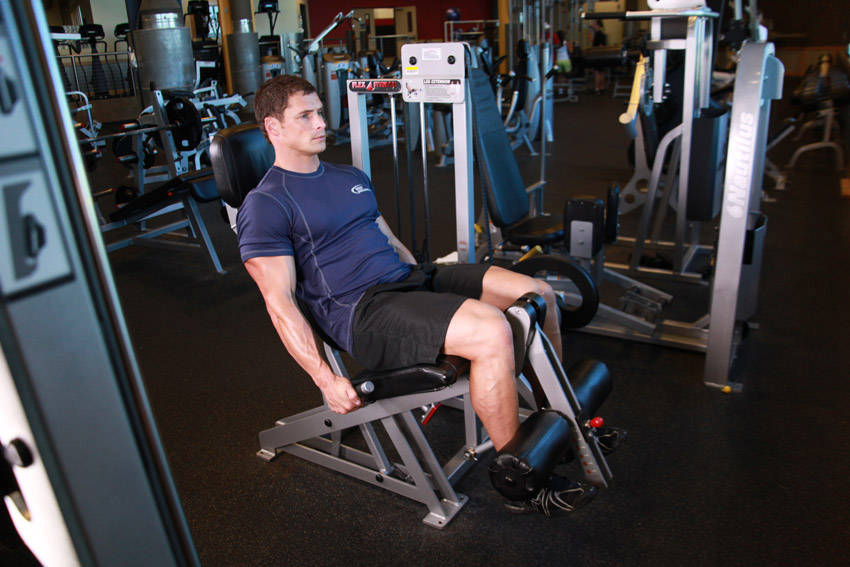
How to Perform Leg Extensions
- For this exercise you will need to use a leg extension machine. First choose your weight and sit on the machine with your legs under the pad (feet pointed forward) and the hands holding the side bars. This will be your starting position. Tip: You will need to adjust the pad so that it falls on top of your lower leg (just above your feet). Also, make sure that your legs form a 90-degree angle between the lower and upper leg. If the angle is less than 90-degrees then that means the knee is over the toes which in turn creates undue stress at the knee joint. If the machine is designed that way, either look for another machine or just make sure that when you start executing the exercise you stop going down once you hit the 90-degree angle.
- Using your quadriceps, extend your legs to the maximum as you exhale. Ensure that the rest of the body remains stationary on the seat. Pause a second on the contracted position.
- Slowly lower the weight back to the original position as you inhale, ensuring that you do not go past the 90-degree angle limit.
- Repeat for the recommended amount of times.
Pro Tips
- Category: Strength
- Force: Push
- Movement type: Isolation
Best Leg Extensions Alternatives
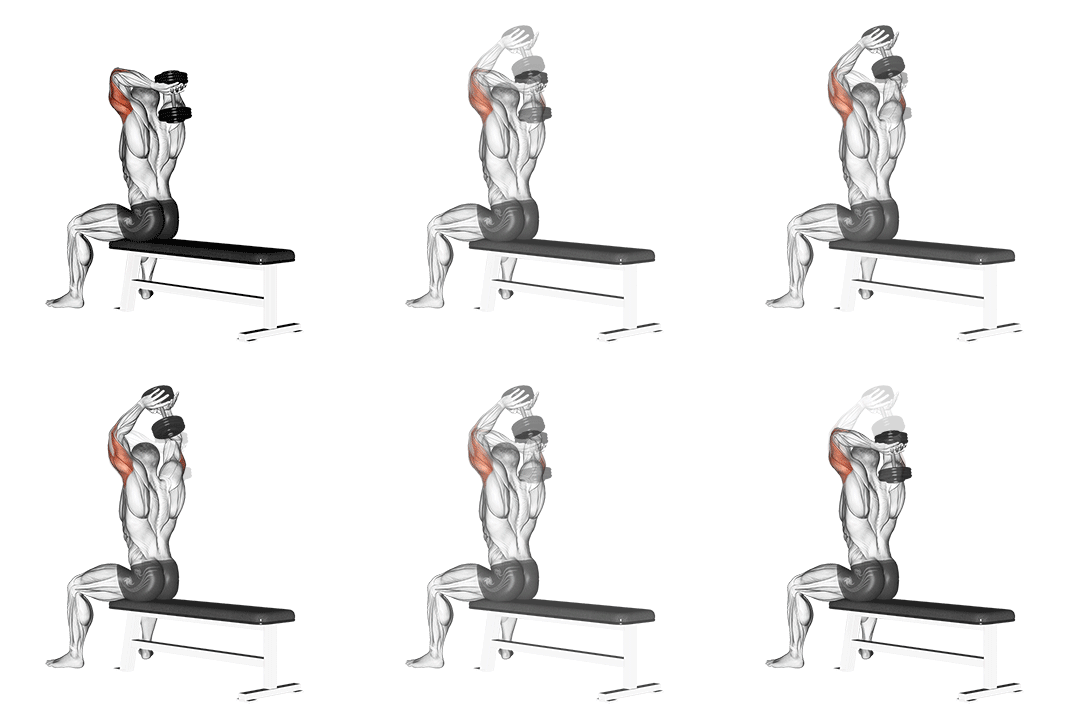
1. Dumbbell Seated Bench Extension
58.9% MatchHow to perform this exercise
- Sit on a bench with your back straight and feet flat on the ground.
- Hold a dumbbell with both hands and extend your arms straight up above your head.
- Slowly lower the dumbbell behind your head, keeping your elbows close to your ears.
- Pause for a moment, then raise the dumbbell back up to the starting position.
- Repeat for the desired number of repetitions.
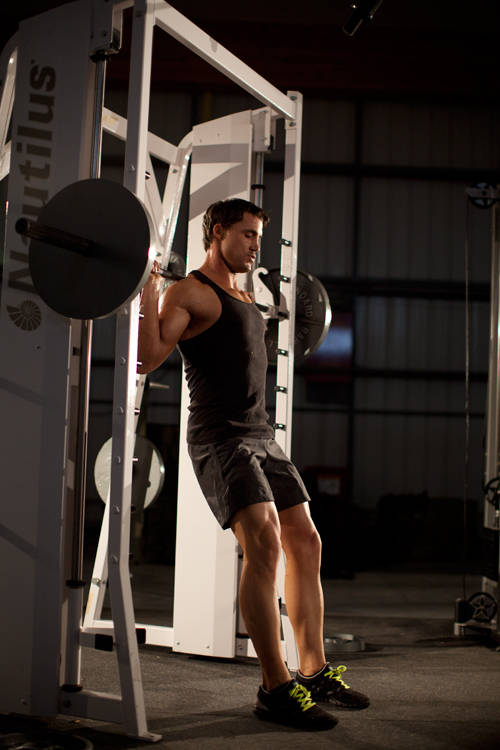
2. Chair Squat
56.7% MatchHow to perform this exercise
- To begin, first set the bar to a position that best matches your height. Once the bar is loaded, step under it and position it across the back of your shoulders.
- Take the bar with your hands facing forward, unlock it and lift it off the rack by extending your legs.
- Move your feet forward about 18 inches in front of the bar. Position your legs using a shoulder width stance with the toes slightly pointed out. Look forward at all times and maintain a neutral or slightly arched spine. This will be your starting position.
- Slowly lower the bar by bending the knees as you maintain a straight posture with the head up. Continue down until the angle between the upper and lower leg breaks 90 degrees.
- Begin to raise the bar as you exhale by pushing the floor with the heels of your feet, extending the knees and returning to the starting position.
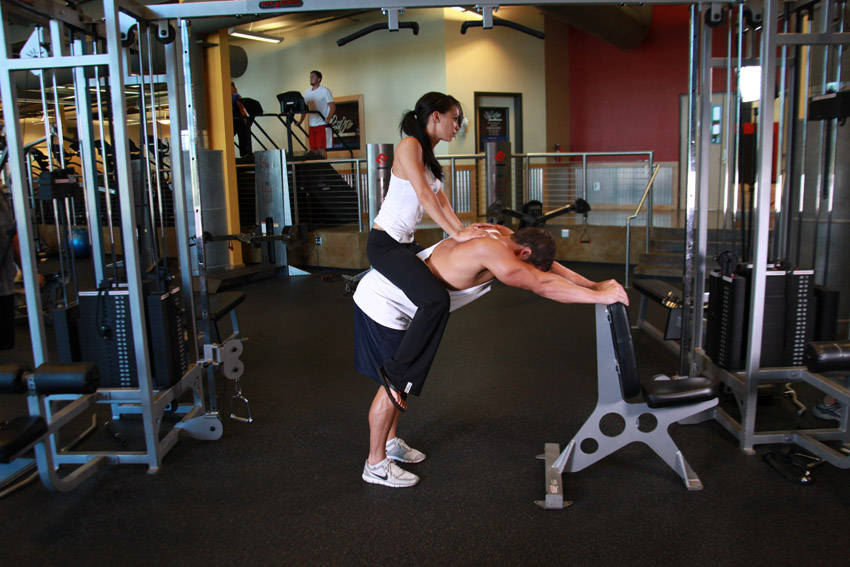
3. Donkey Calf Raises
56.4% MatchHow to perform this exercise
- For this exercise you will need access to a donkey calf raise machine. Start by positioning your lower back and hips under the padded lever provided. The tailbone area should be the one making contact with the pad.
- Place both of your arms on the side handles and place the balls of your feet on the calf block with the heels extending off. Align the toes forward, inward or outward, depending on the area you wish to target, and straighten the knees without locking them. This will be your starting position.
- Raise your heels as you breathe out by extending your ankles as high as possible and flexing your calf. Ensure that the knee is kept stationary at all times. There should be no bending at any time. Hold the contracted position by a second before you start to go back down.
- Go back slowly to the starting position as you breathe in by lowering your heels as you bend the ankles until calves are stretched.
- Repeat for the recommended amount of repetitions.
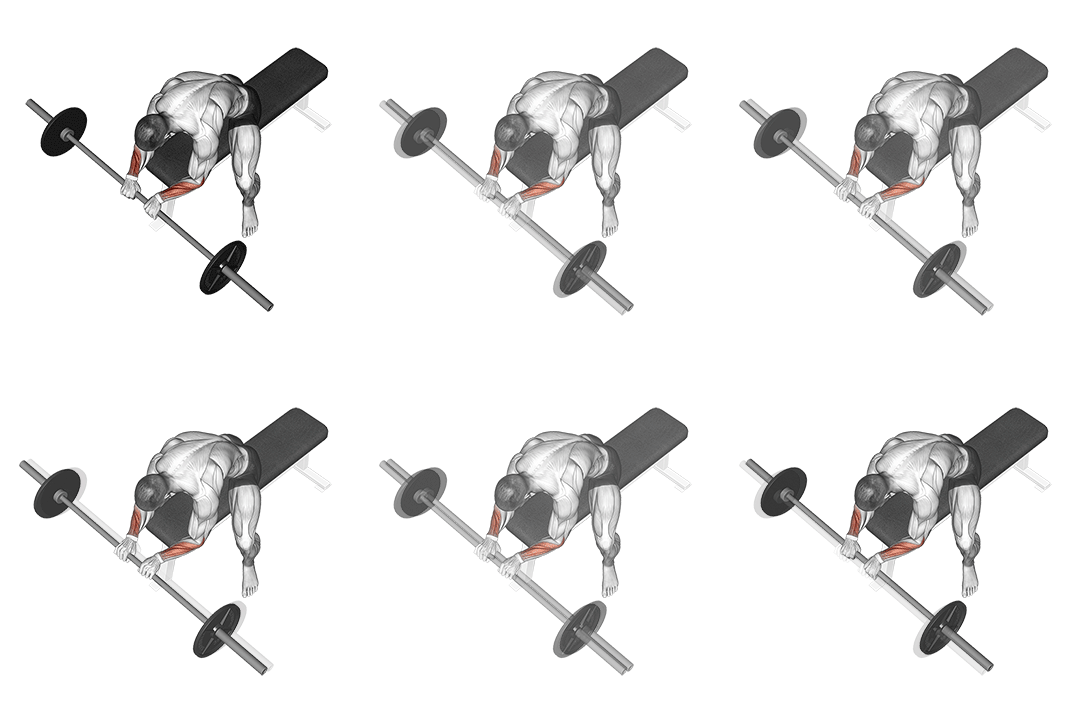
4. Barbell Reverse Wrist Curl
54.9% MatchHow to perform this exercise
- Sit on a bench with your feet flat on the ground and hold a barbell with an overhand grip, palms facing down.
- Rest your forearms on your thighs, allowing your wrists to hang off the edge.
- Slowly curl your wrists upward, bringing the barbell towards your body.
- Pause for a moment at the top, then slowly lower the barbell back down to the starting position.
- Repeat for the desired number of repetitions.
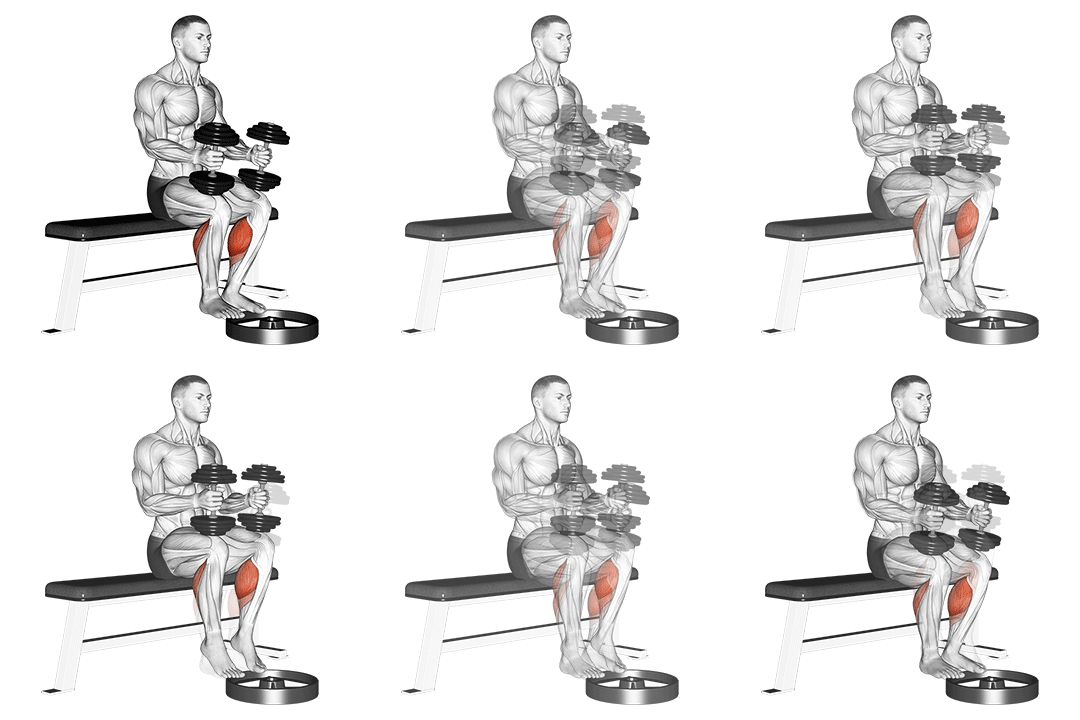
5. Dumbbell Seated Calf Raise
53.1% MatchHow to perform this exercise
- Sit on a bench or chair with your feet flat on the ground and a dumbbell resting on your thighs.
- Place the balls of your feet on a raised surface such as a step or block, with your heels hanging off the edge.
- Hold onto the dumbbell for stability.
- Raise your heels as high as possible, lifting your body weight onto the balls of your feet.
- Pause for a moment at the top, then slowly lower your heels back down to the starting position.
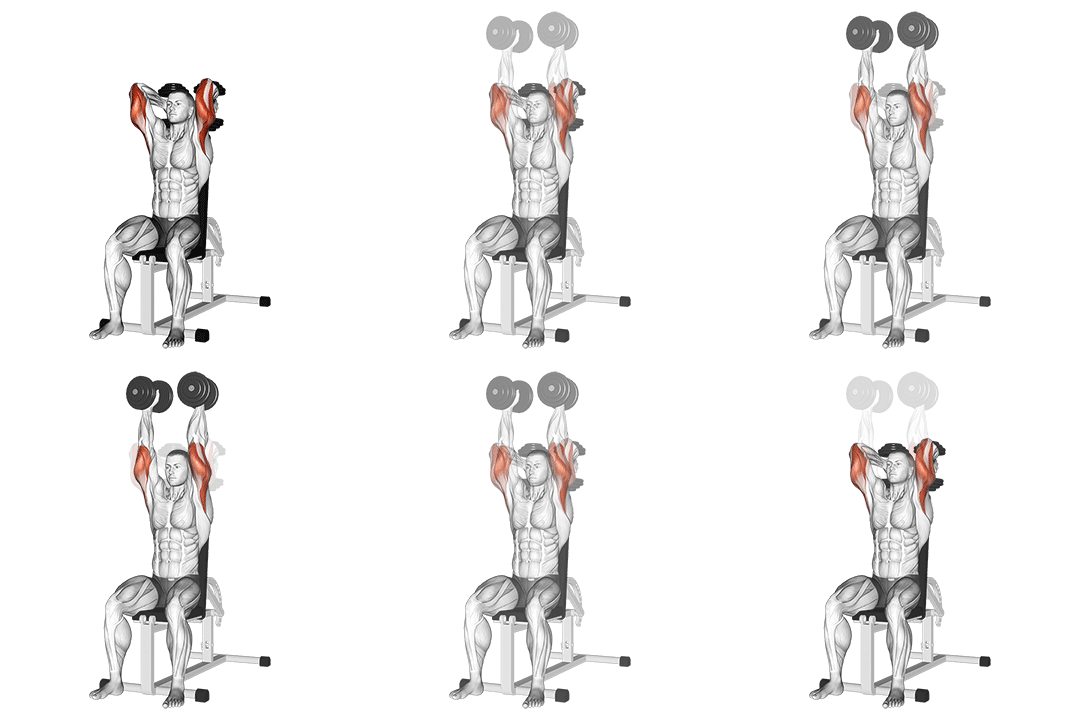
6. Dumbbells Seated Triceps Extension
53.1% MatchHow to perform this exercise
- Sit on a bench with your back straight and feet flat on the ground.
- Hold a dumbbell in both hands with an overhand grip, and raise it above your head.
- Bend your elbows and lower the dumbbell behind your head, keeping your upper arms close to your ears.
- Extend your arms and raise the dumbbell back to the starting position.
- Repeat for the desired number of repetitions.
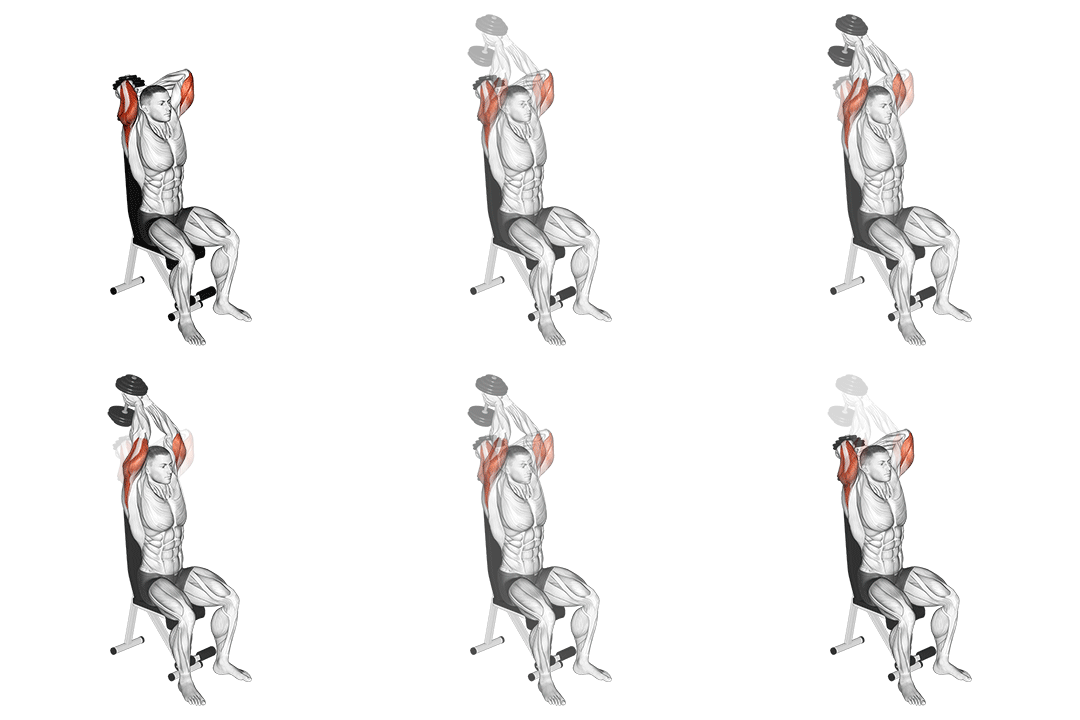
7. Dumbbell Seated Triceps Extension
53.1% MatchHow to perform this exercise
- Sit on a bench with your back straight and feet flat on the ground.
- Hold a dumbbell with both hands and extend your arms straight up overhead.
- Bend your elbows and lower the dumbbell behind your head, keeping your upper arms close to your ears.
- Pause for a moment, then straighten your arms and return to the starting position.
- Repeat for the desired number of repetitions.
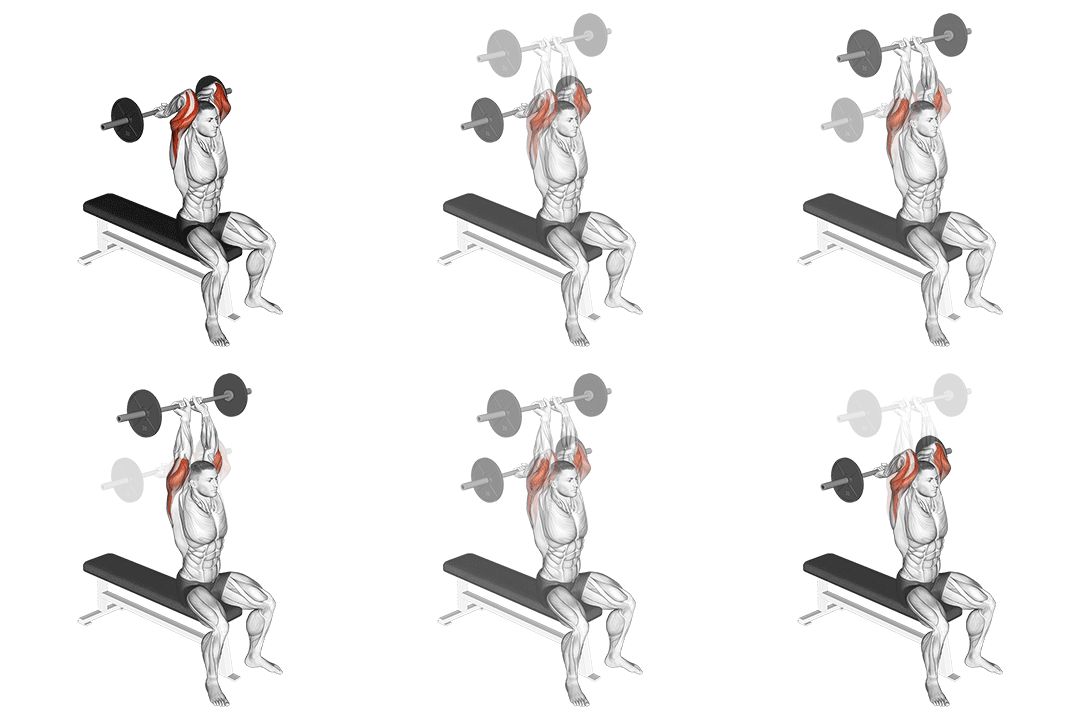
8. Barbell Seated Close Grip Behind Neck Triceps Extension
53% MatchHow to perform this exercise
- Sit on a bench with your back straight and feet flat on the ground.
- Hold the barbell with a close grip behind your neck, palms facing forward.
- Keep your elbows close to your head and slowly lower the barbell towards the back of your head.
- Pause for a moment, then extend your arms back up to the starting position.
- Repeat for the desired number of repetitions.
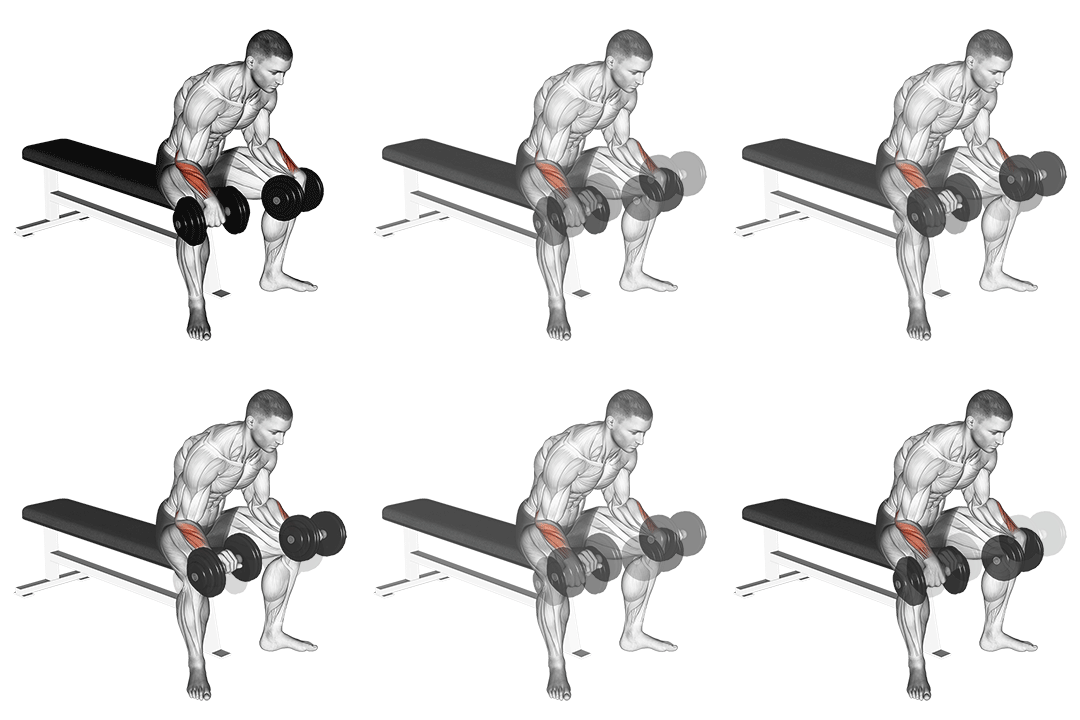
9. Dumbbell Reverse Wrist Curl
50.4% MatchHow to perform this exercise
- Sit on a bench or chair with your feet flat on the ground.
- Hold a dumbbell in each hand with an overhand grip, palms facing down.
- Rest your forearms on your thighs, allowing your wrists to hang off the edge.
- Slowly curl your wrists upward, bringing the dumbbells towards your body.
- Pause for a moment at the top, then slowly lower the dumbbells back down to the starting position.
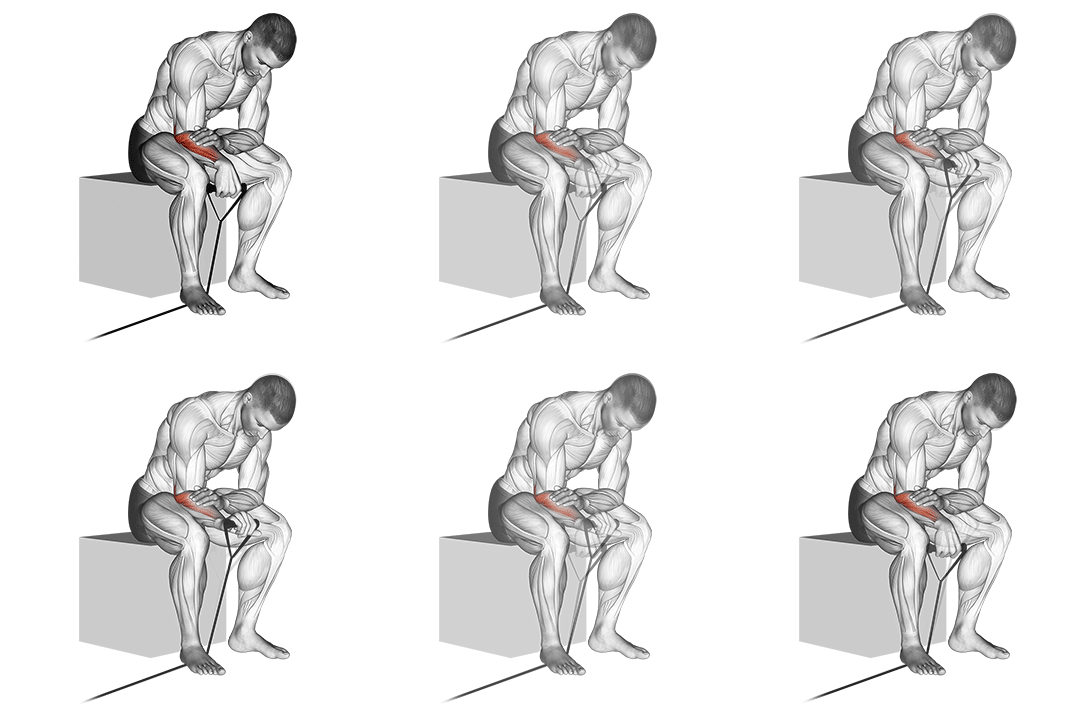
10. Band Reverse Wrist Curl
50.4% MatchHow to perform this exercise
- Sit on a bench or chair with your feet flat on the ground.
- Hold the band with an overhand grip, palms facing down, and wrap it around your fingers.
- Rest your forearms on your thighs, with your wrists hanging off the edge.
- Slowly curl your wrists upward, squeezing your forearms.
- Pause for a moment at the top, then slowly lower your wrists back down to the starting position.
Why You Might Need a Leg Extensions Alternative
You might substitute leg extensions because the machine is unavailable, you have anterior knee pain, or you want better functional carryover. Leg extensions isolate knee extension but can increase patellofemoral shear and stress the patellar tendon in symptomatic athletes. Compound and unilateral alternatives recruit hip extensors and stabilizers while still loading the quads, improving transfer to sport and daily tasks. Alternatives let you adjust moment arms, control shear forces through shin and torso position, and apply progressive overload with free weights or bands. Combining heavy compound work with targeted quad-focused options preserves hypertrophy stimulus while enhancing joint tolerance and movement efficiency.
How to Choose the Right Substitute
Select a substitute based on equipment, knee tolerance and training objective. If you lack a machine but want isolation, choose sissy squats, banded knee extensions, or a forward-lean Bulgarian split squat to bias the quads. If you have knee pain, prioritize movements that reduce anterior shear—shorten range, emphasize hip hinge, slow the eccentric phase, and adjust shin angle. For strength and hypertrophy, favor compound lifts (front squats, hack squats) paired with unilateral work to increase per-leg loading and correct imbalances. Monitor perceived knee effort, progress load and volume, and cue knee tracking to maintain quad emphasis while protecting the joint.
Frequently Asked Questions
What muscles does Leg Extensions work?
Leg extensions primarily target the quadriceps: rectus femoris and the three vasti (lateralis, medialis, intermedius). The movement isolates knee extension and therefore recruits minimal hip extensor or core musculature while placing load on the patellar tendon and knee joint.
What is the best bodyweight alternative to Leg Extensions?
The bodyweight sissy squat most closely reproduces the knee-extension emphasis of leg extensions by placing maximal demand on the quads through deep knee flexion and forward torso lean. If sissy squats are too advanced, use elevated-step Bulgarian split squats with a forward shin to increase quad activation while keeping load manageable.
Can I build muscle without doing Leg Extensions?
Yes. You can achieve substantial quad hypertrophy with compound lifts (front squats, hack squats, heavy split squats) and targeted unilateral work, provided you apply progressive overload and sufficient volume. Add isolation-style alternatives and tempo variations as finishers to target stubborn quad regions without relying on the machine.
More Exercise Alternatives
Find Alternatives for Any Exercise
Use our free tool to discover the best substitute exercises based on your available equipment and goals.
Try the Exercise Substitution Finder →