

8 Best Lever Hammer Grip Preacher Curl Alternatives
The Lever Hammer Grip Preacher Curl is done seated with a lever machine. Ranked closest by our scoring: the Biceps Leg Concentration Curl and the Bodyweight Side Lying Biceps Curl.
Updated Ranked by our 12-factor similarity model How it works
Original Exercise: Lever Hammer Grip Preacher Curl
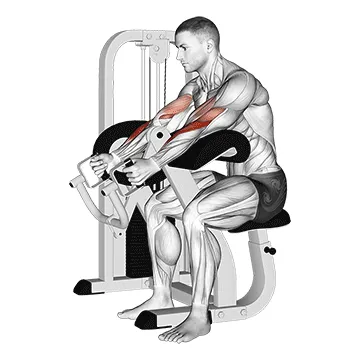
- Primary muscle
- Biceps
- Equipment
- Lever
- Difficulty
- Beginner
- Type
- Isolation
Secondary muscles: Forearms
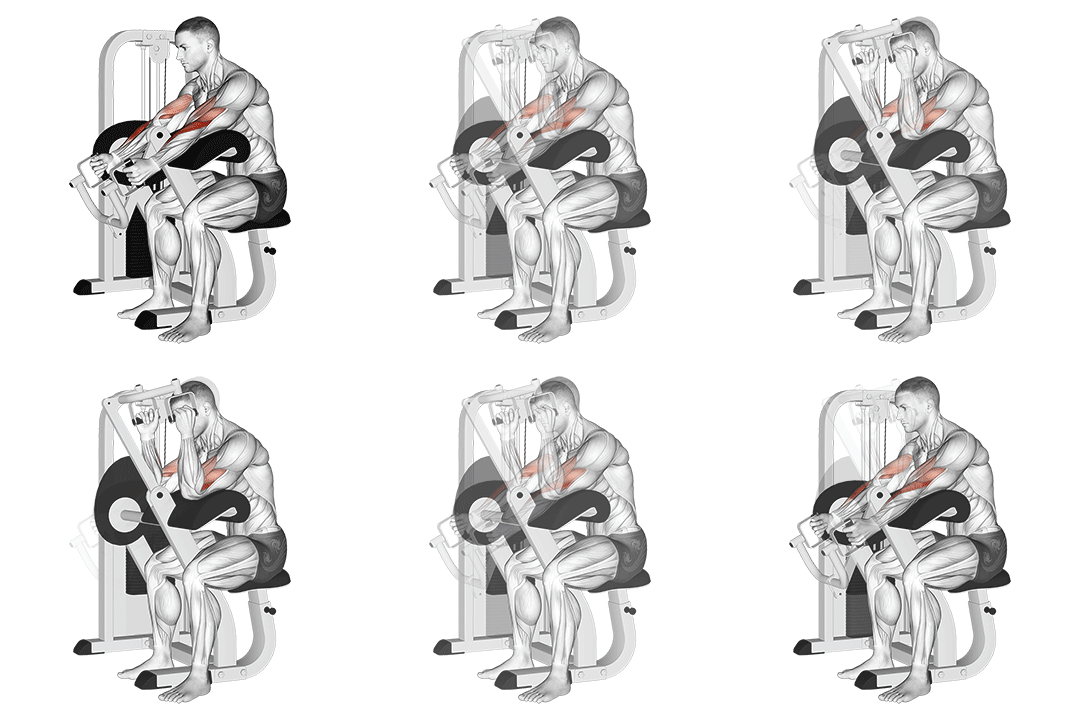
How to perform Lever Hammer Grip Preacher Curl
- Adjust the seat height and position yourself on the leverage machine.
- Place your upper arms on the preacher pad, ensuring your chest is pressed against it.
- Grasp the handles with a hammer grip (palms facing each other).
- Keeping your upper arms stationary, exhale and curl the handles towards your shoulders.
- Pause for a moment at the top, squeezing your biceps.
- Inhale and slowly lower the handles back to the starting position.
- Repeat for the desired number of repetitions.
Ranked Lever Hammer Grip Preacher Curl Alternatives
8 substitutes, ranked by how closely each one matches the Lever Hammer Grip Preacher Curl on movement pattern, muscles worked, equipment and body position. The higher the score, the less you change. Open "How to perform this exercise" on a card for the steps; every card title links to that exercise's own alternatives page.
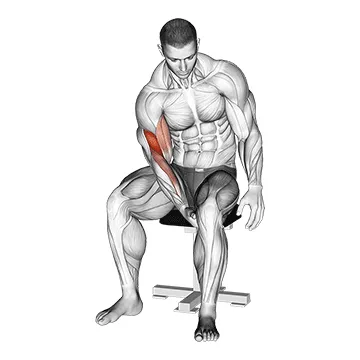
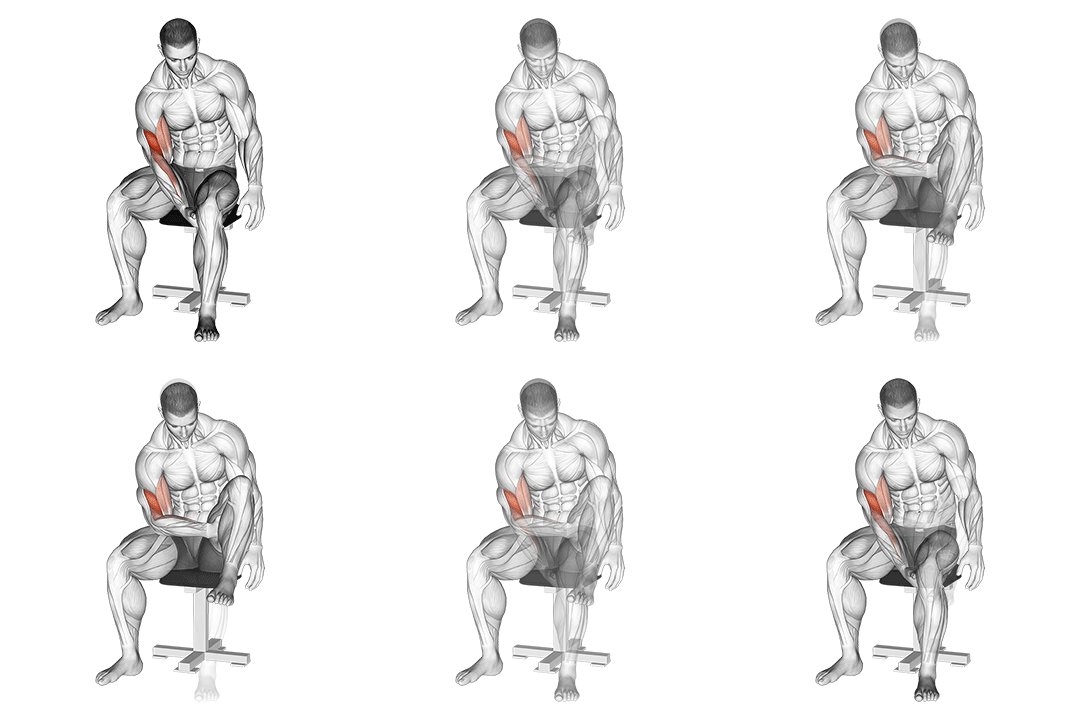
Best match 1. Biceps Leg Concentration Curl
85% match- Biceps
- Bodyweight
- Beginner
- Isolation
Use this when you have nothing to train with, because it works the biceps with bodyweight alone.
How to perform this exercise
- Sit on a bench with your legs spread apart and your feet flat on the ground.
- Hold a dumbbell in one hand and place your elbow on the inside of your thigh, just above the knee.
- With your palm facing up, curl the dumbbell towards your shoulder while keeping your upper arm stationary.
- Squeeze your biceps at the top of the movement, then slowly lower the dumbbell back to the starting position.
- Repeat for the desired number of repetitions, then switch arms.
Sets and reps: 3 sets of 8 to 12 reps on each side, and add reps before you add load.
Why this matches
- Movement: curl, the same as the Lever Hammer Grip Preacher Curl
- Primary muscle: biceps, the same as the Lever Hammer Grip Preacher Curl
- Equipment: bodyweight only, not a machine
- Body position: seated, the same as the Lever Hammer Grip Preacher Curl
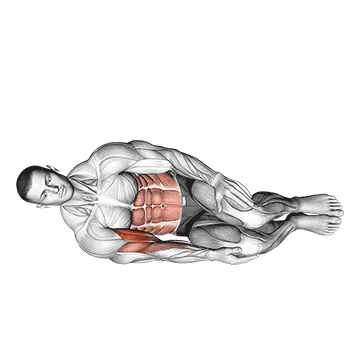
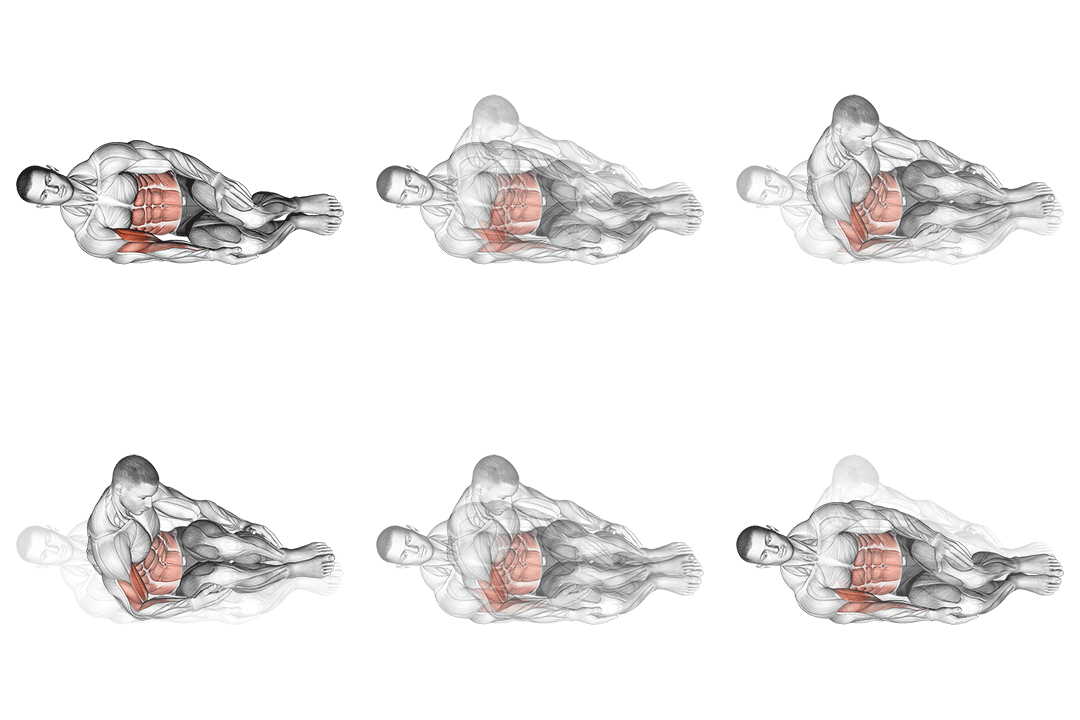
2. Bodyweight Side Lying Biceps Curl
76% match- Biceps
- Bodyweight
- Beginner
- Isolation
How to perform this exercise
- Lie on your side with your legs extended and your head supported by your arm.
- Hold your upper arm against your side and bend your elbow to curl your forearm towards your shoulder.
- Pause for a moment at the top, then slowly lower your forearm back down to the starting position.
- Repeat for the desired number of repetitions.
Sets and reps: 3 sets of 8 to 12 reps on each side, and add reps before you add load.
Why this matches
- Movement: curl, the same as the Lever Hammer Grip Preacher Curl
- Primary muscle: biceps, the same as the Lever Hammer Grip Preacher Curl
- Equipment: bodyweight only, not a machine
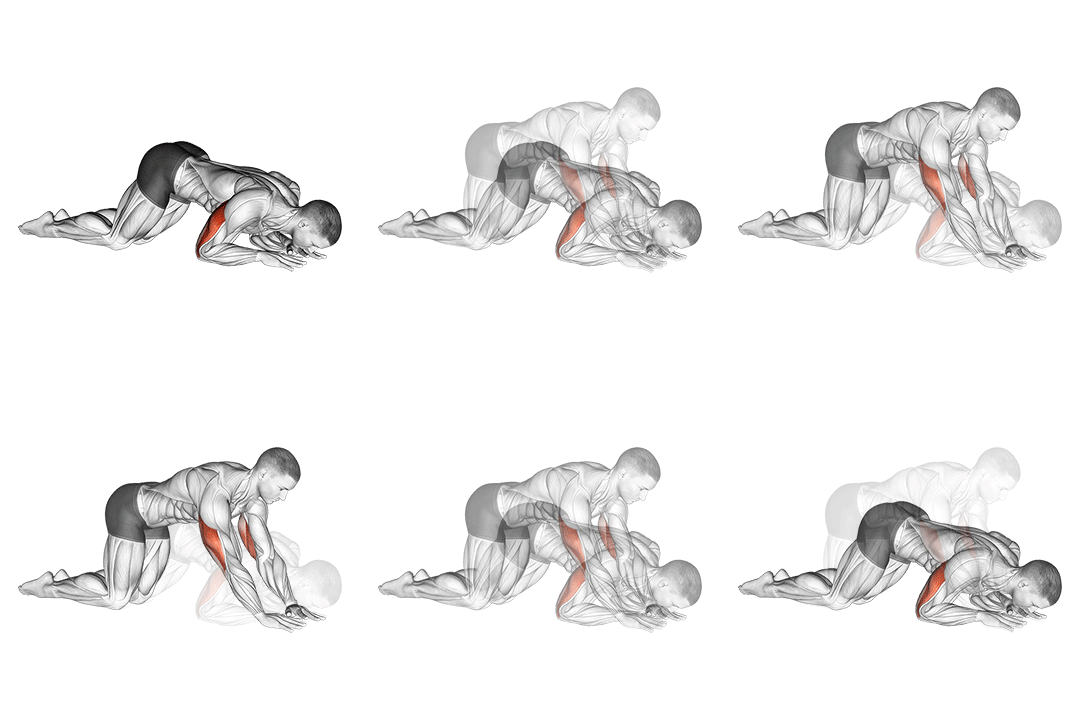
- Triceps
- Bodyweight
- Beginner
- Isolation
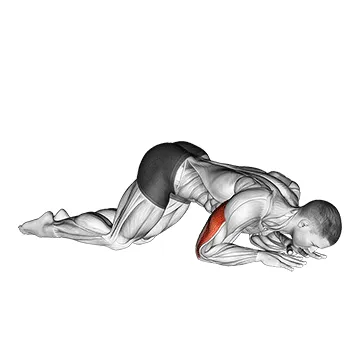
A looser match: it works the triceps rather than the biceps.
How to perform this exercise
- Kneel down on the ground with your knees hip-width apart.
- Place your hands on the ground in front of you, shoulder-width apart, fingers pointing forward.
- Extend your legs straight behind you, balancing on your toes and hands, forming a straight line from head to heels.
- Bend your elbows and lower your upper body towards the ground, keeping your elbows close to your sides.
- Pause for a moment at the bottom, then push through your hands to straighten your arms and return to the starting position.
- Repeat for the desired number of repetitions.
Sets and reps: 3 sets of 8 to 12 reps, and add reps before you add load.
Why this matches
- Primary muscle: triceps, not biceps
- Equipment: bodyweight only, not a machine
- Body position: kneeling, not seated
- Balance: harder to stay steady on than the Lever Hammer Grip Preacher Curl
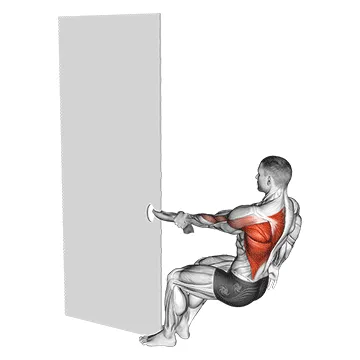
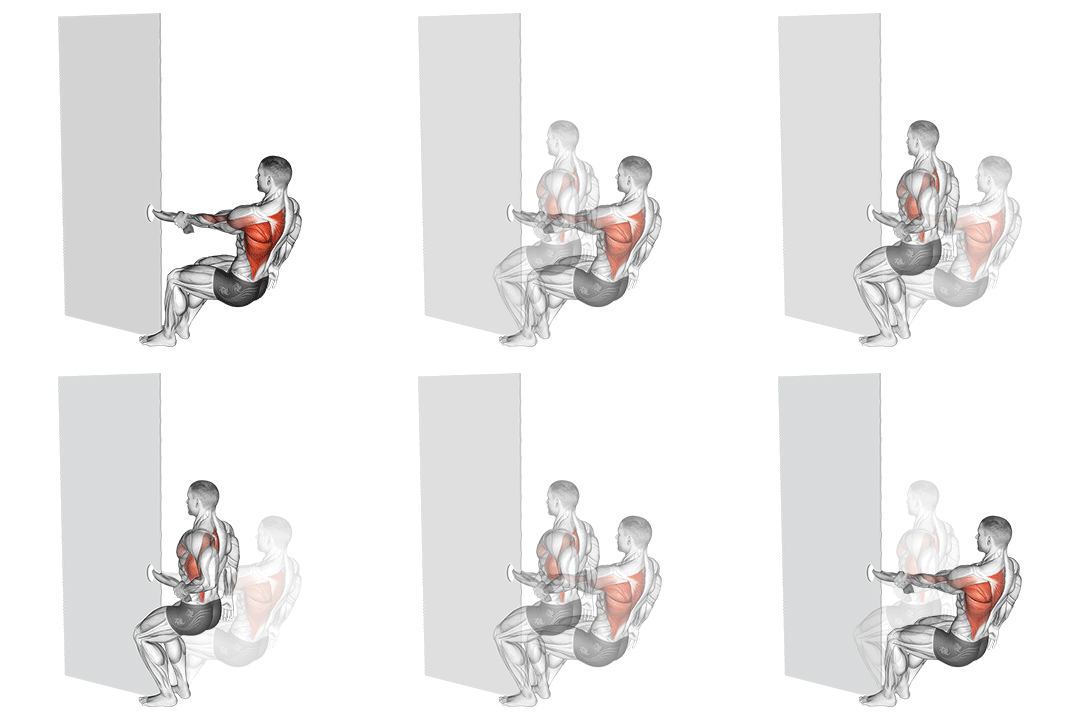
4. One Arm Towel Row
36% match- Upper Back
- Bodyweight
- Intermediate
- Compound
A looser match: it works the upper back rather than the biceps.
How to perform this exercise
- Stand with your feet shoulder-width apart, knees slightly bent, and hold a towel with one hand.
- Bend forward at the waist, keeping your back straight and your core engaged.
- Extend your arm fully, allowing the towel to hang in front of you.
- Pull the towel towards your chest, squeezing your shoulder blades together.
- Pause for a moment at the top, then slowly lower the towel back to the starting position.
- Repeat for the desired number of repetitions, then switch arms.
Sets and reps: 3 or 4 sets of 6 to 10 reps on each side.
Why this matches
- Primary muscle: upper back, not biceps
- Equipment: bodyweight only, not a machine
- Body position: standing, not seated
- Balance: harder to stay steady on than the Lever Hammer Grip Preacher Curl
5. Bodyweight Standing One Arm Row
36% match- Lats
- Bodyweight
- Intermediate
- Compound
A looser match: it works the lats rather than the biceps.
How to perform this exercise
- Stand with your feet shoulder-width apart, knees slightly bent, and hold a dumbbell in one hand.
- Bend forward at the hips, keeping your back straight and your core engaged.
- Let the dumbbell hang straight down in front of you, with your arm fully extended.
- Pull the dumbbell up towards your chest, keeping your elbow close to your body.
- Squeeze your shoulder blades together at the top of the movement.
- Lower the dumbbell back down to the starting position.
- Repeat for the desired number of repetitions, then switch sides.
Sets and reps: 3 or 4 sets of 6 to 10 reps on each side.
Why this matches
- Primary muscle: lats, not biceps
- Equipment: bodyweight only, not a machine
- Body position: standing, not seated
- Balance: harder to stay steady on than the Lever Hammer Grip Preacher Curl
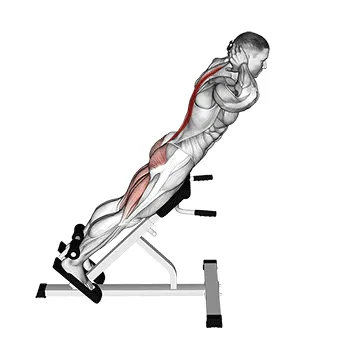
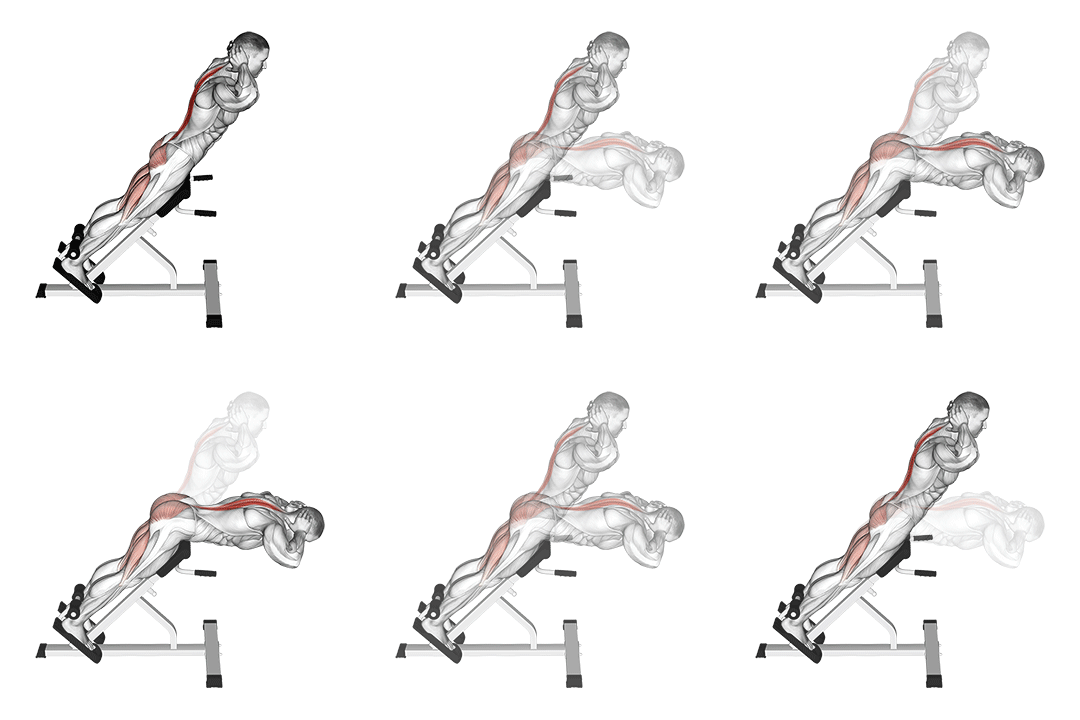
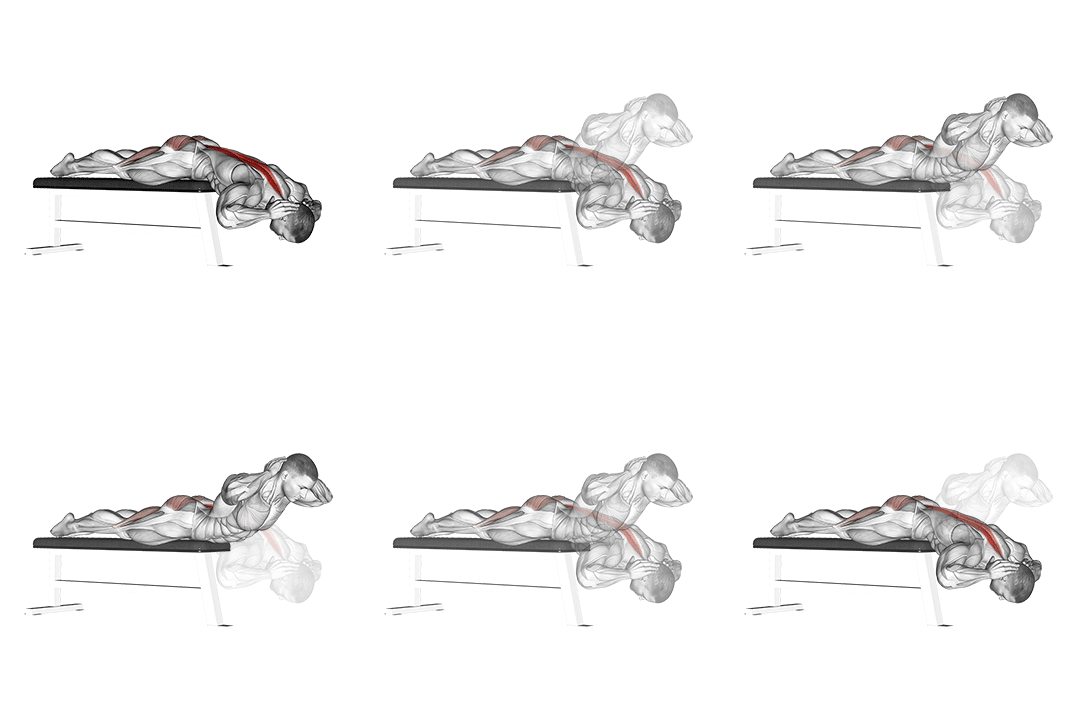
6. Hyperextension
34% match- Spine
- Bodyweight
- Intermediate
- Compound
A looser match: it works the spinal erectors rather than the biceps.
How to perform this exercise
- Adjust the hyperextension bench so that your upper thighs are resting on the pad and your feet are secured.
- Cross your arms over your chest or place your hands behind your head.
- Lower your upper body towards the ground while keeping your back straight.
- Pause for a moment at the bottom, then raise your upper body back up until it is in line with your legs.
- Repeat for the desired number of repetitions.
Sets and reps: 3 or 4 sets of 6 to 10 reps.
Why this matches
- Primary muscle: spine, not biceps
- Equipment: bodyweight only, not a machine
- Body position: lying face down, not seated
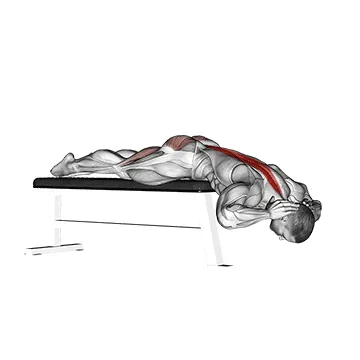
7. Hyperextension (On Bench)
34% match- Spine
- Bodyweight
- Intermediate
- Compound
How to perform this exercise
- Adjust the hyperextension bench so that your hips are resting comfortably on the pad and your feet are secured.
- Cross your arms over your chest or place your hands behind your head.
- Slowly lower your upper body towards the ground while keeping your back straight.
- Pause for a moment at the bottom, then raise your upper body back up until it is in line with your legs.
- Repeat for the desired number of repetitions.
Sets and reps: 3 or 4 sets of 6 to 10 reps.
Why this matches
- Primary muscle: spine, not biceps
- Equipment: bodyweight only, not a machine
- Body position: lying face down, not seated
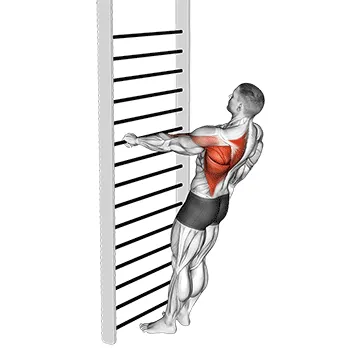
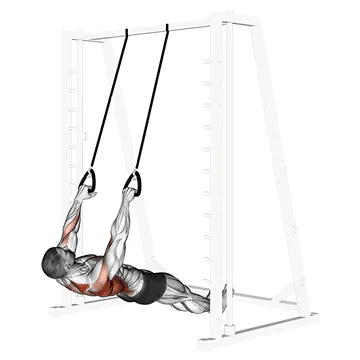
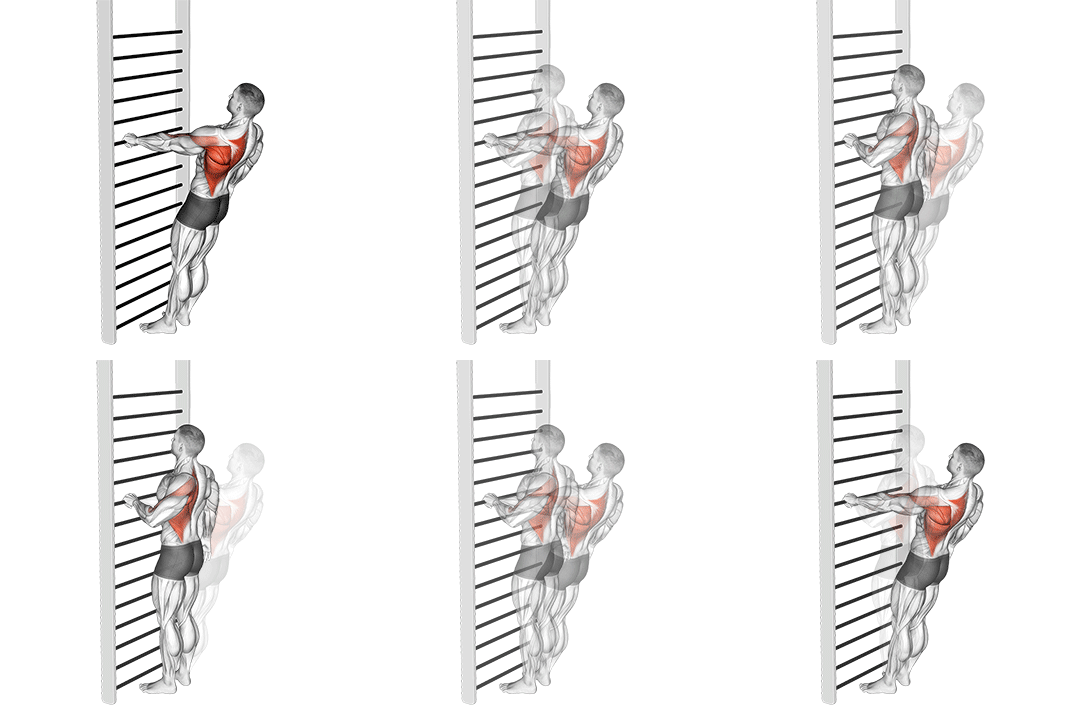
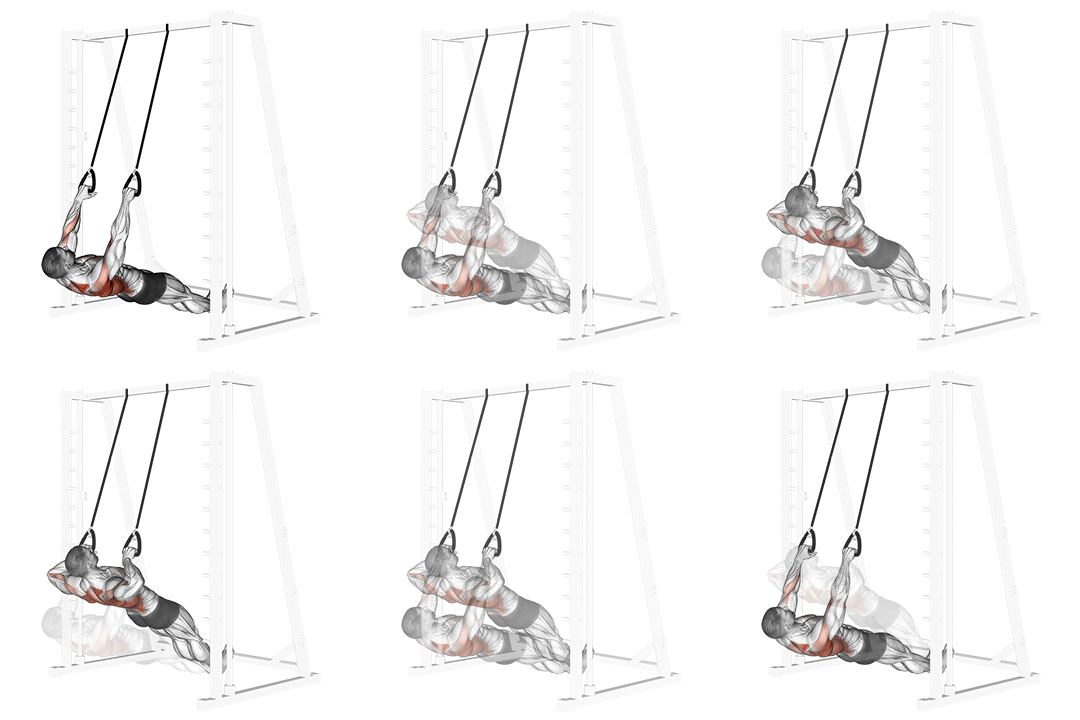
8. Inverted Row With Straps
30% match- Lats
- Bodyweight
- Intermediate
- Compound
How to perform this exercise
- Set up a suspension trainer or straps at chest height.
- Stand facing the anchor point and grab the handles with an overhand grip.
- Walk your feet forward, leaning back until your body is at an angle.
- Keep your body straight and engage your core.
- Pull your chest towards the handles, squeezing your shoulder blades together.
- Pause for a moment at the top, then slowly lower yourself back to the starting position.
- Repeat for the desired number of repetitions.
Sets and reps: 3 or 4 sets of 6 to 10 reps.
Why this matches
- Primary muscle: lats, not biceps
- Equipment: a suspension trainer, not a machine
- Body position: hanging, not seated
- Balance: harder to stay steady on than the Lever Hammer Grip Preacher Curl
Why You Might Need a Lever Hammer Grip Preacher Curl Alternative
You might substitute the Lever Hammer Grip Preacher Curl for several reasons: your gym lacks the lever machine, you feel elbow or wrist irritation from the lever’s axis, or you want more unilateral work to fix imbalances. Alternatives let you change loading modality (dumbbell, cable, bodyweight) while keeping elbow-fixed isolation. Biomechanically, swapping to a neutral-grip dumbbell or rope cable retains brachialis emphasis and reduces supination torque that can aggravate the distal biceps tendon. Use cues such as keeping the upper arm pinned, maintaining a neutral wrist, and controlling the eccentric to match the original exercise’s muscle activation.
How to Choose the Right Lever Hammer Grip Preacher Curl Substitute
Pick a substitute based on the movement pattern, loading progression, and symptom control. If you need the same elbow support, choose preacher-pad variations (dumbbell preacher hammer curl) and cue ‘drive the elbow into the pad’ to maintain isolation. If you need smoother resistance across ROM, use cables and keep elbows stationary to maintain constant tension. For unilateral deficits, use single-arm neutral dumbbell curls and emphasize a full eccentric to recruit the brachialis. If wrists or elbows bother you, favor neutral grips and reduce supination; prioritize range of motion and progressive loading over heavy momentum.
Lever Hammer Grip Preacher Curl FAQ
What muscles does Lever Hammer Grip Preacher Curl work?
It primarily targets the biceps brachii and the brachialis, with secondary recruitment of the brachioradialis. The neutral (hammer) grip shifts force to the brachialis and reduces supination demand on the biceps long head.
Find Alternatives for Any Exercise
Search the exercise database and filter the ranked substitutes by the equipment you own.
Similarity scores compare exercise metadata such as movement pattern, muscles, equipment and body position. They are not a safety rating or a check that you own the equipment. Learn about our methodology