

10 Best Lever Pullover Alternatives for Limited Equipment
If you can’t use a Lever Pullover, replace it with moves that preserve the straight-arm, shoulder-hinge pattern and prioritize lat activation. Good options are cable straight-arm pullover, dumbbell pullover, wide-grip lat pulldown, and inverted/ring pullover. Cue: keep arms mostly straight, hinge at the shoulders, and pull with the lats rather than bending the elbows.
Original Exercise: Lever Pullover
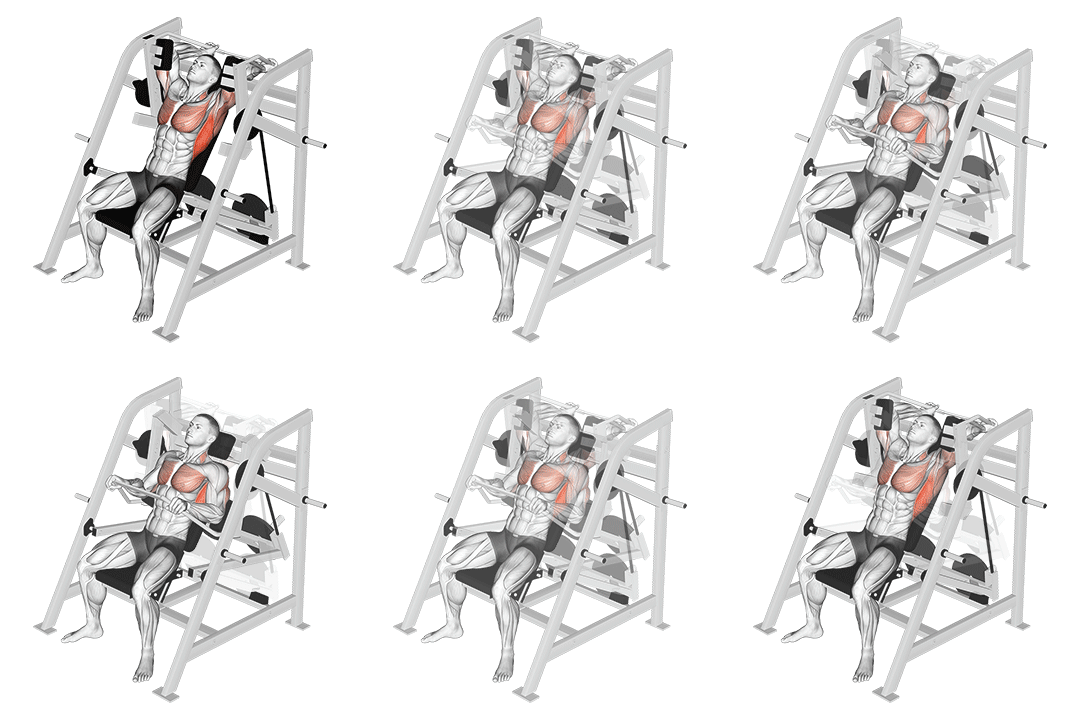
How to Perform Lever Pullover
- Adjust the seat and handles of the leverage machine to a comfortable position.
- Sit on the machine with your back against the pad and grasp the handles with an overhand grip.
- Keep your arms slightly bent and your core engaged.
- Slowly pull the handles towards your chest, squeezing your lats.
- Pause for a moment at the peak contraction, then slowly return to the starting position.
- Repeat for the desired number of repetitions.
Best Lever Pullover Alternatives
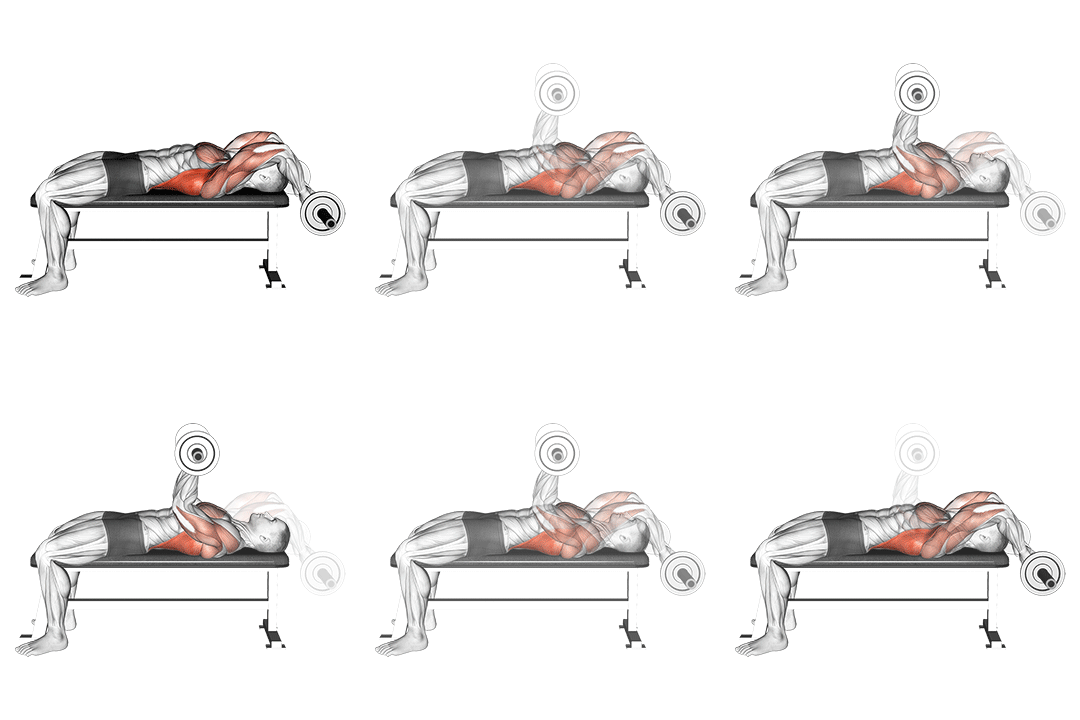
1. Ez Bar Lying Bent Arms Pullover
83.7% MatchHow to perform this exercise
- Lie flat on a bench with your head at one end and your feet on the floor.
- Hold the EZ barbell with a pronated grip (palms facing away from you) and your hands shoulder-width apart.
- Extend your arms straight above your chest, keeping a slight bend in your elbows.
- Lower the barbell in an arc motion behind your head, maintaining the slight bend in your elbows.
- Pause for a moment, then return the barbell to the starting position by reversing the arc motion.
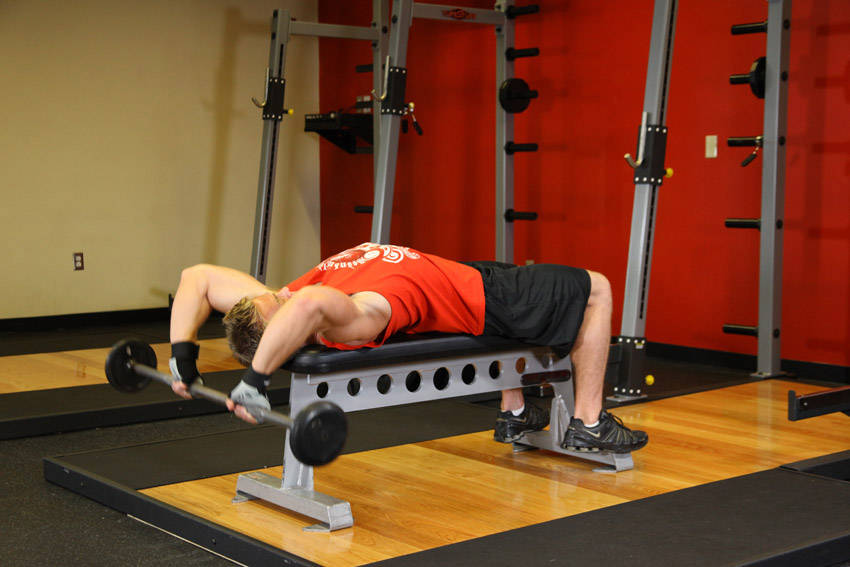
2. Bent-Arm Barbell Pullover
83.7% MatchHow to perform this exercise
- Lie on a flat bench with a barbell using a shoulder grip width.
- Hold the bar straight over your chest with a bend in your arms. This will be your starting position.
- While keeping your arms in the bent arm position, lower the weight slowly in an arc behind your head while breathing in until you feel a stretch on the chest.
- At that point, bring the barbell back to the starting position using the arc through which the weight was lowered and exhale as you perform this movement.
- Hold the weight on the initial position for a second and repeat the motion for the prescribed number of repetitions.
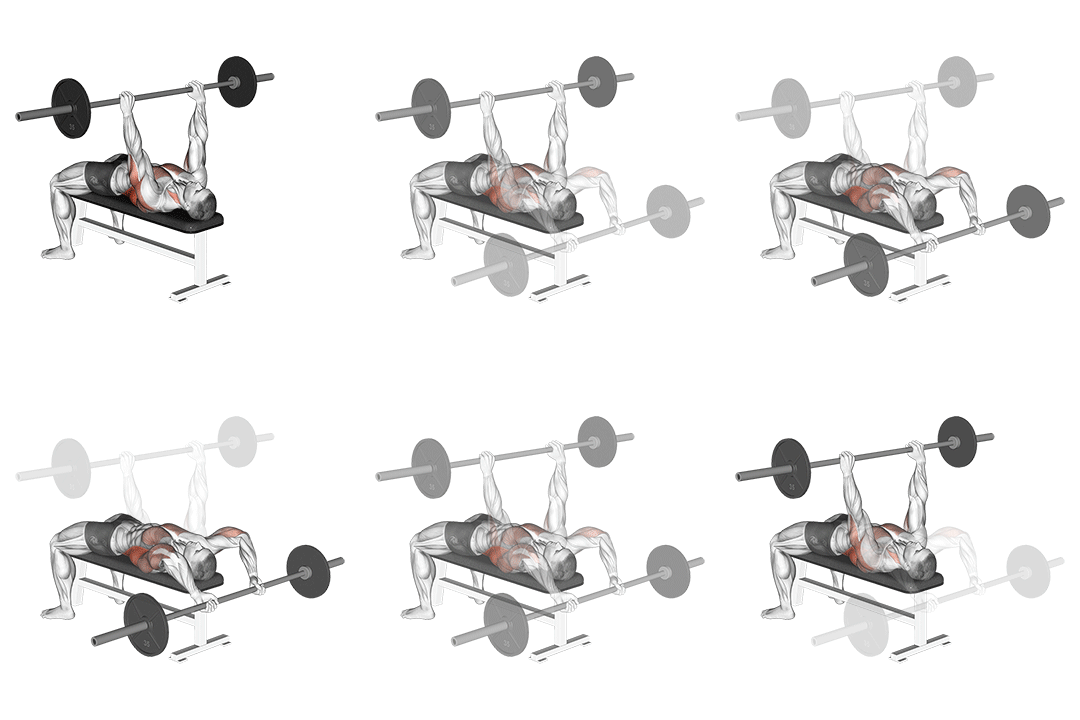
3. Barbell Bent Arm Pullover
82.9% MatchHow to perform this exercise
- Lie flat on a bench with your head at one end and your feet on the floor.
- Hold a barbell with a shoulder-width grip and extend your arms straight above your chest.
- Lower the barbell behind your head while keeping your arms slightly bent.
- Pause for a moment, then raise the barbell back to the starting position.
- Repeat for the desired number of repetitions.
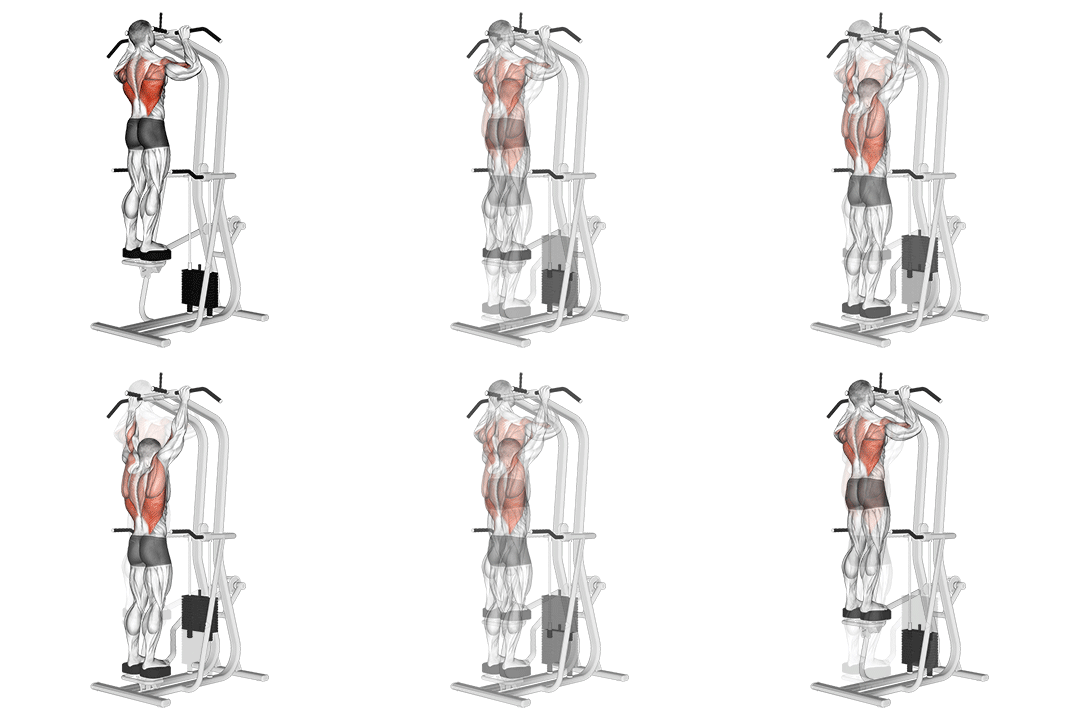
4. Assisted Standing Pull-up
80.7% MatchHow to perform this exercise
- Adjust the machine to your desired weight and height settings.
- Stand facing the machine with your feet shoulder-width apart.
- Grasp the handles with an overhand grip, slightly wider than shoulder-width apart.
- Engage your lats and biceps, and pull yourself up towards the handles.
- Pause for a moment at the top, squeezing your back muscles.
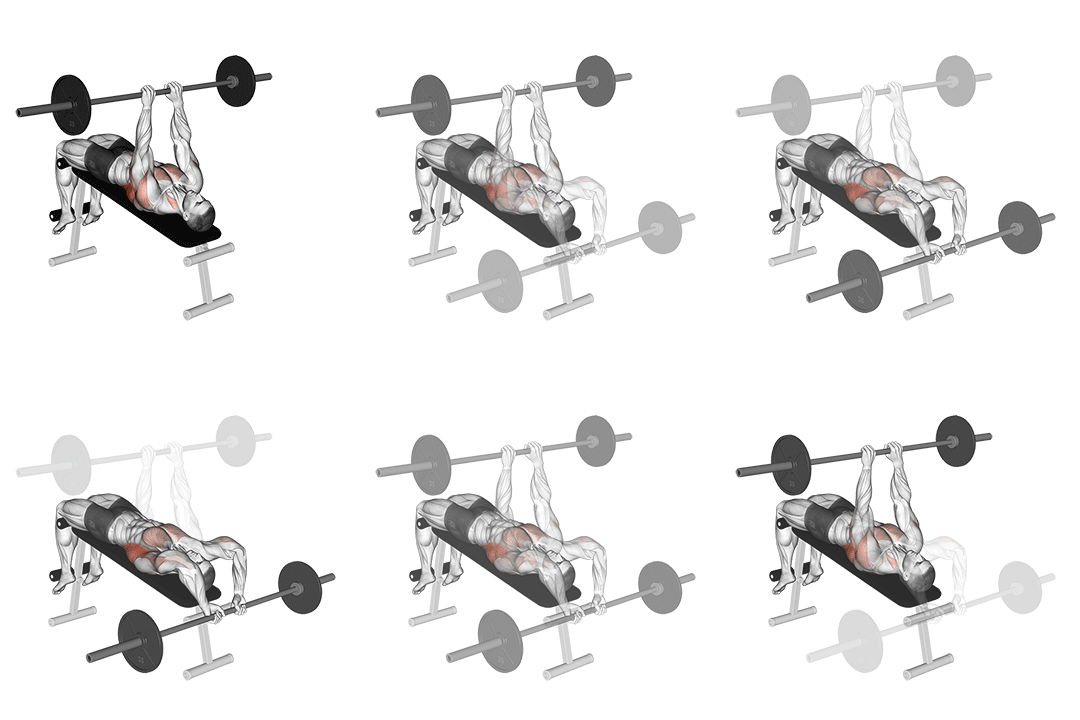
5. Barbell Decline Bent Arm Pullover
78.7% MatchHow to perform this exercise
- Lie down on a decline bench with your head lower than your hips and your feet secured.
- Hold a barbell with a pronated grip (palms facing away from you) and extend your arms straight above your chest.
- Lower the barbell behind your head in a controlled manner, keeping your arms slightly bent.
- Pause for a moment, then raise the barbell back to the starting position by contracting your lats.
- Repeat for the desired number of repetitions.
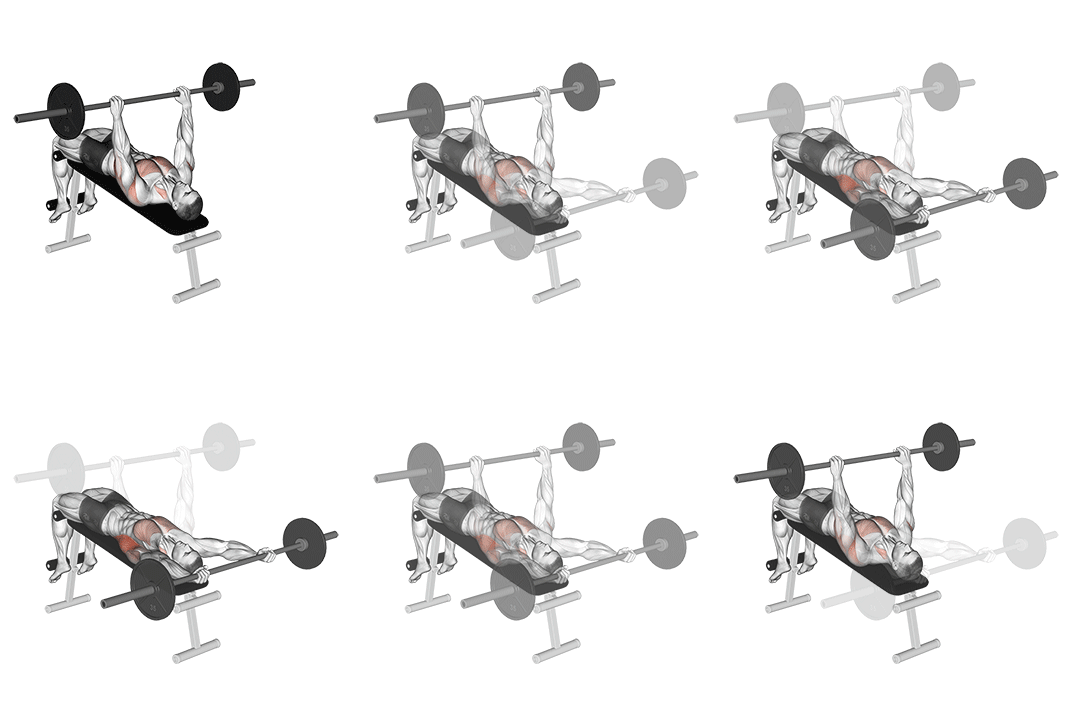
6. Barbell Decline Wide-grip Pullover
76.7% MatchHow to perform this exercise
- Lie on a decline bench with your head lower than your hips and your feet secured.
- Hold a barbell with a wide grip and extend your arms straight above your chest.
- Lower the barbell behind your head in a controlled manner, keeping your arms straight.
- Pause for a moment, then raise the barbell back to the starting position.
- Repeat for the desired number of repetitions.
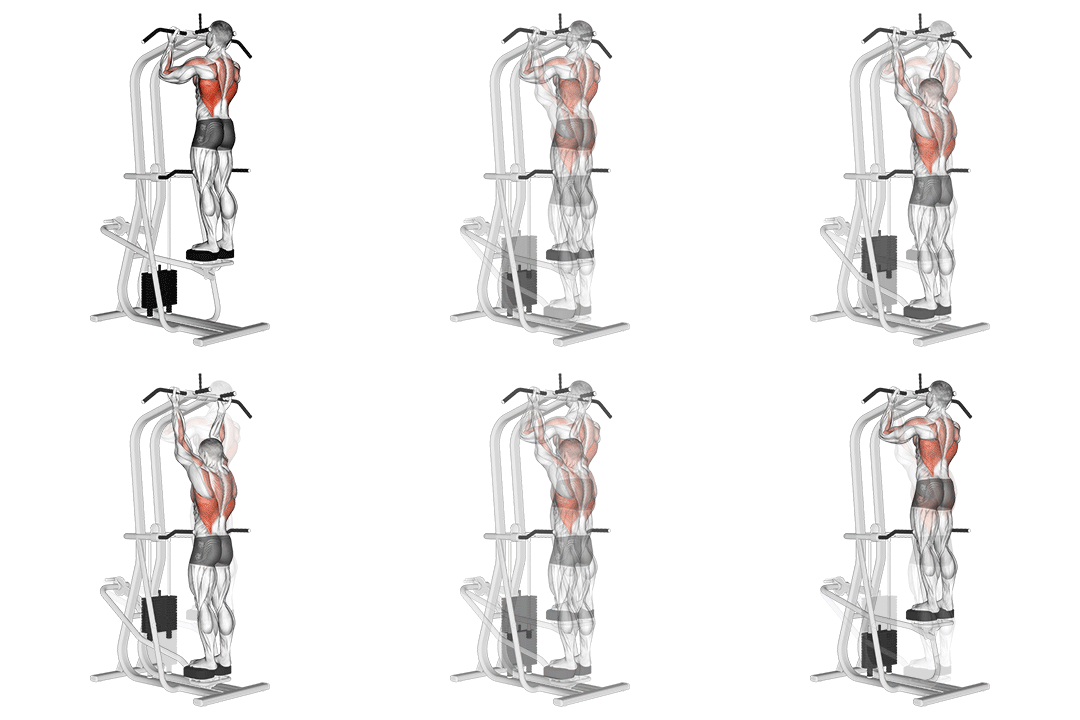
7. Assisted Standing Chin-up
76.7% MatchHow to perform this exercise
- Adjust the machine to your desired assistance level.
- Stand on the foot platform and grip the handles with an overhand grip, slightly wider than shoulder-width apart.
- Keep your chest up and shoulders back, engage your core, and slightly bend your knees.
- Pull your body up by flexing your elbows and driving your elbows down towards your sides.
- Continue pulling until your chin is above the bar.
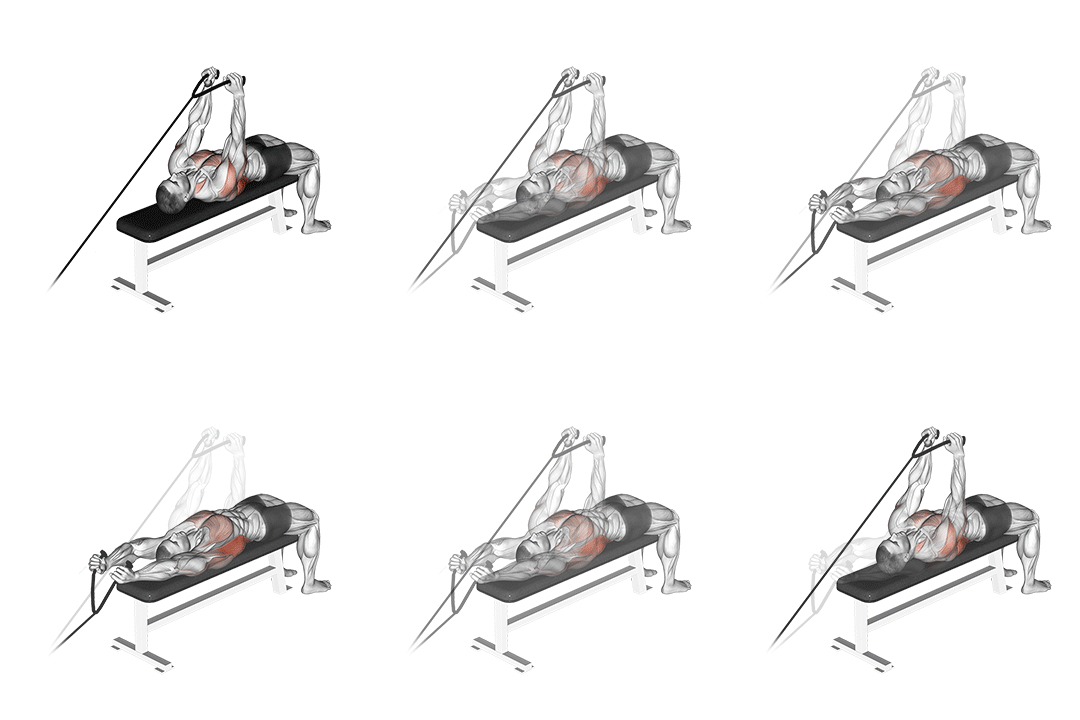
8. Cable Lying Extension Pullover (with Rope Attachment)
74.7% MatchHow to perform this exercise
- Attach a rope to a cable machine and set the pulley at the highest position.
- Lie down on a bench with your head towards the cable machine.
- Hold the rope with both hands and extend your arms straight up above your chest.
- Keeping your arms straight, slowly lower the rope behind your head while maintaining control.
- Pause for a moment at the bottom, then slowly raise the rope back to the starting position.
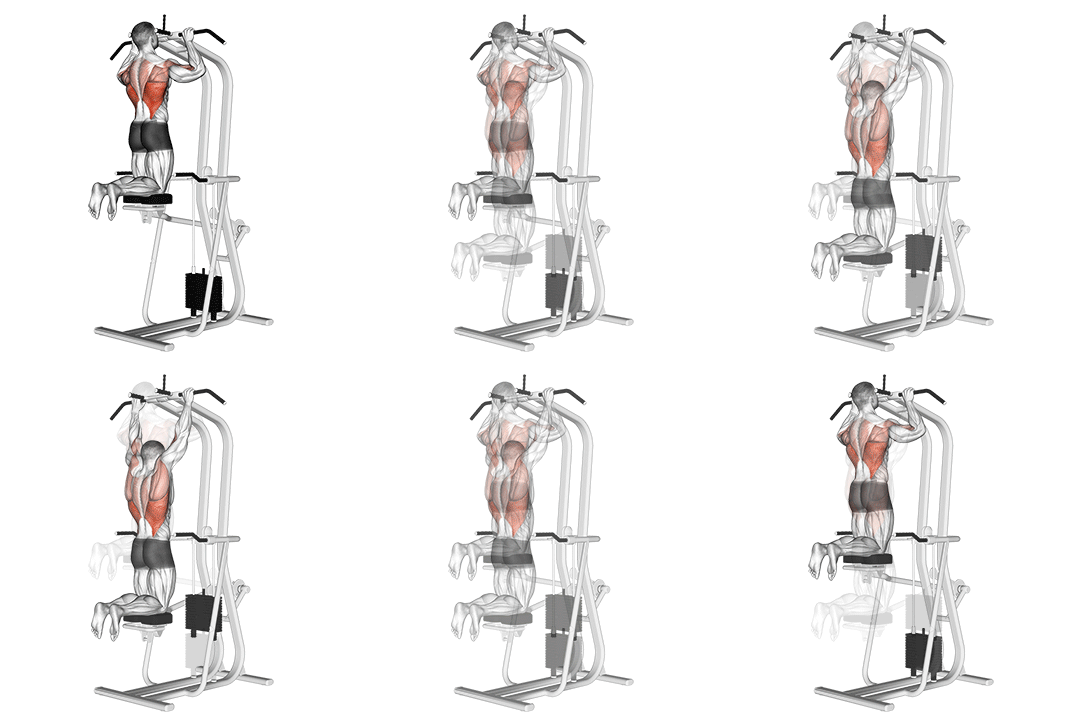
9. Assisted Pull-up
72.2% MatchHow to perform this exercise
- Adjust the machine to your desired weight and height settings.
- Grasp the handles with an overhand grip, slightly wider than shoulder-width apart.
- Hang with your arms fully extended and your feet off the ground.
- Engage your back muscles and pull your body up towards the handles, keeping your elbows close to your body.
- Continue pulling until your chin is above the handles.
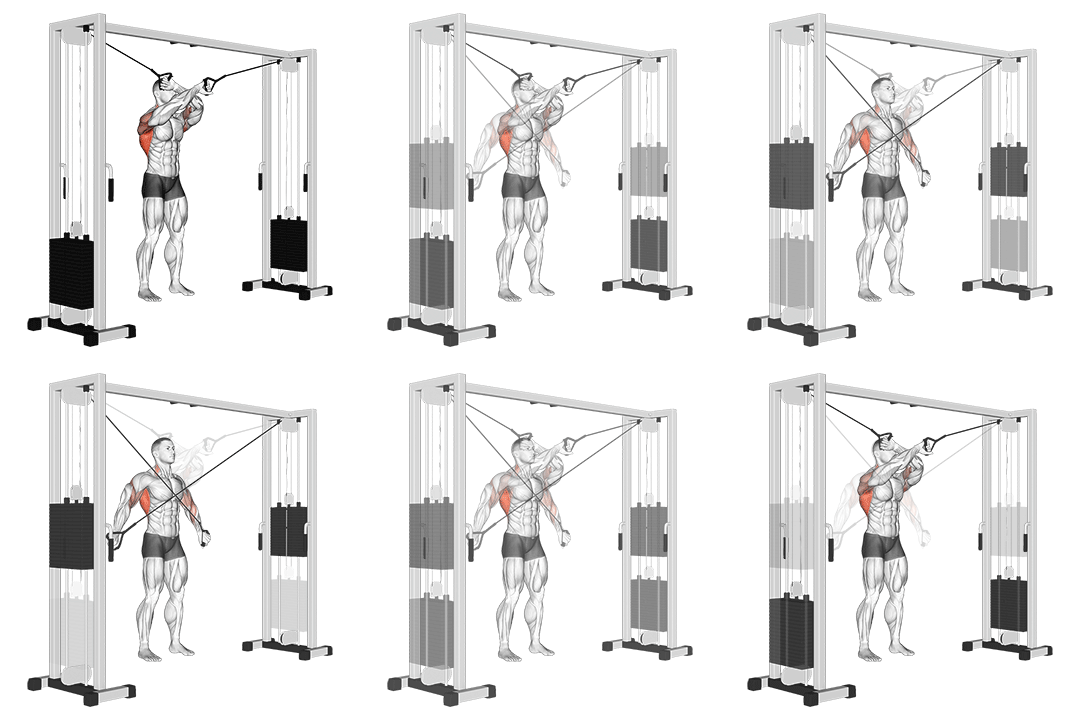
10. Cable Lat Pulldown Full Range Of Motion
68.7% MatchHow to perform this exercise
- Sit on the lat pulldown machine with your knees positioned under the pads.
- Grasp the cable bar with an overhand grip, slightly wider than shoulder-width apart.
- Lean back slightly and keep your chest up, maintaining a slight arch in your lower back.
- Pull the bar down towards your upper chest, squeezing your shoulder blades together.
- Pause for a moment at the bottom of the movement, then slowly release the bar back to the starting position.
Why You Might Need a Lever Pullover Alternative
You may need substitutes for injury, lack of a lever machine, or to reduce shoulder stress. Shoulder impingement or limited overhead mobility often makes the long lever of the pullover painful; choosing a cable or dumbbell variation shortens the lever arm and reduces shear on the glenohumeral joint. Equipment limits—like training at home—push you toward band or bodyweight patterns. You may also change exercises to emphasize different parts of the back: straight-arm pullovers bias lat lengthening and scapular control, while rows load elbow flexion and spinal stability. Cue: maintain a neutral spine and initiate every rep by depressing the scapula to load the lats safely.
How to Choose the Right Substitute
Select a substitute by matching the pullover’s biomechanical demands: straight-arm shoulder extension versus elbow-driven pulling. Prioritize exercises that allow progressive overload and preserve the long-lever feel when your goal is lat width. Consider range of motion, grip, and scapular control—use a cable or band to keep consistent tension, or a dumbbell to increase end-range load. If you have shoulder pain, choose movements with shorter lever arms and scapular-focused cues. Technique cue: start each rep by depressing and slightly retracting the scapula, hinge at the shoulders, and avoid excessive thoracic flexion to keep load on the lats.
Frequently Asked Questions
What muscles does Lever Pullover work?
The Lever Pullover primarily targets the latissimus dorsi and teres major while engaging the serratus anterior and posterior shoulder stabilizers. It also loads the chest and long head of the triceps secondarily when you extend the shoulder against resistance; cue the movement with straight arms and a shoulder hinge to maximize lat contribution.
What is the best bodyweight alternative to Lever Pullover?
A wide-grip inverted row with feet elevated is the most accessible bodyweight substitute to target the lats and mimic a pullover’s horizontal-to-vertical pulling vector. Cue: keep your body rigid, drive the movement by depressing the scapula at the top, and raise your chest to the bar to emphasize lat contraction.
Can I build muscle without doing Lever Pullover?
Yes. You can build lat size and strength using progressive overload on cable straight-arm pullovers, dumbbell pullovers, lat pulldowns, and heavy rows. Focus on full range of motion, increasing load or volume over time, and cue consistent scapular control to ensure the lats are the primary movers.
More Exercise Alternatives
Find Alternatives for Any Exercise
Use our free tool to discover the best substitute exercises based on your available equipment and goals.
Try the Exercise Substitution Finder →