

10 Best London Bridges Alternatives for Limited Equipment
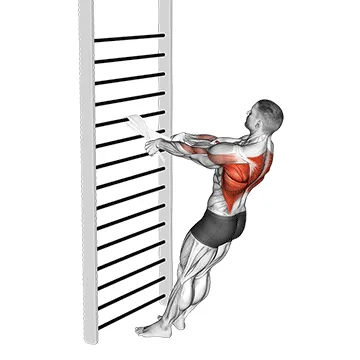
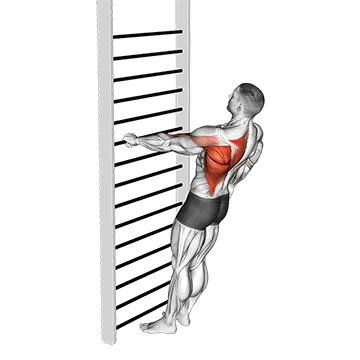
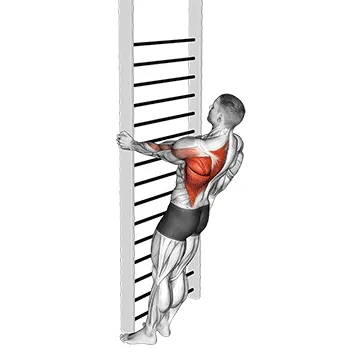
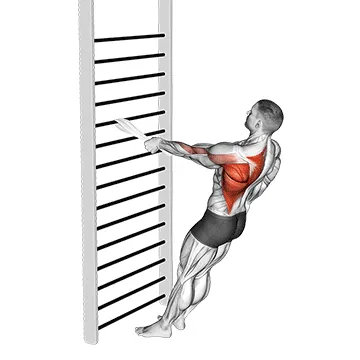
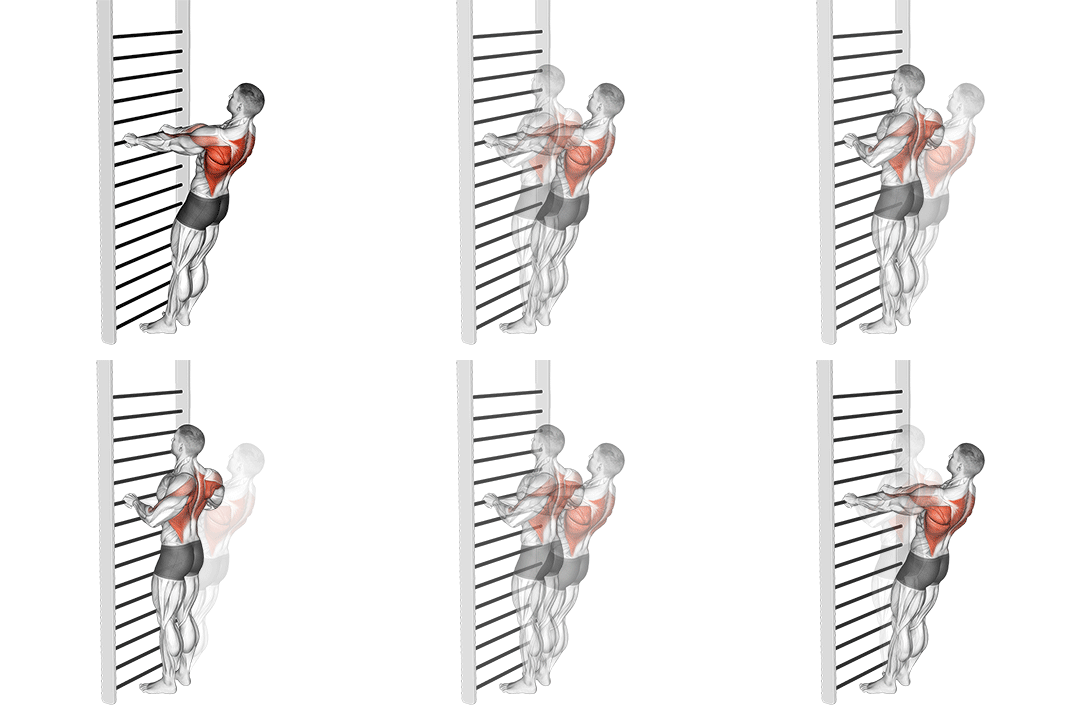
London Bridges are done lying on your back. Ranked closest by our scoring: the Bodyweight Standing Row, the Bodyweight Standing Close-grip Row and the Bodyweight Standing Row (With Towel).
Updated Ranked by our 12-factor similarity model How it works
Original Exercise: London Bridges
- Primary muscle
- Lats
- Equipment
- Other
- Difficulty
- Intermediate
- Type
- Compound
Secondary muscles: Biceps, Forearms, Middle Back
How to perform London Bridges
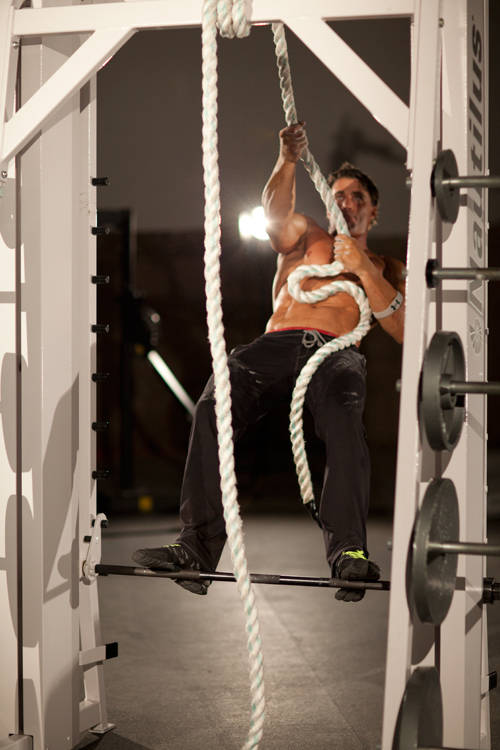
- Attach a climbing rope to a high beam or cross member. Below it, ensure that the smith machine bar is locked in place with the safeties and cannot move. Alternatively, a secure box could also be utilized.
- Stand on the bar, using the rope to balance yourself. This will be your starting position.
- Keeping your body straight, lean back and lower your body by slowly going hand over hand with the rope. Continue until you are perpendicular to the ground.
- Keeping your body straight, reverse the motion, going hand over hand back to the starting position.
Ranked London Bridges Alternatives
10 substitutes, ranked by how closely each one matches London Bridges on movement pattern, muscles worked, equipment and body position. The higher the score, the less you change. Open "How to perform this exercise" on a card for the steps; every card title links to that exercise's own alternatives page.
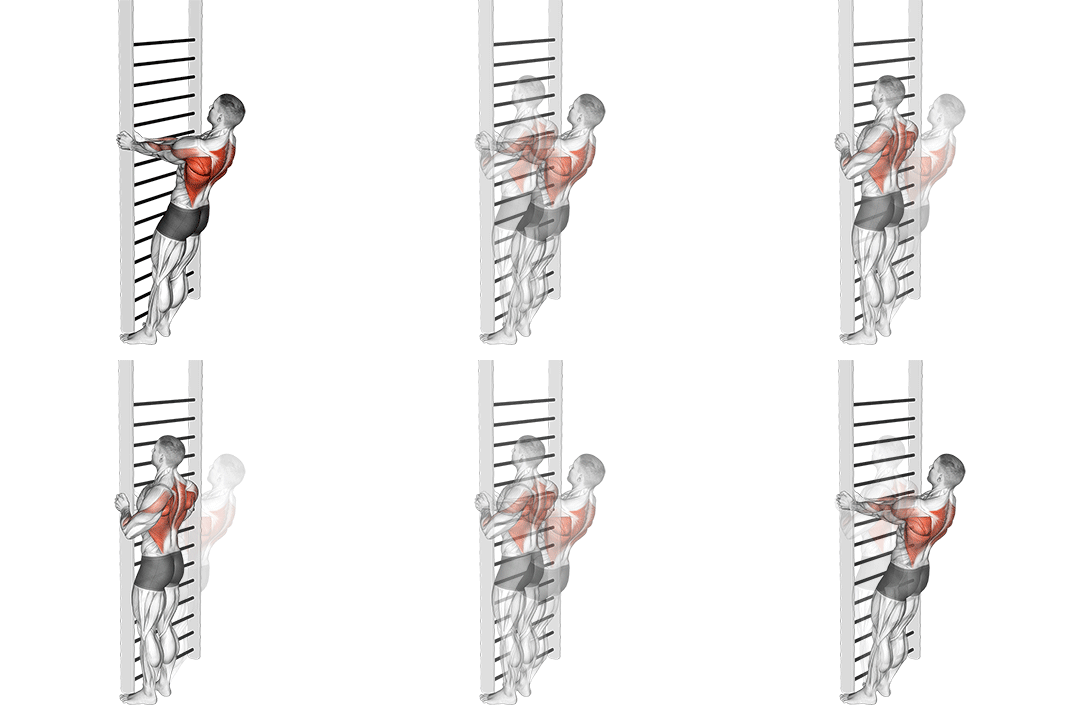
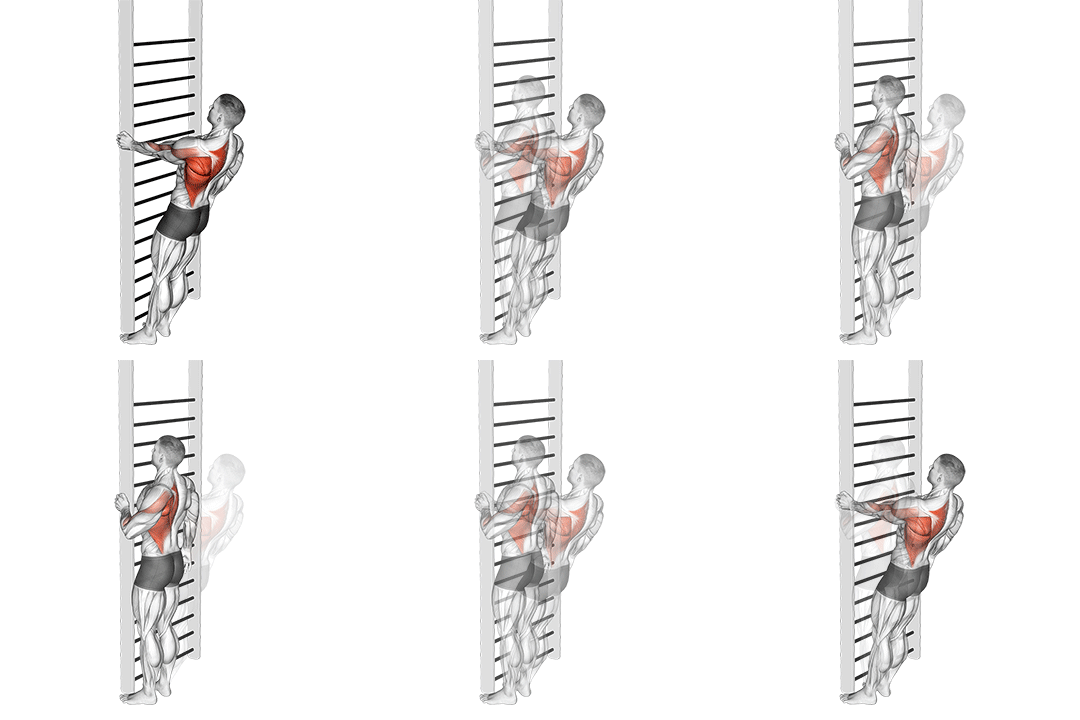
Best match 1. Bodyweight Standing Row
91% match- Lats
- Bodyweight
- Beginner
- Compound
Pick this when you want an easier version that still works the lats.
How to perform this exercise
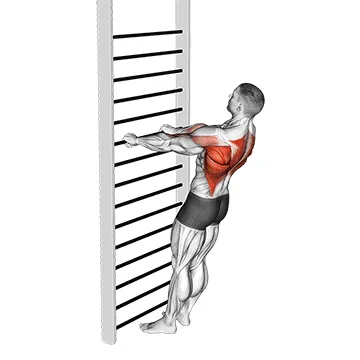
- Stand with your feet shoulder-width apart and knees slightly bent.
- Grasp a bar or handles with an overhand grip, palms facing down.
- Keep your back straight and core engaged.
- Pull the bar or handles towards your body, squeezing your shoulder blades together.
- Pause for a moment at the top of the movement.
- Slowly release and extend your arms back to the starting position.
- Repeat for the desired number of repetitions.
Sets and reps: 3 sets of 8 to 12 reps, and add reps before you add load.
Why this matches
- Primary muscle: lats, the same as London Bridges
- Equipment: bodyweight only, the same as London Bridges
- Body position: standing, not lying on your back
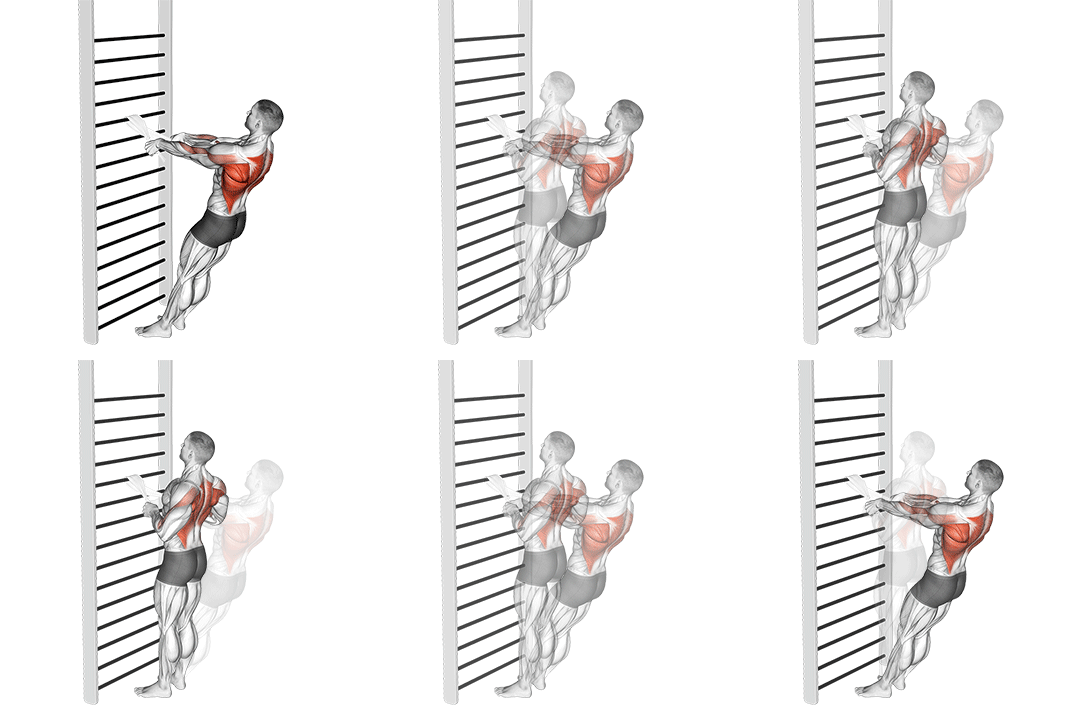
- Lats
- Bodyweight
- Beginner
- Compound
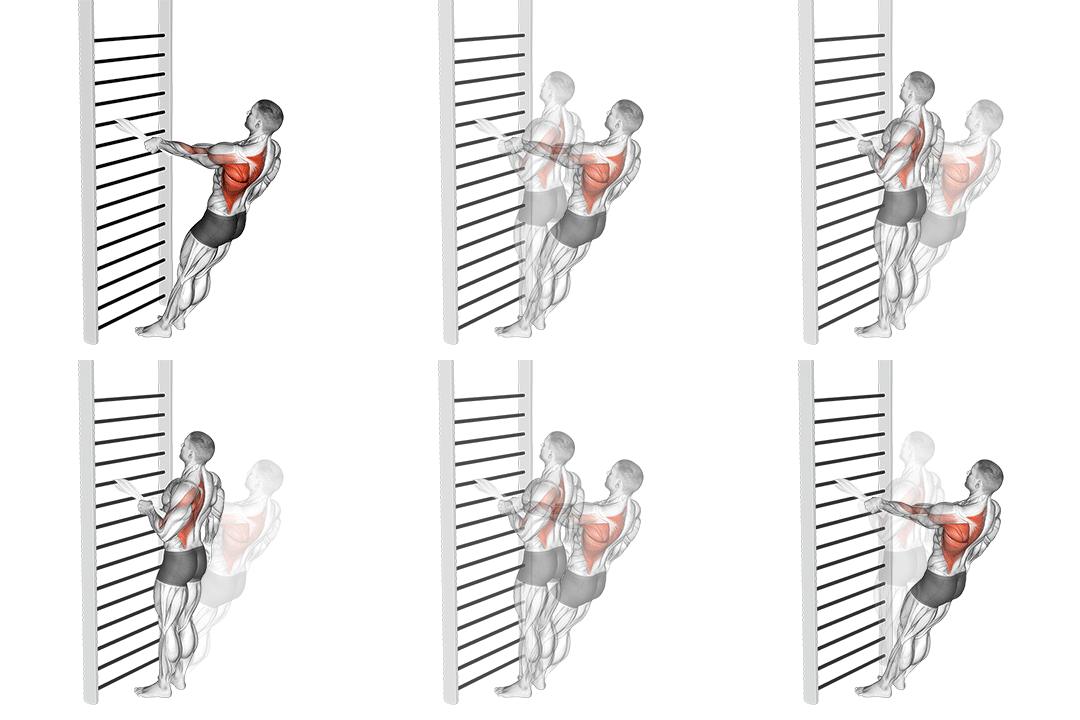
How to perform this exercise
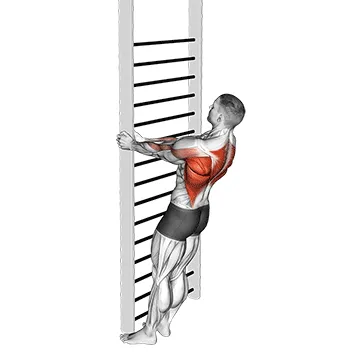
- Stand with your feet shoulder-width apart and knees slightly bent.
- Bend forward at the waist, keeping your back straight and your core engaged.
- Extend your arms straight in front of you, gripping the bar or handles with a close grip.
- Pull the bar or handles towards your body, squeezing your shoulder blades together.
- Pause for a moment at the top of the movement, then slowly release and return to the starting position.
- Repeat for the desired number of repetitions.
Sets and reps: 3 sets of 8 to 12 reps, and add reps before you add load.
Why this matches
- Primary muscle: lats, the same as London Bridges
- Equipment: bodyweight only, the same as London Bridges
- Body position: standing, not lying on your back
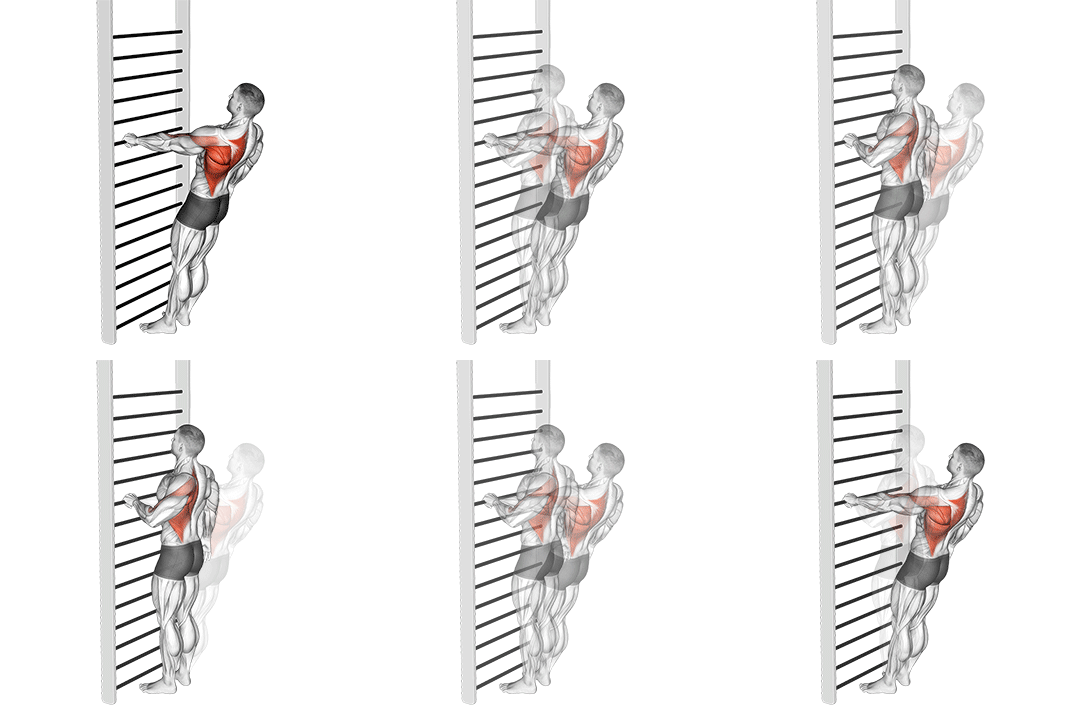
- Lats
- Bodyweight
- Intermediate
- Compound
A straight swap when you want to keep working the lats.
How to perform this exercise
- Stand with your feet shoulder-width apart and hold a towel in front of you with both hands.
- Bend your knees slightly and hinge forward at the hips, keeping your back straight.
- Pull the towel towards your chest, squeezing your shoulder blades together.
- Pause for a moment at the top, then slowly release the tension and return to the starting position.
- Repeat for the desired number of repetitions.
Sets and reps: 3 or 4 sets of 6 to 10 reps.
Why this matches
- Primary muscle: lats, the same as London Bridges
- Equipment: bodyweight only, the same as London Bridges
- Body position: standing, not lying on your back
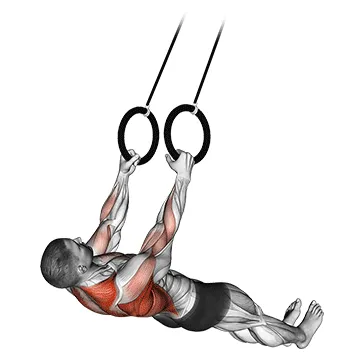
4. Suspended Row
81% match- Lats
- Bodyweight
- Intermediate
- Compound
How to perform this exercise
- Set up a suspension trainer at an appropriate height.
- Stand facing the anchor point with your feet shoulder-width apart.
- Hold the handles with an overhand grip, palms facing each other.
- Lean back, keeping your body straight and your heels on the ground.
- Pull your chest towards the handles, squeezing your shoulder blades together.
- Pause for a moment at the top, then slowly lower yourself back to the starting position.
- Repeat for the desired number of repetitions.
Sets and reps: 3 or 4 sets of 6 to 10 reps.
Why this matches
- Primary muscle: lats, the same as London Bridges
- Equipment: a suspension trainer, not bodyweight only
- Body position: hanging, not lying on your back
5. Bent Over Barbell Row
81% match- Lats
- Barbell
- Intermediate
- Compound
How to perform this exercise
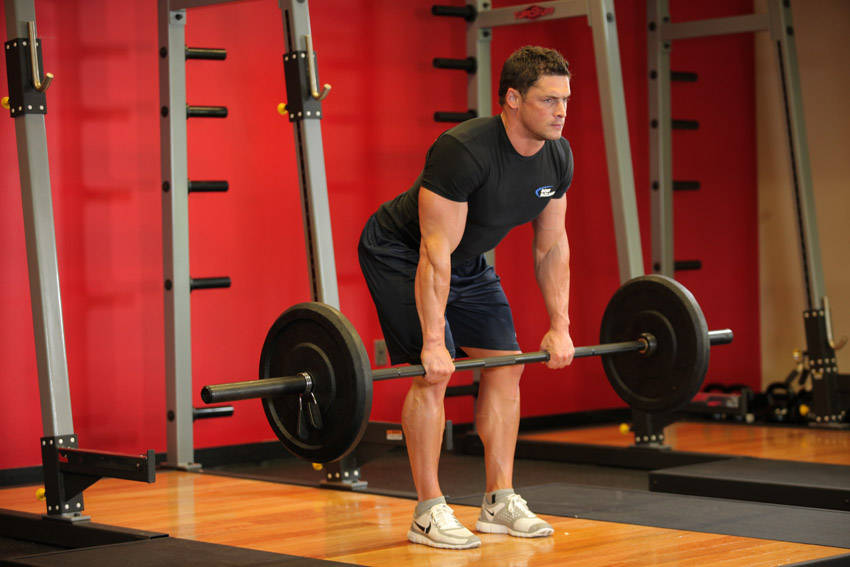
- Holding a barbell with a pronated grip (palms facing down), bend your knees slightly and bring your torso forward, by bending at the waist, while keeping the back straight until it is almost parallel to the floor. Tip: Make sure that you keep the head up. The barbell should hang directly in front of you as your arms hang perpendicular to the floor and your torso. This is your starting position.
- Now, while keeping the torso stationary, breathe out and lift the barbell to you. Keep the elbows close to the body and only use the forearms to hold the weight. At the top contracted position, squeeze the back muscles and hold for a brief pause.
- Then inhale and slowly lower the barbell back to the starting position.
- Repeat for the recommended amount of repetitions.
Sets and reps: 3 or 4 sets of 6 to 10 reps.
Why this matches
- Primary muscle: lats, the same as London Bridges
- Equipment: free weights, not bodyweight only
- Body position: standing, not lying on your back
6. Bodyweight Standing One Arm Row
80% match- Lats
- Bodyweight
- Intermediate
- Compound
Pick this when you want to work the lats one side at a time.
How to perform this exercise
- Stand with your feet shoulder-width apart, knees slightly bent, and hold a dumbbell in one hand.
- Bend forward at the hips, keeping your back straight and your core engaged.
- Let the dumbbell hang straight down in front of you, with your arm fully extended.
- Pull the dumbbell up towards your chest, keeping your elbow close to your body.
- Squeeze your shoulder blades together at the top of the movement.
- Lower the dumbbell back down to the starting position.
- Repeat for the desired number of repetitions, then switch sides.
Sets and reps: 3 or 4 sets of 6 to 10 reps on each side.
Why this matches
- Primary muscle: lats, the same as London Bridges
- Equipment: bodyweight only, the same as London Bridges
- Body position: standing, not lying on your back
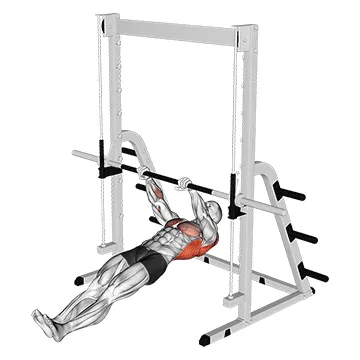
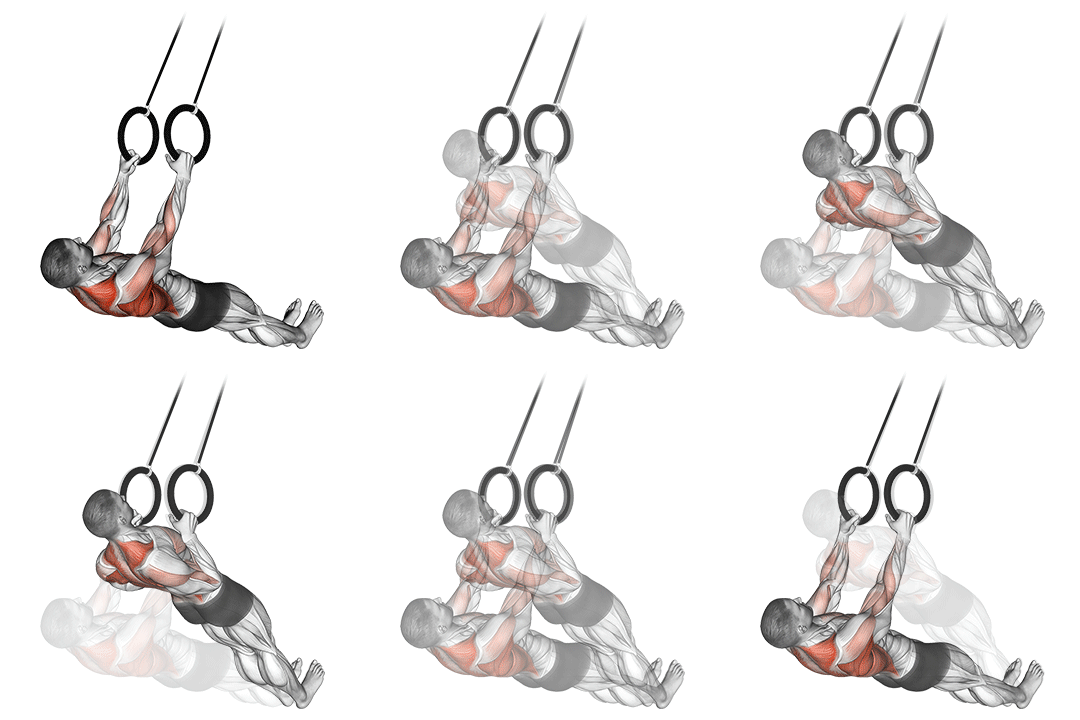
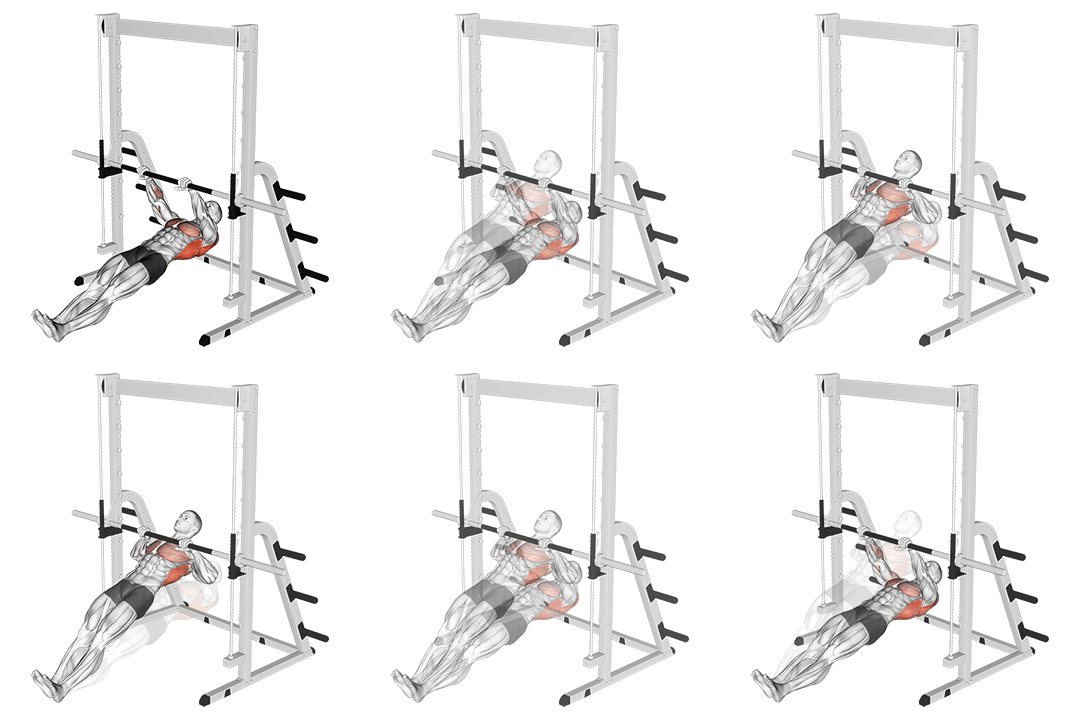
7. Inverted Row
80% match- Lats
- Bodyweight
- Intermediate
- Compound
It still works the lats, through a different movement.
How to perform this exercise
- Set up a bar at waist height or use a suspension trainer.
- Stand facing the bar or suspension trainer, with your feet shoulder-width apart.
- Grab the bar or handles with an overhand grip, slightly wider than shoulder-width apart.
- Lean back, keeping your body straight and your heels on the ground.
- Pull your chest towards the bar or handles, squeezing your shoulder blades together.
- Pause for a moment at the top, then slowly lower yourself back to the starting position.
- Repeat for the desired number of repetitions.
Sets and reps: 3 or 4 sets of 6 to 10 reps.
Why this matches
- Primary muscle: lats, the same as London Bridges
- Equipment: bodyweight only, the same as London Bridges
- Body position: hanging, not lying on your back
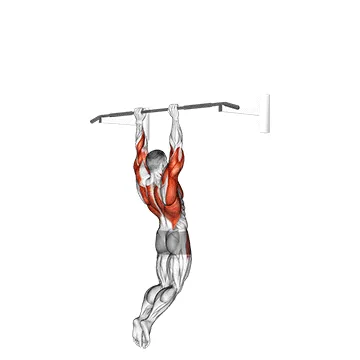
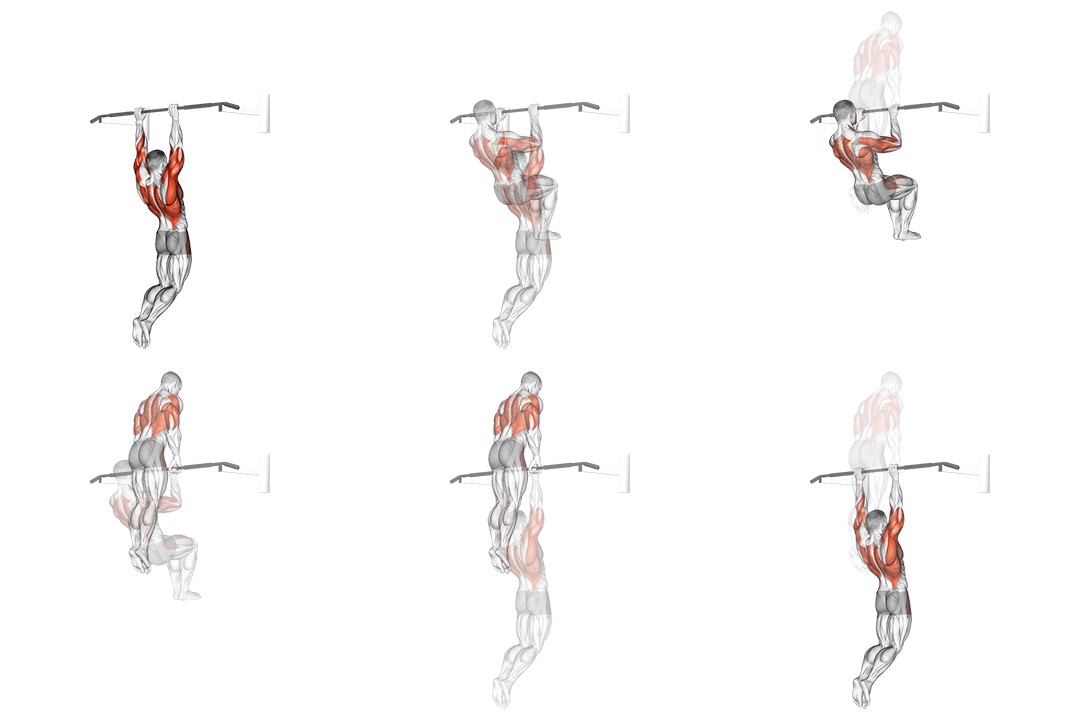
8. Muscle-up (On Vertical Bar)
80% match- Lats
- Bodyweight
- Advanced
- Compound
How to perform this exercise
- Start by hanging from a vertical bar with your palms facing away from you and your arms fully extended.
- Engage your core and pull your body up towards the bar, leading with your chest.
- As you pull yourself up, lean back slightly and bring your elbows towards your sides.
- Continue pulling until your chest reaches the bar and your elbows are fully bent.
- Pause for a moment at the top, then slowly lower yourself back down to the starting position.
- Repeat for the desired number of repetitions.
Sets and reps: 3 or 4 sets of 6 to 10 reps.
Why this matches
- Primary muscle: lats, the same as London Bridges
- Equipment: bodyweight only, the same as London Bridges
- Body position: hanging, not lying on your back
- Lats
- Bodyweight
- Intermediate
- Compound
How to perform this exercise
- Stand with your feet shoulder-width apart, knees slightly bent, and hold a dumbbell in one hand with a neutral grip.
- Bend forward at the hips, keeping your back straight and your core engaged.
- Pull the dumbbell up towards your chest, keeping your elbow close to your body and squeezing your shoulder blades together.
- Pause for a moment at the top, then slowly lower the dumbbell back down to the starting position.
- Repeat for the desired number of repetitions, then switch sides.
Sets and reps: 3 or 4 sets of 6 to 10 reps on each side.
Why this matches
- Primary muscle: lats, the same as London Bridges
- Equipment: bodyweight only, the same as London Bridges
- Body position: standing, not lying on your back
- Lats
- Bodyweight
- Intermediate
- Compound
How to perform this exercise
- Stand with your feet shoulder-width apart, knees slightly bent, and hold a towel with one hand.
- Bend forward at the hips, keeping your back straight and your core engaged.
- Pull the towel towards your chest, squeezing your shoulder blades together.
- Pause for a moment at the top, then slowly lower the towel back to the starting position.
- Repeat for the desired number of repetitions, then switch to the other arm.
Sets and reps: 3 or 4 sets of 6 to 10 reps on each side.
Why this matches
- Primary muscle: lats, the same as London Bridges
- Equipment: bodyweight only, the same as London Bridges
- Body position: standing, not lying on your back
- Balance: harder to stay steady on than London Bridges
Why You Might Need a London Bridges Alternative
You might substitute London Bridges for several reasons: back pain or limited shoulder mobility, no access to required equipment, or a need for a more progressive or unilateral option. London Bridges demand spinal extension control and a specific torso angle that can aggravate lumbar issues; alternatives can shift load to the scapulothoracic muscles and reduce spinal torque. When selecting a substitute, prioritize exercises that keep the torso stable, use scapular retraction (pinch shoulder blades together), and allow you to load the lats via elbow-driven pulling rather than excessive shoulder elevation.
How to Choose the Right London Bridges Substitute
Choose a substitute based on movement pattern match, load progression, and joint tolerance. If you need the same horizontal pull pattern, pick inverted rows and cue a straight line from head to heels and lead with the elbows to emphasize lats. For progressive loading, lat pulldowns or single-arm dumbbell rows let you increase resistance precisely. If spinal stress is the concern, use banded pulldowns or ring rows with a neutral spine and braced core to limit lumbar extension while maintaining lat activation.
London Bridges FAQ
What muscles does London Bridges work?
London Bridges emphasize the latissimus dorsi through shoulder extension and adduction, while recruiting the posterior deltoids, rhomboids, and lower trapezius for scapular retraction. The exercise also engages the erector spinae to maintain spinal extension and the glutes to stabilize the pelvis.
What is the best bodyweight alternative to London Bridges?
Inverted rows are the best bodyweight substitute because they preserve the horizontal pulling pattern and load the lats without heavy spinal extension. Cue: keep a rigid plank line, pull the chest to the bar while driving your elbows down toward your ribs to maximize lat engagement.
Can I build muscle without doing London Bridges?
Yes, you can build lat mass using other compound pulls like weighted rows, lat pulldowns, and progressive overload on unilateral rows. Focus on consistent load progression, lead with the elbow on each rep, and prioritize full range of motion with controlled eccentrics to stimulate hypertrophy.
Find Alternatives for Any Exercise
Search the exercise database and filter the ranked substitutes by the equipment you own.
Similarity scores compare exercise metadata such as movement pattern, muscles, equipment and body position. They are not a safety rating or a check that you own the equipment. Learn about our methodology