

10 Best Lever Seated Good Morning Alternatives for Glute Development
If you need an alternative to the lever seated good morning, choose hip-hinge and horizontal-glute loaders: Romanian deadlifts, barbell good mornings, hip thrusts, single-leg RDLs, and cable pull-throughs. Cue: push your hips back, maintain a neutral spine, and feel tension through the glutes and hamstrings to replicate posterior-chain loading.
Original Exercise: Lever Seated Good Morning
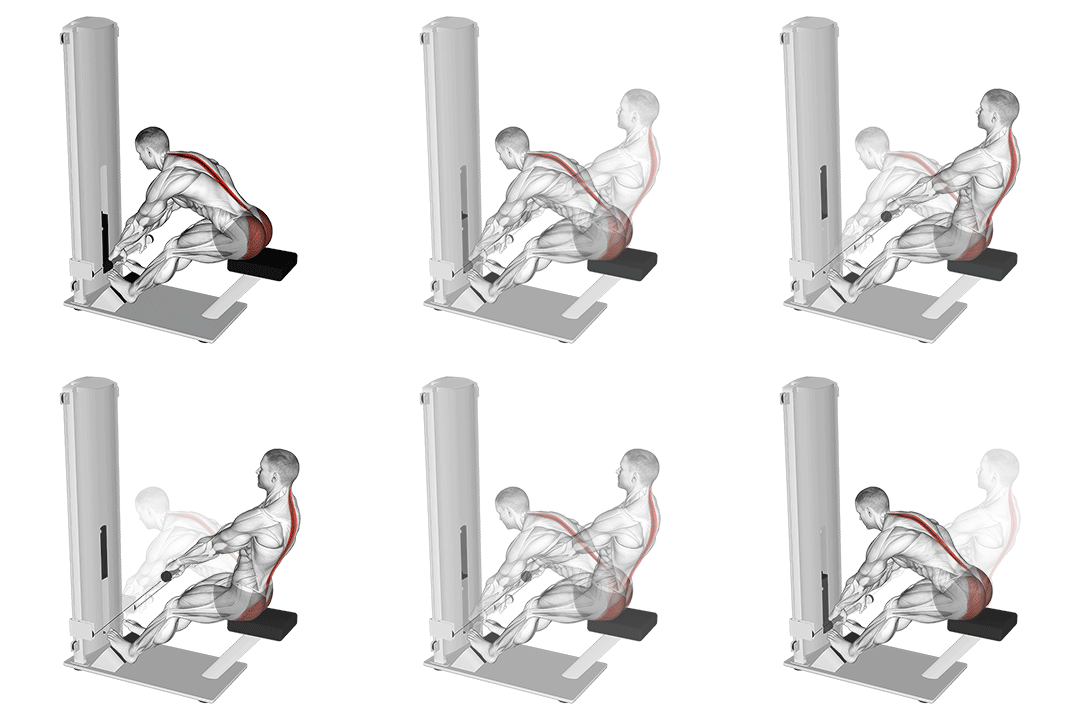
How to Perform Lever Seated Good Morning
- Adjust the seat height so that your hips are slightly higher than your knees.
- Sit on the machine with your back against the pad and your feet flat on the footrests.
- Grasp the handles or the sides of the seat for stability.
- Keeping your back straight, slowly lean forward from your hips until your upper body is parallel to the ground.
- Pause for a moment, then slowly return to the starting position by pushing through your glutes and hamstrings.
- Repeat for the desired number of repetitions.
Best Lever Seated Good Morning Alternatives
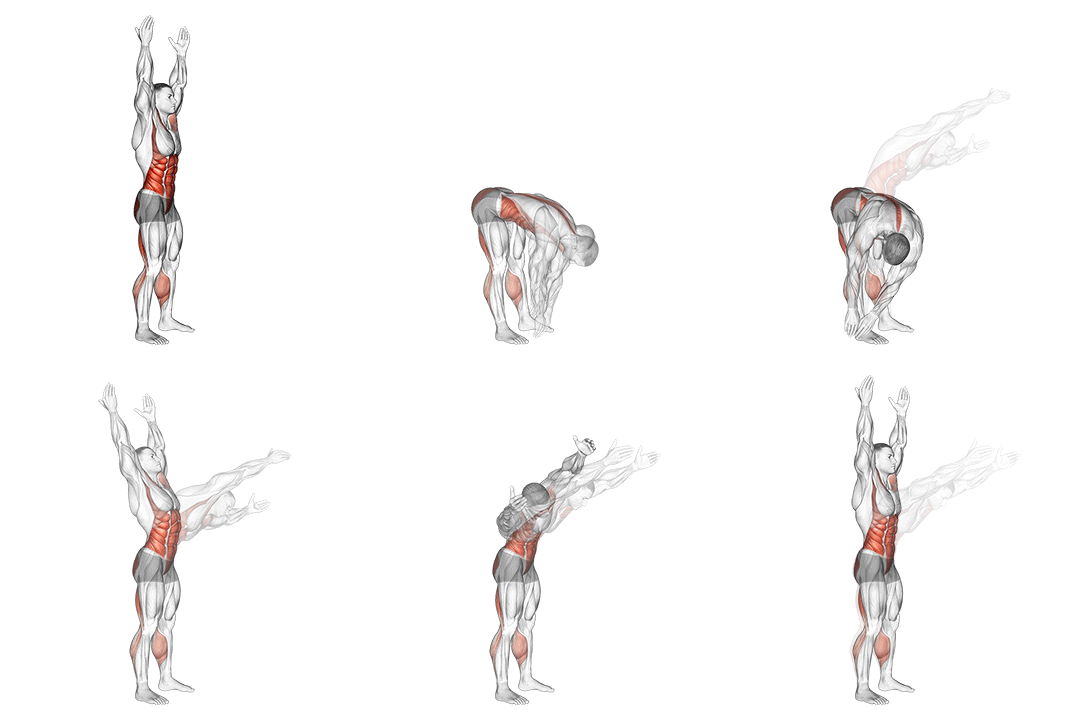
1. Arms Apart Circular Toe Touch (male)
80.7% MatchHow to perform this exercise
- Stand with your feet shoulder-width apart and arms extended to the sides.
- Keeping your legs straight, bend forward at the waist and reach down towards your toes with your right hand.
- As you reach down, simultaneously lift your left leg straight up behind you, maintaining balance.
- Return to the starting position and repeat the movement with your left hand reaching towards your toes and your right leg lifting up behind you.
- Continue alternating sides for the desired number of repetitions.
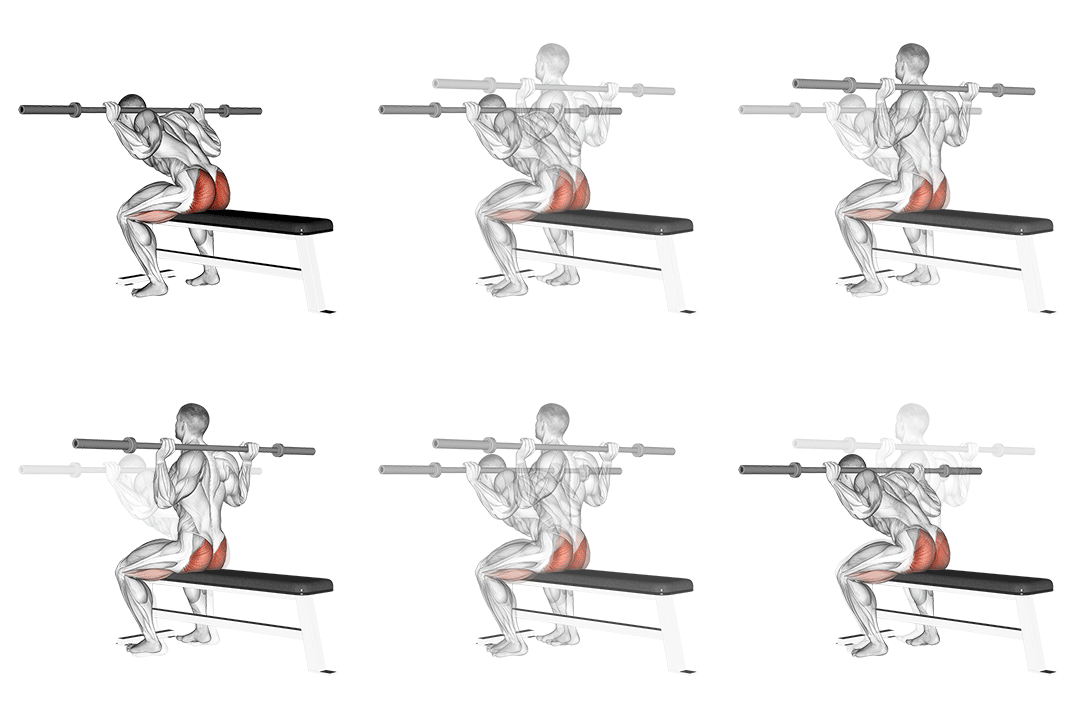
2. Barbell Seated Good Morning
77.6% MatchHow to perform this exercise
- Sit on a bench with your feet flat on the ground and a barbell resting on your upper back.
- Keep your back straight and your chest up.
- Slowly hinge forward at the hips, lowering your torso towards the ground.
- Pause for a moment at the bottom, then push through your heels to return to the starting position.
- Repeat for the desired number of repetitions.
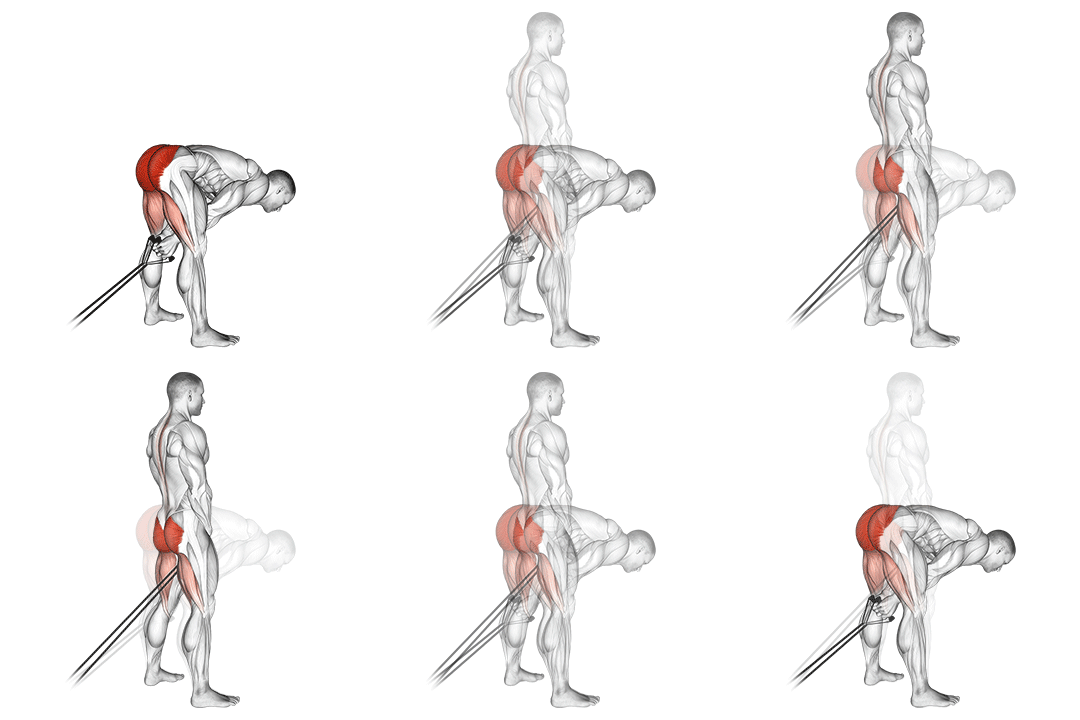
3. Band Pull Through
68.6% MatchHow to perform this exercise
- Attach a resistance band to a sturdy anchor point at ground level.
- Stand facing away from the anchor point with your feet shoulder-width apart.
- Step forward to create tension in the band, keeping your knees slightly bent.
- Hinge at the hips and push your glutes back, maintaining a slight bend in your knees.
- Lower your torso until it is parallel to the ground, feeling a stretch in your hamstrings.
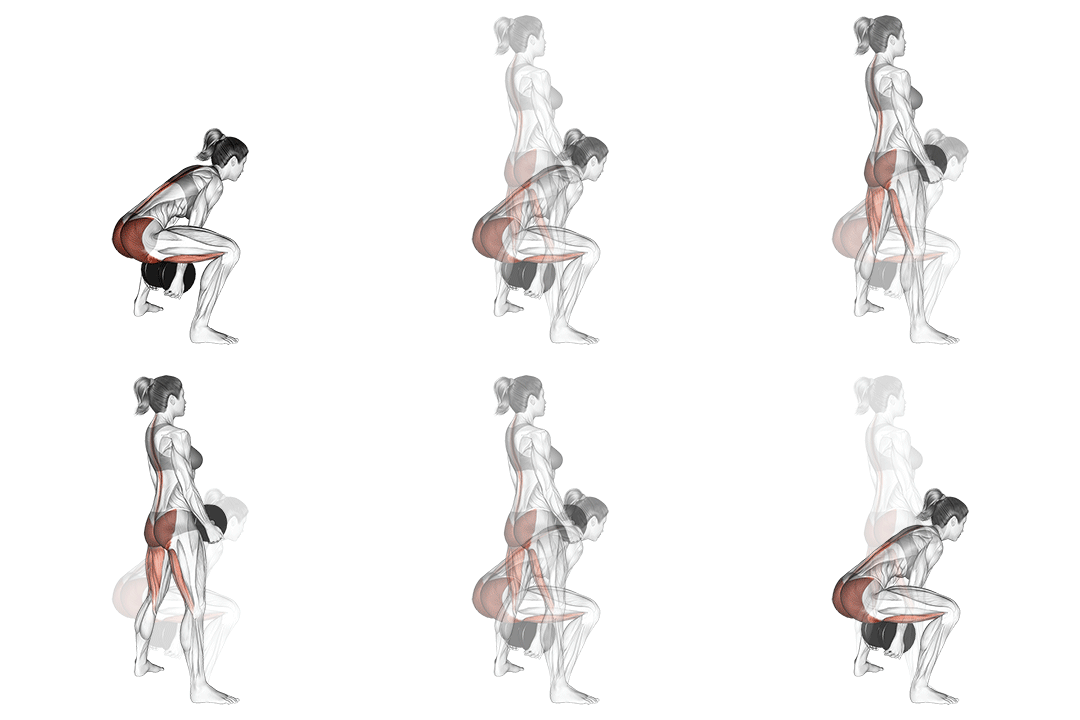
4. Dumbbell Sumo Pull Through
67.8% MatchHow to perform this exercise
- Stand with your feet wider than shoulder-width apart, toes pointed outwards.
- Hold a dumbbell with both hands in front of your body, arms extended.
- Bend your knees and lower your hips down into a squat position, keeping your back straight.
- Lower the dumbbell down between your legs, keeping your arms straight.
- Drive through your heels and extend your hips forward, pulling the dumbbell up and in front of your body.
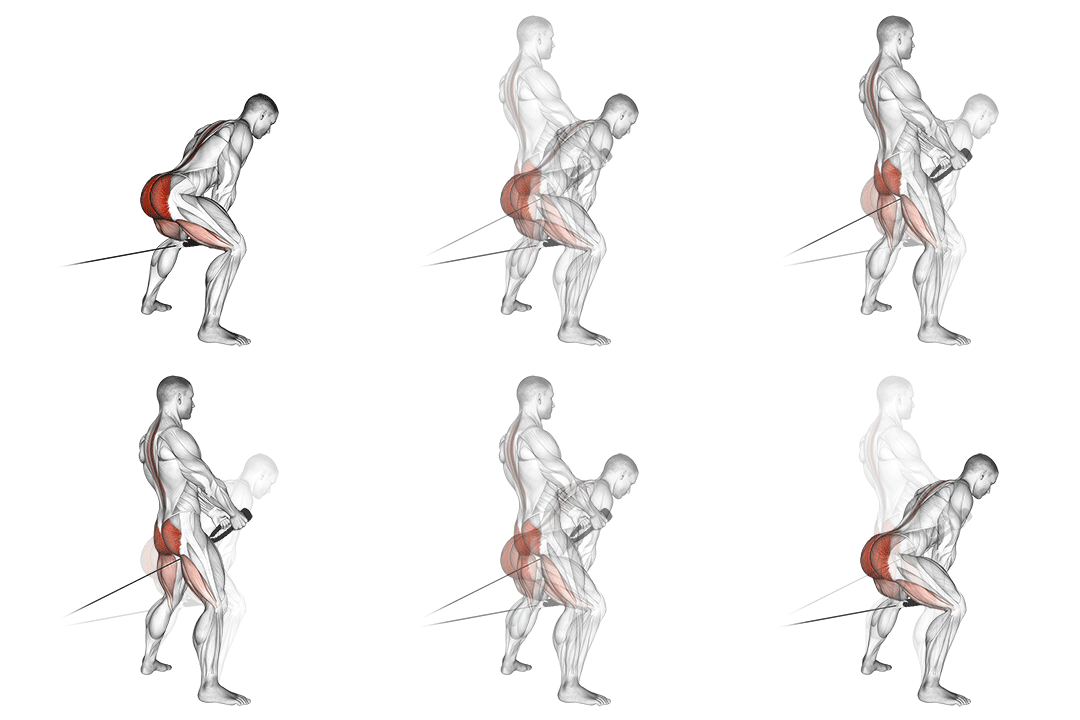
5. Cable Pull Through (with Rope)
65.9% MatchHow to perform this exercise
- Stand facing away from the cable machine with your feet shoulder-width apart.
- Grab the rope attachment with both hands and step forward, creating tension in the cable.
- Bend at the hips and lower your upper body until it is parallel to the ground, keeping your back straight.
- Engage your glutes and hamstrings to pull your body back up to the starting position.
- Repeat for the desired number of repetitions.
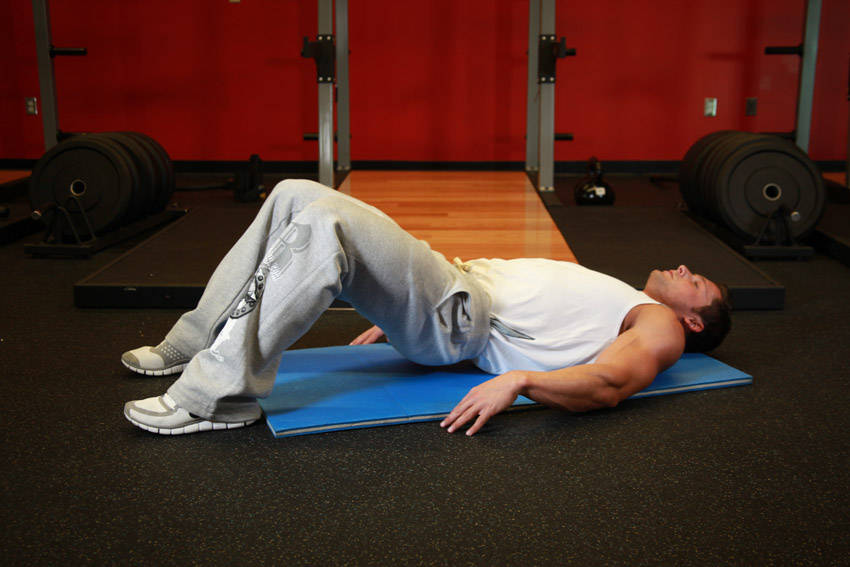
6. Butt Lift (Bridge)
65.7% MatchHow to perform this exercise
- Lie flat on the floor on your back with the hands by your side and your knees bent. Your feet should be placed around shoulder width. This will be your starting position.
- Pushing mainly with your heels, lift your hips off the floor while keeping your back straight. Breathe out as you perform this part of the motion and hold at the top for a second.
- Slowly go back to the starting position as you breathe in.
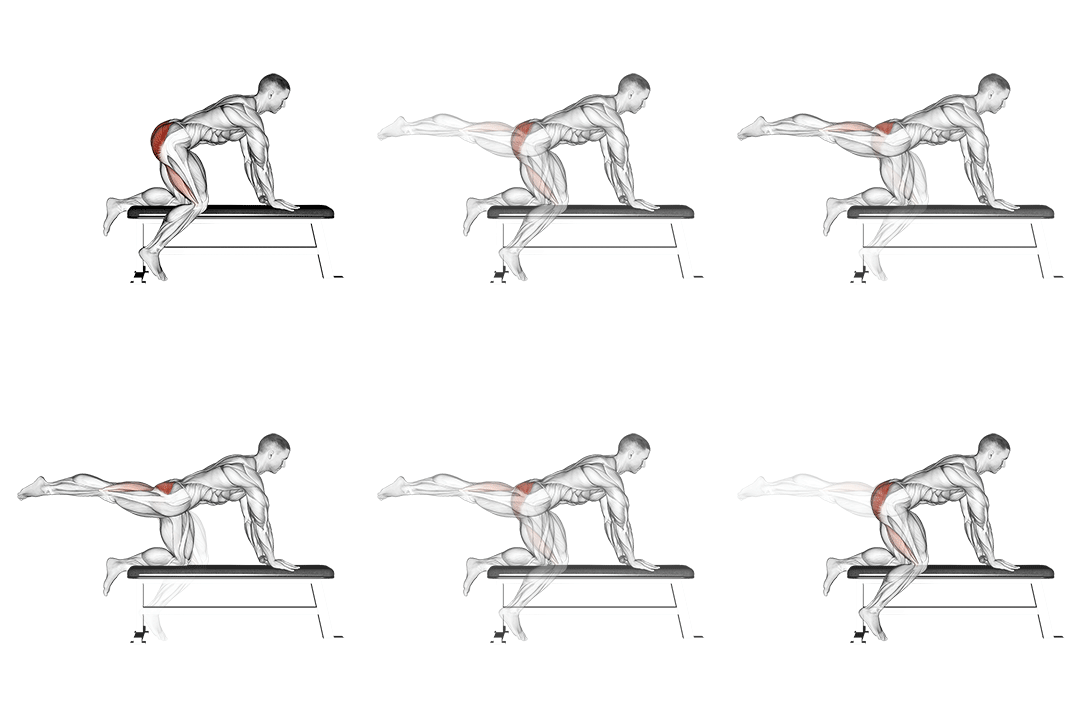
7. Bench Hip Extension
65.7% MatchHow to perform this exercise
- Sit on a bench with your back against the bench and your feet flat on the ground.
- Place your hands on the bench for support.
- Engage your glutes and hamstrings, then lift your hips off the bench until your body forms a straight line from your knees to your shoulders.
- Pause for a moment at the top, then slowly lower your hips back down to the starting position.
- Repeat for the desired number of repetitions.
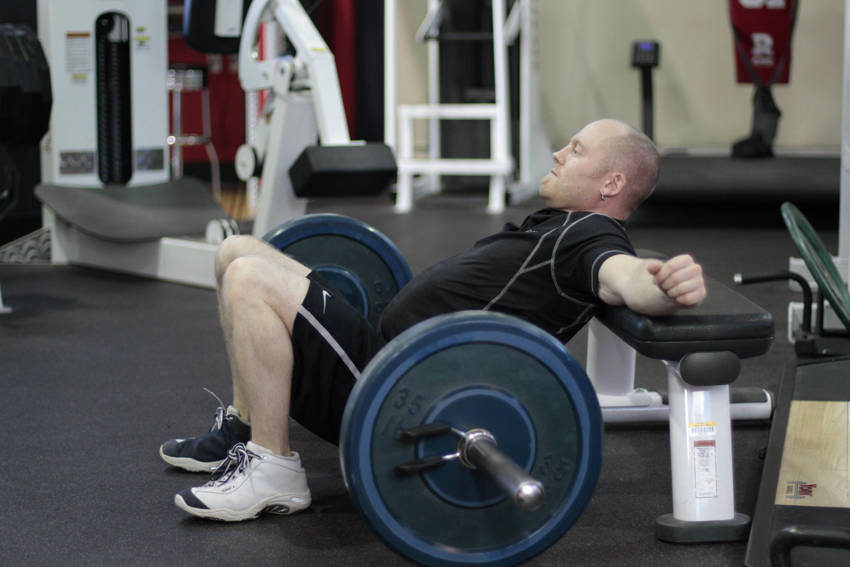
8. Barbell Hip Thrust
65.1% MatchHow to perform this exercise
- Begin seated on the ground with a bench directly behind you. Have a loaded barbell over your legs. Using a fat bar or having a pad on the bar can greatly reduce the discomfort caused by this exercise.
- Roll the bar so that it is directly above your hips, and lean back against the bench so that your shoulder blades are near the top of it.
- Begin the movement by driving through your feet, extending your hips vertically through the bar. Your weight should be supported by your shoulder blades and your feet. Extend as far as possible, then reverse the motion to return to the starting position.
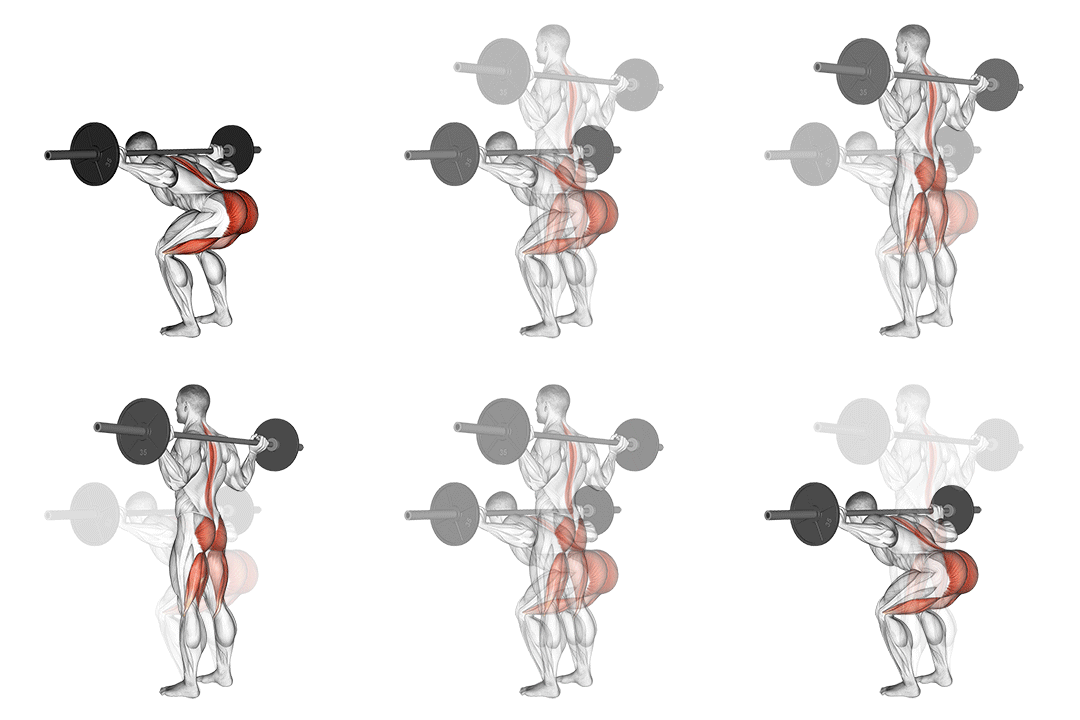
9. Barbell Stiff Leg Good Morning
64.2% MatchHow to perform this exercise
- Stand with your feet shoulder-width apart and your knees slightly bent.
- Hold the barbell across your upper back, resting it on your traps.
- Keeping your back straight, hinge forward at the hips, pushing your glutes back.
- Lower your torso until it is parallel to the ground, feeling a stretch in your hamstrings.
- Engage your glutes and hamstrings to return to the starting position.
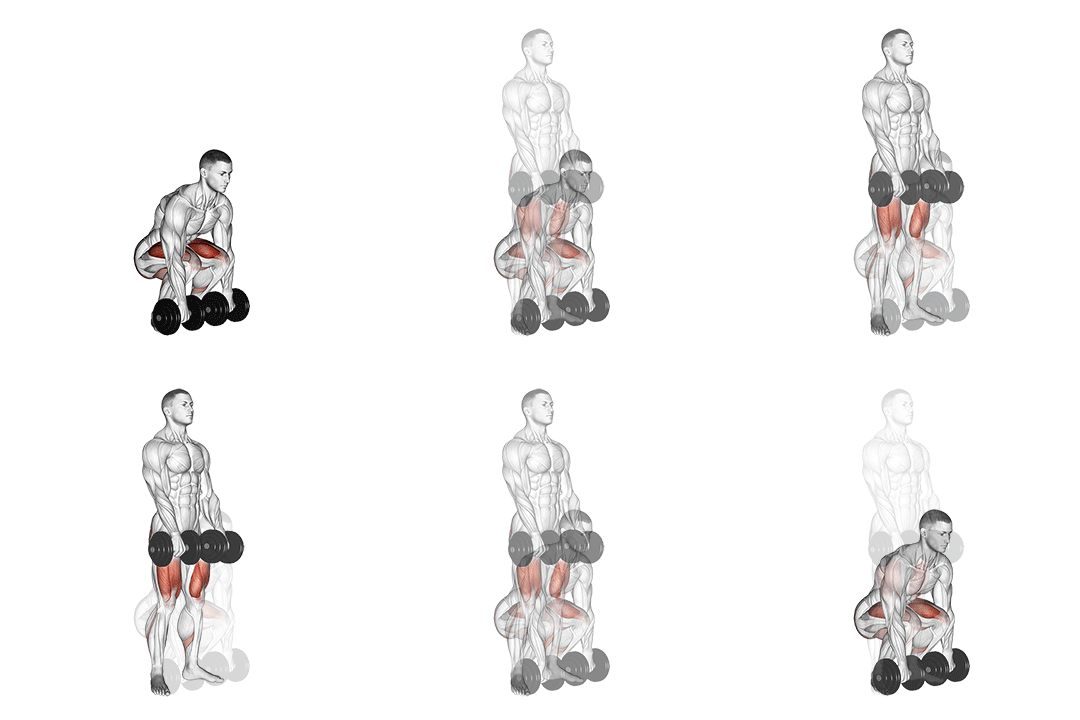
10. Dumbbell Deadlift
63.3% MatchHow to perform this exercise
- Stand with your feet shoulder-width apart, toes pointing forward.
- Hold a dumbbell in each hand, palms facing your body, arms extended downwards.
- Bend at your hips and knees, lowering the dumbbells towards the ground while keeping your back straight.
- Push through your heels and extend your hips and knees, lifting the dumbbells back up to the starting position.
- Repeat for the desired number of repetitions.
Why You Might Need a Lever Seated Good Morning Alternative
You may substitute the lever seated good morning for several reasons: limited gym equipment, lumbar discomfort, mobility restrictions, or programming variety. The lever version fixes a pivot and can increase anterior shear at the lumbar spine for some lifters; switching to a hip-thrust or RDL changes load distribution so the glutes and hamstrings handle more force. Cue for testing alternatives: hinge at the hips with a slight knee bend and keep the spine neutral to confirm you’re loading the posterior chain, not the lower back. Choose a movement that maintains glute-dominant activation while respecting your spinal tolerance and available loading patterns.
How to Choose the Right Substitute
Match your substitute to equipment, goals, and biomechanics. If you lack a lever but want maximal glute tension, pick hip thrusts and cue a full hip extension with drive through the heels. For limited load capacity or rehab, select single-leg RDLs to reduce spinal compressive forces—keep hips square and hinge from the posterior chain. If you need a heavy posterior-chain developer for strength, use barbell RDLs or standing good mornings and brace your core to control lumbar shear. Prioritize exercises that reproduce hip-extensor activation and allow progressive overload with safe spinal mechanics.
Frequently Asked Questions
What muscles does Lever Seated Good Morning work?
The lever seated good morning primarily targets the glutes and hamstrings as hip extensors, with secondary activation of the erector spinae for trunk stability. Cue: hinge from the hips with a neutral spine so the posterior chain—glute max and hamstrings—bears most of the load.
What is the best bodyweight alternative to Lever Seated Good Morning?
A single-leg Romanian deadlift (bodyweight) is the best bodyweight alternative because it preserves the hip-hinge pattern and forces unilateral glute-hamstring activation. Cue: keep a soft knee, push the hips back, and reach toward the floor while keeping hips level to maximize posterior-chain engagement.
Can I build muscle without doing Lever Seated Good Morning?
Yes. You can build glute and hamstring mass with alternatives like heavy RDLs, hip thrusts, and progressive single-leg work, provided you apply progressive overload and sufficient volume. Cue: use slow eccentrics and full hip extension to increase time under tension and glute activation.
More Exercise Alternatives
Find Alternatives for Any Exercise
Use our free tool to discover the best substitute exercises based on your available equipment and goals.
Try the Exercise Substitution Finder →