

10 Best Lever T-Bar Reverse Grip Row Alternatives for Limited Equipment
If you can't do the Lever T-Bar reverse-grip row, use exercises that reproduce the horizontal, supinated pull and scapular retraction. Top options include reverse-grip barbell row, close-grip seated cable row (underhand), chest-supported dumbbell row (supinated), reverse-grip lat pulldown, and underhand inverted rows. Cue: retract scapula and drive elbows to ribs.
Original Exercise: Lever T-Bar Reverse Grip Row
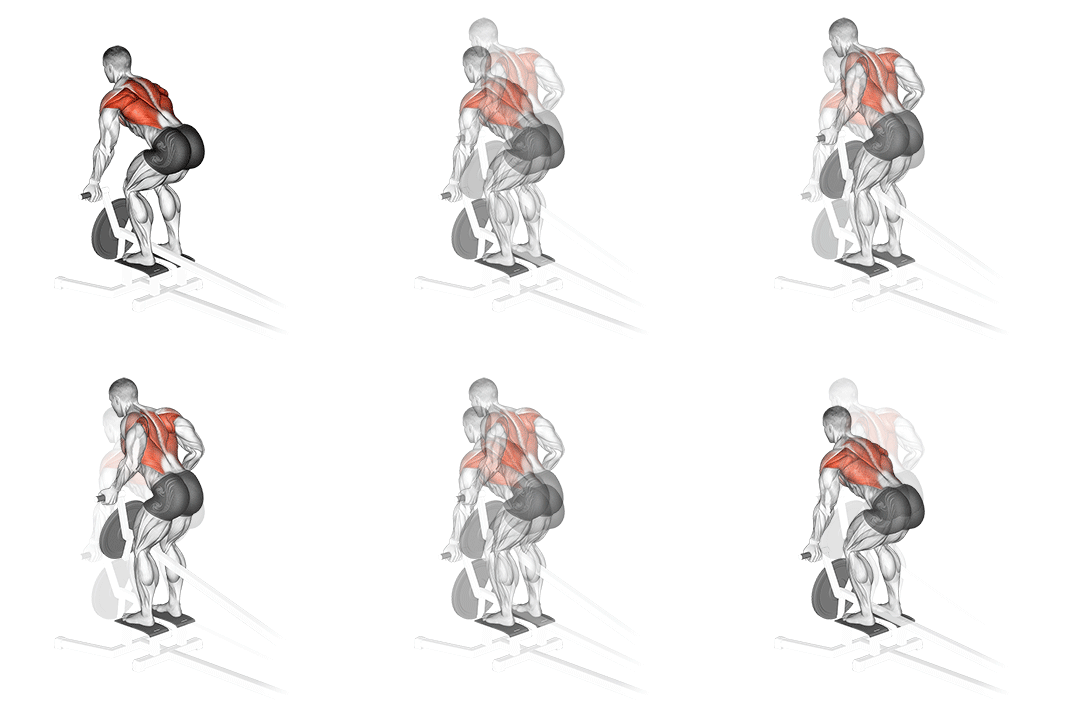
How to Perform Lever T-Bar Reverse Grip Row
- Adjust the seat height and position yourself on the machine with your chest against the pad and your feet flat on the floor.
- Grasp the handles with an overhand grip, slightly wider than shoulder-width apart.
- Keep your back straight and engage your core.
- Pull the handles towards your chest, squeezing your shoulder blades together.
- Pause for a moment at the top of the movement, then slowly release and extend your arms back to the starting position.
- Repeat for the desired number of repetitions.
Ranked Lever T-Bar Reverse Grip Row Alternatives
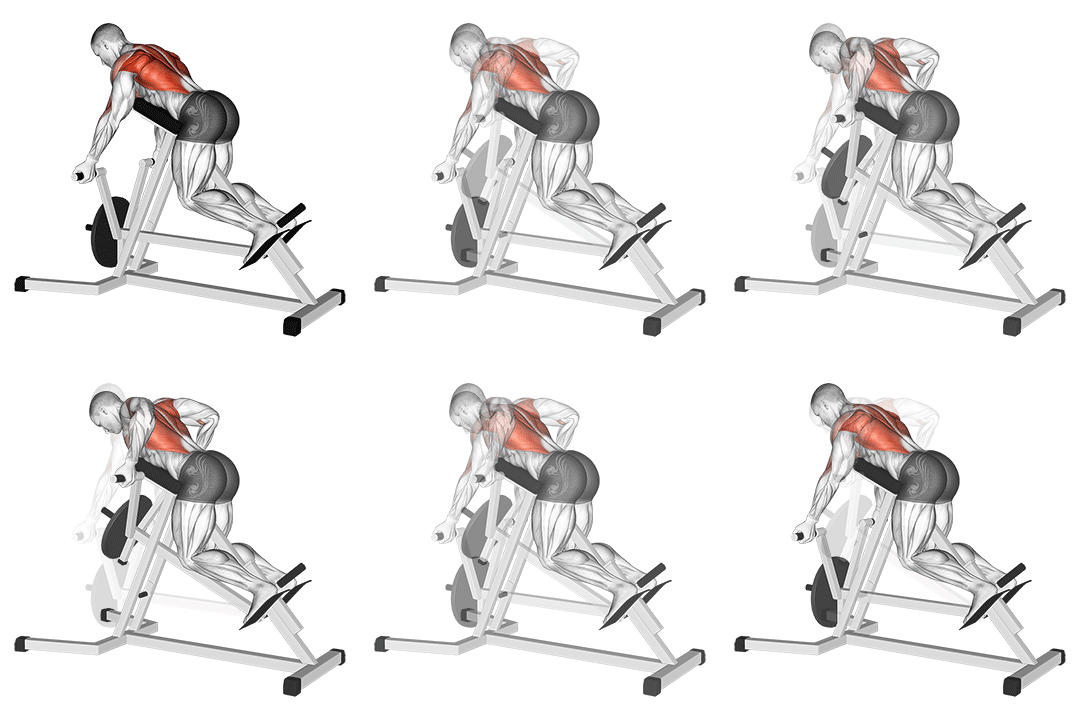
1. Lever Reverse T-bar Row
99.9% MatchHow to perform this exercise
- Adjust the seat height and footplate position on the leverage machine.
- Sit on the machine with your chest against the pad and your feet flat on the footplate.
- Grasp the handles with an overhand grip, slightly wider than shoulder-width apart.
- Keep your back straight and engage your core.
- Pull the handles towards your chest, squeezing your shoulder blades together.
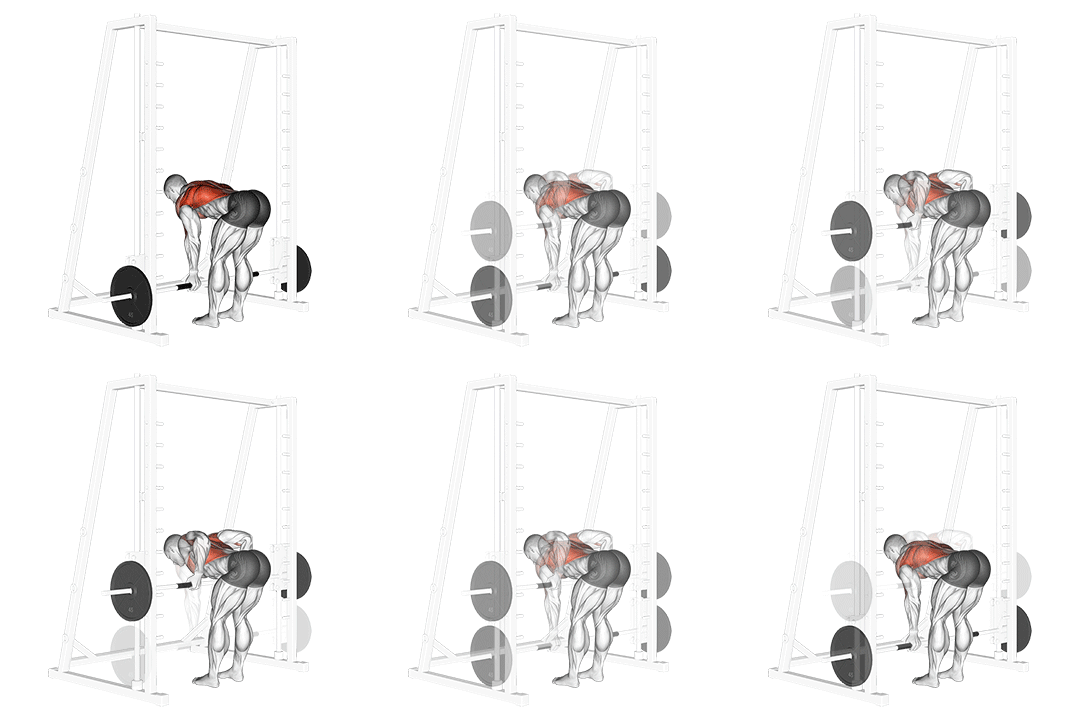
2. Smith Reverse Grip Bent Over Row
97.9% MatchHow to perform this exercise
- Set up the smith machine with the bar at hip height.
- Stand facing the bar with your feet shoulder-width apart.
- Bend your knees slightly and hinge forward at the hips, keeping your back straight.
- Grasp the bar with an underhand grip, hands shoulder-width apart.
- Pull the bar towards your lower chest, squeezing your shoulder blades together.
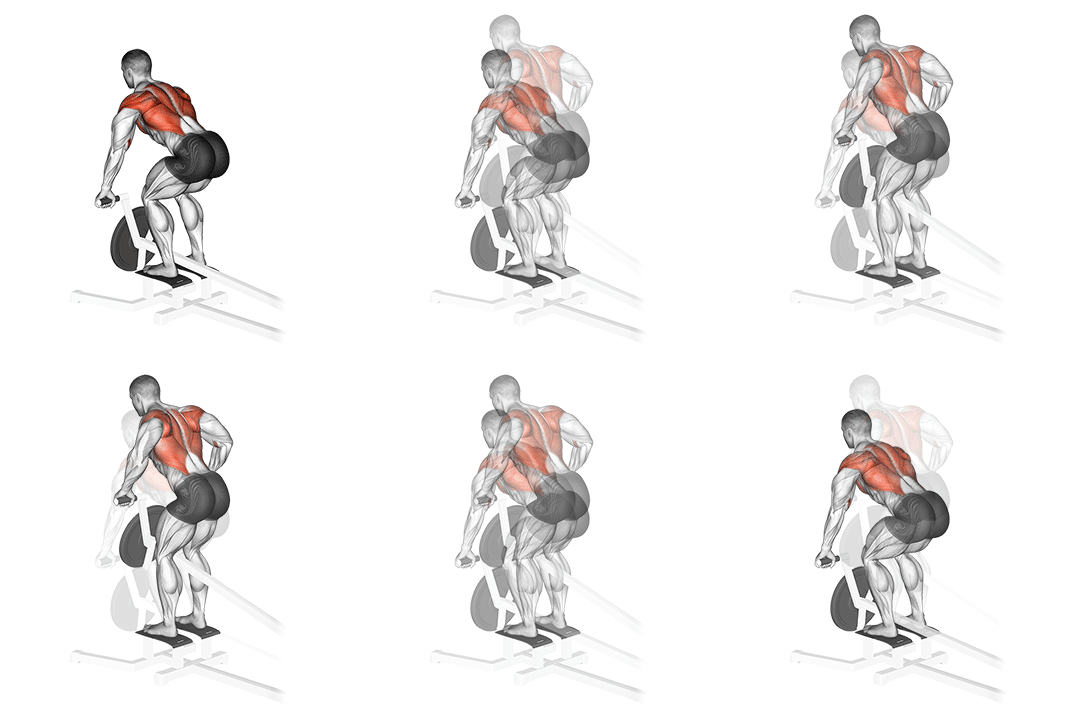
3. Lever T Bar Row
96% MatchHow to perform this exercise
- Adjust the seat height and footplate position to ensure proper alignment.
- Sit on the machine with your chest against the pad and your feet flat on the footplate.
- Grasp the handles with an overhand grip, slightly wider than shoulder-width apart.
- Keep your back straight and engage your core.
- Pull the handles towards your torso, squeezing your shoulder blades together.
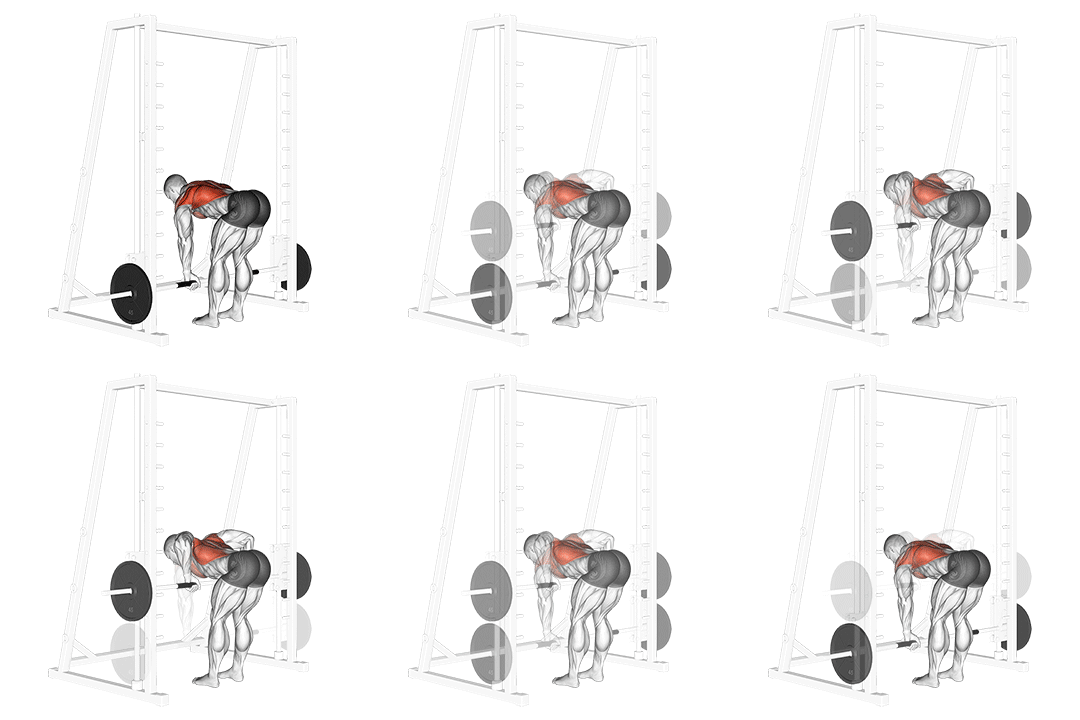
4. Smith Bent Over Row
93.9% MatchHow to perform this exercise
- Set up the smith machine with the bar at hip height.
- Stand facing the bar with your feet shoulder-width apart.
- Bend your knees slightly and hinge forward at the hips, keeping your back straight.
- Grasp the bar with an overhand grip, hands slightly wider than shoulder-width apart.
- Pull the bar towards your lower chest, squeezing your shoulder blades together.
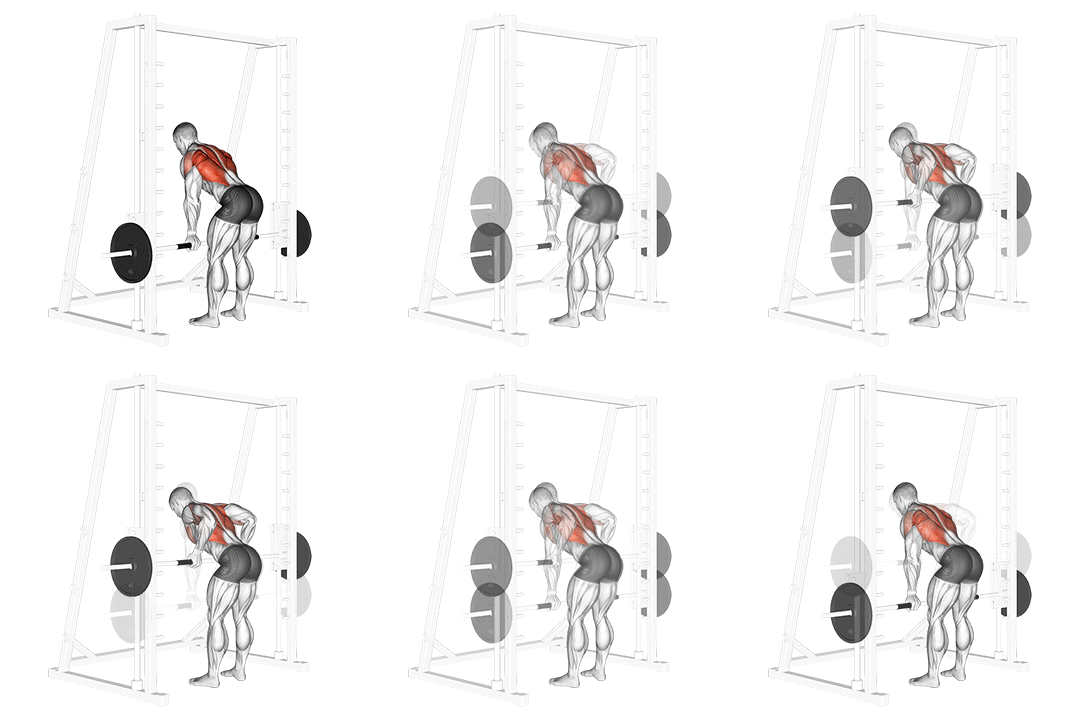
5. Smith Narrow Row
93.9% MatchHow to perform this exercise
- Adjust the seat height and position yourself on the machine with your feet flat on the floor.
- Grasp the handles with an overhand grip, slightly narrower than shoulder-width apart.
- Keep your back straight and your chest up as you pull the handles towards your body, squeezing your shoulder blades together.
- Pause for a moment at the peak of the movement, then slowly release the handles back to the starting position.
- Repeat for the desired number of repetitions.
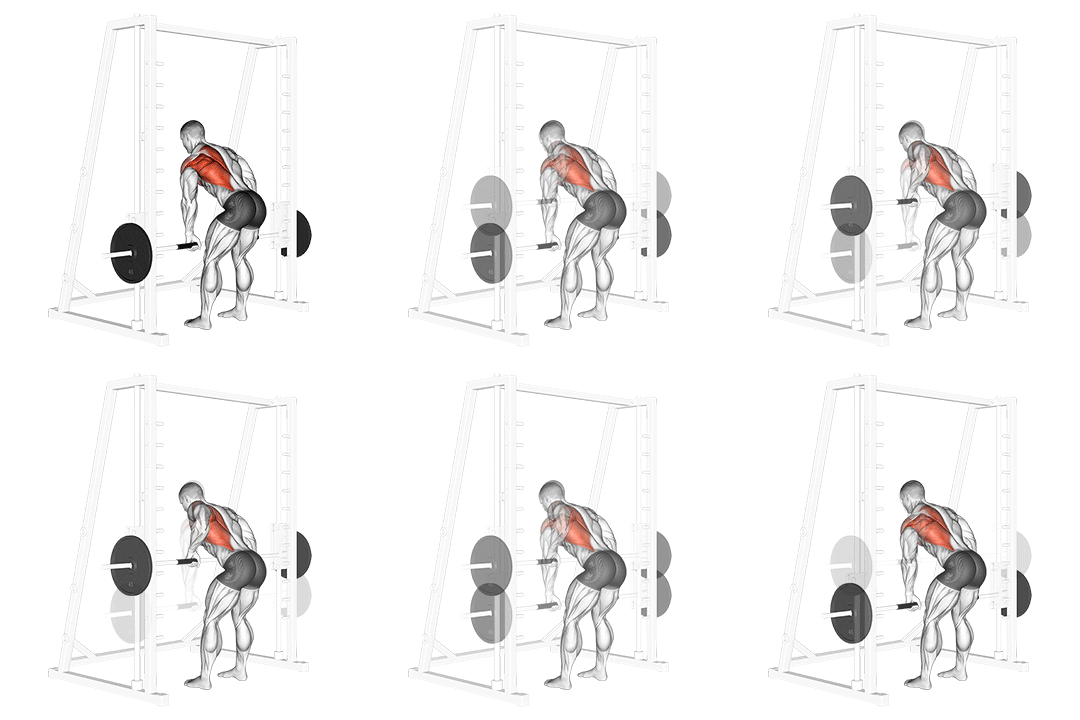
6. Smith One Arm Row
88.2% MatchHow to perform this exercise
- Adjust the height of the smith machine bar to waist level.
- Stand facing the smith machine with your feet shoulder-width apart.
- Bend your knees slightly and hinge forward at the hips, keeping your back straight.
- Grasp the bar with one hand using an overhand grip, with your palm facing down.
- Keep your elbow close to your body and pull the bar towards your waist, squeezing your shoulder blades together.
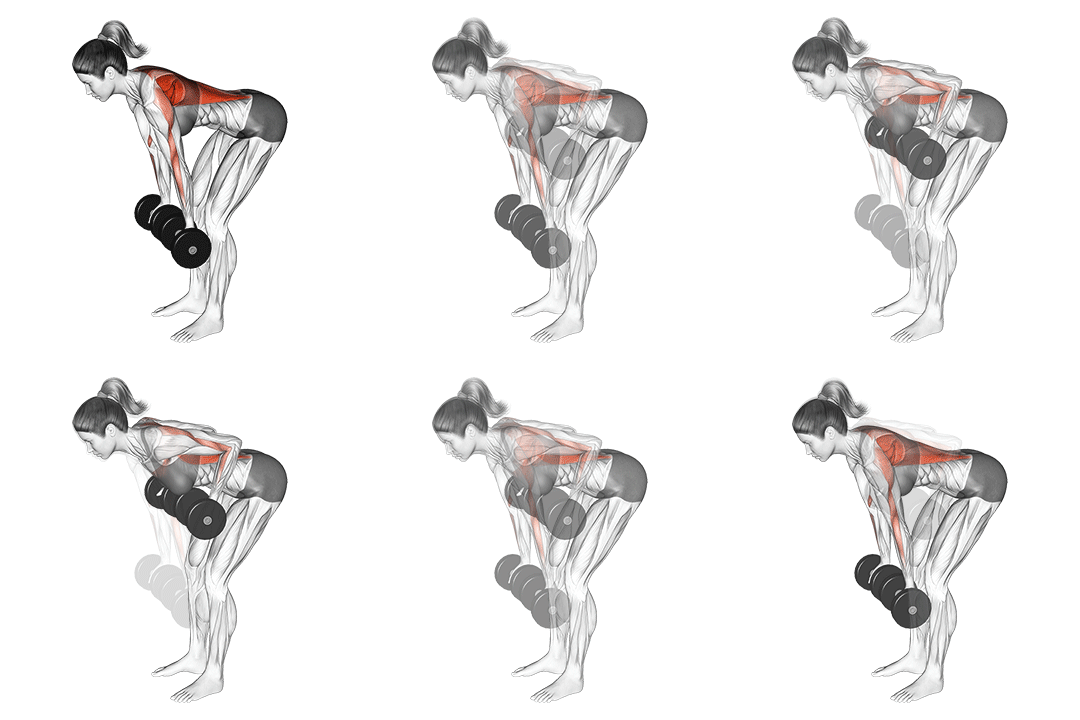
7. Dumbbell Reverse Grip Row (female)
87.9% MatchHow to perform this exercise
- Stand with your feet shoulder-width apart and knees slightly bent.
- Hold a dumbbell in each hand with an overhand grip, palms facing your body.
- Bend forward at the waist, keeping your back straight and your core engaged.
- Let your arms hang straight down, fully extended, with a slight bend in your elbows.
- Pull the dumbbells up towards your chest, squeezing your shoulder blades together.
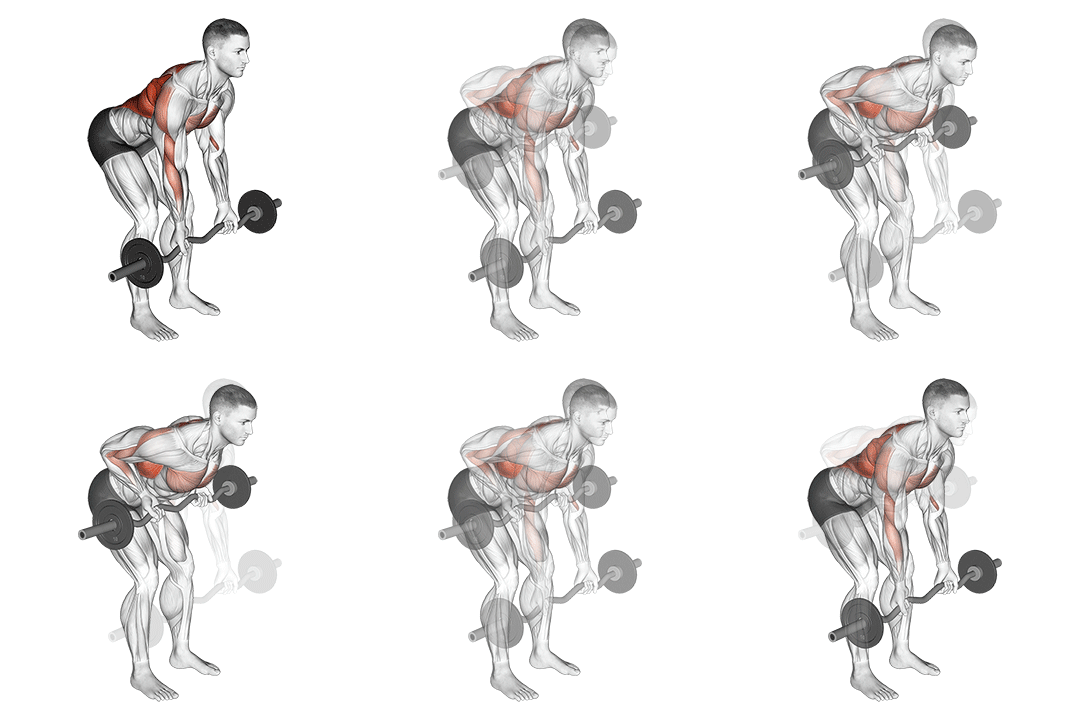
8. Ez Bar Reverse Grip Bent Over Row
87.9% MatchHow to perform this exercise
- Stand with your feet shoulder-width apart and knees slightly bent.
- Hold the ez barbell with an underhand grip, palms facing up, and hands shoulder-width apart.
- Bend forward at the hips, keeping your back straight and chest up, until your torso is almost parallel to the floor.
- Pull the ez barbell towards your lower chest, squeezing your shoulder blades together.
- Pause for a moment at the top, then slowly lower the ez barbell back to the starting position.
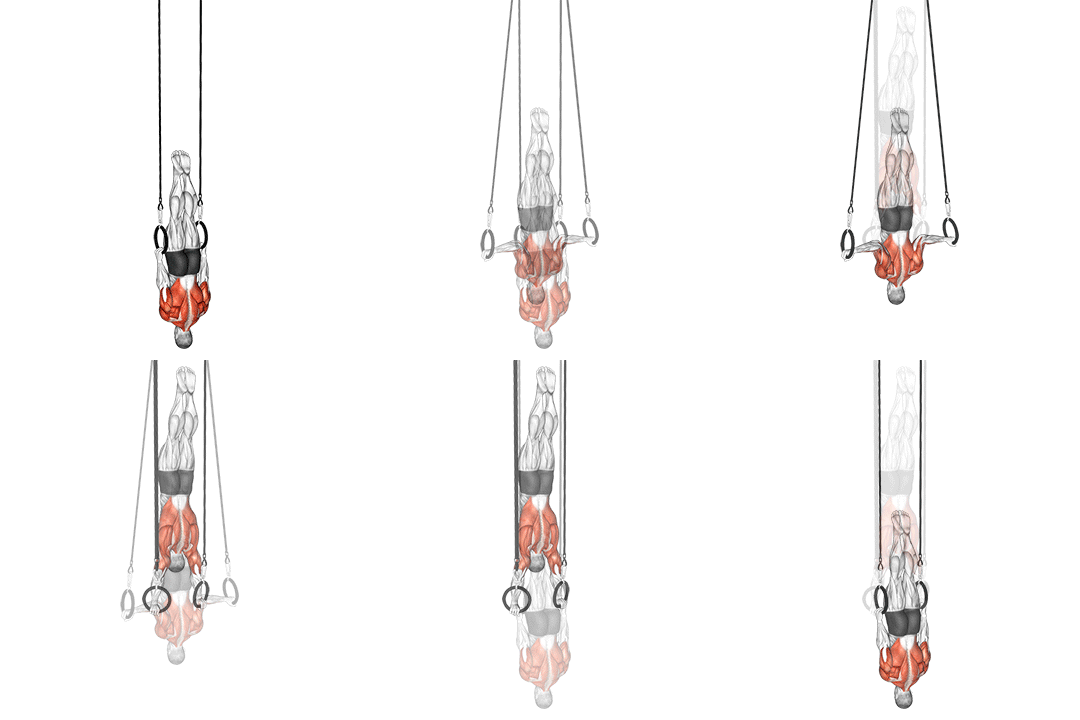
9. Elevator
84.4% MatchHow to perform this exercise
- Stand with your feet shoulder-width apart and your knees slightly bent.
- Place your hands on your hips or cross them in front of your chest.
- Keeping your back straight, slowly bend forward at the waist, lowering your upper body towards the ground.
- Pause for a moment at the bottom, then slowly raise your upper body back up to the starting position.
- Repeat for the desired number of repetitions.
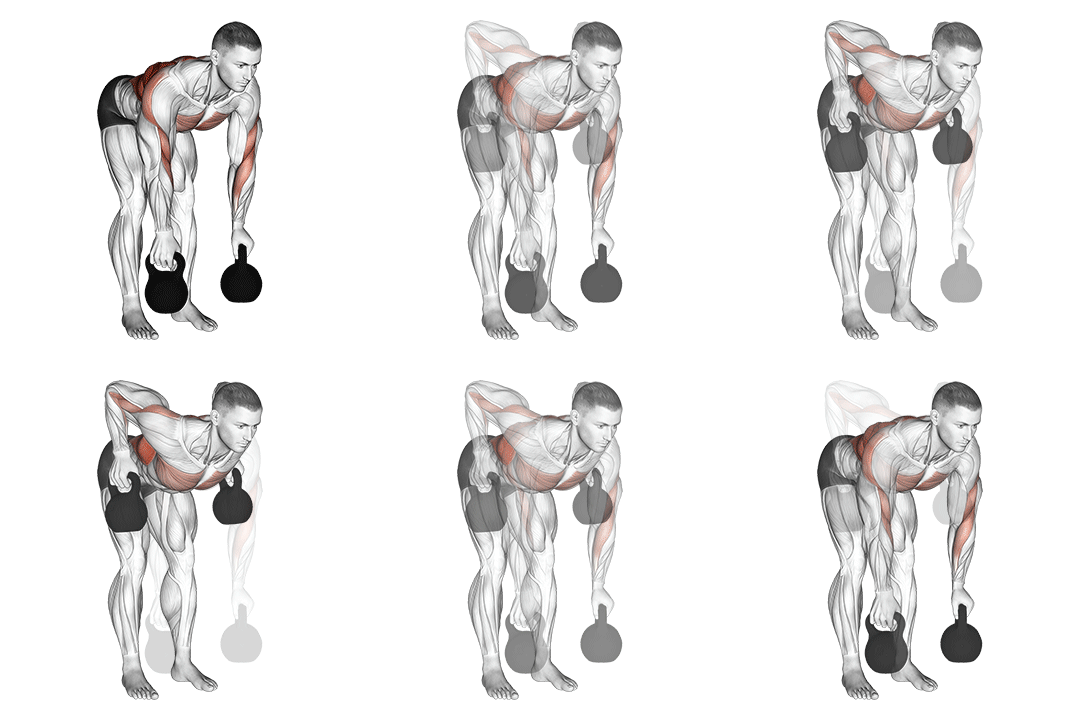
10. Kettlebell Two Arm Row
84.4% MatchHow to perform this exercise
- Stand with your feet shoulder-width apart, knees slightly bent, and hold a kettlebell in each hand with your palms facing your body.
- Bend forward at the hips, keeping your back straight and your core engaged.
- Pull the kettlebells up towards your chest, squeezing your shoulder blades together.
- Pause for a moment at the top, then slowly lower the kettlebells back down to the starting position.
- Repeat for the desired number of repetitions.
Why You Might Need a Lever T-Bar Reverse Grip Row Alternative
You might substitute the Lever T-Bar reverse-grip row for several practical reasons: no access to a lever machine, wrist or elbow pain with a supinated handle, spinal loading limits, or a need for unilateral correction. Substitute choices let you preserve the horizontal-pull pattern and scapular retraction while changing load distribution. For example, a chest-supported supinated dumbbell row reduces lumbar shear and isolates rhomboids and teres major, cue: keep chest on pad and pull with elbows while keeping forearms supinated. If you have wrist discomfort, switch to a neutral-grip cable row and keep wrists aligned to reduce biceps-dominant stress.
How to Choose the Right Substitute
Select a substitute based on movement plane, grip, and loading capacity. Prioritize horizontal pulling with full scapular retraction to match the original biomechanics; cue: lead the motion with the elbows and stop when the shoulder blades fully retract. If you lack lumbar tolerance, pick a chest-supported row or lat pulldown to remove spinal load. If you need greater biceps carryover, use a supinated barbell or cable row. For balanced development, alternate bilateral heavy rows with unilateral chest-supported or single-arm dumbbell rows to correct asymmetries and preserve progressive overload.
Frequently Asked Questions
What muscles does Lever T-Bar Reverse Grip Row work?
It targets the upper back: latissimus dorsi (lower fibers), rhomboids, middle trapezius, and posterior deltoid, with the biceps and brachialis as strong synergists. The supinated grip increases elbow flexor involvement and biases lower-lat activation while emphasizing scapular retraction.
What is the best bodyweight alternative to Lever T-Bar Reverse Grip Row?
A supinated inverted row (underhand grip) is the best bodyweight swap; set the bar lower and elevate your feet to increase load. Cue: keep a straight plank line, retract the scapula, and pull your chest to the bar to replicate horizontal pull mechanics and load the lats and rhomboids.
Can I build muscle without doing Lever T-Bar Reverse Grip Row?
Yes. You can achieve similar hypertrophy with other horizontal-pull movements, reverse-grip barbell rows, close-grip seated cable rows, chest-supported supinated rows, and pulldowns, if you apply progressive overload and prioritize full scapular retraction. Focus on controlled tempo, sufficient volume, and reaching mechanical tension on the target upper-back muscles.
More Exercise Alternatives
Find Alternatives for Any Exercise
Use the exercise substitution finder to compare ranked alternatives for your available equipment and training preference.
Try the Exercise Substitution Finder →