

10 Best Monster Walk Alternatives for Glute Strength & Hip Stability
If you can't do Monster Walk, choose movements that load hip abduction and frontal-plane control: banded lateral steps, lateral lunges, single-leg Romanian deadlifts, or clamshells. Push the knee out, keep a slight hip hinge, and drive through the heel to bias gluteus medius activation and restore hip stability.
Original Exercise: Monster Walk
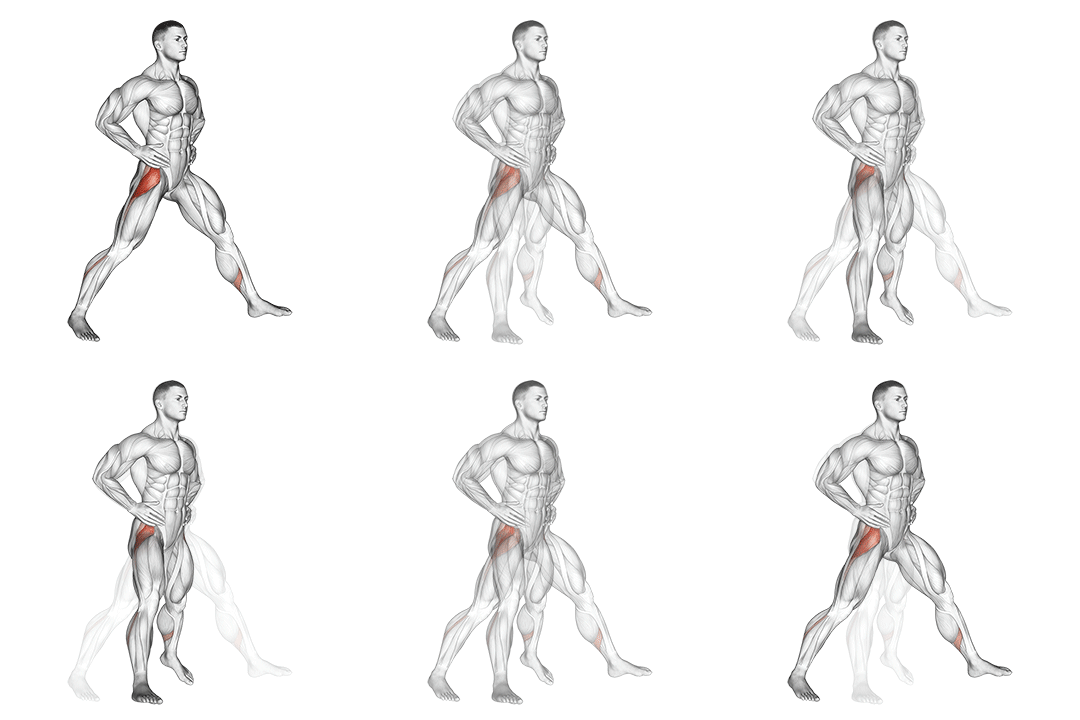
How to Perform Monster Walk
- Place a resistance band around your ankles.
- Stand with your feet shoulder-width apart and slightly bend your knees.
- Take a step to the side with your right foot, maintaining tension on the resistance band.
- Follow with your left foot, stepping to the side to return to the starting position.
- Repeat for the desired number of repetitions, then switch sides.
Best Monster Walk Alternatives
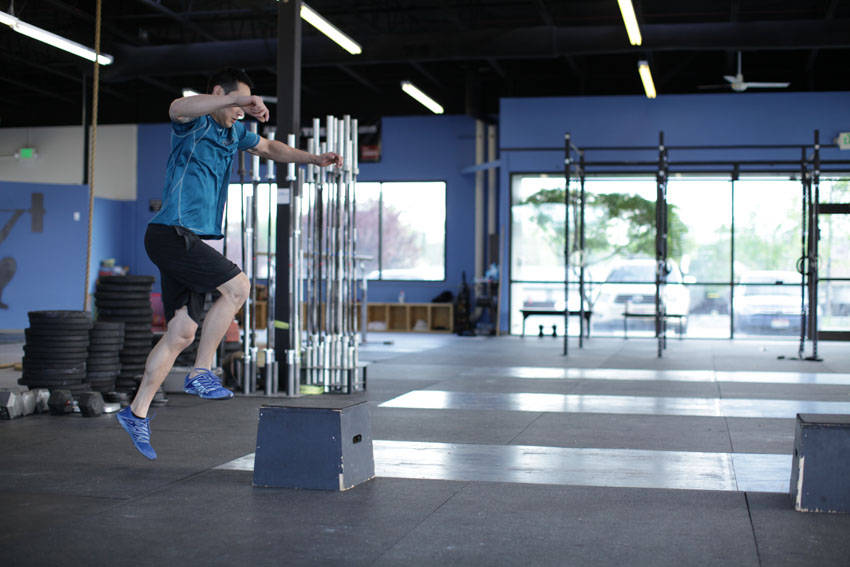
1. Box Skip
69.1% MatchHow to perform this exercise
- You will need several boxes lined up about 8 feet apart.
- Begin facing the first box with one leg slightly behind the other.
- Drive off the back leg, attempting to gain as much height with the hips as possible.
- Immediately upon landing on the box, drive the other leg forward and upward to gain height and distance, leaping from the box. Land between the first two boxes with the same leg that landed on the first box.
- Then, step to the next box and repeat.
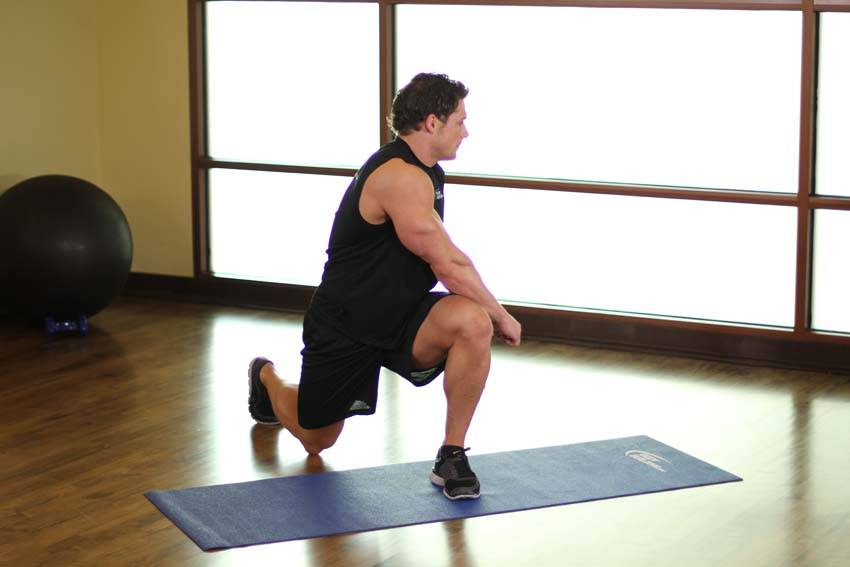
2. Crossover Reverse Lunge
67.9% MatchHow to perform this exercise
- Stand with your feet shoulder width apart. This will be your starting position.
- Perform a rear lunge by stepping back with one foot and flexing the hips and front knee. As you do so, rotate your torso across the front leg.
- After a brief pause, return to the starting position and repeat on the other side, continuing in an alternating fashion.
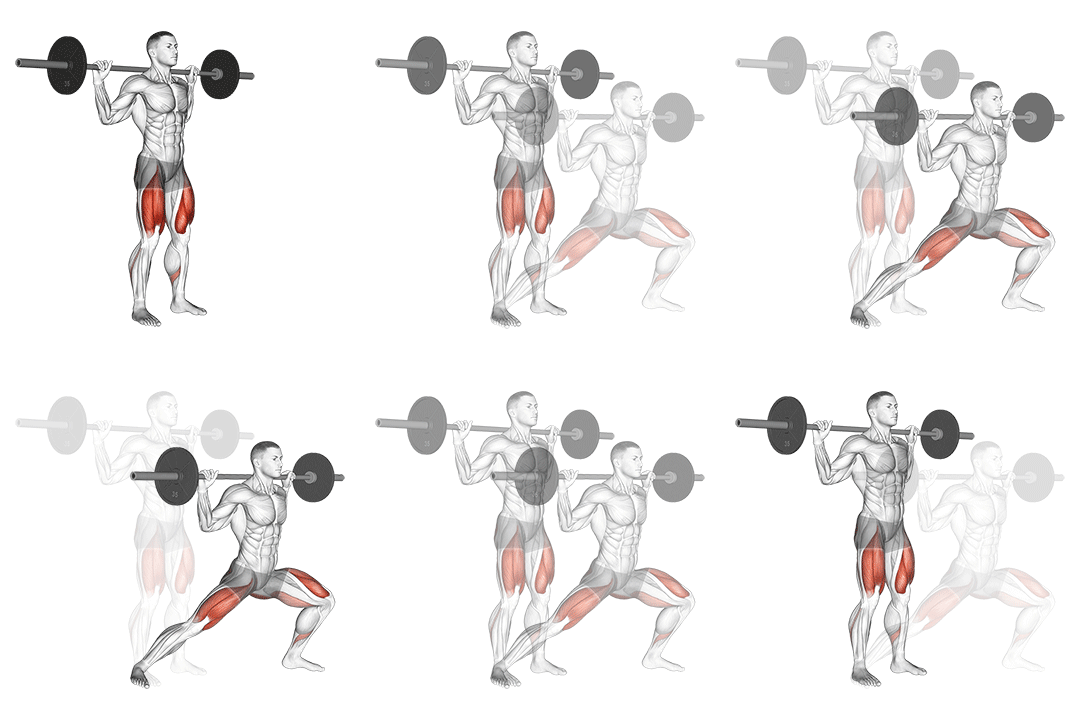
3. Barbell Lateral Lunge
63.1% MatchHow to perform this exercise
- Stand with your feet shoulder-width apart, holding a barbell across your upper back.
- Take a big step to the side with your right foot, keeping your left foot planted.
- Bend your right knee and lower your body down into a lunge position, keeping your left leg straight.
- Push off with your right foot and return to the starting position.
- Repeat on the other side, stepping with your left foot.
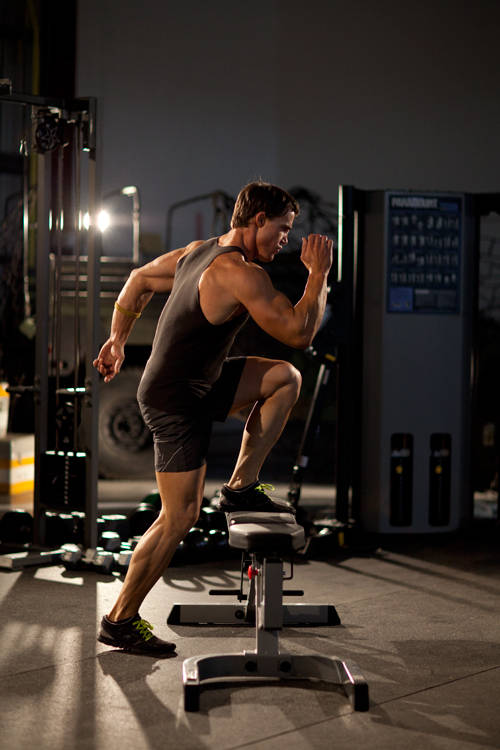
4. Bench Sprint
59.7% MatchHow to perform this exercise
- Stand on the ground with one foot resting on a bench or box with your heel close to the edge.
- Push off with your foot on top of the bench, extending through the hip and knee.
- Land with the opposite foot on top of the box, returning your other foot back to the start position.
- Continue alternating from one foot to another to complete the set.
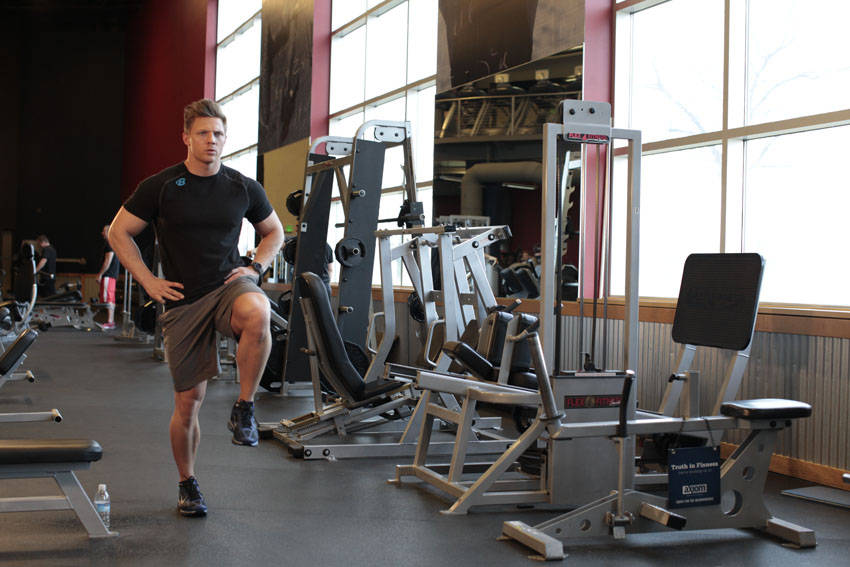
5. Bodyweight Walking Lunge
59.1% MatchHow to perform this exercise
- Begin standing with your feet shoulder width apart and your hands on your hips.
- Step forward with one leg, flexing the knees to drop your hips. Descend until your rear knee nearly touches the ground. Your posture should remain upright, and your front knee should stay above the front foot.
- Drive through the heel of your lead foot and extend both knees to raise yourself back up.
- Step forward with your rear foot, repeating the lunge on the opposite leg.
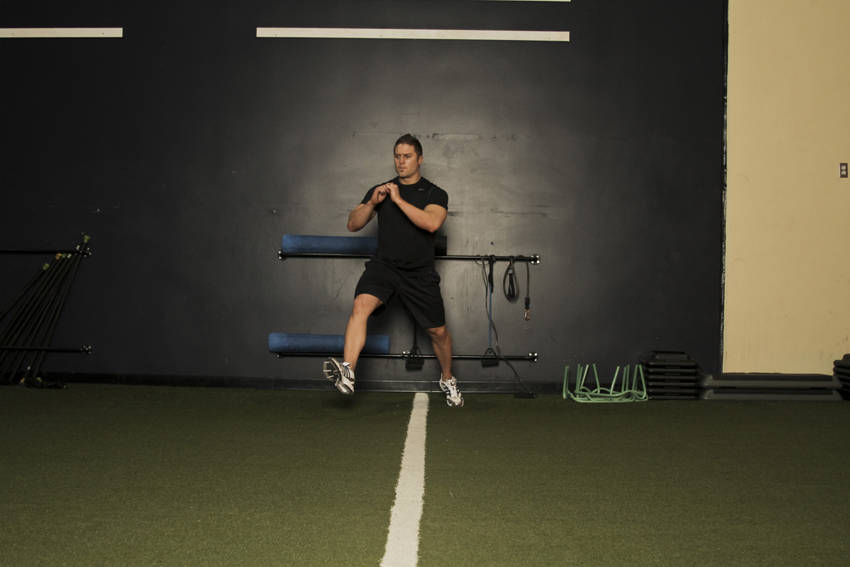
6. Alternate Leg Diagonal Bound
58.6% MatchHow to perform this exercise
- Assume a comfortable stance with one foot slightly in front of the other.
- Begin by pushing off with the front leg, driving the opposite knee forward and as high as possible before landing. Attempt to cover as much distance to each side with each bound.
- It may help to use a line on the ground to guage distance from side to side.
- Repeat the sequence with the other leg.
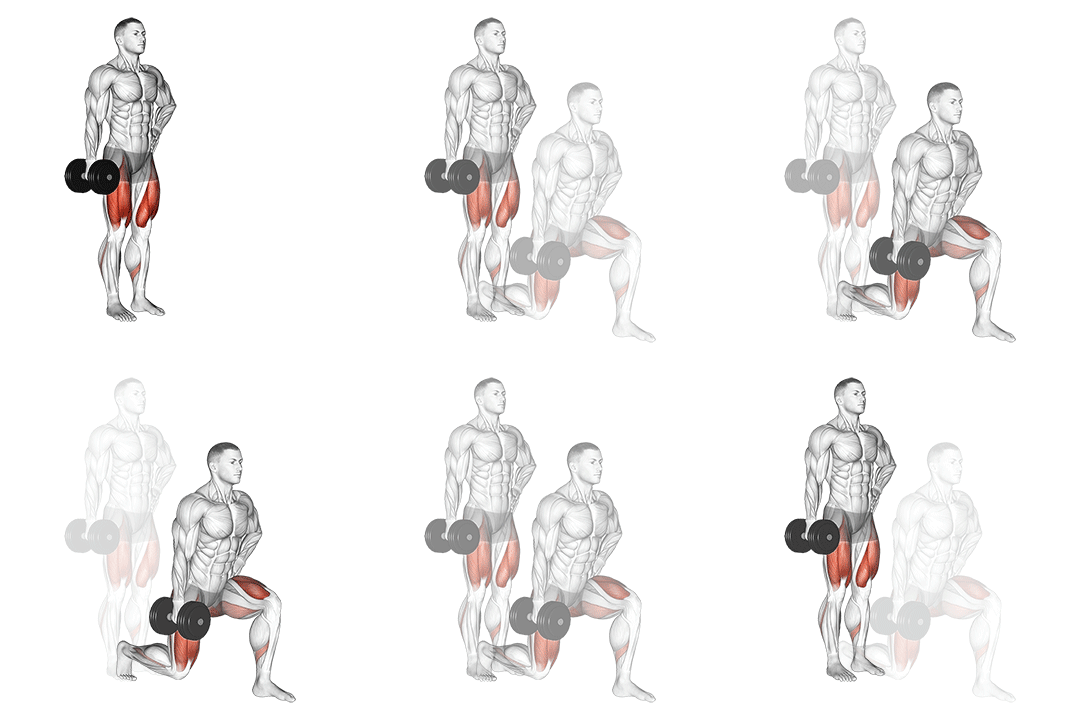
7. Dumbbell Contralateral Forward Lunge
57.9% MatchHow to perform this exercise
- Stand with your feet shoulder-width apart, holding a dumbbell in each hand.
- Take a step forward with your right foot, keeping your back straight and core engaged.
- Lower your body by bending both knees until your right thigh is parallel to the ground.
- Push through your right heel to return to the starting position.
- Repeat with your left leg.
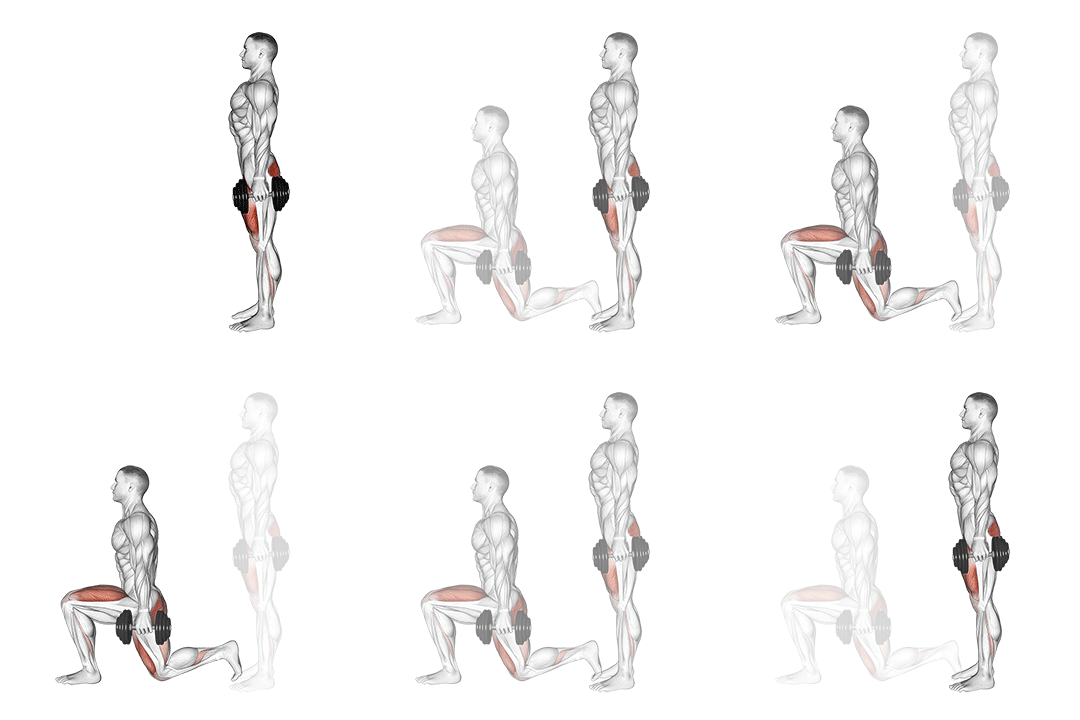
8. Dumbbell Lunge
57.9% MatchHow to perform this exercise
- Stand with your feet shoulder-width apart, holding a dumbbell in each hand.
- Take a step forward with your right foot, lowering your body into a lunge position.
- Keep your back straight and your chest up as you lower your body.
- Push through your right heel to return to the starting position.
- Repeat with your left leg.
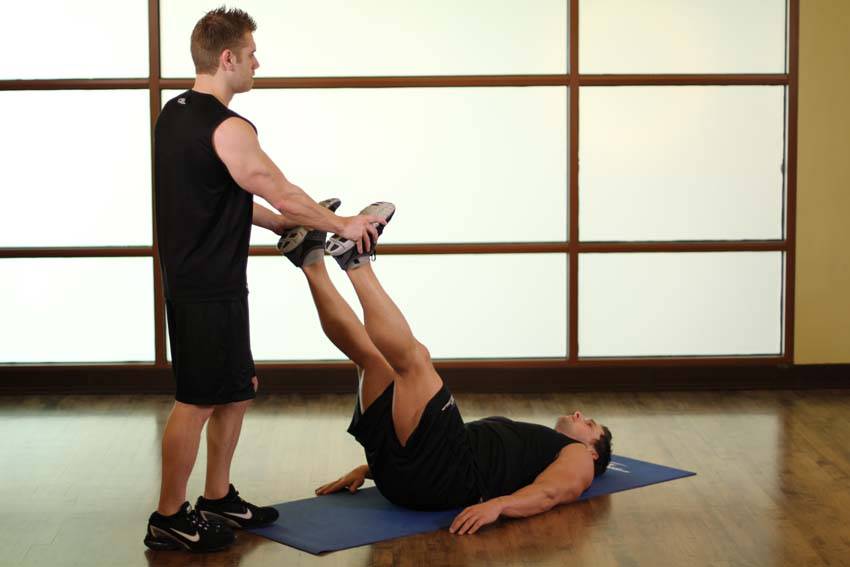
9. Adductor/Groin
56% MatchHow to perform this exercise
- Lie on your back with your feet raised towards the ceiling.
- Have your partner hold your feet or ankles. Abduct your legs as far as you can. This will be your starting position.
- Attempt to squeeze your legs together for 10 or more seconds, while your partner prevents you from doing so.
- Now, relax the muscles in your legs as your partner pushes your feet apart, stretching as far as is comfortable for you. Be sure to let your partner know when the stretch is adequate to prevent overstretching or injury.
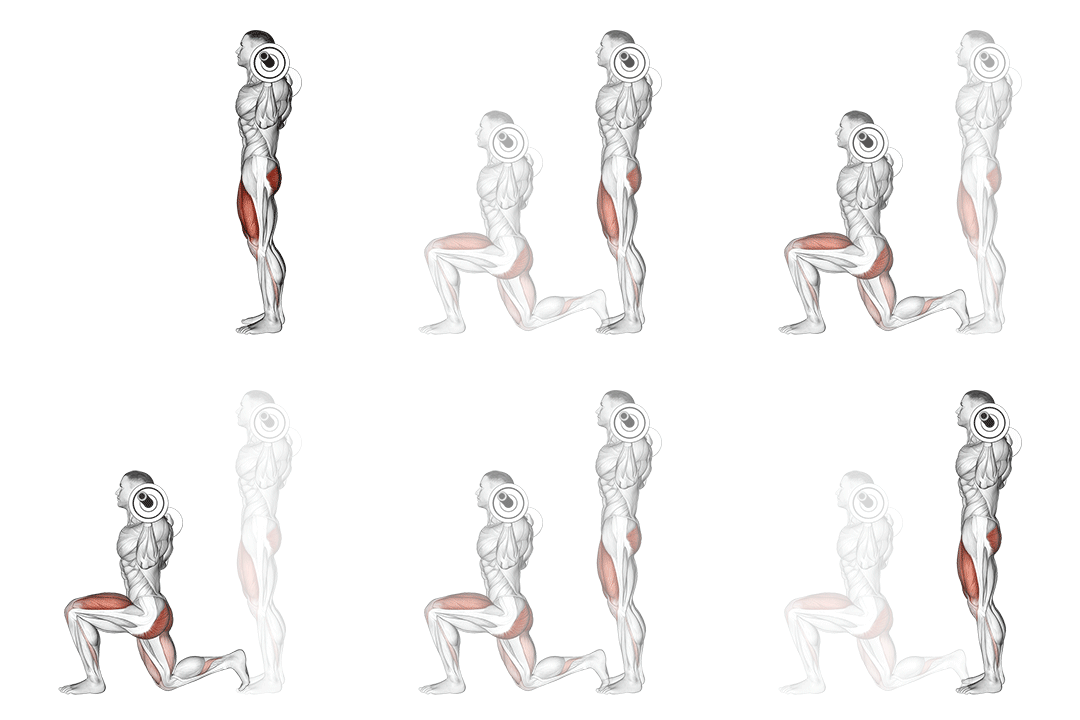
10. Barbell Lunge
55.1% MatchHow to perform this exercise
- Start by standing with your feet shoulder-width apart and a barbell resting on your upper back.
- Take a step forward with your right foot, keeping your torso upright.
- Lower your body by bending your right knee until your thigh is parallel to the ground.
- Push through your right heel to return to the starting position.
- Repeat with your left leg, alternating legs for the desired number of repetitions.
Why You Might Need a Monster Walk Alternative
You may substitute Monster Walk for several practical reasons: pain, lack of a loop band, or a need for greater loading or specificity. Monster Walks primarily train the gluteus medius and hip abductors for frontal-plane control; if you feel lateral knee pain or poor hip control, pick an exercise that reduces shear (for example, side-lying clamshells) or one that allows progressive overload (single-leg RDLs or lateral lunges). Cue: maintain a neutral spine, keep toes pointing forward, and hold a 20–30° knee bend to emphasize glute medius activation while avoiding TFL dominance. Choose movements that restore proper hip abduction mechanics and fit your equipment and injury status.
How to Choose the Right Substitute
Match the replacement to the primary demand: do you need isolation of the glute medius, progressive loading, or carryover to running/lifting? If you need isolation and low load, use clamshells or side-lying hip abductions and cue a slow 2-second eccentric with toes forward to feel medial glute fibers. For strength and carryover pick lateral lunges or single-leg RDLs and progress sets/reps or add weight. Consider joint pain, range-of-motion limits, and whether you require frontal-plane stability versus sagittal-plane hip extension. Track muscle activation by pausing at the top of the rep and feeling the glute contract; prioritize exercises where you can reliably cue the gluteus medius to engage.
Frequently Asked Questions
What muscles does Monster Walk work?
Monster Walk primarily targets the gluteus medius and minimus for hip abduction and external rotation, with secondary recruitment of gluteus maximus and the tensor fasciae latae. The exercise trains frontal-plane stability and forces the glutes to resist hip adduction and internal rotation — cue toes forward and push knees outward to feel glute medius engagement.
What is the best bodyweight alternative to Monster Walk?
The best bodyweight alternative is the lateral lunge because it combines hip abduction with load acceptance and unilateral control. Cue a long step to the side, sit hips back, keep the knee tracking over the second toe, and push through the heel to target the glute medius and glute max.
Can I build muscle without doing Monster Walk?
Yes. You can build glute muscle using progressive overload through exercises like Bulgarian split squats, single-leg Romanian deadlifts, hip thrusts, and weighted lateral lunges. Focus on increasing load, reps, or time under tension and use cues like a controlled eccentric and a full hip extension to maximize glute activation.
More Exercise Alternatives
Find Alternatives for Any Exercise
Use our free tool to discover the best substitute exercises based on your available equipment and goals.
Try the Exercise Substitution Finder →