

10 Best Barbell Hip Thrust Alternatives for Home & Gym
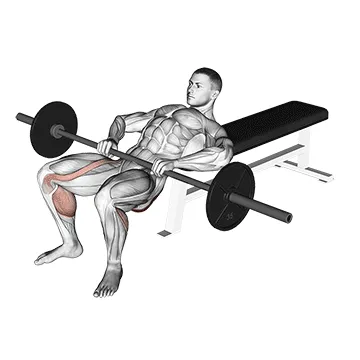
The Barbell Hip Thrust is done lying on your back with a barbell. Ranked closest by our scoring: the Trap Bar Deadlift, the Barbell Glute Bridge Two Legs On Bench and the Barbell Lying Lifting (On Hip). Two harder versions, the Barbell Sumo Deadlift and the Barbell Deadlift, are listed below as progressions rather than swaps.
Updated Ranked by our 12-factor similarity model How it works
Original Exercise: Barbell Hip Thrust
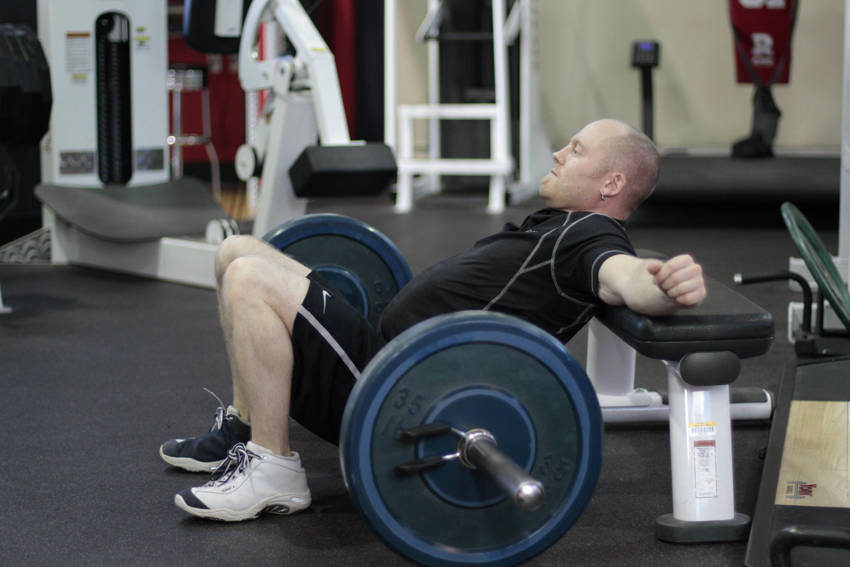
- Primary muscle
- Glutes
- Equipment
- Barbell
- Difficulty
- Intermediate
- Type
- Compound
Secondary muscles: Calves, Hamstrings
How to perform Barbell Hip Thrust
- Begin seated on the ground with a bench directly behind you. Have a loaded barbell over your legs. Using a fat bar or having a pad on the bar can greatly reduce the discomfort caused by this exercise.
- Roll the bar so that it is directly above your hips, and lean back against the bench so that your shoulder blades are near the top of it.
- Begin the movement by driving through your feet, extending your hips vertically through the bar. Your weight should be supported by your shoulder blades and your feet. Extend as far as possible, then reverse the motion to return to the starting position.
Ranked Barbell Hip Thrust Alternatives
10 substitutes, ranked by how closely each one matches the Barbell Hip Thrust on movement pattern, muscles worked, equipment and body position. The higher the score, the less you change. Open "How to perform this exercise" on a card for the steps; every card title links to that exercise's own alternatives page. Harder versions are tagged as progressions and kept out of the top spot even when they score higher.
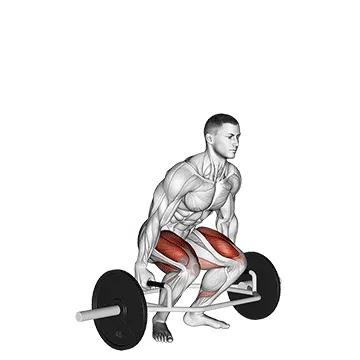
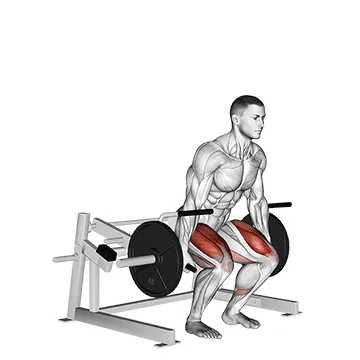
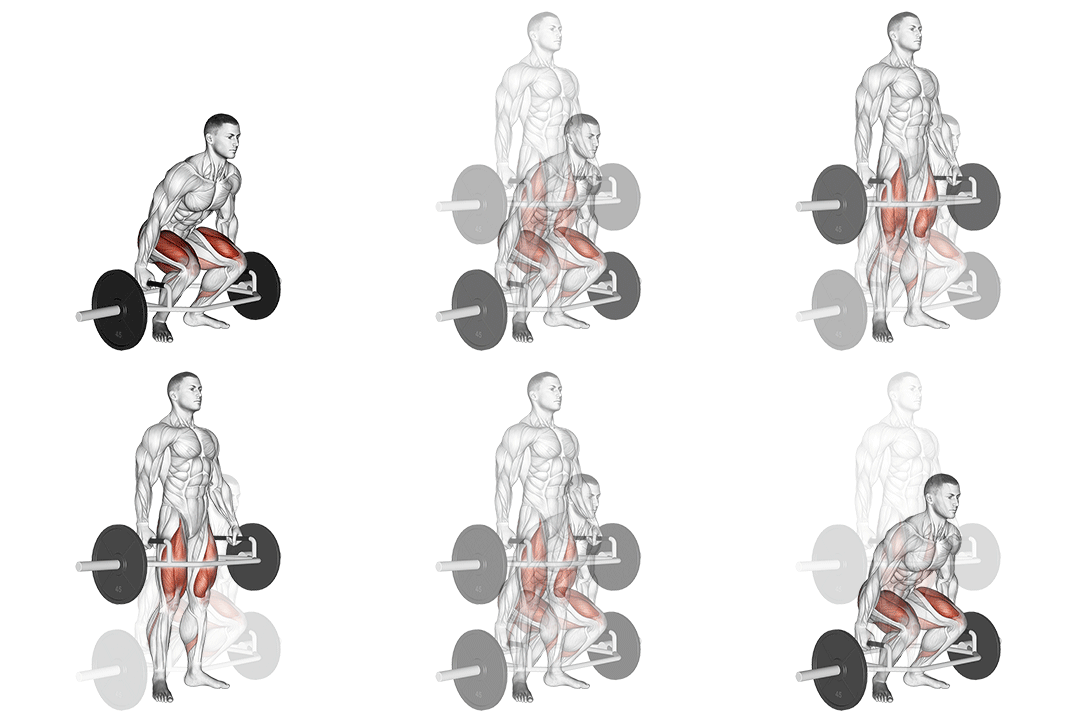
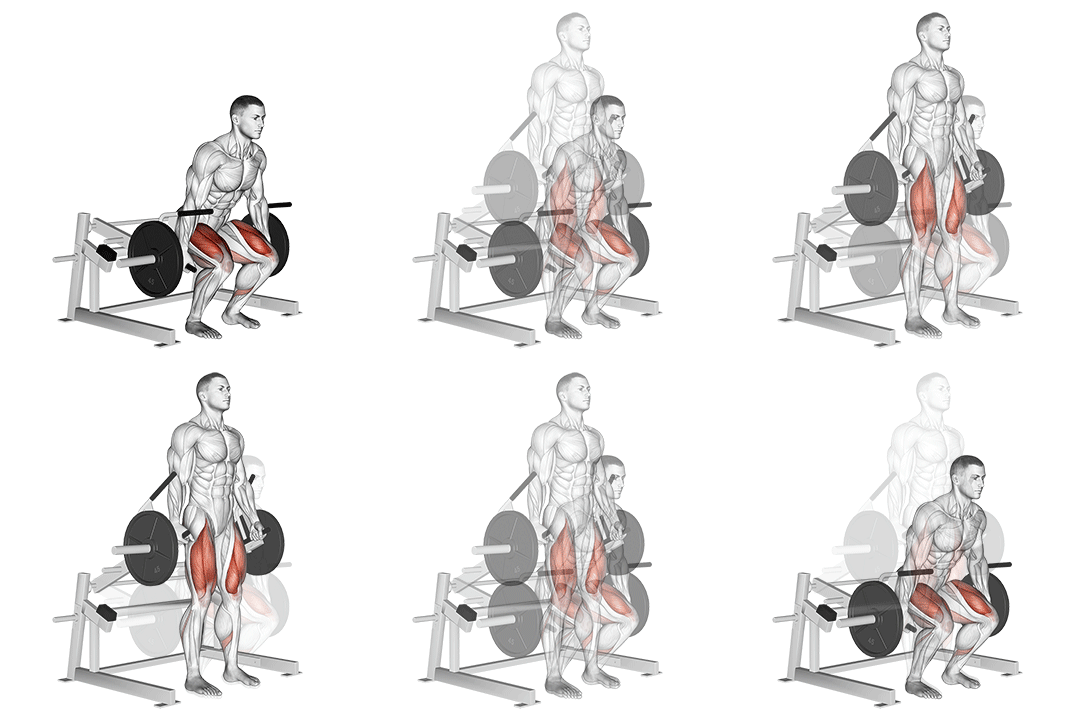
Best match 1. Trap Bar Deadlift
88% match- Glutes
- Trap-bar
- Intermediate
- Compound
A good swap when you have a trap bar to work with, and it still works the glutes.
How to perform this exercise
- Stand with your feet shoulder-width apart and the trap bar on the ground in front of you.
- Bend at the hips and knees to lower yourself down and grip the handles of the trap bar with an overhand grip.
- Keep your back straight and chest up as you begin to lift the trap bar off the ground by extending your hips and knees.
- As you lift, focus on driving through your heels and squeezing your glutes at the top of the movement.
- Lower the trap bar back down to the ground by bending at the hips and knees, keeping your back straight throughout the movement.
- Repeat for the desired number of repetitions.
Sets and reps: 3 or 4 sets of 6 to 10 reps.
Why this matches
- Primary muscle: glutes, the same as the Barbell Hip Thrust
- Equipment: free weights, the same as the Barbell Hip Thrust
- Body position: standing, not lying on your back
- Glutes
- Barbell
- Intermediate
- Compound
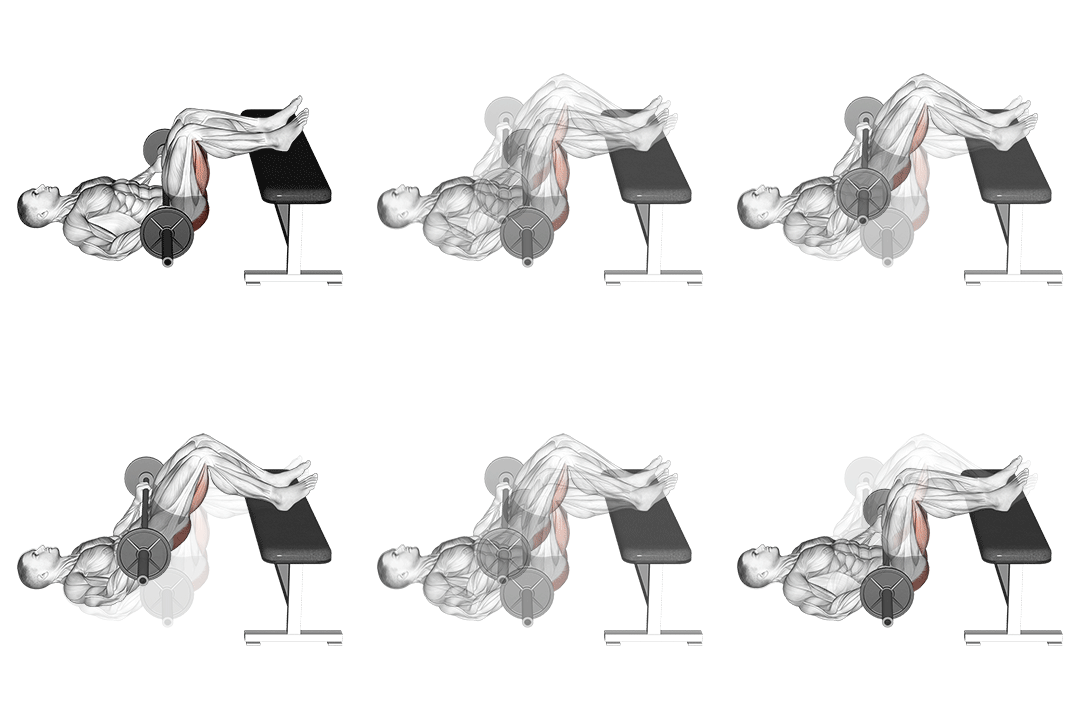
It uses the same equipment and still works the glutes.
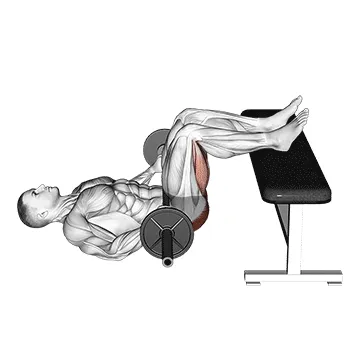
How to perform this exercise
- Start by sitting on the edge of a bench with your upper back resting against it and your feet flat on the ground, hip-width apart.
- Place a barbell across your hips, holding it securely with both hands.
- Engage your glutes and core muscles, then press through your heels to lift your hips off the bench, creating a straight line from your knees to your shoulders.
- Pause for a moment at the top, squeezing your glutes.
- Slowly lower your hips back down to the starting position.
- Repeat for the desired number of repetitions.
Sets and reps: 3 or 4 sets of 6 to 10 reps.
Why this matches
- Primary muscle: glutes, the same as the Barbell Hip Thrust
- Equipment: free weights, the same as the Barbell Hip Thrust
- Body position: lying on your back, the same as the Barbell Hip Thrust
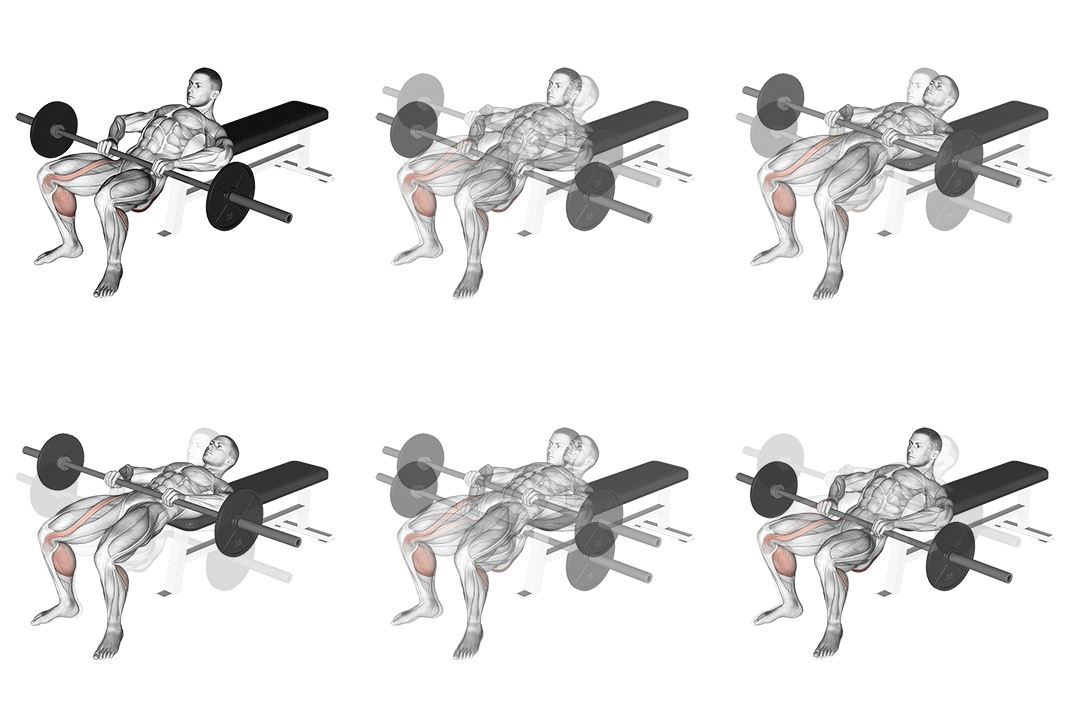
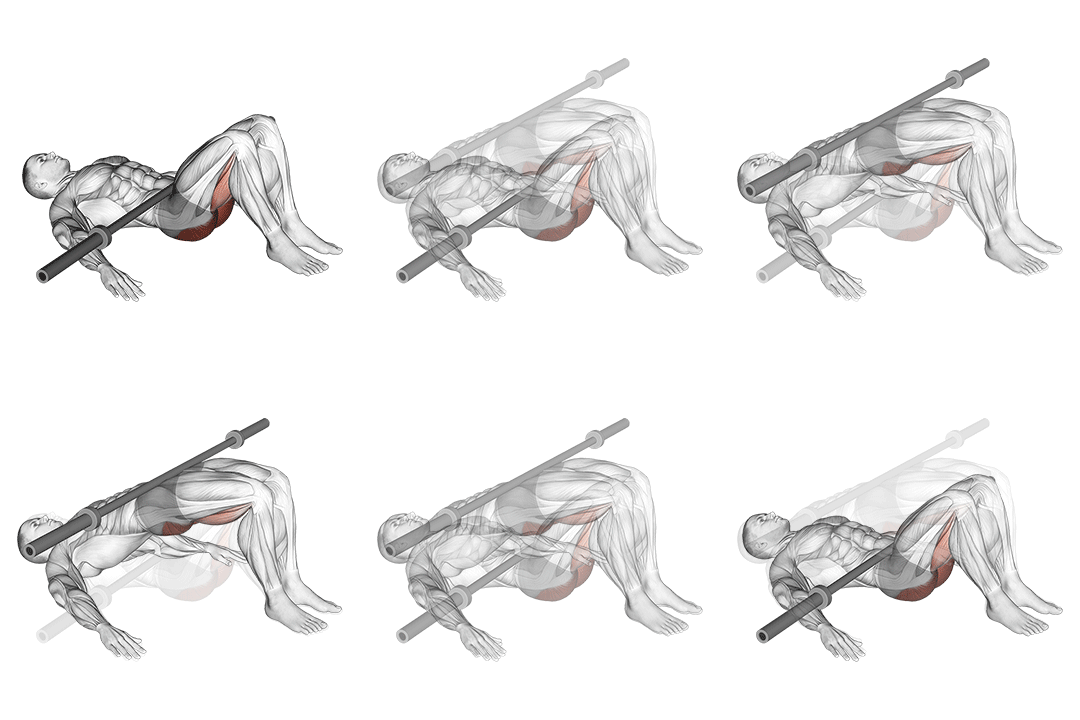
3. Barbell Lying Lifting (On Hip)
85% match- Glutes
- Barbell
- Intermediate
- Compound
How to perform this exercise
- Lie flat on your back on a bench with your feet flat on the ground and your knees bent.
- Hold the barbell with an overhand grip and position it on your hips.
- Engaging your glutes, lift your hips off the bench until your body forms a straight line from your knees to your shoulders.
- Pause for a moment at the top, then slowly lower your hips back down to the starting position.
- Repeat for the desired number of repetitions.
Sets and reps: 3 or 4 sets of 6 to 10 reps.
Why this matches
- Primary muscle: glutes, the same as the Barbell Hip Thrust
- Equipment: free weights, the same as the Barbell Hip Thrust
- Body position: lying on your back, the same as the Barbell Hip Thrust
Progression
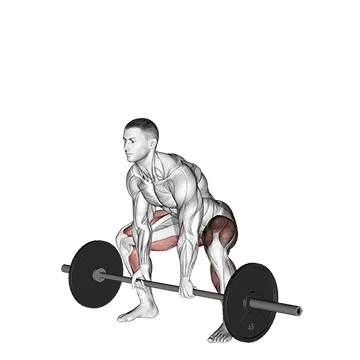
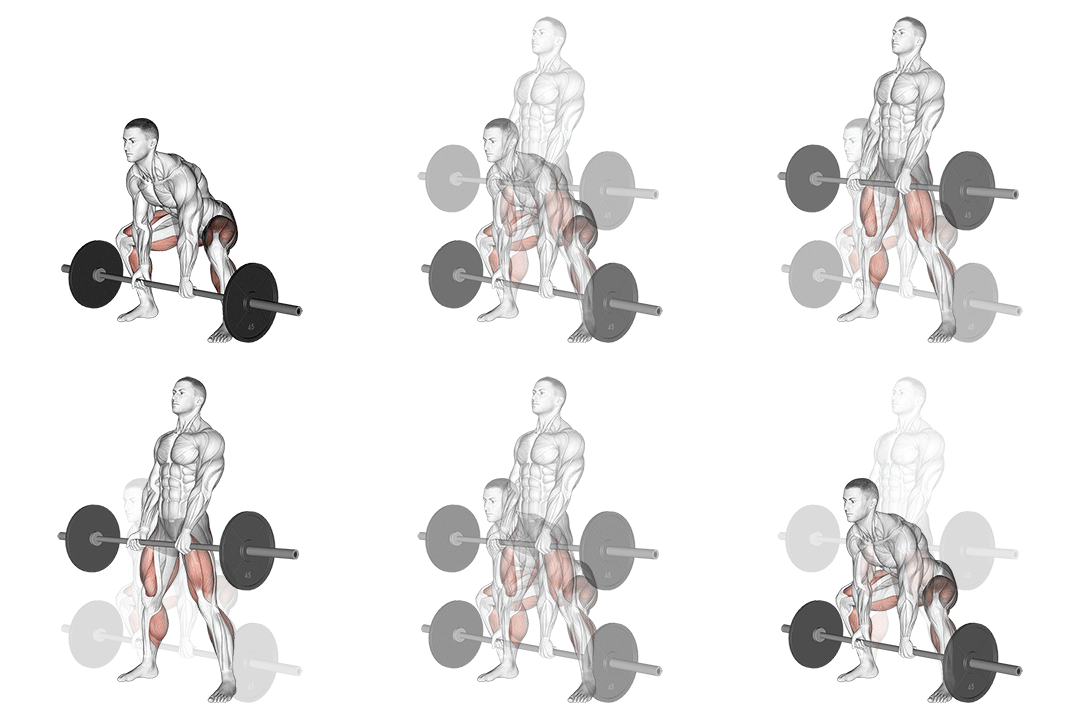
4. Barbell Sumo Deadlift
82% match- Glutes
- Barbell
- Advanced
- Compound
Pick this when you want a harder version that still works the glutes.
How to perform this exercise
- Stand with your feet wider than shoulder-width apart, toes pointing outwards.
- Place a barbell on the ground in front of you, centered between your feet.
- Bend your knees and lower your hips, keeping your back straight and chest up, to grip the barbell with an overhand grip.
- Engage your core and drive through your heels to lift the barbell off the ground, extending your hips and knees simultaneously.
- As you lift, keep your chest up and back straight, and push your hips forward to fully engage your glutes.
- Pause for a moment at the top, then slowly lower the barbell back down to the starting position, maintaining control throughout the movement.
- Repeat for the desired number of repetitions.
Sets and reps: 3 to 5 sets of 5 to 8 reps.
Why this matches
- Primary muscle: glutes, the same as the Barbell Hip Thrust
- Equipment: free weights, the same as the Barbell Hip Thrust
- Body position: standing, not lying on your back
Progression
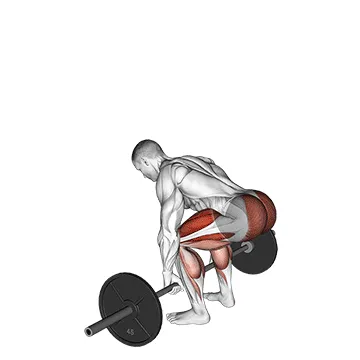
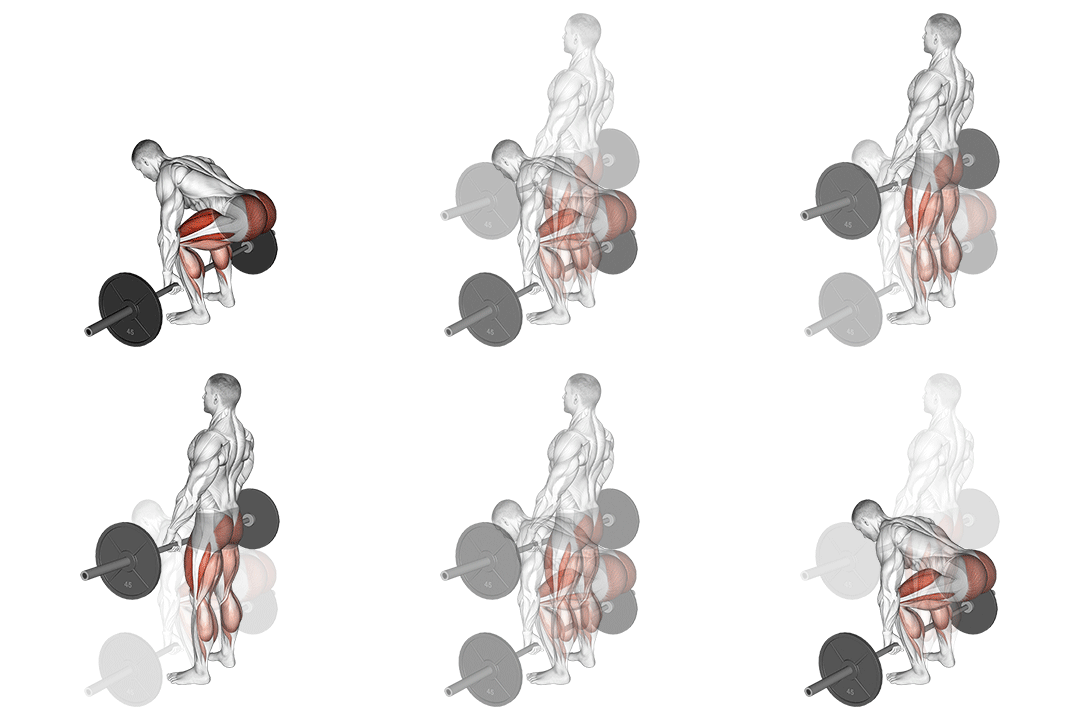
5. Barbell Deadlift
81% match- Glutes
- Barbell
- Advanced
- Compound
How to perform this exercise
- Stand with your feet shoulder-width apart and the barbell on the ground in front of you.
- Bend your knees and hinge at the hips to lower your torso and grip the barbell with an overhand grip, hands slightly wider than shoulder-width apart.
- Keep your back straight and chest lifted as you drive through your heels to lift the barbell off the ground, extending your hips and knees.
- As you stand up straight, squeeze your glutes and keep your core engaged.
- Lower the barbell back down to the ground by bending at the hips and knees, keeping your back straight.
- Repeat for the desired number of repetitions.
Sets and reps: 3 to 5 sets of 5 to 8 reps.
Why this matches
- Primary muscle: glutes, the same as the Barbell Hip Thrust
- Equipment: free weights, the same as the Barbell Hip Thrust
- Body position: standing, not lying on your back
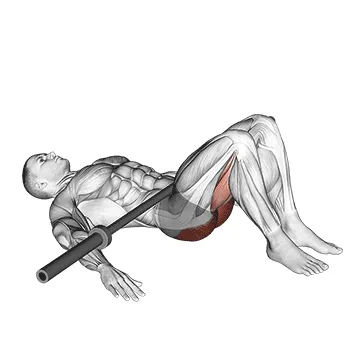
6. Barbell Glute Bridge
80% match- Glutes
- Barbell
- Intermediate
- Compound
Pick this when you want an easier version that still works the glutes.
How to perform this exercise
- Start by lying flat on your back on the ground with your knees bent and feet flat on the floor.
- Place a barbell across your hips, holding it securely with both hands.
- Engage your glutes and core muscles, then lift your hips off the ground until your body forms a straight line from your knees to your shoulders.
- Pause for a moment at the top, squeezing your glutes.
- Slowly lower your hips back down to the starting position.
- Repeat for the desired number of repetitions.
Sets and reps: 3 or 4 sets of 6 to 10 reps.
Why this matches
- Primary muscle: glutes, the same as the Barbell Hip Thrust
- Equipment: free weights, the same as the Barbell Hip Thrust
- Body position: lying on your back, the same as the Barbell Hip Thrust
7. Lever Deadlift
80% match- Glutes
- Lever
- Intermediate
- Compound
A good swap when you have a lever machine to work with, and it still works the glutes.
How to perform this exercise
- Adjust the seat height and foot platform to your desired position.
- Sit on the machine with your back against the pad and your feet flat on the foot platform.
- Grasp the handles or the sides of the seat for stability.
- Engage your glutes and hamstrings, and push through your heels to lift the weight up.
- Keep your back straight and avoid rounding your shoulders.
- Extend your hips fully at the top of the movement, squeezing your glutes.
- Lower the weight back down in a controlled manner, keeping tension on your glutes and hamstrings.
- Repeat for the desired number of repetitions.
Sets and reps: 3 or 4 sets of 6 to 10 reps.
Why this matches
- Primary muscle: glutes, the same as the Barbell Hip Thrust
- Equipment: a machine, not free weights
- Body position: standing, not lying on your back
- Balance: easier to stay steady on than the Barbell Hip Thrust
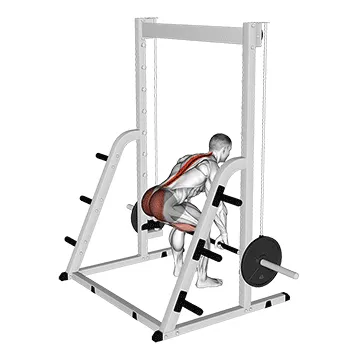
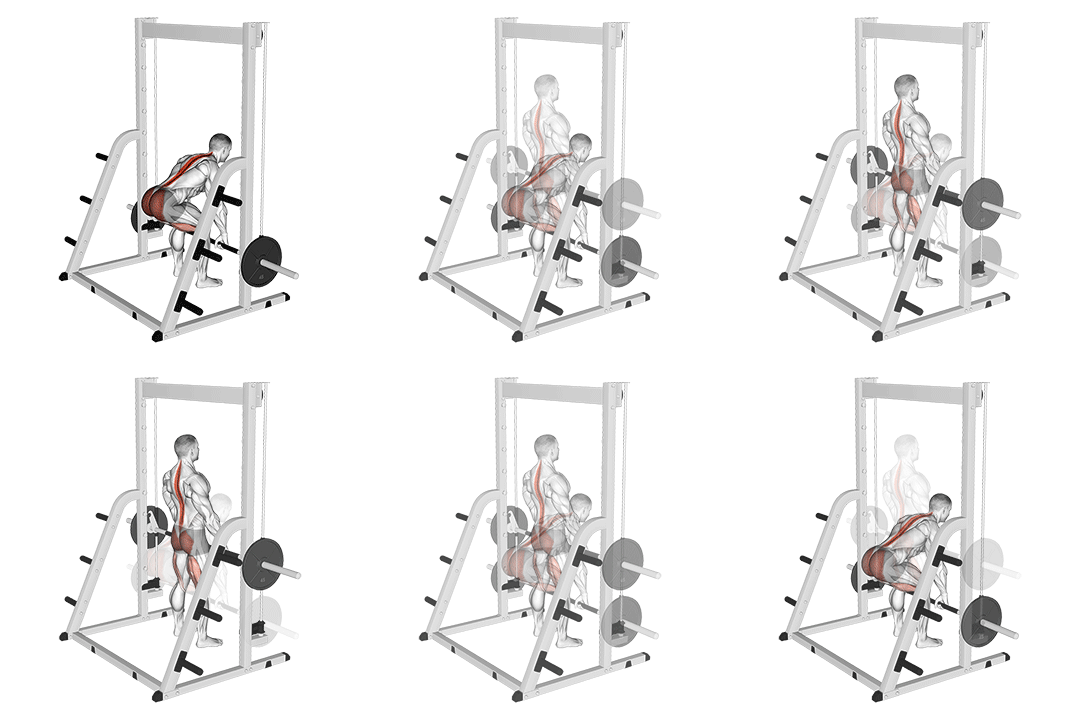
8. Smith Deadlift
80% match- Glutes
- Smith-machine
- Intermediate
- Compound
How to perform this exercise
- Set up the smith machine with the bar at hip height.
- Stand with your feet shoulder-width apart, toes pointing slightly outward.
- Bend at the hips and knees, keeping your back straight and chest up, and grip the bar with an overhand grip slightly wider than shoulder-width apart.
- Engage your core and lift the bar by extending your hips and knees, keeping the bar close to your body.
- Stand up straight, fully extending your hips and knees.
- Lower the bar back down by bending at the hips and knees, maintaining control and keeping your back straight.
- Repeat for the desired number of repetitions.
Sets and reps: 3 or 4 sets of 6 to 10 reps.
Why this matches
- Primary muscle: glutes, the same as the Barbell Hip Thrust
- Equipment: a machine, not free weights
- Body position: standing, not lying on your back
- Balance: easier to stay steady on than the Barbell Hip Thrust
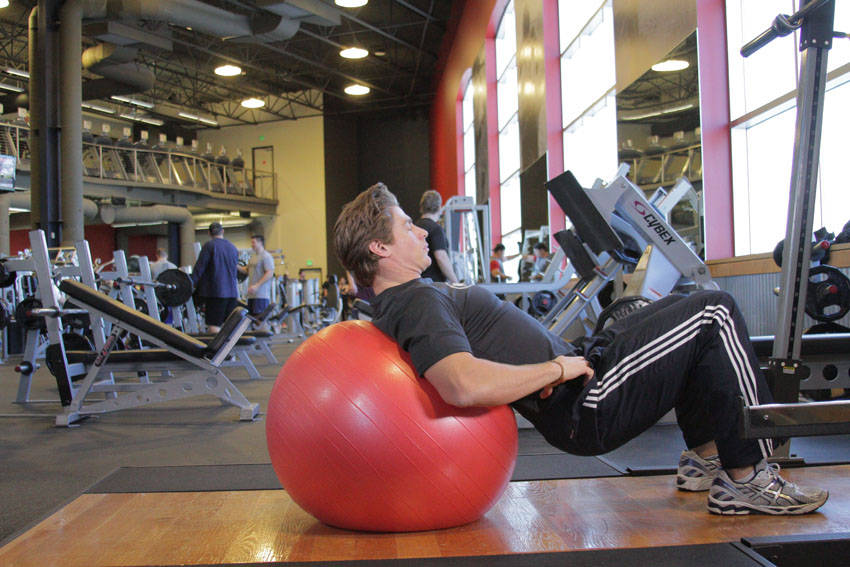
9. Physioball Hip Bridge
79% match- Glutes
- Stability-ball
- Intermediate
- Compound
How to perform this exercise
- Lay on a ball so that your upper back is on the ball with your hips unsupported. Both feet should be flat on the floor, hip width apart or wider. This will be your starting position.
- Begin by extending the hips using your glutes and hamstrings, raising your hips upward as you bridge.
- Pause at the top of the motion and return to the starting position.
Sets and reps: 3 or 4 sets of 6 to 10 reps.
Why this matches
- Primary muscle: glutes, the same as the Barbell Hip Thrust
- Equipment: bodyweight only, not free weights
- Body position: lying on your back, the same as the Barbell Hip Thrust
- Balance: harder to stay steady on than the Barbell Hip Thrust
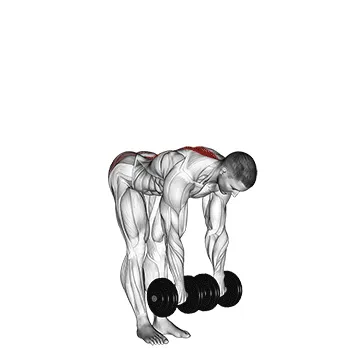
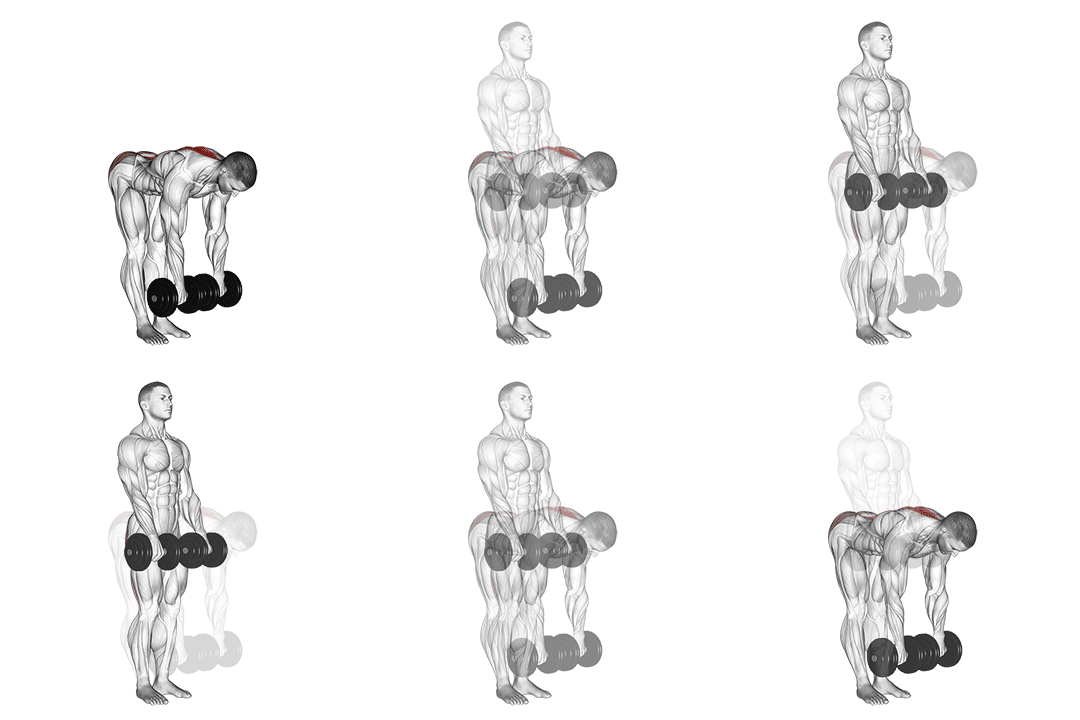
10. Dumbbell Straight Leg Deadlift
79% match- Glutes
- Dumbbell
- Intermediate
- Compound
How to perform this exercise
- Stand with your feet shoulder-width apart, holding a dumbbell in each hand with an overhand grip.
- Keeping your back straight and your core engaged, hinge at the hips and lower the dumbbells towards the ground, allowing your torso to lean forward.
- Continue lowering the dumbbells until you feel a stretch in your hamstrings, keeping your knees slightly bent.
- Pause for a moment at the bottom, then engage your glutes and hamstrings to lift your torso back up to the starting position.
- Repeat for the desired number of repetitions.
Sets and reps: 3 or 4 sets of 6 to 10 reps.
Why this matches
- Primary muscle: glutes, the same as the Barbell Hip Thrust
- Equipment: free weights, the same as the Barbell Hip Thrust
- Body position: standing, not lying on your back
Why You Might Need a Barbell Hip Thrust Alternative
You might substitute the barbell hip thrust for several reasons: lack of equipment, bar path discomfort, pelvic or lower‑back pain, coach preference, or the need for unilateral work. Some lifters hit a technical ceiling with barbell placement or rack availability; others need variations that reduce lumbar shear or address glute imbalances. Alternatives let you preserve the hip‑extension movement pattern and glute activation while adjusting load distribution, range of motion, and stabilization demands. Choosing targeted substitutes maintains progressive overload and hypertrophy stimulus without reintroducing pain or compromising form.
How to Choose the Right Barbell Hip Thrust Substitute
Select a substitute by matching movement pattern, equipment, and training goal. Prioritize exercises that emphasize hip extension and terminal glute contraction if your goal is glute hypertrophy or strength. If you lack a barbell, use dumbbells, kettlebells, cables, or resistance bands that allow progressive overload. For pain or imbalance, choose unilateral or less lumbar‑loading options (single‑leg RDLs, banded bridges). Consider load capacity, ability to progressively add resistance, and technical complexity; pick an exercise you can perform with consistent high quality and measurable progression.
Barbell Hip Thrust FAQ
What muscles does Barbell Hip Thrust work?
The barbell hip thrust primarily targets the gluteus maximus through hip extension. It also recruits the hamstrings and adductors as synergists and requires the erector spinae and core to stabilize the torso during load.
Find Alternatives for Any Exercise
Search the exercise database and filter the ranked substitutes by the equipment you own.
Similarity scores compare exercise metadata such as movement pattern, muscles, equipment and body position. They are not a safety rating or a check that you own the equipment. Learn about our methodology