

10 Best On-your-back Quad Stretch Alternatives for Tight Quads
The On-your-back Quad Stretch is done lying on your back. Ranked closest by our scoring: the Chair Leg Extended Stretch, the Lying Prone Quadriceps and the Looking At Ceiling.
Updated Ranked by our 12-factor similarity model How it works
Original Exercise: On-your-back Quad Stretch
- Primary muscle
- Quads
- Equipment
- Other
- Difficulty
- Beginner
- Type
- Isolation
How to perform On-your-back Quad Stretch
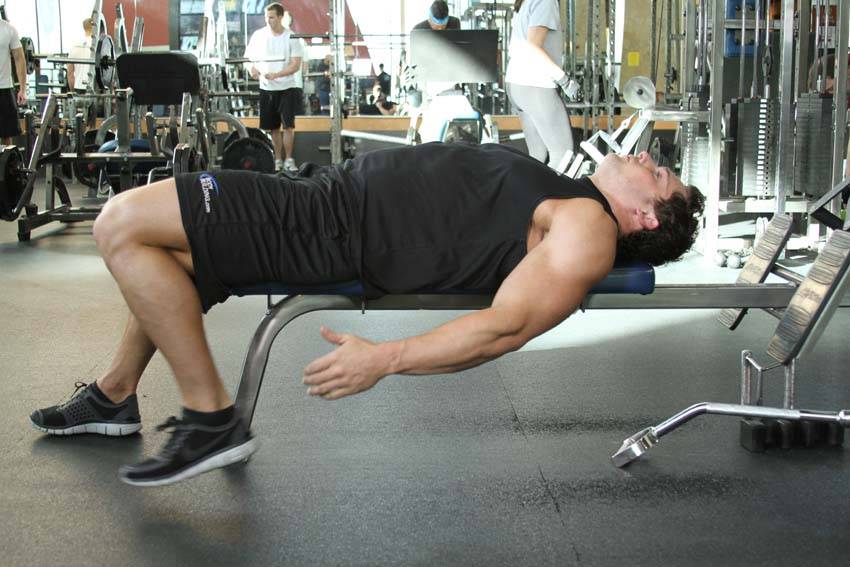
- Lie on a flat bench or step, and hang one leg and arm over the side.
- Bend the knee and hold the top of the foot. As you do this, be careful not to arch your lower back.
- Pull the belly button to the spine to stay in neutral. Press your foot down and into your hand. To add the hip stretch, lift the hip of the leg you're holding up toward the ceiling.
- Switch sides.
Ranked On-your-back Quad Stretch Alternatives
10 substitutes, ranked by how closely each one matches the On-your-back Quad Stretch on movement pattern, muscles worked, equipment and body position. The higher the score, the less you change. Open "How to perform this exercise" on a card for the steps; every card title links to that exercise's own alternatives page.
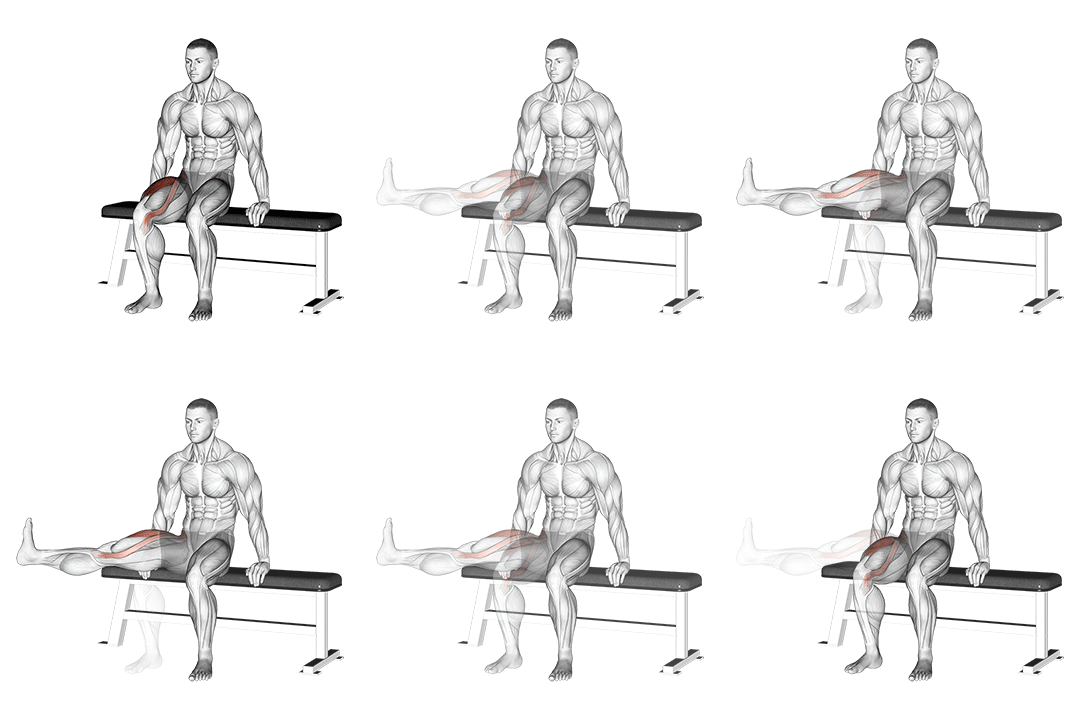
Best match 1. Chair Leg Extended Stretch
88% match- Quads
- Bodyweight
- Beginner
- Isolation
A straight swap when you want to keep working the quads.
How to perform this exercise
- Sit on the edge of a chair with your back straight and feet flat on the ground.
- Extend one leg straight out in front of you, keeping your heel on the ground.
- Lean forward slightly, feeling a stretch in your quadriceps.
- Hold this position for 20-30 seconds.
- Switch legs and repeat the stretch.
Sets and reps: Hold for 20 to 30 seconds on each side, 3 sets.
Why this matches
- Movement: static stretch, the same as the On-your-back Quad Stretch
- Primary muscle: quads, the same as the On-your-back Quad Stretch
- Equipment: bodyweight only, the same as the On-your-back Quad Stretch
- Body position: seated, not lying on your back
2. Lying Prone Quadriceps
86% match- Quads
- Bodyweight
- Beginner
- Isolation
How to perform this exercise
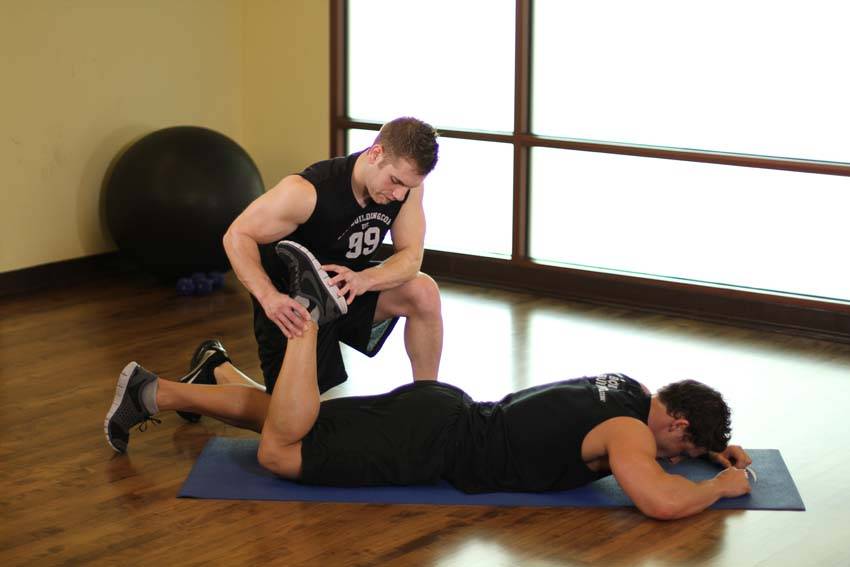
- Lay face down on the floor with your partner kneeling beside you. Flex one knee and raise that leg off the ground, attempting to touch your glutes with your foot. Your partner should hold the knee and ankle. This will be your starting position.
- Attempt to extend your knee while your partner prevents any actual movement.
- After 10-20 seconds, relax your muscles as your partner gently pushes the foot towards your glutes, further stretching the quadriceps and hip flexors.
- After 10-20 seconds, switch sides.
Sets and reps: Hold for 30 to 60 seconds and repeat 2 or 3 times.
Why this matches
- Primary muscle: quads, the same as the On-your-back Quad Stretch
- Equipment: bodyweight only, the same as the On-your-back Quad Stretch
- Body position: lying face down, not lying on your back
3. Looking At Ceiling
83% match- Quads
- Bodyweight
- Beginner
- Isolation
How to perform this exercise
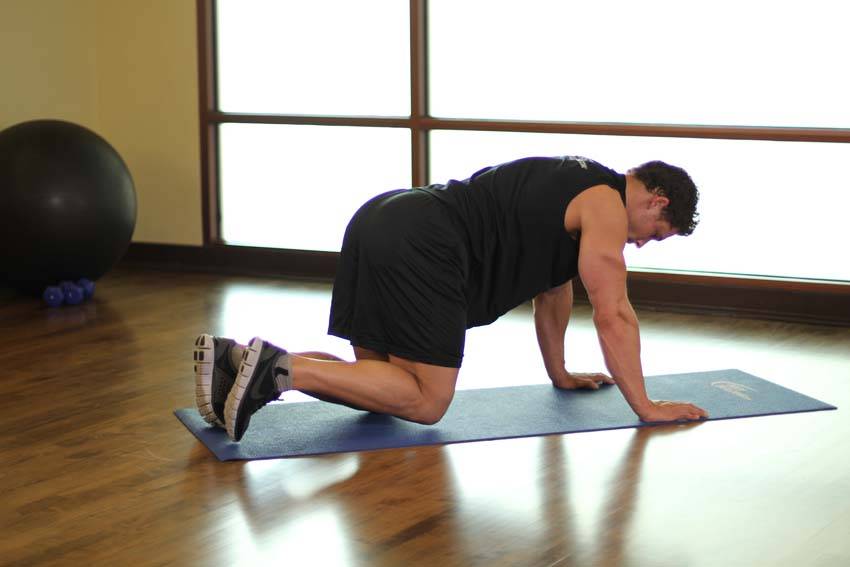
- Kneel on the floor, holding your heels with both hands.
- Lift your buttocks up and forward while bringing your head back to look up at the ceiling, to give an arch in your back.
Sets and reps: Hold for 20 to 30 seconds, 3 sets.
Why this matches
- Primary muscle: quads, the same as the On-your-back Quad Stretch
- Equipment: bodyweight only, the same as the On-your-back Quad Stretch
- Body position: lying on your back, the same as the On-your-back Quad Stretch
4. Kneeling Hip Flexor
83% match- Quads
- Bodyweight
- Beginner
- Isolation
How to perform this exercise
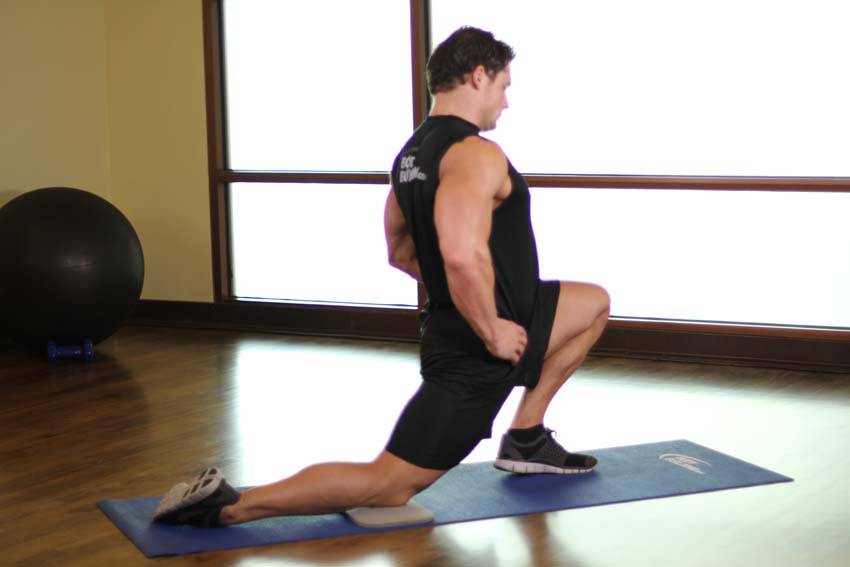
- Kneel on a mat and bring your right knee up so the bottom of your foot is on the floor and extend your left leg out behind you so the top of your foot is on the floor.
- Shift your weight forward until you feel a stretch in your hip. Hold for 15 seconds, then repeat for your other side.
Sets and reps: Hold for 20 to 30 seconds on each side, 3 sets.
Why this matches
- Primary muscle: quads, the same as the On-your-back Quad Stretch
- Equipment: bodyweight only, the same as the On-your-back Quad Stretch
- Body position: kneeling, not lying on your back
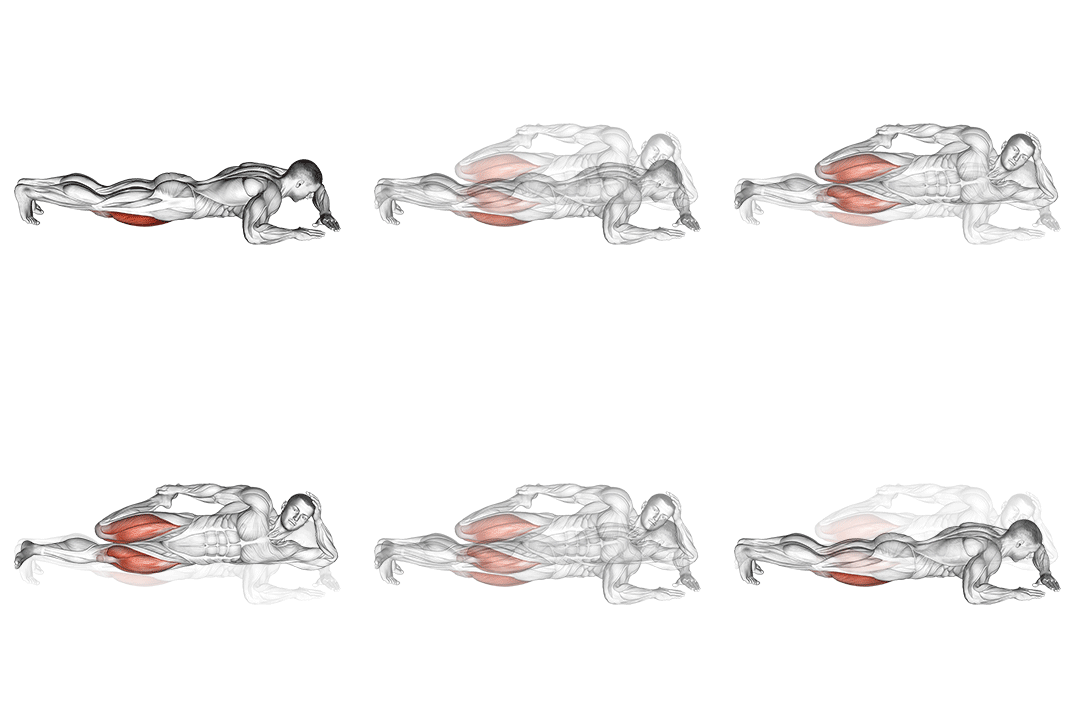
5. Lying (Side) Quads Stretch
82% match- Quads
- Bodyweight
- Beginner
- Isolation
How to perform this exercise
- Lie on your side with your legs straight.
- Bend your top leg and grab your ankle or foot with your hand.
- Gently pull your ankle or foot towards your glutes until you feel a stretch in your quads.
- Hold the stretch for 20-30 seconds.
- Release the stretch and repeat on the other side.
Sets and reps: Hold for 20 to 30 seconds on each side, 3 sets.
Why this matches
- Movement: static stretch, the same as the On-your-back Quad Stretch
- Primary muscle: quads, the same as the On-your-back Quad Stretch
- Equipment: bodyweight only, the same as the On-your-back Quad Stretch
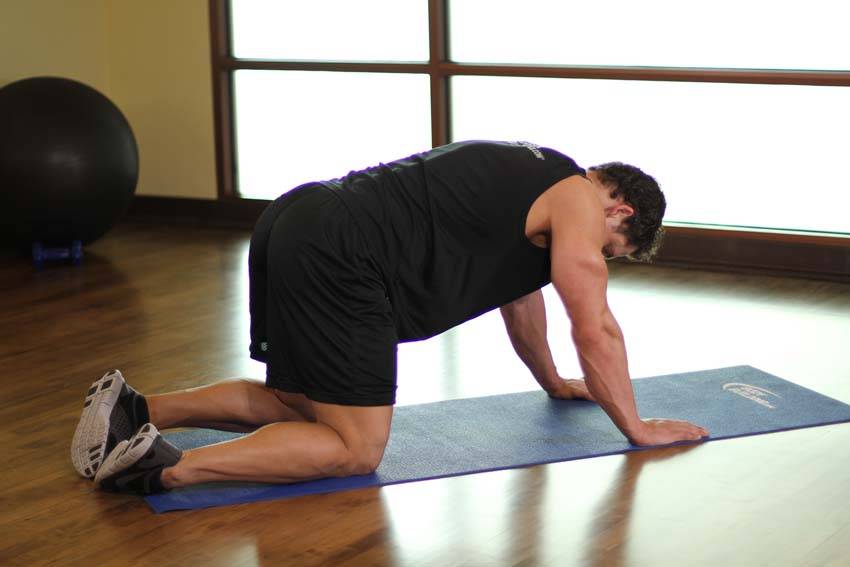
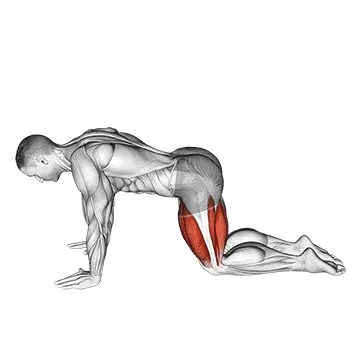
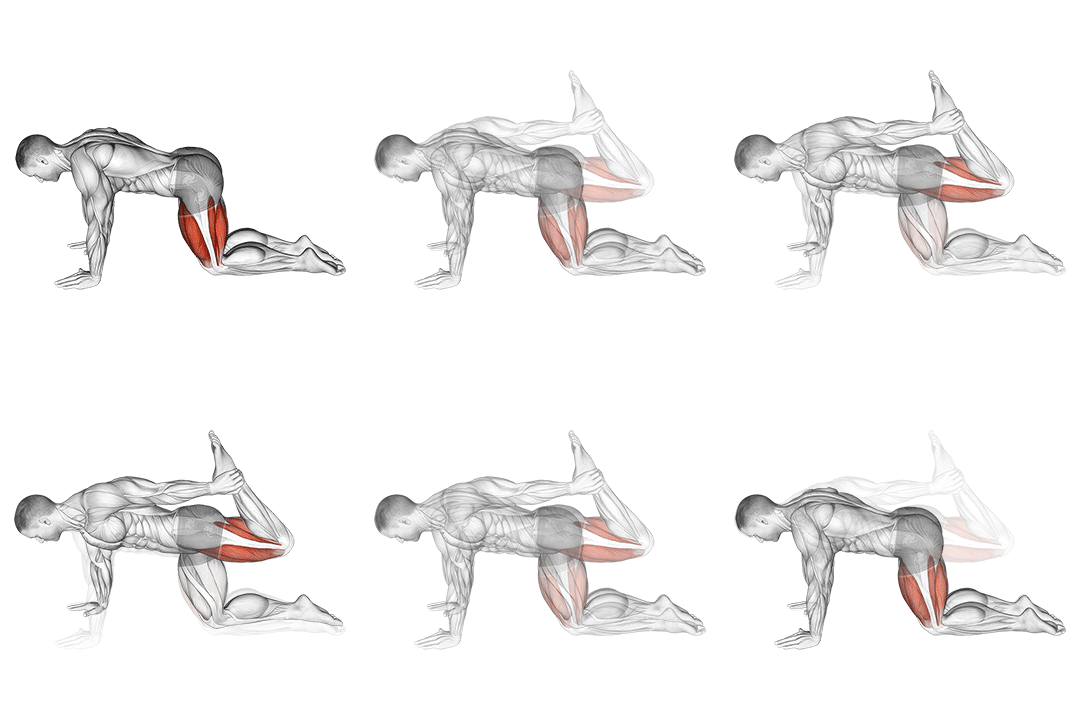
6. All Fours Quad Stretch
76% match- Quads
- Bodyweight
- Beginner
- Isolation
Pick this when you want a harder version that still works the quads.
How to perform this exercise
- Start off on your hands and knees, then lift your leg off the floor and hold the foot with your hand.
- Use your hand to hold the foot or ankle, keeping the knee fully flexed, stretching the quadriceps and hip flexors.
- Focus on extending your hips, thrusting them towards the floor. Hold for 10-20 seconds and then switch sides.
Sets and reps: Hold for 20 to 30 seconds, 3 sets.
Why this matches
- Movement: static stretch, the same as the On-your-back Quad Stretch
- Primary muscle: quads, the same as the On-your-back Quad Stretch
- Equipment: bodyweight only, the same as the On-your-back Quad Stretch
- Body position: kneeling, not lying on your back
7. All Fours Squad Stretch
76% match- Quads
- Bodyweight
- Beginner
- Isolation
How to perform this exercise
- Start on all fours with your hands directly under your shoulders and your knees directly under your hips.
- Extend one leg straight back, keeping your knee bent and your foot flexed.
- Slowly lower your hips towards the ground, feeling a stretch in your quads.
- Hold this position for 20-30 seconds.
- Switch legs and repeat the stretch on the other side.
Sets and reps: Hold for 20 to 30 seconds, 3 sets.
Why this matches
- Movement: static stretch, the same as the On-your-back Quad Stretch
- Primary muscle: quads, the same as the On-your-back Quad Stretch
- Equipment: bodyweight only, the same as the On-your-back Quad Stretch
- Body position: kneeling, not lying on your back
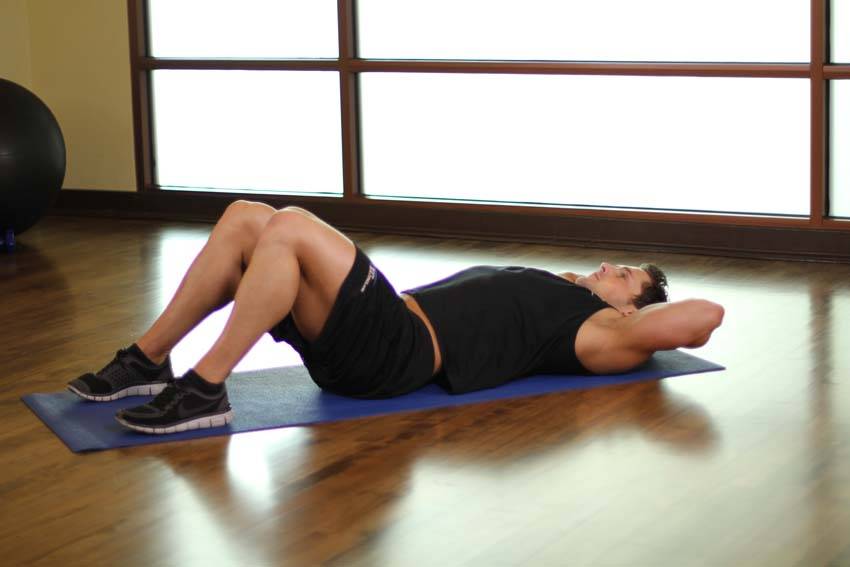
8. One Knee To Chest
75% match- Glutes
- Bodyweight
- Beginner
- Isolation
How to perform this exercise
- Start off by lying on the floor.
- Extend one leg straight and pull the other knee to your chest. Hold under the knee joint to protect the kneecap.
- Gently tug that knee toward your nose.
- Switch sides. This stretches the buttocks and lower back of the bent leg and the hip flexor of the straight leg.
Sets and reps: Hold for 20 to 30 seconds on each side, 3 sets.
Why this matches
- Primary muscle: glutes, not quads
- Equipment: bodyweight only, the same as the On-your-back Quad Stretch
- Body position: lying on your back, the same as the On-your-back Quad Stretch
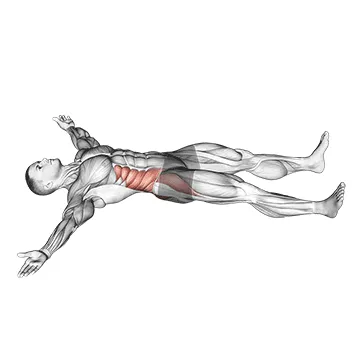
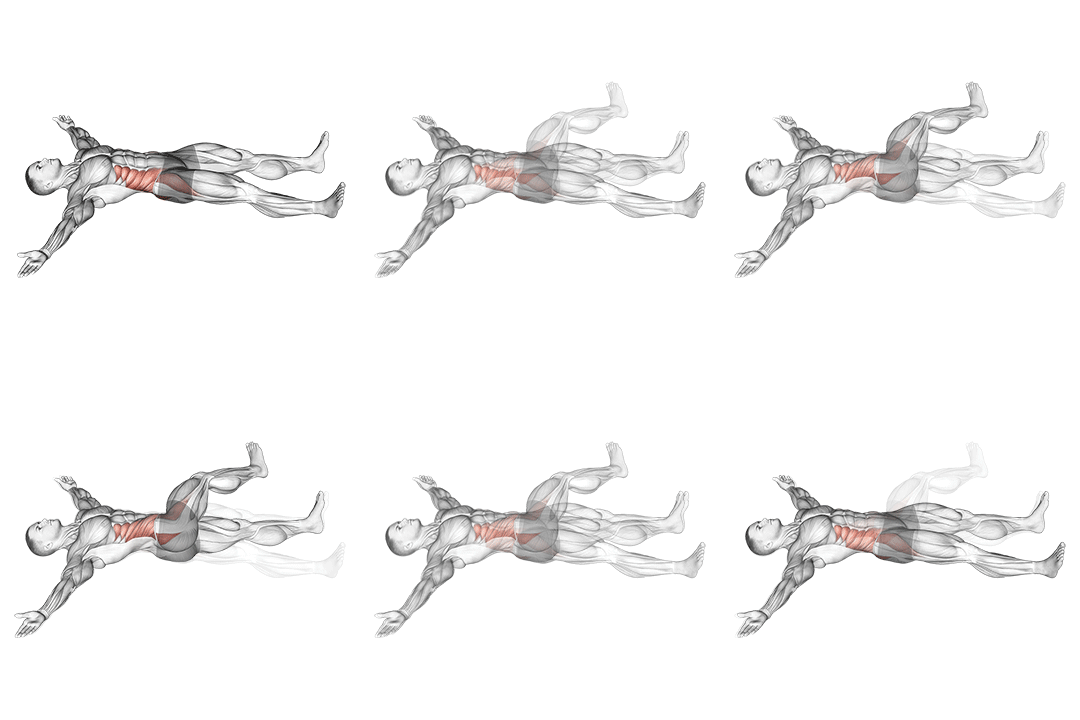
9. Iron Cross Stretch
73% match- Glutes
- Bodyweight
- Beginner
- Isolation
How to perform this exercise
- Lie flat on your back with your arms extended out to the sides.
- Raise your legs up towards the ceiling, keeping them straight.
- Slowly lower your legs to one side, aiming to touch the floor with your feet.
- Hold the stretch for a few seconds, then return your legs to the starting position.
- Repeat the stretch on the other side.
- Continue alternating sides for the desired number of repetitions.
Sets and reps: Hold for 30 to 60 seconds and repeat 2 or 3 times.
Why this matches
- Movement: static stretch, the same as the On-your-back Quad Stretch
- Primary muscle: glutes, not quads
- Equipment: bodyweight only, the same as the On-your-back Quad Stretch
- Body position: lying on your back, the same as the On-your-back Quad Stretch
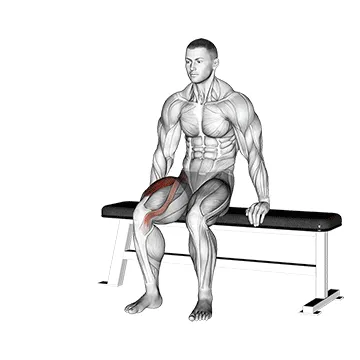
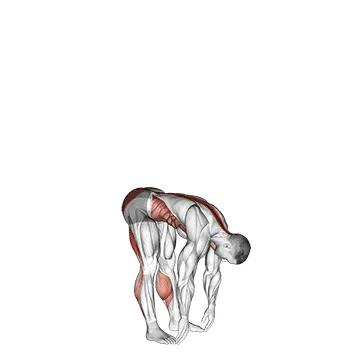
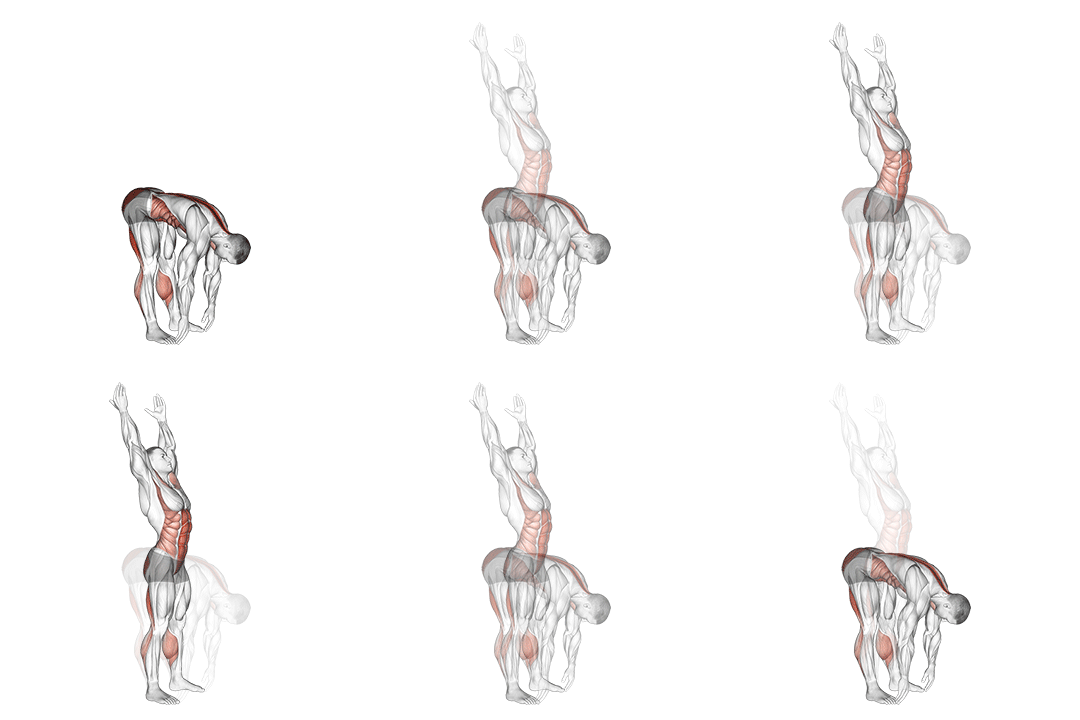
10. Basic Toe Touch
69% match- Glutes
- Bodyweight
- Beginner
- Isolation
How to perform this exercise
- Stand with your feet shoulder-width apart and your arms by your sides.
- Bend forward at the waist, keeping your back straight and your knees slightly bent.
- Reach down towards your toes with your hands, keeping your legs as straight as possible.
- Pause for a moment at the bottom, then slowly return to the starting position.
- Repeat for the desired number of repetitions.
Sets and reps: Hold for 30 to 60 seconds and repeat 2 or 3 times.
Why this matches
- Primary muscle: glutes, not quads
- Equipment: bodyweight only, the same as the On-your-back Quad Stretch
- Body position: standing, not lying on your back
Why You Might Need an On-your-back Quad Stretch Alternative
You might substitute the on-your-back quad stretch for several reasons: low-back pain from lumbar extension, knee sensitivity with hip flexor involvement, pregnancy, lack of space, or simply poor supine mobility. Alternatives let you change pelvis orientation and knee angle to reduce lumbar load while still lengthening the quadriceps (especially the rectus femoris, which crosses both hip and knee). For example, a couch stretch keeps the pelvis more vertical and limits lumbar hyperextension, brace your core and tuck the pelvis slightly to protect the spine while targeting the anterior thigh.
How to Choose the Right On-your-back Quad Stretch Substitute
Select a substitute based on goal, pain patterns, and stability. For passive lengthening choose couch or standing stretches; for myofascial release pick foam-roller or active prone holds; for strengthening through end-range use loaded eccentric lunges. Check biomechanics: avoid lumbar extension by posteriorly tilting the pelvis, and ensure knee tracking is neutral. Use the standing cue, pull heel to glute with knees together and core braced, to assess whether the rectus femoris is being isolated effectively.
On-your-back Quad Stretch FAQ
What muscles does On-your-back Quad Stretch work?
The on-your-back quad stretch primarily lengthens the quadriceps group, notably the rectus femoris which crosses the hip and knee. It can also put tension on hip flexors and the anterior hip capsule if you extend the hip, so expect stretch sensations across the anterior thigh and front of the hip.
Find Alternatives for Any Exercise
Search the exercise database and filter the ranked substitutes by the equipment you own.
Similarity scores compare exercise metadata such as movement pattern, muscles, equipment and body position. They are not a safety rating or a check that you own the equipment. Learn about our methodology