

10 Best Looking At Ceiling Alternatives for Home Workouts
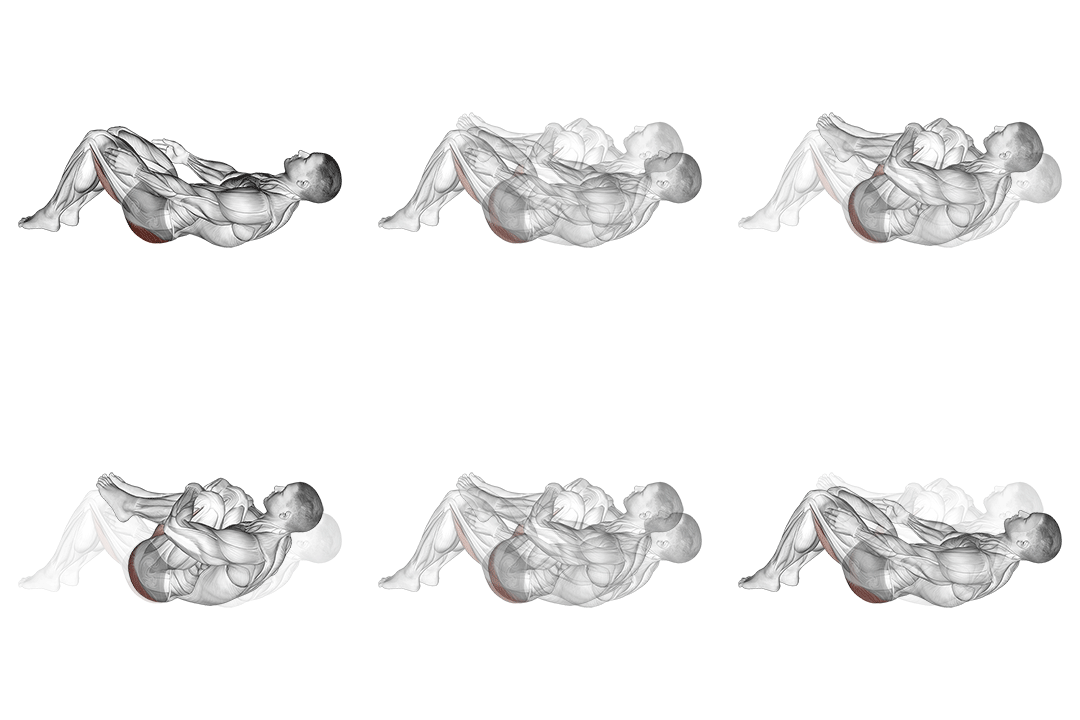
The Looking At Ceiling is done lying on your back. Ranked closest by our scoring: Iron Crosses (Stretch), the All Fours Squad Stretch and the Kneeling Hip Flexor. A harder version, the All Fours Quad Stretch, is listed below as a progression rather than a swap.
Updated Ranked by our 12-factor similarity model How it works
Original Exercise: Looking At Ceiling
- Primary muscle
- Quads
- Equipment
- Bodyweight
- Difficulty
- Beginner
- Type
- Isolation
How to perform Looking At Ceiling
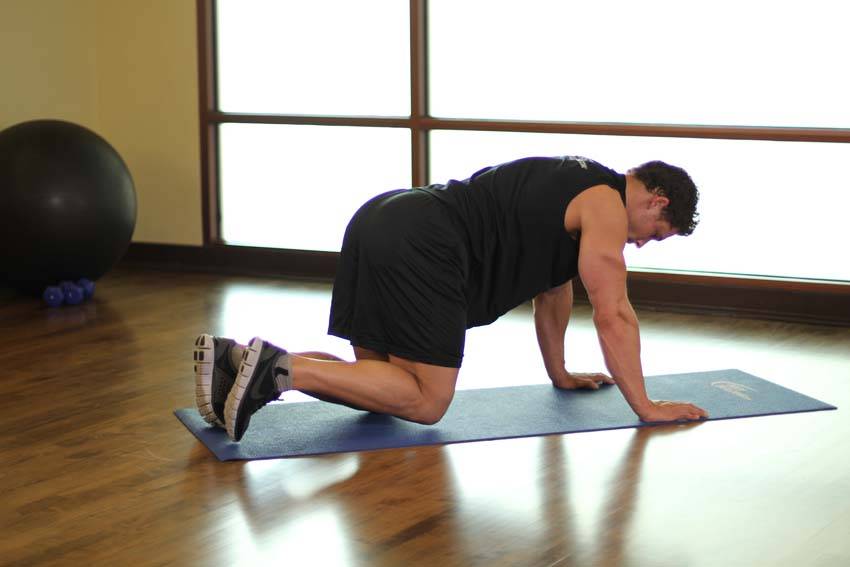
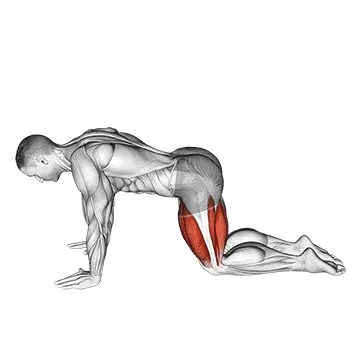
- Kneel on the floor, holding your heels with both hands.
- Lift your buttocks up and forward while bringing your head back to look up at the ceiling, to give an arch in your back.
Ranked Looking At Ceiling Alternatives
10 substitutes, ranked by how closely each one matches the Looking At Ceiling on movement pattern, muscles worked, equipment and body position. The higher the score, the less you change. Open "How to perform this exercise" on a card for the steps; every card title links to that exercise's own alternatives page. Harder versions are tagged as progressions and kept out of the top spot even when they score higher.
Best match 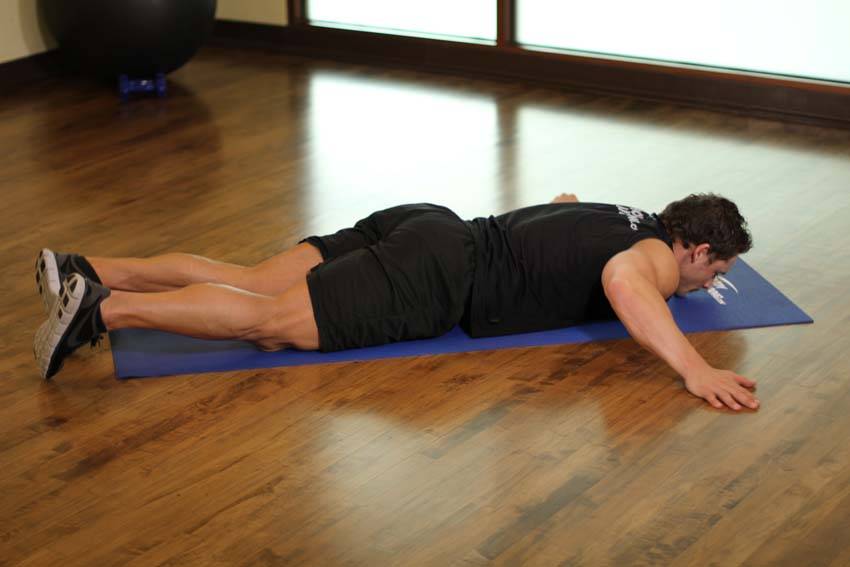
1. Iron Crosses (Stretch)
95% match- Quads
- Other
- Beginner
- Isolation
Pick this when you want a harder version that still works the quads.
How to perform this exercise
- Lie face down on the floor, with your arms extended out to your side, palms pressed to the floor. This will be your starting position.
- To begin, flex one knee and bring that leg across the back of your body, attempting to touch it to the ground near the opposite hand.
- Promptly return the leg to the starting postion, and quickly repeat with the other leg. Continue alternating for 10-20 repetitions.
Sets and reps: Hold for 20 to 30 seconds, 3 sets.
Why this matches
- Primary muscle: quads, the same as the Looking At Ceiling
- Equipment: bodyweight only, the same as the Looking At Ceiling
- Body position: lying on your back, the same as the Looking At Ceiling
Progression
2. All Fours Quad Stretch
91% match- Quads
- Bodyweight
- Beginner
- Isolation
How to perform this exercise
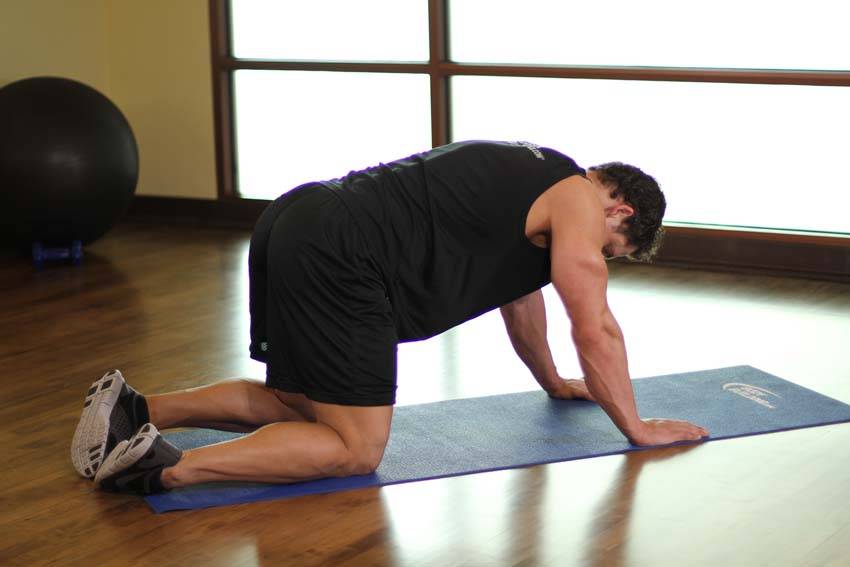
- Start off on your hands and knees, then lift your leg off the floor and hold the foot with your hand.
- Use your hand to hold the foot or ankle, keeping the knee fully flexed, stretching the quadriceps and hip flexors.
- Focus on extending your hips, thrusting them towards the floor. Hold for 10-20 seconds and then switch sides.
Sets and reps: Hold for 20 to 30 seconds, 3 sets.
Why this matches
- Primary muscle: quads, the same as the Looking At Ceiling
- Equipment: bodyweight only, the same as the Looking At Ceiling
- Body position: kneeling, not lying on your back
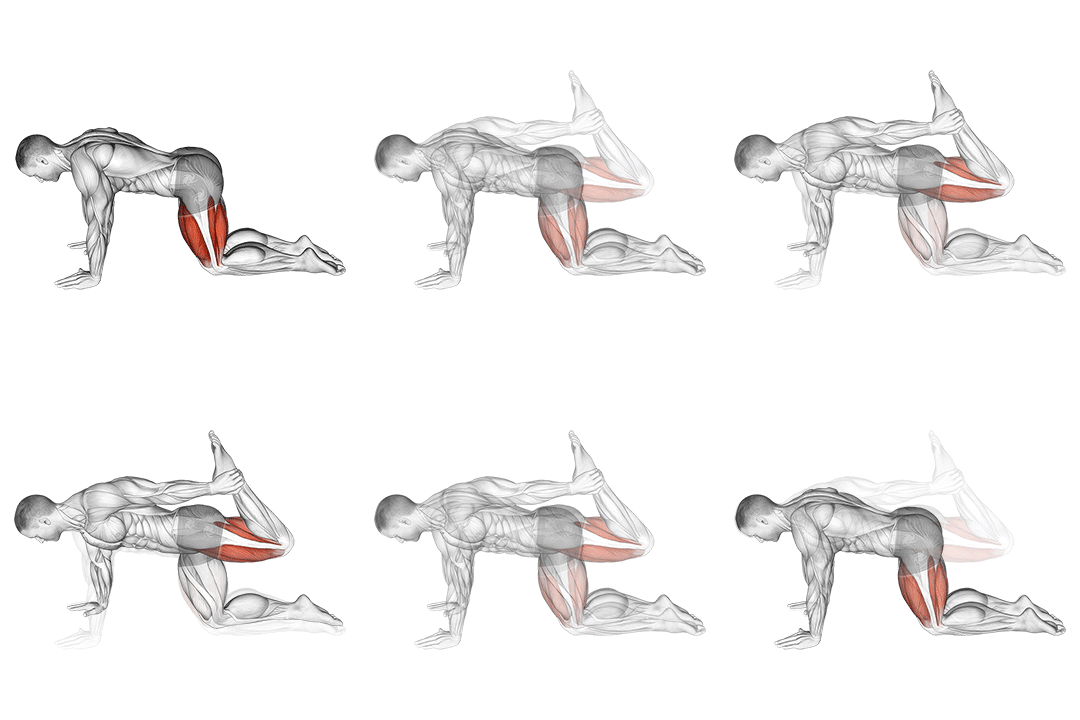
3. All Fours Squad Stretch
91% match- Quads
- Bodyweight
- Beginner
- Isolation
The same equipment, done kneeling instead.
How to perform this exercise
- Start on all fours with your hands directly under your shoulders and your knees directly under your hips.
- Extend one leg straight back, keeping your knee bent and your foot flexed.
- Slowly lower your hips towards the ground, feeling a stretch in your quads.
- Hold this position for 20-30 seconds.
- Switch legs and repeat the stretch on the other side.
Sets and reps: Hold for 20 to 30 seconds, 3 sets.
Why this matches
- Primary muscle: quads, the same as the Looking At Ceiling
- Equipment: bodyweight only, the same as the Looking At Ceiling
- Body position: kneeling, not lying on your back
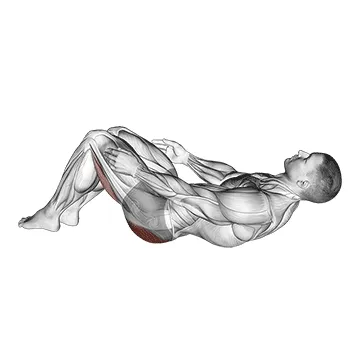
4. Hug Keens To Chest
85% match- Glutes
- Bodyweight
- Beginner
- Isolation
A looser match: it uses the same equipment, but it works the glutes rather than the quads.
How to perform this exercise
- Start by standing with your feet shoulder-width apart.
- Bend your knees and lower your body down into a squat position.
- As you squat down, bring your knees up towards your chest and hug them with your arms.
- Hold this position for a moment, then slowly return to the starting position.
- Repeat for the desired number of repetitions.
Sets and reps: Hold for 30 to 60 seconds and repeat 2 or 3 times.
Why this matches
- Primary muscle: glutes, not quads
- Equipment: bodyweight only, the same as the Looking At Ceiling
- Body position: lying on your back, the same as the Looking At Ceiling
5. Kneeling Hip Flexor
84% match- Quads
- Bodyweight
- Beginner
- Isolation
Pick this when you want to work the quads one side at a time.
How to perform this exercise
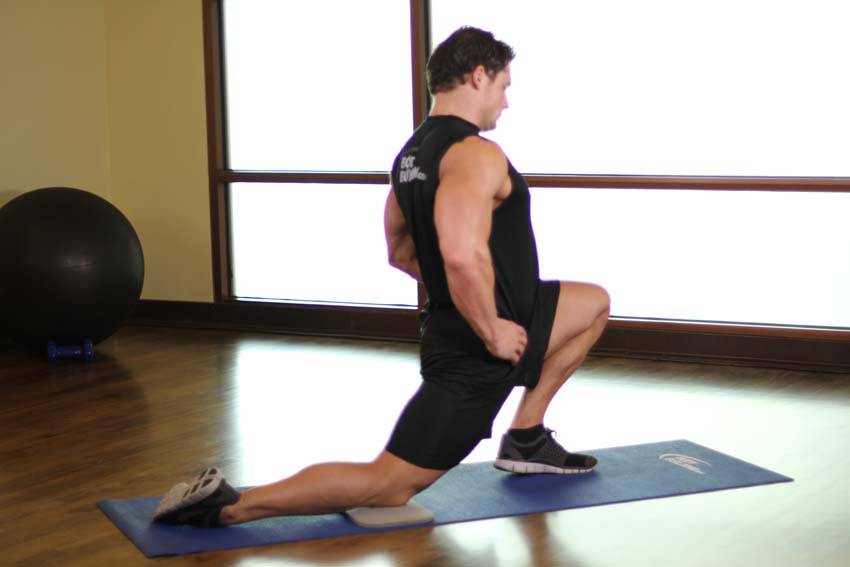
- Kneel on a mat and bring your right knee up so the bottom of your foot is on the floor and extend your left leg out behind you so the top of your foot is on the floor.
- Shift your weight forward until you feel a stretch in your hip. Hold for 15 seconds, then repeat for your other side.
Sets and reps: Hold for 20 to 30 seconds on each side, 3 sets.
Why this matches
- Primary muscle: quads, the same as the Looking At Ceiling
- Equipment: bodyweight only, the same as the Looking At Ceiling
- Body position: kneeling, not lying on your back
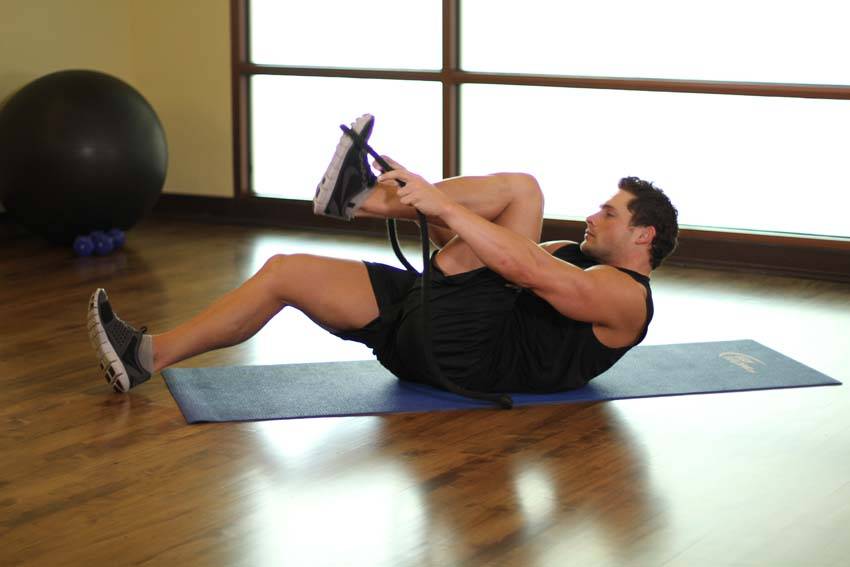
6. Quad Stretch
84% match- Quads
- Other
- Beginner
- Isolation
How to perform this exercise
- Lay on your side. Loop a belt, rope, or band around your top foot. Flex the knee and extend your hip, attempting to touch your glutes with your foot, and holding the belt with your hands. This will be your starting position.
- With the belt being held over the shoulder or overhead, gently pull to increase the stretch in the quadriceps. Hold for 10-20 seconds, and then switch sides.
Sets and reps: Hold for 20 to 30 seconds on each side, 3 sets.
Why this matches
- Primary muscle: quads, the same as the Looking At Ceiling
- Equipment: bodyweight only, the same as the Looking At Ceiling
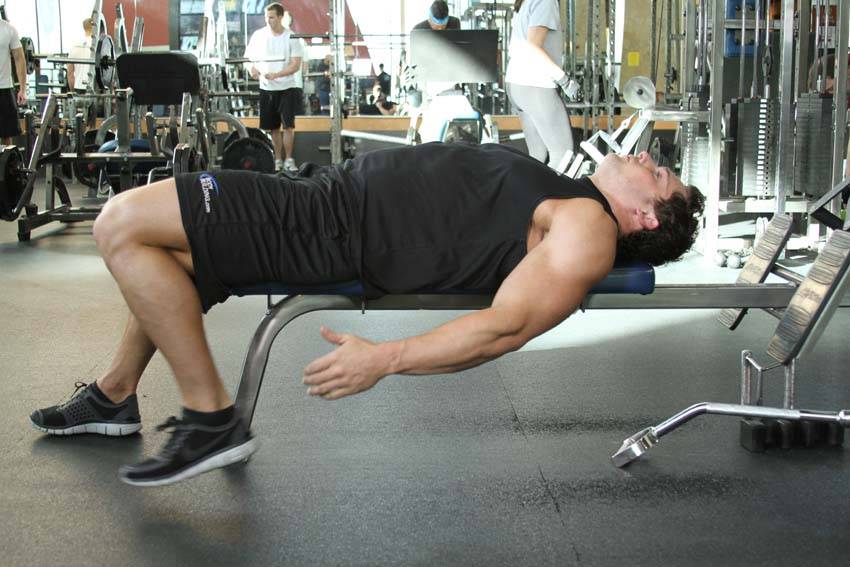
7. On-your-back Quad Stretch
83% match- Quads
- Other
- Beginner
- Isolation
How to perform this exercise
- Lie on a flat bench or step, and hang one leg and arm over the side.
- Bend the knee and hold the top of the foot. As you do this, be careful not to arch your lower back.
- Pull the belly button to the spine to stay in neutral. Press your foot down and into your hand. To add the hip stretch, lift the hip of the leg you're holding up toward the ceiling.
- Switch sides.
Sets and reps: Hold for 30 to 60 seconds and repeat 2 or 3 times.
Why this matches
- Primary muscle: quads, the same as the Looking At Ceiling
- Equipment: bodyweight only, the same as the Looking At Ceiling
- Body position: lying on your back, the same as the Looking At Ceiling
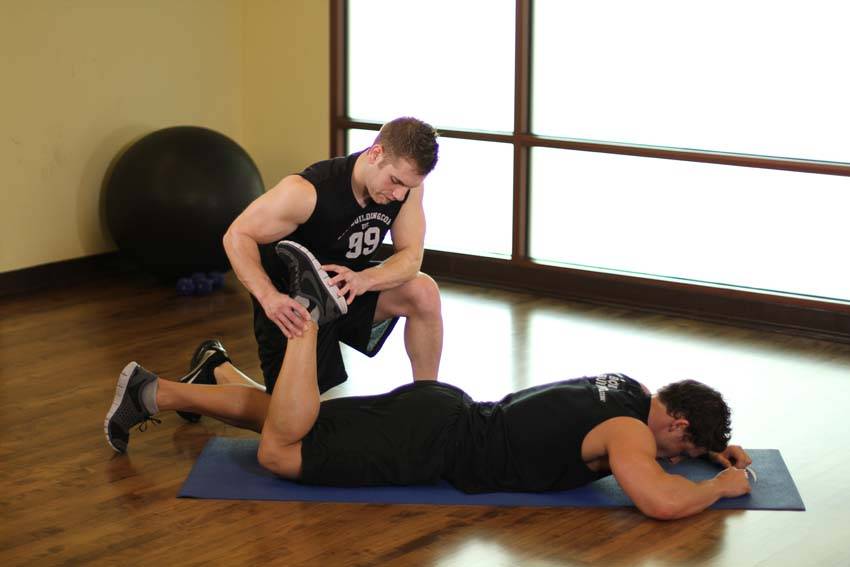
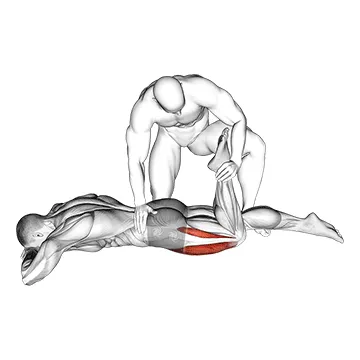
8. Lying Prone Quadriceps
81% match- Quads
- Bodyweight
- Beginner
- Isolation
How to perform this exercise
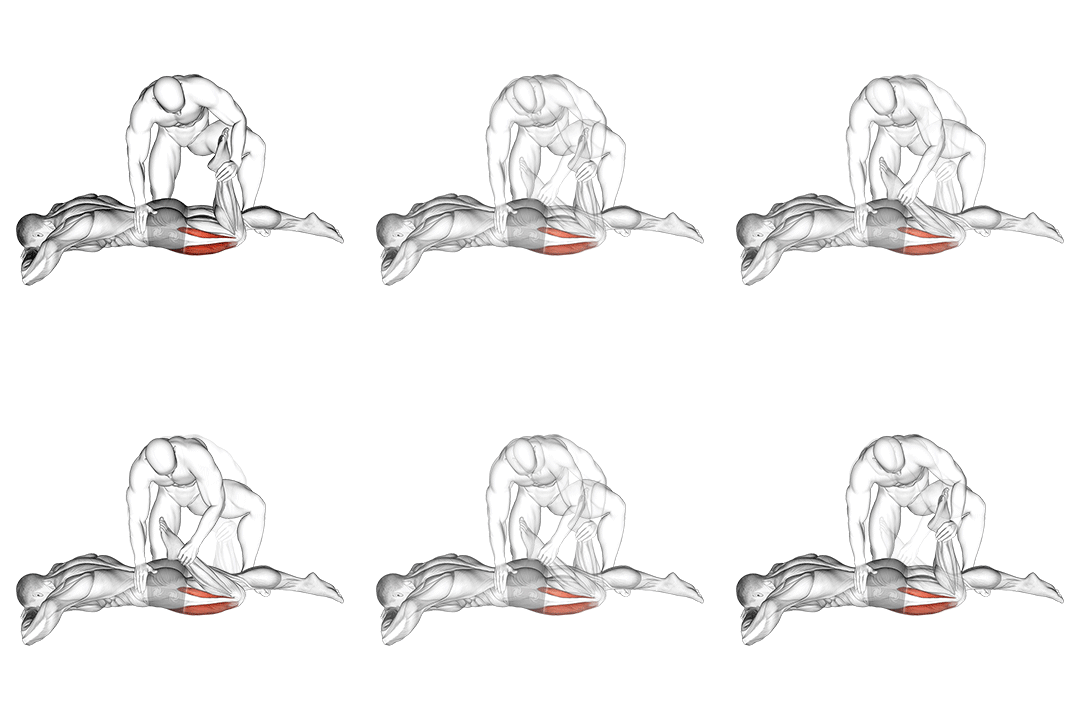
- Lay face down on the floor with your partner kneeling beside you. Flex one knee and raise that leg off the ground, attempting to touch your glutes with your foot. Your partner should hold the knee and ankle. This will be your starting position.
- Attempt to extend your knee while your partner prevents any actual movement.
- After 10-20 seconds, relax your muscles as your partner gently pushes the foot towards your glutes, further stretching the quadriceps and hip flexors.
- After 10-20 seconds, switch sides.
Sets and reps: Hold for 30 to 60 seconds and repeat 2 or 3 times.
Why this matches
- Primary muscle: quads, the same as the Looking At Ceiling
- Equipment: bodyweight only, the same as the Looking At Ceiling
- Body position: lying face down, not lying on your back
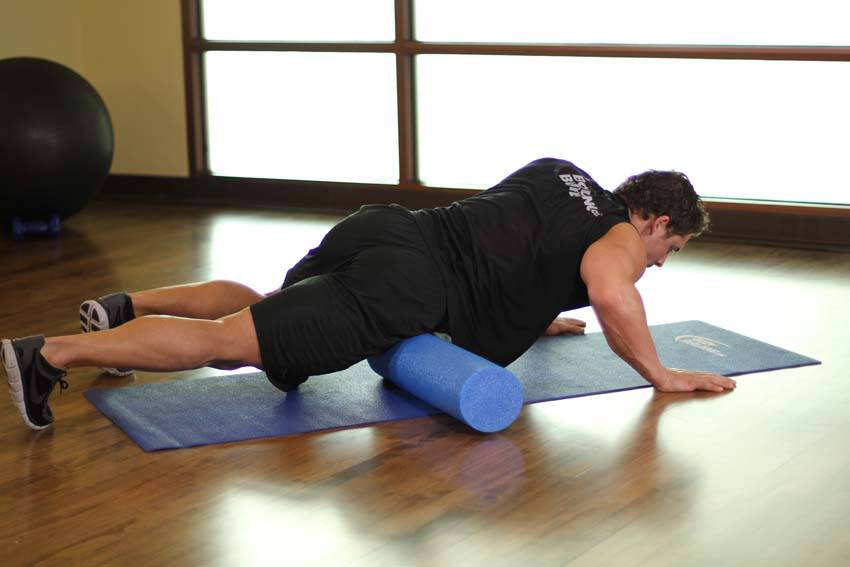
9. Quadriceps-smr
81% match- Quads
- Foam-roll
- Beginner
- Isolation
How to perform this exercise
- Lay facedown on the floor with your weight supported by your hands or forearms. Place a foam roll underneath one leg on the quadriceps, and keep the foot off of the ground. Make sure to relax the leg as much as possible. This will be your starting position.
- Shifting as much weight onto the leg to be stretched as is tolerable, roll over the foam from above the knee to below the hip, holding points of tension for 10-30 seconds. Switch sides.
Sets and reps: Hold for 30 to 60 seconds and repeat 2 or 3 times.
Why this matches
- Primary muscle: quads, the same as the Looking At Ceiling
- Equipment: bodyweight only, the same as the Looking At Ceiling
- Body position: lying face down, not lying on your back
- Quads
- Other
- Beginner
- Isolation
How to perform this exercise
- Lie face down on the ground with your legs extended.
- Bend your left knee and reach back with your left hand to grab your left foot or ankle.
- Gently pull your left foot towards your glutes, feeling a stretch in your left quad.
- Hold the stretch for 20-30 seconds, then release.
- Repeat with your right leg.
Sets and reps: Hold for 30 to 60 seconds and repeat 2 or 3 times.
Why this matches
- Primary muscle: quads, the same as the Looking At Ceiling
- Equipment: bodyweight only, the same as the Looking At Ceiling
- Body position: lying face down, not lying on your back
Why You Might Need a Looking At Ceiling Alternative
You may need a substitute because of knee pain, limited mobility, or no safe position to perform Looking At Ceiling. Many people feel anterior knee stress or lack hip flexion, which alters quad loading and increases joint compression. Substitutes let you control range of motion, reduce shear by limiting knee depth, or shift to unilateral patterns to correct imbalances. For rehab, choose exercises that emphasize eccentric control and keep the tibia more vertical to reduce joint shear. Always cue slow, controlled descents and maintain tibial alignment to target rectus femoris and the vasti without aggravating the knee.
How to Choose the Right Looking At Ceiling Substitute
Select a substitute based on pain response, equipment, and training goal. If you have knee pain, pick a partial-range or isometric option (wall sits or seated extensions) to limit patellofemoral stress; keep knees aligned over toes. For strength or hypertrophy, use unilateral moves (step-ups) to increase time under tension and force output. Consider movement plane, range of motion, and ability to perform controlled eccentrics. Progress by increasing reps, range, or tempo while monitoring quad activation, feel the mid-thigh contract and cue a slow 3-4 second lowering phase to maximize muscle work.
Looking At Ceiling FAQ
What muscles does Looking At Ceiling work?
Looking At Ceiling primarily targets the quadriceps, rectus femoris and the three vasti, through knee extension. It also engages the hip flexors isometrically when your torso position requires hip stability and activates the core to maintain posture.
What is the best bodyweight alternative to Looking At Ceiling?
A controlled wall sit is the best bodyweight alternative for isolating the quads while minimizing knee shear; sit with hips roughly parallel to knees and weight on the midfoot. Cue a neutral spine and knees tracking over toes to maximize quad tension without excessive joint compression.
Find Alternatives for Any Exercise
Search the exercise database and filter the ranked substitutes by the equipment you own.
Similarity scores compare exercise metadata such as movement pattern, muscles, equipment and body position. They are not a safety rating or a check that you own the equipment. Learn about our methodology