

10 Best Pelvic Tilt Into Bridge Alternatives for Home Workouts
What can I do instead of Pelvic Tilt Into Bridge? Use glute bridge variations, single-leg bridges, bodyweight hip thrusts, reverse planks, or quadruped hip extensions. Focus on driving through the heel and squeezing the glutes at the top to create true hip extension and protect the lumbar spine.
Original Exercise: Pelvic Tilt Into Bridge
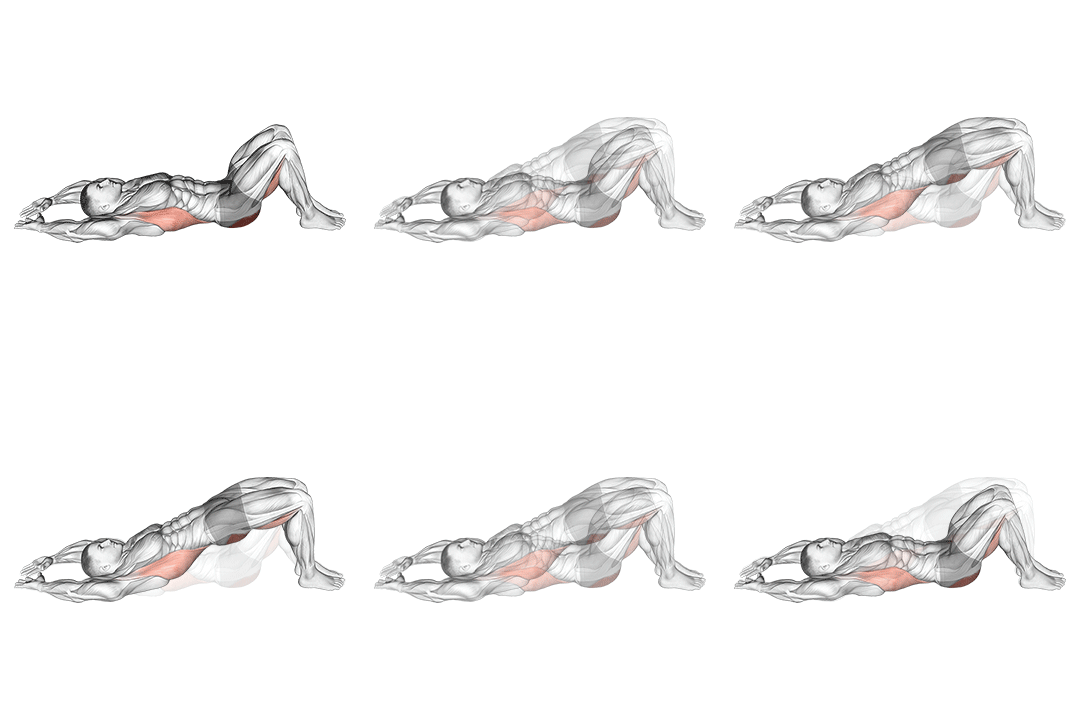
How to Perform Pelvic Tilt Into Bridge
- Lie on your back with your knees bent and feet flat on the ground.
- Place your arms by your sides with your palms facing down.
- Engage your glutes and core muscles.
- Tilt your pelvis upward, lifting your hips off the ground.
- Hold the bridge position for a few seconds.
- Slowly lower your hips back down to the starting position.
- Repeat for the desired number of repetitions.
Best Pelvic Tilt Into Bridge Alternatives
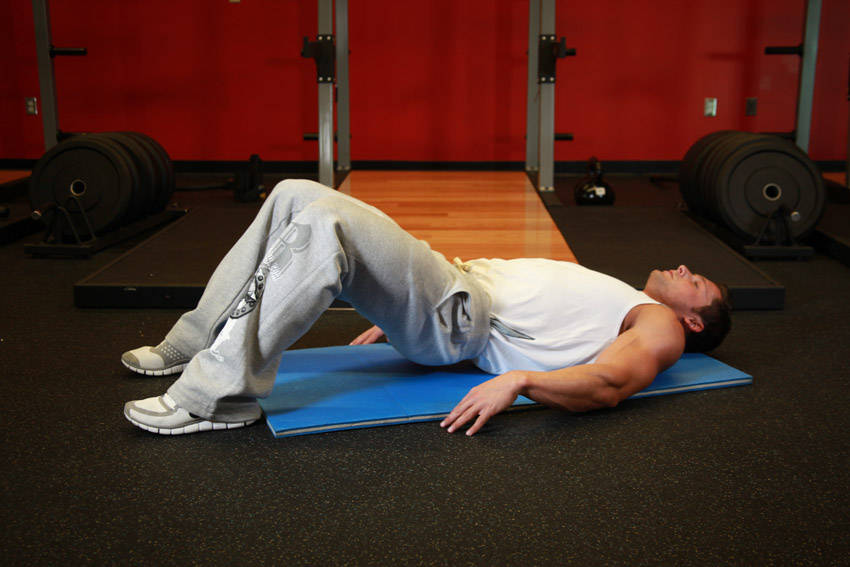
1. Butt Lift (Bridge)
95.4% MatchHow to perform this exercise
- Lie flat on the floor on your back with the hands by your side and your knees bent. Your feet should be placed around shoulder width. This will be your starting position.
- Pushing mainly with your heels, lift your hips off the floor while keeping your back straight. Breathe out as you perform this part of the motion and hold at the top for a second.
- Slowly go back to the starting position as you breathe in.
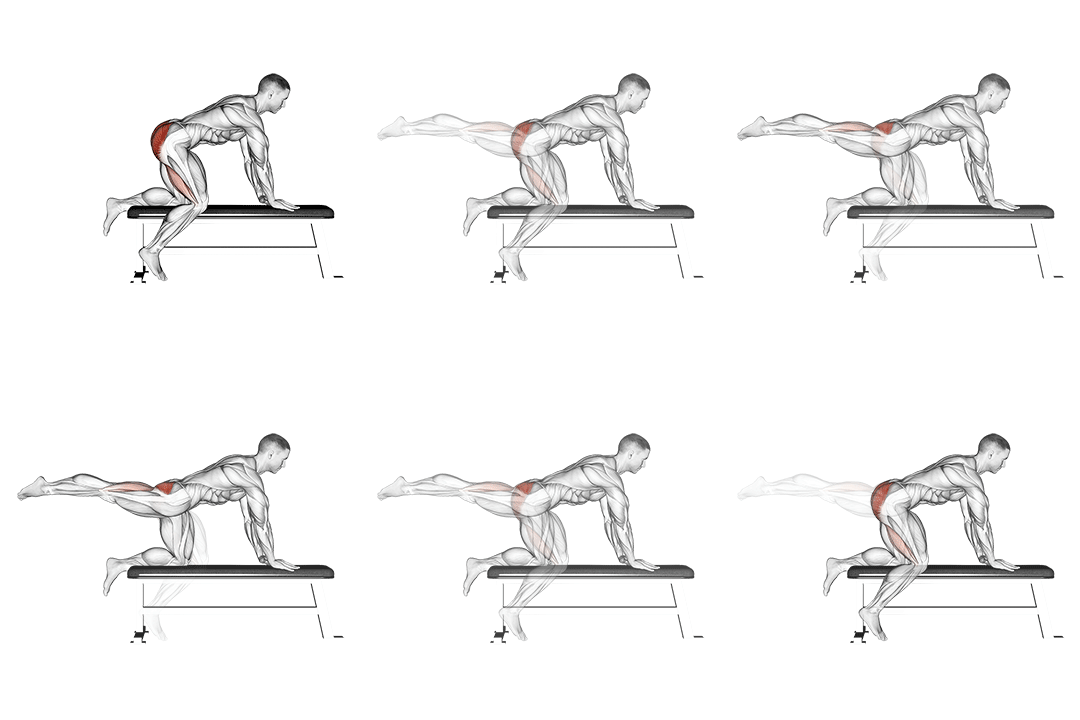
2. Bench Hip Extension
95.4% MatchHow to perform this exercise
- Sit on a bench with your back against the bench and your feet flat on the ground.
- Place your hands on the bench for support.
- Engage your glutes and hamstrings, then lift your hips off the bench until your body forms a straight line from your knees to your shoulders.
- Pause for a moment at the top, then slowly lower your hips back down to the starting position.
- Repeat for the desired number of repetitions.
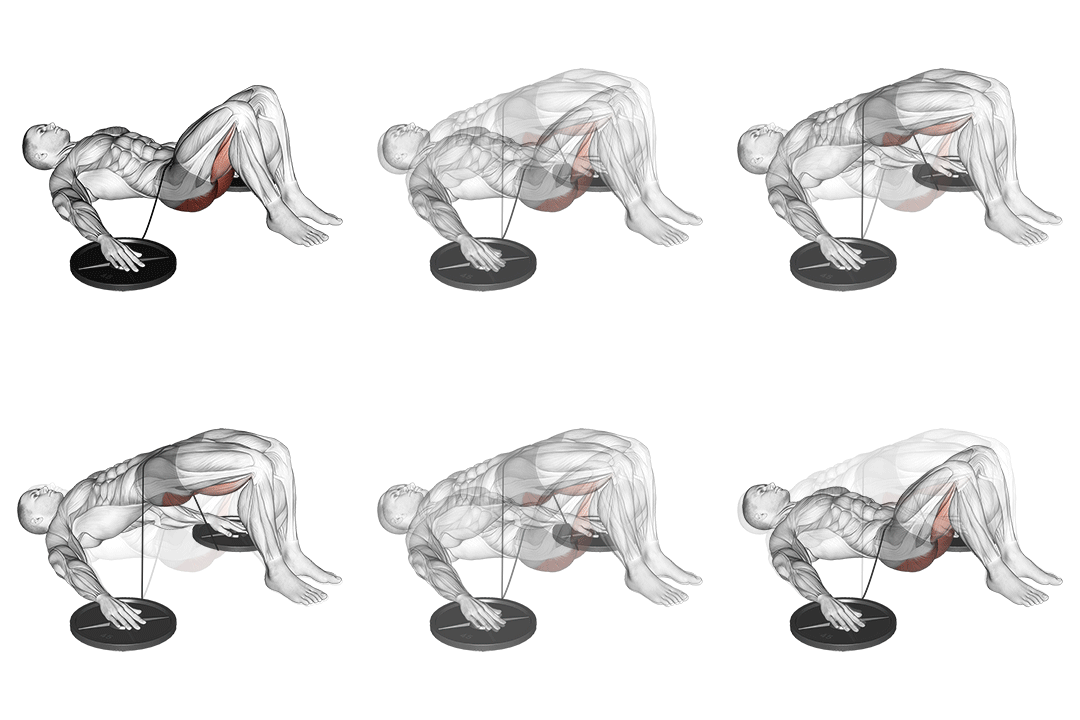
3. Band Hip Lift
84.1% MatchHow to perform this exercise
- Lie on your back with your knees bent and feet flat on the ground.
- Place a resistance band just above your knees.
- Engage your glutes and core muscles.
- Press your heels into the ground and lift your hips off the floor, squeezing your glutes at the top.
- Pause for a moment at the top, then slowly lower your hips back down to the starting position.
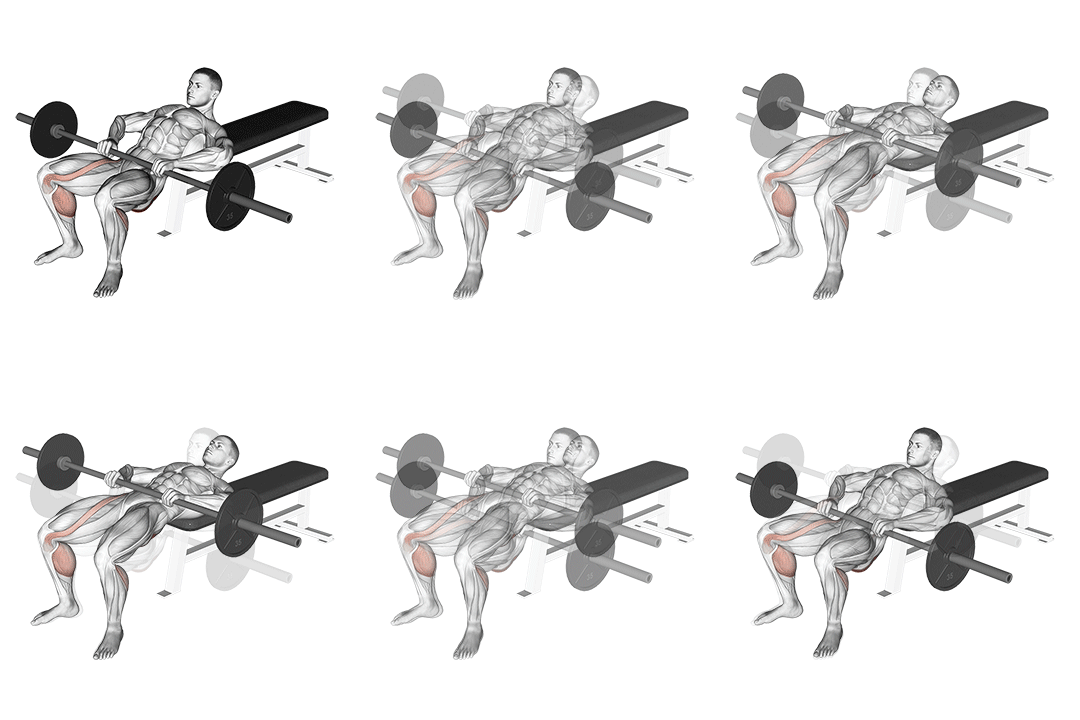
4. Barbell Lying Lifting (on Hip)
78.8% MatchHow to perform this exercise
- Lie flat on your back on a bench with your feet flat on the ground and your knees bent.
- Hold the barbell with an overhand grip and position it on your hips.
- Engaging your glutes, lift your hips off the bench until your body forms a straight line from your knees to your shoulders.
- Pause for a moment at the top, then slowly lower your hips back down to the starting position.
- Repeat for the desired number of repetitions.
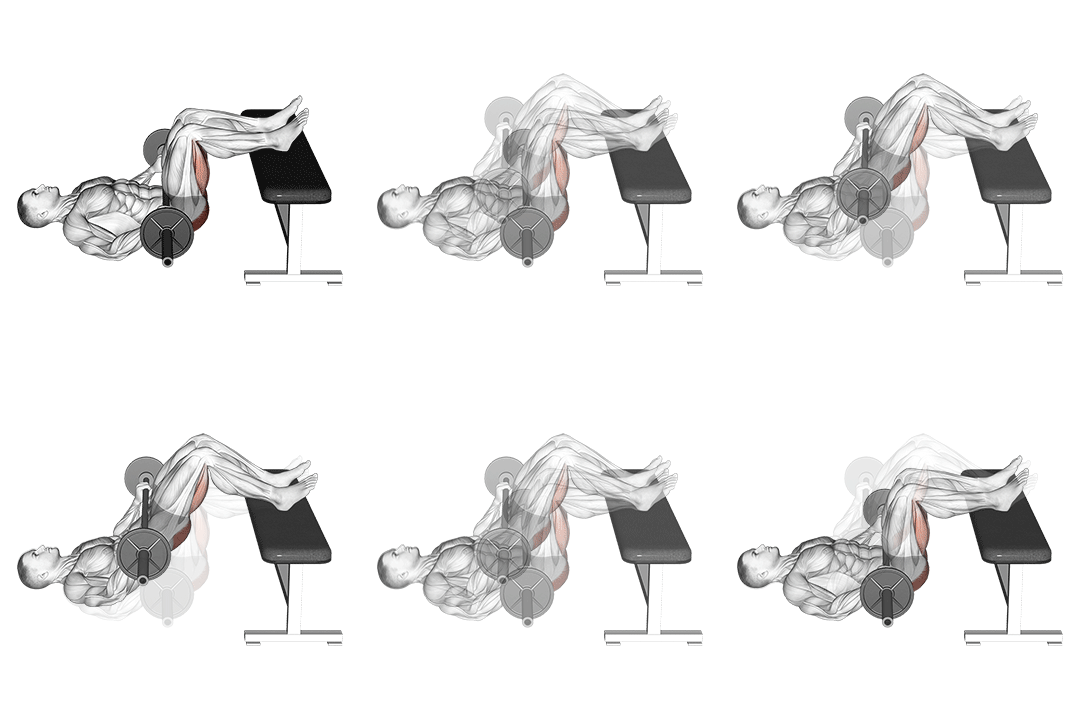
5. Barbell Glute Bridge Two Legs On Bench (male)
78.8% MatchHow to perform this exercise
- Start by sitting on the edge of a bench with your upper back resting against it and your feet flat on the ground, hip-width apart.
- Place a barbell across your hips, holding it securely with both hands.
- Engage your glutes and core muscles, then press through your heels to lift your hips off the bench, creating a straight line from your knees to your shoulders.
- Pause for a moment at the top, squeezing your glutes.
- Slowly lower your hips back down to the starting position.
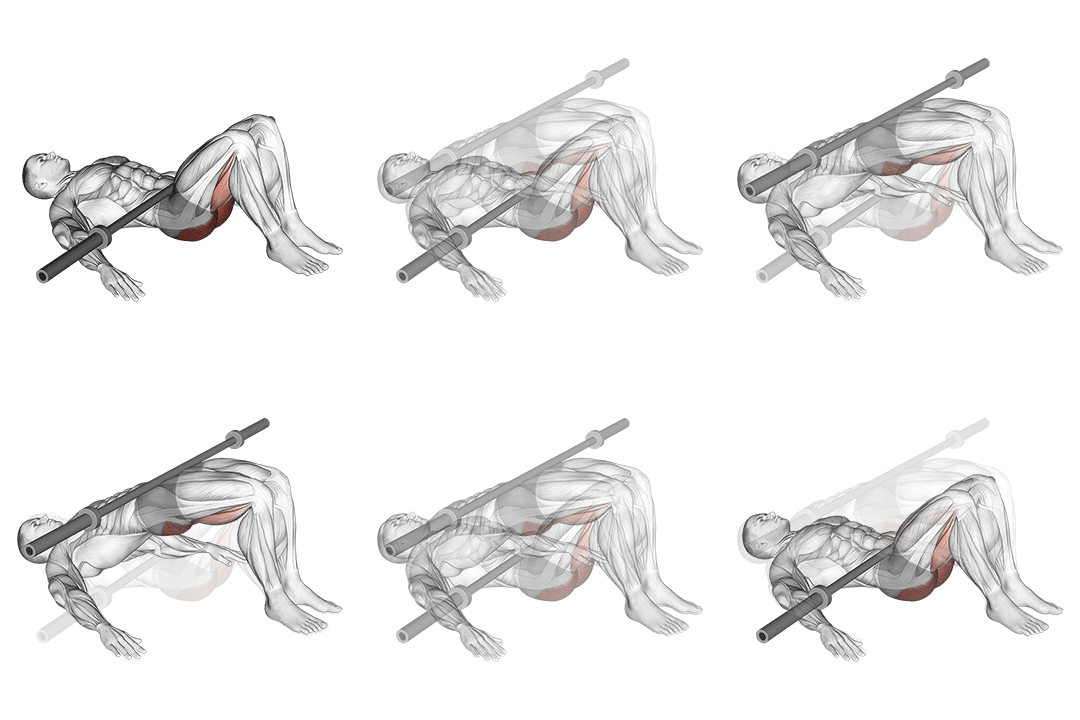
6. Barbell Glute Bridge
78% MatchHow to perform this exercise
- Start by lying flat on your back on the ground with your knees bent and feet flat on the floor.
- Place a barbell across your hips, holding it securely with both hands.
- Engage your glutes and core muscles, then lift your hips off the ground until your body forms a straight line from your knees to your shoulders.
- Pause for a moment at the top, squeezing your glutes.
- Slowly lower your hips back down to the starting position.
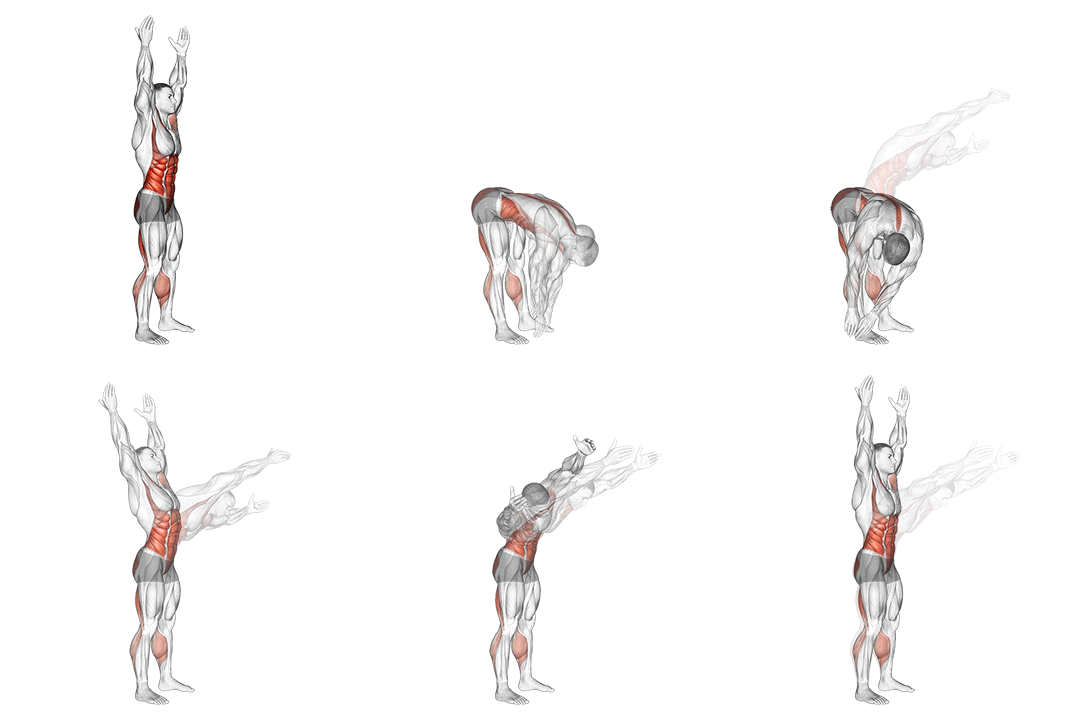
7. Arms Apart Circular Toe Touch (male)
72.4% MatchHow to perform this exercise
- Stand with your feet shoulder-width apart and arms extended to the sides.
- Keeping your legs straight, bend forward at the waist and reach down towards your toes with your right hand.
- As you reach down, simultaneously lift your left leg straight up behind you, maintaining balance.
- Return to the starting position and repeat the movement with your left hand reaching towards your toes and your right leg lifting up behind you.
- Continue alternating sides for the desired number of repetitions.
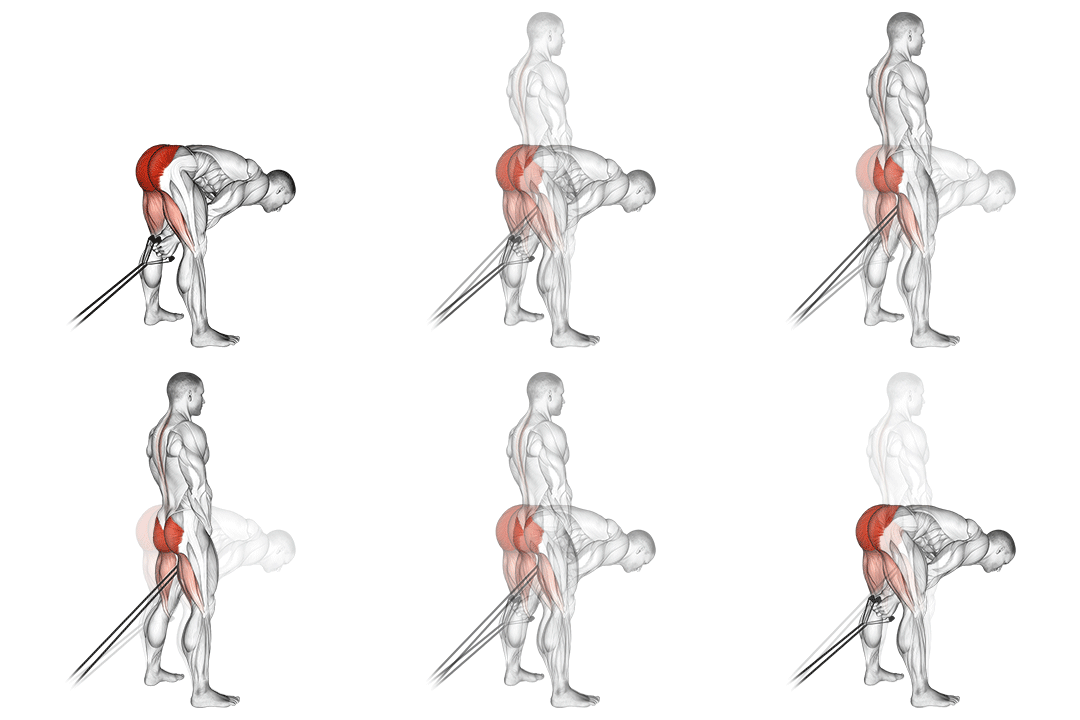
8. Band Pull Through
69.2% MatchHow to perform this exercise
- Attach a resistance band to a sturdy anchor point at ground level.
- Stand facing away from the anchor point with your feet shoulder-width apart.
- Step forward to create tension in the band, keeping your knees slightly bent.
- Hinge at the hips and push your glutes back, maintaining a slight bend in your knees.
- Lower your torso until it is parallel to the ground, feeling a stretch in your hamstrings.
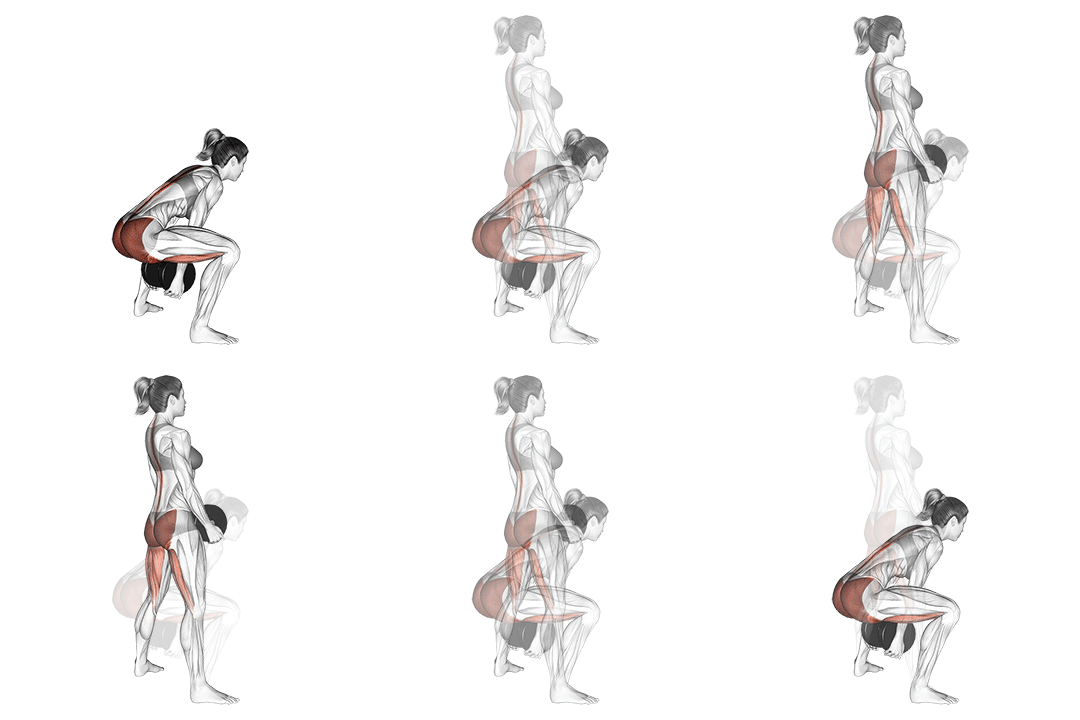
9. Dumbbell Sumo Pull Through
68.4% MatchHow to perform this exercise
- Stand with your feet wider than shoulder-width apart, toes pointed outwards.
- Hold a dumbbell with both hands in front of your body, arms extended.
- Bend your knees and lower your hips down into a squat position, keeping your back straight.
- Lower the dumbbell down between your legs, keeping your arms straight.
- Drive through your heels and extend your hips forward, pulling the dumbbell up and in front of your body.
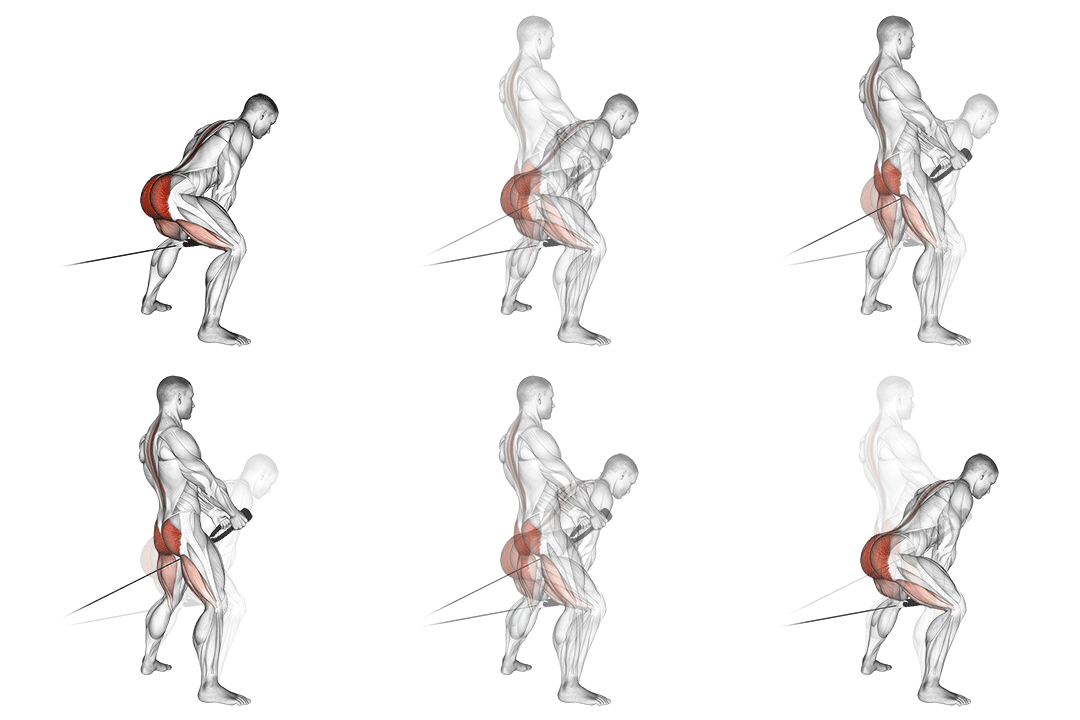
10. Cable Pull Through (with Rope)
66.6% MatchHow to perform this exercise
- Stand facing away from the cable machine with your feet shoulder-width apart.
- Grab the rope attachment with both hands and step forward, creating tension in the cable.
- Bend at the hips and lower your upper body until it is parallel to the ground, keeping your back straight.
- Engage your glutes and hamstrings to pull your body back up to the starting position.
- Repeat for the desired number of repetitions.
Why You Might Need a Pelvic Tilt Into Bridge Alternative
You might substitute Pelvic Tilt Into Bridge for pain, mobility limits, pregnancy, or to progress strength. Lower-back discomfort often results when people overextend the lumbar spine instead of using hip extension, so you may need an option that reduces lumbar load. You may also lack a flat surface or want unilateral work to fix glute imbalance. Choose a variant that shifts activation toward the gluteus maximus and hamstrings while keeping a neutral spine. Cue: tuck the pelvis slightly and drive the hips up by squeezing the glutes rather than thrusting with the lower back.
How to Choose the Right Substitute
Select a substitute based on your goal, joint tolerance, and available equipment. For posterior chain strength choose hip-dominant moves (glute bridges, hip thrusts) that emphasize hip extension and glute max activation; cue: press through the heel and squeeze the glutes at the top. For rehab or pain, pick low-range, slow tempo options (pelvic tilts, reverse plank) to minimize lumbar shear. For unilateral strength and balance use single-leg bridges to increase glute activation per side. Always test a low-volume set and monitor hip rise, knee alignment, and whether you feel the glutes working instead of the low back.
Frequently Asked Questions
What muscles does Pelvic Tilt Into Bridge work?
Pelvic Tilt Into Bridge primarily targets the gluteus maximus, with secondary activation of the hamstrings, adductors, and erector spinae. The core (especially the transverse abdominis) stabilizes the pelvis during hip extension when you tuck the pelvis and drive from the heels.
What is the best bodyweight alternative to Pelvic Tilt Into Bridge?
The single-leg glute bridge is the best bodyweight alternative for most people because it increases glute max activation and strengthens each side independently. Cue: press through the heel, keep the hips level, and squeeze the glute hard at the top to emphasize hip extension.
Can I build muscle without doing Pelvic Tilt Into Bridge?
Yes. You can build glute and upper-leg muscle with other hip-extension movements like single-leg bridges, bodyweight hip thrusts, and weighted progressions. Use progressive overload (more reps, slower tempo, unilateral challenges) and focus on full hip extension and maximal glute contraction.
More Exercise Alternatives
Find Alternatives for Any Exercise
Use our free tool to discover the best substitute exercises based on your available equipment and goals.
Try the Exercise Substitution Finder →