

10 Best Barbell Rear Lunge Alternatives for Glute Strength
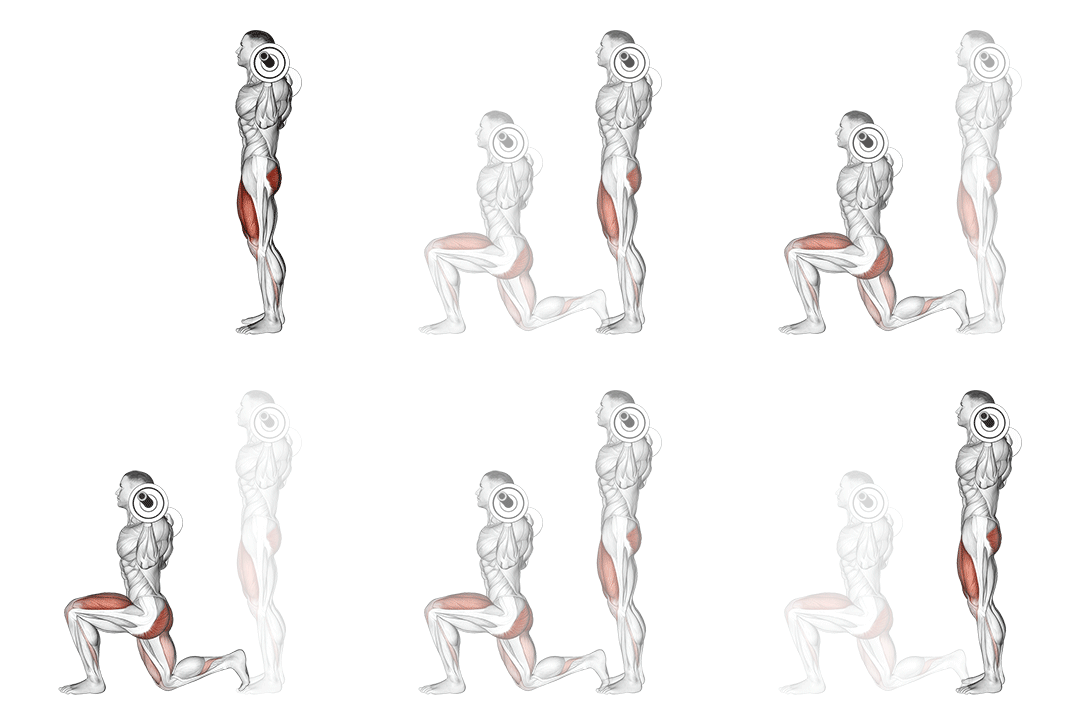
The Barbell Rear Lunge is done standing with a barbell. Ranked closest by our scoring: the Barbell Lateral Lunge, the Barbell Step-up and the Dumbbell Rear Lunge. A harder version, the Barbell Single Leg Split Squat, is listed below as a progression rather than a swap.
Whether the problem is the bar, the rack or the step back itself, the Barbell Rear Lunge is off the table for now, and each swap below drops a different one of those. The Barbell Lateral Lunge keeps the same bar across your back, but sends the step sideways instead of back. With no barbell at all, the Crossover Reverse Lunge trains the same glutes with bodyweight alone.
Updated Ranked by our 12-factor similarity model How it works
Original Exercise: Barbell Rear Lunge
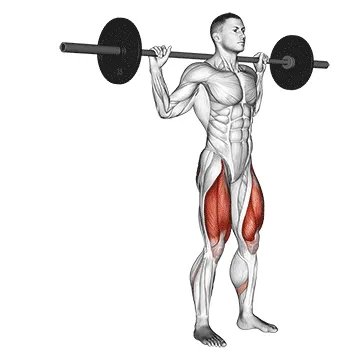
- Primary muscle
- Glutes
- Equipment
- Barbell
- Difficulty
- Intermediate
- Type
- Compound
Secondary muscles: Quadriceps, Hamstrings, Calves
How to perform Barbell Rear Lunge
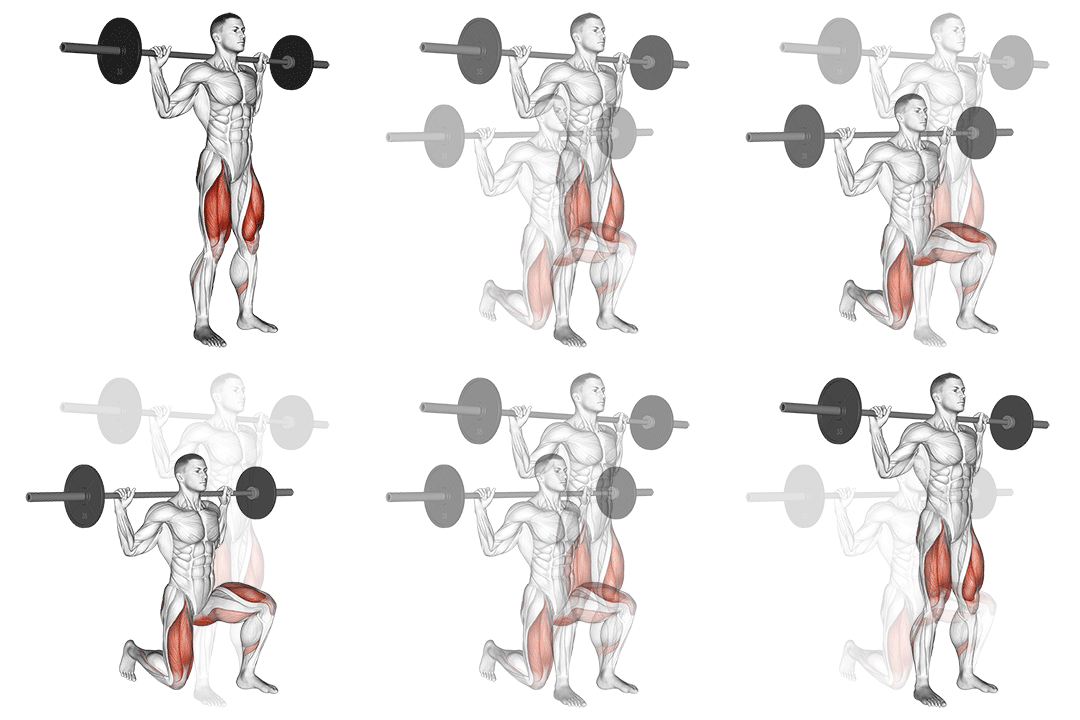
- Start by standing with your feet shoulder-width apart and a barbell resting on your upper back.
- Take a step backward with your right foot, landing on the ball of your foot.
- Bend both knees to lower your body until your left thigh is parallel to the ground.
- Push through your left heel to return to the starting position.
- Repeat with the other leg.
Ranked Barbell Rear Lunge Alternatives
10 substitutes, ranked by how closely each one matches the Barbell Rear Lunge on movement pattern, muscles worked, equipment and body position. The higher the score, the less you change. Open "How to perform this exercise" on a card for the steps; every card title links to that exercise's own alternatives page. Harder versions are tagged as progressions and kept out of the top spot even when they score higher.
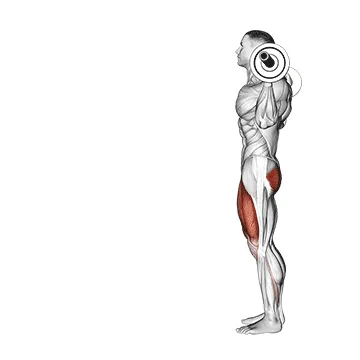
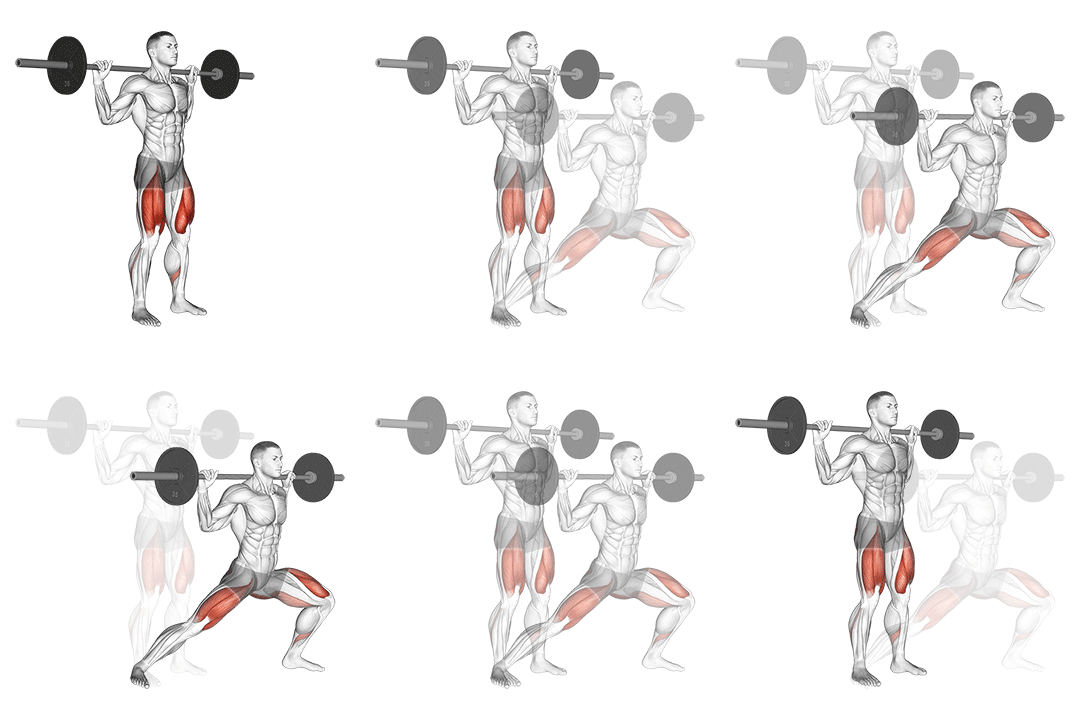
Best match 1. Barbell Lateral Lunge
85% match- Glutes
- Barbell
- Intermediate
- Compound
It uses the same equipment and still works the glutes.
How to perform this exercise
- Stand with your feet shoulder-width apart, holding a barbell across your upper back.
- Take a big step to the side with your right foot, keeping your left foot planted.
- Bend your right knee and lower your body down into a lunge position, keeping your left leg straight.
- Push off with your right foot and return to the starting position.
- Repeat on the other side, stepping with your left foot.
Sets and reps: 3 or 4 sets of 6 to 10 reps on each side.
Why this matches
- Primary muscle: glutes, the same as the Barbell Rear Lunge
- Equipment: free weights, the same as the Barbell Rear Lunge
- Body position: standing, the same as the Barbell Rear Lunge
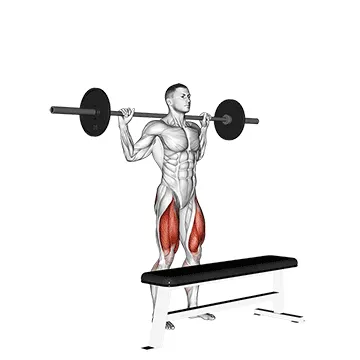
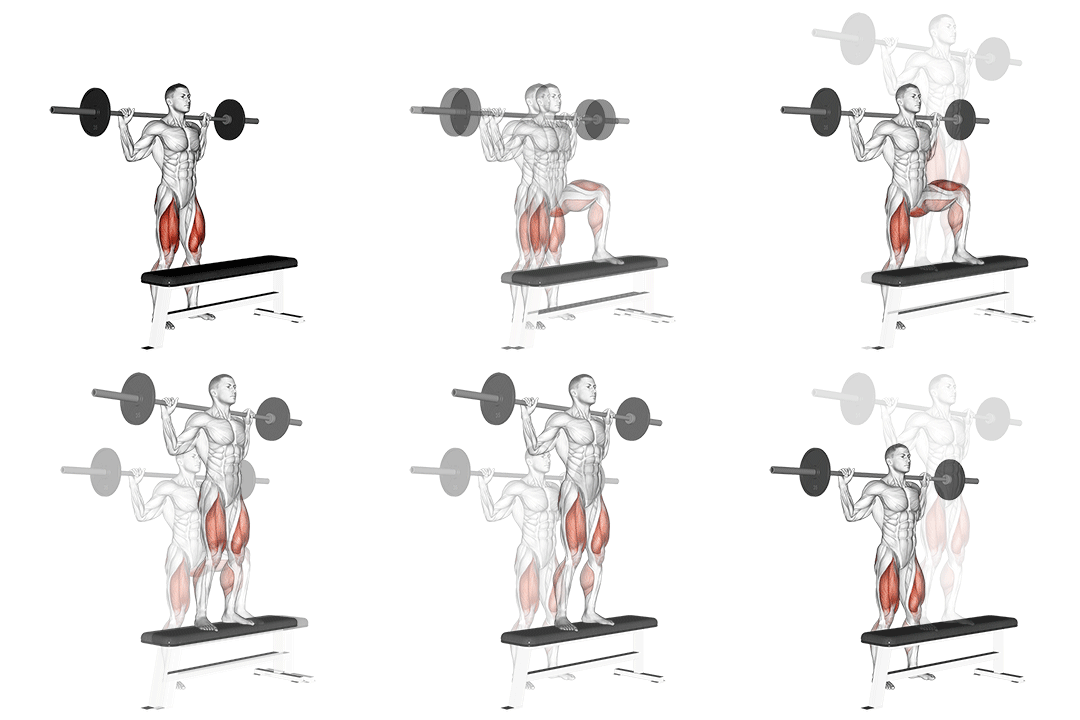
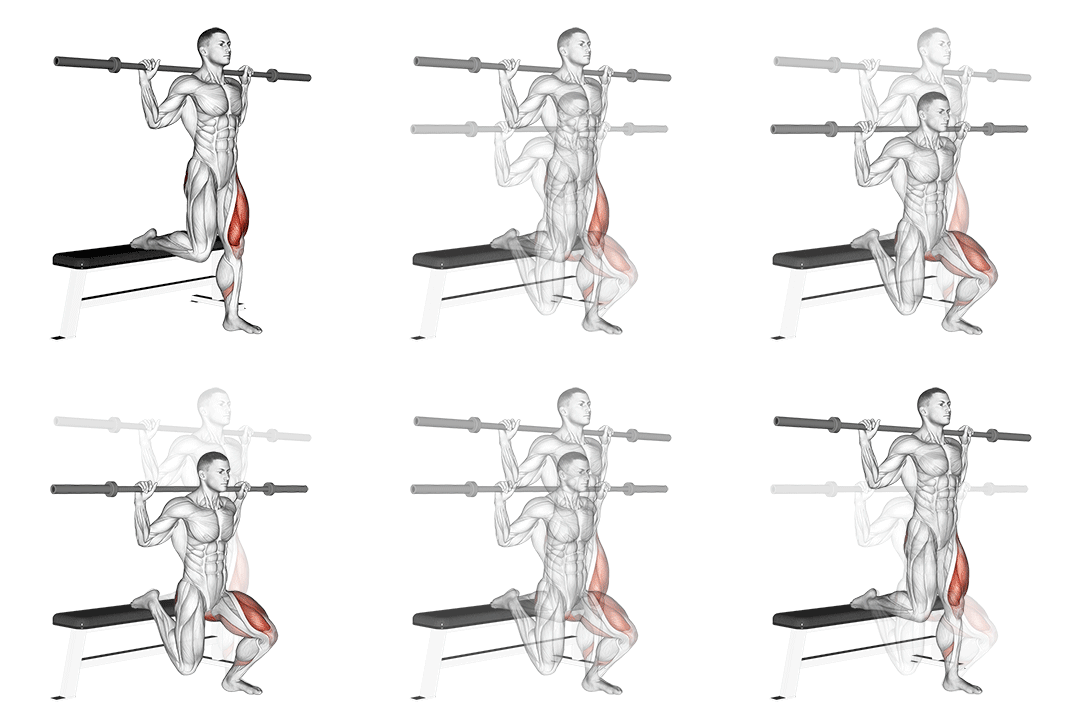
2. Barbell Step-up
84% match- Glutes
- Barbell
- Intermediate
- Compound
How to perform this exercise
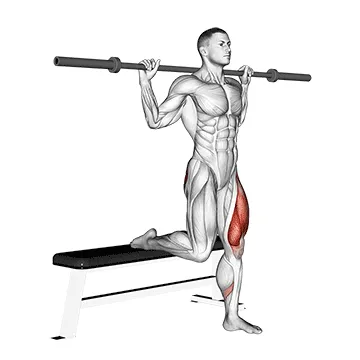
- Stand in front of a bench or step with a barbell resting on your upper back.
- Place one foot on the bench or step, ensuring your entire foot is in contact with the surface.
- Push through your heel and step up onto the bench or step, fully extending your hip and knee.
- Pause briefly at the top, then lower yourself back down to the starting position.
- Repeat with the opposite leg.
- Continue alternating legs for the desired number of repetitions.
Sets and reps: 3 to 5 sets of 5 to 8 reps on each side.
Why this matches
- Primary muscle: glutes, the same as the Barbell Rear Lunge
- Equipment: free weights, the same as the Barbell Rear Lunge
- Body position: standing, the same as the Barbell Rear Lunge
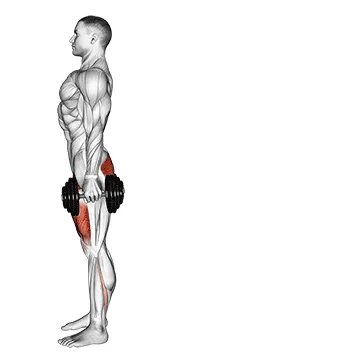
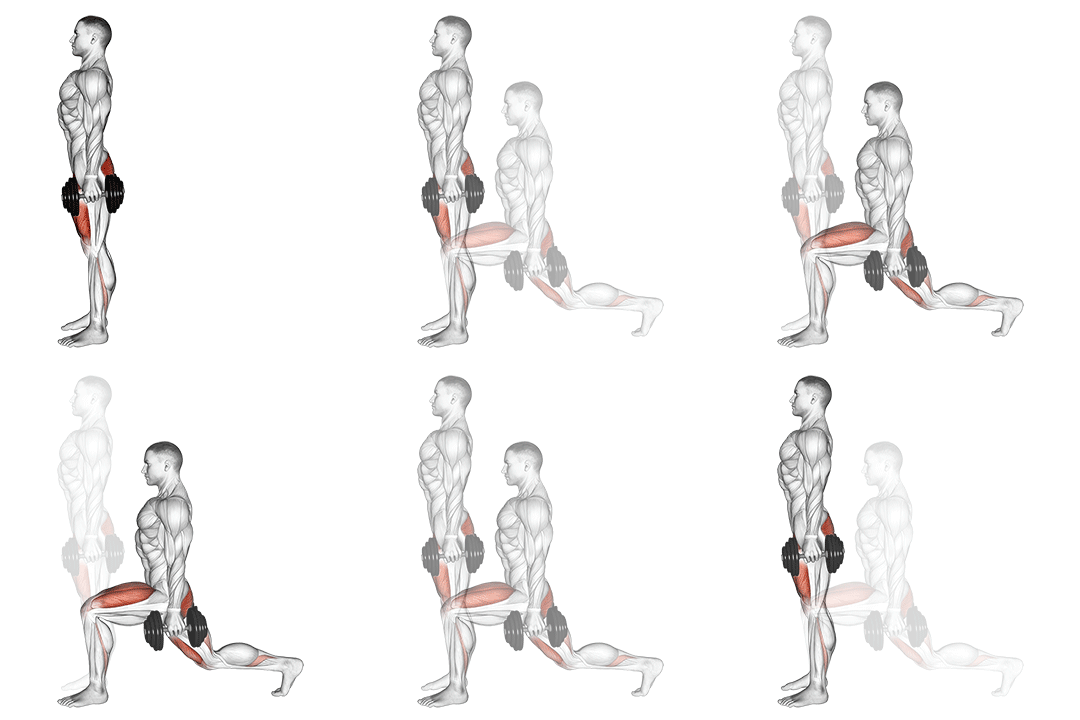
3. Dumbbell Rear Lunge
81% match- Glutes
- Dumbbell
- Intermediate
- Compound
A good swap when you have dumbbells to work with, and it still works the glutes.
How to perform this exercise
- Stand with your feet shoulder-width apart, holding a dumbbell in each hand.
- Take a step backward with your right foot, lowering your body into a lunge position.
- Bend your left knee and lower your body until your left thigh is parallel to the ground.
- Pause for a moment, then push through your left heel to return to the starting position.
- Repeat on the other side, stepping back with your left foot.
Sets and reps: 3 or 4 sets of 6 to 10 reps on each side.
Why this matches
- Primary muscle: glutes, the same as the Barbell Rear Lunge
- Equipment: free weights, the same as the Barbell Rear Lunge
- Body position: standing, the same as the Barbell Rear Lunge
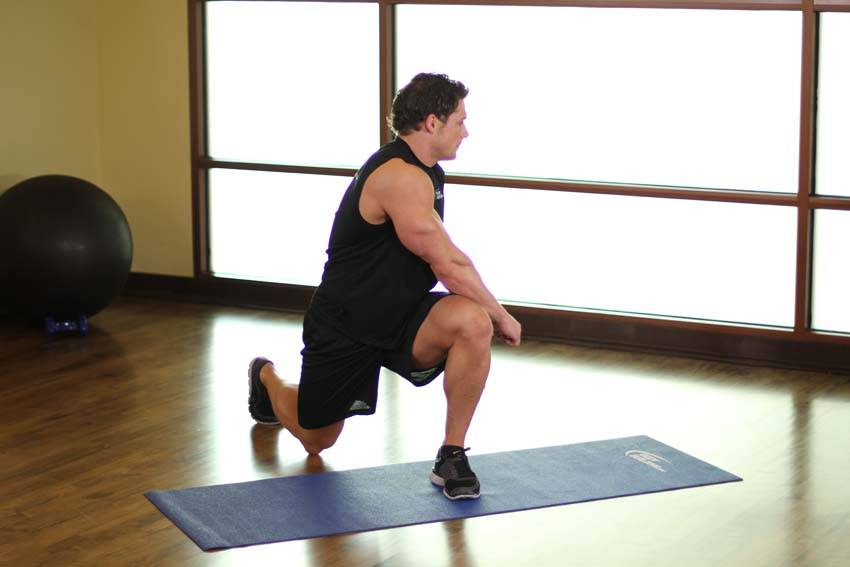
4. Crossover Reverse Lunge
80% match- Glutes
- Bodyweight
- Intermediate
- Compound
Use this when you have nothing to train with, because it works the glutes with bodyweight alone.
How to perform this exercise
- Stand with your feet shoulder width apart. This will be your starting position.
- Perform a rear lunge by stepping back with one foot and flexing the hips and front knee. As you do so, rotate your torso across the front leg.
- After a brief pause, return to the starting position and repeat on the other side, continuing in an alternating fashion.
Sets and reps: 3 or 4 sets of 6 to 10 reps on each side.
Why this matches
- Primary muscle: glutes, the same as the Barbell Rear Lunge
- Equipment: bodyweight only, not free weights
- Body position: standing, the same as the Barbell Rear Lunge
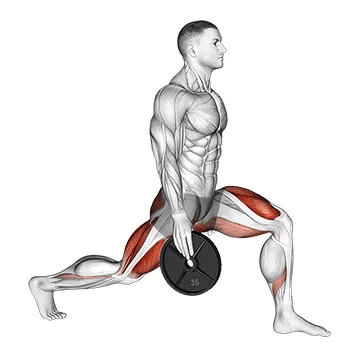
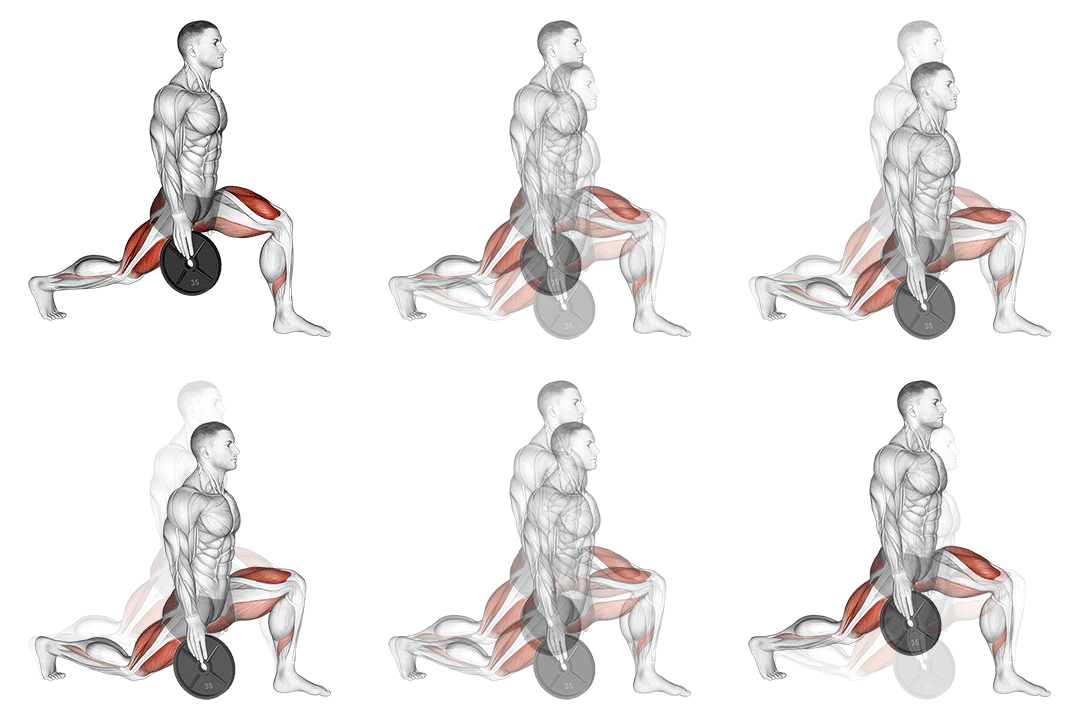
5. Weighted Stretch Lunge
80% match- Glutes
- Weighted
- Intermediate
- Compound
It still works the glutes, through a different movement.
How to perform this exercise
- Stand with your feet shoulder-width apart.
- Take a step forward with your right foot, keeping your back straight.
- Lower your body by bending your knees until your right thigh is parallel to the ground.
- Push through your right heel to return to the starting position.
- Repeat with your left leg.
- Continue alternating legs for the desired number of repetitions.
Sets and reps: 3 or 4 sets of 6 to 10 reps on each side.
Why this matches
- Primary muscle: glutes, the same as the Barbell Rear Lunge
- Equipment: free weights, the same as the Barbell Rear Lunge
- Body position: standing, the same as the Barbell Rear Lunge
6. Barbell Lunge
78% match- Glutes
- Barbell
- Intermediate
- Compound
How to perform this exercise
- Start by standing with your feet shoulder-width apart and a barbell resting on your upper back.
- Take a step forward with your right foot, keeping your torso upright.
- Lower your body by bending your right knee until your thigh is parallel to the ground.
- Push through your right heel to return to the starting position.
- Repeat with your left leg, alternating legs for the desired number of repetitions.
Sets and reps: 3 to 5 sets of 5 to 8 reps on each side.
Why this matches
- Primary muscle: glutes, the same as the Barbell Rear Lunge
- Equipment: free weights, the same as the Barbell Rear Lunge
- Body position: standing, the same as the Barbell Rear Lunge
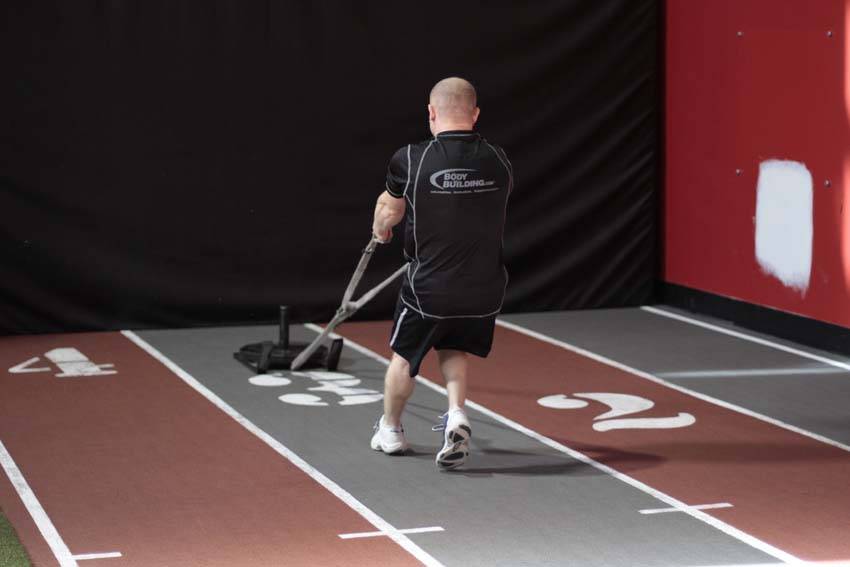
7. Backward Drag
77% match- Quads
- Other
- Intermediate
- Compound
A looser match: it works the quads rather than the glutes.
How to perform this exercise
- Load a sled with the desired weight, attaching a rope or straps to the sled that you can hold onto.
- Begin the exercise by moving backwards for a given distance. Leaning back, extend through the legs for short steps to move as quickly as possible.
Sets and reps: 3 or 4 sets of 6 to 10 reps on each side.
Why this matches
- Primary muscle: quads, not glutes
- Body position: standing, the same as the Barbell Rear Lunge
Progression
8. Barbell Single Leg Split Squat
74% match- Quads
- Barbell
- Advanced
- Compound
How to perform this exercise
- Stand with your feet shoulder-width apart, holding a barbell across your upper back.
- Take a large step forward with one leg, keeping your torso upright.
- Lower your body by bending your front knee and hip, while keeping your back leg straight.
- Continue lowering until your front thigh is parallel to the ground.
- Pause for a moment, then push through your front heel to return to the starting position.
- Repeat for the desired number of repetitions, then switch legs.
Sets and reps: 3 to 5 sets of 5 to 8 reps on each side.
Why this matches
- Primary muscle: quads, not glutes
- Equipment: free weights, the same as the Barbell Rear Lunge
- Body position: standing, the same as the Barbell Rear Lunge
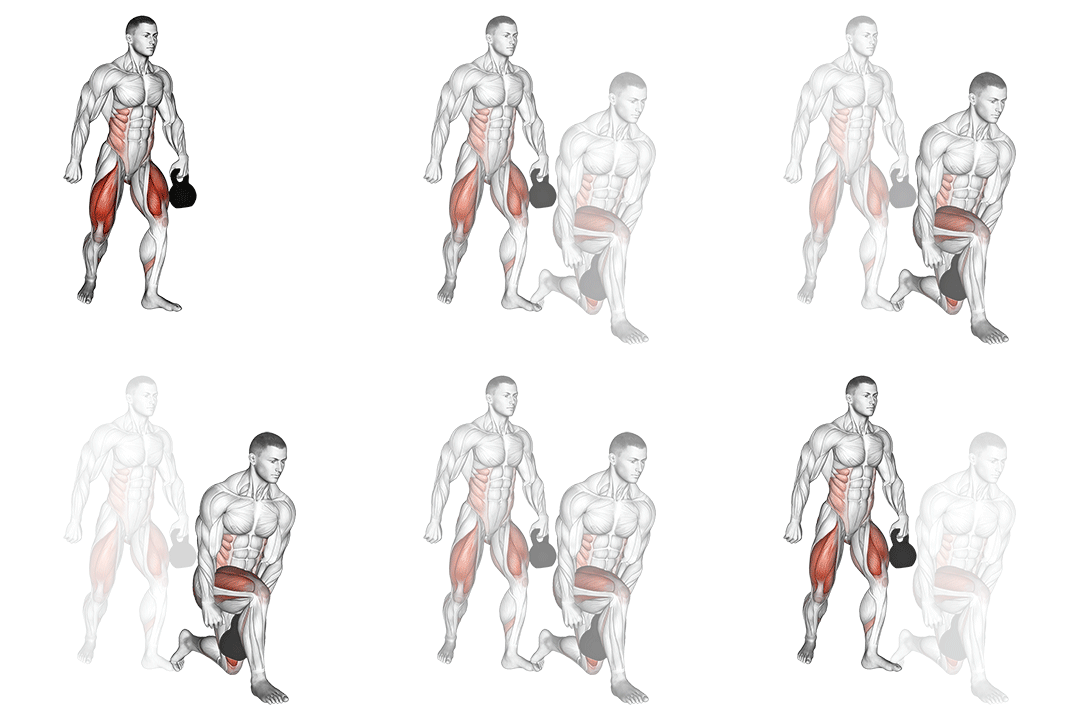
9. Kettlebell Lunge Pass Through
73% match- Glutes
- Kettlebell
- Intermediate
- Compound
How to perform this exercise
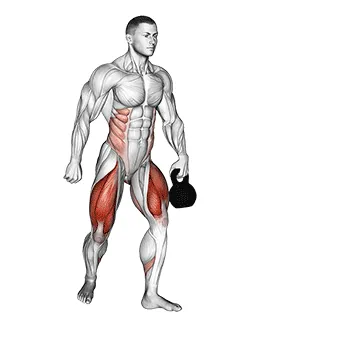
- Stand with your feet shoulder-width apart, holding a kettlebell in front of your chest with both hands.
- Take a step forward with your right foot, lowering your body into a lunge position.
- As you lunge forward, pass the kettlebell under your right thigh and transfer it to your left hand.
- Push off with your right foot to return to the starting position, while simultaneously passing the kettlebell back to your right hand.
- Repeat the lunge on the opposite side, passing the kettlebell under your left thigh.
- Continue alternating lunges and passing the kettlebell between hands for the desired number of repetitions.
Sets and reps: 3 or 4 sets of 6 to 10 reps on each side.
Why this matches
- Primary muscle: glutes, the same as the Barbell Rear Lunge
- Equipment: free weights, the same as the Barbell Rear Lunge
- Body position: standing, the same as the Barbell Rear Lunge
- Glutes
- Dumbbell
- Intermediate
- Compound
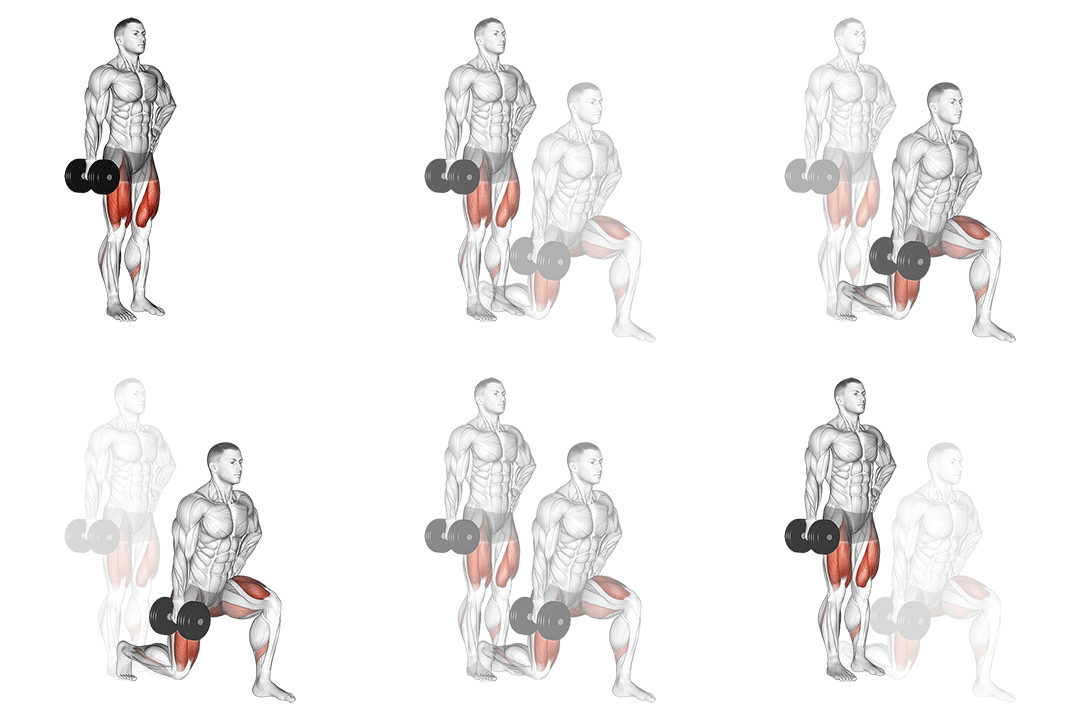
How to perform this exercise
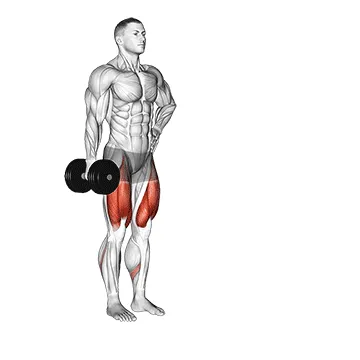
- Stand with your feet shoulder-width apart, holding a dumbbell in each hand.
- Take a step forward with your right foot, keeping your back straight and core engaged.
- Lower your body by bending both knees until your right thigh is parallel to the ground.
- Push through your right heel to return to the starting position.
- Repeat with your left leg.
- Alternate legs for the desired number of repetitions.
Sets and reps: 3 or 4 sets of 6 to 10 reps on each side.
Why this matches
- Primary muscle: glutes, the same as the Barbell Rear Lunge
- Equipment: free weights, the same as the Barbell Rear Lunge
- Body position: standing, the same as the Barbell Rear Lunge
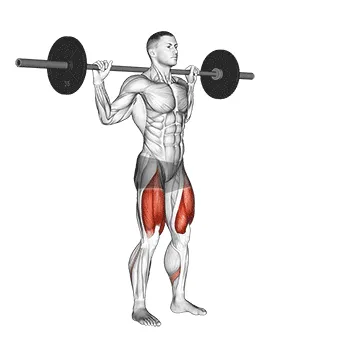
Why You Might Need a Barbell Rear Lunge Alternative
A barbell is often the reason this lunge gets skipped: the rack is busy, your gym has no bar free, or a loaded bar on your back just isn't what you want today. The Barbell Rear Lunge asks you to hold weight high on your back while stepping one leg back and pushing through the front heel, so a swap needs to keep that step and that heel drive. A few alternatives keep a barbell but change the stance or the direction, others move the load to a dumbbell or a kettlebell, and one drops load completely, so you can keep training glutes, quads and hamstrings with whatever you actually have free.
How to Choose the Right Barbell Rear Lunge Substitute
The Barbell Lateral Lunge is the closest swap to the original: it keeps the same bar across your back, but the step goes sideways instead of back and the stepping leg now carries more of the load. If dumbbells suit you better, the Dumbbell Rear Lunge keeps the same backward step but swaps the bar for a dumbbell in each hand. With nothing to lift, the Crossover Reverse Lunge keeps that same step back but adds a rotation of your torso across the front leg, working the same glutes with bodyweight alone. Once the barbell versions feel easy, the Barbell Single Leg Split Squat keeps the bar on your back but steps forward, holds the back leg straight and finishes every rep on one side before you switch, so treat it as a step up rather than a straight swap.
Barbell Rear Lunge FAQ
Which alternatives use the same barbell as the Barbell Rear Lunge?
Four keep the bar: the Barbell Lateral Lunge, the Barbell Step-up, the Barbell Lunge and the Barbell Single Leg Split Squat. All four rest the bar across your upper back the way the Barbell Rear Lunge does, they just change the stance, the step direction or which leg carries more of the load.
How does the Crossover Reverse Lunge differ from the barbell version?
Instead of bending both knees on a straight step back the way the barbell version does, the Crossover Reverse Lunge has you step one foot back while you rotate your torso across the front leg. It still drives through the same glutes using bodyweight alone, so it works well when you want the same muscles without a bar or a rack.
Can I do Barbell Rear Lunge alternatives at home?
Yes. The Dumbbell Rear Lunge steps back like the barbell version, the Dumbbell Contralateral Forward Lunge steps forward instead, the Kettlebell Lunge Pass Through needs just one kettlebell, and the Crossover Reverse Lunge needs nothing at all. All four still put the work through your glutes.
How do I make a bodyweight lunge swap harder?
Add load or ask more of your balance. Moving from the Crossover Reverse Lunge to a loaded option like the Dumbbell Rear Lunge is the simplest step up. Once that feels easy, the Barbell Single Leg Split Squat keeps a bar on your back while your back leg stays straight and you finish every rep on one side before switching, which asks more of your balance.
Find Alternatives for Any Exercise
Search the exercise database and filter the ranked substitutes by the equipment you own.
Similarity scores compare exercise metadata such as movement pattern, muscles, equipment and body position. They are not a safety rating or a check that you own the equipment. Learn about our methodology