

10 Best Plyo Push-up Alternatives for Home and Gym
What can you do instead of a Plyo Push-up? Use explosive but lower-impact chest moves: clapping push-ups, incline plyo push-ups, medicine-ball chest taps, explosive ring push-ups, and slow eccentric push-ups. Keep a tight plank, drive concentrically, and land softly to protect the shoulder while training pectoralis major power.
Original Exercise: Plyo Push-up
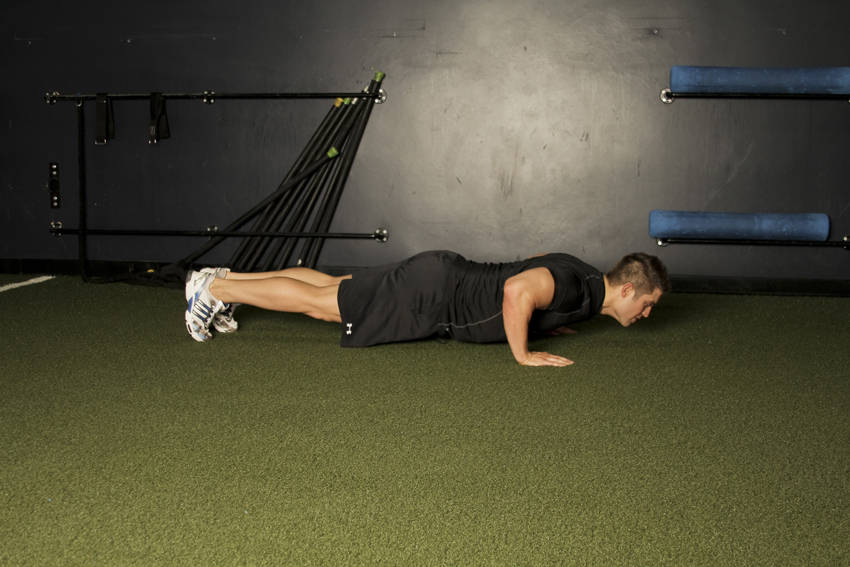
How to Perform Plyo Push-up
- Move into a prone position on the floor, supporting your weight on your hands and toes.
- Your arms should be fully extended with the hands around shoulder width. Keep your body straight throughout the movement. This will be your starting position.
- Descend by flexing at the elbow, lowering your chest towards the ground.
- At the bottom, reverse the motion by pushing yourself up through elbow extension as quickly as possible. Attempt to push your upper body up until your hands leave the ground.
- Return to the starting position and repeat the exercise.
- For added difficulty, add claps into the movement while you are air borne.
Pro Tips
- Category: Plyometrics
- Force: Push
- Movement type: Compound
Best Plyo Push-up Alternatives
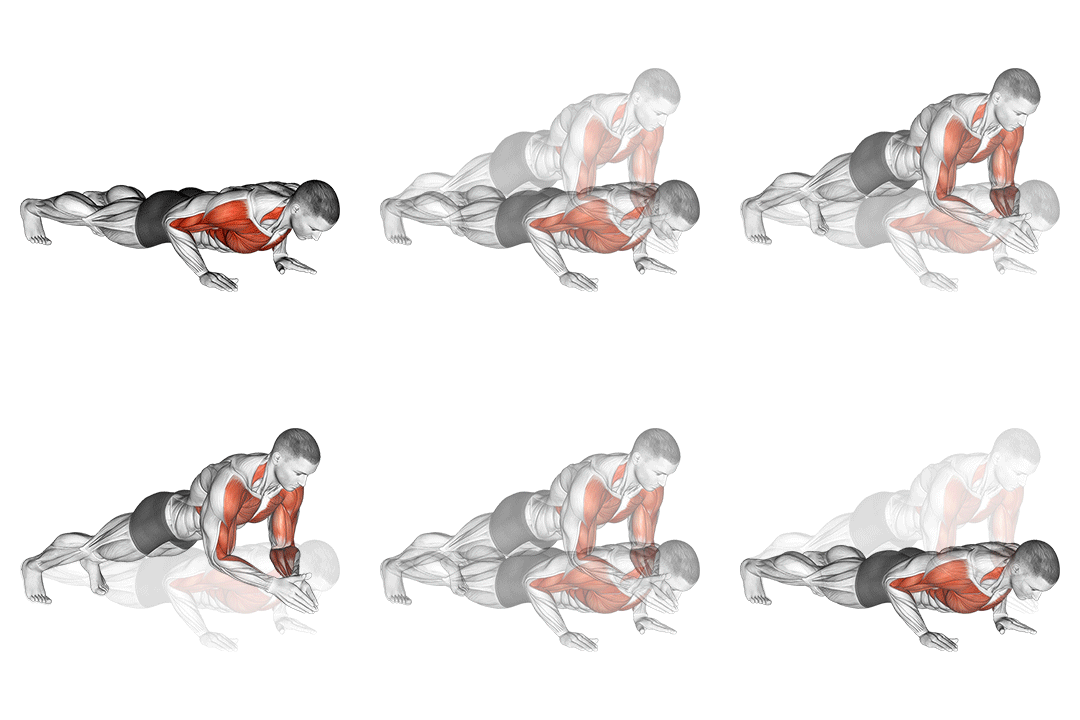
1. Clap Push Up
99.2% MatchHow to perform this exercise
- Start in a high plank position with your hands slightly wider than shoulder-width apart.
- Lower your body towards the ground by bending your elbows, keeping your core engaged.
- Push through your palms explosively to propel your body off the ground.
- While in mid-air, clap your hands together before landing back in the starting position.
- Repeat for the desired number of repetitions.
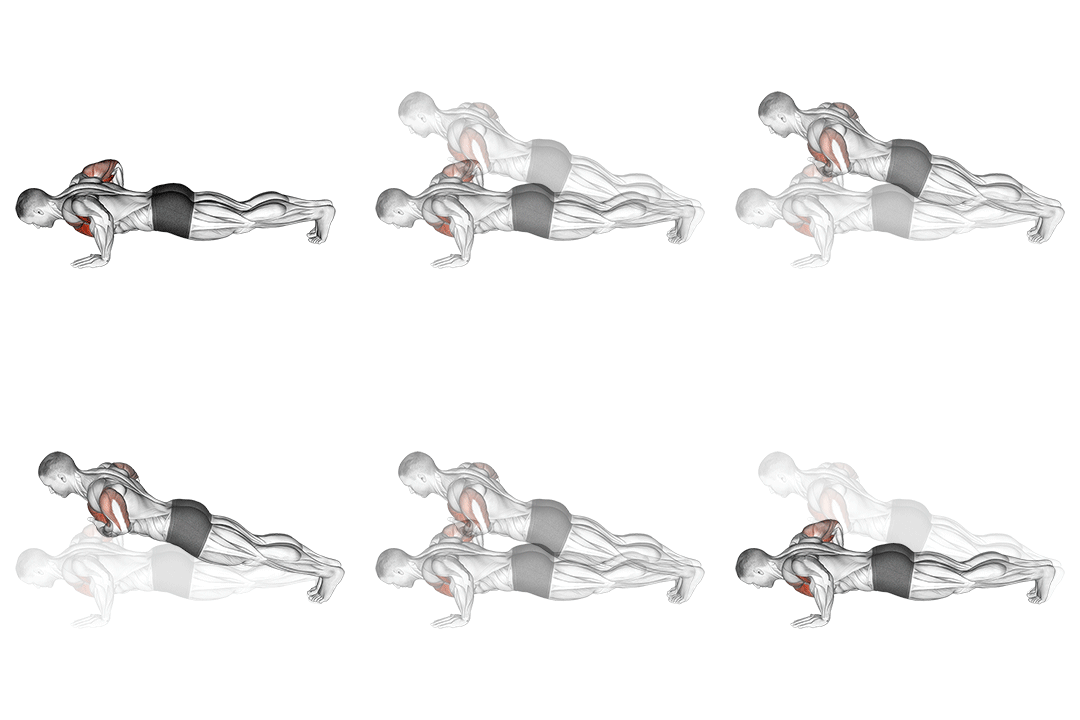
2. Chest Tap Push-up (male)
98.7% MatchHow to perform this exercise
- Start in a high plank position with your hands slightly wider than shoulder-width apart and your body in a straight line.
- Lower your body towards the ground by bending your elbows, keeping them close to your sides.
- As you lower yourself, tap your chest with your right hand.
- Push yourself back up to the starting position.
- Repeat the movement, this time tapping your chest with your left hand.
3. Drop Push Up
94.4% MatchHow to perform this exercise
- Start in a high plank position with your hands slightly wider than shoulder-width apart.
- Lower your chest towards the ground, keeping your elbows close to your body.
- Once your chest is just above the ground, quickly drop your knees to the ground.
- Push yourself back up to the starting position by extending your arms.
- Repeat for the desired number of repetitions.
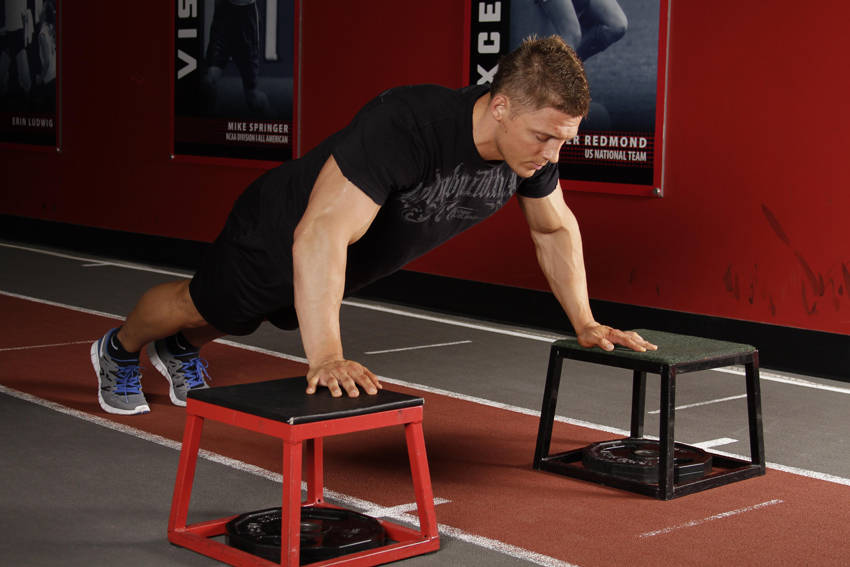
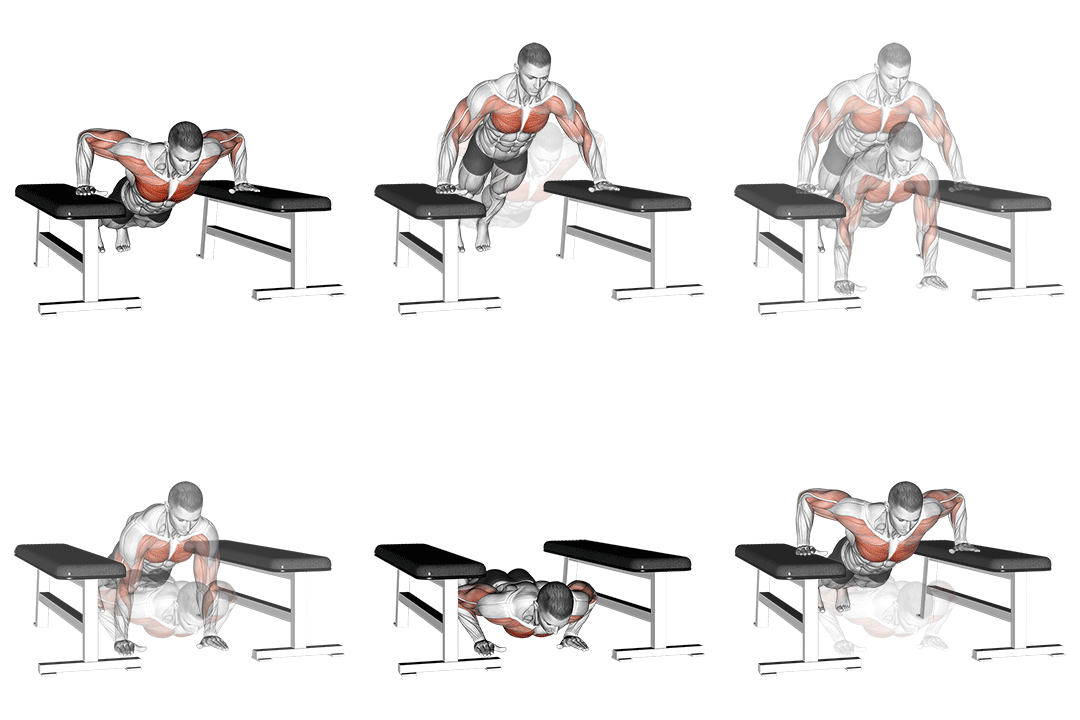
4. Drop Push
92.8% MatchHow to perform this exercise
- Position low boxes or other platforms 2-3 feet apart.
- Move to a pushup position between them, supporting yourself by placing your hands on the boxes.
- With good posture, drop from the platforms by pressing up and moving your hands to shoulder width, cushioning your landing by absorbing the impact through the arm.
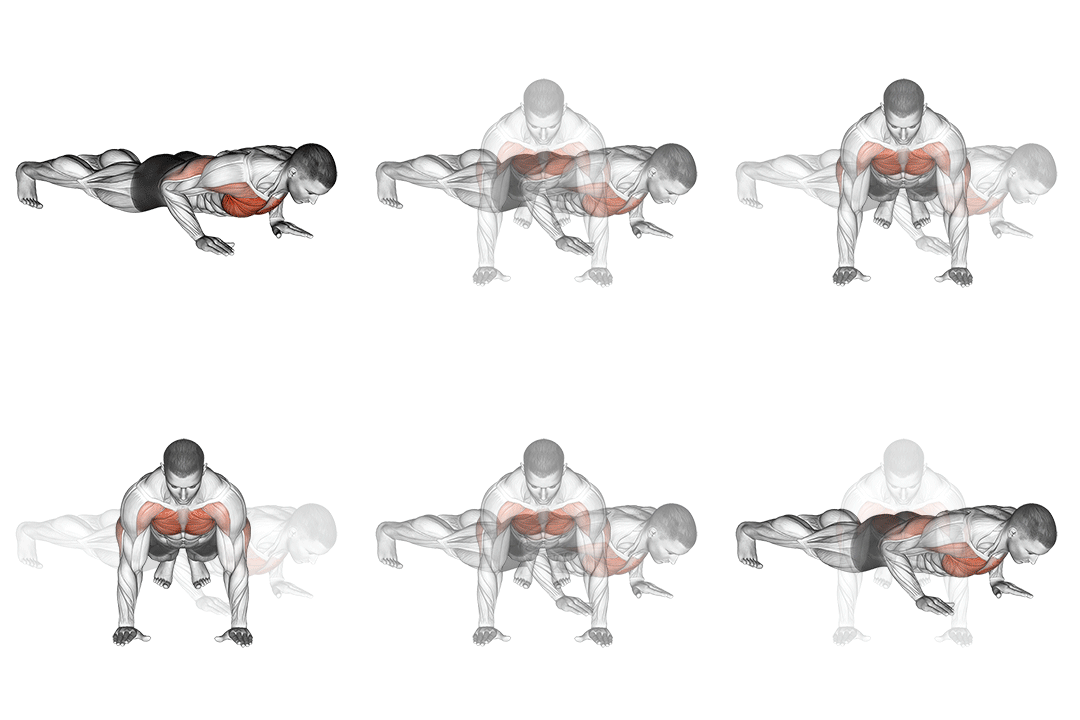
5. Clock Push-up
88.9% MatchHow to perform this exercise
- Start in a high plank position with your hands directly under your shoulders and your body in a straight line.
- Lower your body towards the ground by bending your elbows, keeping them close to your sides.
- As you lower, rotate your body to the left, extending your left arm straight out to the side.
- Push back up to the starting position, while rotating your body to the center.
- Repeat the push-up, this time rotating your body to the right and extending your right arm out to the side.
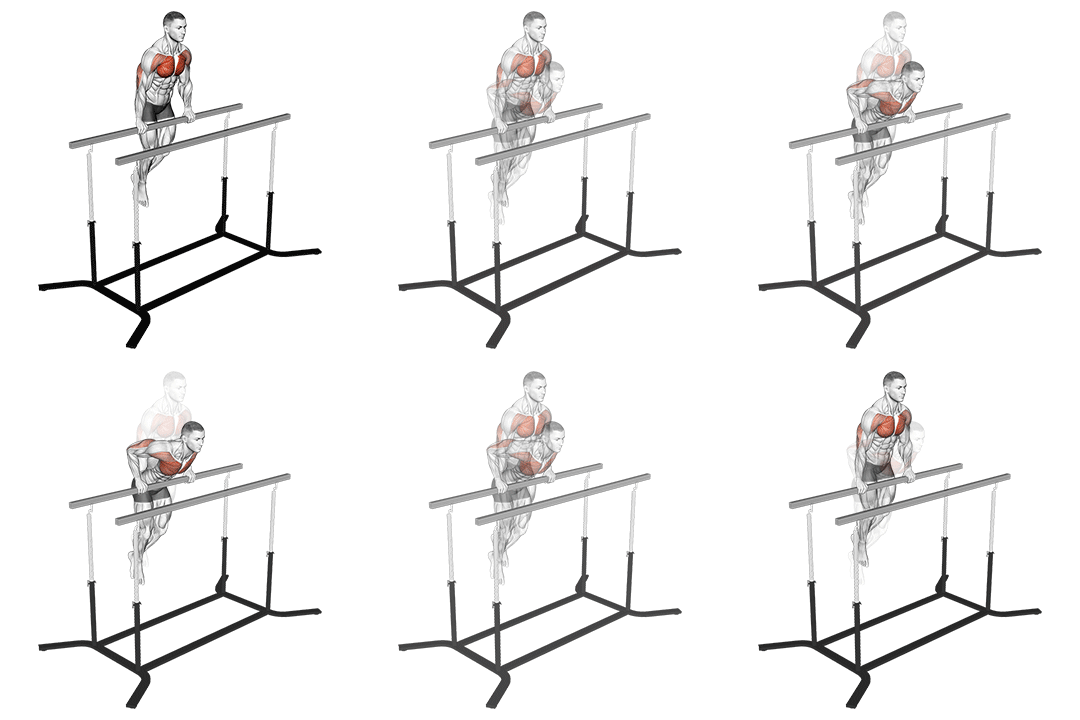
6. Chest Dip On Straight Bar
85.9% MatchHow to perform this exercise
- Grab the parallel bars with your palms facing down and your arms fully extended.
- Bend your knees and cross your ankles.
- Lower your body by bending your arms until your shoulders are below your elbows.
- Push yourself back up to the starting position by straightening your arms.
- Repeat for the desired number of repetitions.
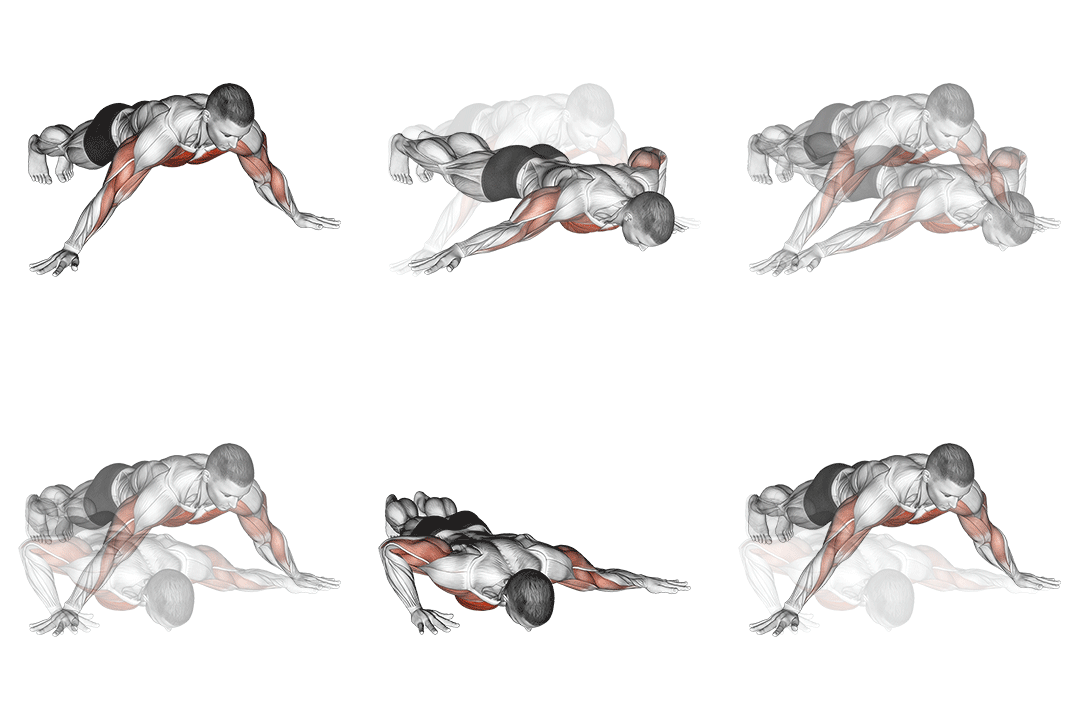
7. Archer Push Up
83.7% MatchHow to perform this exercise
- Start in a push-up position with your hands slightly wider than shoulder-width apart.
- Extend one arm straight out to the side, parallel to the ground.
- Lower your body by bending your elbows, keeping your back straight and core engaged.
- Push back up to the starting position.
- Repeat on the other side, extending the opposite arm out to the side.
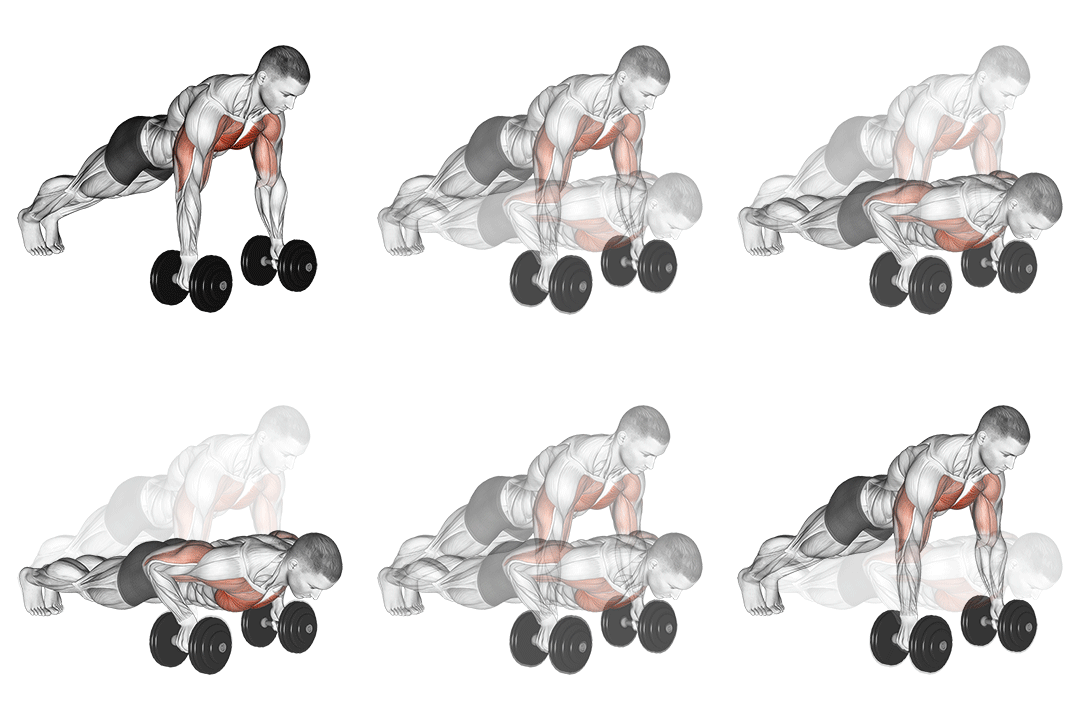
8. Deep Push Up
79.3% MatchHow to perform this exercise
- Start in a high plank position with your hands slightly wider than shoulder-width apart and your body in a straight line.
- Lower your chest towards the ground by bending your elbows, keeping them close to your body.
- Push through your palms to extend your arms and return to the starting position.
- Repeat for the desired number of repetitions.
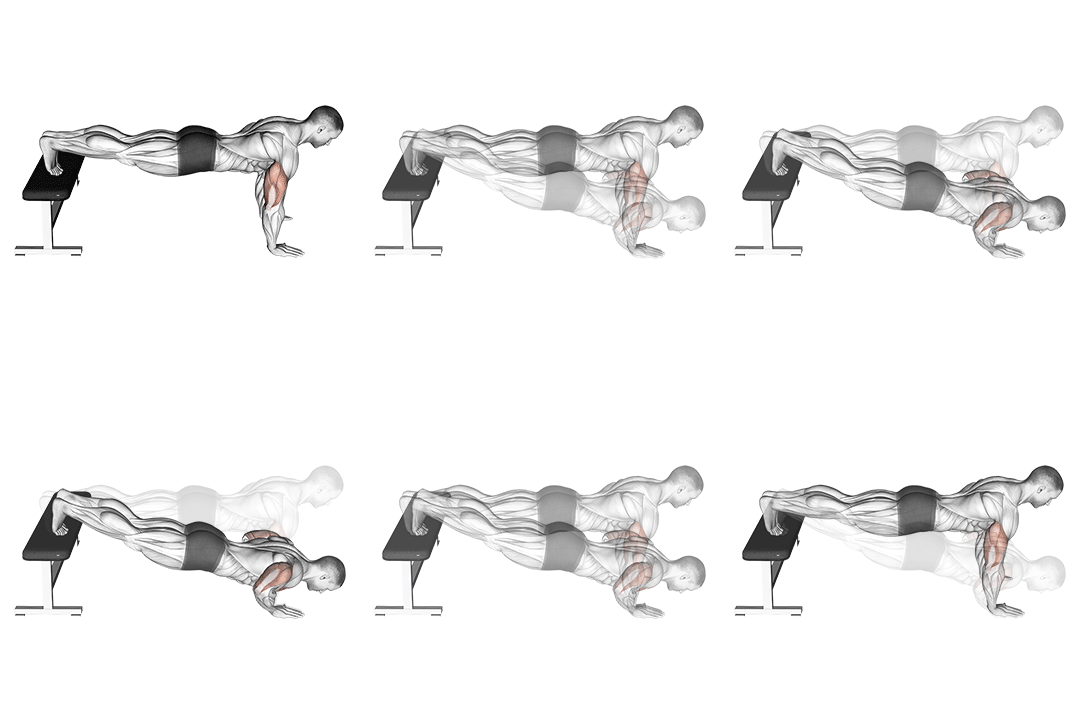
9. Decline Push-up
78.3% MatchHow to perform this exercise
- Place your hands on the ground slightly wider than shoulder-width apart, with your feet elevated on a stable surface.
- Keep your body in a straight line from head to toe, engaging your core muscles.
- Lower your chest towards the ground by bending your elbows, keeping them close to your body.
- Push through your palms to extend your arms and return to the starting position.
- Repeat for the desired number of repetitions.

10. Chest Push With Run Release
77.6% MatchHow to perform this exercise
- Begin in an athletic stance with the knees bent, hips back, and back flat. Hold the medicine ball near your legs. This will be your starting position.
- While taking your first step draw the medicine ball into your chest.
- As you take the second step, explosively push the ball forward, immediately sprinting for 10 yards after the release. If you are really fast, you can catch your own pass!
Why You Might Need a Plyo Push-up Alternative
You may substitute Plyo Push-ups because of shoulder pain, limited plyometric experience, or space constraints. Plyo Push-ups produce high peak loads through the glenohumeral joint and require rapid concentric horizontal adduction, which can aggravate impingement or tendon issues. Alternatives let you target pectoralis major power while adjusting impact, range of motion, and time under tension. For example, slow eccentric push-ups increase pectoral fiber recruitment with a 3–5 second descent to load the muscle safely, while incline plyo push-ups reduce shoulder torque. Use cues—brace the core, tuck elbows 30–45 degrees, and control scapular movement—to maintain effective biomechanics.
How to Choose the Right Substitute
Match the substitute to your goal, shoulder health, and training surface. For power and rate of force development pick explosive variations (clap or incline plyo push-ups) and emphasize a fast concentric drive while keeping a rigid plank. For hypertrophy choose tempo work or paused push-ups to extend time under tension and increase pectoral recruitment. If you have shoulder issues, reduce horizontal abduction and use elevation or narrower range of motion; cue scapular retraction and neutral wrist. Finally, adjust leverage—hands elevated to decrease load, feet elevated to increase pec and anterior deltoid demand—and progress with sets, reps, or added pauses.
Frequently Asked Questions
What muscles does Plyo Push-up work?
Plyo Push-ups primarily target the pectoralis major through rapid concentric horizontal adduction, while the triceps brachii and anterior deltoid assist the push. The serratus anterior and scapular stabilizers engage on the explosive press and landing to control shoulder girdle position.
What is the best bodyweight alternative to Plyo Push-up?
The best bodyweight alternative for most people is the incline plyo push-up—place hands on a bench or box, explode off the surface, and land softly to scale impact. Maintain a straight plank, tuck elbows to ~30–45 degrees, and use the incline to reduce shoulder torque while preserving pectoral power.
Can I build muscle without doing Plyo Push-up?
Yes. You can build chest muscle with progressive overload using tempo-controlled push-ups, paused reps, and eccentric-focused sets to increase time under tension and pectoral activation. Add leverage changes (elevated feet), higher volume, or external load to continue progressive stimulus without plyometric impact.
More Exercise Alternatives
Find Alternatives for Any Exercise
Use our free tool to discover the best substitute exercises based on your available equipment and goals.
Try the Exercise Substitution Finder →