

10 Best Prone Manual Hamstring Alternatives for When You Can't Perform It
If you can't perform the prone manual hamstring, choose alternatives that load the hamstrings via hip hinge or controlled knee flexion. Try Nordic curls, single-leg Romanian deadlifts, slider leg curls, standing cable curls, or glute-ham raises. Cue a strong hip hinge, slow eccentric lowering, and a deliberate end-range squeeze to maximize hamstring activation.
Original Exercise: Prone Manual Hamstring
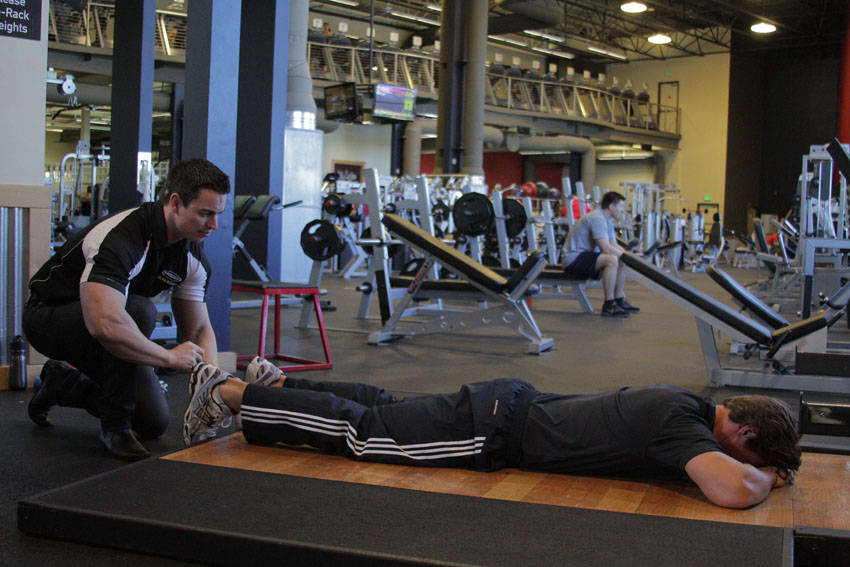
How to Perform Prone Manual Hamstring
- You will need a partner for this exercise. Lay face down with your legs straight. Your assistant will place their hand on your heel.
- To begin, flex the knee to curl your leg up. Your partner should provide resistance, starting light and increasing the pressure as the movement is completed. Communicate with your partner to monitor appropriate resistance levels.
- Pause at the top, returning the leg to the starting position as your partner provides resistance going the other direction.
Pro Tips
- Category: Strength
- Force: Static
- Movement type: Isolation
Best Prone Manual Hamstring Alternatives
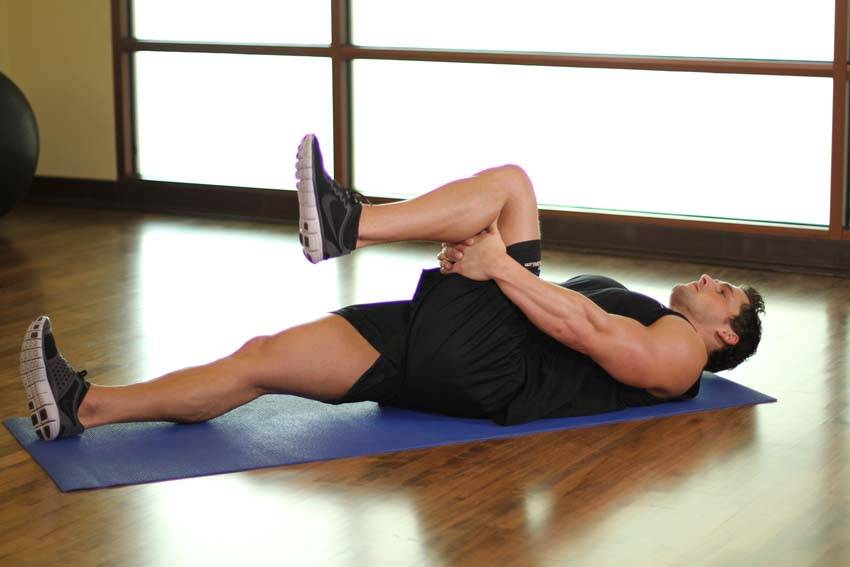
1. 90/90 Hamstring
77% MatchHow to perform this exercise
- Lie on your back, with one leg extended straight out.
- With the other leg, bend the hip and knee to 90 degrees. You may brace your leg with your hands if necessary. This will be your starting position.
- Extend your leg straight into the air, pausing briefly at the top. Return the leg to the starting position.
- Repeat for 10-20 repetitions, and then switch to the other leg.
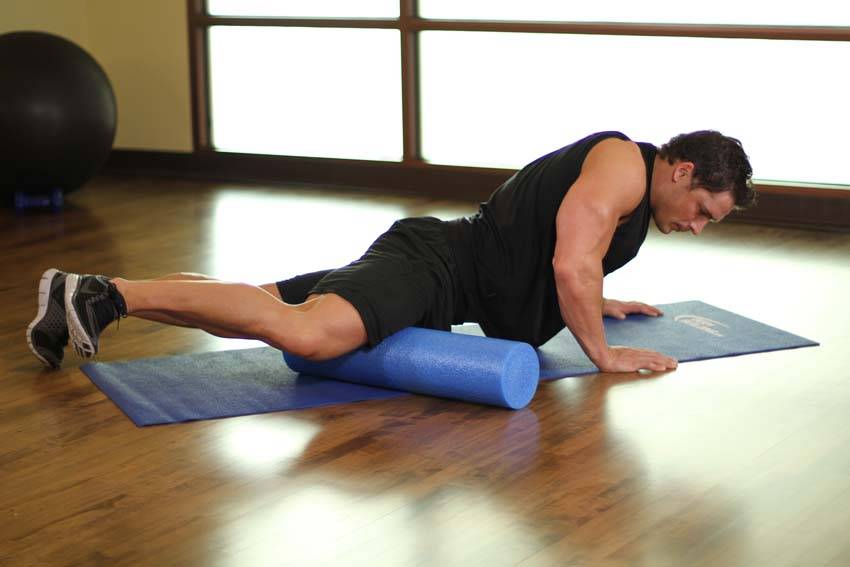
2. Adductor
69.4% MatchHow to perform this exercise
- Lie face down with one leg on a foam roll.
- Rotate the leg so that the foam roll contacts against your inner thigh. Shift as much weight onto the foam roll as can be tolerated.
- While trying to relax the muscles if the inner thigh, roll over the foam between your hip and knee, holding points of tension for 10-30 seconds. Repeat with the other leg.
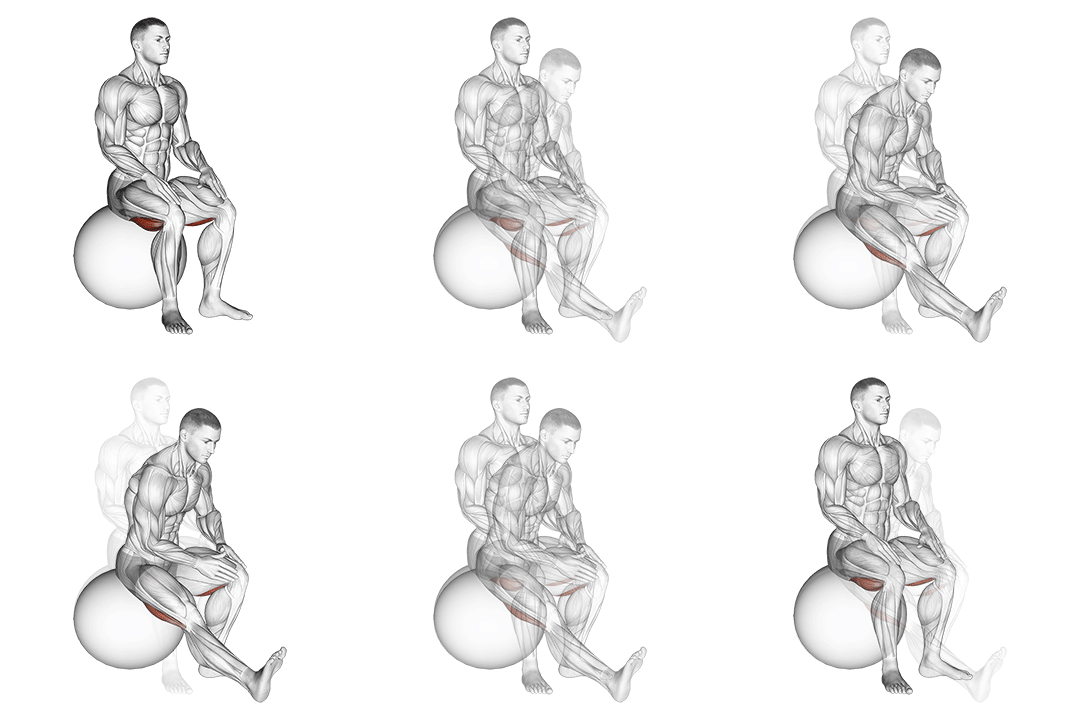
3. Exercise Ball Seated Hamstring Stretch
69.2% MatchHow to perform this exercise
- Sit on the stability ball with your feet flat on the ground and your knees bent at a 90-degree angle.
- Slowly roll the ball forward, walking your feet out until your upper back is resting on the ball and your legs are extended straight in front of you.
- Place your hands on your hips for support.
- Engage your core and slowly lower your upper body towards the ground, keeping your back straight and your chest lifted.
- Stop when you feel a stretch in your hamstrings, and hold the position for 20-30 seconds.
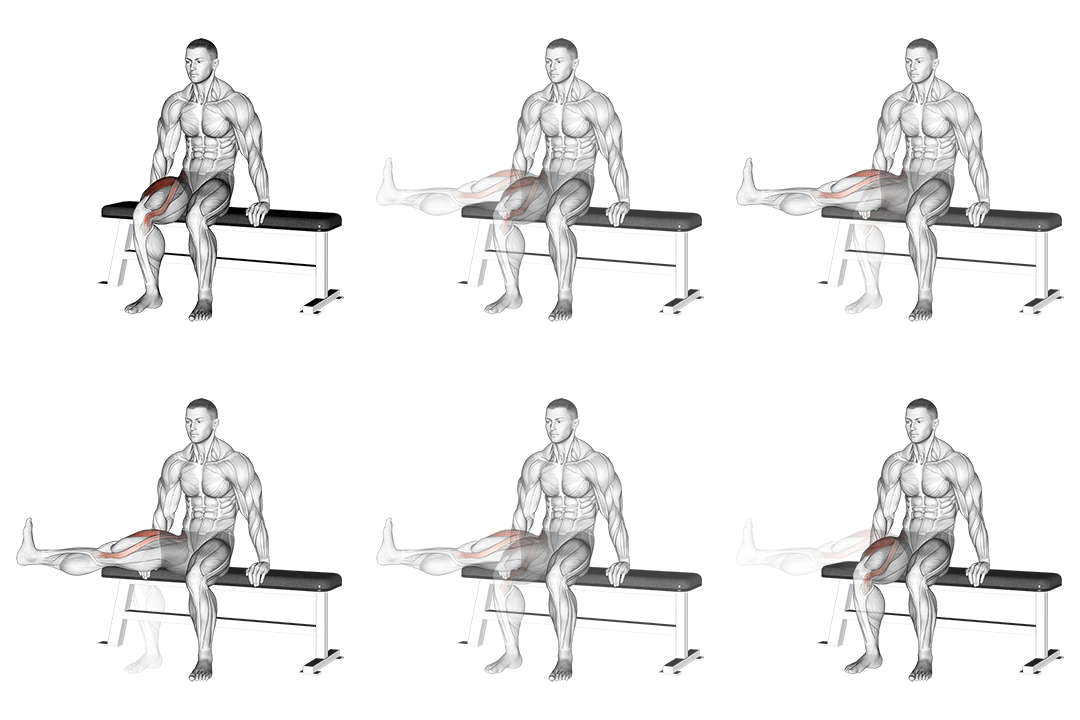
4. Chair Leg Extended Stretch
66.4% MatchHow to perform this exercise
- Sit on the edge of a chair with your back straight and feet flat on the ground.
- Extend one leg straight out in front of you, keeping your heel on the ground.
- Lean forward slightly, feeling a stretch in your quadriceps.
- Hold this position for 20-30 seconds.
- Switch legs and repeat the stretch.
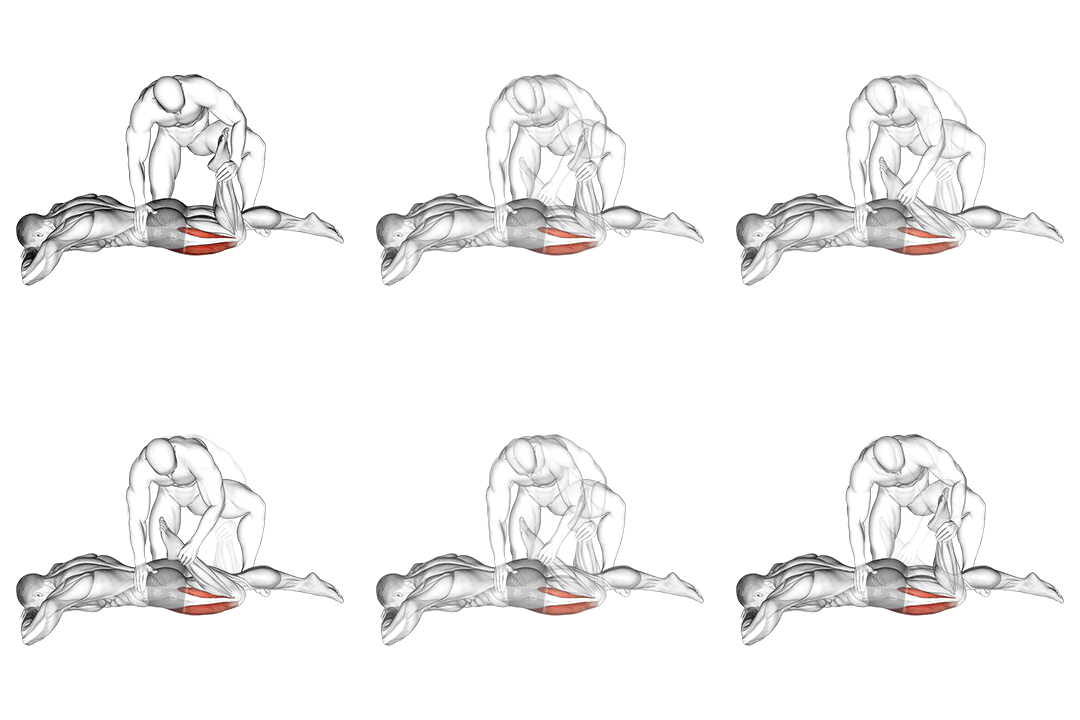
5. Assisted Prone Lying Quads Stretch
65.4% MatchHow to perform this exercise
- Lie face down on the ground with your legs extended.
- Bend your left knee and reach back with your left hand to grab your left foot or ankle.
- Gently pull your left foot towards your glutes, feeling a stretch in your left quad.
- Hold the stretch for 20-30 seconds, then release.
- Repeat with your right leg.
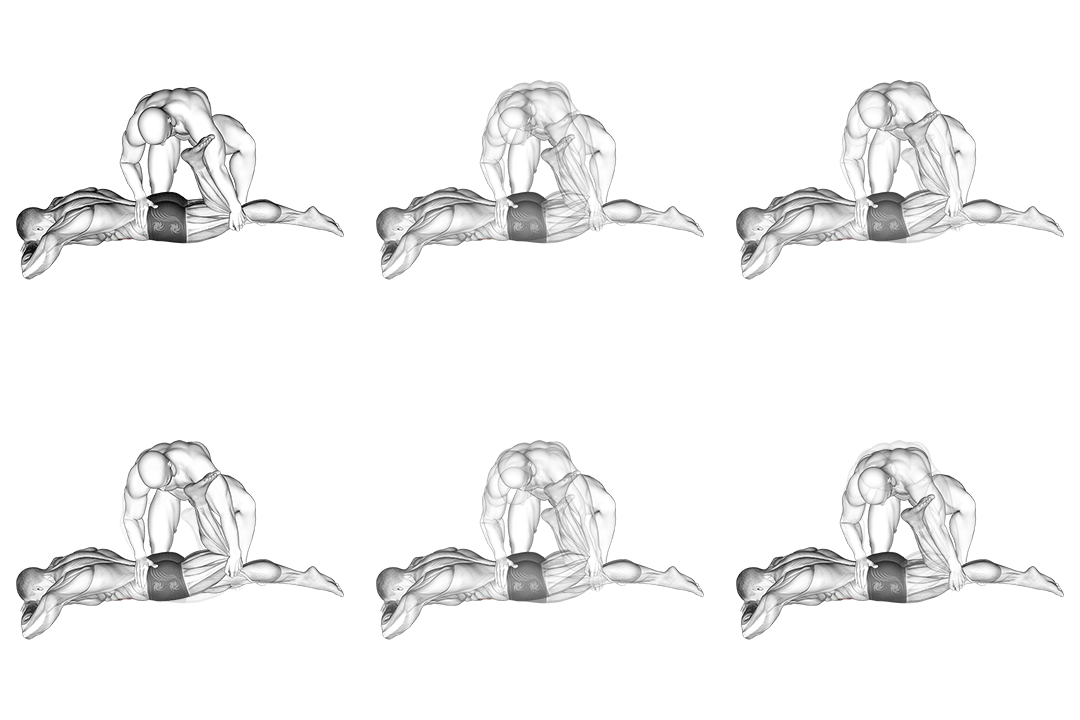
6. Assisted Prone Rectus Femoris Stretch
65.4% MatchHow to perform this exercise
- Lie face down on the ground with your legs straight.
- Bend your right knee and reach back with your right hand to grab your right foot or ankle.
- Gently pull your right foot or ankle towards your glutes, feeling a stretch in the front of your right thigh.
- Hold the stretch for 20-30 seconds.
- Release and repeat on the other side.
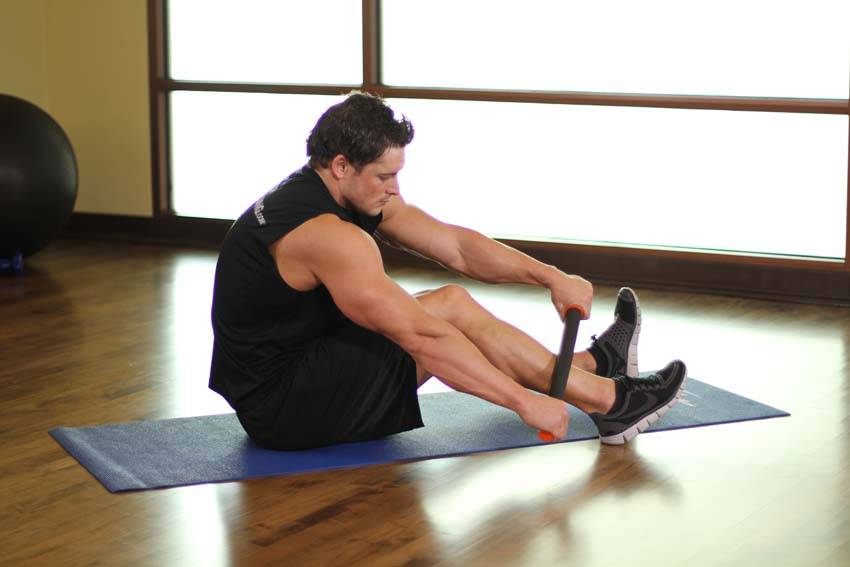
7. Anterior Tibialis-SMR
62.4% MatchHow to perform this exercise
- Begin seated on the ground with your legs bent and your feet on the floor.
- Using a Muscle Roller or a rolling pin, apply pressure to the muscles on the outside of your shins. Work from just below the knee to above the ankle, pausing at points of tension for 10-30 seconds. Repeat on the other leg.
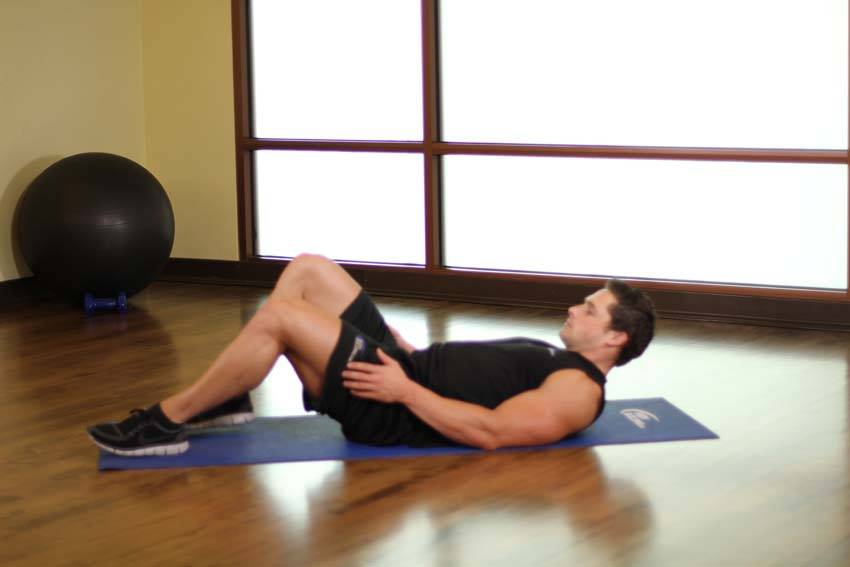
8. Ankle On The Knee
61.4% MatchHow to perform this exercise
- From a lying position, bend your knees and keep your feet on the floor.
- Place your ankle of one foot on your opposite knee.
- Grasp the thigh or knee of the bottom leg and pull both of your legs into the chest. Relax your neck and shoulders. Hold for 10-20 seconds and then switch sides.
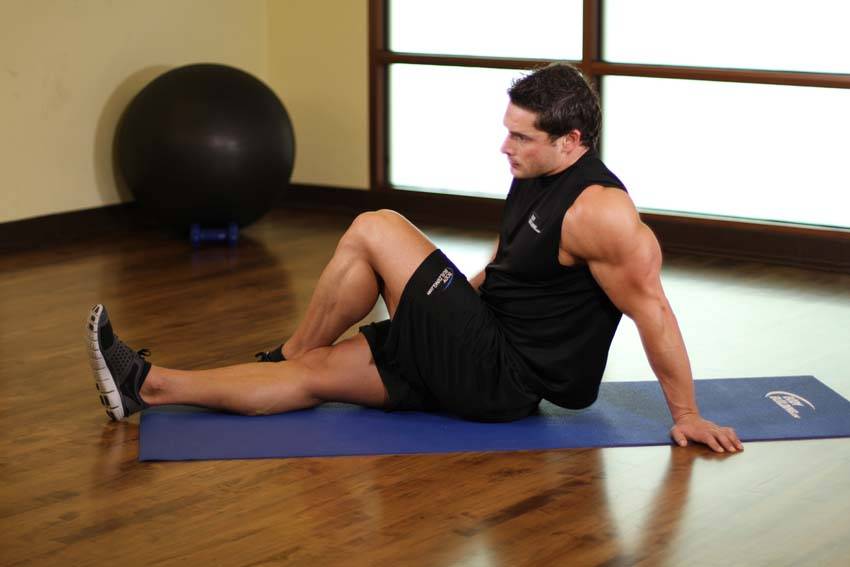
9. Dancer's Stretch
61.4% MatchHow to perform this exercise
- Sit up on the floor.
- Cross your right leg over your left, keeping the knee bent. Your left leg is straight and down on the floor.
- Place your left arm on your right leg and your right hand on the floor.
- Rotate your upper body to the right, and hold for 10-20 seconds. Switch sides.
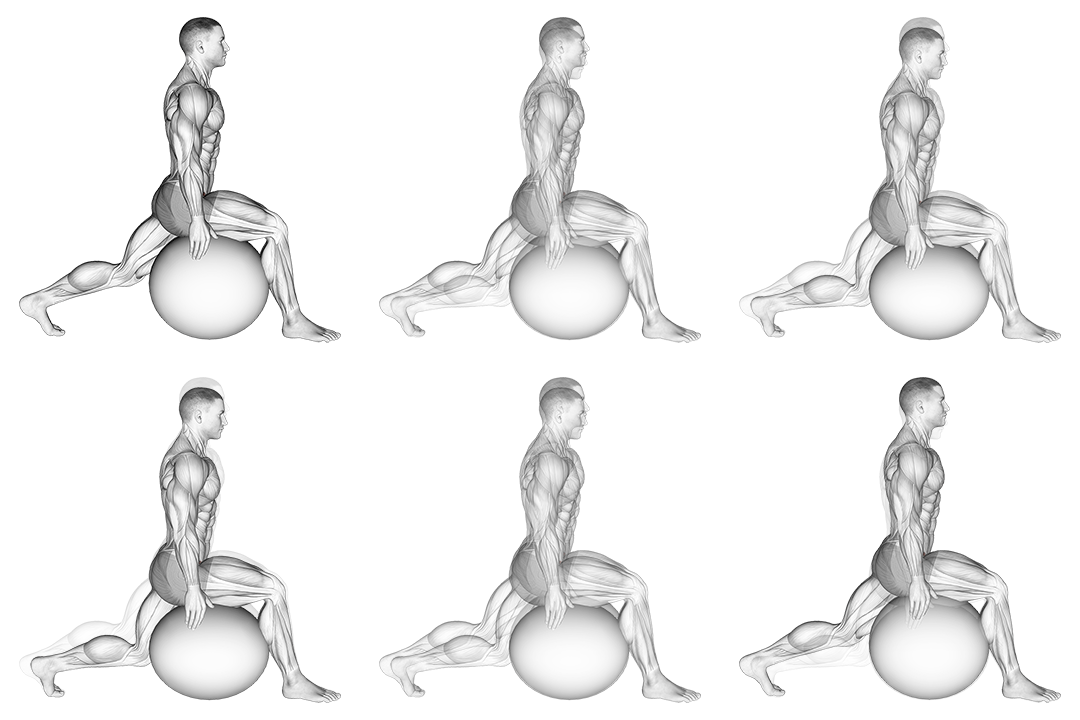
10. Exercise Ball Hip Flexor Stretch
61.2% MatchHow to perform this exercise
- Place the stability ball on the ground and kneel in front of it.
- Place your right foot on top of the stability ball, with your knee bent at a 90-degree angle.
- Extend your left leg behind you, keeping it straight.
- Lean forward, pushing your hips towards the stability ball, until you feel a stretch in your right hip flexor.
- Hold the stretch for 20-30 seconds, then switch sides and repeat.
Why You Might Need a Prone Manual Hamstring Alternative
You may substitute the prone manual hamstring for several practical reasons: lack of a trained partner, limited prone positioning, pain with direct manual resistance, or rehab progressions. Alternatives let you target the same knee-flexion and hip-extension functions while adjusting load and joint angles. For example, hip-dominant moves like single-leg RDLs bias the proximal hamstrings and glutes; cue a neutral spine and hinge at the hips to shift torque away from the knee. Eccentric-focused variations (Nordic curls, slow slider curls) replicate the lengthening stress that drives hamstring strength without manual handling.
How to Choose the Right Substitute
Select a substitute based on equipment, movement pattern, and your training goal. If you lack equipment but need high eccentric overload, choose Nordic hamstring curls and cue braced core and controlled descent. For hip-dominant strength and carryover to deadlifts, pick single-leg RDLs and focus on a long posterior chain stretch and hamstring tension at the hinge. Use slider or cable leg curls when you want isolated knee flexion with adjustable resistance; cue heels pulling and avoid lumbar extension. Prioritize pain-free range, progressive overload, and exercises that reproduce the hamstring's role in your sport or rehab.
Frequently Asked Questions
What muscles does Prone Manual Hamstring work?
Prone manual hamstring primarily targets the hamstrings (biceps femoris, semitendinosus, semimembranosus) through knee flexion and some hip extension. It also recruits the gastrocnemius during end-range knee flexion and requires core stabilization to prevent lumbar compensation.
What is the best bodyweight alternative to Prone Manual Hamstring?
The Nordic hamstring curl is the top bodyweight alternative for eccentric hamstring development; cue a rigid plank position and resist the fall with the hamstrings, controlling the descent. If you lack a partner or anchor, use single-leg Romanian deadlifts and emphasize a strong hip hinge to load the proximal hamstrings and glutes.
Can I build muscle without doing Prone Manual Hamstring?
Yes. You can build hamstring muscle using alternatives that provide sufficient time under tension and progressive overload, such as weighted single-leg RDLs, slider leg curls, or cable curls. Prioritize controlled eccentrics, full muscle lengthening, and progressive resistance to drive hypertrophy.
More Exercise Alternatives
Find Alternatives for Any Exercise
Use our free tool to discover the best substitute exercises based on your available equipment and goals.
Try the Exercise Substitution Finder →