

10 Best Cable Deadlifts Alternatives for Gym & Home
Cable Deadlifts are done standing with a cable machine. Ranked closest by our scoring: the Clean Deadlift, the Reverse Band Sumo Deadlift and the Snatch Deadlift.
Updated Ranked by our 12-factor similarity model How it works
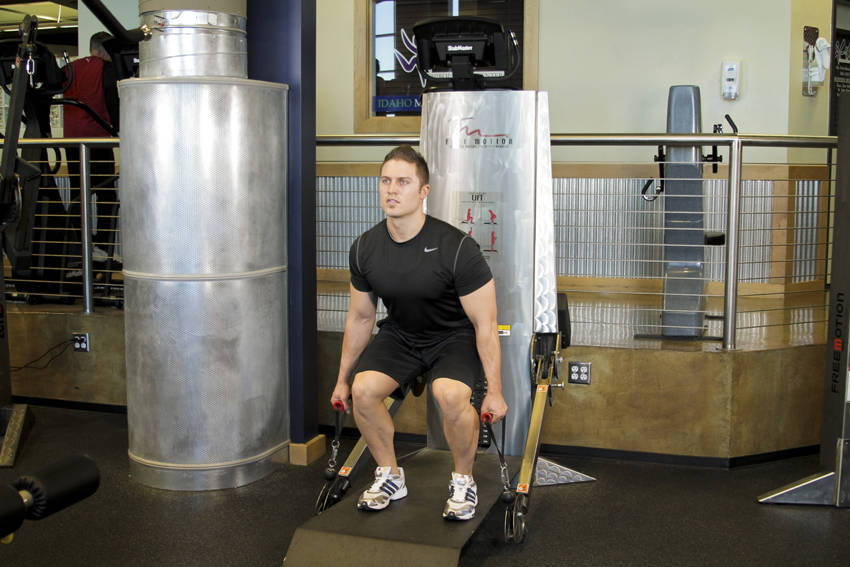
Original Exercise: Cable Deadlifts
- Primary muscle
- Hamstrings
- Equipment
- Cable
- Difficulty
- Intermediate
- Type
- Compound
Secondary muscles: Forearms, Glutes, Hamstrings, Lower Back
How to perform Cable Deadlifts
- Move the cables to the bottom of the towers and select an appropriate weight. Stand directly in between the uprights.
- To begin, squat down be flexing your hips and knees until you can reach the handles.
- After grasping them, begin your ascent. Driving through your heels extend your hips and knees keeping your hands hanging at your side. Keep your head and chest up throughout the movement.
- After reaching a full standing position, Return to the starting position and repeat.
Ranked Cable Deadlifts Alternatives
10 substitutes, ranked by how closely each one matches Cable Deadlifts on movement pattern, muscles worked, equipment and body position. The higher the score, the less you change. Open "How to perform this exercise" on a card for the steps; every card title links to that exercise's own alternatives page.
Best match 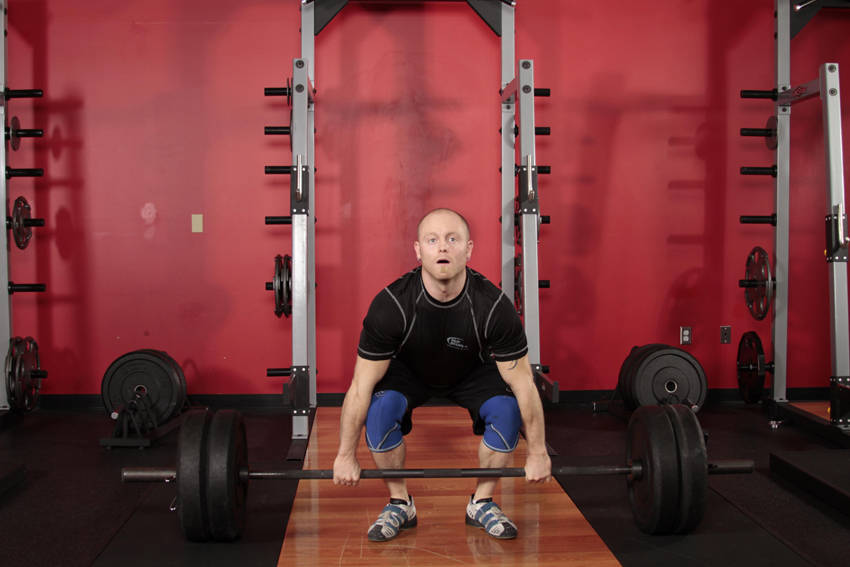
1. Clean Deadlift
85% match- Hamstrings
- Barbell
- Intermediate
- Compound
A good swap when you have a barbell to work with, and it still works the hamstrings.
How to perform this exercise
- Begin standing with a barbell close to your shins. Your feet should be directly under your hips with your feet turned out slightly. Grip the bar with a double overhand grip or hook grip, about shoulder width apart. Squat down to the bar. Your spine should be in full extension, with a back angle that places your shoulders in front of the bar and your back as vertical as possible.
- Begin by driving through the floor through the front of your heels. As the bar travels upward, maintain a constant back angle. Flare your knees out to the side to help keep them out of the bar's path.
- After the bar crosses the knees, complete the lift by driving the hips into the bar until your hips and knees are extended.
Sets and reps: 3 or 4 sets of 6 to 10 reps.
Why this matches
- Movement: deadlift hinge, the same as Cable Deadlifts
- Primary muscle: hamstrings, the same as Cable Deadlifts
- Equipment: free weights, not a cable
- Body position: standing, the same as Cable Deadlifts
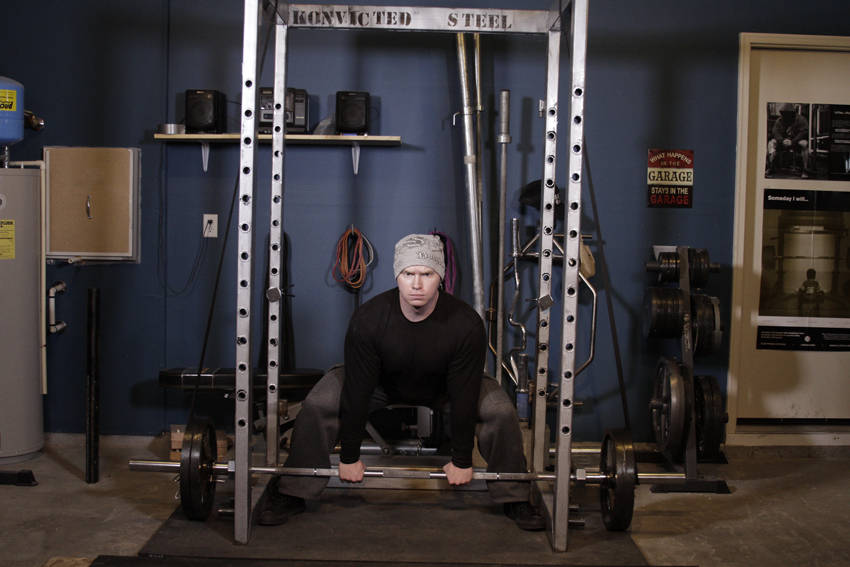
2. Reverse Band Sumo Deadlift
85% match- Hamstrings
- Barbell
- Advanced
- Compound
How to perform this exercise
- Begin with a bar loaded on the floor inside of a power rack. Attach bands to the top of the rack, using either pegs or the frame itself. Attach the other end to the barbell.
- Approach the bar so that the bar intersects the middle of the feet. The feet should be set very wide, near the collars. Bend at the hips to grip the bar. The arms should be directly below the shoulders, inside the legs, and you can use a pronated grip, a mixed grip, or hook grip. Relax the shoulders, which in effect lengthens your arms.
- Take a breath, and then lower your hips, looking forward with your head with your chest up. Drive through the floor, spreading your feet apart, with your weight on the back half of your feet. Extend through the hips and knees.
- As the bar passes through the knees, lean back and drive the hips into the bar, pulling your shoulder blades together.
- Return the weight to the ground by bending at the hips and controlling the weight on the way down.
Sets and reps: 3 to 5 sets of 5 to 8 reps.
Why this matches
- Movement: deadlift hinge, the same as Cable Deadlifts
- Primary muscle: hamstrings, the same as Cable Deadlifts
- Equipment: free weights, not a cable
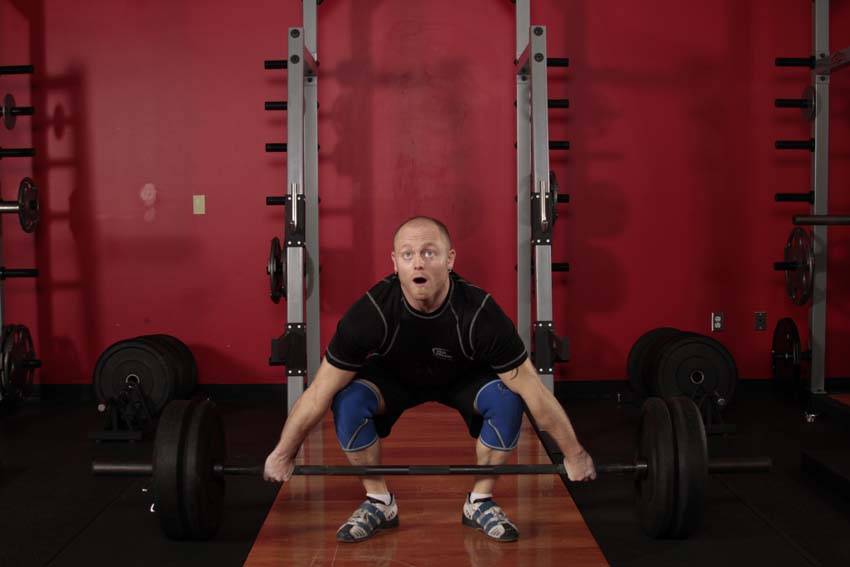
3. Snatch Deadlift
85% match- Hamstrings
- Barbell
- Advanced
- Compound
How to perform this exercise
- The snatch deadlift strengthens the first pull of the snatch. Begin with a wide snatch grip with the barbell placed on the platform. The feet should be directly under the hips, with the feet turned out. Squat down to the bar, keeping the back in absolute extension with the head facing forward.
- Initiate the movement by driving through the heels, raising the hips. The back angle should remain the same until the bar passes the knees.
- At that point, drive your hips through the bar as you lay back. Return the bar to the platform by reversing the motion.
Sets and reps: 3 to 5 sets of 5 to 8 reps.
Why this matches
- Movement: deadlift hinge, the same as Cable Deadlifts
- Primary muscle: hamstrings, the same as Cable Deadlifts
- Equipment: free weights, not a cable
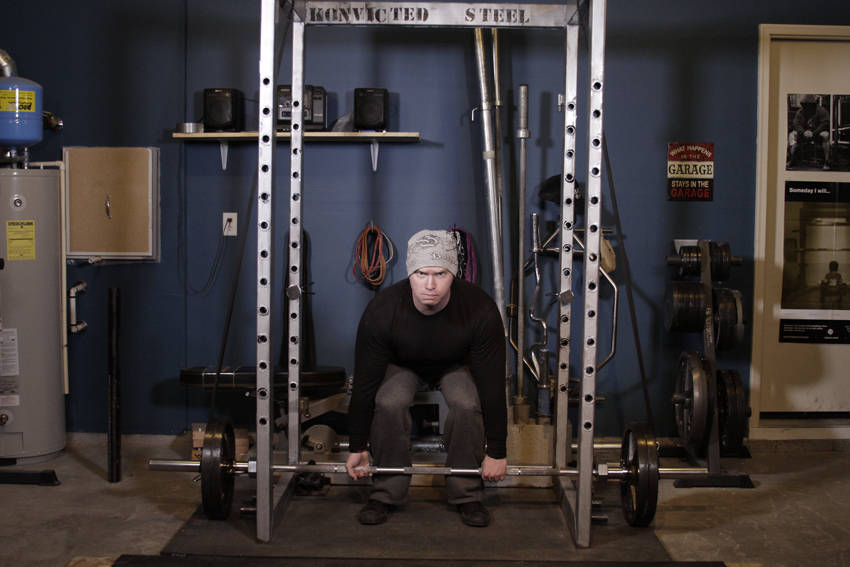
4. Reverse Band Deadlift
84% match- Hamstrings
- Barbell
- Advanced
- Compound
How to perform this exercise
- Set the bar up in a power rack. Attach bands to the top of the rack, using either bands pegs or the frame itself. Attach the other end of the bands to the bar.
- Approach the bar so that it is centered over your feet. You feet should be about hip width apart. Bend at the hip to grip the bar at shoulder width, allowing your shoulder blades to protract. Typically, you would use an overhand grip or an over/under grip on heavier sets.
- With your feet, and your grip set, take a big breath and then lower your hips and bend the knees until your shins contact the bar. Look forward with your head, keep your chest up and your back arched, and begin driving through the heels to move the weight upward.
- After the bar passes the knees, aggressively pull the bar back, pulling your shoulder blades together as you drive your hips forward into the bar.
- Lower the bar by bending at the hips and guiding it to the floor.
Sets and reps: 3 to 5 sets of 5 to 8 reps.
Why this matches
- Movement: deadlift hinge, the same as Cable Deadlifts
- Primary muscle: hamstrings, the same as Cable Deadlifts
- Equipment: free weights, not a cable
- Body position: standing, the same as Cable Deadlifts
- Balance: harder to stay steady on than Cable Deadlifts
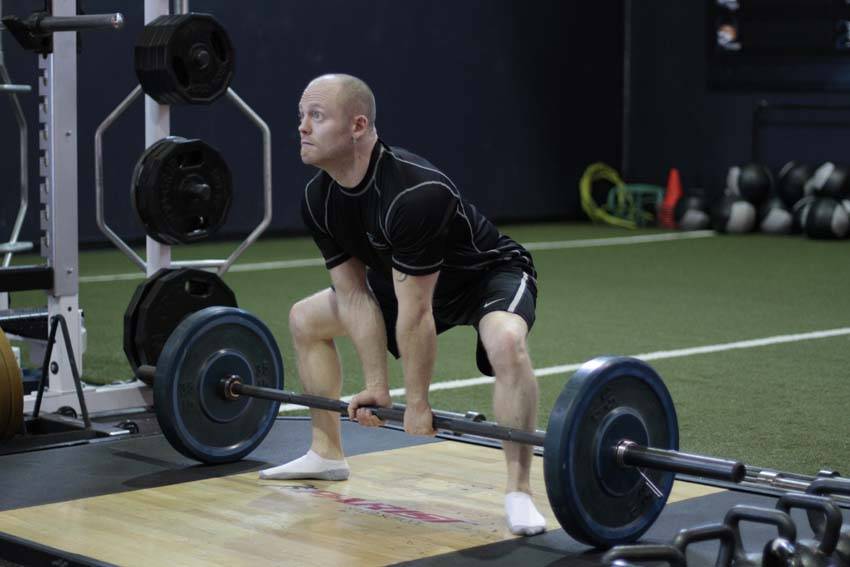
5. Sumo Deadlift
84% match- Hamstrings
- Barbell
- Advanced
- Compound
How to perform this exercise
- Begin with a bar loaded on the ground. Approach the bar so that the bar intersects the middle of the feet. The feet should be set very wide, near the collars. Bend at the hips to grip the bar. The arms should be directly below the shoulders, inside the legs, and you can use a pronated grip, a mixed grip, or hook grip. Relax the shoulders, which in effect lengthens your arms.
- Take a breath, and then lower your hips, looking forward with your head with your chest up. Drive through the floor, spreading your feet apart, with your weight on the back half of your feet. Extend through the hips and knees.
- As the bar passes through the knees, lean back and drive the hips into the bar, pulling your shoulder blades together.
- Return the weight to the ground by bending at the hips and controlling the weight on the way down.
Sets and reps: 3 to 5 sets of 5 to 8 reps.
Why this matches
- Movement: deadlift hinge, the same as Cable Deadlifts
- Primary muscle: hamstrings, the same as Cable Deadlifts
- Equipment: free weights, not a cable
- Body position: standing, the same as Cable Deadlifts
- Balance: harder to stay steady on than Cable Deadlifts
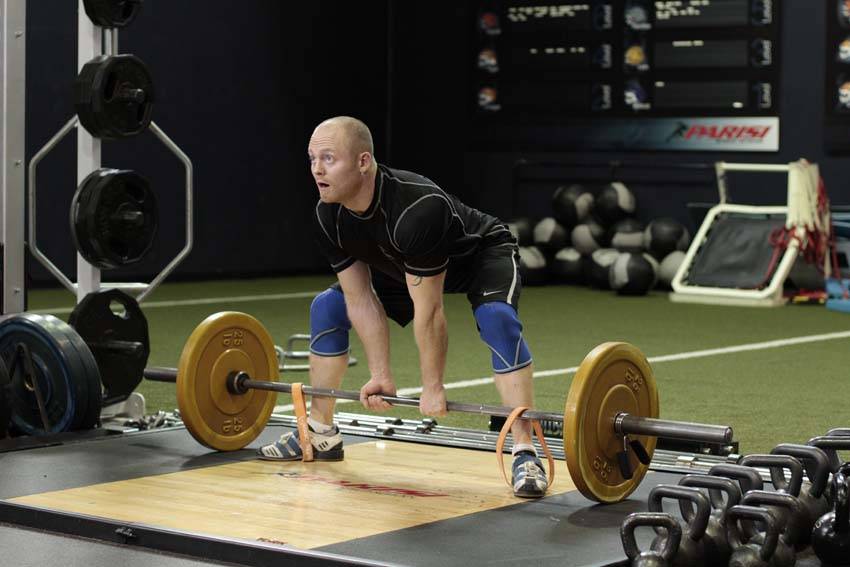
6. Sumo Deadlift With Bands
84% match- Hamstrings
- Barbell
- Advanced
- Compound
How to perform this exercise
- To deadlift with short bands, simply loop them over the bar before you start, and step into them to set up. Ensure that they under the back half of your foot, directly where you are driving into the floor.
- Begin with a bar loaded on the ground. Approach the bar so that the bar intersects the middle of the feet. The feet should be set very wide, near the collars. Bend at the hips to grip the bar. The arms should be directly below the shoulders, inside the legs, and you can use a pronated grip, a mixed grip, or hook grip.
- Take a breath, and then lower your hips, looking forward with your head with your chest up. Drive through the floor, spreading your feet apart, with your weight on the back half of your feet. Extend through the hips and knees.
- As the bar passes through the knees, lean back and drive the hips into the bar, pulling your shoulder blades together.
- Return the weight to the ground by bending at the hips and controlling the weight on the way down.
Sets and reps: 3 to 5 sets of 5 to 8 reps.
Why this matches
- Movement: deadlift hinge, the same as Cable Deadlifts
- Primary muscle: hamstrings, the same as Cable Deadlifts
- Equipment: free weights, not a cable
- Body position: standing, the same as Cable Deadlifts
- Balance: harder to stay steady on than Cable Deadlifts
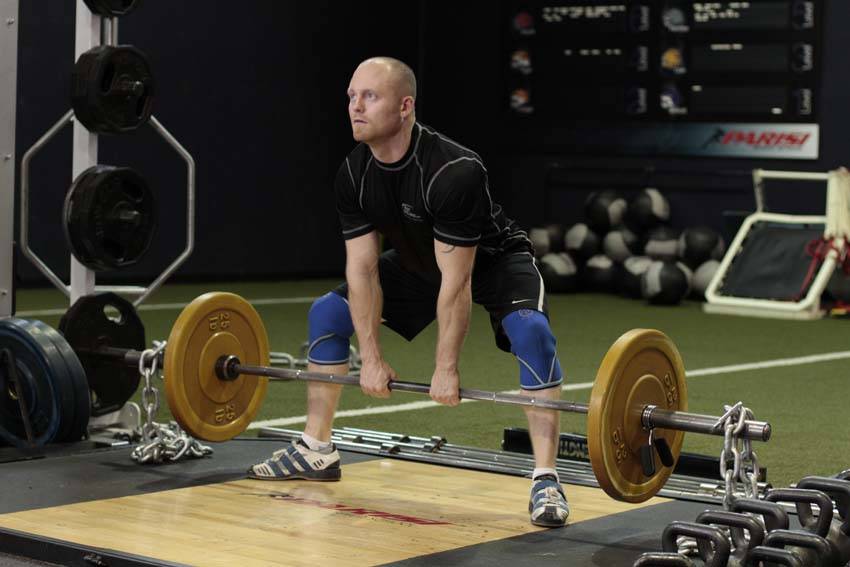
7. Sumo Deadlift With Chains
84% match- Hamstrings
- Barbell
- Advanced
- Compound
How to perform this exercise
- You can attach the chains to the sleeves of the bar, or just drape the middle over the bar so there is a greater weight increase as you lift. Attempt to keep the ends of the chains away from the plates so you don't hit them when you lower the weight.
- Begin with a bar loaded on the ground. Approach the bar so that the bar intersects the middle of the feet. The feet should be set very wide, near the collars. Bend at the hips to grip the bar. The arms should be directly below the shoulders, inside the legs, and you can use a pronated grip, a mixed grip, or hook grip. Relax the shoulders, which in effect lengthens your arms.
- Take a breath, and then lower your hips, looking forward with your head with your chest up. Drive through the floor, spreading your feet apart, with your weight on the back half of your feet. Extend through the hips and knees.
- As the bar passes through the knees, lean back and drive the hips into the bar, pulling your shoulder blades together.
- Return the weight to the ground by bending at the hips and controlling the weight on the way down.
Sets and reps: 3 to 5 sets of 5 to 8 reps.
Why this matches
- Movement: deadlift hinge, the same as Cable Deadlifts
- Primary muscle: hamstrings, the same as Cable Deadlifts
- Equipment: free weights, not a cable
- Body position: standing, the same as Cable Deadlifts
- Balance: harder to stay steady on than Cable Deadlifts
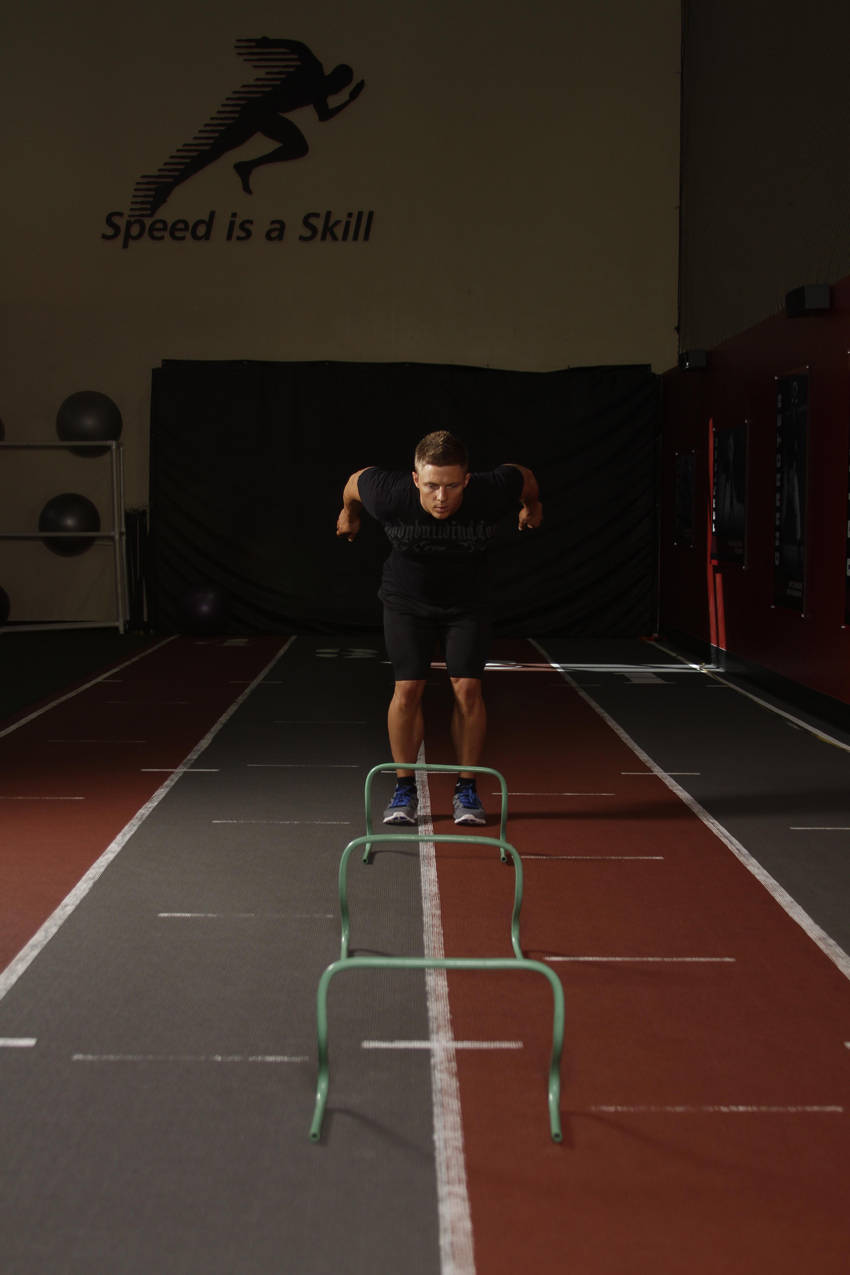
8. Hurdle Hops
82% match- Hamstrings
- Other
- Intermediate
- Compound
How to perform this exercise
- Set up a row of hurdles or other small barriers, placing them a few feet apart.
- Stand in front of the first hurdle with your feet shoulder width apart. This will be your starting position.
- Begin by jumping with both feet over the first hurdle, swinging both arms as you jump.
- Absorb the impact of landing by bending the knees, rebounding out of the first leap by jumping over the next hurdle. Continue until you have jumped over all of the hurdles.
Sets and reps: 3 or 4 sets of 6 to 10 reps.
Why this matches
- Primary muscle: hamstrings, the same as Cable Deadlifts
- Equipment: bodyweight only, not a cable
- Body position: standing, the same as Cable Deadlifts
- Balance: harder to stay steady on than Cable Deadlifts
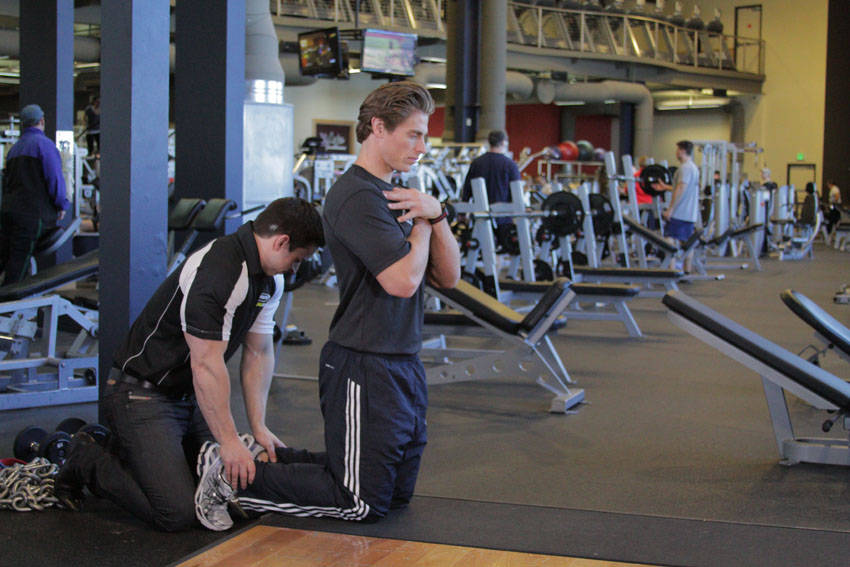
9. Floor Glute-ham Raise
80% match- Hamstrings
- Machine
- Advanced
- Compound
How to perform this exercise
- You can use a partner for this exercise or brace your feet under something stable.
- Begin on your knees with your upper legs and torso upright. If using a partner, they will firmly hold your feet to keep you in position. This will be your starting position.
- Lower yourself by extending at the knee, taking care to NOT flex the hips as you go forward.
- Place your hands in front of you as you reach the floor. This movement is very difficult and you may be unable to do it unaided. Use your arms to lightly push off the floor to aid your return to the starting position.
Sets and reps: 3 to 5 sets of 5 to 8 reps.
Why this matches
- Primary muscle: hamstrings, the same as Cable Deadlifts
- Equipment: a machine, not a cable
- Body position: kneeling, not standing
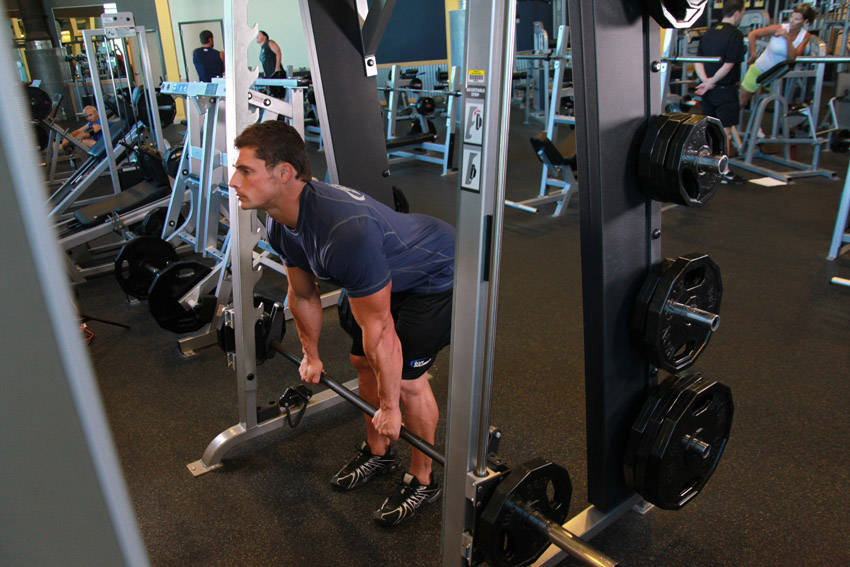
- Hamstrings
- Smith-machine
- Intermediate
- Compound
How to perform this exercise
- To begin, set the bar on the smith machine to a height that is around the middle of your thighs. Once the correct height is chosen and the bar is loaded, grasp the bar using a pronated (palms forward) grip that is shoulder width apart. You may need some wrist wraps if using a significant amount of weight.
- Lift the bar up by fully extending your arms while keeping your back straight. Stand with your torso straight and your legs spaced using a shoulder width or narrower stance. The knees should be slightly bent. This is your starting position.
- Keeping the knees stationary, lower the barbell to over the top of your feet by bending at the waist while keeping your back straight. Keep moving forward as if you were going to pick something from the floor until you feel a stretch on the hamstrings. Exhale as you perform this movement
- Start bringing your torso up straight again as soon as you feel the hamstrings stretch by extending your hips and waist until you are back at the starting position. Inhale as you perform this movement.
- Repeat for the recommended amount of repetitions.
Sets and reps: 3 or 4 sets of 6 to 10 reps.
Why this matches
- Primary muscle: hamstrings, the same as Cable Deadlifts
- Equipment: a machine, not a cable
- Body position: standing, the same as Cable Deadlifts
- Balance: easier to stay steady on than Cable Deadlifts
Cable Deadlifts FAQ
What muscles does Cable Deadlifts work?
Cable deadlifts primarily load the hamstrings and glutes while also engaging the erector spinae and adductors. The pattern emphasizes hip extension and eccentric hamstring control; cue: hinge from the hips with a neutral spine and drive the hips forward on the concentric to maximize posterior-chain contraction.
What is the best bodyweight alternative to Cable Deadlifts?
Nordic hamstring curls are the best pure bodyweight alternative because they deliver high eccentric hamstring stress and strengthen knee flexors. Cue: anchor your ankles, lower slowly under control, and brace your core to feel targeted posterior-chain activation.
Find Alternatives for Any Exercise
Search the exercise database and filter the ranked substitutes by the equipment you own.
Similarity scores compare exercise metadata such as movement pattern, muscles, equipment and body position. They are not a safety rating or a check that you own the equipment. Learn about our methodology