

10 Best Reverse Machine Flyes Alternatives for Rear Delt Strength
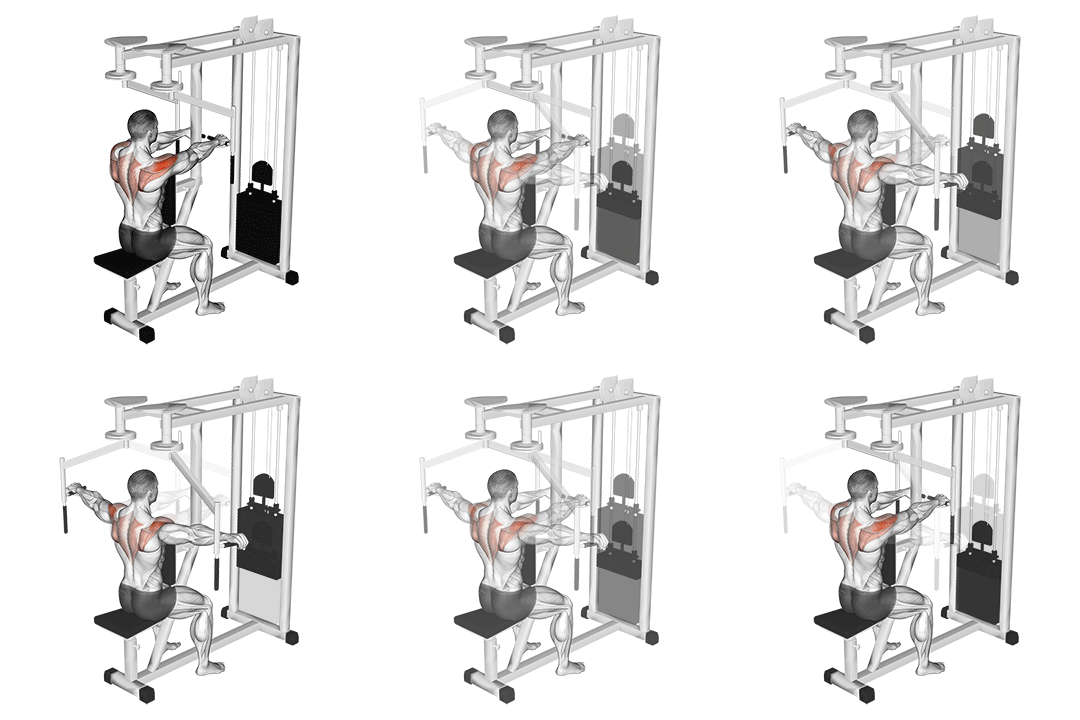
Reverse Machine Flyes are done seated with a machine. Ranked closest by our scoring: the Lever Seated Reverse Fly (Parallel Grip), the Lever Seated Reverse Fly and the Cable Seated Rear Lateral Raise.
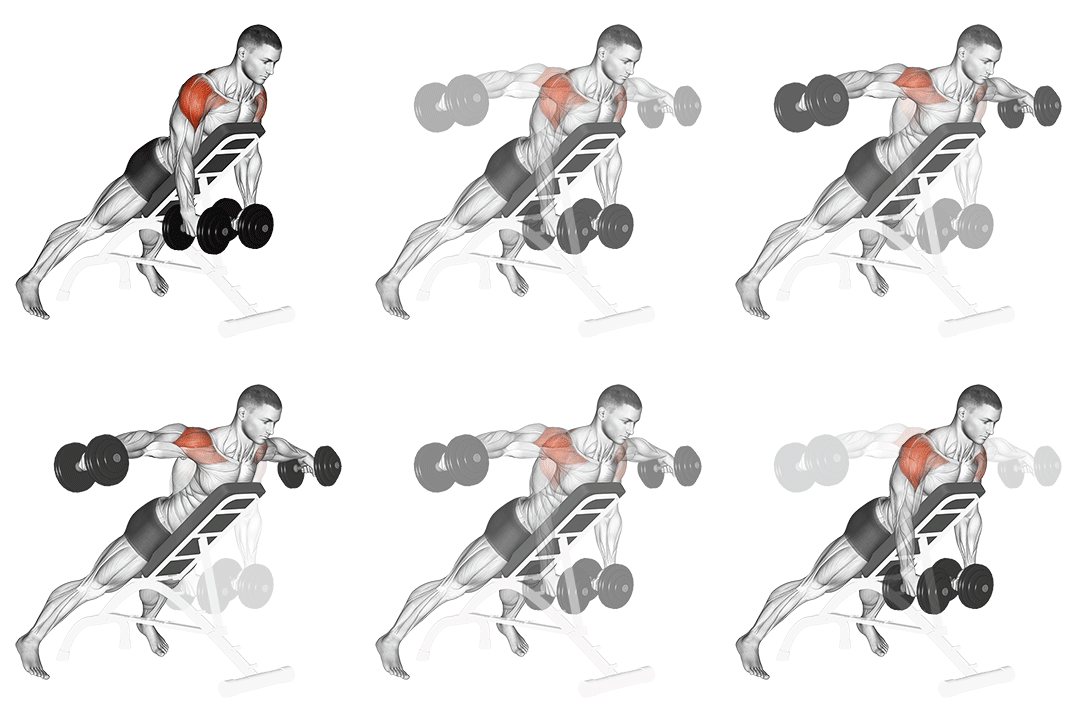
A busy rear delt machine leaves you looking for a swap that keeps the same pulling arc. The Lever Seated Reverse Fly (Parallel Grip) puts your chest against the pad, palms facing each other, and pulls the handles back and outward while you squeeze your shoulder blades together, much like Reverse Machine Flyes. With only dumbbells on hand, the Dumbbell Incline Rear Lateral Raise has you sit chest to a 45-degree backrest and raise your arms out to the sides.
Updated Ranked by our 12-factor similarity model How it works
Original Exercise: Reverse Machine Flyes
- Primary muscle
- Delts
- Equipment
- Machine
- Difficulty
- Beginner
- Type
- Isolation
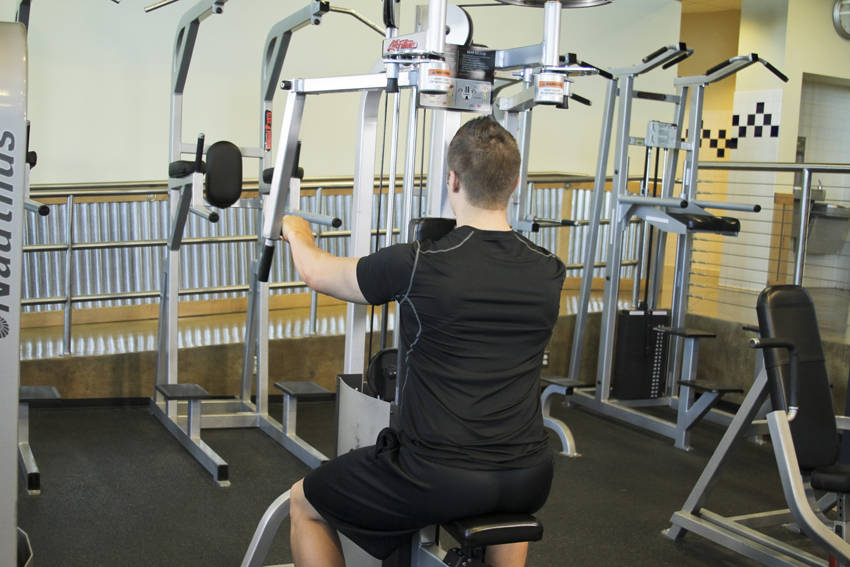
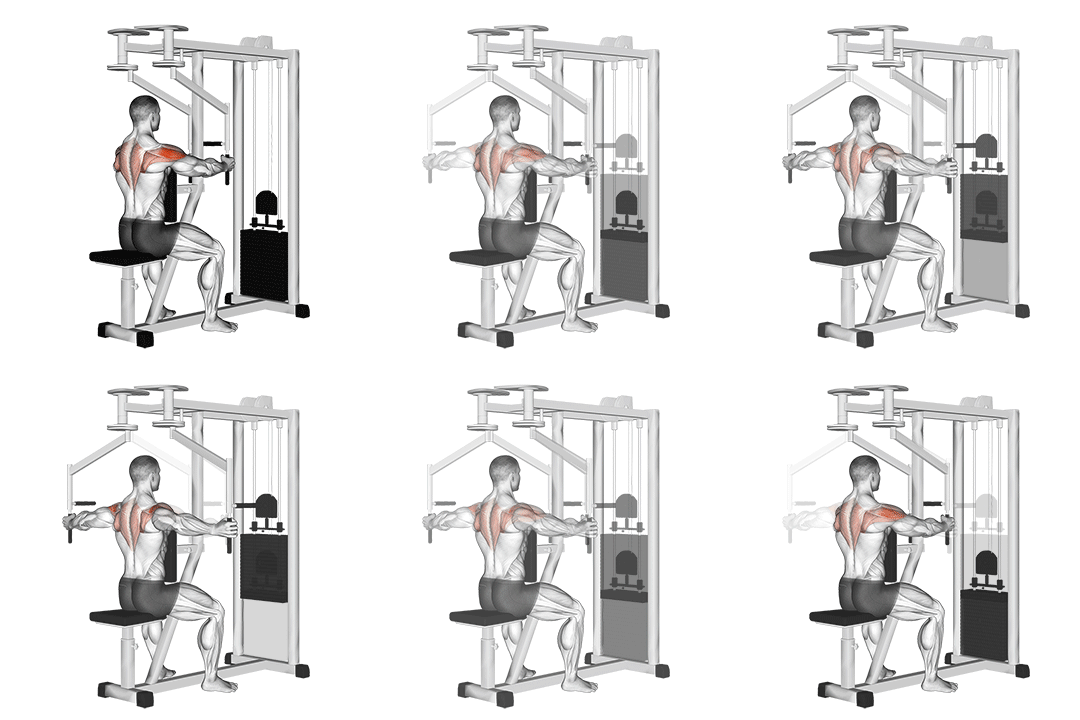
How to perform Reverse Machine Flyes
- Adjust the handles so that they are fully to the rear. Make an appropriate weight selection and adjust the seat height so the handles are at shoulder level. Grasp the handles with your hands facing inwards. This will be your starting position.
- In a semicircular motion, pull your hands out to your side and back, contracting your rear delts.
- Keep your arms slightly bent throughout the movement, with all of the motion occurring at the shoulder joint.
- Pause at the rear of the movement, and slowly return the weight to the starting position.
Ranked Reverse Machine Flyes Alternatives
10 substitutes, ranked by how closely each one matches Reverse Machine Flyes on movement pattern, muscles worked, equipment and body position. The higher the score, the less you change. Open "How to perform this exercise" on a card for the steps; every card title links to that exercise's own alternatives page.
Best match - Delts
- Lever
- Beginner
- Isolation
A good swap when you have a lever machine to work with, and it still works the delts.
How to perform this exercise
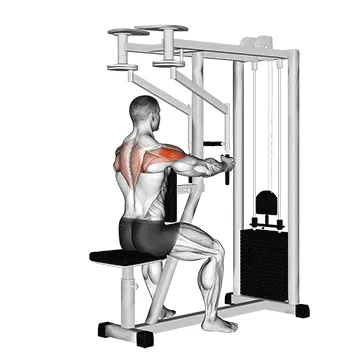
- Adjust the seat height and position yourself on the machine with your chest against the pad and your feet flat on the floor.
- Grasp the handles with a parallel grip, palms facing each other, and keep your arms slightly bent.
- Exhale and squeeze your shoulder blades together as you pull the handles back and outward, away from your body.
- Pause for a moment at the peak contraction, then inhale and slowly return to the starting position.
- Repeat for the desired number of repetitions.
Sets and reps: 3 sets of 10 to 15 reps.
Why this matches
- Movement: rear-delt fly, the same as Reverse Machine Flyes
- Primary muscle: delts, the same as Reverse Machine Flyes
- Equipment: a machine, the same as Reverse Machine Flyes
- Body position: seated, the same as Reverse Machine Flyes
2. Lever Seated Reverse Fly
99% match- Delts
- Lever
- Intermediate
- Isolation
How to perform this exercise
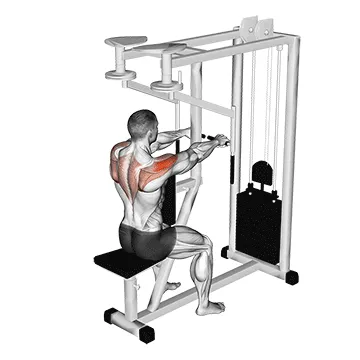
- Adjust the seat height and position yourself on the machine with your chest against the pad and your feet flat on the floor.
- Grasp the handles with an overhand grip and keep your arms slightly bent.
- Exhale and squeeze your shoulder blades together as you pull the handles back and outward, away from your body.
- Pause for a moment at the peak contraction, then inhale and slowly return to the starting position.
- Repeat for the desired number of repetitions.
Sets and reps: 3 sets of 10 to 15 reps.
Why this matches
- Movement: rear-delt fly, the same as Reverse Machine Flyes
- Primary muscle: delts, the same as Reverse Machine Flyes
- Equipment: a machine, the same as Reverse Machine Flyes
- Body position: seated, the same as Reverse Machine Flyes
3. Cable Seated Rear Lateral Raise
88% match- Delts
- Cable
- Intermediate
- Isolation
A good swap when you have a cable machine to work with, and it still works the delts.
How to perform this exercise
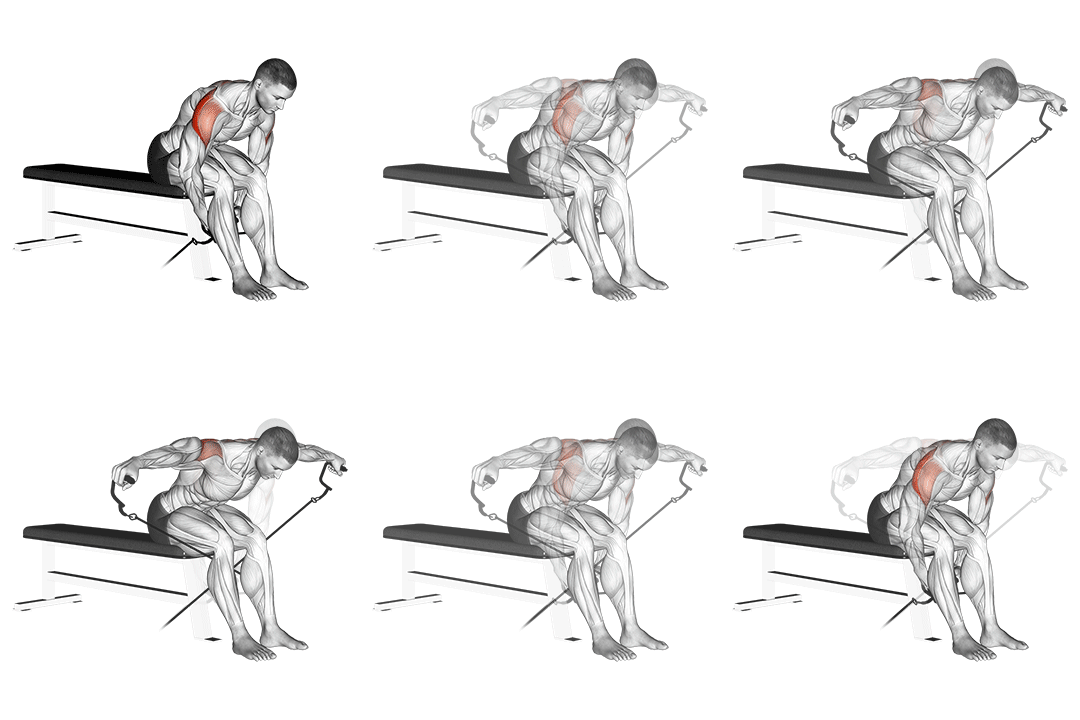
- Sit on a bench facing the cable machine with your feet flat on the ground.
- Grasp the cable handles with an overhand grip and extend your arms straight in front of you.
- Keeping your arms straight, slowly raise them out to the sides until they are parallel to the floor.
- Pause for a moment at the top, then slowly lower your arms back to the starting position.
- Repeat for the desired number of repetitions.
Sets and reps: 3 sets of 10 to 15 reps.
Why this matches
- Primary muscle: delts, the same as Reverse Machine Flyes
- Equipment: a cable, not a machine
- Body position: seated, the same as Reverse Machine Flyes
- Delts
- Dumbbell
- Intermediate
- Isolation
A good swap when you have dumbbells to work with, and it still works the delts.
How to perform this exercise
- Set up an incline bench at a 45-degree angle.
- Sit on the bench with your chest against the backrest and hold a dumbbell in each hand.
- Extend your arms straight down with your palms facing each other.
- Keeping a slight bend in your elbows, raise your arms out to the sides until they are parallel to the ground.
- Pause for a moment at the top, then slowly lower your arms back down to the starting position.
- Repeat for the desired number of repetitions.
Sets and reps: 3 sets of 10 to 15 reps.
Why this matches
- Primary muscle: delts, the same as Reverse Machine Flyes
- Equipment: free weights, not a machine
- Body position: seated, the same as Reverse Machine Flyes
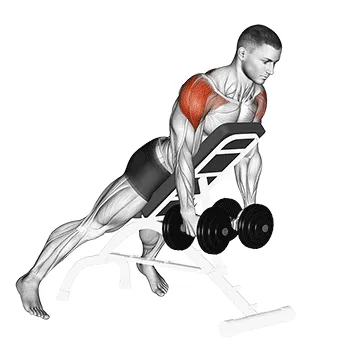
5. Dumbbell Incline T-raise
88% match- Delts
- Dumbbell
- Intermediate
- Isolation
How to perform this exercise
- Set an incline bench to a 45-degree angle and sit on it with a dumbbell in each hand, palms facing inwards.
- Lean forward and let your arms hang straight down, perpendicular to the floor.
- Keeping your arms straight, raise them out to the sides until they are parallel to the floor, forming a 'T' shape with your body.
- Pause for a moment at the top, then slowly lower your arms back down to the starting position.
- Repeat for the desired number of repetitions.
Sets and reps: 3 sets of 10 to 15 reps.
Why this matches
- Primary muscle: delts, the same as Reverse Machine Flyes
- Equipment: free weights, not a machine
- Body position: seated, the same as Reverse Machine Flyes
6. Dumbbell Incline Y-raise
88% match- Delts
- Dumbbell
- Intermediate
- Isolation
How to perform this exercise
- Set an incline bench to a 45-degree angle and sit on it with a dumbbell in each hand, palms facing inwards.
- Lean forward slightly and let your arms hang straight down, keeping a slight bend in your elbows.
- Raise your arms out to the sides and up in a Y shape until they are parallel to the ground.
- Pause for a moment at the top, then slowly lower your arms back down to the starting position.
- Repeat for the desired number of repetitions.
Sets and reps: 3 sets of 10 to 15 reps.
Why this matches
- Primary muscle: delts, the same as Reverse Machine Flyes
- Equipment: free weights, not a machine
- Body position: seated, the same as Reverse Machine Flyes
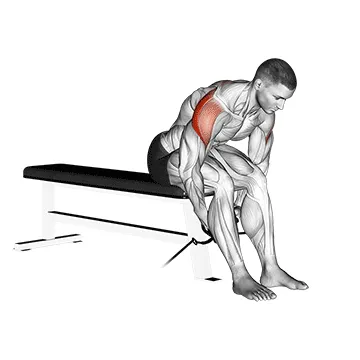
- Delts
- Dumbbell
- Intermediate
- Isolation
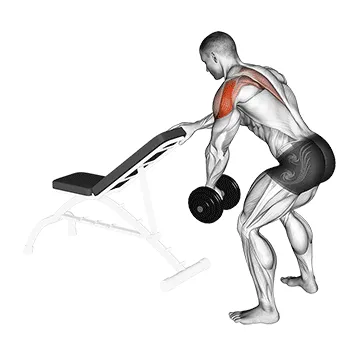
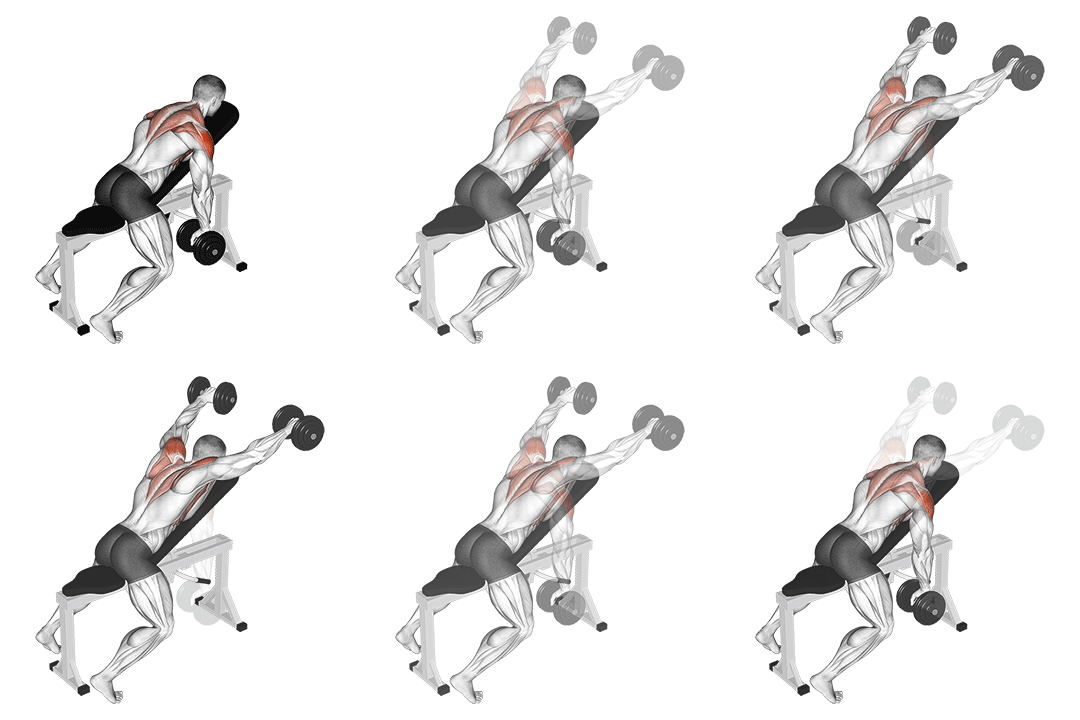
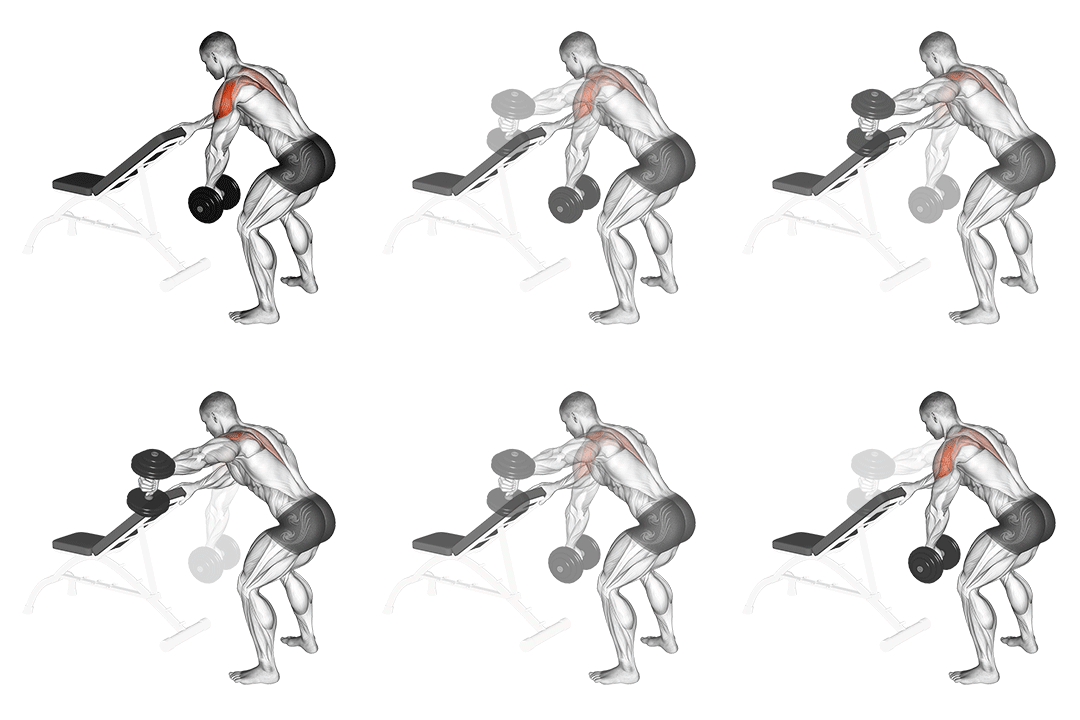
Pick this when you want a harder single-arm version that still works the delts.
How to perform this exercise
- Sit on a bench with your feet flat on the ground and your back straight.
- Hold a dumbbell in one hand with your palm facing inwards.
- Lean forward and place your free hand on the bench for support.
- Keep your arm slightly bent and raise it out to the side until it is parallel to the ground.
- Pause for a moment at the top, then slowly lower your arm back down to the starting position.
- Repeat for the desired number of repetitions, then switch arms.
Sets and reps: 3 sets of 10 to 15 reps on each side.
Why this matches
- Movement: rear-delt fly, the same as Reverse Machine Flyes
- Primary muscle: delts, the same as Reverse Machine Flyes
- Equipment: free weights, not a machine
- Body position: seated, the same as Reverse Machine Flyes
- Balance: harder to stay steady on than Reverse Machine Flyes
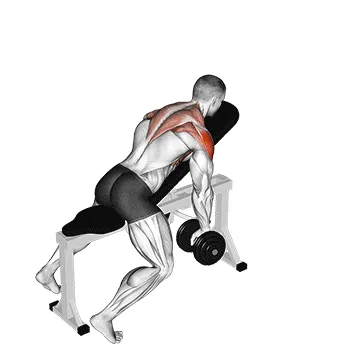
- Delts
- Dumbbell
- Intermediate
- Isolation
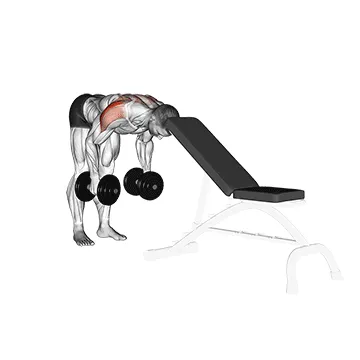
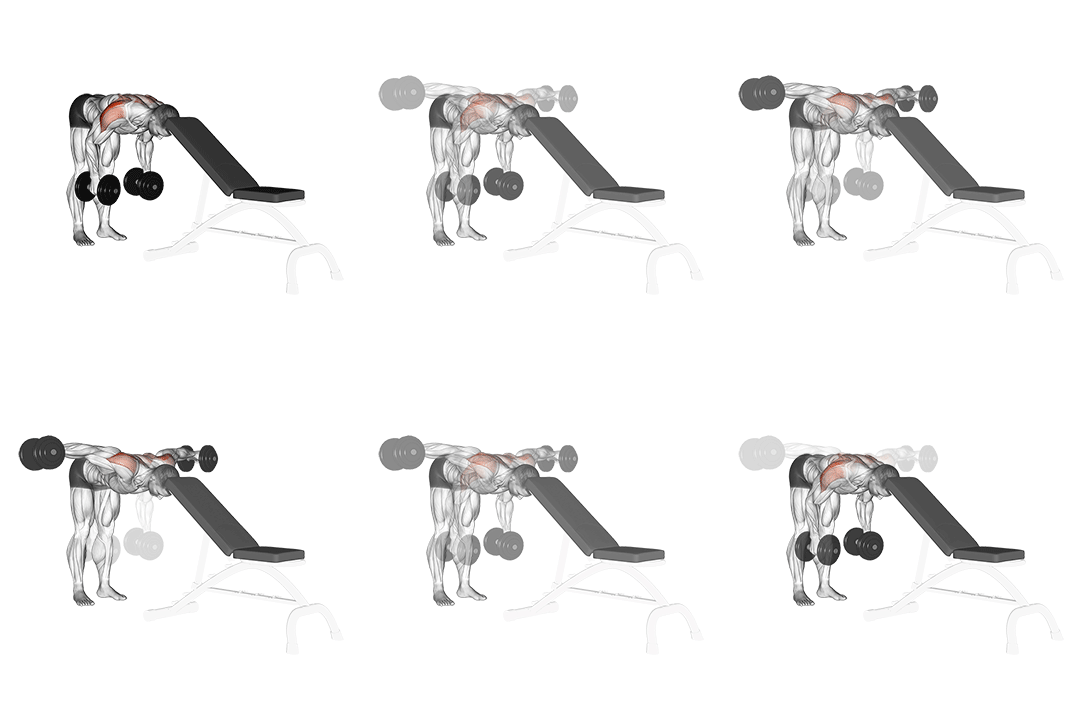
How to perform this exercise
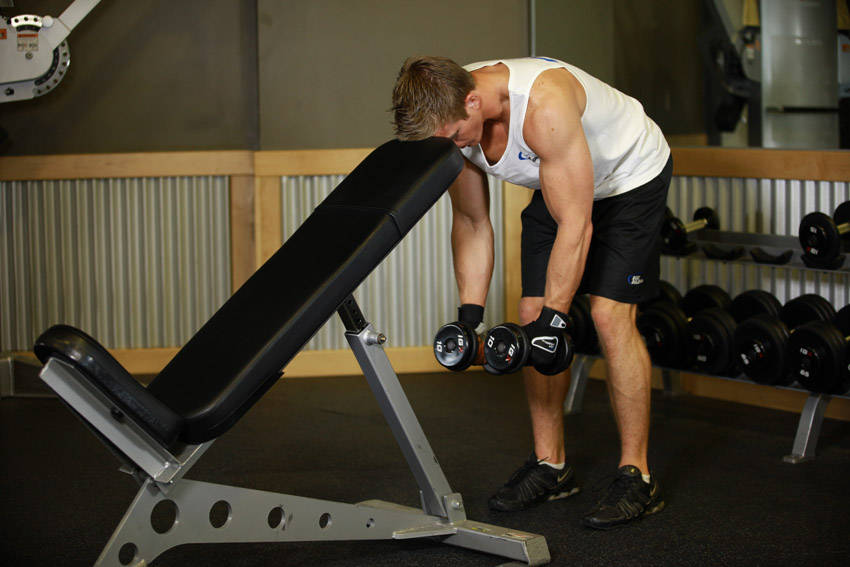
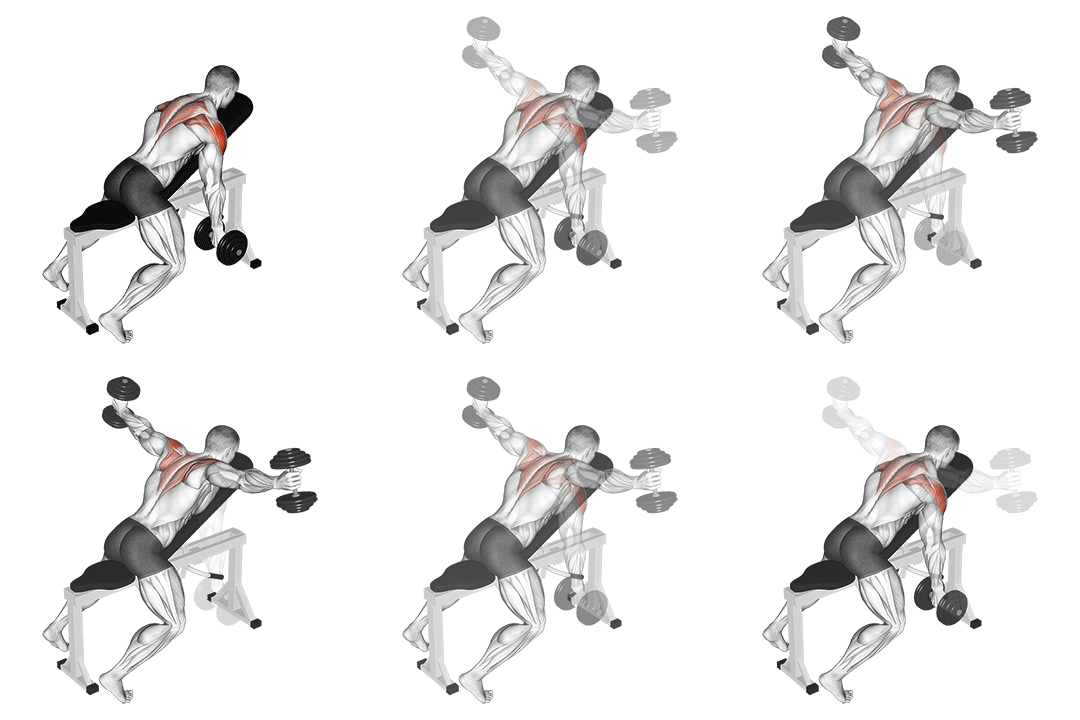
- Stand up straight while holding a dumbbell in each hand and with an incline bench in front of you.
- While keeping your back straight and maintaining the natural arch of your back, lean forward until your forehead touches the bench in front of you. Let the arms hang in front of you perpendicular to the ground. The palms of your hands should be facing each other and your torso should be parallel to the floor. This will be your starting position.
- Keeping your torso forward and stationary, and the arms straight with a slight bend at the elbows, lift the dumbbells straight to the side until both arms are parallel to the floor. Exhale as you lift the weights. Caution: avoid swinging the torso or bringing the arms back as opposed to the side.
- After a one second contraction at the top, slowly lower the dumbbells back to the starting position.
- Repeat the recommended amount of repetitions.
Sets and reps: 3 sets of 10 to 15 reps.
Why this matches
- Primary muscle: delts, the same as Reverse Machine Flyes
- Equipment: free weights, not a machine
- Body position: standing, not seated
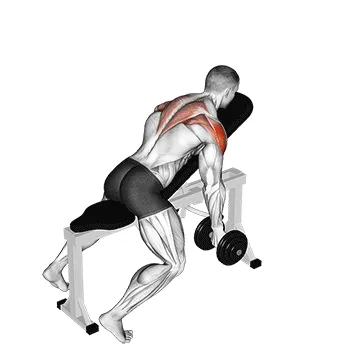
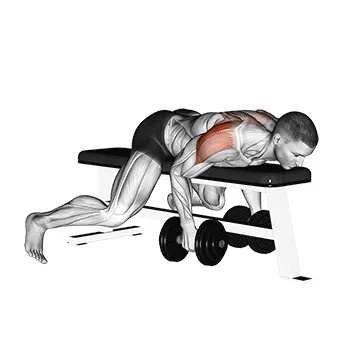
9. Dumbbell Lying Rear Lateral Raise
80% match- Delts
- Dumbbell
- Beginner
- Isolation
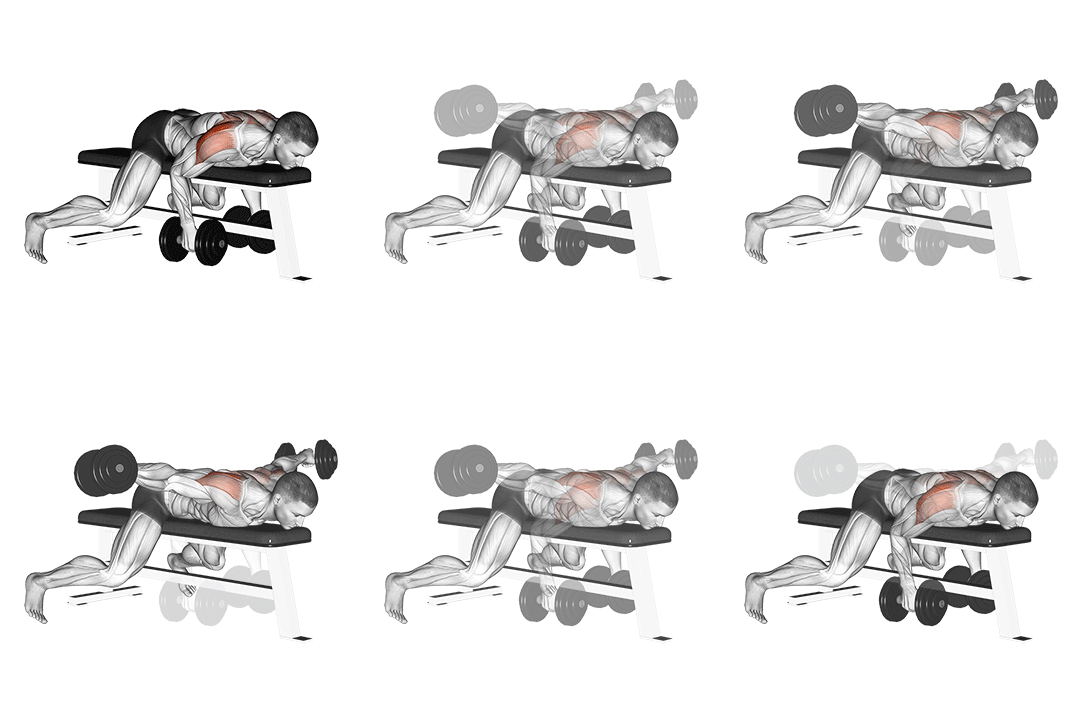
How to perform this exercise
- Lie face down on a flat bench with a dumbbell in each hand, palms facing each other.
- Extend your arms straight down towards the floor, keeping a slight bend in your elbows.
- Engaging your shoulder muscles, lift your arms out to the sides until they are parallel to the floor.
- Pause for a moment at the top, then slowly lower your arms back down to the starting position.
- Repeat for the desired number of repetitions.
Sets and reps: 3 sets of 10 to 15 reps.
Why this matches
- Primary muscle: delts, the same as Reverse Machine Flyes
- Equipment: free weights, not a machine
- Body position: lying face down, not seated
- Delts
- Dumbbell
- Beginner
- Isolation
How to perform this exercise
- Stand with your feet shoulder-width apart and hold a dumbbell in each hand.
- Bend your knees slightly and hinge forward at the hips, keeping your back straight.
- Raise your arms out to the sides, keeping a slight bend in your elbows, until they are parallel to the ground.
- Pause for a moment at the top, then slowly lower your arms back down to the starting position.
- Repeat for the desired number of repetitions.
Sets and reps: 3 sets of 10 to 15 reps.
Why this matches
- Primary muscle: delts, the same as Reverse Machine Flyes
- Equipment: free weights, not a machine
- Body position: standing, not seated
Why You Might Need a Reverse Machine Flyes Alternative
A swap gets picked because the lever station for Reverse Machine Flyes is busy, your gym never bought one, or you are training with only dumbbells and a bench. The steps behind the original are simple: sit with the handles set to the rear, pull your hands out to the side and back in a semicircular arc, and pause at the rear before returning. The two lever alternatives keep that seated pull and change only the grip; the cable and dumbbell options raise your arms out to the sides from a seated, chest-supported, lying or hinged position. The Dumbbell Incline T-raise keeps the arms straight to form a T, while the Dumbbell Incline Y-raise lifts them up and out in a Y.
How to Choose the Right Reverse Machine Flyes Substitute
Match the equipment you can reach first. If a lever machine is open, the Lever Seated Reverse Fly (Parallel Grip) repeats the seated pull, and the Lever Seated Reverse Fly on the same station swaps in an overhand grip. Where the gym is cable only, the Cable Seated Rear Lateral Raise sits you facing the stack with straight arms raised to the sides. With dumbbells and a bench, the Dumbbell One Arm Reverse Fly (With Support) works one arm at a time while your free hand rests on the bench, the Dumbbell Lying Rear Lateral Raise lets the flat bench hold your torso, and the Dumbbell Rear Lateral Raise (Support Head) moves the raise to a standing hip hinge.
Reverse Machine Flyes FAQ
What can I do if every machine at the gym is taken?
Grab two dumbbells and an incline bench for the Bent Over Dumbbell Rear Delt Raise With Head On Bench. You lean forward until your forehead touches the bench, let your arms hang with palms facing each other, then lift the dumbbells straight to the side until both arms are parallel to the floor. Neither the bench nor the dumbbells tie up a lever station.
Which Reverse Machine Flyes alternative uses a cable machine?
The Cable Seated Rear Lateral Raise. You sit on a bench facing the cable machine, hold the handles with an overhand grip and arms straight in front of you, then raise them out to the sides until they are parallel to the floor. It is the only cable option on the list.
Can I train rear delts at home with just dumbbells?
Yes. The Dumbbell Rear Lateral Raise (Support Head) needs nothing but a pair of dumbbells: stand with feet shoulder-width apart, bend your knees slightly, hinge forward at the hips with a straight back, and raise your arms to the sides until parallel to the ground. Add a flat bench and the Dumbbell Lying Rear Lateral Raise becomes available too.
How do the incline T-raise and Y-raise differ?
Both start seated on a 45-degree incline bench with a dumbbell in each hand, palms facing inwards. In the Dumbbell Incline T-raise you keep your arms straight and raise them out to the sides to form a T; in the Dumbbell Incline Y-raise you keep a slight bend in the elbows and raise them out and up in a Y shape.
Find Alternatives for Any Exercise
Search the exercise database and filter the ranked substitutes by the equipment you own.
Similarity scores compare exercise metadata such as movement pattern, muscles, equipment and body position. They are not a safety rating or a check that you own the equipment. Learn about our methodology