

10 Best Seated Barbell Twist Alternatives for Safer Waist Training
If you can’t do the Seated Barbell Twist, use movements that load the obliques and control thoracic rotation such as cable woodchops, Pallof presses, Russian twists with a med ball, standing cable rotations, or side-plank reaches. Cue: brace your core, keep hips square and rotate from the thoracic spine to maximize oblique activation.
Original Exercise: Seated Barbell Twist
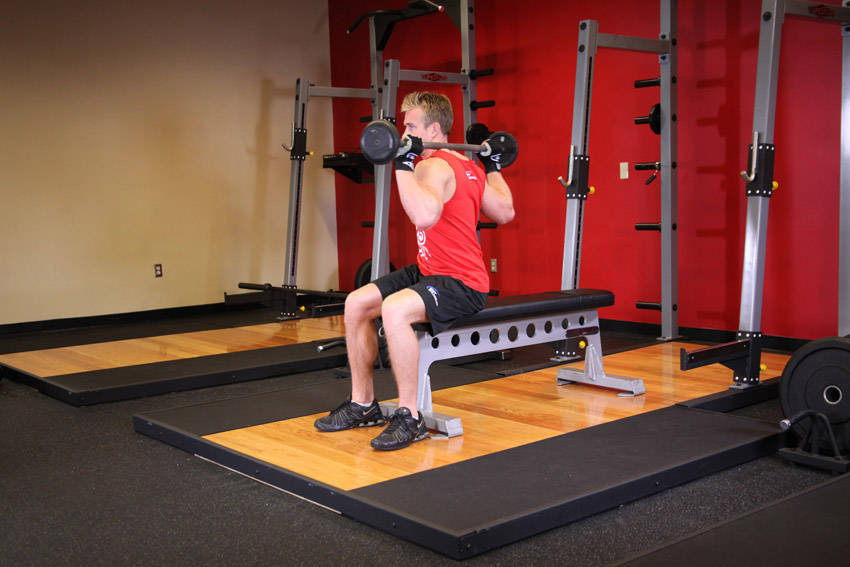
How to Perform Seated Barbell Twist
- Start out by sitting at the end of a flat bench with a barbell placed on top of your thighs. Your feet should be shoulder width apart from each other.
- Grip the bar with your palms facing down and make sure your hands are wider than shoulder width apart from each other. Begin to lift the barbell up over your head until your arms are fully extended.
- Now lower the barbell behind your head until it is resting along the base of your neck. This is the starting position.
- While keeping your feet and head stationary, move your waist from side to side so that your oblique muscles feel the contraction. Only move from side to side as far as your waist will allow you to go. Stretching or moving too far can cause an injury to occur. Tip: Use a slow and controlled motion.
- Remember to breathe out while twisting your body to the side and in when moving back to the starting position.
- Repeat for the recommended amount of repetitions.
Pro Tips
- Category: Strength
- Force: Pull
- Movement type: Isolation
Best Seated Barbell Twist Alternatives
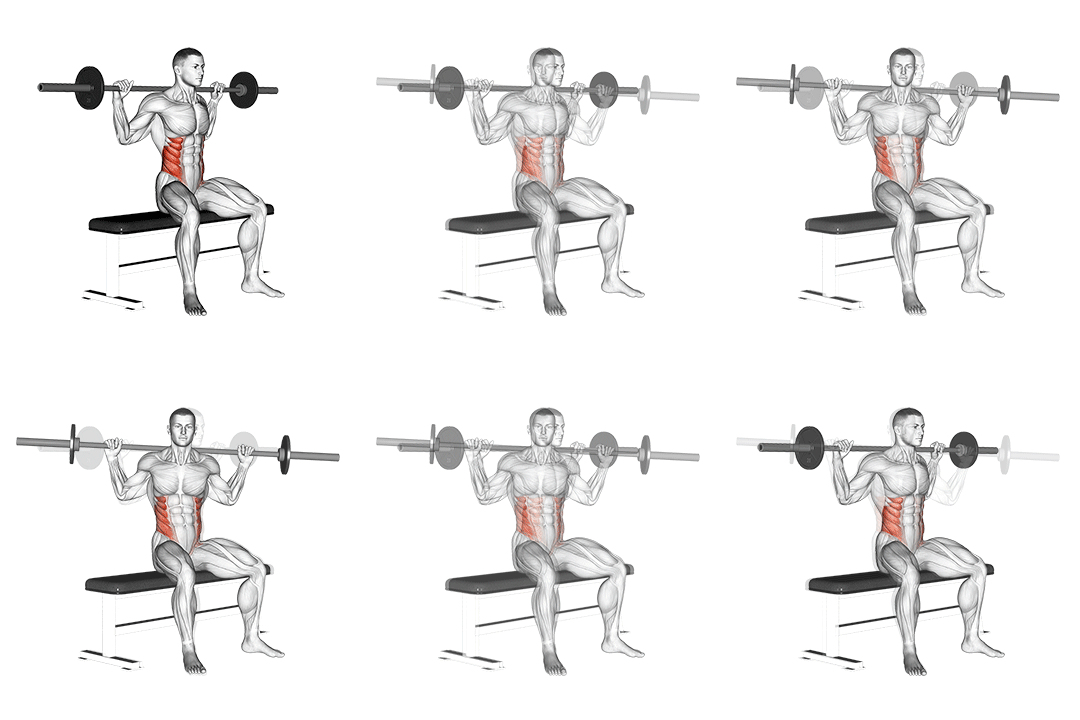
1. Barbell Seated Twist
93.7% MatchHow to perform this exercise
- Sit on a flat bench with your feet flat on the ground and your knees bent.
- Hold a barbell with both hands in front of your chest, keeping your elbows slightly bent.
- Engage your core and slowly twist your torso to one side, keeping your back straight.
- Pause for a moment at the end of the twist, then slowly rotate back to the starting position.
- Repeat the twist to the other side.
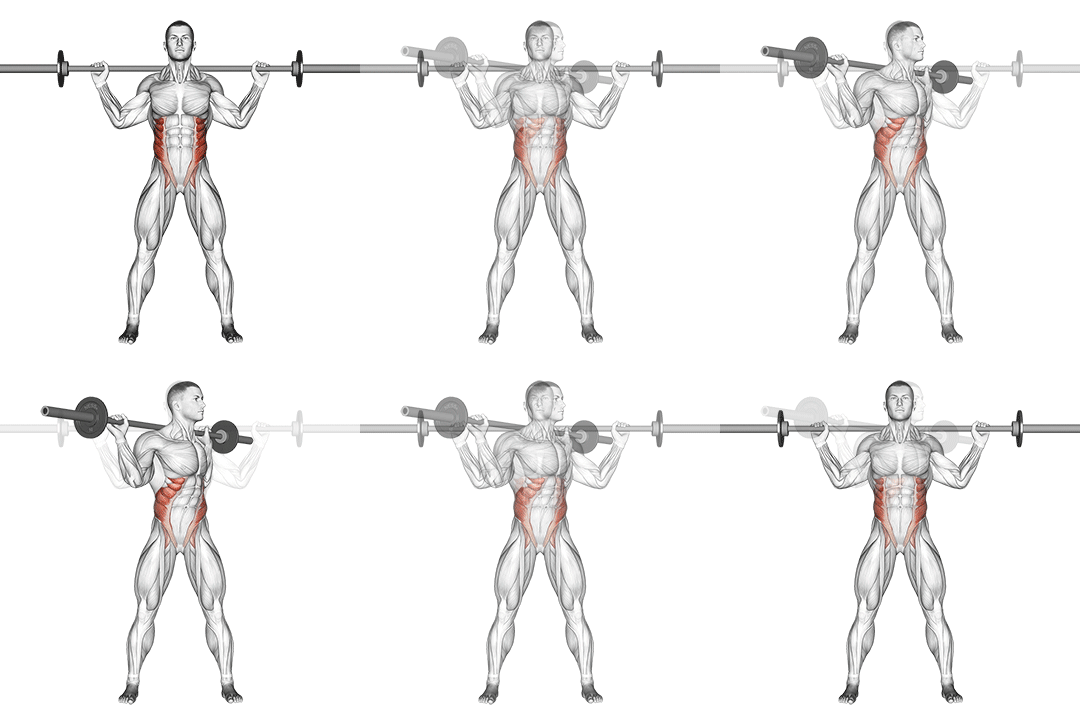
2. Barbell Standing Twist
89.9% MatchHow to perform this exercise
- Stand with your feet shoulder-width apart and hold a barbell in front of your chest with both hands, palms facing down.
- Engage your core and keep your back straight throughout the exercise.
- Slowly twist your torso to the right, pivoting on your feet and hips, while keeping your lower body stable.
- Pause for a moment at the end of the twist, then slowly return to the starting position.
- Repeat the twist to the left side.
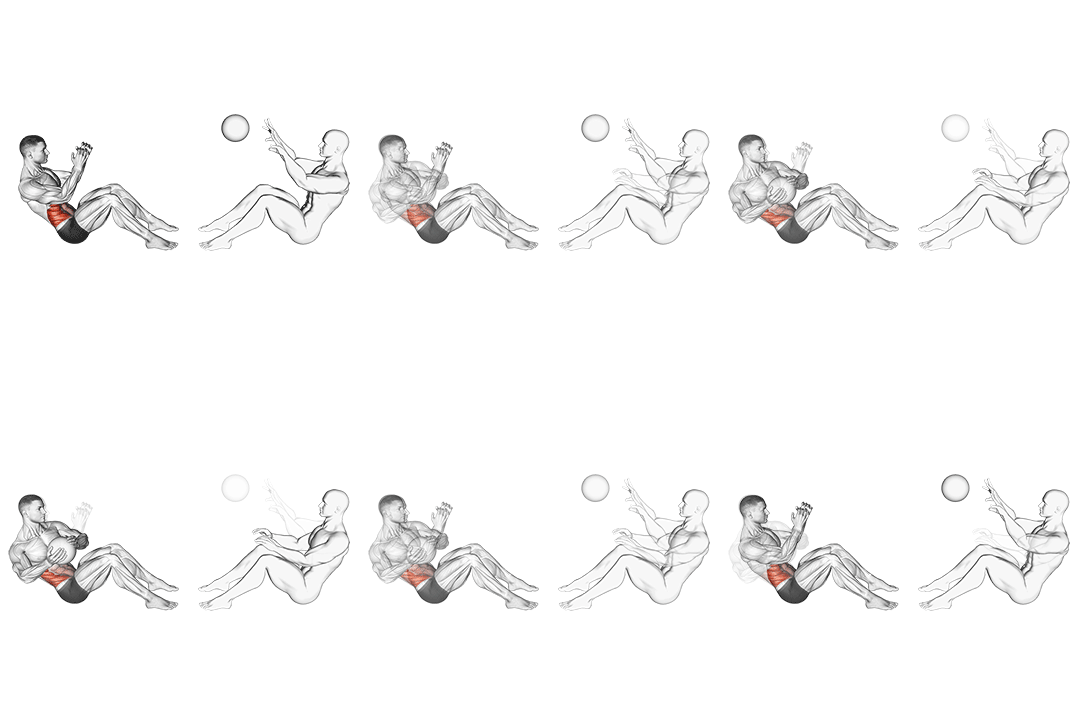
3. Assisted Motion Russian Twist
87.7% MatchHow to perform this exercise
- Sit on the ground with your knees bent and feet flat on the floor.
- Hold the medicine ball with both hands in front of your chest.
- Lean back slightly, engaging your abs and keeping your back straight.
- Slowly twist your torso to the right, bringing the medicine ball towards the right side of your body.
- Pause for a moment, then twist your torso to the left, bringing the medicine ball towards the left side of your body.
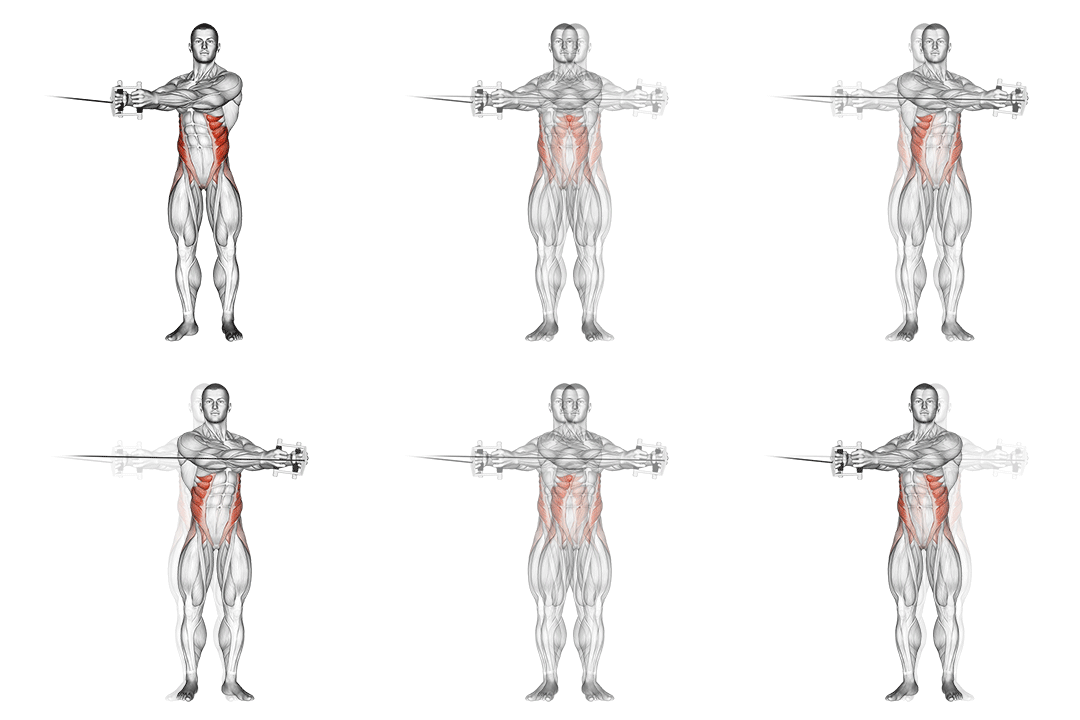
4. Cable Twist
82% MatchHow to perform this exercise
- Stand with your feet shoulder-width apart, facing the cable machine.
- Hold the cable handle with both hands in front of your chest, keeping your arms slightly bent.
- Engage your core and twist your torso to the right, pulling the cable across your body.
- Pause for a moment at the end of the movement, feeling the contraction in your abs and obliques.
- Slowly return to the starting position, resisting the cable's pull.
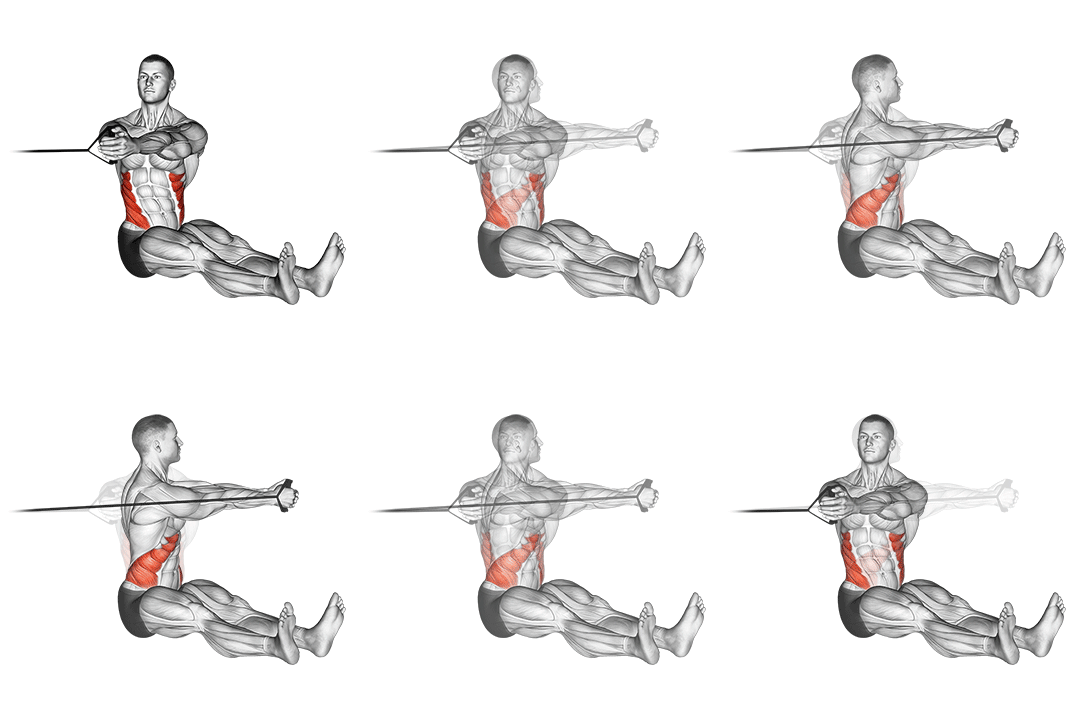
5. Band Seated Twist
80.7% MatchHow to perform this exercise
- Sit on the ground with your legs extended in front of you and your back straight.
- Wrap the band around your waist and hold the ends with both hands.
- Engage your abs and slowly twist your torso to one side, keeping your back straight and your feet on the ground.
- Pause for a moment at the end of the twist, then slowly return to the starting position.
- Repeat the twist to the other side.
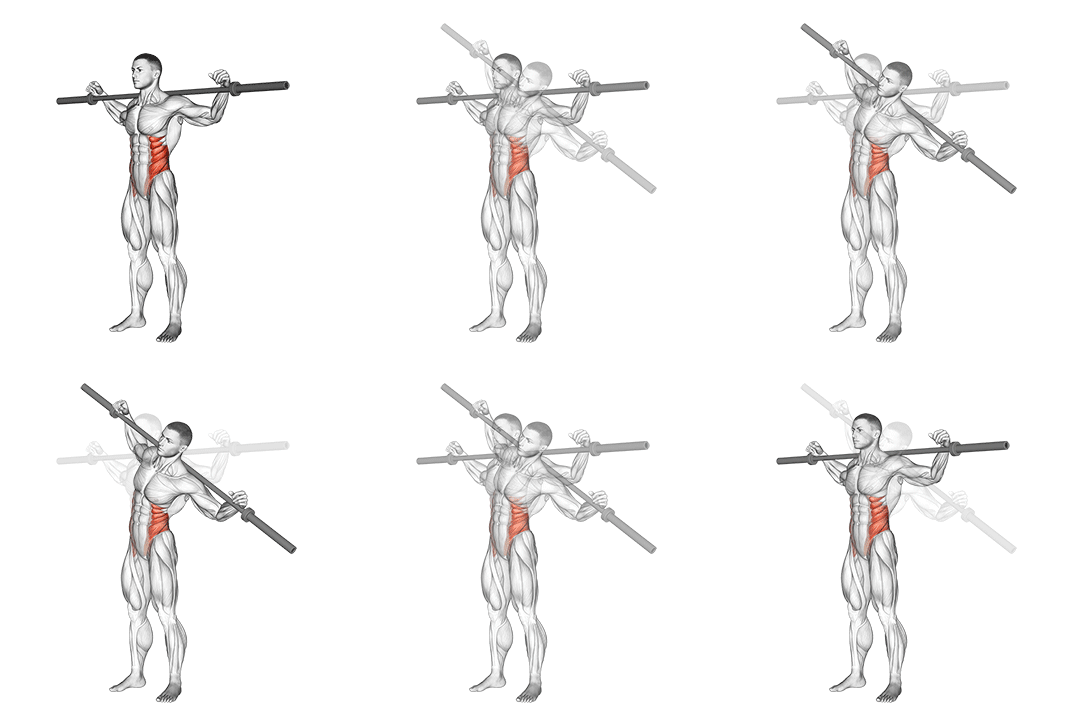
6. Barbell Side Bent V. 2
78.7% MatchHow to perform this exercise
- Stand with your feet shoulder-width apart and hold a barbell with both hands, palms facing down.
- Keep your back straight and core engaged throughout the exercise.
- Slowly bend your torso to the right side, lowering the barbell towards your right knee.
- Pause for a moment, then return to the starting position.
- Repeat the movement on the left side.
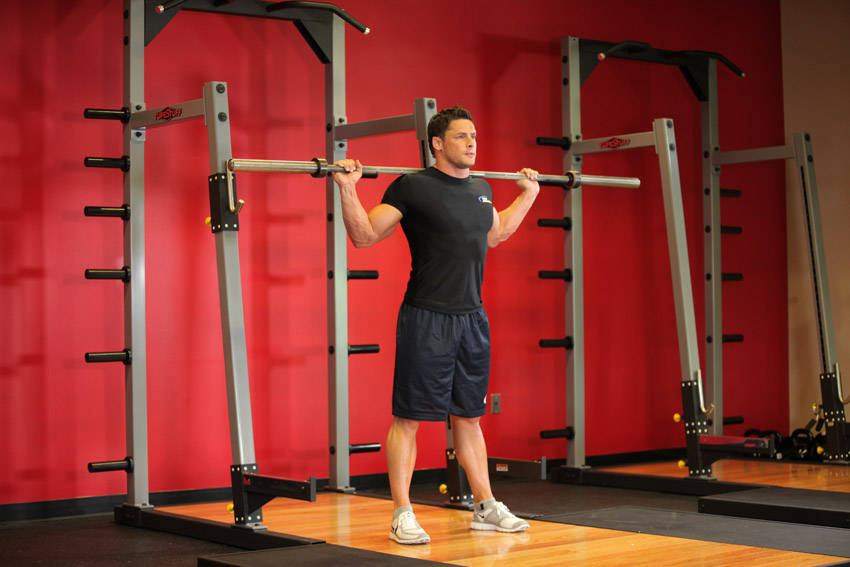
7. Barbell Side Bend
78.7% MatchHow to perform this exercise
- Stand up straight while holding a barbell placed on the back of your shoulders (slightly below the neck). Your feet should be shoulder width apart. This will be your starting position.
- While keeping your back straight and your head up, bend only at the waist to the right as far as possible. Breathe in as you bend to the side. Then hold for a second and come back up to the starting position as you exhale. Tip: Keep the rest of the body stationary.
- Now repeat the movement but bending to the left instead. Hold for a second and come back to the starting position.
- Repeat for the recommended amount of repetitions.
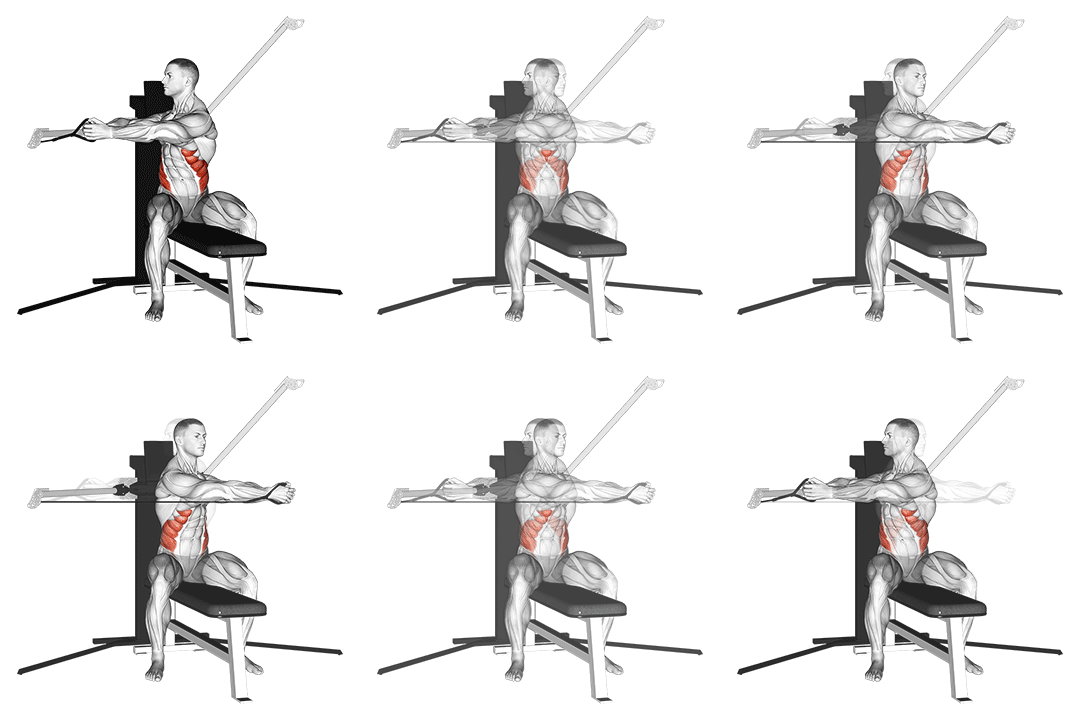
8. Cable Seated Twist
78.2% MatchHow to perform this exercise
- Sit on a cable machine with your feet flat on the ground and your knees slightly bent.
- Hold the cable handle with both hands and extend your arms straight in front of you.
- Keeping your core engaged, slowly rotate your torso to one side, pulling the cable across your body.
- Pause for a moment at the end of the range of motion, then slowly rotate back to the starting position.
- Repeat on the other side.
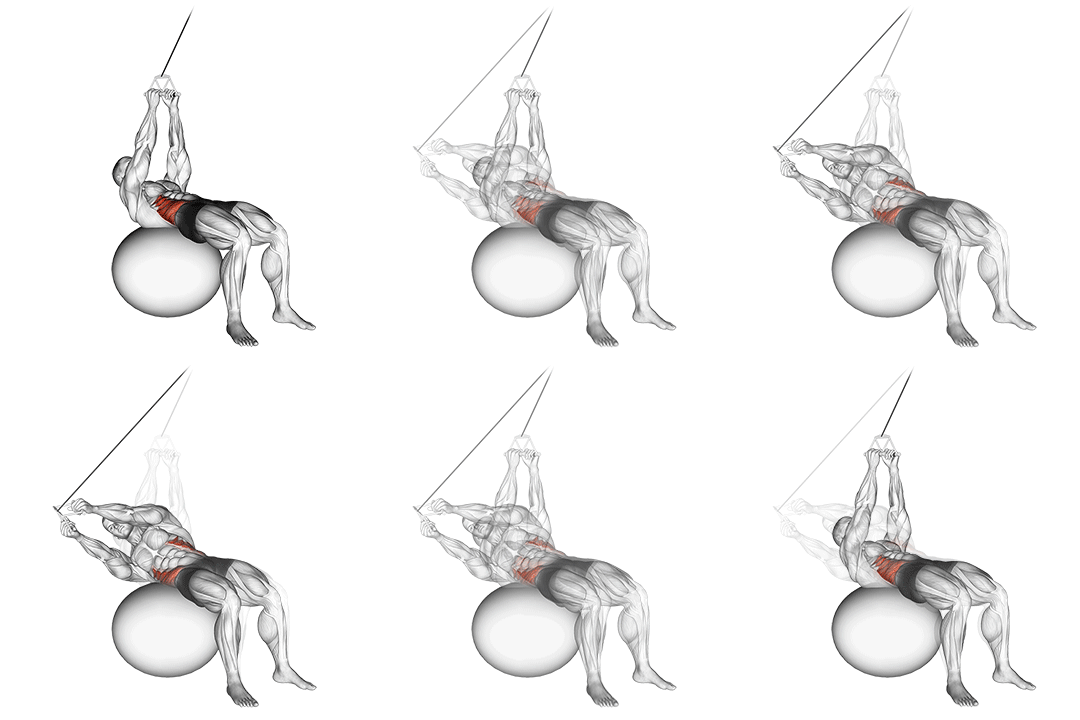
9. Cable Russian Twists (on Stability Ball)
75.3% MatchHow to perform this exercise
- Sit on a stability ball with your feet flat on the ground and your knees bent at a 90-degree angle.
- Hold the cable handle with both hands and extend your arms straight out in front of you.
- Lean back slightly while keeping your back straight and your core engaged.
- Twist your torso to the right, bringing the cable handle towards your right hip.
- Pause for a moment, then twist your torso to the left, bringing the cable handle towards your left hip.
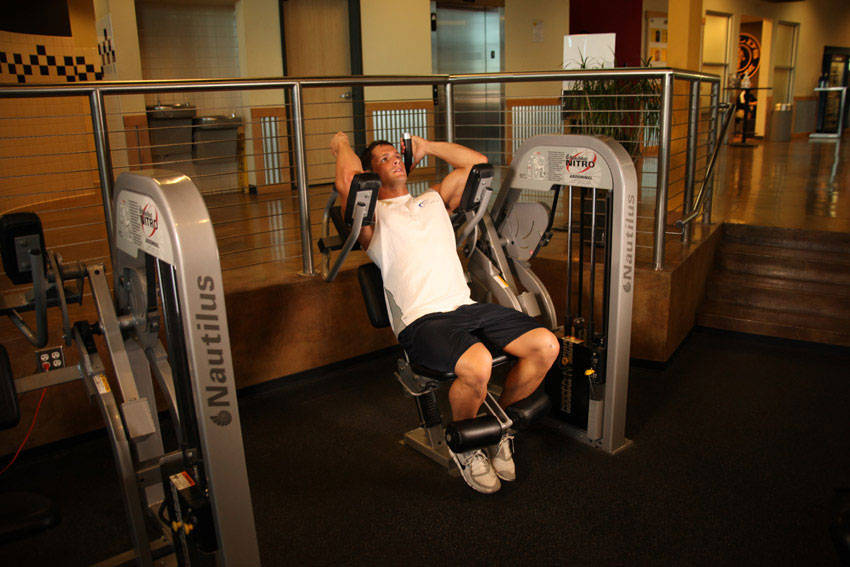
10. Ab Crunch Machine
74.3% MatchHow to perform this exercise
- Select a light resistance and sit down on the ab machine placing your feet under the pads provided and grabbing the top handles. Your arms should be bent at a 90 degree angle as you rest the triceps on the pads provided. This will be your starting position.
- At the same time, begin to lift the legs up as you crunch your upper torso. Breathe out as you perform this movement. Tip: Be sure to use a slow and controlled motion. Concentrate on using your abs to move the weight while relaxing your legs and feet.
- After a second pause, slowly return to the starting position as you breathe in.
- Repeat the movement for the prescribed amount of repetitions.
Why You Might Need a Seated Barbell Twist Alternative
You may substitute the Seated Barbell Twist for pain, equipment limits, mobility issues, or training goals. Uncontrolled lumbar rotation can cause lower-back strain, so many people switch to anti-rotation or thoracic-focused variations to keep load off the spine. Rotational exercises should drive motion from the thoracic spine while the pelvis remains fixed to target the external obliques; cue: brace the midline and exhale on rotation. If you lack a barbell or have shoulder restrictions, choose Pallof presses, cable chops, or side-plank rotations to isolate the obliques without compressive shear, preserving muscle activation while protecting the lumbar spine.
How to Choose the Right Substitute
Select a substitute by matching movement pattern (rotation vs anti-rotation), loading method, and any injury history. For dynamic thoracic rotation pick cable woodchops or standing cable rotations; cue: lead with the chest and keep arms extended to emphasize thoracic motion. For stability and anti-rotation strength use Pallof presses or suitcase carries; cue: square your hips and resist torso twist to load the obliques isometrically. If equipment is limited, use side-plank reaches or slow Russian twists to increase time under tension—anchor the feet, rotate from the ribs, and avoid lumbar drift. Progress from isometric holds to loaded chops for hypertrophy.
Frequently Asked Questions
What muscles does Seated Barbell Twist work?
The Seated Barbell Twist primarily targets the external obliques and recruits the rectus abdominis and transverse abdominis for stabilization. Biomechanically it loads thoracic rotation while requiring the pelvis to stay fixed; cue: rotate from the ribs and brace the core to avoid lumbar shear.
What is the best bodyweight alternative to Seated Barbell Twist?
A rotational side-plank (side-plank reach) is the best bodyweight alternative because it combines anti-rotation bracing with dynamic thoracic rotation. Cue: stack your hips, squeeze the glutes, reach the top arm through under your torso, and rotate from the thoracic spine to maximize oblique firing.
Can I build muscle without doing Seated Barbell Twist?
Yes — you can build oblique muscle using alternatives like cable woodchops, weighted Russian twists, or heavy Pallof press holds with progressive overload. Focus on increasing load, reps, or time under tension while maintaining a tight brace and controlled eccentrics; cue: slow the descent and pause at end range to increase stimulus.
More Exercise Alternatives
Find Alternatives for Any Exercise
Use our free tool to discover the best substitute exercises based on your available equipment and goals.
Try the Exercise Substitution Finder →