

10 Best Seated Leg Raise Alternatives for Core Strength
If you can't do the Seated Leg Raise, use hanging knee raises, supine leg lowers, reverse crunches, L-sit progressions, or standing cable knee drives. These alternatives load the lower rectus abdominis and hip flexors differently; cue a posterior pelvic tilt and brace your core to prevent lumbar extension on the descent.
Original Exercise: Seated Leg Raise
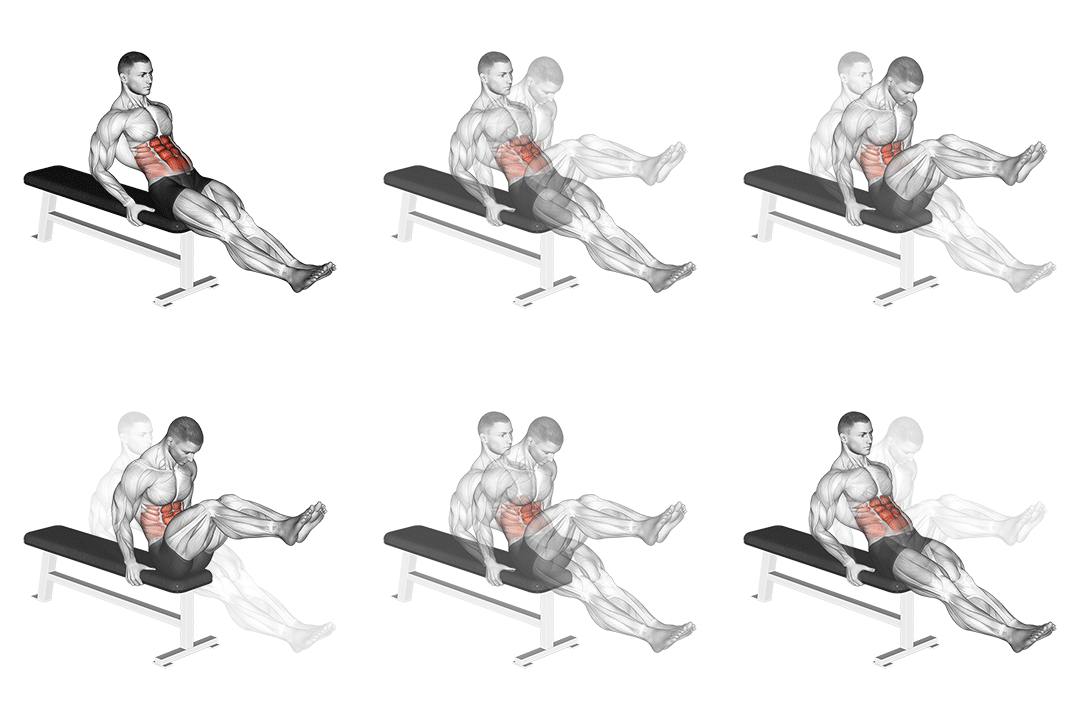
How to Perform Seated Leg Raise
- Sit on a flat bench with your back straight and your feet flat on the ground.
- Place your hands on the sides of the bench for support.
- Keeping your legs straight, slowly raise them up in front of you until they are parallel to the ground.
- Pause for a moment at the top, then slowly lower your legs back down to the starting position.
- Repeat for the desired number of repetitions.
Best Seated Leg Raise Alternatives
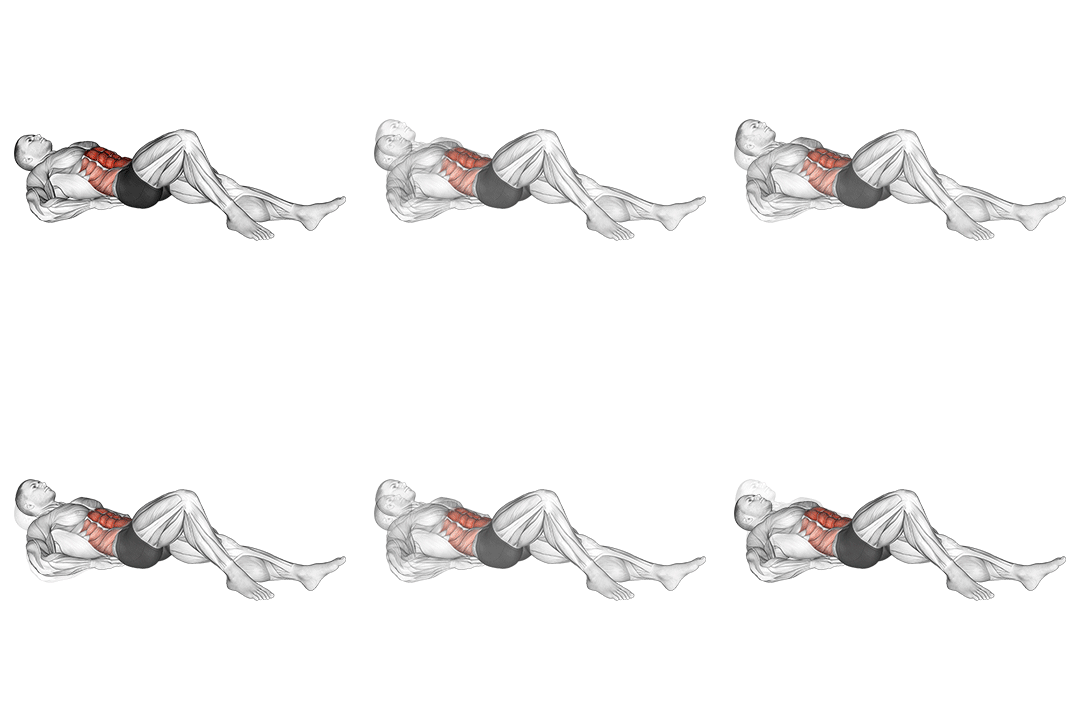
1. Curl-up
81.7% MatchHow to perform this exercise
- Lie flat on your back with your knees bent and feet flat on the ground.
- Place your hands behind your head with your elbows pointing outwards.
- Engaging your abs, slowly lift your upper body off the ground, curling forward until your torso is at a 45-degree angle.
- Pause for a moment at the top, then slowly lower your upper body back down to the starting position.
- Repeat for the desired number of repetitions.
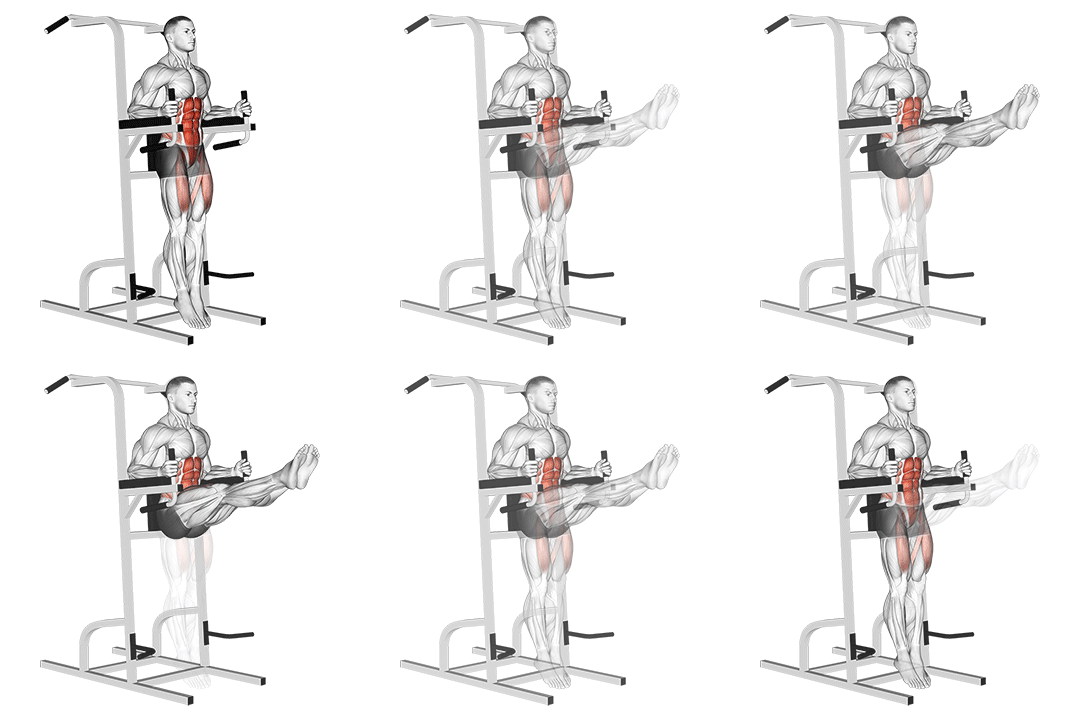
2. Captains Chair Straight Leg Raise
76.7% MatchHow to perform this exercise
- Sit on the captain's chair with your back against the backrest and your forearms resting on the arm pads.
- Keep your upper body stable and your back straight.
- Engage your abs and lift your legs up in front of you, keeping them straight.
- Continue lifting until your legs are parallel to the ground or as high as you can comfortably go.
- Pause for a moment at the top, then slowly lower your legs back down to the starting position.
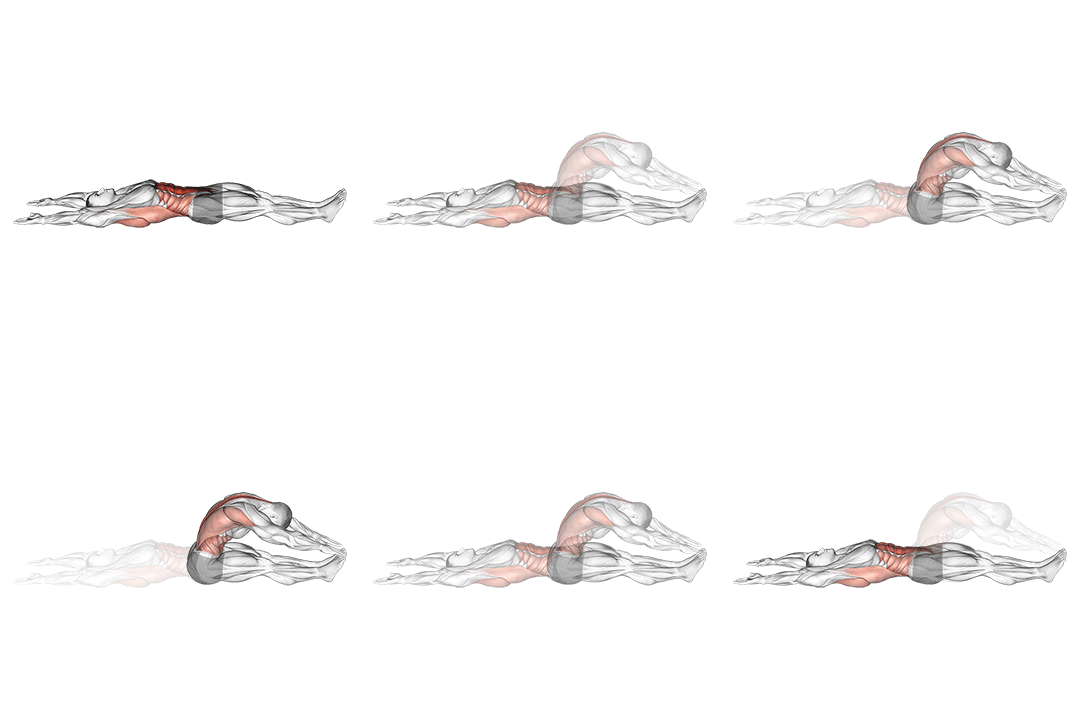
3. Arms Overhead Full Sit-up (male)
66.2% MatchHow to perform this exercise
- Lie flat on your back with your knees bent and feet flat on the ground.
- Extend your arms overhead, keeping them straight.
- Engaging your abs, slowly lift your upper body off the ground, curling forward until your torso is upright.
- Pause for a moment at the top, then slowly lower your upper body back down to the starting position.
- Repeat for the desired number of repetitions.
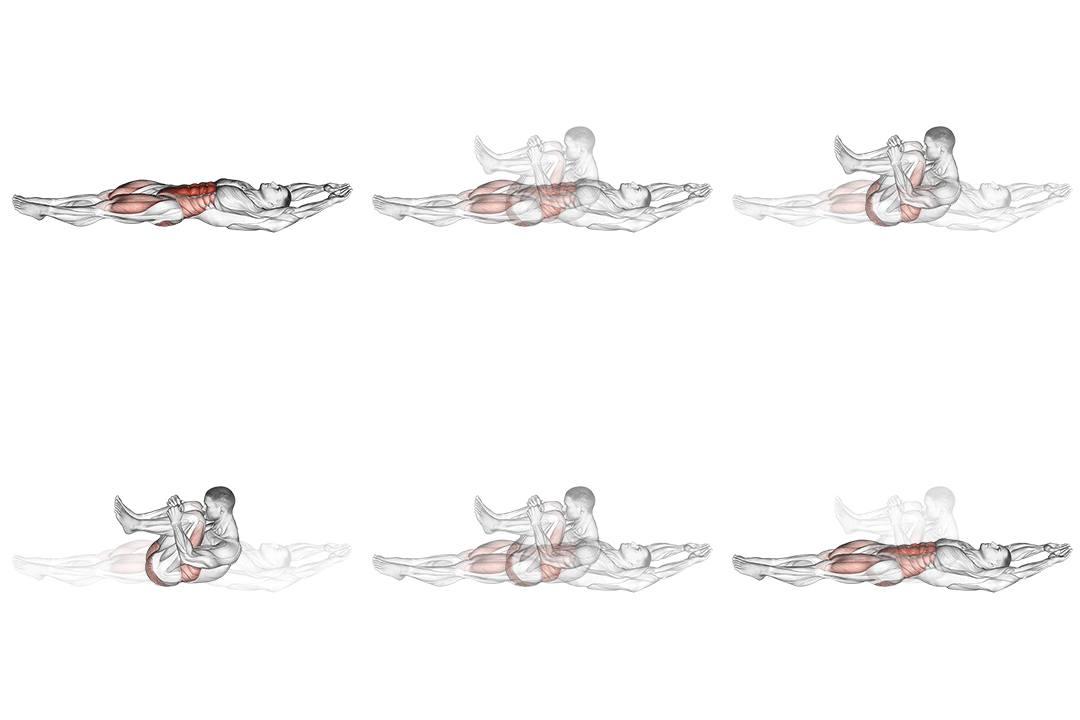
4. Cocoons
64.9% MatchHow to perform this exercise
- Lie flat on your back with your knees bent and feet flat on the ground.
- Place your hands behind your head with your elbows pointing outwards.
- Engaging your abs, slowly lift your upper body off the ground, curling forward until your torso is at a 45-degree angle.
- Pause for a moment at the top, then slowly lower your upper body back down to the starting position.
- Repeat for the desired number of repetitions.
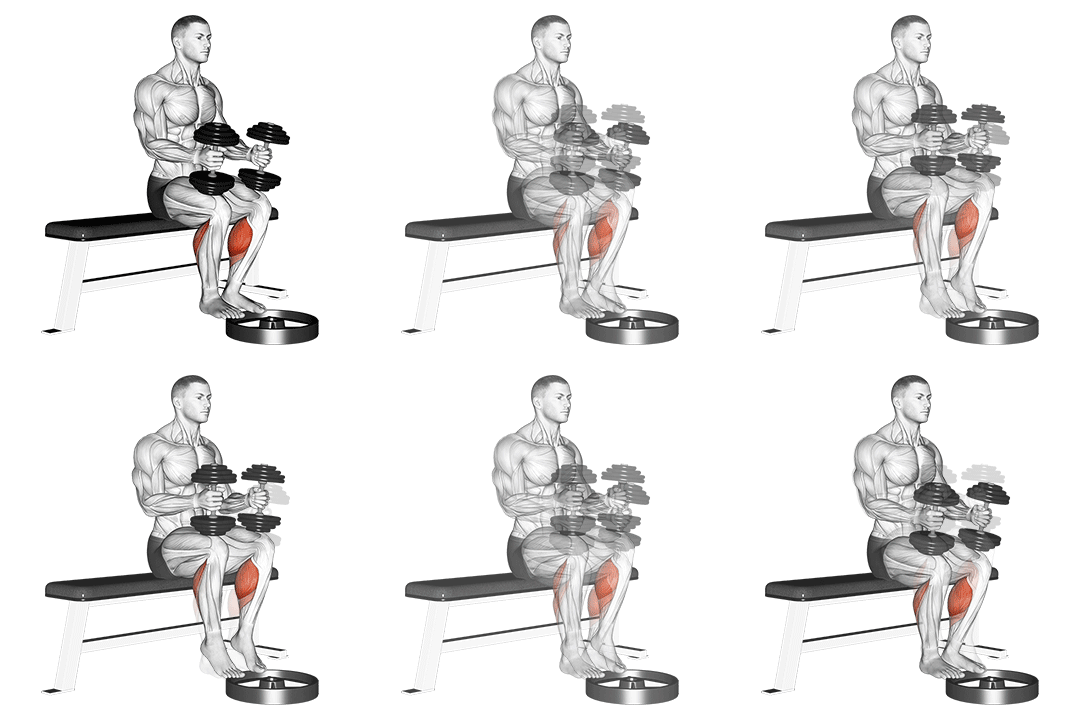
5. Dumbbell Seated Calf Raise
64.2% MatchHow to perform this exercise
- Sit on a bench or chair with your feet flat on the ground and a dumbbell resting on your thighs.
- Place the balls of your feet on a raised surface such as a step or block, with your heels hanging off the edge.
- Hold onto the dumbbell for stability.
- Raise your heels as high as possible, lifting your body weight onto the balls of your feet.
- Pause for a moment at the top, then slowly lower your heels back down to the starting position.
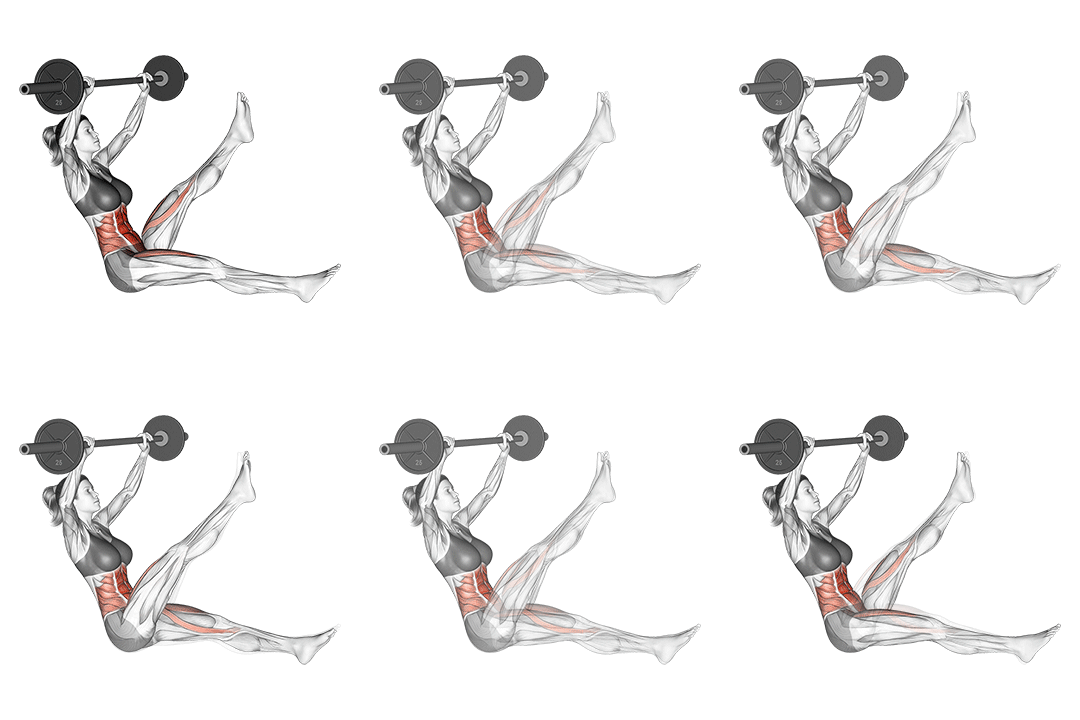
6. Barbell Sitted Alternate Leg Raise (female)
64% MatchHow to perform this exercise
- Sit on a bench with your back straight and hold a barbell across your thighs.
- Place your hands on the sides of the bench for support.
- Keeping your legs straight, lift one leg up as high as possible while keeping it parallel to the ground.
- Lower the leg back down and repeat with the other leg.
- Continue alternating legs for the desired number of repetitions.
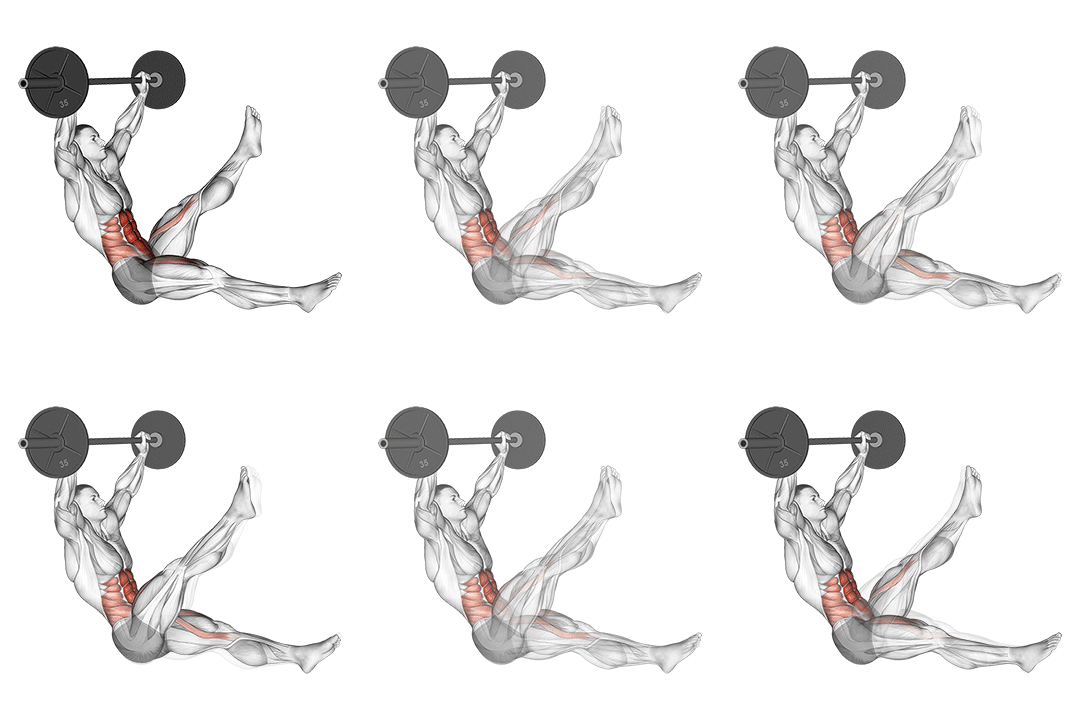
7. Barbell Sitted Alternate Leg Raise
64% MatchHow to perform this exercise
- Sit on a bench with your back straight and hold a barbell across your thighs.
- Keeping your legs straight, lift one leg up as high as possible while keeping the other leg on the ground.
- Lower the raised leg back down and repeat with the other leg.
- Continue alternating legs for the desired number of repetitions.
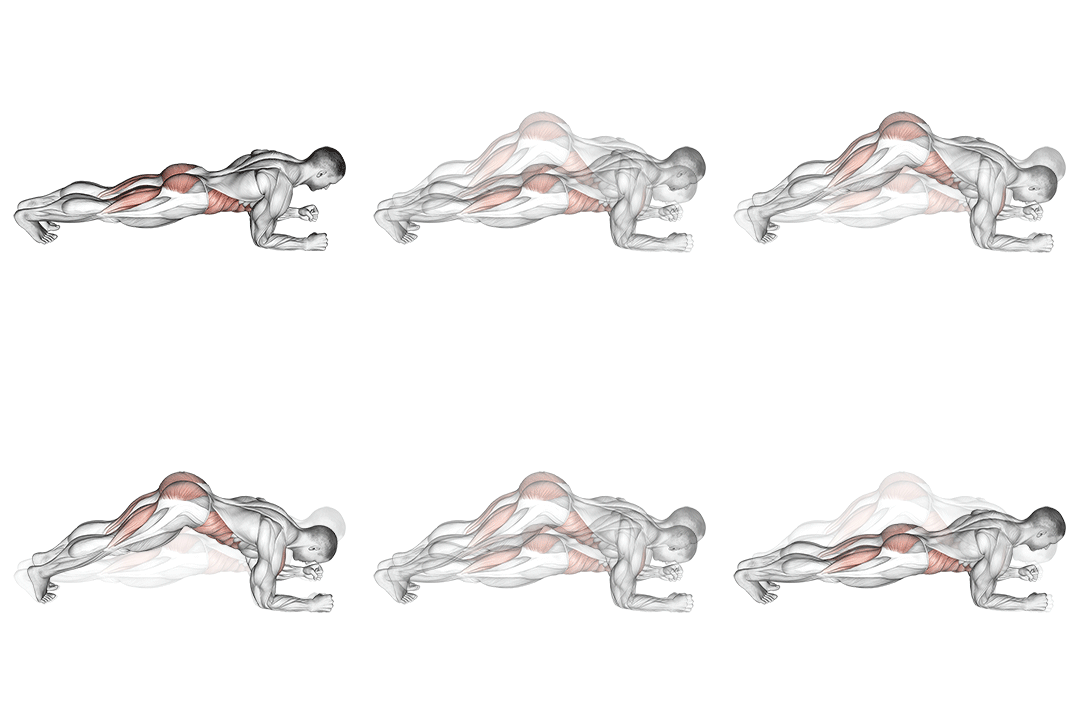
8. Butt-ups
63% MatchHow to perform this exercise
- Lie flat on your back with your knees bent and feet flat on the ground.
- Place your hands by your sides, palms facing down.
- Engaging your abs, lift your legs off the ground, bringing your knees towards your chest.
- At the top of the movement, squeeze your abs and pause for a moment.
- Slowly lower your legs back down to the starting position.
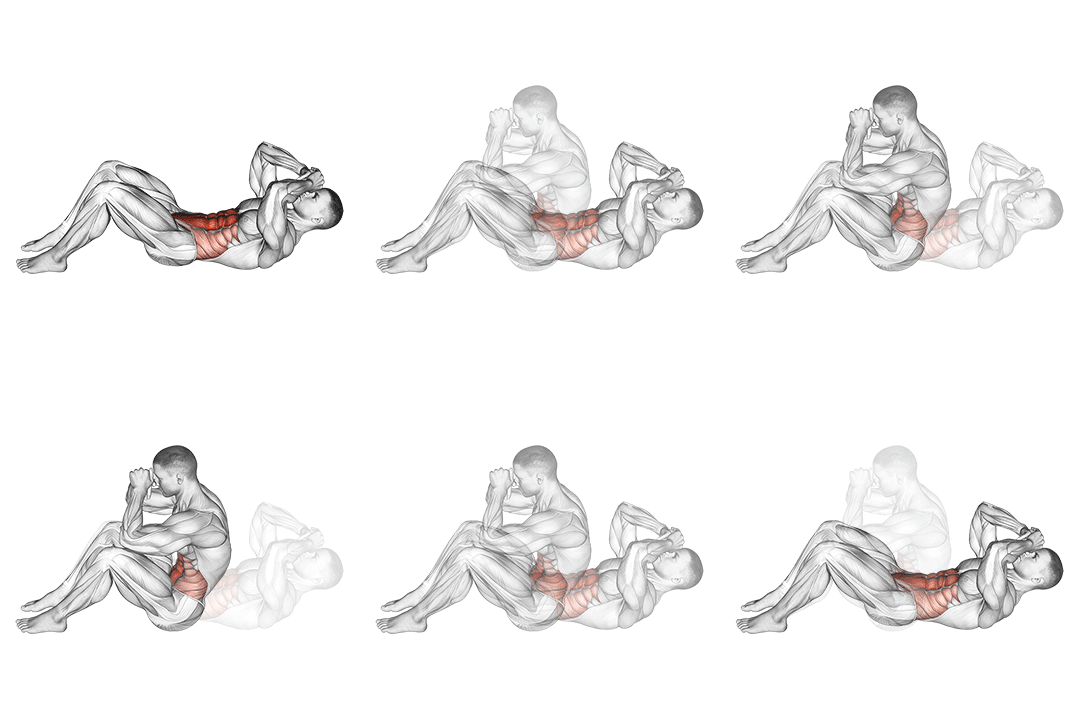
9. 3/4 Sit-up
63% MatchHow to perform this exercise
- Lie flat on your back with your knees bent and feet flat on the ground.
- Place your hands behind your head with your elbows pointing outwards.
- Engaging your abs, slowly lift your upper body off the ground, curling forward until your torso is at a 45-degree angle.
- Pause for a moment at the top, then slowly lower your upper body back down to the starting position.
- Repeat for the desired number of repetitions.
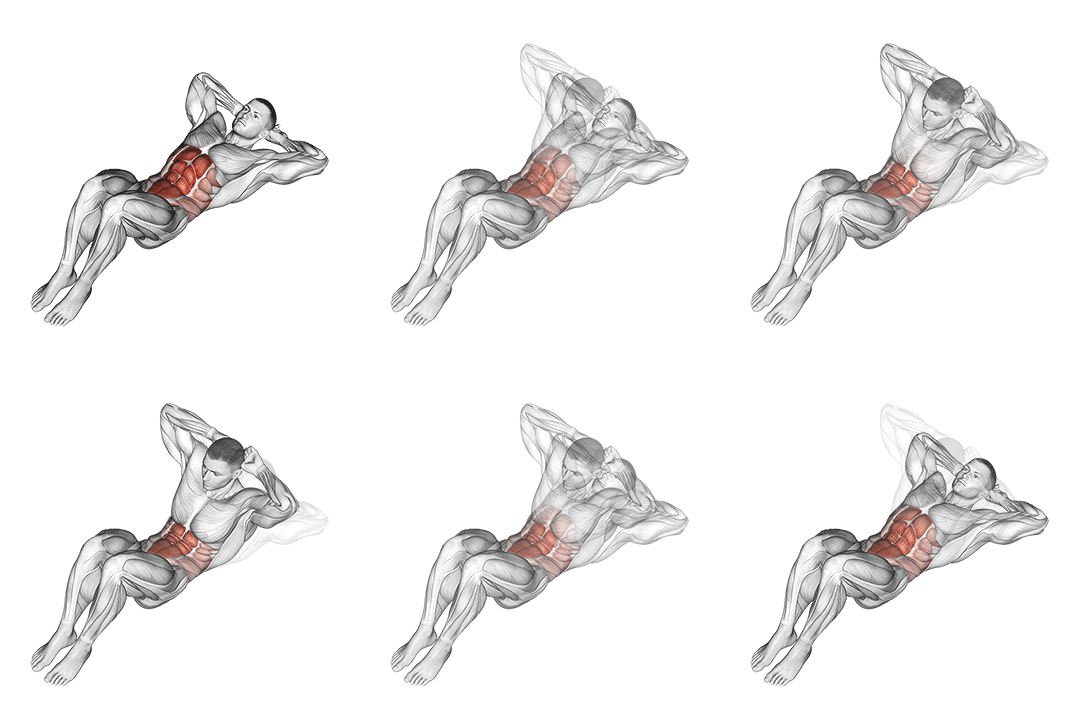
10. Crunch Floor
62.4% MatchHow to perform this exercise
- Lie flat on your back with your knees bent and feet flat on the ground.
- Place your hands behind your head with your elbows pointing outwards.
- Engage your abs and lift your shoulders off the ground, curling forward towards your knees.
- Pause for a moment at the top, then slowly lower your shoulders back down to the starting position.
- Repeat for the desired number of repetitions.
Why You Might Need a Seated Leg Raise Alternative
You may substitute Seated Leg Raises because of hip pain, poor lumbar control, limited sitting tolerance, or lack of equipment. The movement combines hip flexion and anterior pelvic rotation, so dominant iliopsoas activity commonly causes low-back compensation. Choose options that emphasize a pelvic curl or strict abdominal flexion to shift activation from the hip flexors to the rectus abdominis—cue 'draw your navel to your spine' and stop before the lower back arches. Variations also offer progressive overload (hanging raises) or reduced hip-flexor demand (supine reverse crunches), matching your injury status and training goals.
How to Choose the Right Substitute
Base your choice on spinal control, hip-flexor involvement, and progression potential. If lumbar stability is limited, pick supine reverse crunches and cue a posterior pelvic tilt to limit lumbar extension. If you need more load and ROM, use hanging knee/leg raises and emphasize scapular stability and a pelvic curl at the top. For minimal equipment, perform L-sit negatives on parallettes while keeping shoulders depressed. Evaluate which movement initiates from the pelvis versus the knees, and add slow eccentrics or ankle weight progressions to increase training stimulus.
Frequently Asked Questions
What muscles does Seated Leg Raise work?
It primarily targets the lower rectus abdominis and the iliopsoas (hip flexors). When performing it, brace your core and use a posterior pelvic tilt to prevent lumbar extension and reduce hip-flexor dominance.
What is the best bodyweight alternative to Seated Leg Raise?
Reverse crunches are the best bodyweight alternative because they emphasize pelvic curl and reduce iliopsoas involvement. Lie supine, curl your pelvis toward your ribs with control, and stop short of lumbar extension to maximize lower-abs activation.
Can I build muscle without doing Seated Leg Raise?
Yes—you can build lower-abdominal strength with alternative movements and progressive overload. Focus on pelvic-driven contractions, increase time under tension with slow eccentrics, or add ankle weights to hanging leg raises to increase stimulus.
More Exercise Alternatives
Find Alternatives for Any Exercise
Use our free tool to discover the best substitute exercises based on your available equipment and goals.
Try the Exercise Substitution Finder →