

10 Best Scissor Kick Alternatives for Ab Strength
The Scissor Kick is done lying on your back. Ranked closest by our scoring: Butt-ups, the Tuck Crunch and the Cross Body Crunch.
The Scissor Kick has you lie on your back with your arms extended out to the sides and kept still, alternating one leg up to about 45 degrees while the other hovers a few inches off the floor. Butt-ups is the closest swap because it needs no equipment and still works your abs, bringing both knees to your chest together instead of alternating one leg at a time. If you want more twist through your midsection instead, the Cross Body Crunch stays on the floor and adds that.
Updated Ranked by our 12-factor similarity model How it works
Original Exercise: Scissor Kick
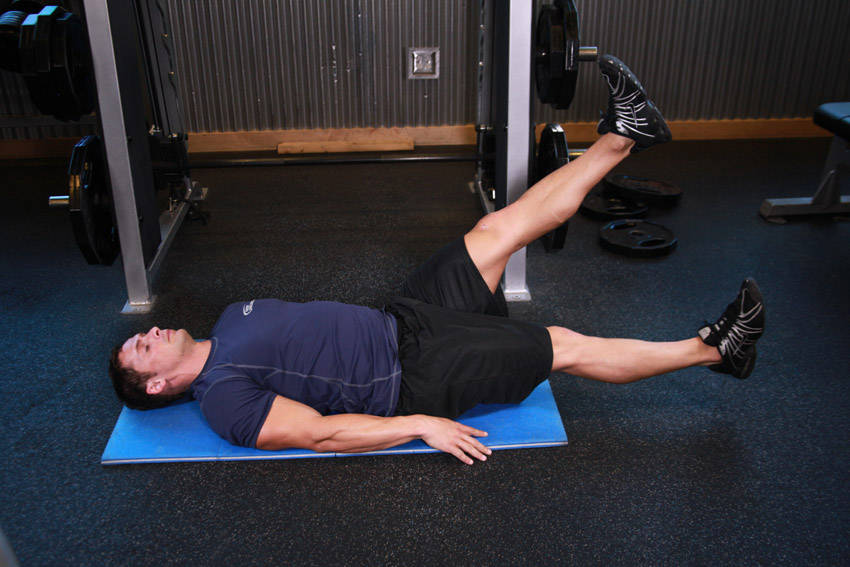
- Primary muscle
- Abs
- Equipment
- Bodyweight
- Difficulty
- Intermediate
- Type
- Isolation
How to perform Scissor Kick
- To begin, lie down with your back pressed against the floor or on an exercise mat (optional). Your arms should be fully extended to the sides with your palms facing down. Note: The arms should be stationary the entire time.
- With a slight bend at the knees, lift your legs up so that your heels are about 6 inches off the ground. This is the starting position.
- Now lift your left leg up to about a 45 degree angle while your right leg is lowered until the heel is about 2-3 inches from the ground.
- Switch movements by raising your right leg up and lowering your left leg. Remember to breathe while performing this exercise.
- Repeat for the recommended amount of repetitions.
Ranked Scissor Kick Alternatives
10 substitutes, ranked by how closely each one matches the Scissor Kick on movement pattern, muscles worked, equipment and body position. The higher the score, the less you change. Open "How to perform this exercise" on a card for the steps; every card title links to that exercise's own alternatives page.
Best match 1. Butt-ups
89% match- Abs
- Bodyweight
- Beginner
- Isolation
Pick this when you want an easier version that still works the abs.
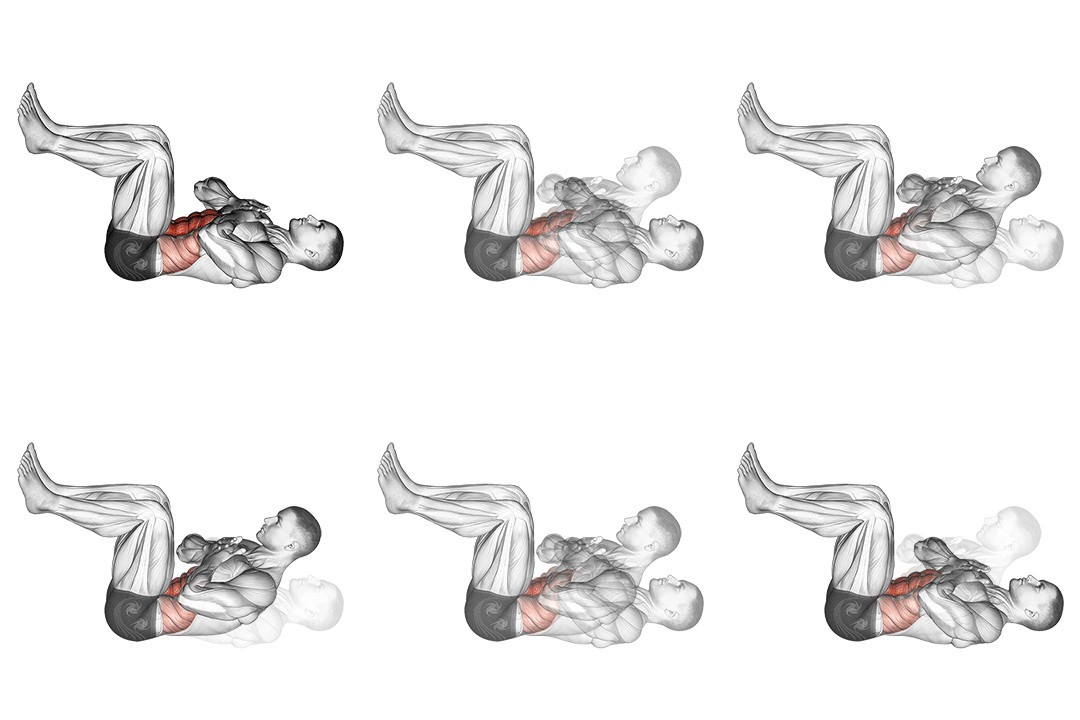
How to perform this exercise
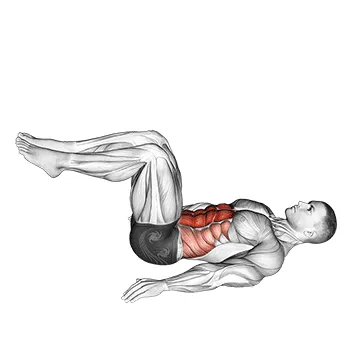
- Lie flat on your back with your knees bent and feet flat on the ground.
- Place your hands by your sides, palms facing down.
- Engaging your abs, lift your legs off the ground, bringing your knees towards your chest.
- At the top of the movement, squeeze your abs and pause for a moment.
- Slowly lower your legs back down to the starting position.
- Repeat for the desired number of repetitions.
Sets and reps: 3 sets of 8 to 12 reps, and add reps before you add load.
Why this matches
- Primary muscle: abs, the same as the Scissor Kick
- Equipment: bodyweight only, the same as the Scissor Kick
- Body position: lying on your back, the same as the Scissor Kick
2. Tuck Crunch
89% match- Abs
- Bodyweight
- Beginner
- Isolation
How to perform this exercise
- Lie flat on your back with your knees bent and feet flat on the ground.
- Place your hands behind your head with your elbows pointing outwards.
- Engaging your abs, lift your shoulder blades off the ground and bring your knees towards your chest, simultaneously curling your upper body towards your knees.
- Pause for a moment at the top, then slowly lower your shoulder blades and extend your legs back to the starting position.
- Repeat for the desired number of repetitions.
Sets and reps: 3 sets of 8 to 12 reps, and add reps before you add load.
Why this matches
- Primary muscle: abs, the same as the Scissor Kick
- Equipment: bodyweight only, the same as the Scissor Kick
- Body position: lying on your back, the same as the Scissor Kick
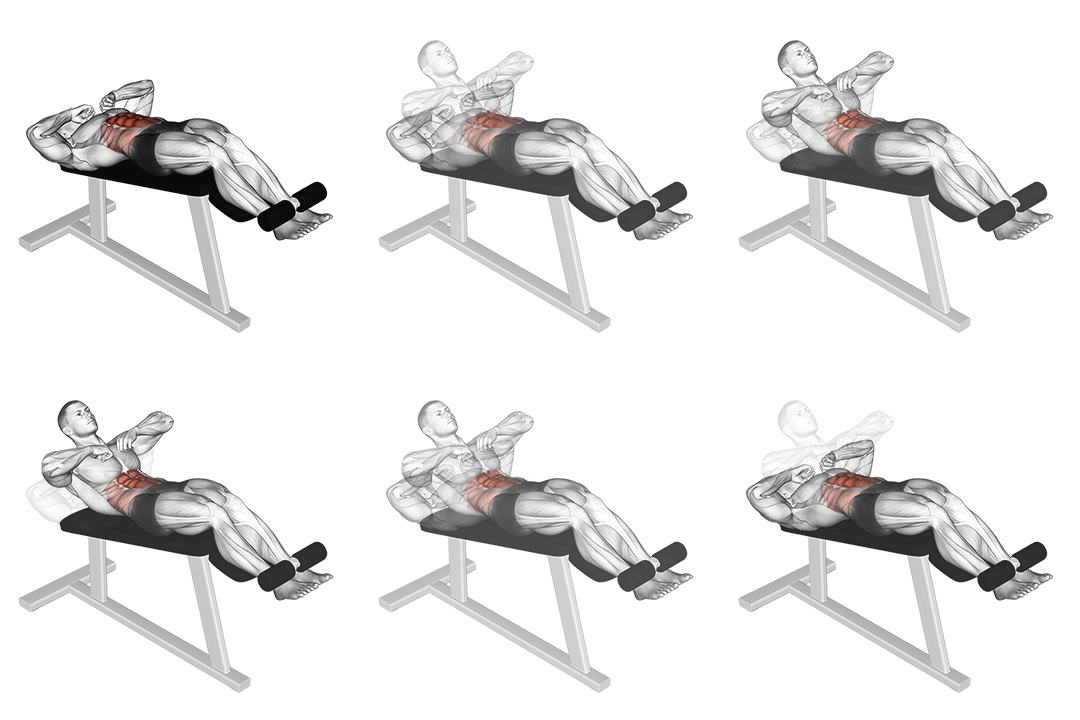
3. Cross Body Crunch
89% match- Abs
- Bodyweight
- Beginner
- Isolation
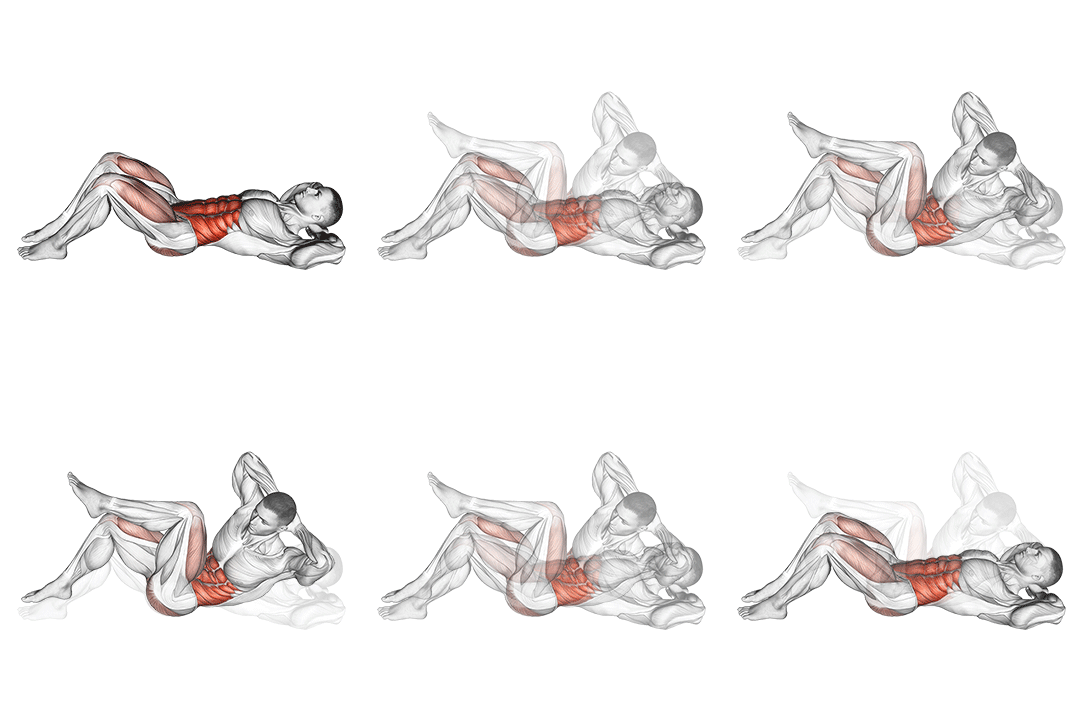
How to perform this exercise
- Lie flat on your back with your knees bent and feet flat on the ground.
- Place your hands behind your head with your elbows pointing outwards.
- Engaging your abs, lift your upper body off the ground and twist to bring your right elbow towards your left knee.
- Pause for a moment at the top, then slowly lower your upper body back down to the starting position.
- Repeat on the other side, bringing your left elbow towards your right knee.
- Repeat for the desired number of repetitions.
Sets and reps: 3 sets of 8 to 12 reps on each side, and add reps before you add load.
Why this matches
- Primary muscle: abs, the same as the Scissor Kick
- Equipment: bodyweight only, the same as the Scissor Kick
- Body position: lying on your back, the same as the Scissor Kick
4. Flutter Kicks
87% match- Abs
- Bodyweight
- Beginner
- Isolation
How to perform this exercise
- Lie flat on your back with your legs extended and your hands by your sides.
- Engage your core and lift your legs off the ground about 6 inches.
- Keeping your legs straight, alternate lifting one leg slightly higher than the other.
- Continue this fluttering motion for the desired number of repetitions.
Sets and reps: 3 sets of 8 to 12 reps on each side, and add reps before you add load.
Why this matches
- Primary muscle: abs, the same as the Scissor Kick
- Equipment: bodyweight only, the same as the Scissor Kick
- Body position: lying on your back, the same as the Scissor Kick
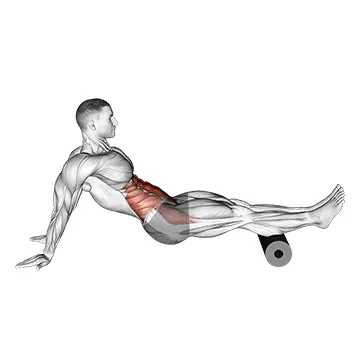
5. Roller Reverse Crunch
86% match- Abs
- Foam-roll
- Intermediate
- Isolation
A good swap when you have a foam roller to work with, and it still works the abs.
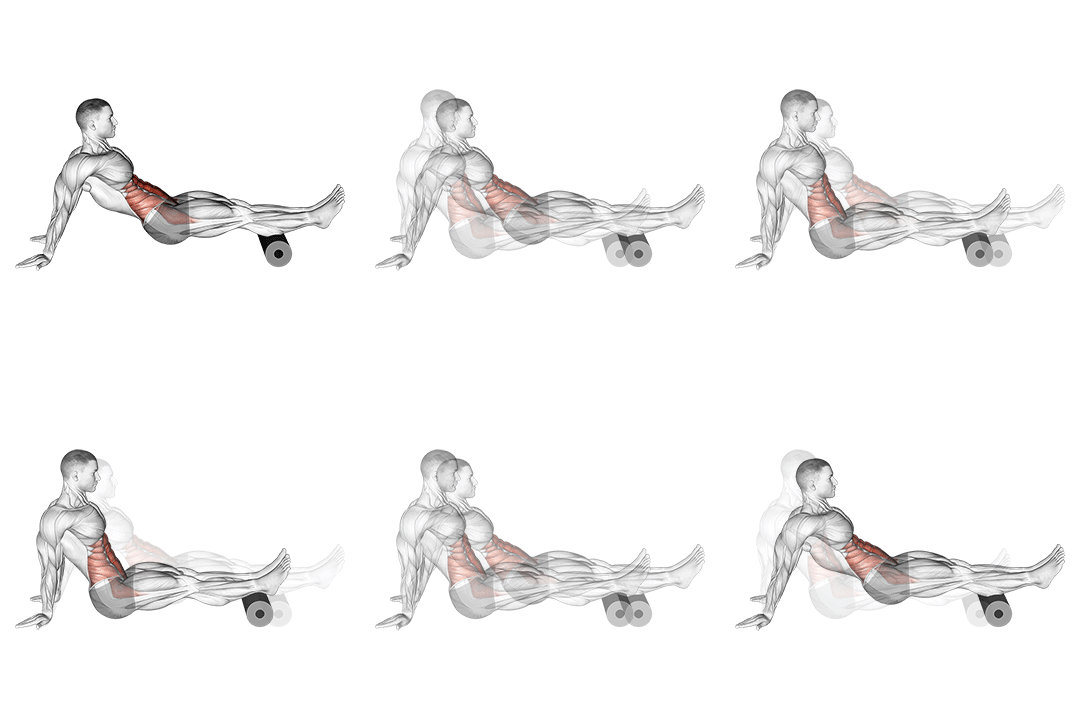
How to perform this exercise
- Lie flat on your back with your arms extended straight above your head and your legs straight out in front of you.
- Place the roller between your feet and grip it with your toes.
- Engaging your abs, lift your legs off the ground and curl your knees towards your chest, rolling the roller towards your body.
- Pause for a moment at the top, then slowly lower your legs back down to the starting position, rolling the roller away from your body.
- Repeat for the desired number of repetitions.
Sets and reps: 3 sets of 10 to 15 reps.
Why this matches
- Primary muscle: abs, the same as the Scissor Kick
- Equipment: bodyweight only, the same as the Scissor Kick
- Body position: lying on your back, the same as the Scissor Kick
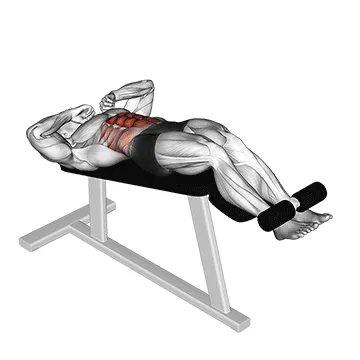
6. Negative Crunch
86% match- Abs
- Bodyweight
- Intermediate
- Isolation
Pick this when you want to work the abs with less balance to manage.
How to perform this exercise
- Lie flat on your back with your knees bent and feet flat on the ground.
- Place your hands behind your head with your elbows pointing outwards.
- Engaging your abs, slowly lift your upper body off the ground, curling forward until your torso is at a 45-degree angle.
- Pause for a moment at the top, then slowly lower your upper body back down to the starting position.
- Repeat for the desired number of repetitions.
Sets and reps: 3 sets of 10 to 15 reps.
Why this matches
- Primary muscle: abs, the same as the Scissor Kick
- Equipment: bodyweight only, the same as the Scissor Kick
- Body position: lying on your back, the same as the Scissor Kick
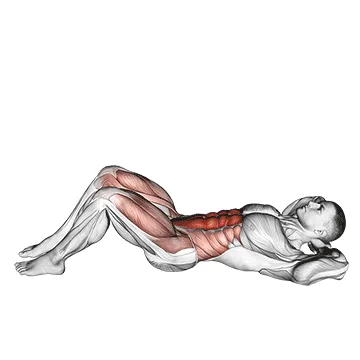
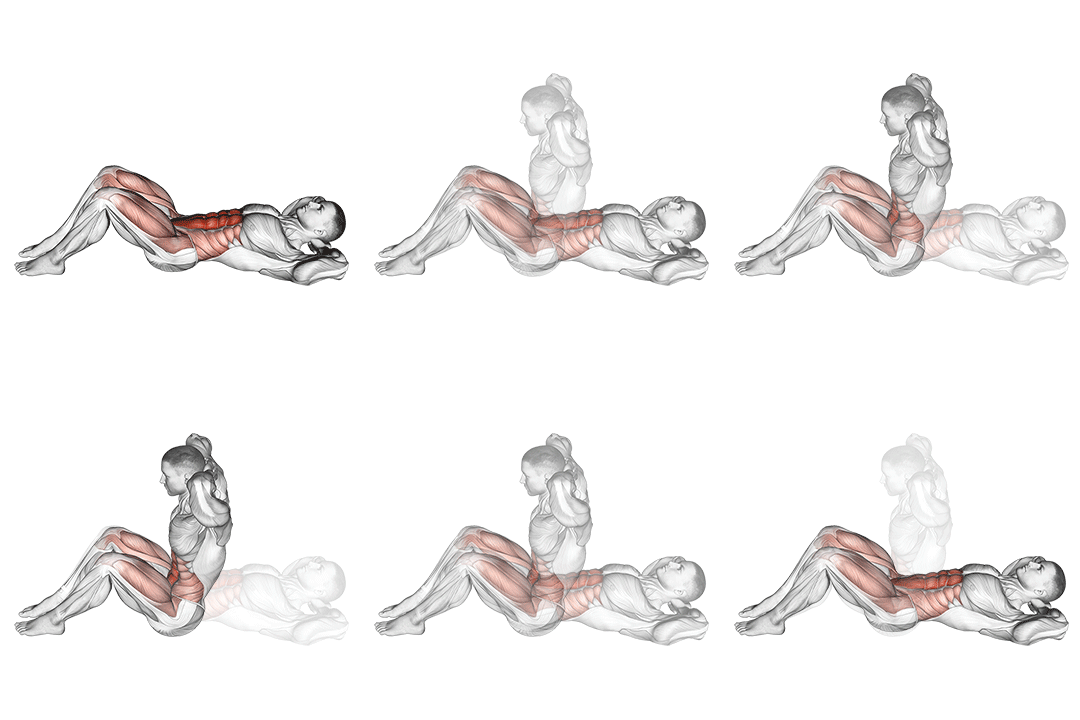
7. Sit-up
85% match- Abs
- Bodyweight
- Beginner
- Isolation
How to perform this exercise
- Lie flat on your back with your knees bent and feet flat on the ground.
- Place your hands behind your head with your elbows pointing outwards.
- Engaging your abs, slowly lift your upper body off the ground, curling forward until your torso is at a 45-degree angle.
- Pause for a moment at the top, then slowly lower your upper body back down to the starting position.
- Repeat for the desired number of repetitions.
Sets and reps: 3 sets of 8 to 12 reps, and add reps before you add load.
Why this matches
- Primary muscle: abs, the same as the Scissor Kick
- Equipment: bodyweight only, the same as the Scissor Kick
- Body position: lying on your back, the same as the Scissor Kick
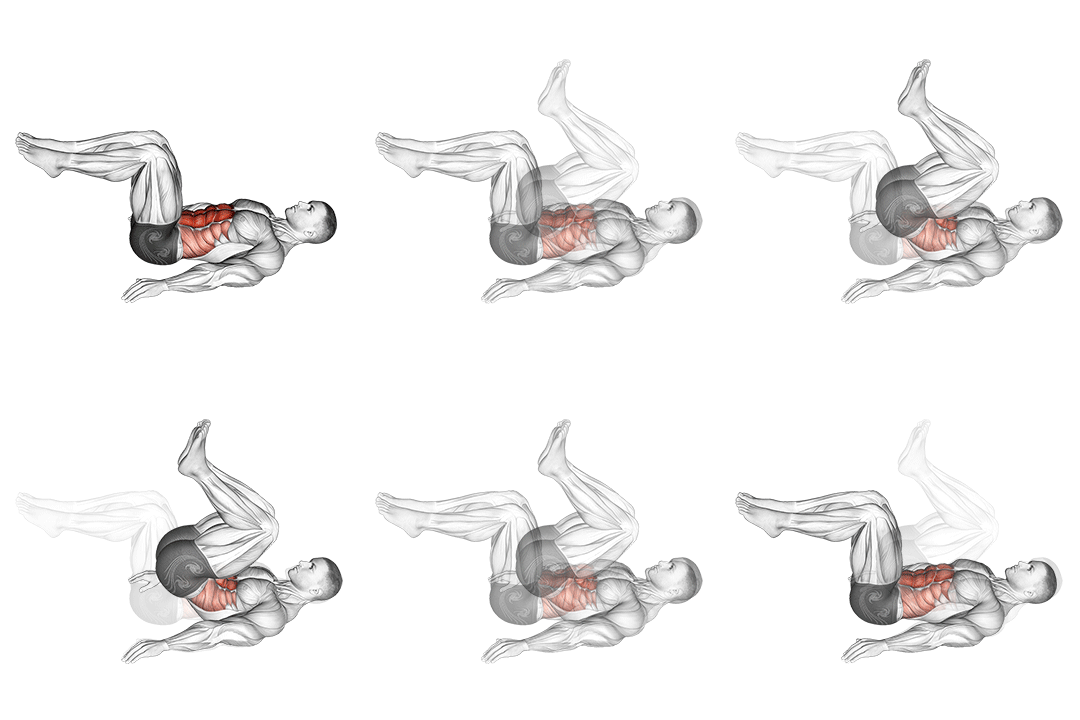
8. Reverse Crunch
84% match- Abs
- Bodyweight
- Beginner
- Isolation
How to perform this exercise
- Lie flat on your back with your arms extended along your sides.
- Bend your knees and lift your feet off the ground, bringing your thighs perpendicular to the floor.
- Contract your abs and curl your hips off the floor, bringing your knees towards your chest.
- Pause for a moment at the top, then slowly lower your hips back down to the starting position.
- Repeat for the desired number of repetitions.
Sets and reps: 3 sets of 8 to 12 reps, and add reps before you add load.
Why this matches
- Primary muscle: abs, the same as the Scissor Kick
- Equipment: bodyweight only, the same as the Scissor Kick
- Body position: lying on your back, the same as the Scissor Kick
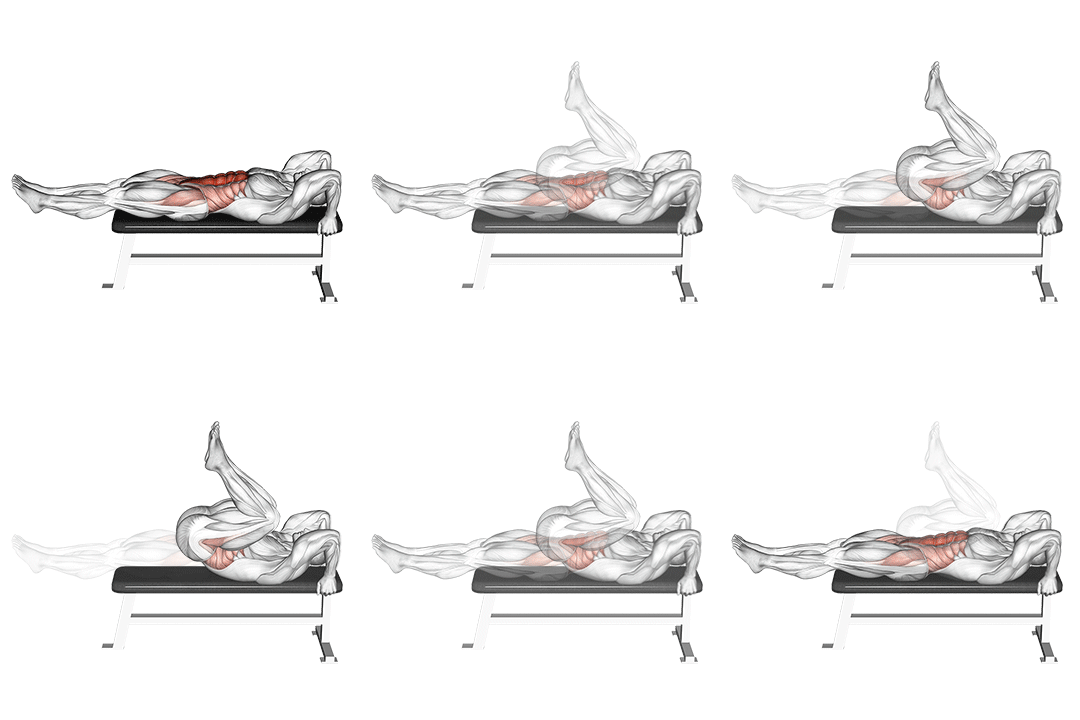
9. Lying Leg-hip Raise
84% match- Abs
- Bodyweight
- Intermediate
- Isolation
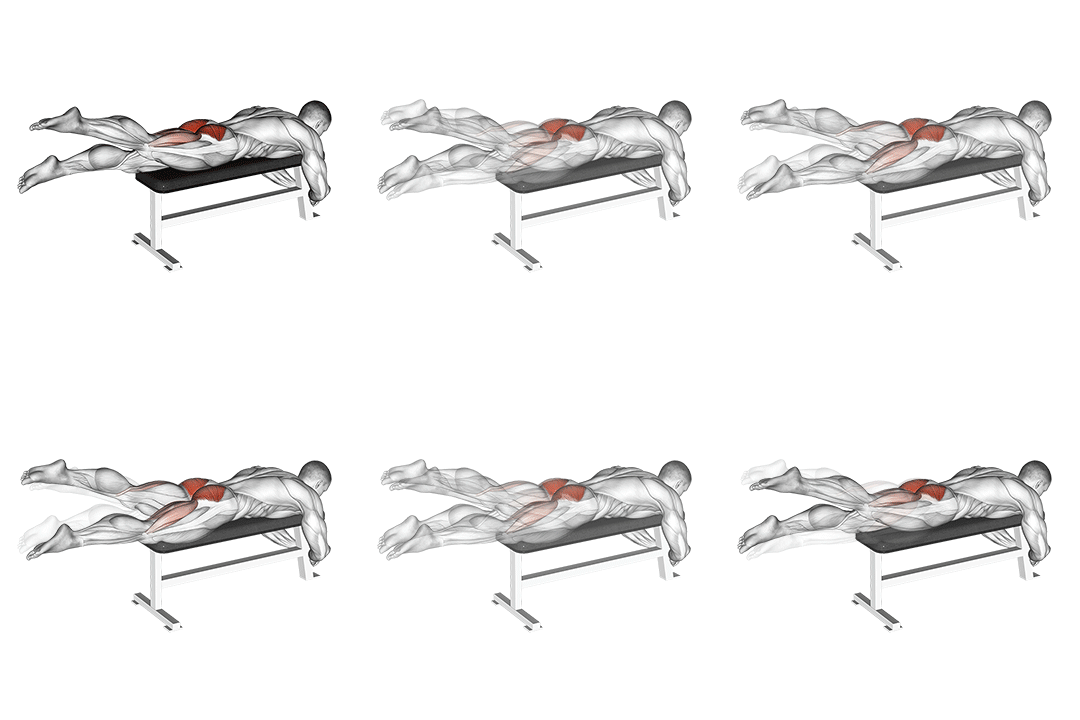
How to perform this exercise
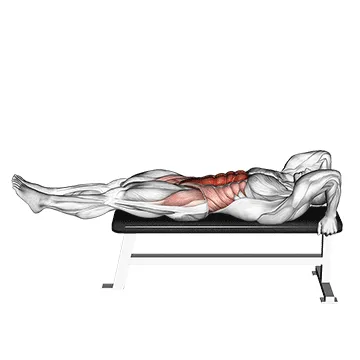
- Lie flat on your back with your legs extended and your arms by your sides.
- Place your hands under your glutes for support.
- Engage your core and lift your legs off the ground, raising them towards the ceiling.
- Pause for a moment at the top, then slowly lower your legs back down to the starting position.
- Repeat for the desired number of repetitions.
Sets and reps: 3 sets of 10 to 15 reps.
Why this matches
- Primary muscle: abs, the same as the Scissor Kick
- Equipment: bodyweight only, the same as the Scissor Kick
- Body position: lying on your back, the same as the Scissor Kick
- Abs
- Stability-ball
- Intermediate
- Isolation
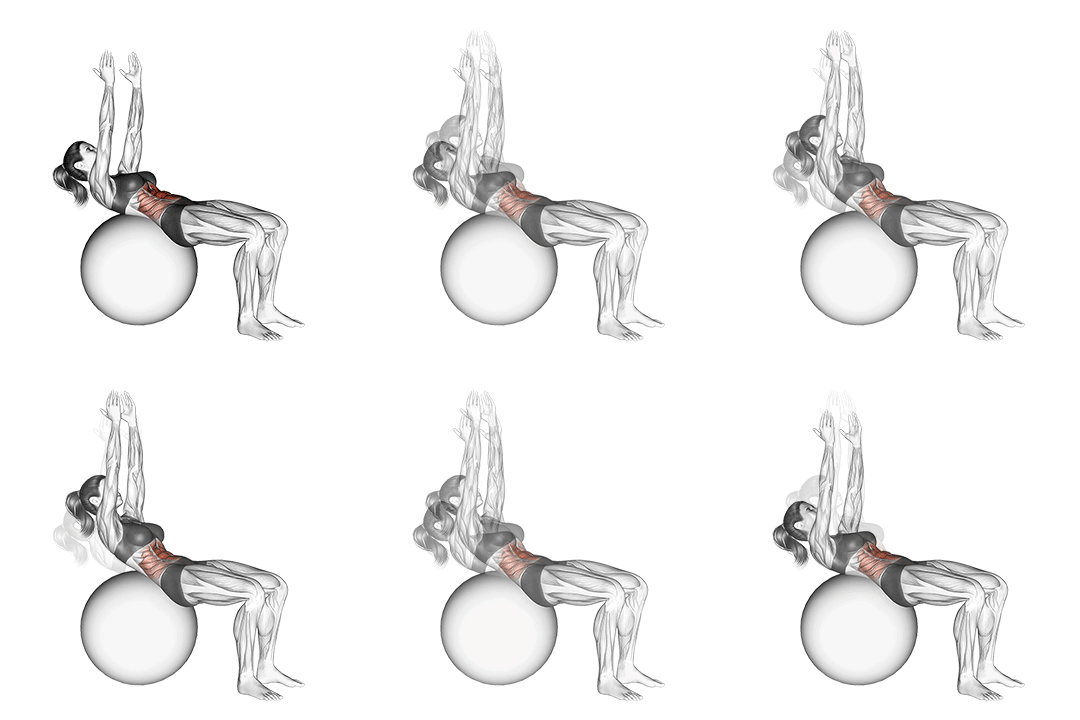
How to perform this exercise
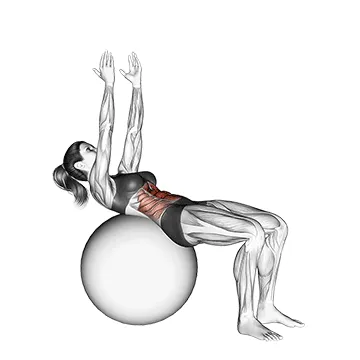
- Sit on the stability ball with your feet flat on the ground and your knees bent at a 90-degree angle.
- Lie back on the ball until your lower back is supported and your upper body is parallel to the floor.
- Place your hands behind your head or cross them over your chest.
- Engage your abs and lift your upper body off the ball, curling your shoulders towards your hips.
- Pause for a moment at the top, then slowly lower your upper body back down to the starting position.
- Repeat for the desired number of repetitions.
Sets and reps: 3 sets of 10 to 15 reps.
Why this matches
- Primary muscle: abs, the same as the Scissor Kick
- Equipment: bodyweight only, the same as the Scissor Kick
- Body position: lying on your back, the same as the Scissor Kick
Why You Might Need a Scissor Kick Alternative
The Scissor Kick needs nothing but floor space, and most of these alternatives keep that same demand. The two exceptions are the Roller Reverse Crunch, which calls for a foam roller, and the Arms Straight) Crunch (On Stability Ball, which needs a stability ball. Reach for the Roller Reverse Crunch when your gym stocks one and you want a different tool to work against rather than a bare floor. Wanting to trade the alternating leg action for a bilateral knee tuck, or wanting a twist through your midsection, are both reasons to set the Scissor Kick aside for another abs move. Flutter Kicks keeps your legs hovering and one leg moving at a time just like the Scissor Kick, with your hands resting by your sides, so it swaps in with the least change to how you move.
How to Choose the Right Scissor Kick Substitute
Butt-ups is the place to start if you want the simplest swap: it needs no equipment, still works your abs, and brings both knees to your chest together instead of alternating one leg at a time. If your gym has a foam roller, the Roller Reverse Crunch has you grip it between your feet and roll it toward you as you curl your knees to your chest. If you want more twist through your midsection, the Cross Body Crunch twists your elbow toward the opposite knee instead of working your legs. If you would rather curl your hips up than kick your legs, the Reverse Crunch bends your knees and lifts your hips toward your chest, while the Lying Leg-hip Raise keeps your legs straight and lifts them toward the ceiling.
Scissor Kick FAQ
Which Scissor Kick swap needs a foam roller?
The Roller Reverse Crunch. You still lie on your back, but you grip a foam roller between your feet and roll it toward you as you curl your knees to your chest, then roll it away as you lower. Reach for it when your gym stocks a roller; the only other swap that needs anything beyond the floor is the Arms Straight) Crunch (On Stability Ball, which has you lie back on a stability ball.
Which Scissor Kick alternative adds more twist for your obliques?
The Cross Body Crunch. It still works your abs like the Scissor Kick, but you twist your elbow toward the opposite knee, which brings your obliques into the movement. Pick it when you want a twisting motion instead of the alternating leg action the Scissor Kick uses.
Which Scissor Kick alternatives keep your legs moving?
Flutter Kicks, Butt-ups, Reverse Crunch, Lying Leg-hip Raise, Roller Reverse Crunch and Tuck Crunch all lift your legs or knees toward your chest, keeping the leg-driven feel of the Scissor Kick. Cross Body Crunch, Negative Crunch, Sit-up and Arms Straight) Crunch (On Stability Ball keep your feet flat on the floor and move your upper body instead.
Can I do Scissor Kick alternatives at home?
Yes. Butt-ups, Tuck Crunch, Cross Body Crunch, Flutter Kicks, Negative Crunch, Sit-up, Reverse Crunch and Lying Leg-hip Raise need only floor space, the same as the Scissor Kick itself. The Arms Straight) Crunch (On Stability Ball needs a stability ball, and the Roller Reverse Crunch calls for a foam roller, so those two depend on what you have at home.
Find Alternatives for Any Exercise
Search the exercise database and filter the ranked substitutes by the equipment you own.
Similarity scores compare exercise metadata such as movement pattern, muscles, equipment and body position. They are not a safety rating or a check that you own the equipment. Learn about our methodology