

10 Best Seated Leg Tucks Alternatives for Core Strength
If you can’t do Seated Leg Tucks, use other core moves that hit the rectus abdominis and hip flexors while protecting your lumbar spine. Try reverse crunches, hanging leg raises, V-ups, dead bug progressions, or plank knee tucks. Cue: brace your core and tuck pelvis to limit low-back extension.
Original Exercise: Seated Leg Tucks
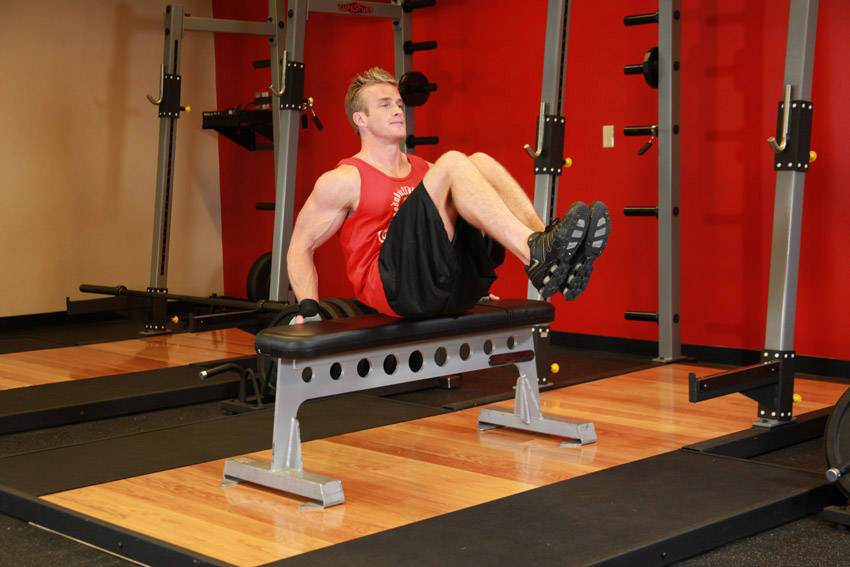
How to Perform Seated Leg Tucks
- Sit on a bench with the legs stretched out in front of you slightly below parallel and your arms holding on to the sides of the bench. Your torso should be leaning backwards around a 45-degree angle from the bench. This will be your starting position.
- Bring the knees in toward you as you move your torso closer to them at the same time. Breathe out as you perform this movement.
- After a second pause, go back to the starting position as you inhale.
- Repeat for the recommended amount of repetitions.
Pro Tips
- Category: Strength
- Force: Pull
- Movement type: Isolation
Best Seated Leg Tucks Alternatives
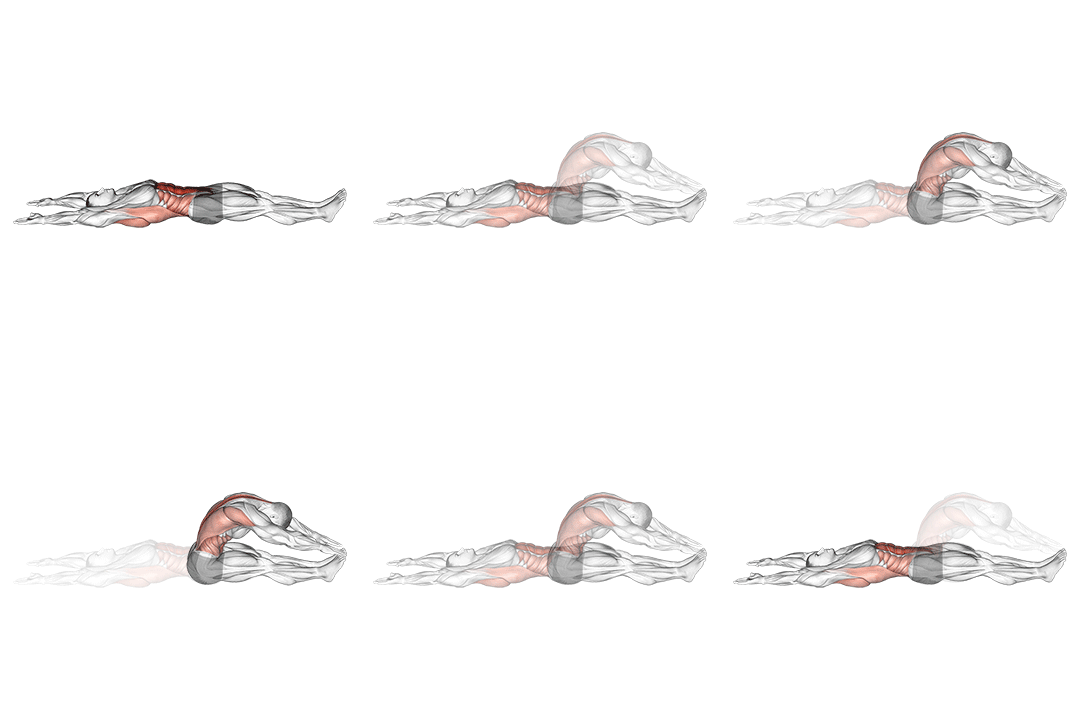
1. Arms Overhead Full Sit-up (male)
89.1% MatchHow to perform this exercise
- Lie flat on your back with your knees bent and feet flat on the ground.
- Extend your arms overhead, keeping them straight.
- Engaging your abs, slowly lift your upper body off the ground, curling forward until your torso is upright.
- Pause for a moment at the top, then slowly lower your upper body back down to the starting position.
- Repeat for the desired number of repetitions.
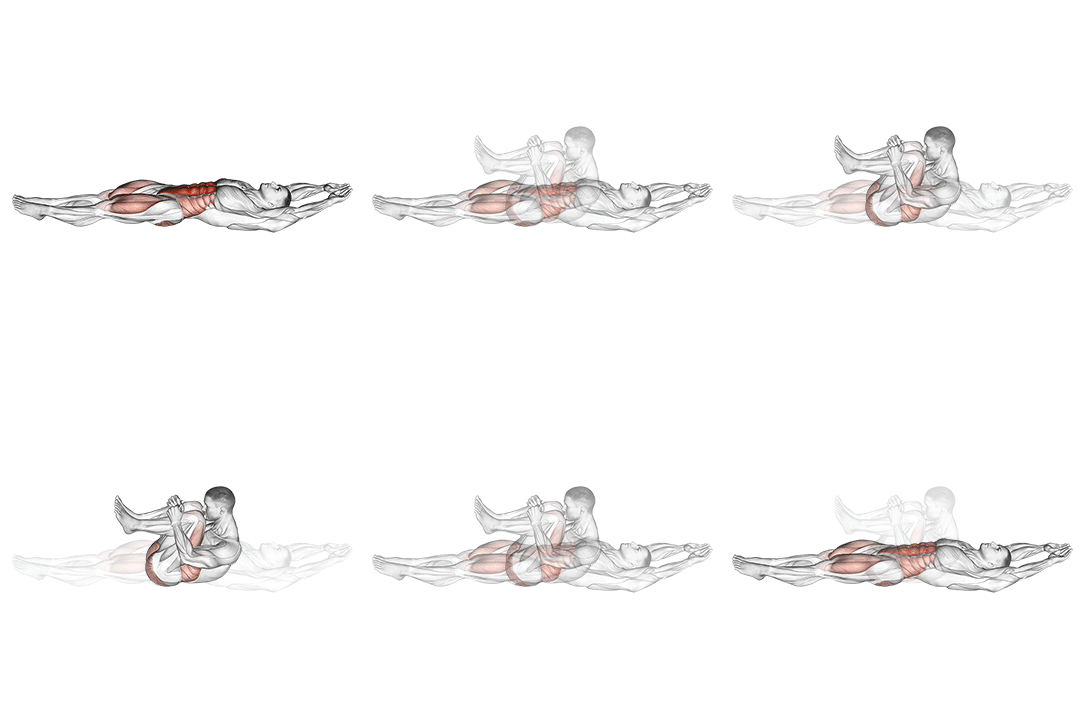
2. Cocoons
87% MatchHow to perform this exercise
- Lie flat on your back with your knees bent and feet flat on the ground.
- Place your hands behind your head with your elbows pointing outwards.
- Engaging your abs, slowly lift your upper body off the ground, curling forward until your torso is at a 45-degree angle.
- Pause for a moment at the top, then slowly lower your upper body back down to the starting position.
- Repeat for the desired number of repetitions.
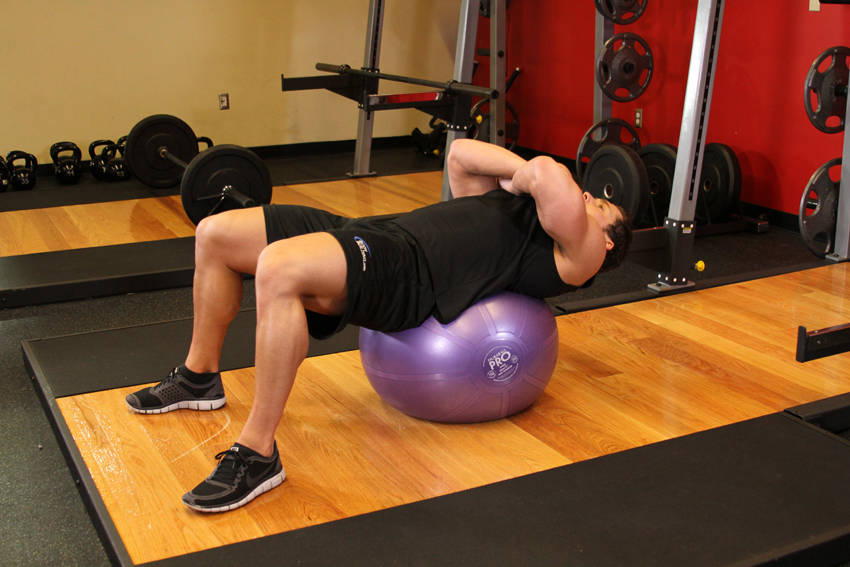
3. Exercise Ball Crunch
86.4% MatchHow to perform this exercise
- Lie on an exercise ball with your lower back curvature pressed against the spherical surface of the ball. Your feet should be bent at the knee and pressed firmly against the floor. The upper torso should be hanging off the top of the ball. The arms should either be kept alongside the body or crossed on top of your chest as these positions avoid neck strains (as opposed to the hands behind the back of the head position).
- Lower your torso into a stretch position keeping the neck stationary at all times. This will be your starting position.
- With the hips stationary, flex the waist by contracting the abdominals and curl the shoulders and trunk upward until you feel a nice contraction on your abdominals. The arms should simply slide up the side of your legs if you have them at the side or just stay on top of your chest if you have them crossed. The lower back should always stay in contact with the ball. Exhale as you perform this movement and hold the contraction for a second.
- As you inhale, go back to the starting position.
- Repeat for the recommended amount of repetitions.
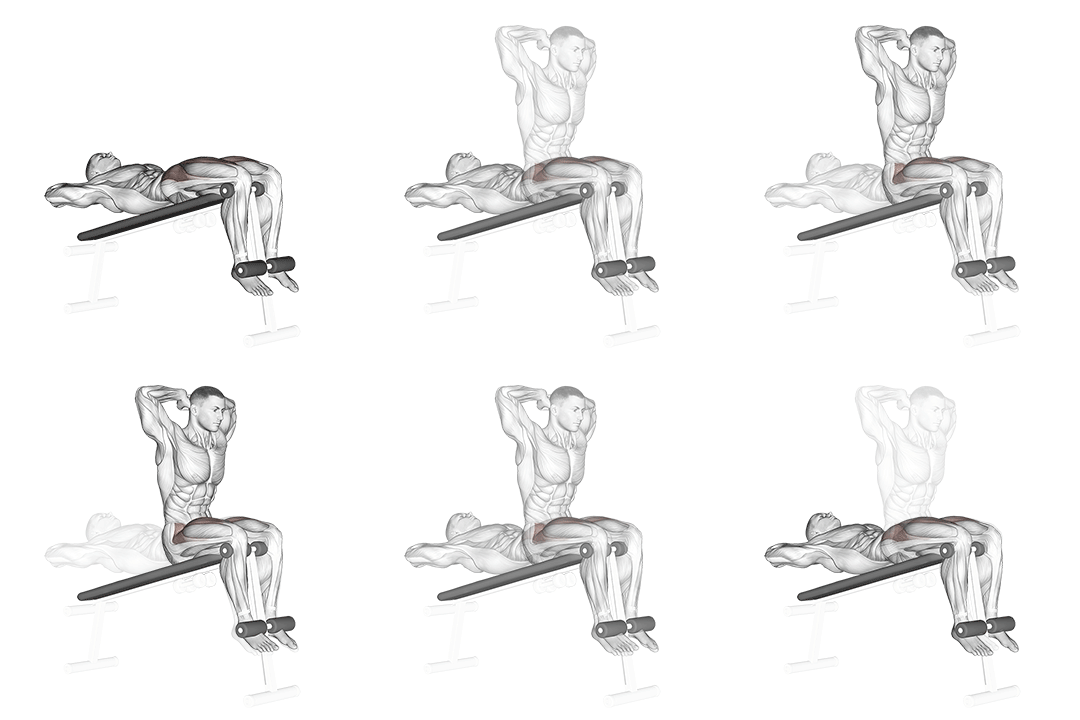
4. Decline Sit-up
86.2% MatchHow to perform this exercise
- Lie on a decline bench with your feet secured and your knees bent.
- Place your hands behind your head or across your chest.
- Engage your abs and lift your upper body off the bench, curling forward towards your knees.
- Pause for a moment at the top, then slowly lower your upper body back down to the starting position.
- Repeat for the desired number of repetitions.
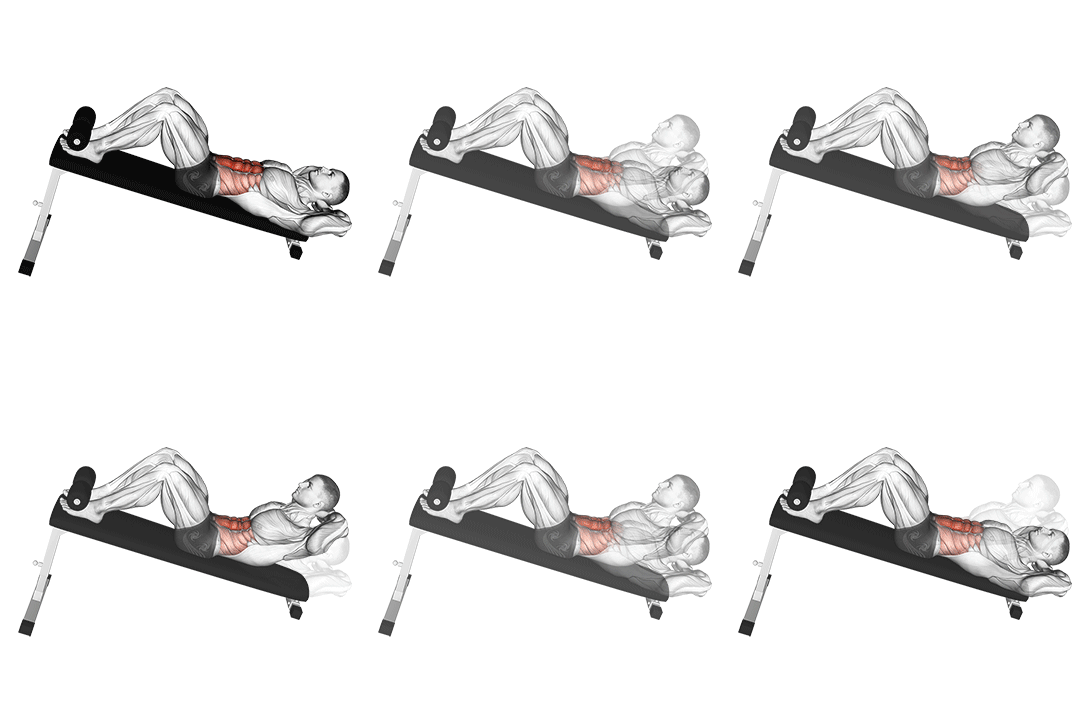
5. Decline Crunch
81.7% MatchHow to perform this exercise
- Lie on a decline bench with your feet secured and your knees bent at a 90-degree angle.
- Place your hands behind your head or across your chest.
- Engage your abs and lift your upper body towards your knees, curling your torso.
- Pause for a moment at the top, then slowly lower your upper body back down to the starting position.
- Repeat for the desired number of repetitions.
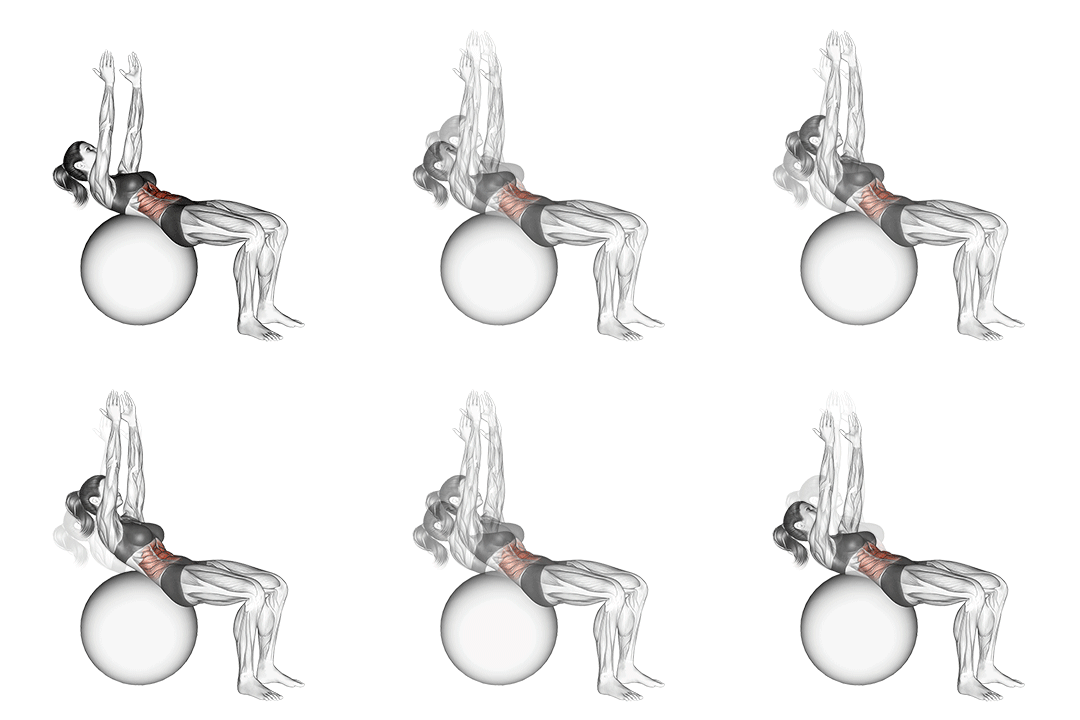
6. Crunch (on Stability Ball, Arms Straight)
81.4% MatchHow to perform this exercise
- Sit on the stability ball with your feet flat on the ground and your knees bent at a 90-degree angle.
- Lie back on the ball until your lower back is supported and your upper body is parallel to the floor.
- Place your hands behind your head or cross them over your chest.
- Engage your abs and lift your upper body off the ball, curling your shoulders towards your hips.
- Pause for a moment at the top, then slowly lower your upper body back down to the starting position.
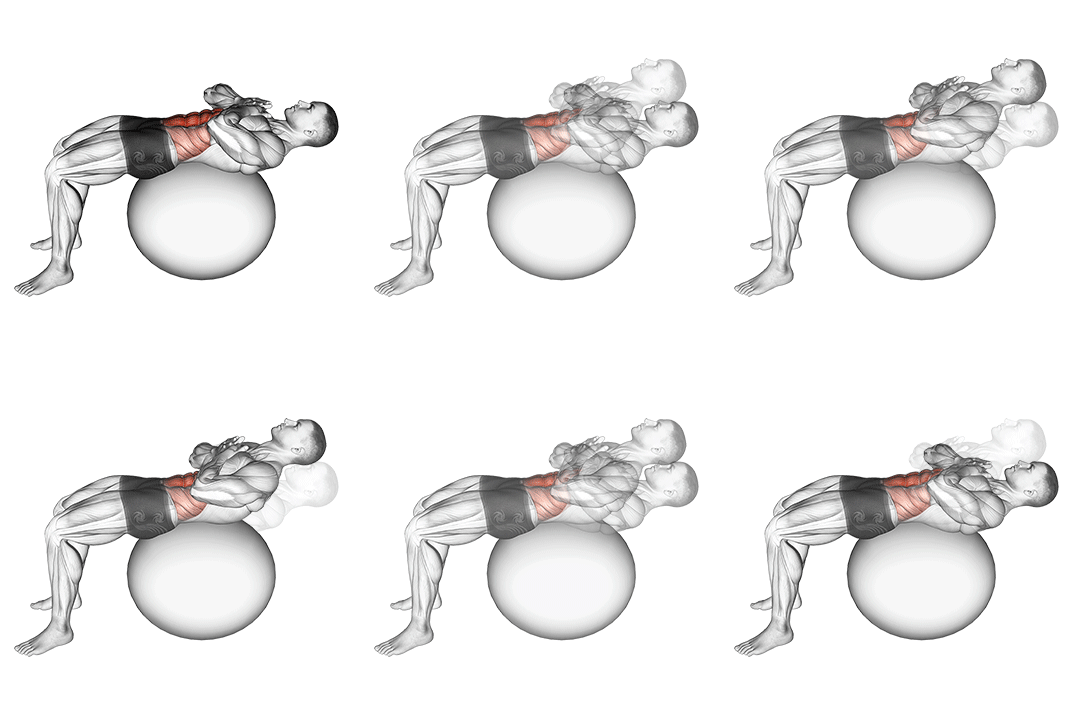
7. Crunch (on Stability Ball)
80.9% MatchHow to perform this exercise
- Sit on the stability ball with your feet flat on the ground and your knees bent at a 90-degree angle.
- Lie back on the ball until your lower back is supported and your upper body is parallel to the floor.
- Place your hands behind your head or across your chest.
- Engage your abs and lift your upper body towards your knees, curling your torso forward.
- Pause for a moment at the top of the movement, then slowly lower your upper body back down to the starting position.
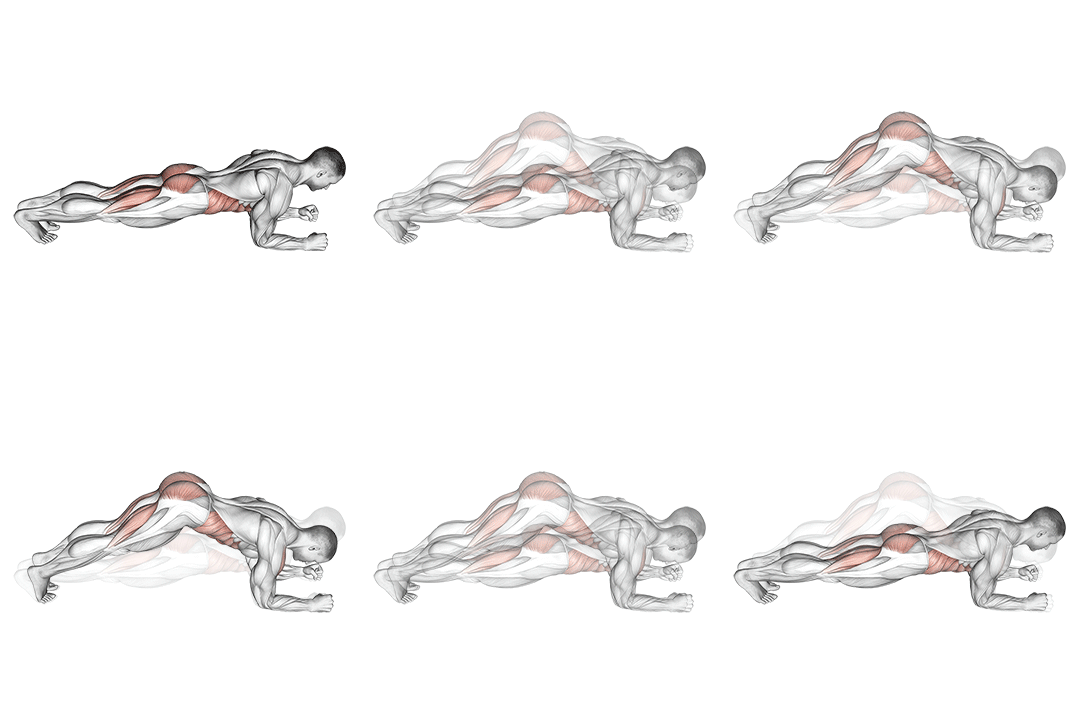
8. Butt-ups
80.9% MatchHow to perform this exercise
- Lie flat on your back with your knees bent and feet flat on the ground.
- Place your hands by your sides, palms facing down.
- Engaging your abs, lift your legs off the ground, bringing your knees towards your chest.
- At the top of the movement, squeeze your abs and pause for a moment.
- Slowly lower your legs back down to the starting position.
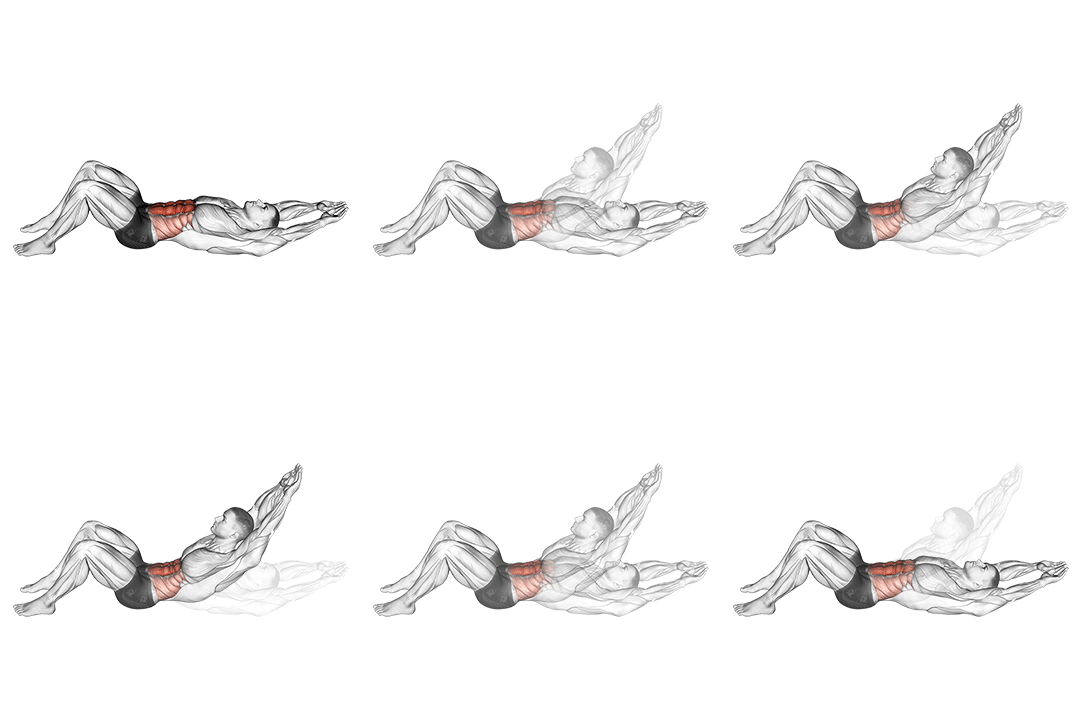
9. Crunch (hands Overhead)
80.3% MatchHow to perform this exercise
- Lie flat on your back with your knees bent and feet flat on the ground.
- Extend your arms straight above your head.
- Engaging your abs, lift your upper body off the ground, curling forward towards your knees.
- Pause for a moment at the top, then slowly lower your upper body back down to the starting position.
- Repeat for the desired number of repetitions.
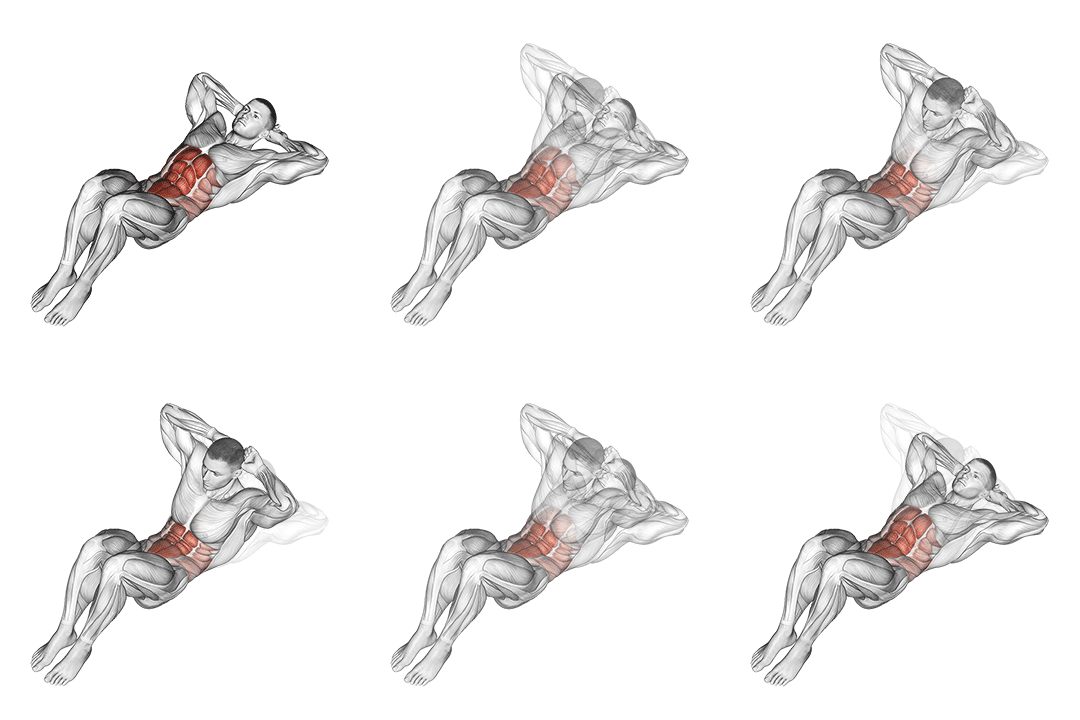
10. Crunch Floor
80.3% MatchHow to perform this exercise
- Lie flat on your back with your knees bent and feet flat on the ground.
- Place your hands behind your head with your elbows pointing outwards.
- Engage your abs and lift your shoulders off the ground, curling forward towards your knees.
- Pause for a moment at the top, then slowly lower your shoulders back down to the starting position.
- Repeat for the desired number of repetitions.
Why You Might Need a Seated Leg Tucks Alternative
You may swap Seated Leg Tucks for several reasons: lower-back pain, limited hip mobility, lack of equipment, or to reduce hip-flexor dominance. Seated tucks force hip flexion and spinal rounding; that can increase lumbar shear if you lack core control. If you have discomfort, choose exercises that limit hip flexion and emphasize pelvic curl and rectus abdominis isolation. Cue: keep pelvis neutral, pull navel to spine, and avoid excessive hip drive. For rehab, favor dead bugs or reverse crunches to train anti-extension and segmental control. For sport-specific work, pick dynamic patterns like hanging leg raises to load strength and speed while maintaining thoracic stability.
How to Choose the Right Substitute
When choosing an alternative, prioritize movement pattern, spinal position, and muscle activation. Select exercises that keep the lumbar spine neutral if you have back issues; cue: maintain a posterior pelvic tilt and pull your ribs down to engage the rectus abdominis. Decide whether you need more hip-flexor involvement (hanging leg raises) or pure abdominal curl (reverse crunch). Consider equipment—no-bar alternatives like reverse crunches and dead bugs require only a mat. Progress by adding range of motion, slow eccentrics, or light ankle weights, not by sacrificing form. Track perceived effort and core fatigue to ensure you overload the abs rather than the hip flexors.
Frequently Asked Questions
What muscles does Seated Leg Tucks work?
Seated Leg Tucks primarily target the rectus abdominis and involve the hip flexors (iliopsoas) for knee drive. They use coordinated hip flexion and posterior pelvic tilt; cue: flex at the hips while tilting the pelvis posteriorly to maximize abdominal short-range contraction and limit lumbar extension.
What is the best bodyweight alternative to Seated Leg Tucks?
The best pure bodyweight alternative is the reverse crunch because it isolates the rectus abdominis while minimizing hip-flexor pull. Lie flat, curl your pelvis upward and keep the lower back on the mat; cue: lead with the pelvis, not the knees, to increase abdominal activation.
Can I build muscle without doing Seated Leg Tucks?
Yes. You can build abdominal muscle through progressive overload and exercise variation—use slow eccentrics, increased range, higher volume, or added resistance (ankle weights) on moves like hanging leg raises or weighted reverse crunches. Cue: slow the lowering phase and maintain a braced core to increase time under tension and hypertrophic stimulus.
More Exercise Alternatives
Find Alternatives for Any Exercise
Use our free tool to discover the best substitute exercises based on your available equipment and goals.
Try the Exercise Substitution Finder →