

10 Best Twisted Leg Raise Alternatives for Home Workouts
The Twisted Leg Raise is done lying on your back. Ranked closest by our scoring: the Elbow-to-knee, the Otis-up and Oblique Crunches. Two harder versions, the Twisted Leg Raise and the Russian Twist, are listed below as progressions rather than swaps.
Updated Ranked by our 12-factor similarity model How it works
Original Exercise: Twisted Leg Raise
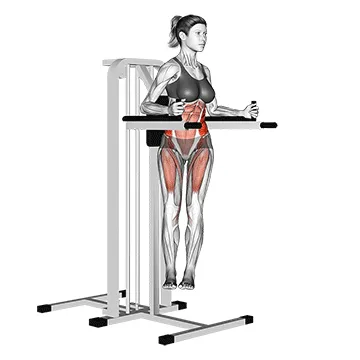
- Primary muscle
- Abs
- Equipment
- Bodyweight
- Difficulty
- Beginner
- Type
- Isolation
Secondary muscles: Obliques, Hip Flexors
How to perform Twisted Leg Raise
- Lie flat on your back with your legs extended and your arms by your sides.
- Bend your knees and lift your legs off the ground, bringing them towards your chest.
- As you lift your legs, twist your hips to one side, bringing your knees towards your opposite shoulder.
- Pause for a moment at the top, then slowly lower your legs back down to the starting position.
- Repeat the movement, this time twisting your hips to the other side.
- Continue alternating sides for the desired number of repetitions.
Ranked Twisted Leg Raise Alternatives
10 substitutes, ranked by how closely each one matches the Twisted Leg Raise on movement pattern, muscles worked, equipment and body position. The higher the score, the less you change. Open "How to perform this exercise" on a card for the steps; every card title links to that exercise's own alternatives page. Harder versions are tagged as progressions and kept out of the top spot even when they score higher.
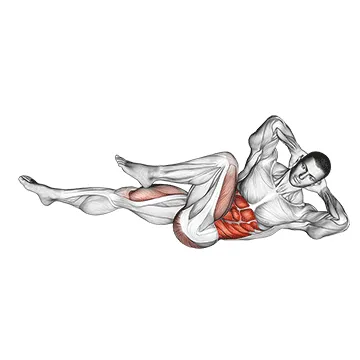
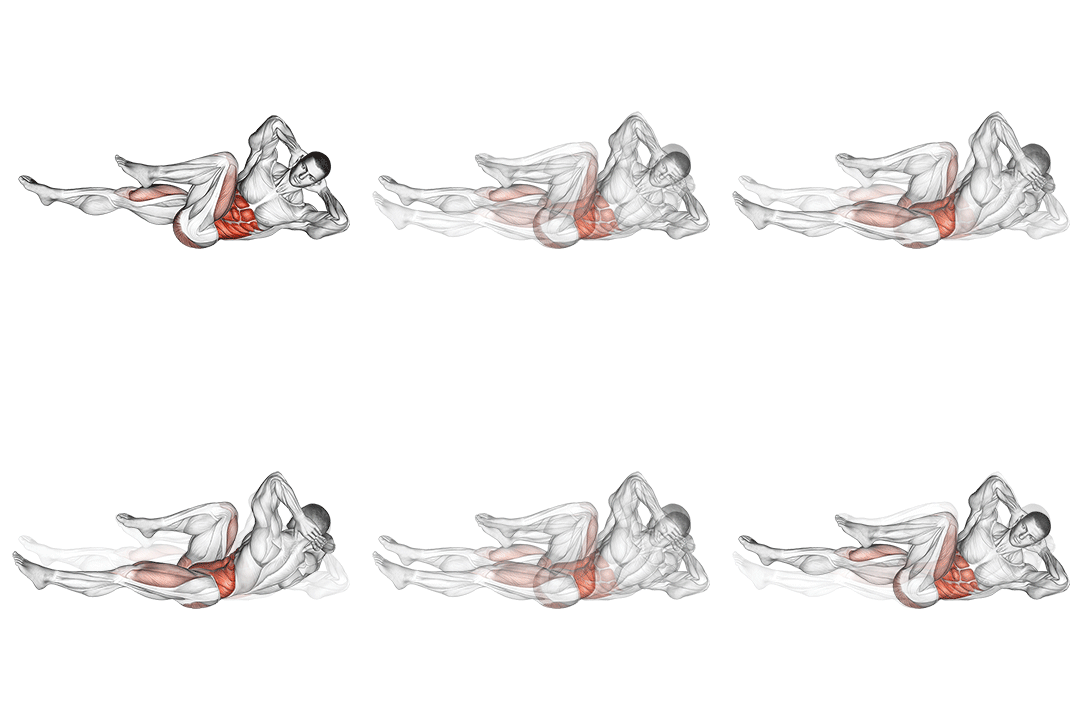
Best match 1. Elbow-to-knee
99% match- Abs
- Bodyweight
- Beginner
- Isolation
It uses the same equipment and still works the abs.
How to perform this exercise
- Start by lying flat on your back with your knees bent and feet flat on the ground.
- Place your hands behind your head with your elbows pointing outwards.
- Engage your abs and lift your upper body off the ground, bringing your right elbow towards your left knee.
- At the same time, bring your left knee towards your right elbow, creating a twisting motion.
- Pause for a moment at the top, then slowly lower your upper body and extend your legs back to the starting position.
- Repeat the movement, this time bringing your left elbow towards your right knee and your right knee towards your left elbow.
- Continue alternating sides for the desired number of repetitions.
Sets and reps: 3 sets of 8 to 12 reps on each side, and add reps before you add load.
Why this matches
- Primary muscle: abs, the same as the Twisted Leg Raise
- Equipment: bodyweight only, the same as the Twisted Leg Raise
- Body position: lying on your back, the same as the Twisted Leg Raise
Progression
2. Twisted Leg Raise
99% match- Abs
- Bodyweight
- Intermediate
- Isolation
Pick this when you want a harder version that still works the abs.
How to perform this exercise
- Lie flat on your back with your legs extended and your arms by your sides.
- Place your hands under your glutes for support.
- Engage your abs and lift both legs off the ground, keeping them straight.
- As you lift your legs, twist your hips to one side, bringing your legs towards your opposite shoulder.
- Pause for a moment at the top, then slowly lower your legs back down to the starting position.
- Repeat the movement, this time twisting your hips to the other side.
- Continue alternating sides for the desired number of repetitions.
Sets and reps: 3 sets of 10 to 15 reps on each side.
Why this matches
- Primary muscle: abs, the same as the Twisted Leg Raise
- Equipment: bodyweight only, the same as the Twisted Leg Raise
- Body position: lying on your back, the same as the Twisted Leg Raise
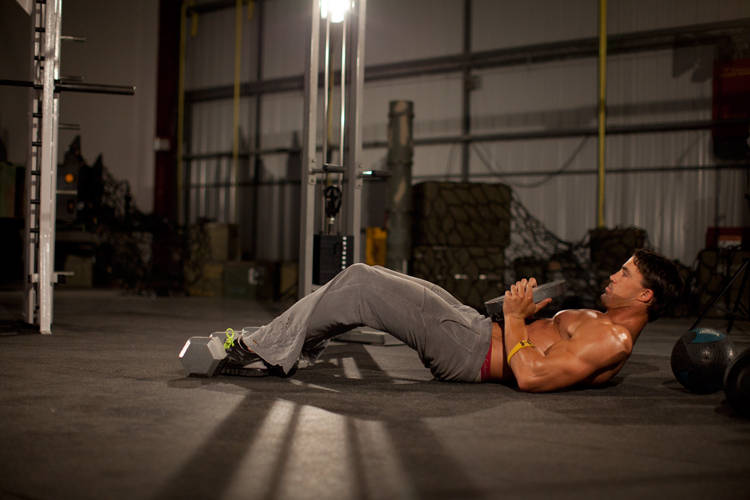
3. Otis-up
99% match- Abs
- Other
- Advanced
- Isolation
How to perform this exercise
- Secure your feet and lay back on the floor. Your knees should be bent. Hold a weight with both hands to your chest. This will be your starting position.
- Initiate the movement by flexing the hips and spine to raise your torso up from the ground.
- As you move up, press the weight up so that it is above your head at the top of the movement.
- Return the weight to your chest as you reverse the sit-up motion, ensuring not to go all the way down to the floor.
Sets and reps: 3 sets of 10 to 15 reps on each side.
Why this matches
- Primary muscle: abs, the same as the Twisted Leg Raise
- Equipment: bodyweight only, the same as the Twisted Leg Raise
- Body position: lying on your back, the same as the Twisted Leg Raise
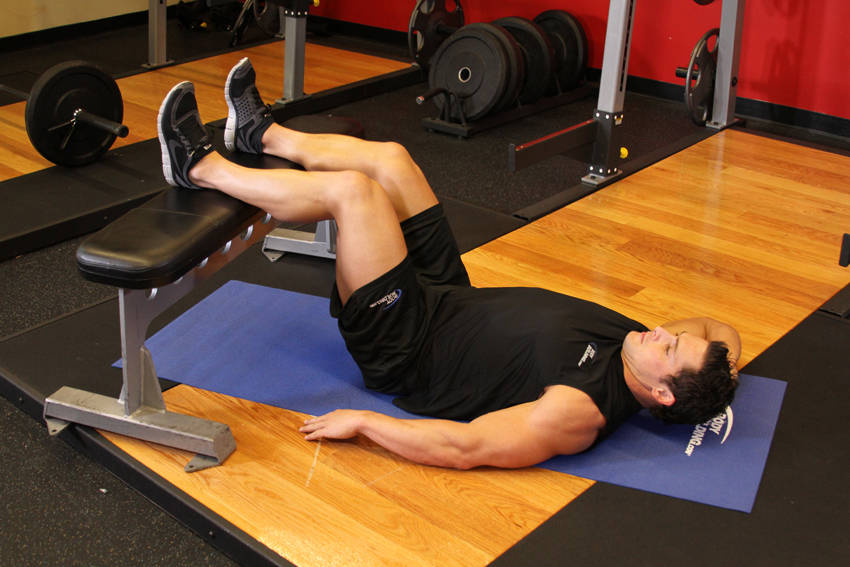
4. Oblique Crunches
95% match- Abs
- Bodyweight
- Beginner
- Isolation
Pick this when you want an easier version that still works the abs.
How to perform this exercise
- Lie flat on the floor with your lower back pressed to the ground. For this exercise, you will need to put one hand beside your head and the other to the side against the floor.
- Make sure your feet are elevated and resting on a flat surface.
- Now lift the shoulder in which your hand is touching your head.
- Simply elevate your shoulder and body upward until you touch your knee. For example, if you have your right hand besides your head, then you want to elevate your body upwards until your right elbow touches your left knee. The same variation can be applied doing the inverse and using your left elbow to touch your right knee.
- After your knee touches your elbow, lower your body until you have reached the starting position.
- Remember to breathe in during the eccentric (lowering) part of the exercise and to breathe out during the concentric (upward) part of the exercise.
- Continue alternating in this manner until all of the recommended repetitions for each side have been completed.
Sets and reps: 3 sets of 8 to 12 reps on each side, and add reps before you add load.
Why this matches
- Primary muscle: abs, the same as the Twisted Leg Raise
- Equipment: bodyweight only, the same as the Twisted Leg Raise
- Body position: lying on your back, the same as the Twisted Leg Raise
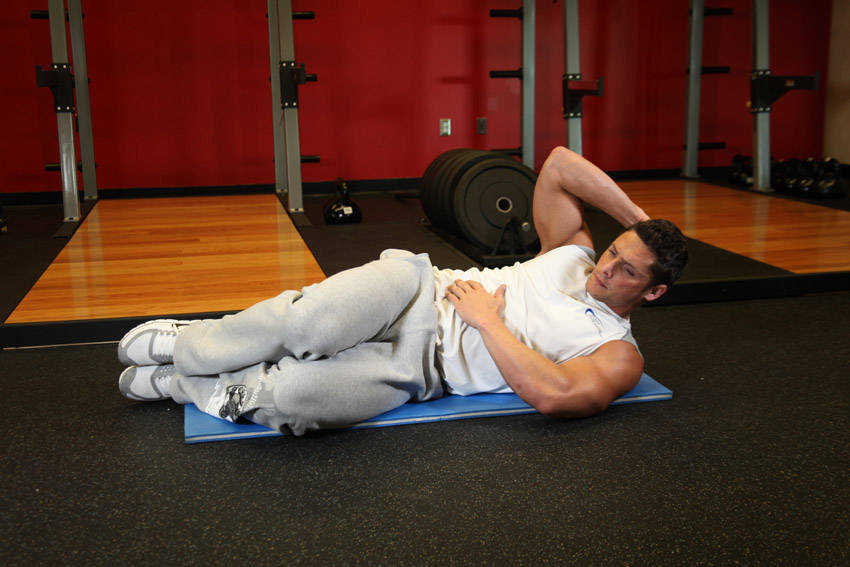
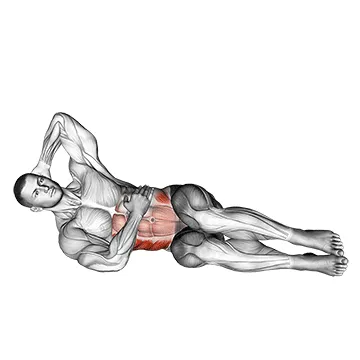
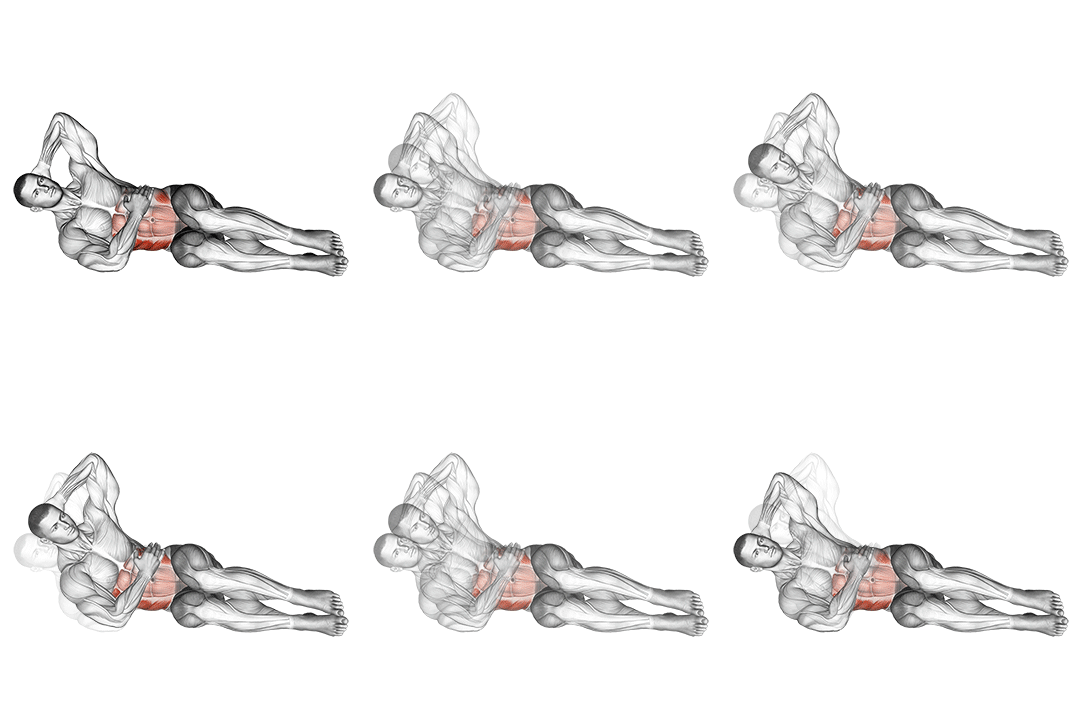
5. Oblique Crunches - On The Floor
95% match- Abs
- Bodyweight
- Beginner
- Isolation
How to perform this exercise
- Start out by lying on your right side with your legs lying on top of each other. Make sure your knees are bent a little bit.
- Place your left hand behind your head.
- Once you are in this set position, begin by moving your left elbow up as you would perform a normal crunch except this time the main emphasis is on your obliques.
- Crunch as high as you can, hold the contraction for a second and then slowly drop back down into the starting position.
- Remember to breathe in during the eccentric (lowering) part of the exercise and to breathe out during the concentric (elevation) part of the exercise.
Sets and reps: 3 sets of 8 to 12 reps on each side, and add reps before you add load.
Why this matches
- Primary muscle: abs, the same as the Twisted Leg Raise
- Equipment: bodyweight only, the same as the Twisted Leg Raise
- Body position: lying on your back, the same as the Twisted Leg Raise
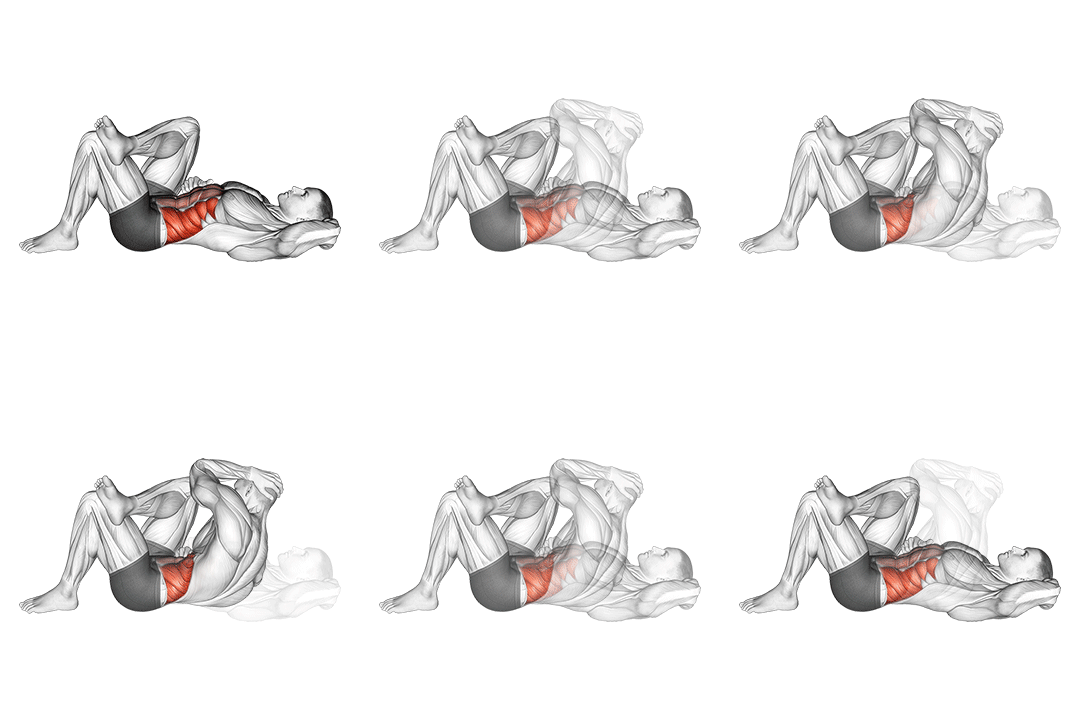
6. Oblique Crunches Floor
95% match- Abs
- Bodyweight
- Beginner
- Isolation
How to perform this exercise
- Lie on your back with your knees bent and feet flat on the floor.
- Place your hands behind your head or cross them over your chest.
- Engage your abs and lift your shoulder blades off the floor, rotating your torso to one side.
- Pause for a moment, then lower your shoulder blades back down to the floor.
- Repeat on the other side, alternating sides with each repetition.
Sets and reps: 3 sets of 8 to 12 reps on each side, and add reps before you add load.
Why this matches
- Primary muscle: abs, the same as the Twisted Leg Raise
- Equipment: bodyweight only, the same as the Twisted Leg Raise
- Body position: lying on your back, the same as the Twisted Leg Raise
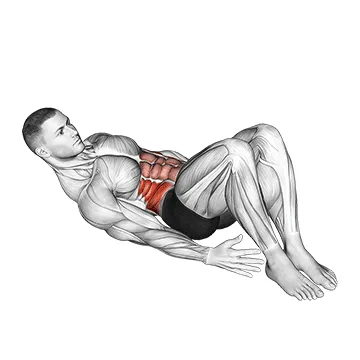
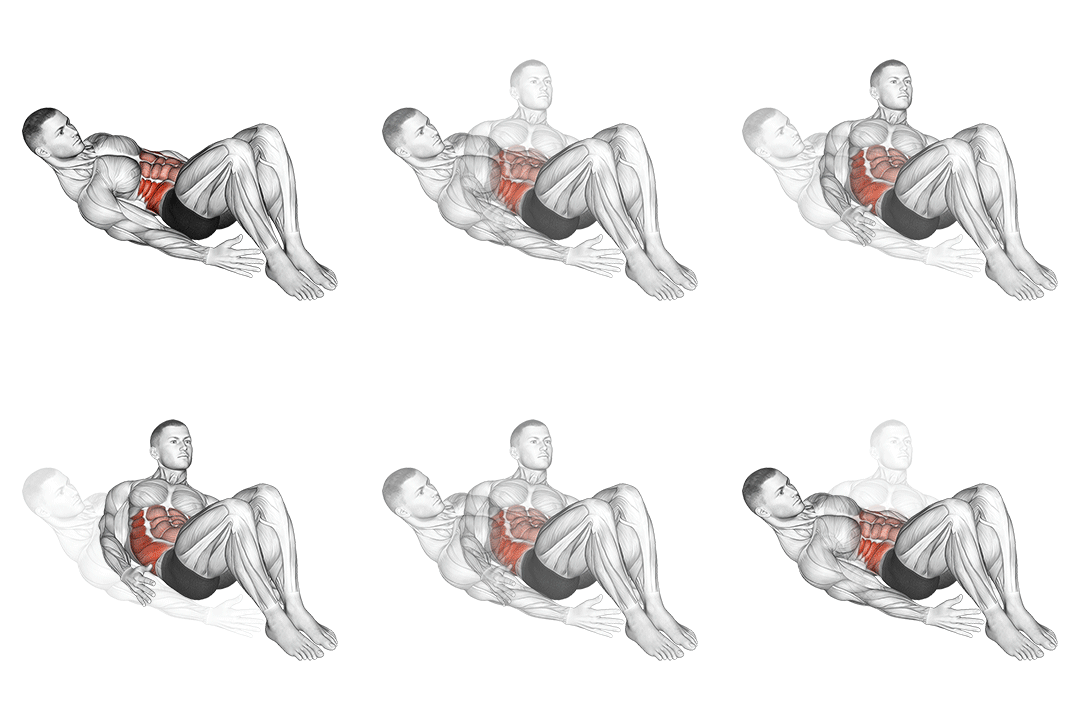
7. Lying Elbow To Knee
94% match- Abs
- Bodyweight
- Intermediate
- Isolation
Pick this when you want to work the abs with more balance to manage.
How to perform this exercise
- Lie flat on your back with your knees bent and feet flat on the ground.
- Place your hands behind your head with your elbows pointing outwards.
- Engage your abs and lift your upper body off the ground, bringing your right elbow towards your left knee.
- At the same time, extend your right leg straight out and lift it off the ground.
- Pause for a moment, then return to the starting position.
- Repeat the movement, this time bringing your left elbow towards your right knee and extending your left leg.
- Continue alternating sides for the desired number of repetitions.
Sets and reps: 3 sets of 8 to 12 reps on each side, and add reps before you add load.
Why this matches
- Primary muscle: abs, the same as the Twisted Leg Raise
- Equipment: bodyweight only, the same as the Twisted Leg Raise
- Body position: lying on your back, the same as the Twisted Leg Raise
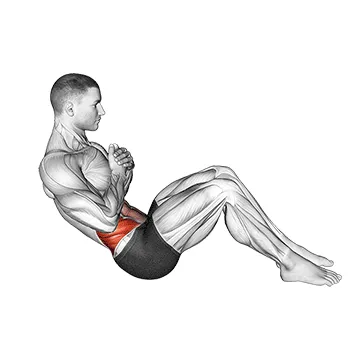
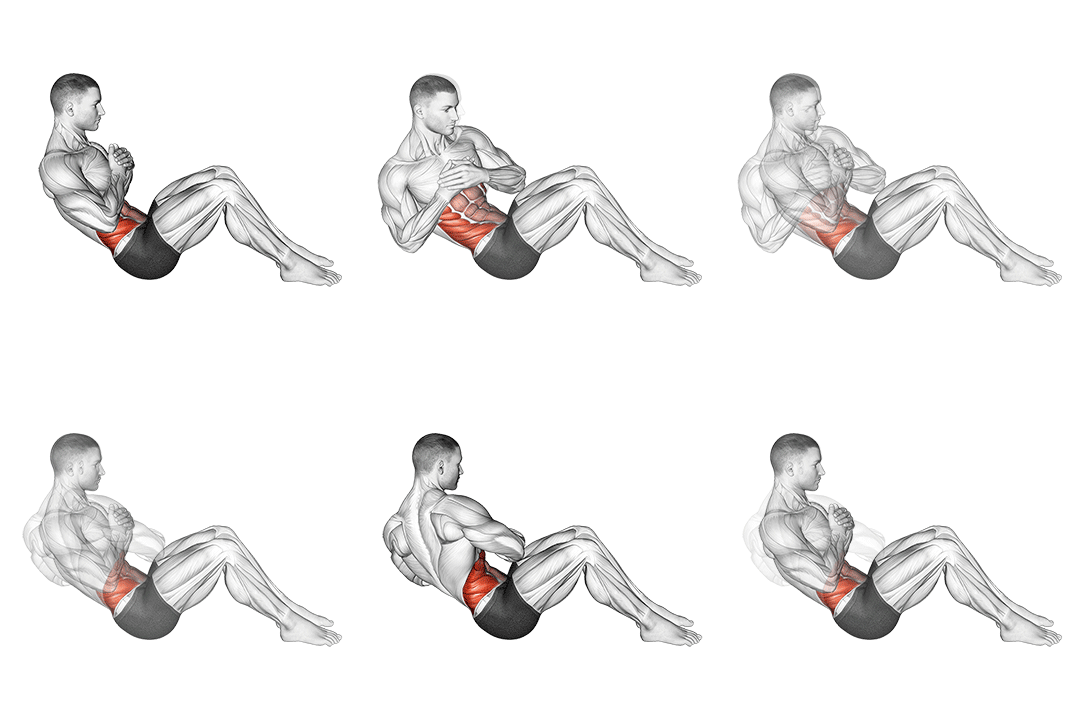
8. Spine Twist
91% match- Abs
- Bodyweight
- Beginner
- Isolation
How to perform this exercise
- Sit on the ground with your legs extended in front of you.
- Bend your knees and place your feet flat on the ground, hip-width apart.
- Place your hands behind your head with your elbows pointing outwards.
- Engage your abs and slowly twist your torso to the right, bringing your right elbow towards your left knee.
- Pause for a moment at the end of the twist, then slowly return to the starting position.
- Repeat the twist to the left side, bringing your left elbow towards your right knee.
- Continue alternating sides for the desired number of repetitions.
Sets and reps: 3 sets of 8 to 12 reps on each side, and add reps before you add load.
Why this matches
- Primary muscle: abs, the same as the Twisted Leg Raise
- Equipment: bodyweight only, the same as the Twisted Leg Raise
- Body position: seated, not lying on your back
9. Alternate Heel Touchers
90% match- Abs
- Bodyweight
- Beginner
- Isolation
How to perform this exercise
- Lie flat on your back with your knees bent and feet flat on the ground.
- Extend your arms straight out to the sides, parallel to the ground.
- Engaging your abs, lift your shoulders off the ground and reach your right hand towards your right heel.
- Return to the starting position and repeat on the left side, reaching your left hand towards your left heel.
- Continue alternating sides for the desired number of repetitions.
Sets and reps: 3 sets of 8 to 12 reps on each side, and add reps before you add load.
Why this matches
- Primary muscle: abs, the same as the Twisted Leg Raise
- Equipment: bodyweight only, the same as the Twisted Leg Raise
- Body position: lying on your back, the same as the Twisted Leg Raise
Progression
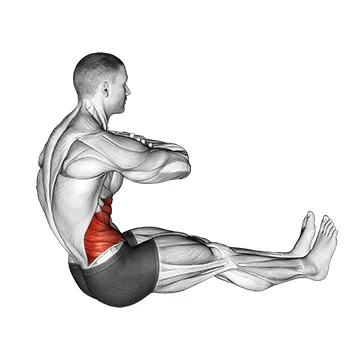
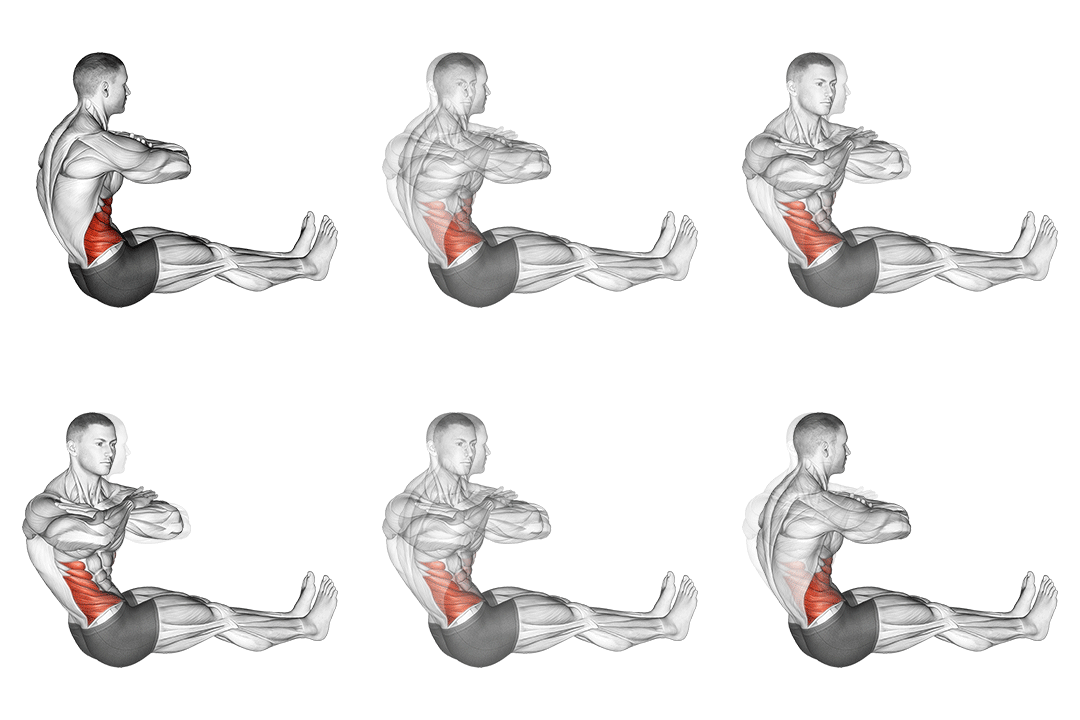
10. Russian Twist
88% match- Abs
- Bodyweight
- Intermediate
- Isolation
How to perform this exercise
- Sit on the ground with your knees bent and feet flat on the floor.
- Lean back slightly while keeping your back straight and your core engaged.
- Hold your hands together in front of your chest or hold a weight if desired.
- Lift your feet off the ground, balancing on your sit bones.
- Twist your torso to the right, bringing your hands or weight towards the right side of your body.
- Pause for a moment, then twist your torso to the left, bringing your hands or weight towards the left side of your body.
- Continue alternating sides for the desired number of repetitions.
Sets and reps: 3 sets of 10 to 15 reps on each side.
Why this matches
- Primary muscle: abs, the same as the Twisted Leg Raise
- Equipment: bodyweight only, the same as the Twisted Leg Raise
- Body position: seated, not lying on your back
- Balance: harder to stay steady on than the Twisted Leg Raise
How to Choose the Right Twisted Leg Raise Substitute
Pick a substitute based on which muscles you want to emphasize, your current mobility, and available progression options. To bias the rectus abdominis and minimize hip flexor recruitment, choose moves that maintain lumbar contact with the floor, such as alternating leg lowers, cue: keep knees slightly bent and press the sacrum into the mat. If you need more rotation to target the obliques, use controlled Russian twists with feet elevated and ribs-down cueing. Prioritize exercises that allow tempo control (3-0-3 eccentrics) and clear spinal alignment cues.
Find Alternatives for Any Exercise
Search the exercise database and filter the ranked substitutes by the equipment you own.
Similarity scores compare exercise metadata such as movement pattern, muscles, equipment and body position. They are not a safety rating or a check that you own the equipment. Learn about our methodology