

10 Best Seated Side Crunch (wall) Alternatives for Limited Equipment
If you can't perform the Seated Side Crunch (wall), use standing side bends, side plank hip lifts, bicycle crunches, Russian twists, or single-arm farmer carries to target the obliques and waist. Focus on controlled lateral flexion and oblique squeeze—exhale as you crunch and draw the ribs toward the pelvis to maximize activation.
Original Exercise: Seated Side Crunch (wall)
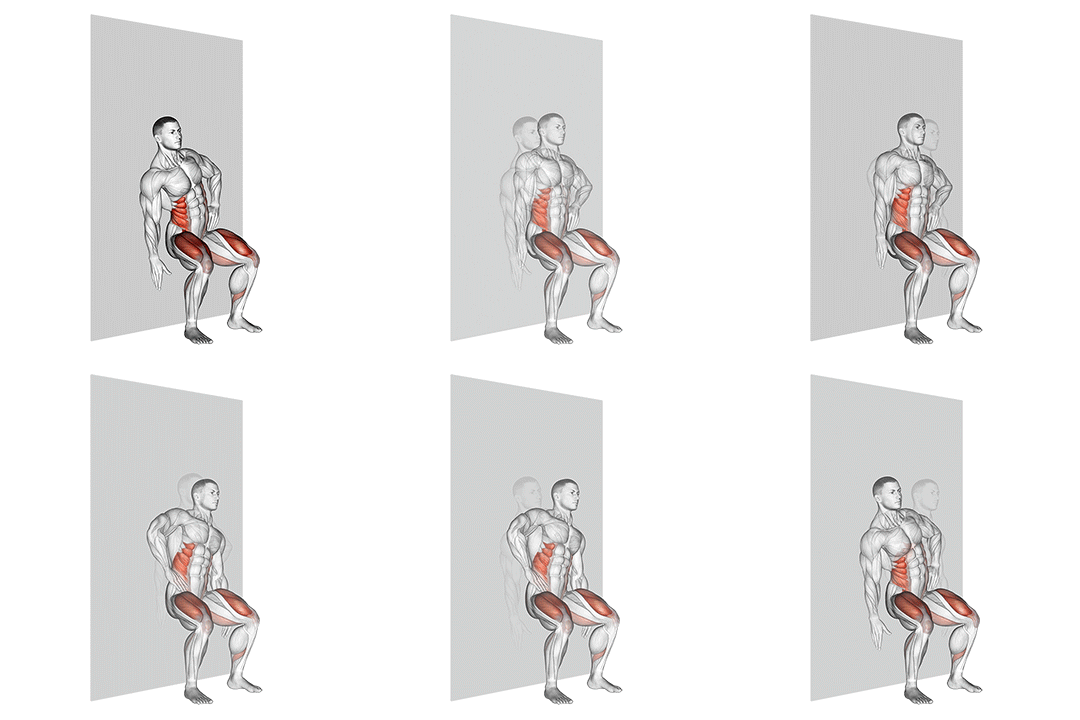
How to Perform Seated Side Crunch (wall)
- Sit on the floor with your back against a wall and your legs extended in front of you.
- Bend your knees and place your feet flat on the floor, hip-width apart.
- Place your hands behind your head with your elbows pointing outwards.
- Engage your abs and lean to one side, bringing your elbow towards your hip.
- Pause for a moment, then return to the starting position.
- Repeat on the other side.
- Continue alternating sides for the desired number of repetitions.
Best Seated Side Crunch (wall) Alternatives
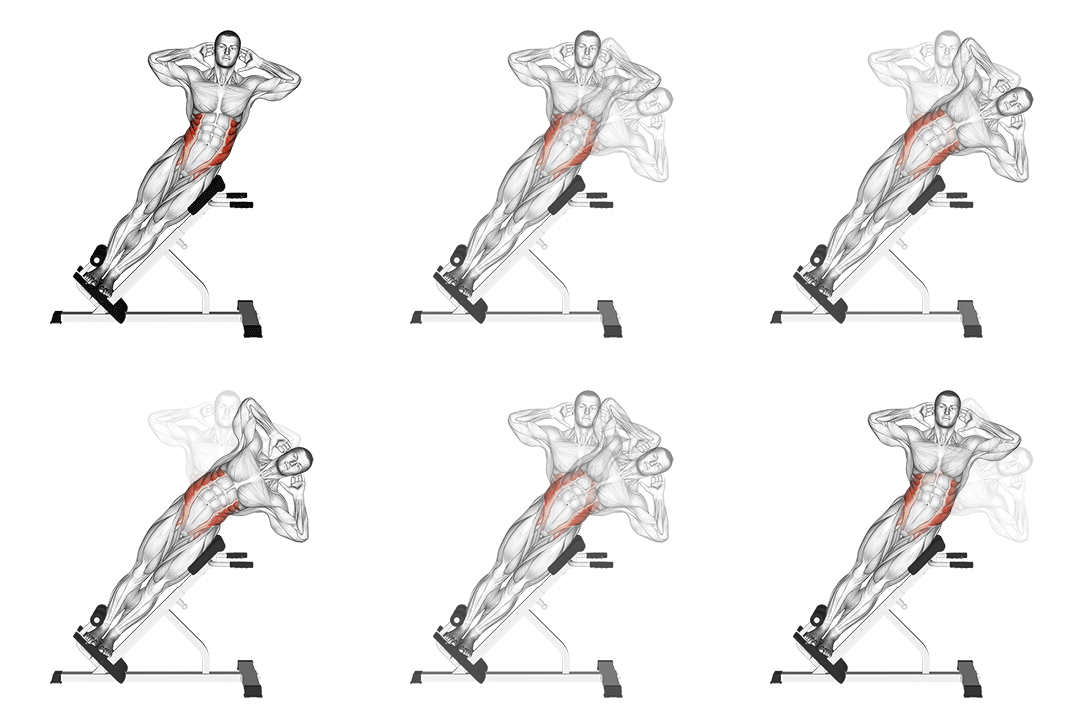
1. 45° Side Bend
81.4% MatchHow to perform this exercise
- Stand with your feet shoulder-width apart and your arms extended straight down by your sides.
- Keeping your back straight and your core engaged, slowly bend your torso to one side, lowering your hand towards your knee.
- Pause for a moment at the bottom, then slowly return to the starting position.
- Repeat on the other side.
- Continue alternating sides for the desired number of repetitions.
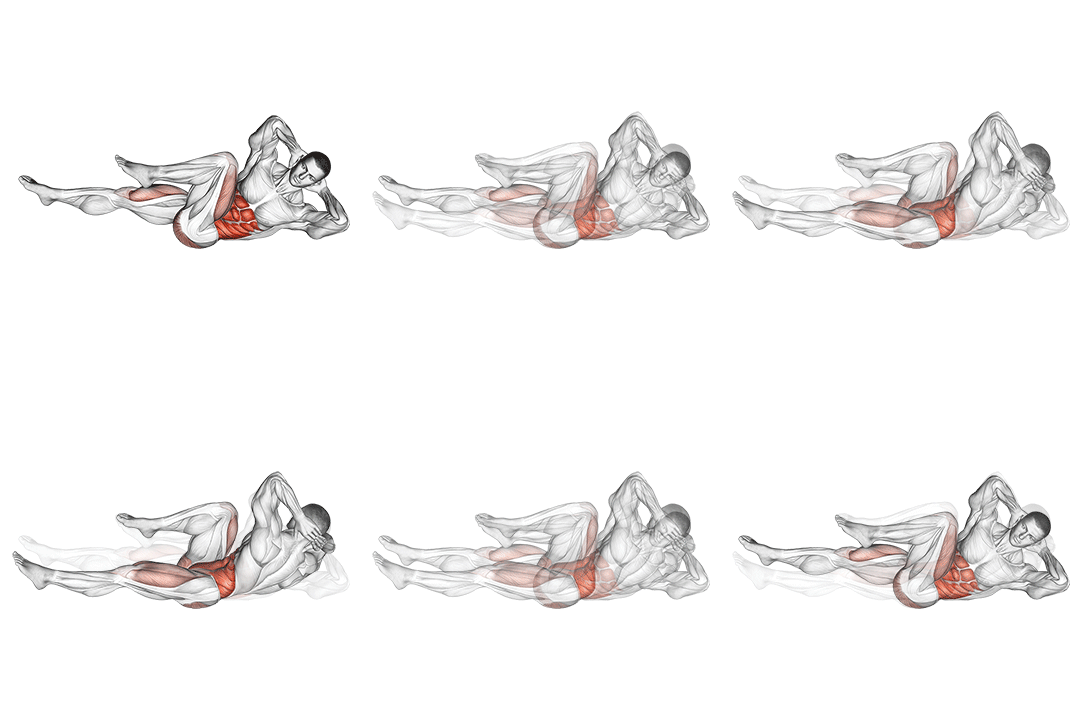
2. Elbow-to-knee
81% MatchHow to perform this exercise
- Start by lying flat on your back with your knees bent and feet flat on the ground.
- Place your hands behind your head with your elbows pointing outwards.
- Engage your abs and lift your upper body off the ground, bringing your right elbow towards your left knee.
- At the same time, bring your left knee towards your right elbow, creating a twisting motion.
- Pause for a moment at the top, then slowly lower your upper body and extend your legs back to the starting position.
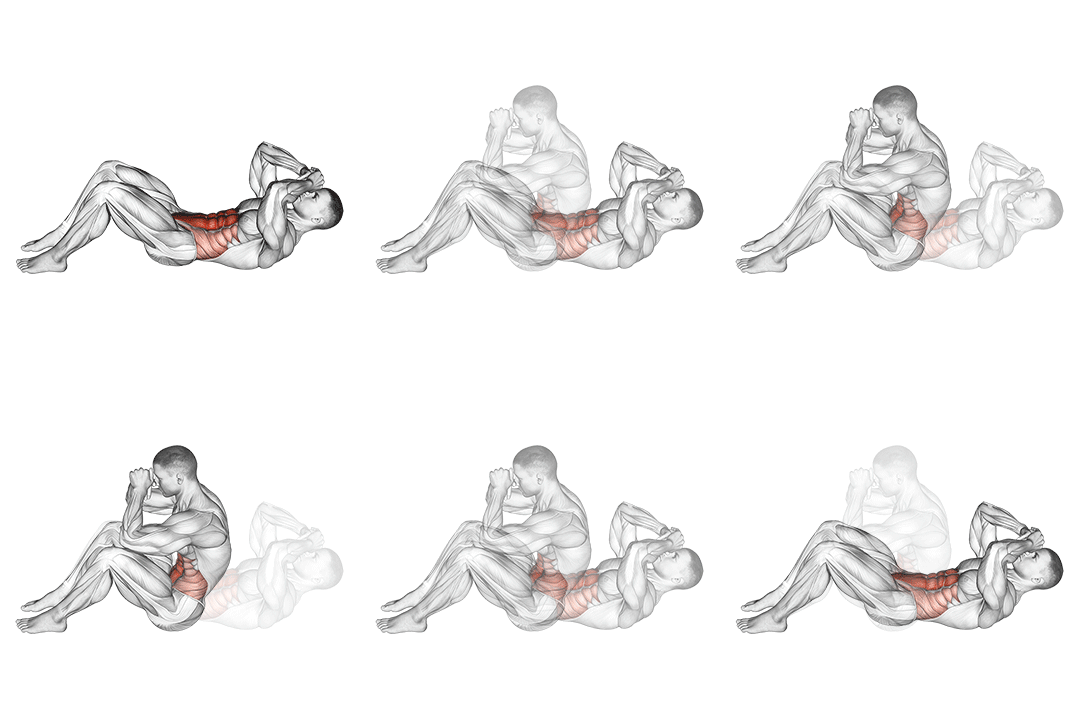
3. 3/4 Sit-up
80% MatchHow to perform this exercise
- Lie flat on your back with your knees bent and feet flat on the ground.
- Place your hands behind your head with your elbows pointing outwards.
- Engaging your abs, slowly lift your upper body off the ground, curling forward until your torso is at a 45-degree angle.
- Pause for a moment at the top, then slowly lower your upper body back down to the starting position.
- Repeat for the desired number of repetitions.
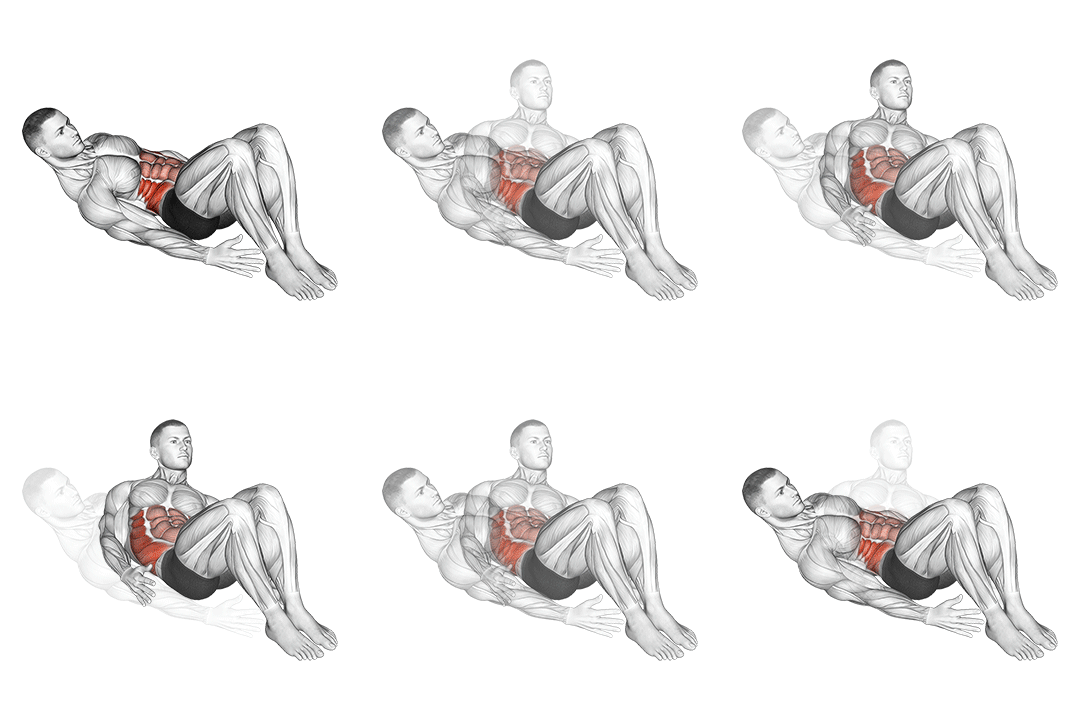
4. Alternate Heel Touchers
80% MatchHow to perform this exercise
- Lie flat on your back with your knees bent and feet flat on the ground.
- Extend your arms straight out to the sides, parallel to the ground.
- Engaging your abs, lift your shoulders off the ground and reach your right hand towards your right heel.
- Return to the starting position and repeat on the left side, reaching your left hand towards your left heel.
- Continue alternating sides for the desired number of repetitions.
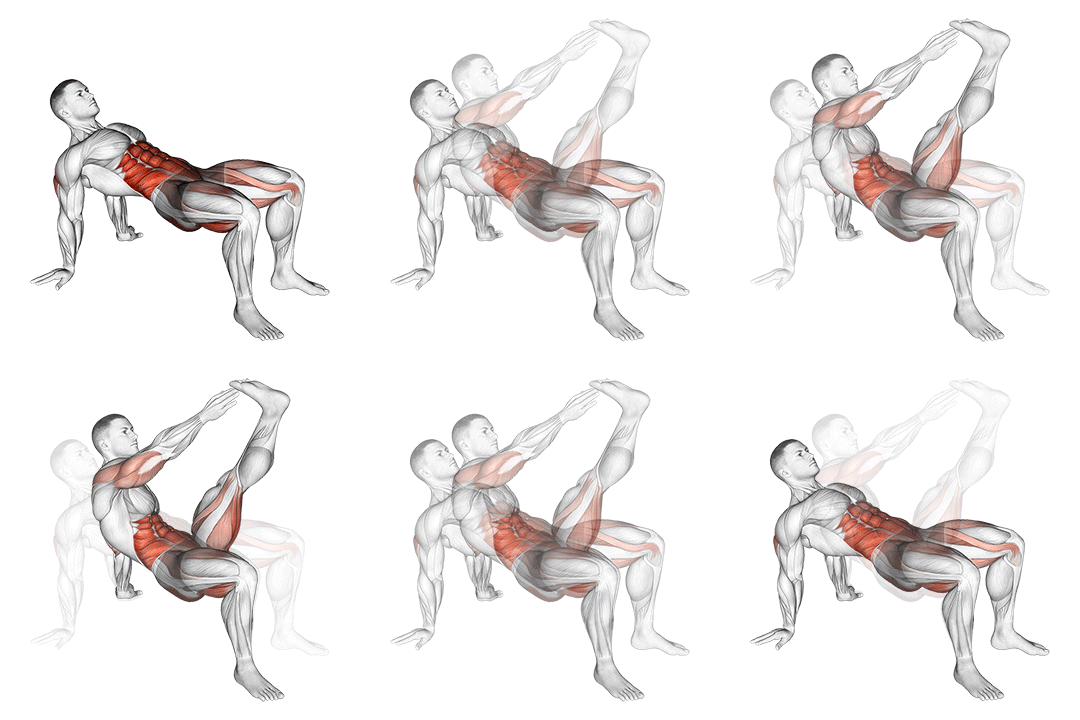
5. Crab Twist Toe Touch
79.2% MatchHow to perform this exercise
- Start by sitting on the ground with your knees bent and feet flat on the floor.
- Place your hands behind you, fingers pointing towards your feet, and lift your hips off the ground.
- Extend one leg straight out in front of you while simultaneously reaching your opposite hand towards your toes.
- Return to the starting position and repeat on the other side.
- Continue alternating sides for the desired number of repetitions.
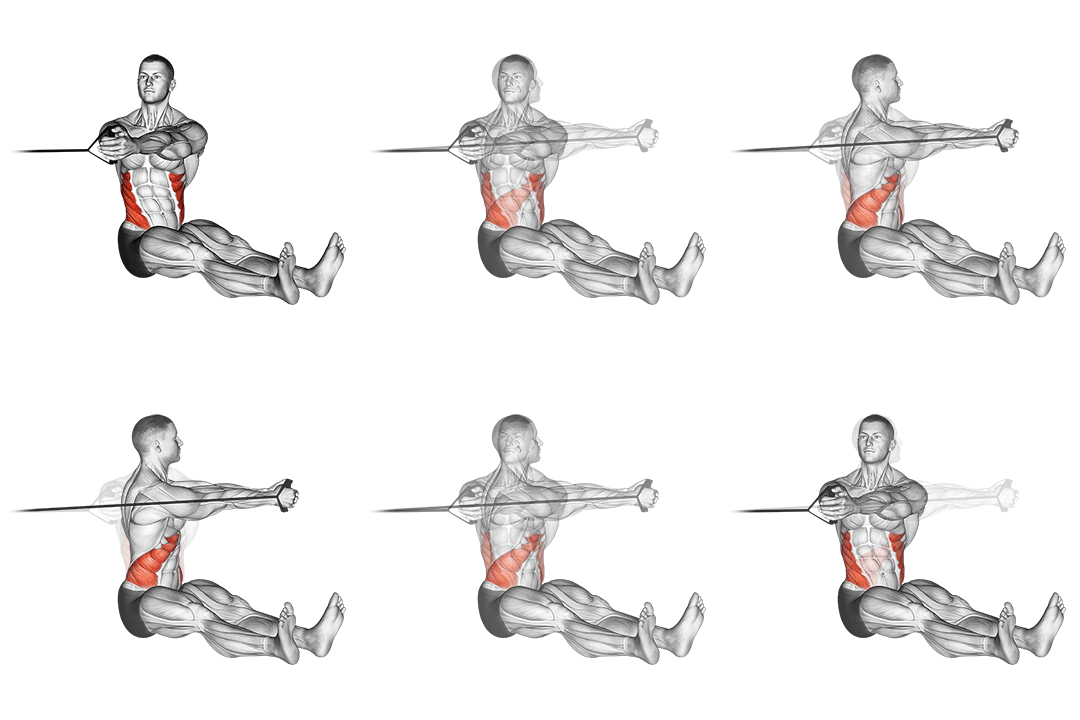
6. Band Seated Twist
79% MatchHow to perform this exercise
- Sit on the ground with your legs extended in front of you and your back straight.
- Wrap the band around your waist and hold the ends with both hands.
- Engage your abs and slowly twist your torso to one side, keeping your back straight and your feet on the ground.
- Pause for a moment at the end of the twist, then slowly return to the starting position.
- Repeat the twist to the other side.
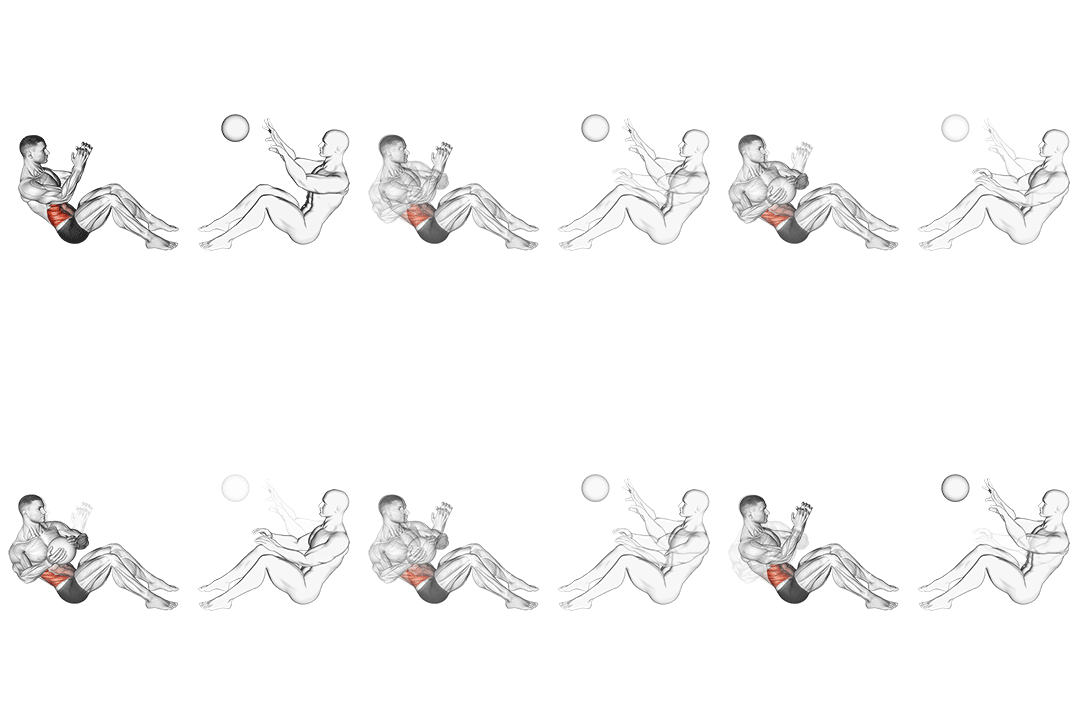
7. Assisted Motion Russian Twist
76.3% MatchHow to perform this exercise
- Sit on the ground with your knees bent and feet flat on the floor.
- Hold the medicine ball with both hands in front of your chest.
- Lean back slightly, engaging your abs and keeping your back straight.
- Slowly twist your torso to the right, bringing the medicine ball towards the right side of your body.
- Pause for a moment, then twist your torso to the left, bringing the medicine ball towards the left side of your body.
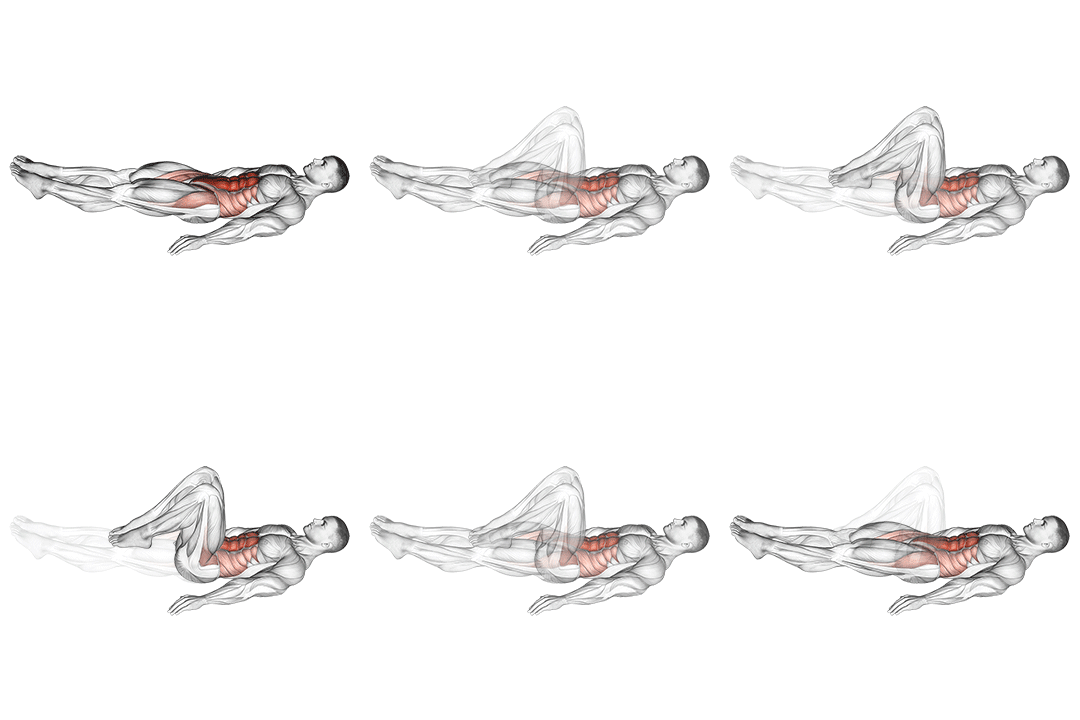
8. Bottoms-up
75.6% MatchHow to perform this exercise
- Lie flat on your back with your legs extended and your arms by your sides.
- Bend your knees and bring them towards your chest, keeping your feet off the ground.
- Engaging your abs, lift your hips off the ground, bringing your knees towards your head.
- Pause for a moment at the top, then slowly lower your hips back down to the starting position.
- Repeat for the desired number of repetitions.
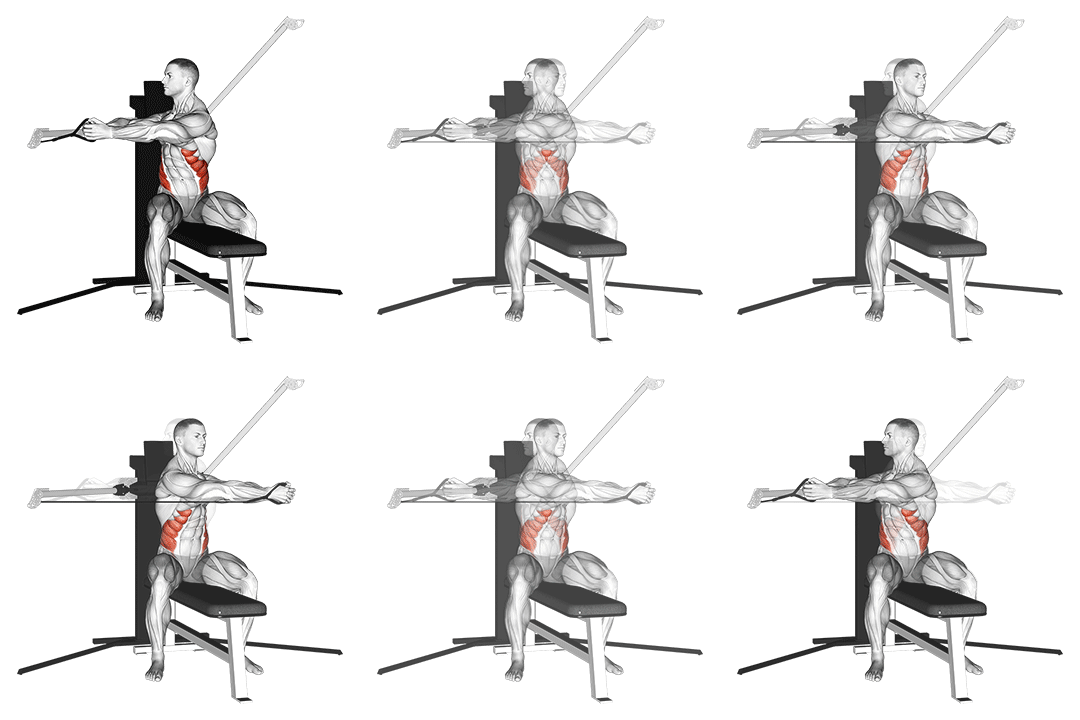
9. Cable Seated Twist
74.4% MatchHow to perform this exercise
- Sit on a cable machine with your feet flat on the ground and your knees slightly bent.
- Hold the cable handle with both hands and extend your arms straight in front of you.
- Keeping your core engaged, slowly rotate your torso to one side, pulling the cable across your body.
- Pause for a moment at the end of the range of motion, then slowly rotate back to the starting position.
- Repeat on the other side.
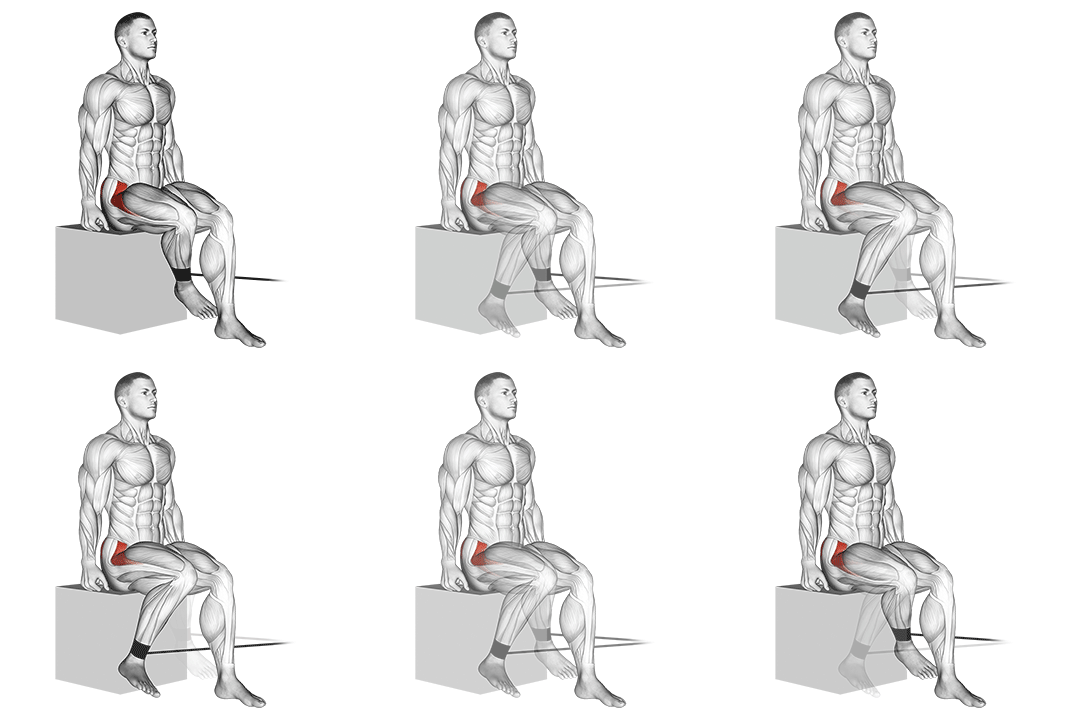
10. Band Seated Hip Internal Rotation
74.4% MatchHow to perform this exercise
- Sit on a chair or bench with your back straight and feet flat on the ground.
- Place a resistance band around your thighs, just above your knees.
- Keep your knees bent at a 90-degree angle and your feet shoulder-width apart.
- Engage your glutes and slowly rotate your knees outward, pushing against the resistance of the band.
- Pause for a moment at the end of the movement, then slowly return to the starting position.
Why You Might Need a Seated Side Crunch (wall) Alternative
You may need substitutes because the wall setup aggravates lower back pain, you lack a suitable wall, or you want greater anti-rotation challenge. Biomechanically, the seated side crunch isolates lateral flexion of the obliques; alternatives can load the same fibers via rotation, anti-lateral-flexion, or loaded carries. Choose options that preserve the same line of pull on the external and internal obliques. Cue: brace your core, keep a neutral pelvis and avoid hip-hiking so the obliques, not the hips, perform the work.
How to Choose the Right Substitute
Pick substitutes based on movement pattern, available equipment, and whether you need isolation or integrated core work. If you want pure oblique isolation, select side-lying crunches or side bends; for anti-rotation strength, choose Pallof presses or side planks. Consider progression: increase time under tension, add unilateral load, or use slower eccentrics. Technique cue: maintain a neutral spine, engage the transverse abdominis, and exhale on the concentric phase to ensure maximal oblique recruitment.
Frequently Asked Questions
What muscles does Seated Side Crunch (wall) work?
The Seated Side Crunch (wall) primarily targets the external and internal obliques through lateral flexion and short-range spinal movement. The rectus abdominis and transverse abdominis assist for trunk flexion and stability; cue to squeeze the obliques and draw the ribs toward the pelvis on each rep.
What is the best bodyweight alternative to Seated Side Crunch (wall)?
The side plank with hip dip is the best single bodyweight alternative because it loads the obliques through anti-rotation and dynamic lateral movement. Technique: stack your feet, drop hips slowly toward the floor, then lift by contracting the obliques—keep the hips level and avoid lumbar collapse.
Can I build muscle without doing Seated Side Crunch (wall)?
Yes. You can hypertrophy the obliques with progressive overload using alternatives like weighted side bends, slow Russian twists with a plate, or increased time under tension on side plank variations. Focus on deliberate tempo, full oblique contraction, and incremental load or volume to stimulate growth.
More Exercise Alternatives
Find Alternatives for Any Exercise
Use our free tool to discover the best substitute exercises based on your available equipment and goals.
Try the Exercise Substitution Finder →