

10 Best Smith Front Squat (clean Grip) Alternatives for Gym & Home
If you can't perform the Smith Front Squat (clean grip), choose movements that load the anterior chain and prioritize hip extension to target the glutes. Replace it with barbell front squats, goblet squats, trap-bar front squats, or Bulgarian split squats. Cue: keep an upright torso and drive through the heels to maximize glute activation.
Original Exercise: Smith Front Squat (clean Grip)
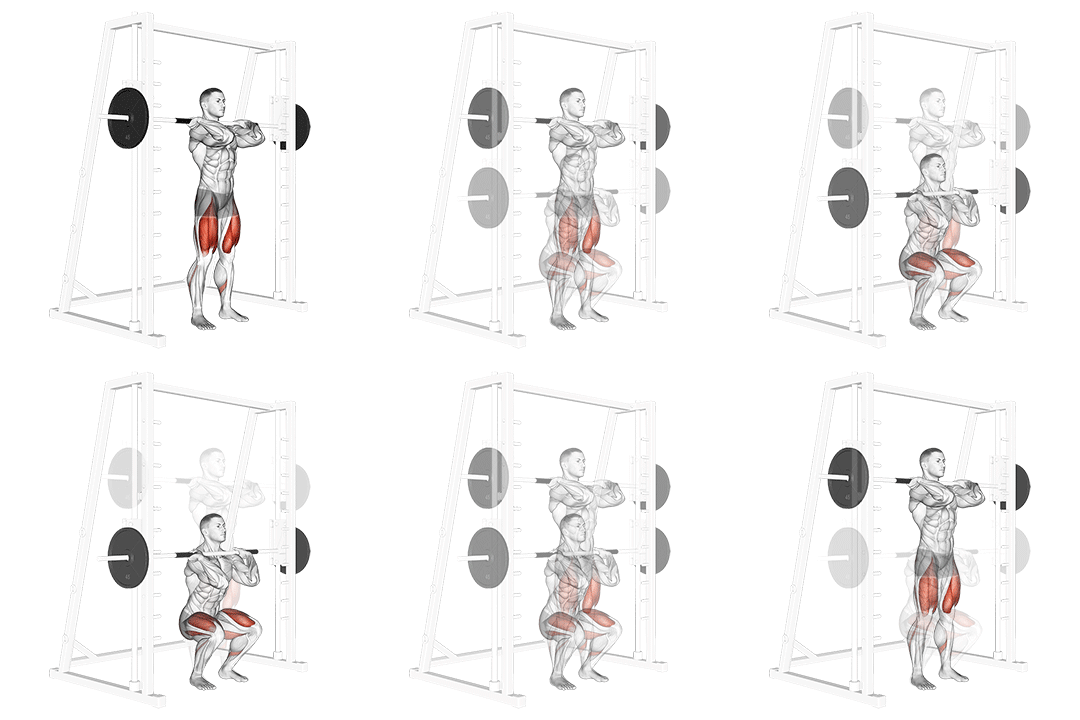
How to Perform Smith Front Squat (clean Grip)
- Set up the smith machine with the barbell at shoulder height.
- Stand facing the barbell with your feet shoulder-width apart.
- Grasp the barbell with an overhand grip, slightly wider than shoulder-width apart.
- Step back and position the barbell on your front shoulders, resting it on your collarbone and deltoids.
- Keep your chest up, back straight, and core engaged.
- Lower your body by bending at the knees and hips, as if sitting back into a chair.
- Continue lowering until your thighs are parallel to the ground or slightly below.
- Pause for a moment, then push through your heels to return to the starting position.
- Repeat for the desired number of repetitions.
Best Smith Front Squat (clean Grip) Alternatives
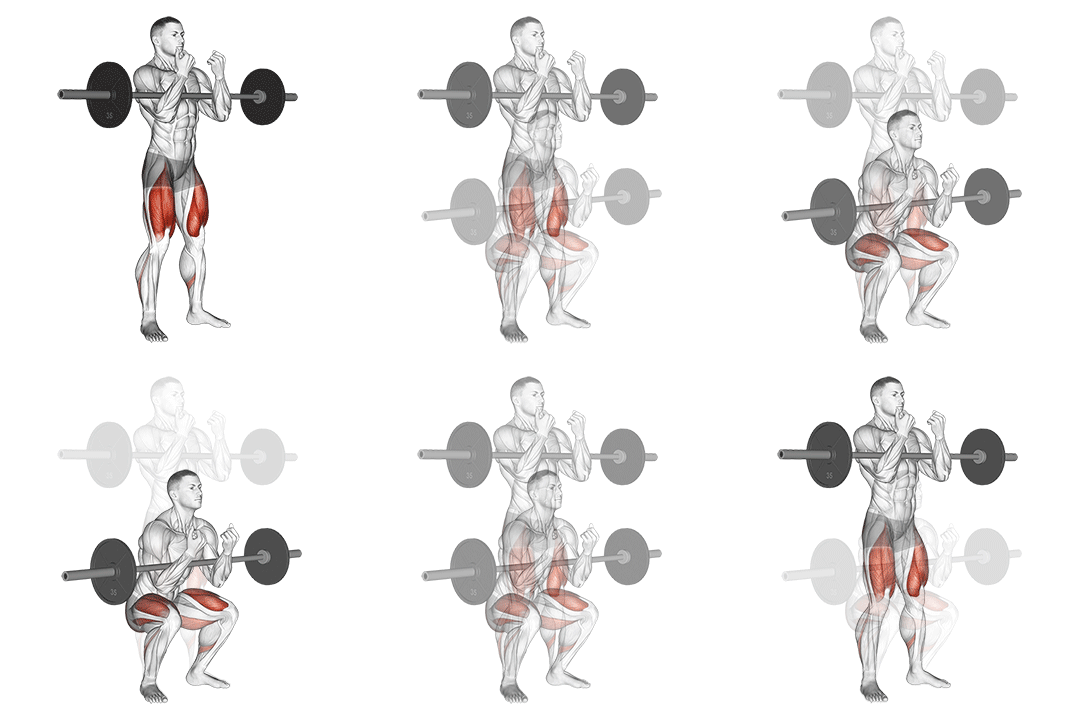
1. Barbell Full Zercher Squat
83.1% MatchHow to perform this exercise
- Stand with your feet shoulder-width apart and toes slightly turned out.
- Hold the barbell in the crooks of your elbows, with your hands gripping the barbell for stability.
- Engage your core and keep your chest lifted as you lower your hips back and down into a squat position.
- Keep your knees in line with your toes and your weight in your heels.
- Lower until your thighs are parallel to the ground, or as low as you can comfortably go.
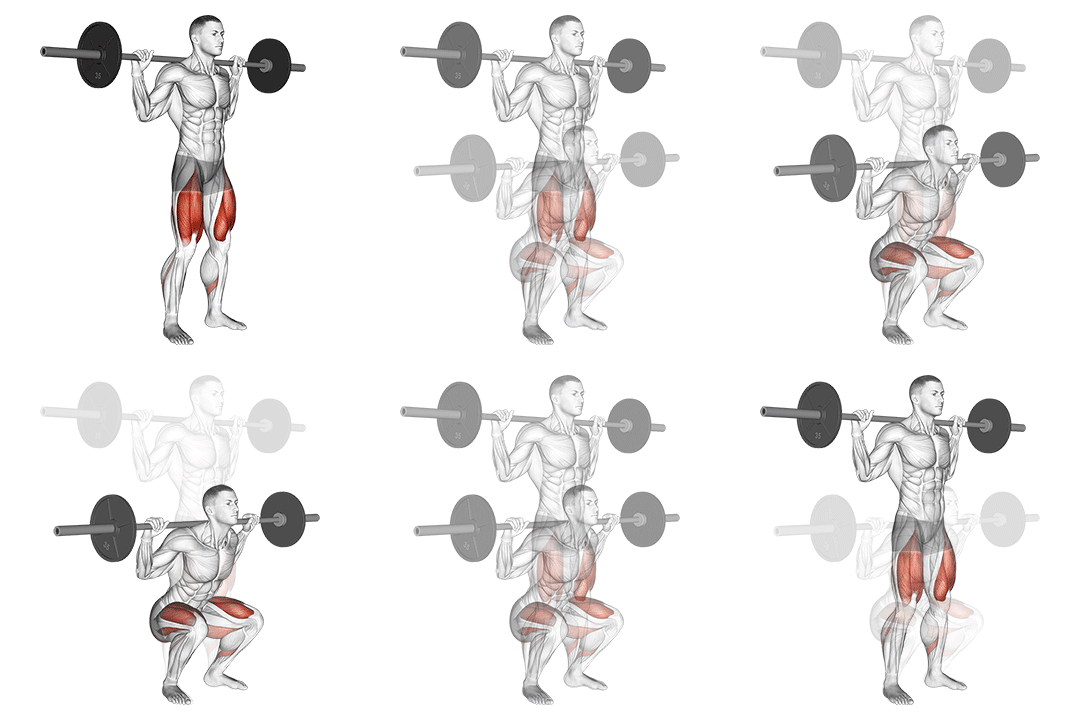
2. Barbell High Bar Squat
77.7% MatchHow to perform this exercise
- Stand with your feet shoulder-width apart, toes slightly turned out.
- Place the barbell on your upper back, resting it on your traps.
- Engage your core and keep your chest up as you begin to squat down, pushing your hips back and bending your knees.
- Lower yourself until your thighs are parallel to the ground, or as low as you can comfortably go.
- Drive through your heels to stand back up, extending your hips and knees.
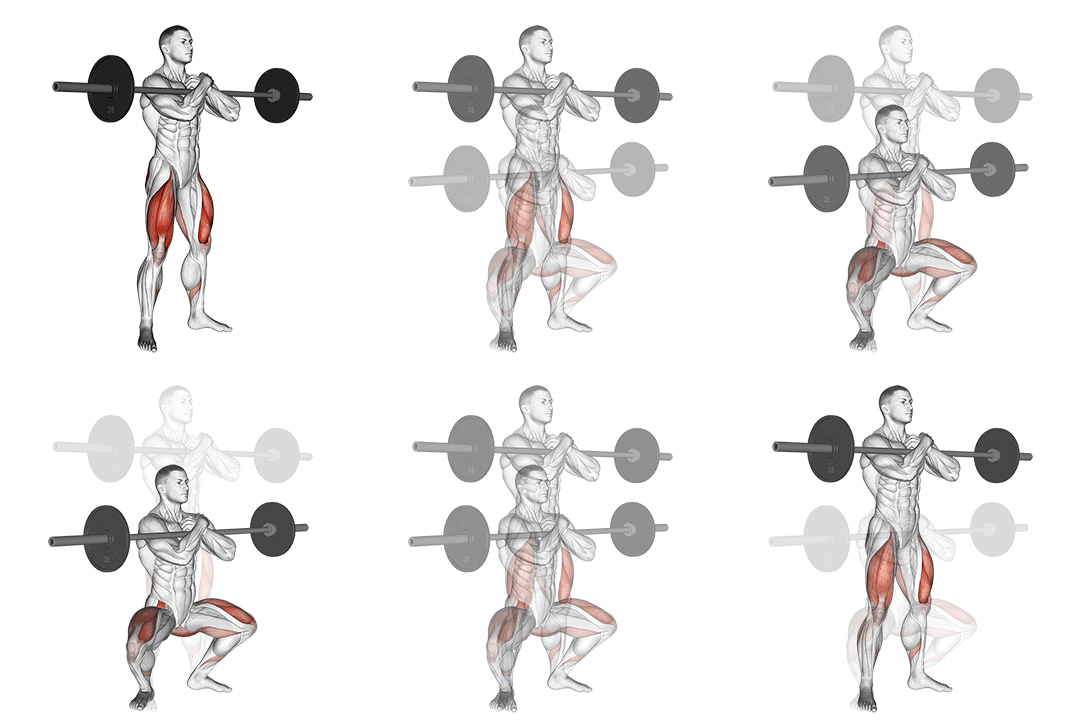
3. Barbell Zercher Squat
77.3% MatchHow to perform this exercise
- Stand with your feet shoulder-width apart and toes slightly turned out.
- Hold the barbell in the crooks of your elbows, with your hands gripping the bar for stability.
- Engage your core and keep your chest lifted as you lower your hips back and down into a squat position.
- Keep your knees in line with your toes and your weight in your heels.
- Pause for a moment at the bottom of the squat, then push through your heels to return to the starting position.
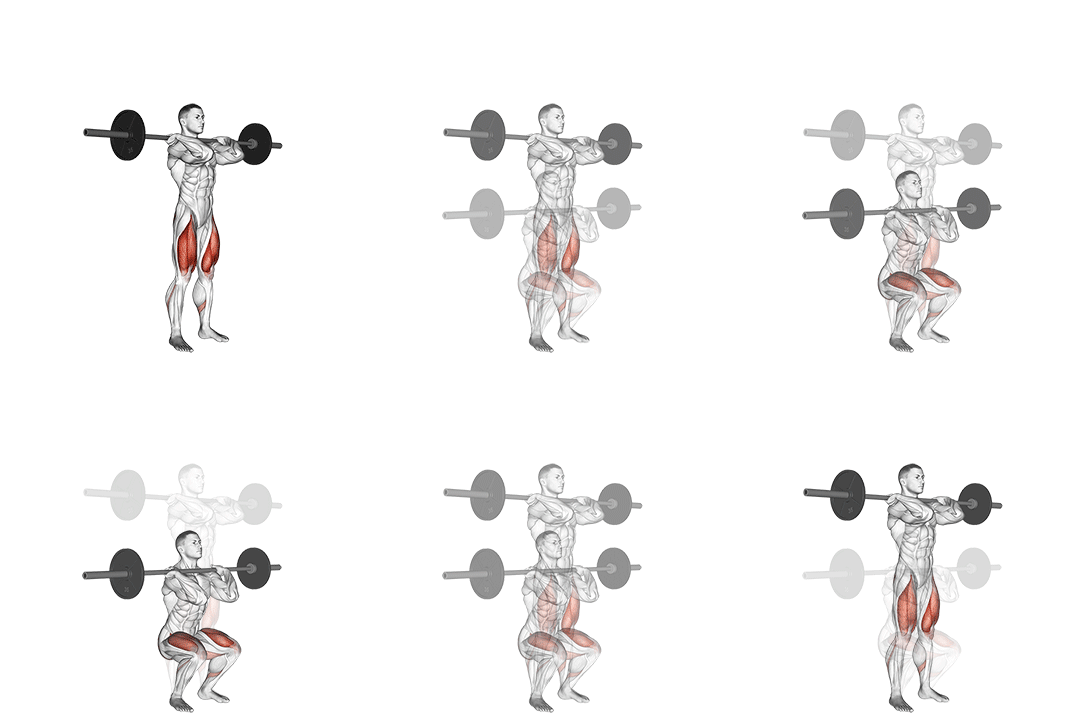
4. Barbell Clean-grip Front Squat
77.3% MatchHow to perform this exercise
- Start by standing with your feet shoulder-width apart and the barbell resting on your upper chest, with your elbows pointing forward.
- Lower your body by bending your knees and pushing your hips back, as if you are sitting back into a chair.
- Keep your chest up and your back straight as you lower down, making sure your knees do not go past your toes.
- Continue lowering until your thighs are parallel to the ground, or as low as you can comfortably go.
- Pause for a moment at the bottom, then push through your heels to stand back up, extending your hips and knees.
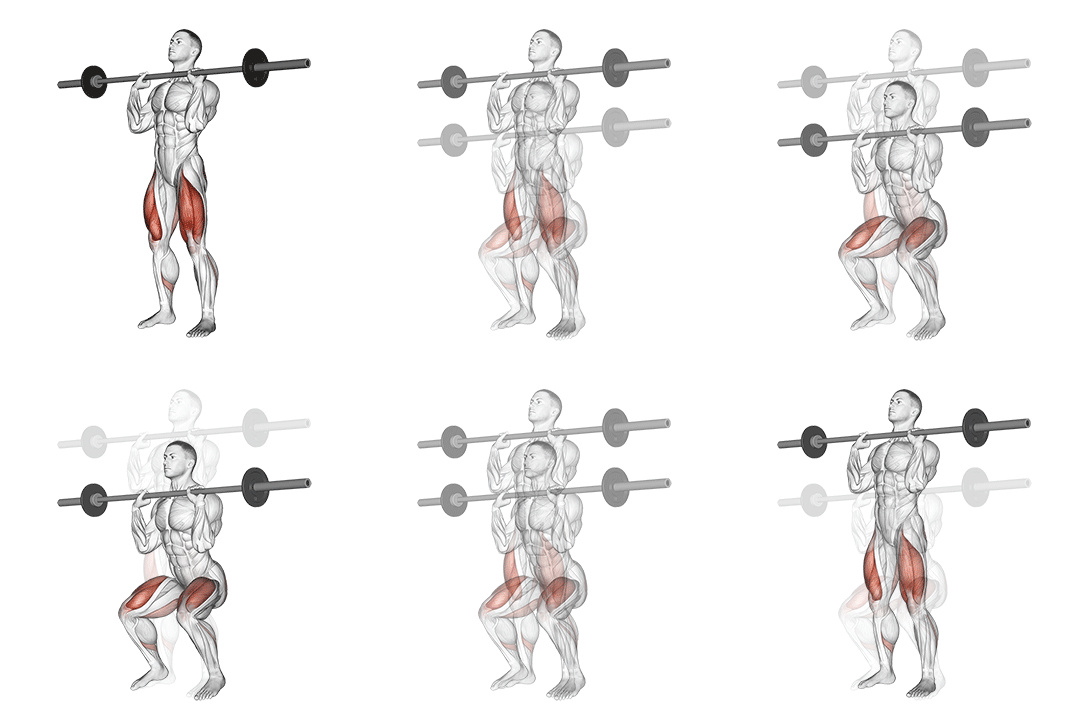
5. Barbell Front Chest Squat
77.3% MatchHow to perform this exercise
- Start by standing with your feet shoulder-width apart, toes slightly turned out.
- Hold the barbell in front of your chest with your hands shoulder-width apart, elbows pointing forward.
- Engage your core and keep your chest up as you lower your body down into a squat position, pushing your hips back and bending your knees.
- Lower until your thighs are parallel to the ground, or as low as you can comfortably go.
- Pause for a moment at the bottom, then push through your heels to return to the starting position.
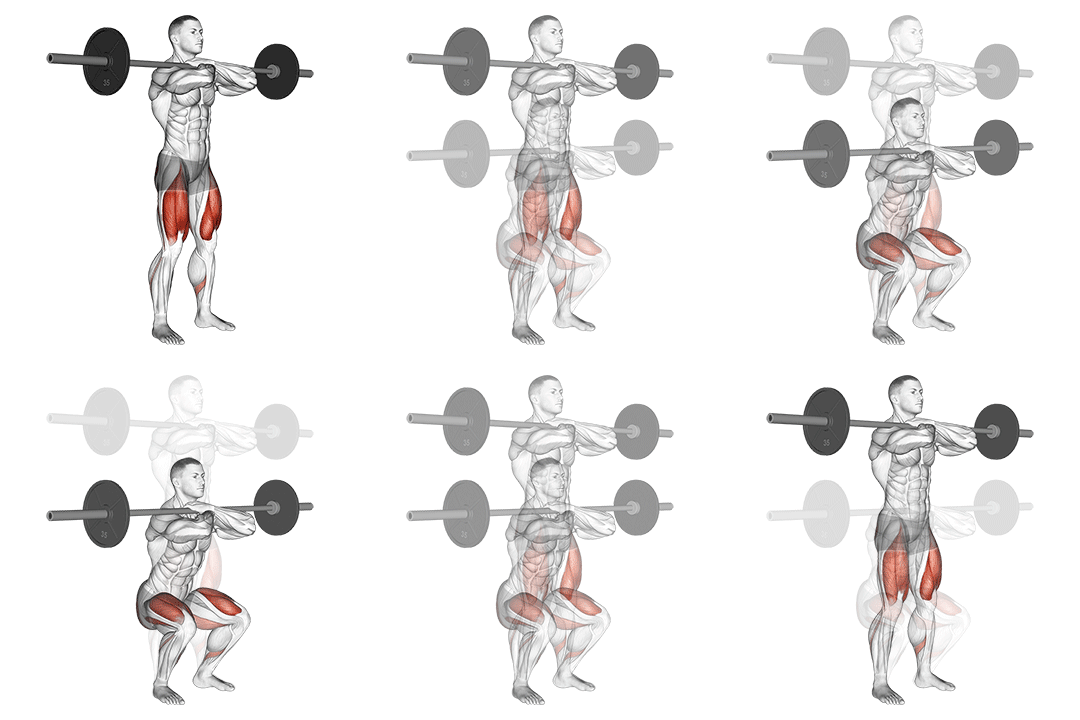
6. Barbell Front Squat
77.3% MatchHow to perform this exercise
- Start by standing with your feet shoulder-width apart, toes slightly turned out.
- Hold the barbell in front of your shoulders, resting it on your collarbone and shoulders.
- Engage your core and keep your chest up as you lower your body down into a squat position, pushing your hips back and bending your knees.
- Lower until your thighs are parallel to the ground, or as low as you can comfortably go.
- Pause for a moment at the bottom, then push through your heels to return to the starting position.
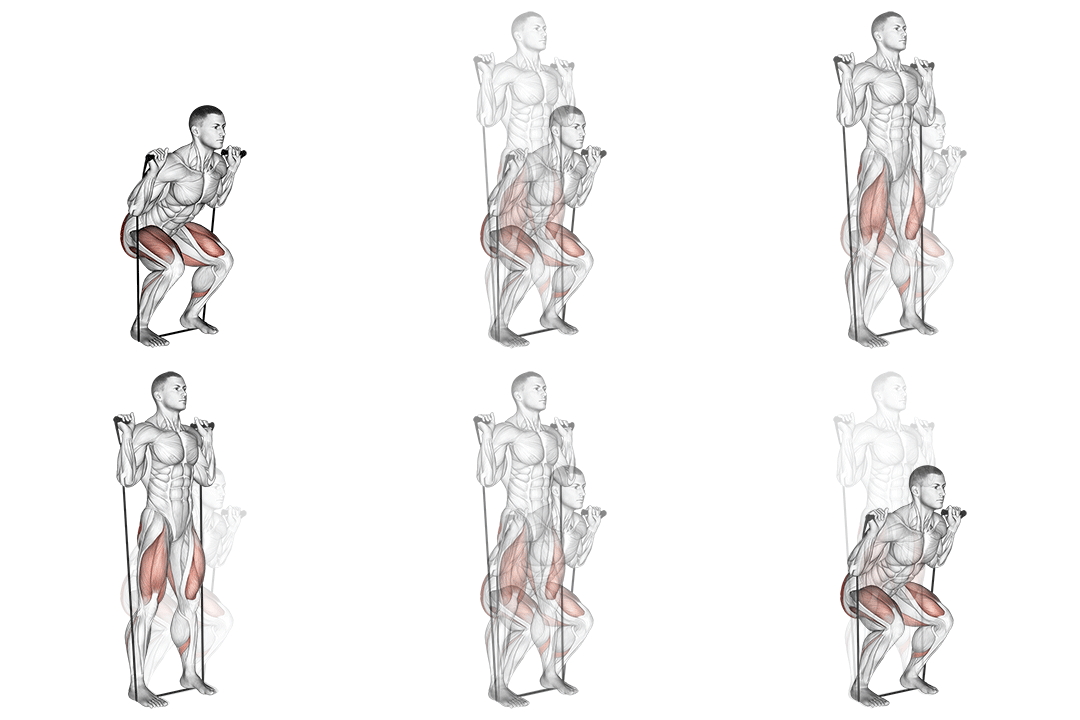
7. Band Squat
73.9% MatchHow to perform this exercise
- Stand with your feet shoulder-width apart, with the band placed just above your knees.
- Keeping your chest up and core engaged, push your hips back and bend your knees to lower into a squat position.
- Make sure your knees are tracking over your toes and your weight is in your heels.
- Pause for a moment at the bottom, then push through your heels to return to the starting position.
- Repeat for the desired number of repetitions.
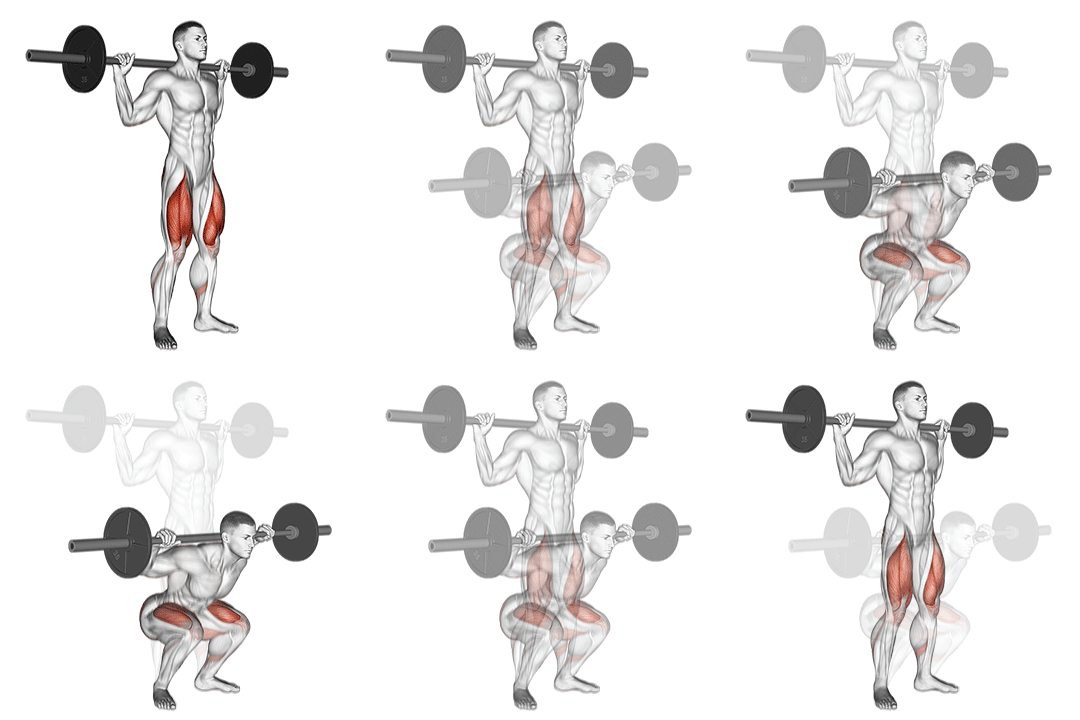
8. Barbell Speed Squat
73.9% MatchHow to perform this exercise
- Stand with your feet shoulder-width apart, toes slightly turned out.
- Hold the barbell across your upper back, resting it on your traps or rear delts.
- Engage your core and keep your chest up as you lower your hips back and down, as if sitting into a chair.
- Lower until your thighs are parallel to the ground, or as low as you can comfortably go.
- Drive through your heels to stand back up, squeezing your glutes at the top.
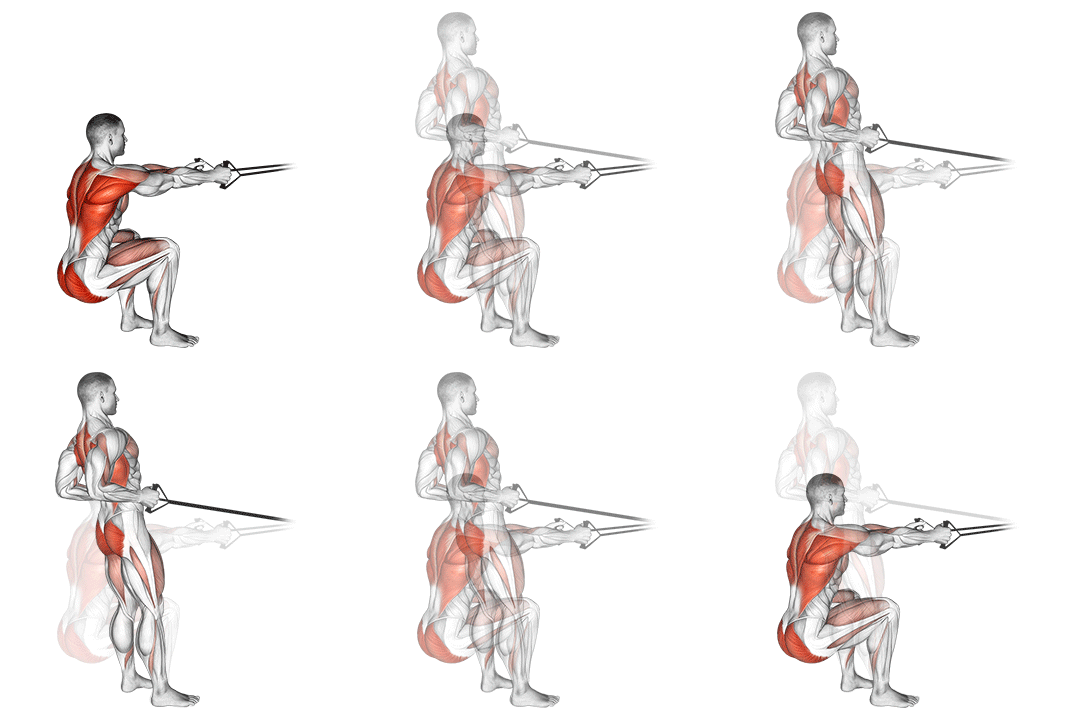
9. Band Squat Row
73.7% MatchHow to perform this exercise
- Attach the band to a sturdy anchor point at waist height.
- Stand facing the anchor point with your feet shoulder-width apart.
- Hold the band handles with your palms facing each other and your arms extended in front of you.
- Bend your knees and lower into a squat position, keeping your back straight and chest lifted.
- From the squat position, pull the band handles towards your body, squeezing your shoulder blades together.
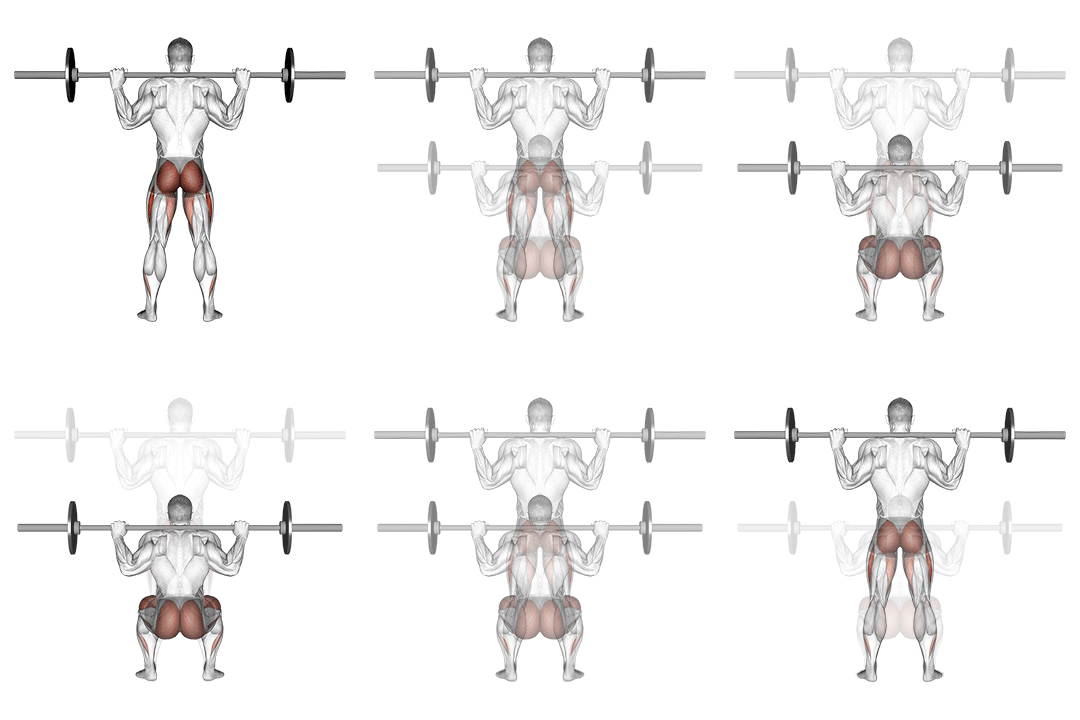
10. Barbell Full Squat (back Pov)
73.7% MatchHow to perform this exercise
- Stand with your feet shoulder-width apart, toes slightly turned out.
- Hold the barbell across your upper back, resting it on your traps or rear delts.
- Engage your core and keep your chest up as you begin to lower your body down.
- Bend at the knees and hips, pushing your hips back and down as if sitting into a chair.
- Lower your body until your thighs are parallel to the ground or slightly below.
Why You Might Need a Smith Front Squat (clean Grip) Alternative
You might substitute the Smith Front Squat for several reasons: limited shoulder or wrist mobility prevents a clean grip, a Smith machine isn't available, or you need more unilateral work to fix strength imbalances. Injuries to the wrist, elbow, or shoulder often make front-bar grips painful; choosing a trap-bar or goblet position reduces wrist/shoulder strain while preserving hip and knee loading. Other times you want greater core demand and stabilization from free weights. When you swap exercises, target the same movement pattern—knee and hip extension—and cue bracing and heel drive to maintain glute recruitment.
How to Choose the Right Substitute
Select a substitute based on your goal, equipment, and mobility. If you want maximal bilateral loading and still emphasize an upright torso, use a barbell front squat with a clean or cross-arm grip; cue a high-elbow position and knees tracking over toes. If wrist mobility is the limiter, use a trap-bar front setup or goblet squat to shift load to the hips and reduce shoulder strain. For unilateral glute emphasis and imbalance correction, pick Bulgarian split squats and push the front heel into the floor to increase glute max activation. Prioritize exercises that let you progressively overload while maintaining hip-first movement and proper knee tracking.
Frequently Asked Questions
What muscles does Smith Front Squat (clean Grip) work?
The Smith Front Squat (clean grip) emphasizes the quadriceps and gluteus maximus, with secondary demand on the adductors, hamstrings, erector spinae, and core. The upright torso and forward bar position shift torque toward knee extension while still requiring hip extension, so you feel substantial glute activation when you drive through the heels.
What is the best bodyweight alternative to Smith Front Squat (clean Grip)?
A Bulgarian split squat is the top bodyweight alternative because it isolates each leg and loads the glute via hip extension. Cue: descend with weight on the front heel, keep the torso slightly forward, then drive the front foot into the floor to extend the hip and maximize glute activation.
Can I build muscle without doing Smith Front Squat (clean Grip)?
Yes. You can build equal or greater muscle using free-weight front squats, trap-bar variations, goblet squats, and unilateral work while applying progressive overload and volume. Focus on full range of motion, consistent loading progressions, and technique cues—braced core, high elbows, and heel drive—to ensure the glutes and quads receive sufficient stimulus.
More Exercise Alternatives
Find Alternatives for Any Exercise
Use our free tool to discover the best substitute exercises based on your available equipment and goals.
Try the Exercise Substitution Finder →