

10 Best Smith Hip Raise Alternatives for Home or Gym
If you can't do the Smith hip raise, use variations like hip thrusts, glute bridges, reverse crunches, cable pull-throughs, or single-leg bridges. Brace your core, posteriorly tilt the pelvis, and drive through the heels to keep tension on the lower abs and protect the lumbar spine while replicating hip extension.
Original Exercise: Smith Hip Raise
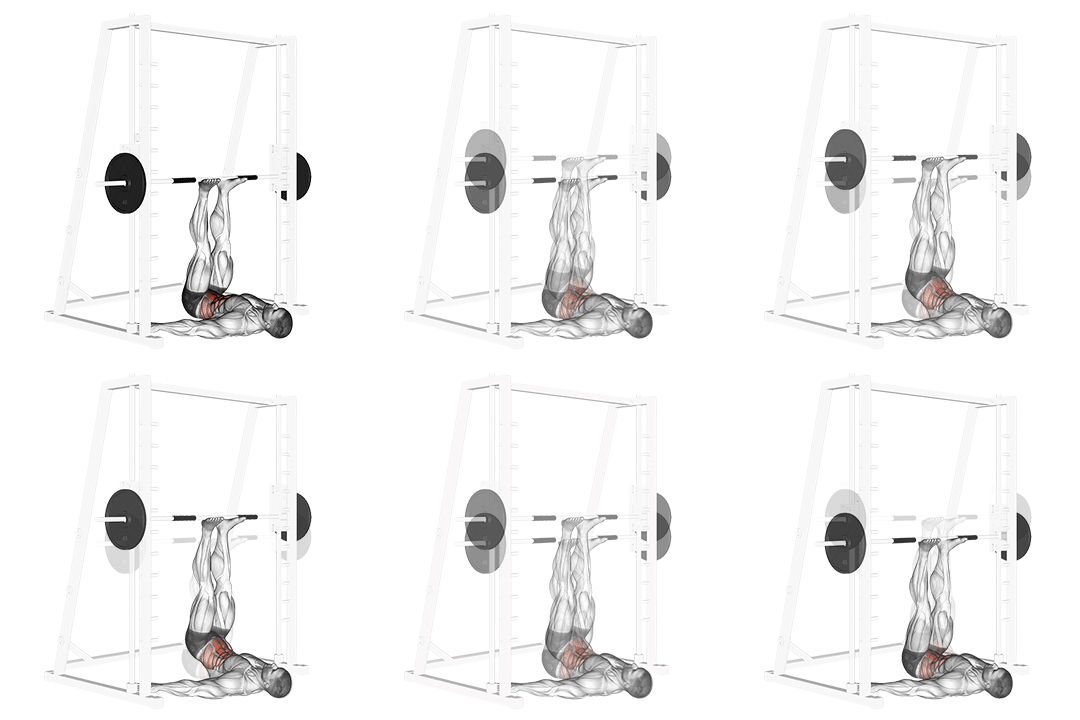
How to Perform Smith Hip Raise
- Position yourself on the smith machine with your back against the pad and your feet shoulder-width apart.
- Place your hands on the barbell, slightly wider than shoulder-width apart.
- Engage your core and glutes, then push through your heels to raise your hips off the ground.
- Continue lifting until your body forms a straight line from your knees to your shoulders.
- Hold for a moment at the top, then slowly lower your hips back down to the starting position.
- Repeat for the desired number of repetitions.
Best Smith Hip Raise Alternatives
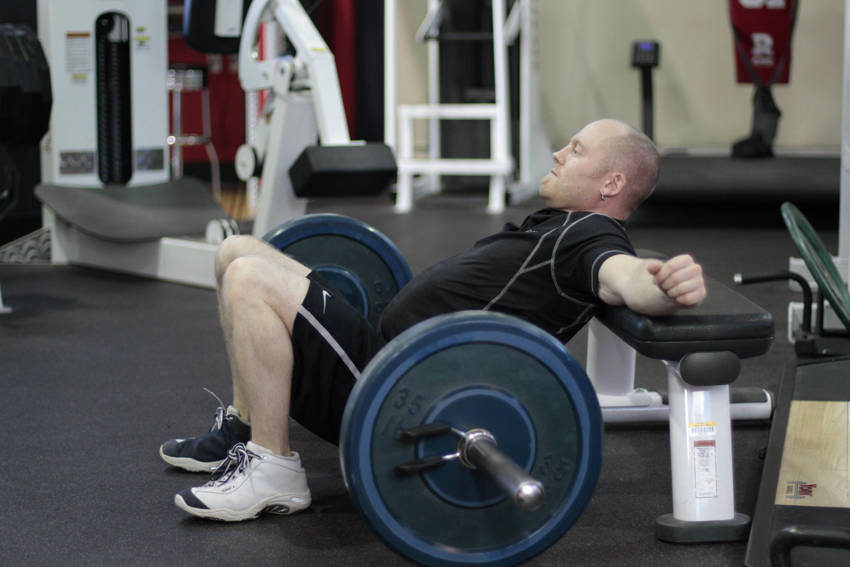
1. Barbell Hip Thrust
63.1% MatchHow to perform this exercise
- Begin seated on the ground with a bench directly behind you. Have a loaded barbell over your legs. Using a fat bar or having a pad on the bar can greatly reduce the discomfort caused by this exercise.
- Roll the bar so that it is directly above your hips, and lean back against the bench so that your shoulder blades are near the top of it.
- Begin the movement by driving through your feet, extending your hips vertically through the bar. Your weight should be supported by your shoulder blades and your feet. Extend as far as possible, then reverse the motion to return to the starting position.
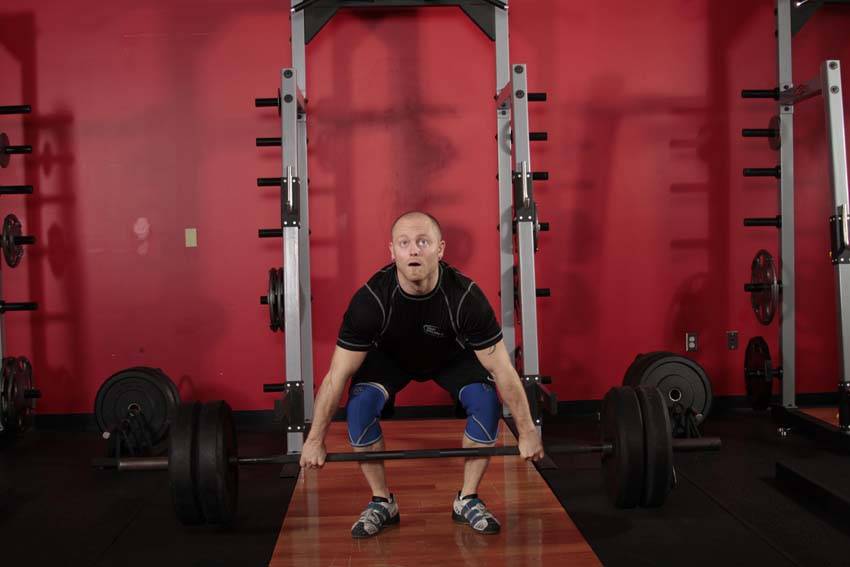
2. Clean Pull
62.2% MatchHow to perform this exercise
- With a barbell on the floor close to the shins, take an overhand or hook grip just outside the legs. Lower your hips with the weight focused on the heels, back straight, head facing forward, chest up, with your shoulders just in front of the bar. This will be your starting position.
- Begin the first pull by driving through the heels, extending your knees. Your back angle should stay the same, and your arms should remain straight and elbows out. Move the weight with control as you continue to above the knees.
- Next comes the second pull, the main source of acceleration for the clean. As the bar approaches the mid-thigh position, begin extending through the hips. In a jumping motion, accelerate by extending the hips, knees, and ankles, using speed to move the bar upward. There should be no need to actively pull through the arms to accelerate the weight; at the end of the second pull, the body should be fully extended, leaning slightly back, with the arms still extended. Full extension should be violent and abrupt, and ensure that you do not prolong the extension for longer than necessary.
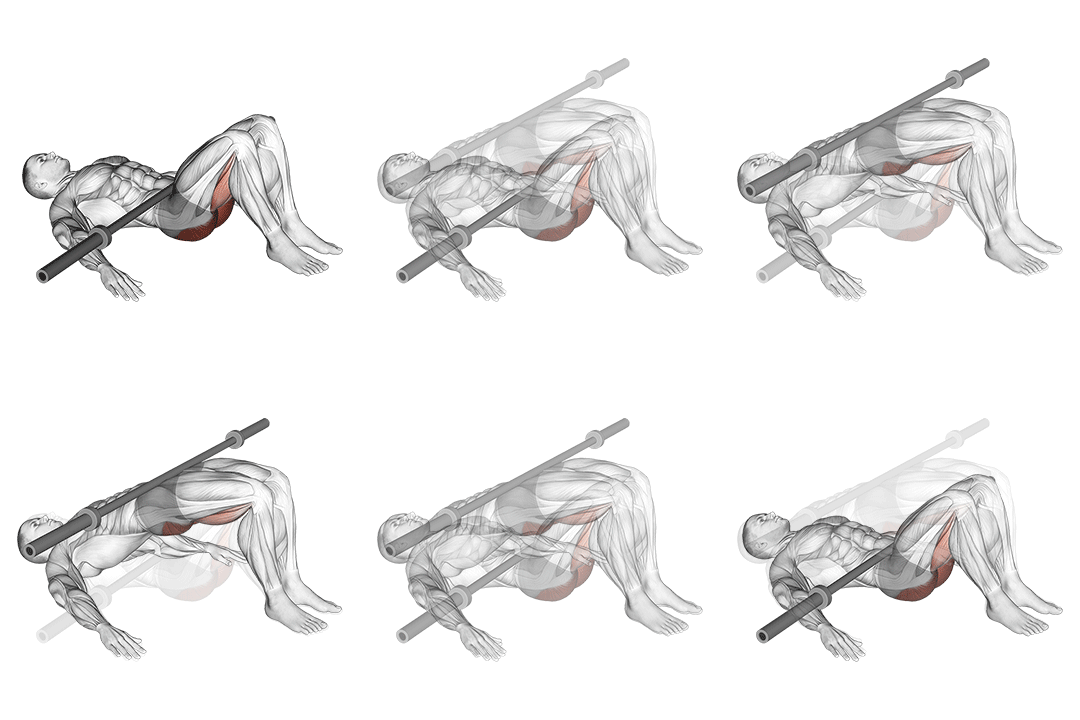
3. Barbell Glute Bridge
61.3% MatchHow to perform this exercise
- Start by lying flat on your back on the ground with your knees bent and feet flat on the floor.
- Place a barbell across your hips, holding it securely with both hands.
- Engage your glutes and core muscles, then lift your hips off the ground until your body forms a straight line from your knees to your shoulders.
- Pause for a moment at the top, squeezing your glutes.
- Slowly lower your hips back down to the starting position.
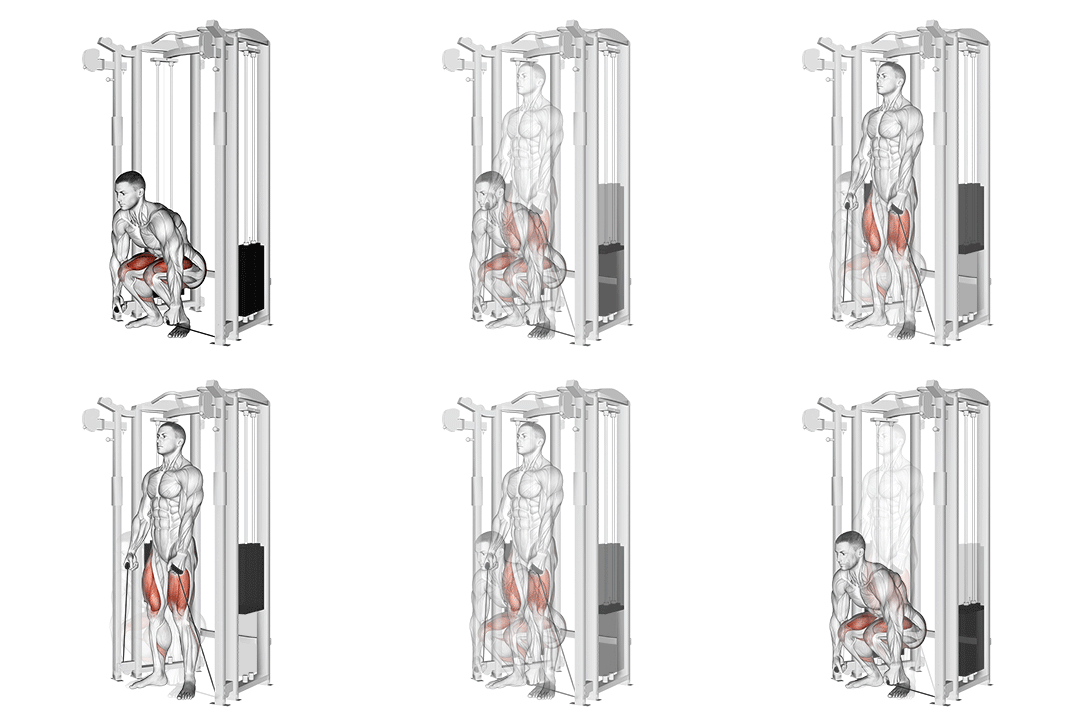
4. Cable Deadlift
60.1% MatchHow to perform this exercise
- Stand facing the cable machine with your feet shoulder-width apart.
- Bend at the hips and knees, lowering your torso until your back is parallel to the ground.
- Grasp the cable handles with an overhand grip, keeping your arms straight and your shoulders back.
- Engage your glutes and hamstrings to lift the cable handles, extending your hips and standing up straight.
- Pause for a moment at the top, then slowly lower the cable handles back down to the starting position.
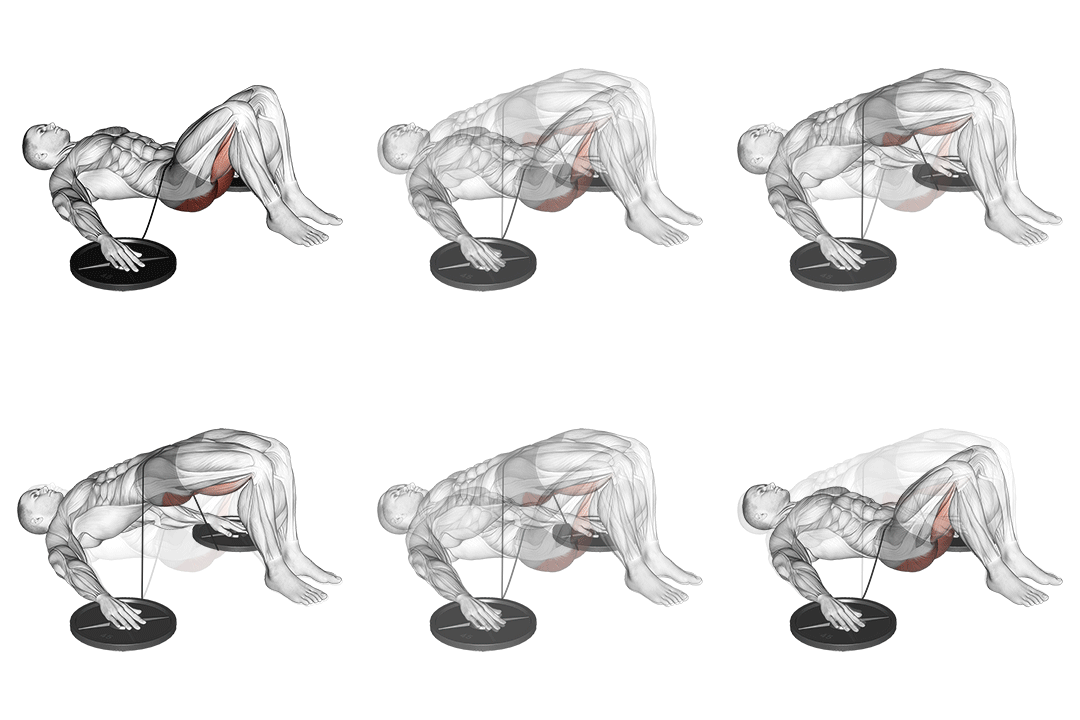
5. Band Hip Lift
59.4% MatchHow to perform this exercise
- Lie on your back with your knees bent and feet flat on the ground.
- Place a resistance band just above your knees.
- Engage your glutes and core muscles.
- Press your heels into the ground and lift your hips off the floor, squeezing your glutes at the top.
- Pause for a moment at the top, then slowly lower your hips back down to the starting position.
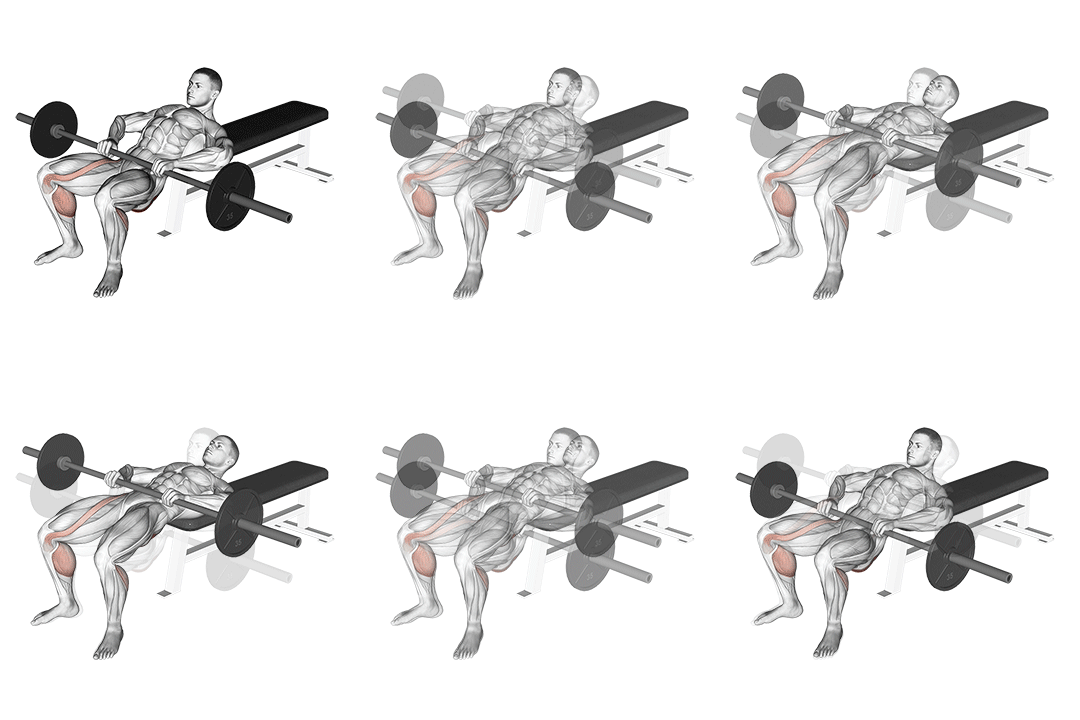
6. Barbell Lying Lifting (on Hip)
58.1% MatchHow to perform this exercise
- Lie flat on your back on a bench with your feet flat on the ground and your knees bent.
- Hold the barbell with an overhand grip and position it on your hips.
- Engaging your glutes, lift your hips off the bench until your body forms a straight line from your knees to your shoulders.
- Pause for a moment at the top, then slowly lower your hips back down to the starting position.
- Repeat for the desired number of repetitions.
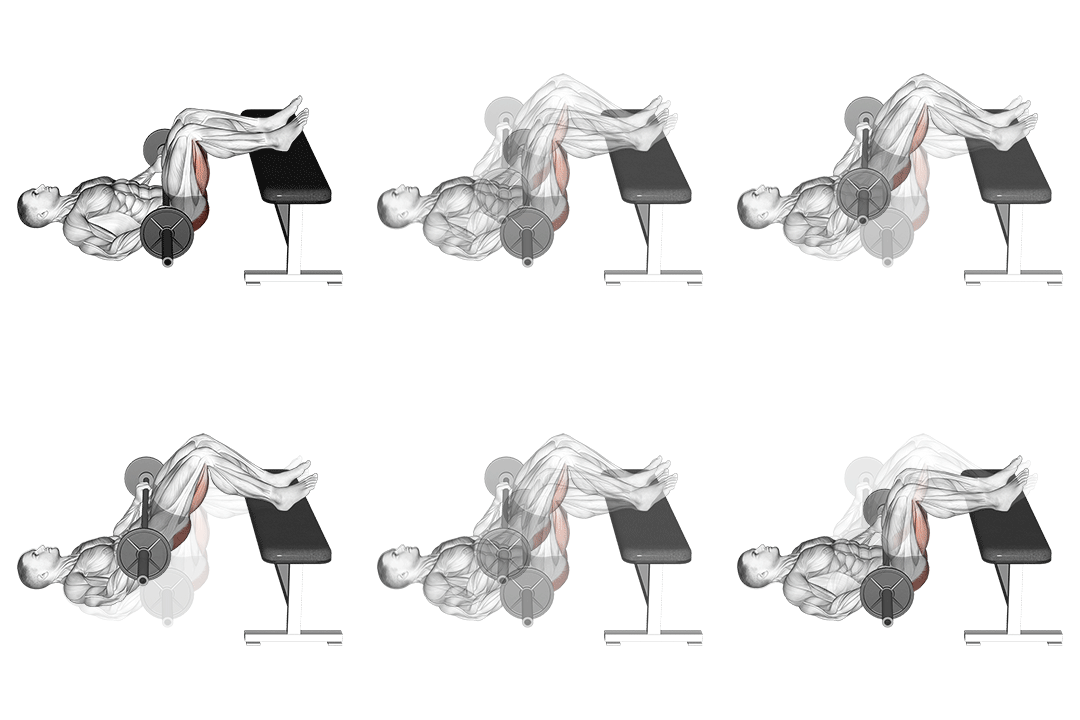
7. Barbell Glute Bridge Two Legs On Bench (male)
58.1% MatchHow to perform this exercise
- Start by sitting on the edge of a bench with your upper back resting against it and your feet flat on the ground, hip-width apart.
- Place a barbell across your hips, holding it securely with both hands.
- Engage your glutes and core muscles, then press through your heels to lift your hips off the bench, creating a straight line from your knees to your shoulders.
- Pause for a moment at the top, squeezing your glutes.
- Slowly lower your hips back down to the starting position.
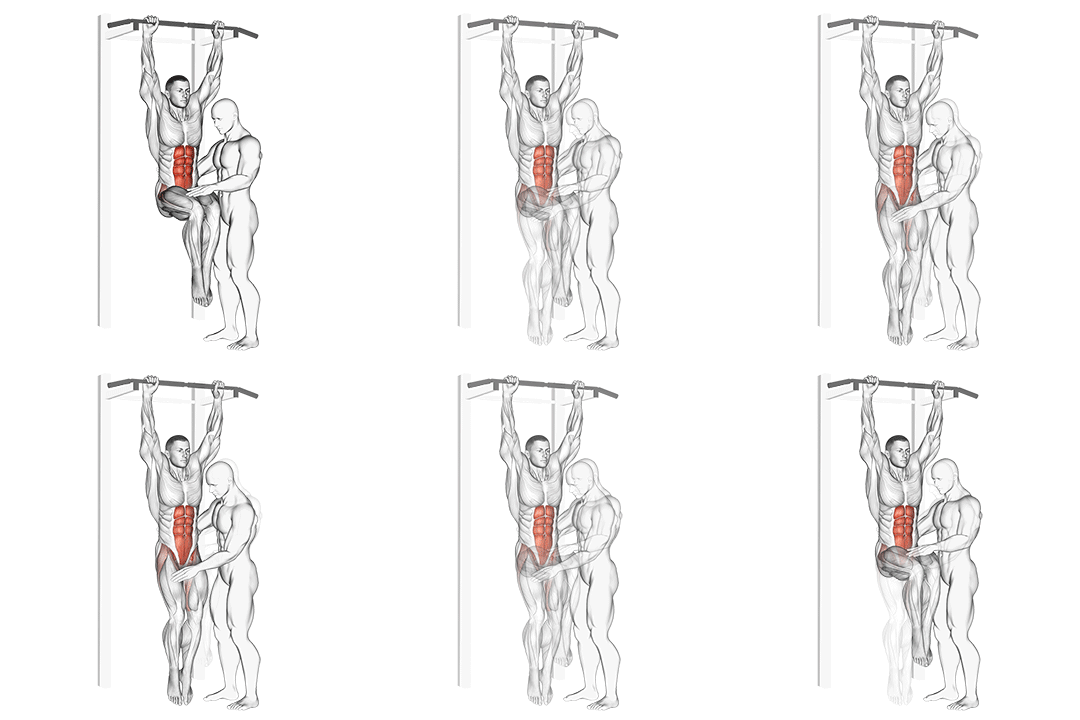
8. Assisted Hanging Knee Raise With Throw Down
57.8% MatchHow to perform this exercise
- Hang from a pull-up bar with your arms fully extended and your palms facing away from you.
- Engage your core and lift your knees towards your chest, keeping your legs together.
- Once your knees are at chest level, explosively throw your legs down towards the ground, extending them fully.
- Allow your legs to swing back up and repeat the movement for the desired number of repetitions.
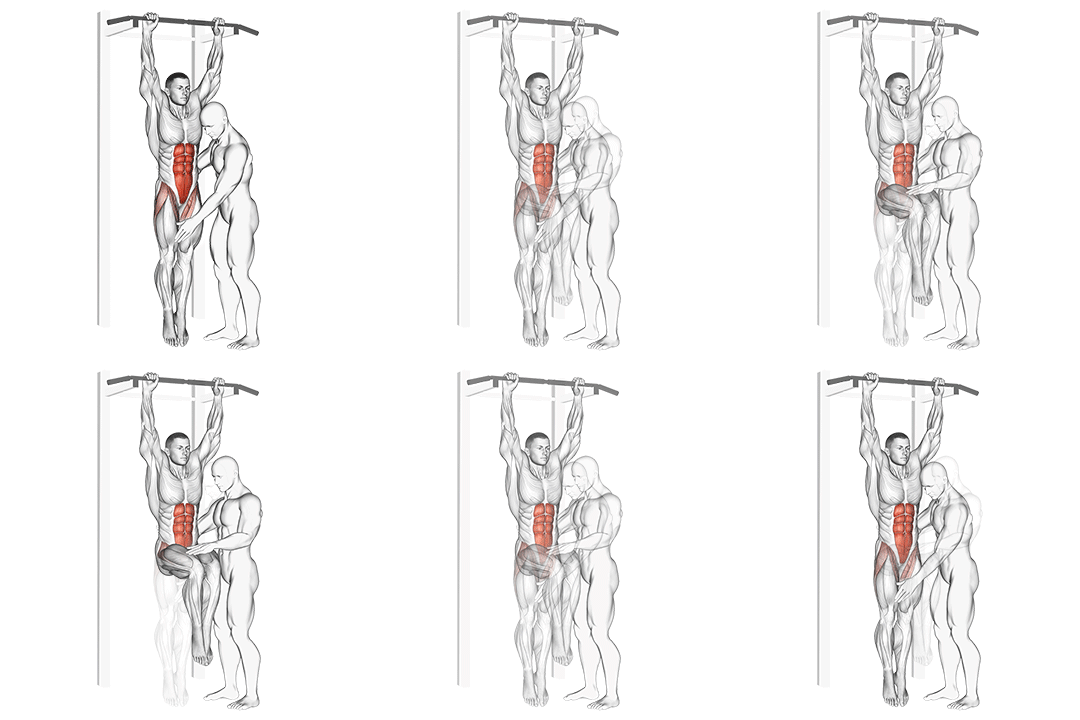
9. Assisted Hanging Knee Raise
57% MatchHow to perform this exercise
- Hang from a pull-up bar with your arms fully extended and your palms facing away from you.
- Engage your core muscles and lift your knees towards your chest, bending at the hips and knees.
- Pause for a moment at the top of the movement, squeezing your abs.
- Slowly lower your legs back down to the starting position.
- Repeat for the desired number of repetitions.
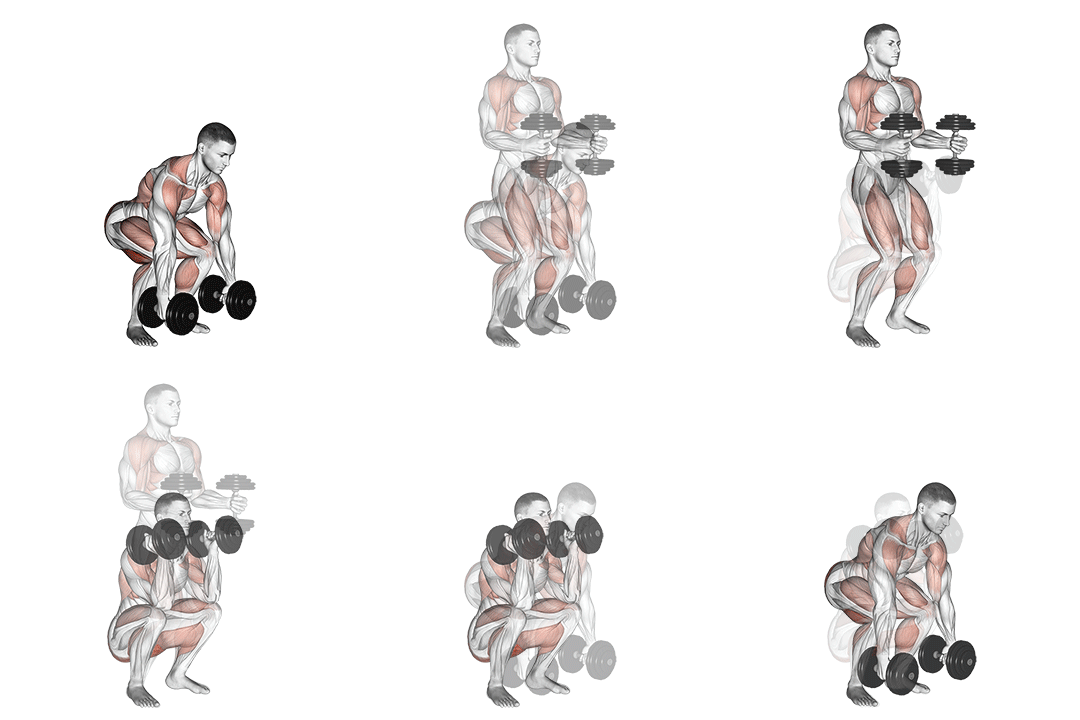
10. Dumbbell Clean
56.9% MatchHow to perform this exercise
- Stand with your feet shoulder-width apart, holding a dumbbell in each hand with an overhand grip.
- Bend your knees and lower your hips into a squat position, keeping your back straight and chest up.
- Explosively extend your hips and knees, driving through your heels to jump off the ground.
- As you jump, shrug your shoulders and pull the dumbbells up towards your shoulders, keeping them close to your body.
- Catch the dumbbells at shoulder height, with your elbows pointing forward and your palms facing up.
Why You Might Need a Smith Hip Raise Alternative
You may need substitutes because you lack a Smith machine, have low-back pain, or prefer a unilateral or bodyweight option. Substitutes let you shift emphasis between hip extensors and the rectus abdominis: hip thrusts increase glute and hamstring activation, while reverse crunches load the lower abs and pelvic control. Use cues like "squeeze glutes at the top" to emphasize hip extension or "draw ribs toward pelvis" to boost lower-ab activation. Choosing the right substitute maintains core tension and prevents excessive lumbar extension that can aggravate spine issues.
How to Choose the Right Substitute
Decide based on what you want to load: pick hip-dominant moves (barbell hip thrusts, glute bridges) to prioritize hip extension and posterior chain, or choose spinal-flexion/core moves (reverse crunches, hanging leg raises) to target lower abs. Consider equipment, unilateral needs, and progression: use single-leg variants to increase core demand and tempo changes for time under tension. Cue selection matters—"maintain a neutral spine, tuck the pelvis," or "drive through the heel and squeeze at the top"—to bias glutes or lower-abs activation and protect your lower back.
Frequently Asked Questions
What muscles does Smith Hip Raise work?
The Smith hip raise primarily stresses the rectus abdominis and lower-abs control through posterior pelvic tilt, with secondary activation of the glutes and hamstrings during hip extension. You stabilize the spine by bracing the core and pulling the ribs toward the pelvis to maintain pelvic alignment.
What is the best bodyweight alternative to Smith Hip Raise?
A single-leg glute bridge offers a close bodyweight substitute: it increases hip-extension demand and forces greater pelvic stability. Drive through the heel, squeeze the glute at the top, and keep the pelvis level to maximize glute and core activation.
Can I build muscle without doing Smith Hip Raise?
Yes. Use progressive overload with alternatives like barbell hip thrusts, weighted glute bridges, cable pull-throughs, and loaded reverse crunches to stimulate hypertrophy. Focus on increasing load, reps, or tempo while keeping a neutral spine and strong pelvic control to ensure targeted muscle activation.
More Exercise Alternatives
Find Alternatives for Any Exercise
Use our free tool to discover the best substitute exercises based on your available equipment and goals.
Try the Exercise Substitution Finder →