

10 Best Smith Toe Raise Alternatives for No Smith Machine Access
If you can’t use a Smith-machine for toe raises, use standing dumbbell calf raises, seated calf raises, leg-press calf raises, single-leg step raises, or banded calf raises. Focus on full ankle plantarflexion and squeeze the calf at the top—press through the balls of your feet to maximize gastrocnemius and soleus activation.
Original Exercise: Smith Toe Raise
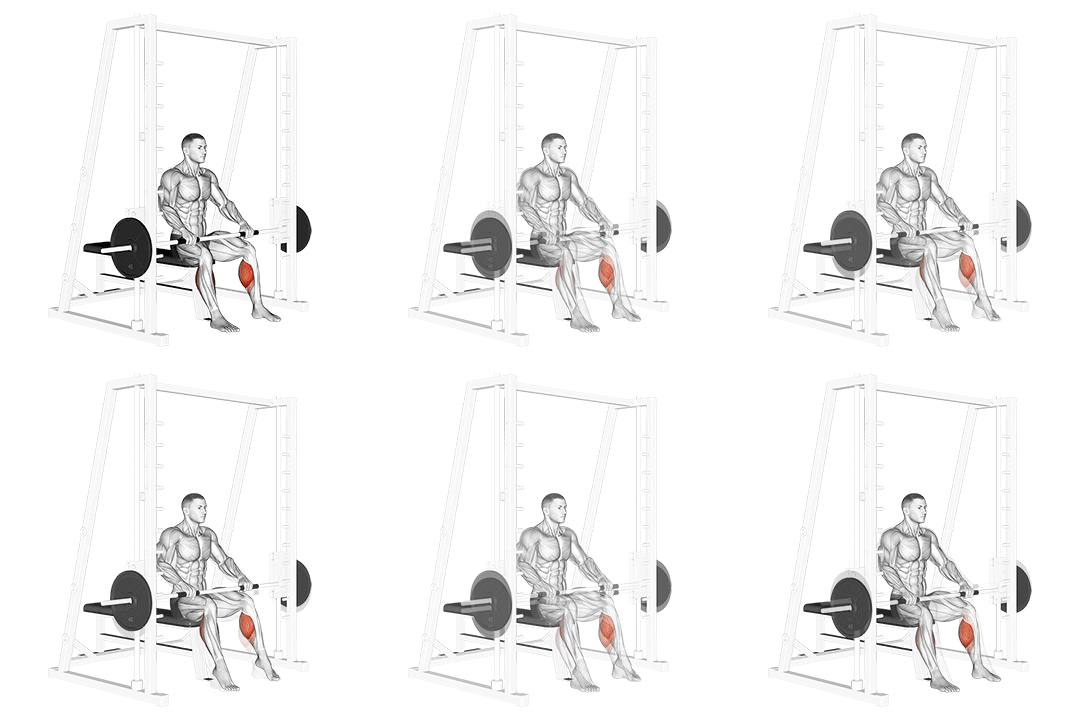
How to Perform Smith Toe Raise
- Adjust the smith machine bar to a height that allows you to comfortably stand with your feet flat on the ground.
- Position yourself under the bar with your shoulders directly below it and your feet shoulder-width apart.
- Place the balls of your feet on a raised platform or weight plates, with your heels hanging off the edge.
- Grasp the bar with an overhand grip, slightly wider than shoulder-width apart.
- Engage your core and keep your back straight throughout the exercise.
- Slowly raise your heels as high as possible, lifting your body weight onto the balls of your feet.
- Pause for a moment at the top, then slowly lower your heels back down to the starting position.
- Repeat for the desired number of repetitions.
Best Smith Toe Raise Alternatives
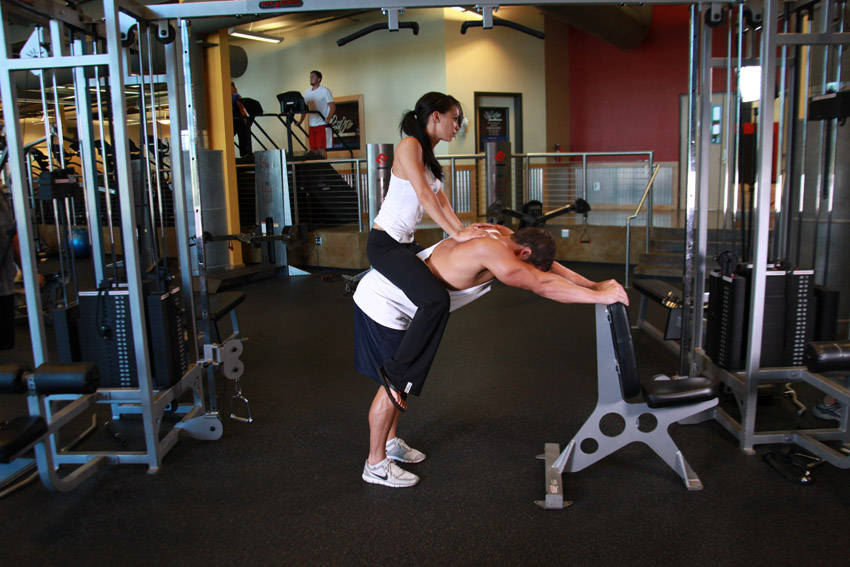
1. Donkey Calf Raises
95.2% MatchHow to perform this exercise
- For this exercise you will need access to a donkey calf raise machine. Start by positioning your lower back and hips under the padded lever provided. The tailbone area should be the one making contact with the pad.
- Place both of your arms on the side handles and place the balls of your feet on the calf block with the heels extending off. Align the toes forward, inward or outward, depending on the area you wish to target, and straighten the knees without locking them. This will be your starting position.
- Raise your heels as you breathe out by extending your ankles as high as possible and flexing your calf. Ensure that the knee is kept stationary at all times. There should be no bending at any time. Hold the contracted position by a second before you start to go back down.
- Go back slowly to the starting position as you breathe in by lowering your heels as you bend the ankles until calves are stretched.
- Repeat for the recommended amount of repetitions.
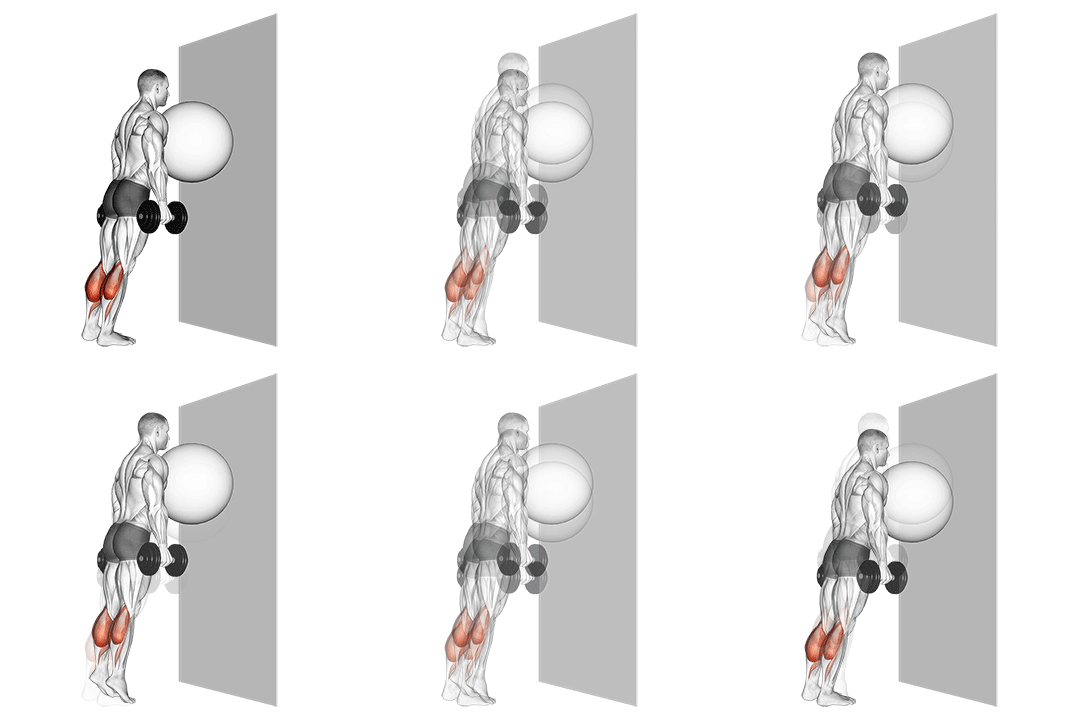
2. Exercise Ball On The Wall Calf Raise
83.9% MatchHow to perform this exercise
- Stand with your back against a wall and place an exercise ball between your lower back and the wall.
- Position your feet shoulder-width apart, with your toes pointing forward.
- Hold a dumbbell in each hand, with your arms extended by your sides.
- Raise your heels off the ground, lifting your body weight onto the balls of your feet.
- Pause for a moment at the top, then slowly lower your heels back down to the starting position.
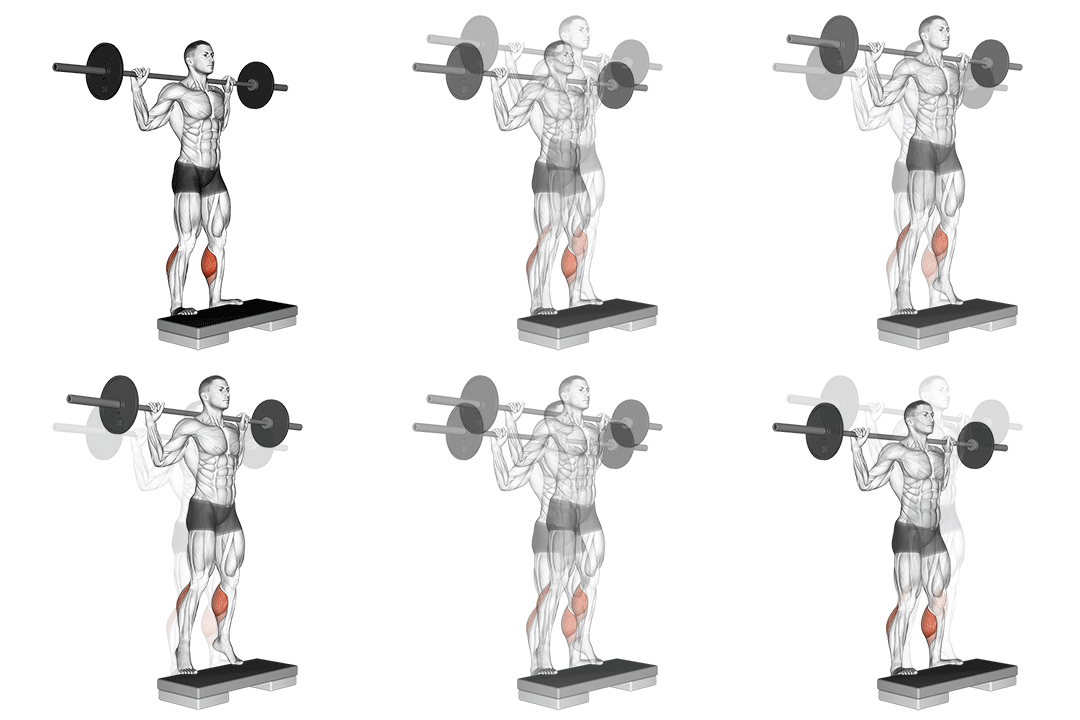
3. Barbell Standing Leg Calf Raise
83.1% MatchHow to perform this exercise
- Stand with your feet shoulder-width apart and place a barbell across your upper back.
- Raise your heels off the ground as high as possible, using your calves.
- Pause for a moment at the top, then slowly lower your heels back down to the starting position.
- Repeat for the desired number of repetitions.
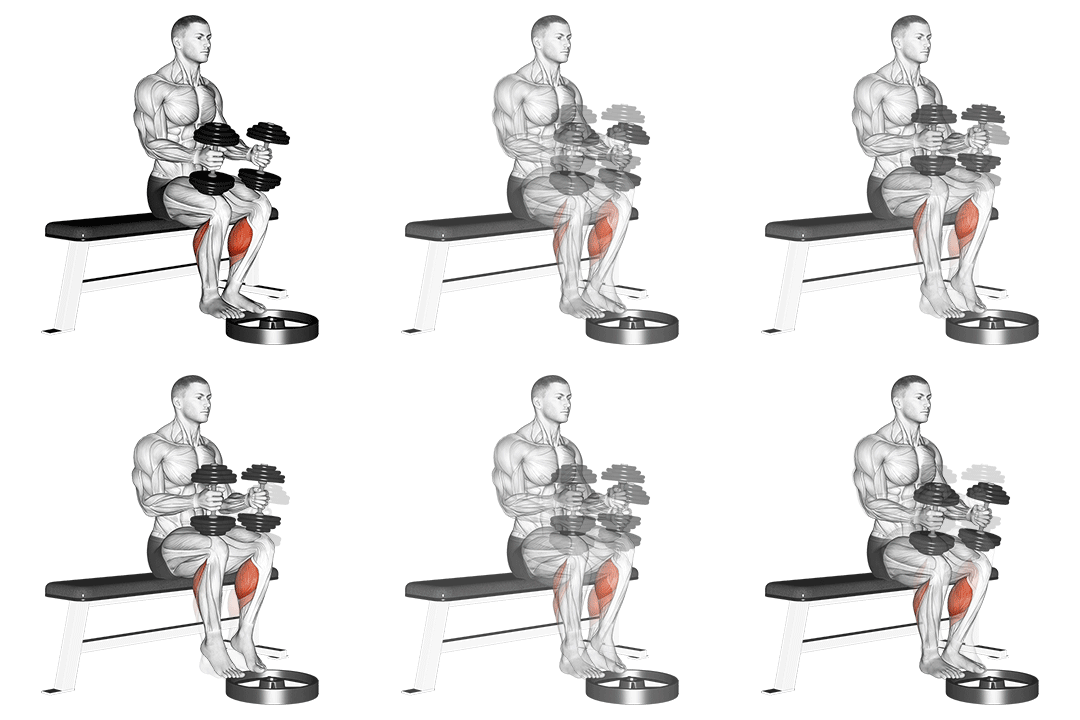
4. Dumbbell Seated Calf Raise
75.9% MatchHow to perform this exercise
- Sit on a bench or chair with your feet flat on the ground and a dumbbell resting on your thighs.
- Place the balls of your feet on a raised surface such as a step or block, with your heels hanging off the edge.
- Hold onto the dumbbell for stability.
- Raise your heels as high as possible, lifting your body weight onto the balls of your feet.
- Pause for a moment at the top, then slowly lower your heels back down to the starting position.
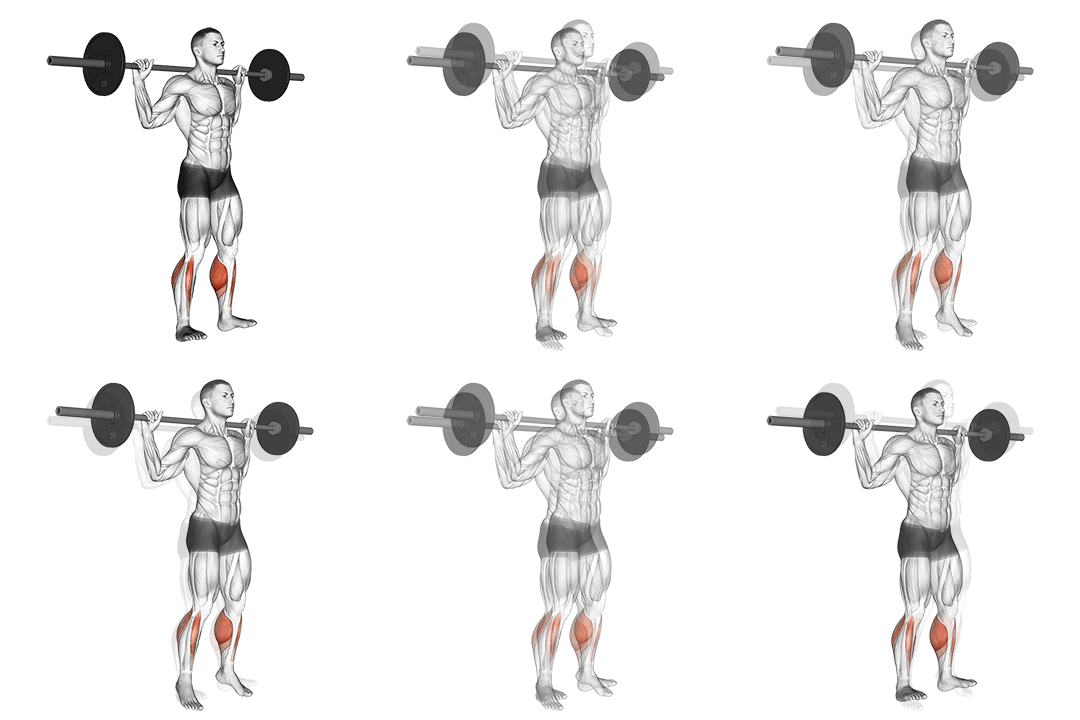
5. Barbell Standing Rocking Leg Calf Raise
74% MatchHow to perform this exercise
- Stand with your feet shoulder-width apart and hold a barbell across your upper back.
- Raise your heels off the ground as high as possible, balancing on the balls of your feet.
- Slowly lower your heels back down to the starting position.
- Repeat for the desired number of repetitions.
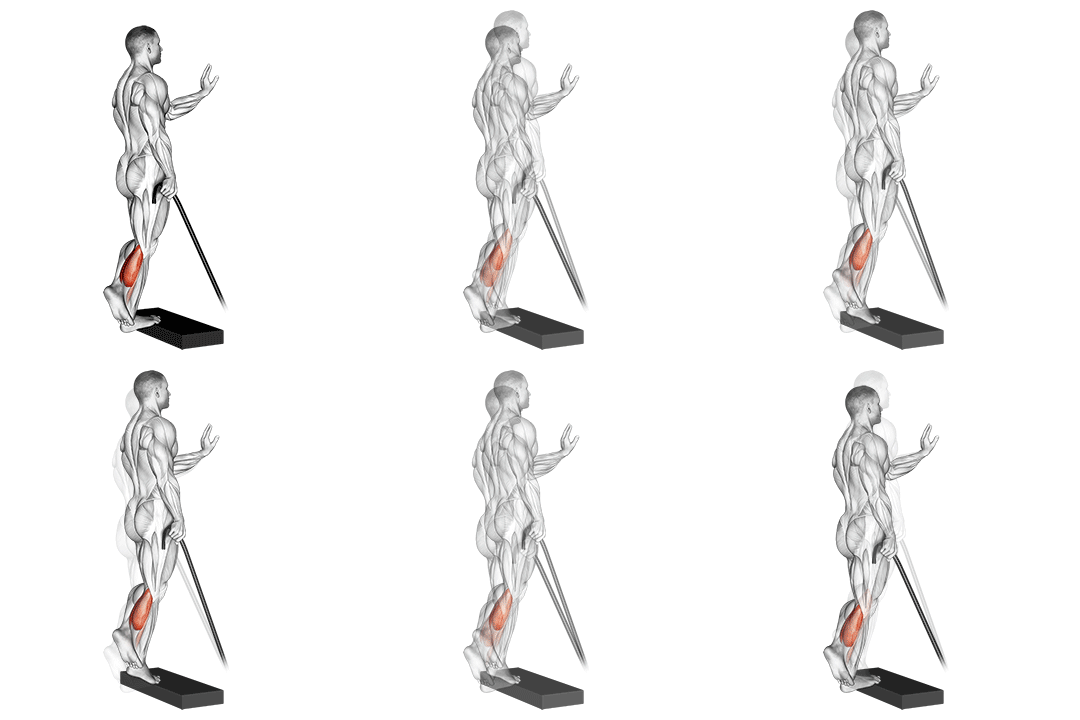
6. Band Single Leg Calf Raise
72.1% MatchHow to perform this exercise
- Stand with your feet hip-width apart and place the band around the ball of your left foot.
- Hold onto a stable object for balance if needed.
- Slowly raise your left heel off the ground, lifting your body weight onto the ball of your foot.
- Pause for a moment at the top, then slowly lower your left heel back down to the starting position.
- Repeat for the desired number of repetitions, then switch to the right leg.
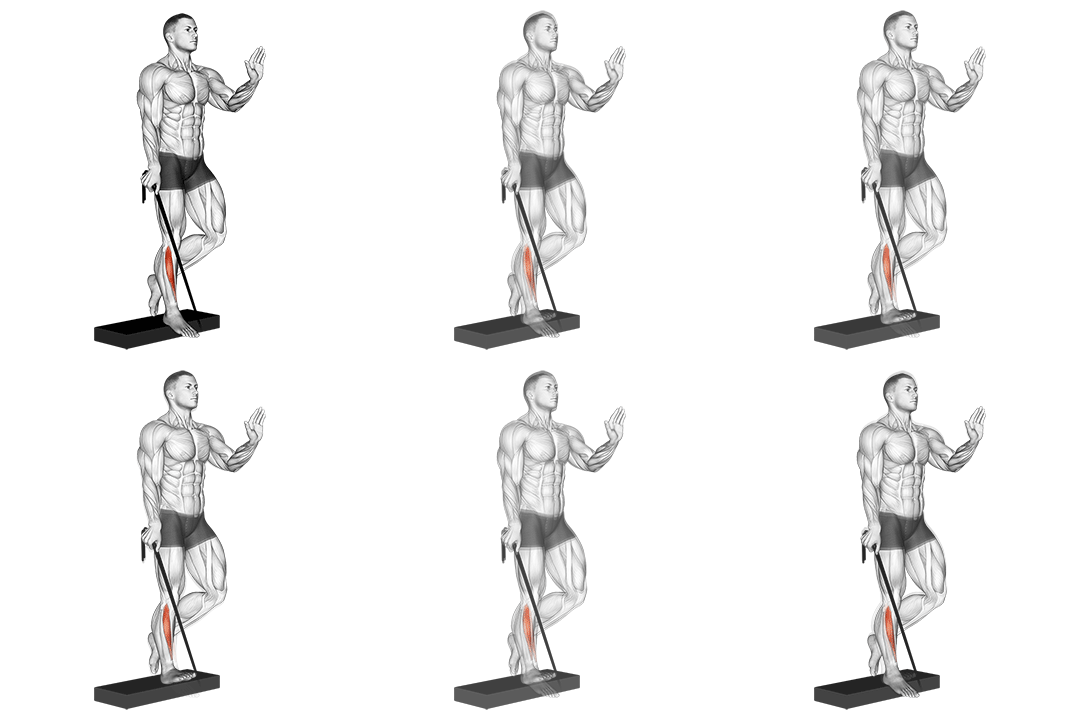
7. Band Single Leg Reverse Calf Raise
68.1% MatchHow to perform this exercise
- Stand with your feet hip-width apart and place the band around the ball of your foot.
- Hold onto a stable object for balance.
- Slowly raise your heel off the ground, lifting your body weight onto the ball of your foot.
- Pause for a moment at the top, then slowly lower your heel back down to the starting position.
- Repeat for the desired number of repetitions, then switch to the other leg.
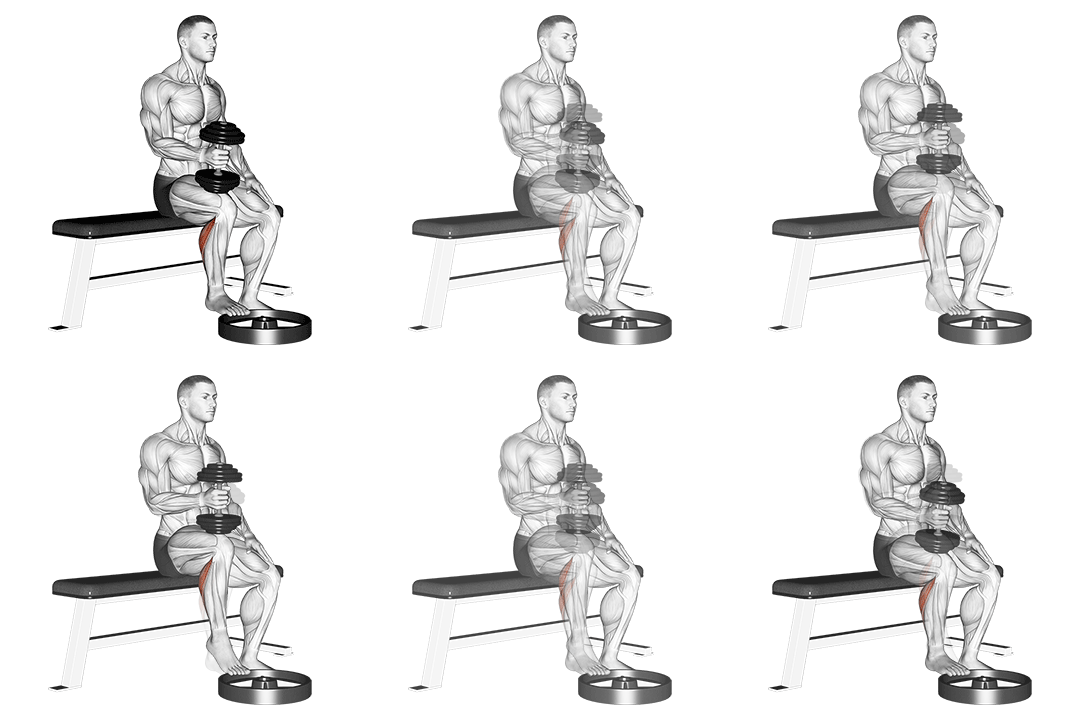
8. Dumbbell Seated One Leg Calf Raise - Hammer Grip
66.8% MatchHow to perform this exercise
- Sit on a bench or chair with your feet flat on the ground and a dumbbell resting on your thighs.
- Place one foot on a raised surface, such as a step or block, with your heel hanging off the edge.
- Hold the dumbbell with a hammer grip, meaning your palms are facing each other and your fingers are wrapped around the handle.
- Keeping your core engaged and your back straight, slowly raise your heel as high as possible by pushing through the ball of your foot.
- Pause for a moment at the top, then slowly lower your heel back down to the starting position.
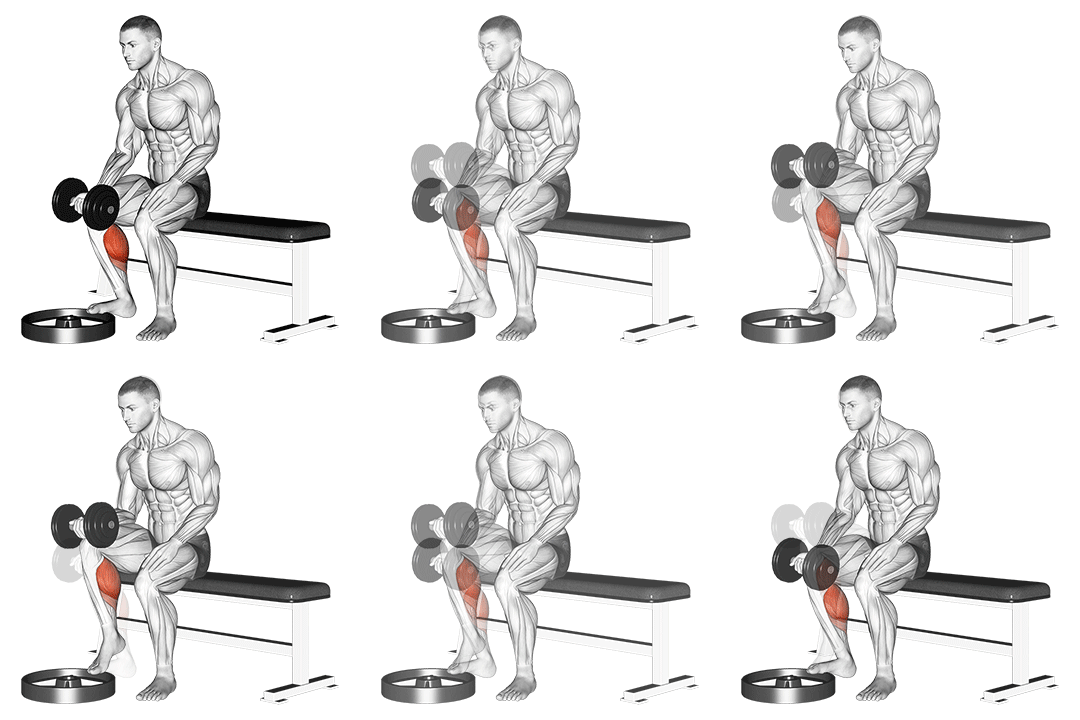
9. Dumbbell Seated One Leg Calf Raise - Palm Up
66.8% MatchHow to perform this exercise
- Sit on a bench or chair with your back straight and your feet flat on the ground.
- Hold a dumbbell in one hand and place it on top of your thigh, palm facing up.
- Lift one leg off the ground and extend it in front of you, keeping your knee slightly bent.
- Raise your heel as high as possible by pushing through the ball of your foot.
- Pause for a moment at the top, then slowly lower your heel back down.
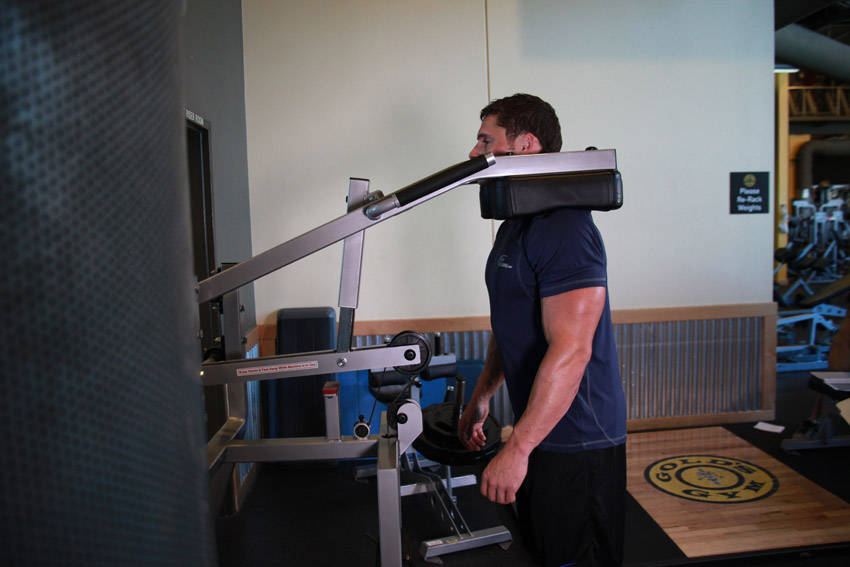
10. Calf-Machine Shoulder Shrug
64.7% MatchHow to perform this exercise
- Position yourself on the calf machine so that the shoulder pads are above your shoulders. Your torso should be straight with the arms extended normally by your side. This will be your starting position.
- Raise your shoulders up towards your ears as you exhale and hold the contraction for a full second.
- Slowly return to the starting position as you inhale.
- Repeat for the recommended amount of repetitions.
Why You Might Need a Smith Toe Raise Alternative
You may need substitutes because the Smith-machine isn’t available, causes shoulder or ankle discomfort, or limits natural ankle tracking. Smith toe raises bias a vertical load path and bilateral loading; alternatives let you alter knee angle, unilateral load and ankle dorsiflexion to shift activation between gastrocnemius and soleus. For example, seated calf raises place the knee flexed and emphasize the soleus, while standing single-leg raises increase gastrocnemius demand and stability work. Use a slow eccentric (3 seconds down) and full top contraction cue—hold and squeeze the calf—to protect the Achilles and improve force production.
How to Choose the Right Substitute
Decide by the muscle emphasis you need, available equipment, and whether you require unilateral work. Choose seated variations (dumbbell on thighs or machine) when you want more soleus activation because knee flexion reduces gastrocnemius contribution. Pick standing or single-leg raises to overload the gastrocnemius and train balance. If space is limited, use a heavy band or single-leg step raises to load each calf independently. Prioritize full range of motion, progressive load, and tempo cues: lower slowly for 3 seconds, pause at the bottom, then drive up and squeeze the calf for 1 second to maximize hypertrophy.
Frequently Asked Questions
What muscles does Smith Toe Raise work?
Smith toe raises primarily target the gastrocnemius and secondarily the soleus through repeated ankle plantarflexion. Press through the balls of your feet and squeeze the calves at the top to maximize triceps surae activation while keeping the knee position stable to maintain gastrocnemius tension.
What is the best bodyweight alternative to Smith Toe Raise?
Single-leg calf raises on a step are the best bodyweight alternative: let the heel drop below the step for a full stretch, then drive up and squeeze the calf. Control the eccentric for 3 seconds and focus on pushing through the forefoot to increase load per limb and neuromuscular activation.
Can I build muscle without doing Smith Toe Raise?
Yes. You can build calves using seated calf raises, heavy standing single-leg raises, leg-press calf raises, or progressive band resistance as long as you increase load and volume over time. Use full range of motion and slow eccentrics (3–4 seconds) and prioritize progressive overload and frequent stimulus to drive hypertrophy.
More Exercise Alternatives
Find Alternatives for Any Exercise
Use our free tool to discover the best substitute exercises based on your available equipment and goals.
Try the Exercise Substitution Finder →