

10 Best Peroneals-smr Alternatives for Limited Equipment
The Peroneals-smr is done lying face down with a foam roller. Ranked closest by our scoring: the Calf Stretch With Hands Against Wall, the Foot-smr and the Seated Calf Stretch.
Updated Ranked by our 12-factor similarity model How it works
Original Exercise: Peroneals-smr
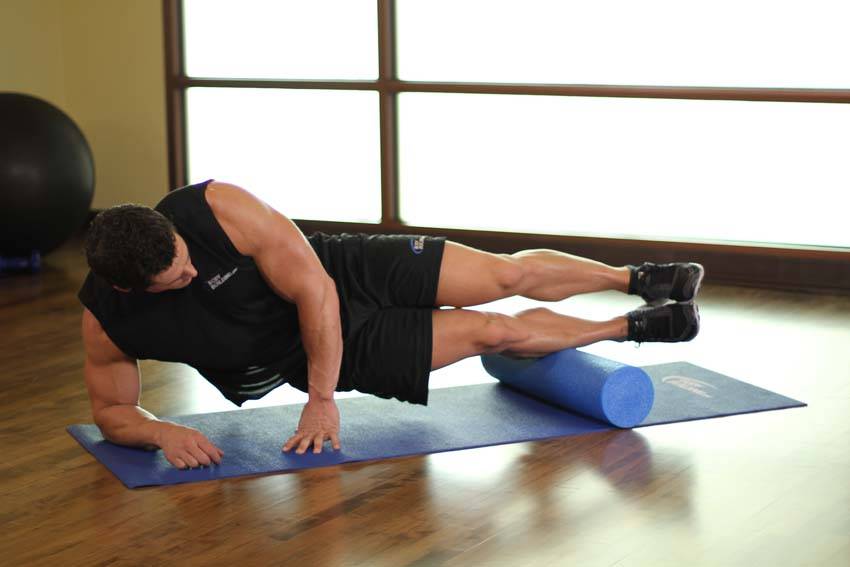
- Primary muscle
- Calves
- Equipment
- Foam-roll
- Difficulty
- Beginner
- Type
- Isolation
How to perform Peroneals-smr
- Lay on your side, supporting your weight on your forearm and on a foam roller placed on the outside of your lower leg. Your upper leg can either be on top of your lower leg, or you can cross it in front of you. This will be your starting position.
- Raise your hips off of the ground and begin to roll from below the knee to above the ankle on the side of your leg, pausing at points of tension for 10-30 seconds. Repeat on the other leg.
Ranked Peroneals-smr Alternatives
10 substitutes, ranked by how closely each one matches the Peroneals-smr on movement pattern, muscles worked, equipment and body position. The higher the score, the less you change. Open "How to perform this exercise" on a card for the steps; every card title links to that exercise's own alternatives page.
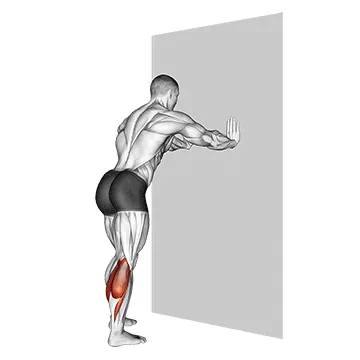
Best match - Calves
- Bodyweight
- Beginner
- Isolation
Use this when you have nothing to train with, because it works the calves with bodyweight alone.
How to perform this exercise
- Stand facing a wall with your feet hip-width apart.
- Place your hands against the wall at shoulder height.
- Step your right foot back, keeping your heel on the ground and your leg straight.
- Bend your left knee and lean forward, keeping your back leg straight and your heel on the ground.
- Hold the stretch for 20-30 seconds.
- Switch legs and repeat the stretch.
Sets and reps: Hold for 30 to 60 seconds and repeat 2 or 3 times.
Why this matches
- Primary muscle: calves, the same as the Peroneals-smr
- Equipment: bodyweight only, the same as the Peroneals-smr
- Body position: standing, not lying face down
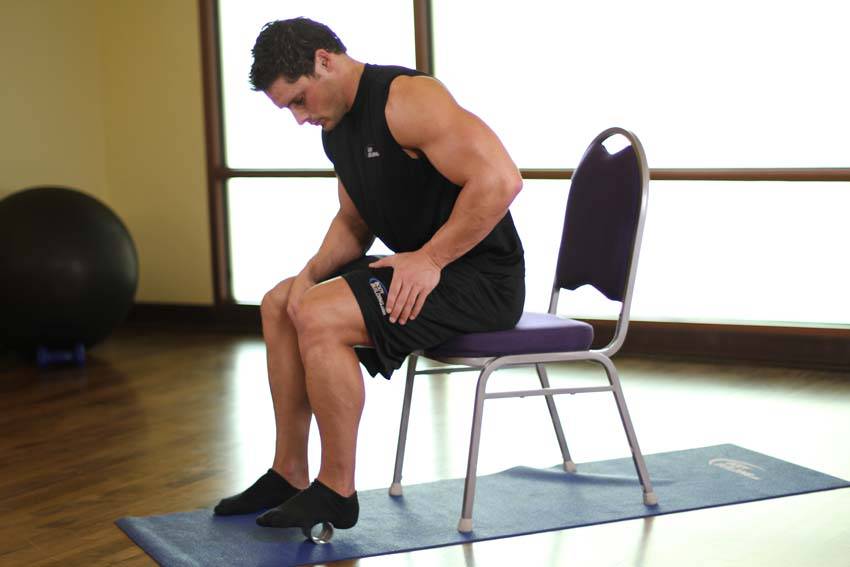
2. Foot-smr
88% match- Calves
- Other
- Beginner
- Isolation
A straight swap when you want to keep working the calves.
How to perform this exercise
- This exercise stretches the fascia of the muscles in the feet. Start off seated with your shoes removed. Using a foot roller or a similar object, such as a small section of pvc pipe, place your foot against the roller across the arch of your foot. This will be your starting position.
- Press down firmly, rolling across the arch of your foot. Hold for 10-30 seconds, and then switch feet.
Sets and reps: Hold for 20 to 30 seconds, 3 sets.
Why this matches
- Primary muscle: calves, the same as the Peroneals-smr
- Equipment: bodyweight only, the same as the Peroneals-smr
- Body position: seated, not lying face down
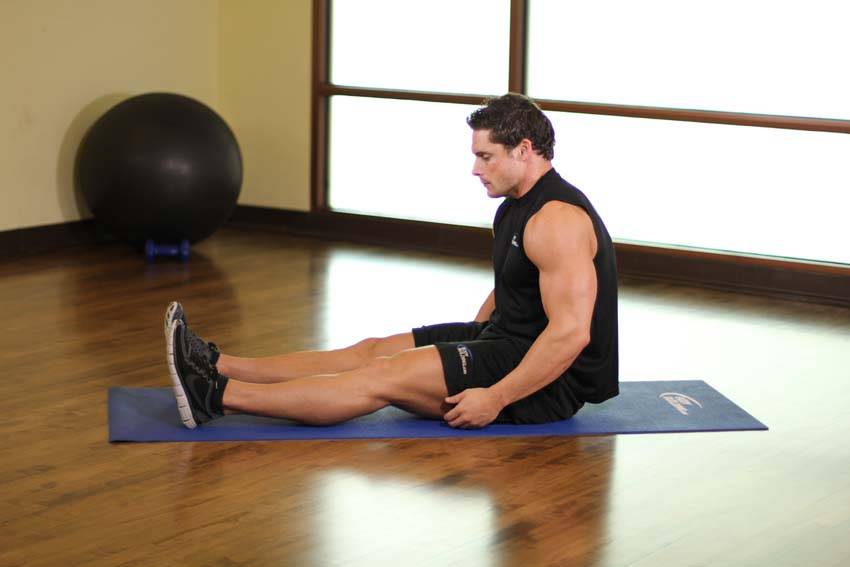
3. Seated Calf Stretch
88% match- Calves
- Bodyweight
- Beginner
- Isolation
How to perform this exercise
- Sit up straight on an exercise mat.
- Bend one knee and put that foot on the floor to stabilize the torso.
- Straighten your other leg and flex your ankle.
- Using a band, towel, or your hand if you can reach, pull the toes toward you. Hold for 10 to 20 seconds, then switch sides.
Sets and reps: Hold for 20 to 30 seconds, 3 sets.
Why this matches
- Primary muscle: calves, the same as the Peroneals-smr
- Equipment: bodyweight only, the same as the Peroneals-smr
- Body position: seated, not lying face down
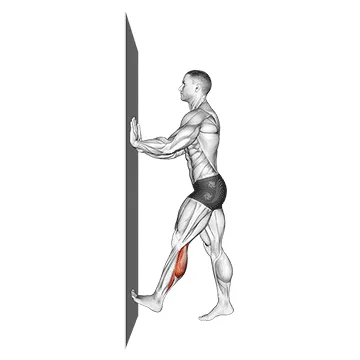
4. Standing Calves Calf Stretch
88% match- Calves
- Bodyweight
- Beginner
- Isolation
How to perform this exercise
- Stand facing a wall or sturdy object, about an arm's length away.
- Place your hands on the wall or object at shoulder height.
- Step back with one foot, keeping your heel flat on the ground.
- Bend your front knee slightly and lean forward, keeping your back leg straight.
- You should feel a stretch in your calf muscle.
- Hold the stretch for 20-30 seconds.
- Repeat on the other leg.
Sets and reps: Hold for 20 to 30 seconds, 3 sets.
Why this matches
- Primary muscle: calves, the same as the Peroneals-smr
- Equipment: bodyweight only, the same as the Peroneals-smr
- Body position: standing, not lying face down
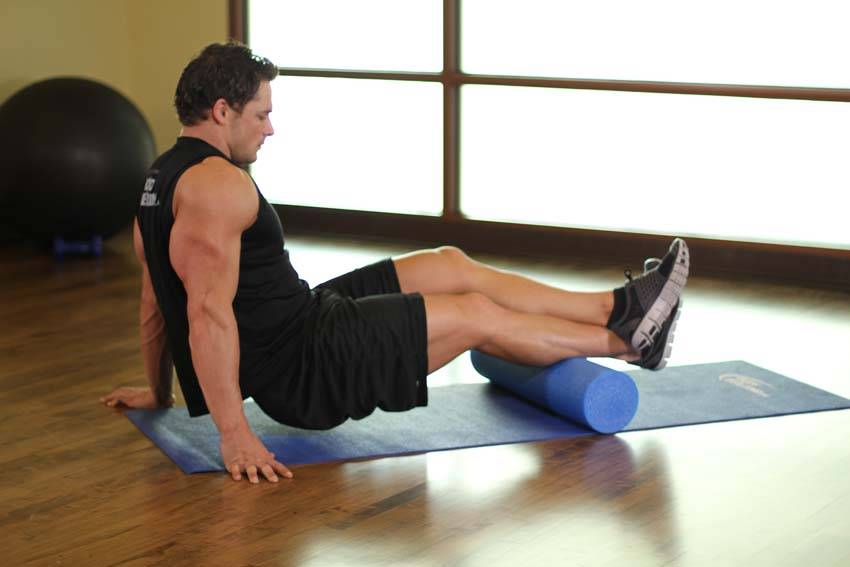
5. Calves-smr
87% match- Calves
- Foam-roll
- Beginner
- Isolation
The same equipment, done seated instead.
How to perform this exercise
- Begin seated on the floor. Place a foam roller underneath your lower leg. Your other leg can either be crossed over the opposite or be placed on the floor, supporting some of your weight. This will be your starting position.
- Place your hands to your side or just behind you, and press down to raise your hips off of the floor, placing much of your weight against your calf muscle. Roll from below the knee to above the ankle, pausing at points of tension for 10-30 seconds. Repeat for the other leg.
Sets and reps: Hold for 30 to 60 seconds and repeat 2 or 3 times.
Why this matches
- Primary muscle: calves, the same as the Peroneals-smr
- Equipment: bodyweight only, the same as the Peroneals-smr
- Body position: seated, not lying face down
- Calves
- Bodyweight
- Beginner
- Isolation
How to perform this exercise
- Stand facing a wall with your feet hip-width apart.
- Place your hands against the wall at shoulder height.
- Step back with one foot, keeping your heel on the ground and your leg straight.
- Bend your front knee slightly and lean forward, feeling a stretch in your calf.
- Hold the stretch for 20-30 seconds.
- Switch legs and repeat the stretch.
Sets and reps: Hold for 20 to 30 seconds, 3 sets.
Why this matches
- Primary muscle: calves, the same as the Peroneals-smr
- Equipment: bodyweight only, the same as the Peroneals-smr
- Body position: standing, not lying face down
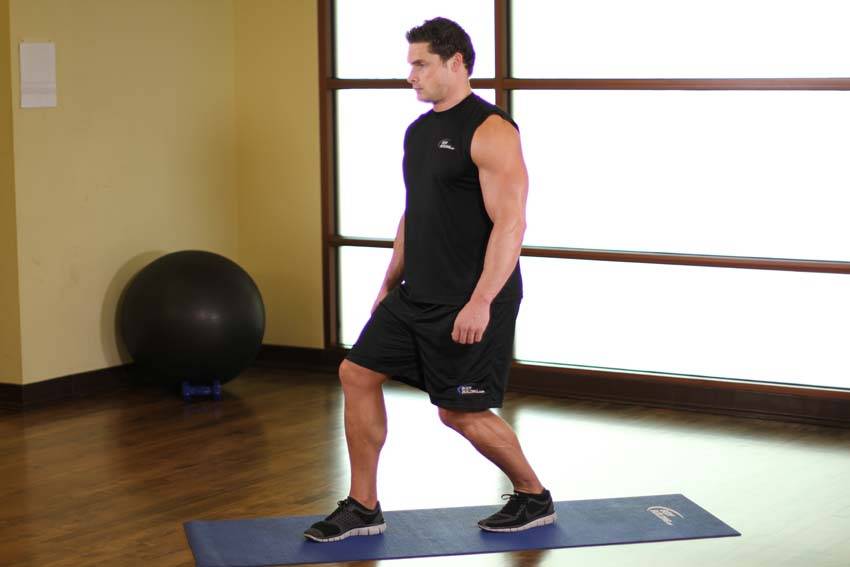
- Calves
- Other
- Beginner
- Isolation
How to perform this exercise
- Stand with your feet hip-distance apart, one foot slightly in front of the other.
- Bend both knees, keeping your back heel on the floor. Switch sides.
Sets and reps: Hold for 20 to 30 seconds, 3 sets.
Why this matches
- Primary muscle: calves, the same as the Peroneals-smr
- Equipment: bodyweight only, the same as the Peroneals-smr
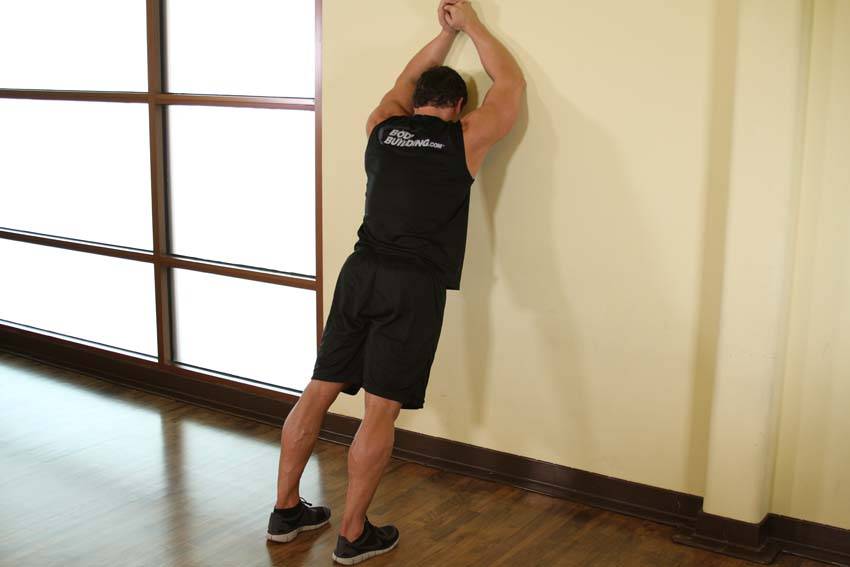
8. Calf Stretch Elbows Against Wall
81% match- Calves
- Bodyweight
- Beginner
- Isolation
How to perform this exercise
- Stand facing a wall from a couple feet away.
- Lean against the wall, placing your weight on your forearms.
- Attempt to keep your heels on the ground. Hold for 10-20 seconds. You may move further or closer the wall, making it more or less difficult, respectively.
Sets and reps: Hold for 20 to 30 seconds, 3 sets.
Why this matches
- Primary muscle: calves, the same as the Peroneals-smr
- Equipment: bodyweight only, the same as the Peroneals-smr
- Body position: standing, not lying face down
- Balance: harder to stay steady on than the Peroneals-smr
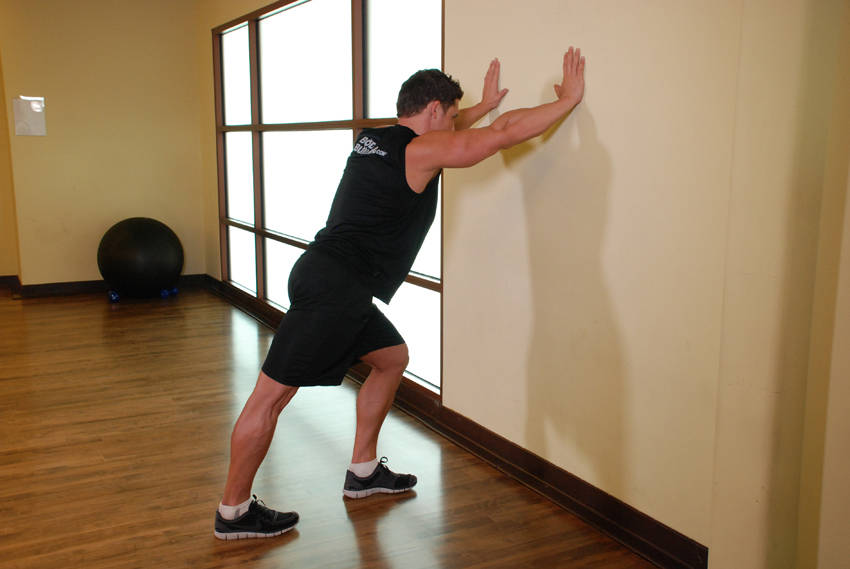
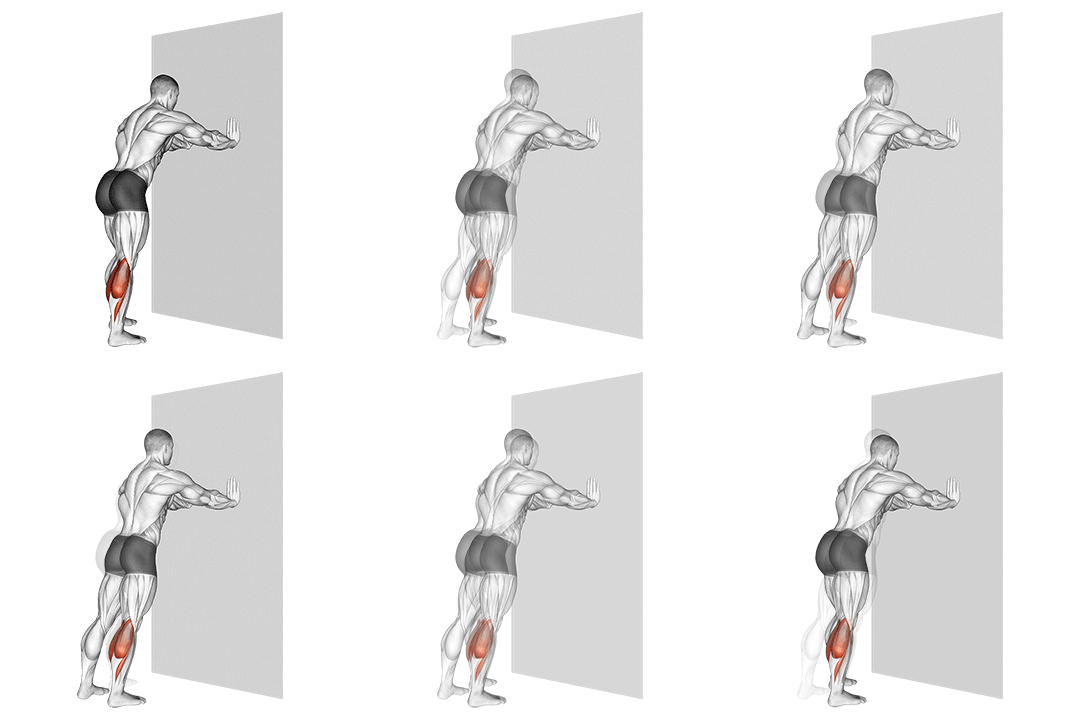
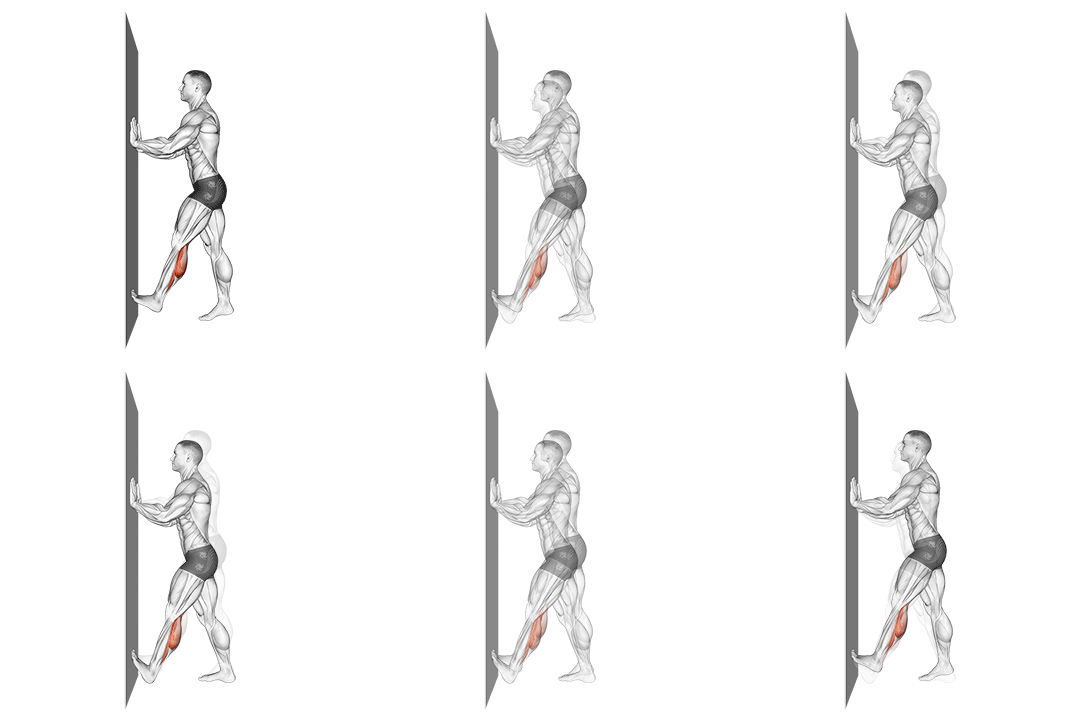
9. Calf Stretch Hands Against Wall
81% match- Calves
- Bodyweight
- Beginner
- Isolation
How to perform this exercise
- Stand facing a wall from several feet away. Stagger your stance, placing one foot forward.
- Lean forward and rest your hands on the wall, keeping your heel, hip and head in a straight line.
- Attempt to keep your heel on the ground. Hold for 10-20 seconds and then switch sides.
Sets and reps: Hold for 20 to 30 seconds, 3 sets.
Why this matches
- Primary muscle: calves, the same as the Peroneals-smr
- Equipment: bodyweight only, the same as the Peroneals-smr
- Body position: standing, not lying face down
- Balance: harder to stay steady on than the Peroneals-smr
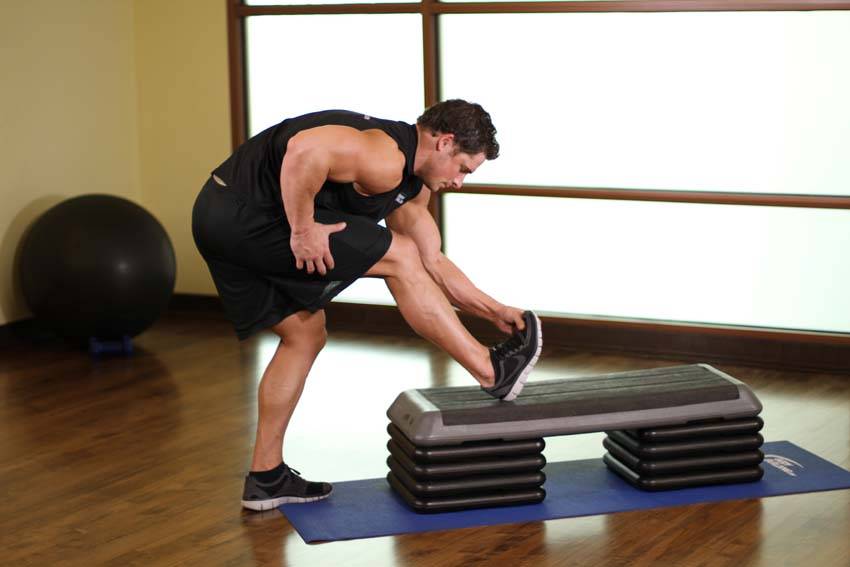
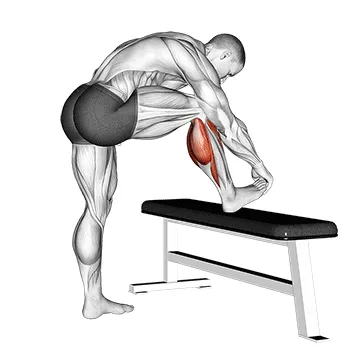
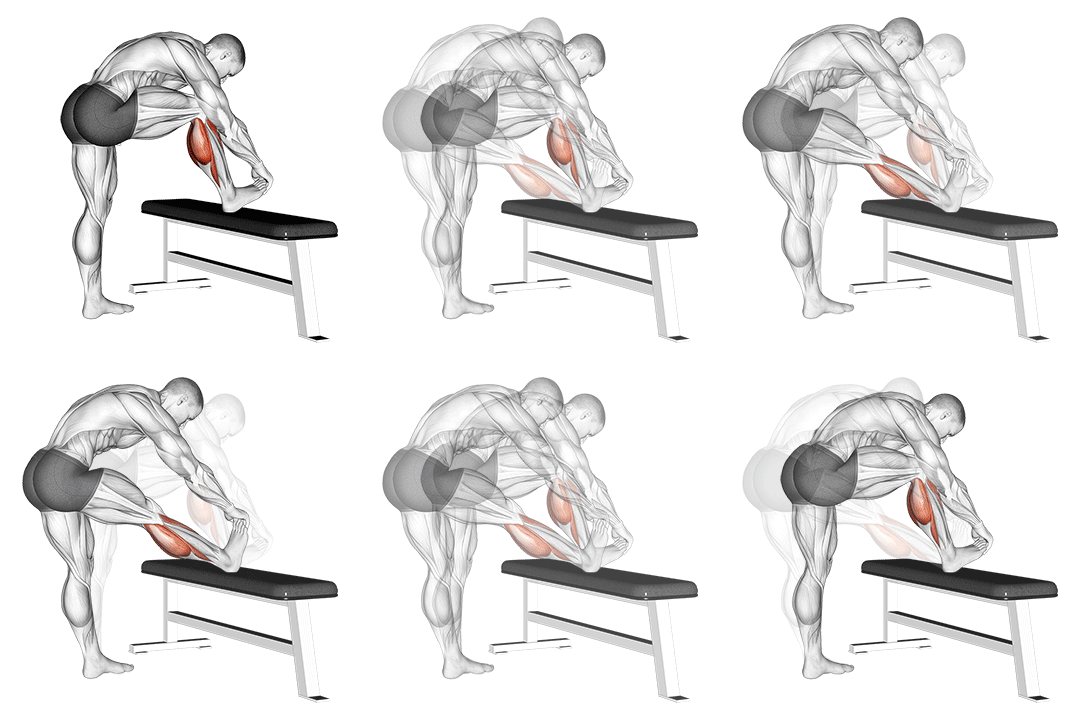
- Calves
- Other
- Beginner
- Isolation
How to perform this exercise
- Place your right heel on a step with your knee extended and lean forward to grab your right toe with your right hand. Your left knee should be slightly bent and your back should be straight.
- Support your weight on your left leg and place your left hand on your left thigh.
- Pull your right toes toward your knee until you feel a stretch in your calf.
Sets and reps: Hold for 30 to 60 seconds and repeat 2 or 3 times.
Why this matches
- Primary muscle: calves, the same as the Peroneals-smr
- Equipment: -, not bodyweight only
- Body position: standing, not lying face down
Why You Might Need a Peroneals-smr Alternative
You might substitute Peroneals-smr for pain, lack of a foam roll, or a preference for passive versus active work. Peroneal self-myofascial release can irritate acute tendon pain; choosing a gentler option like banded ankle eversion or lacrosse-ball release lets you control force and ankle angle. From a biomechanics view, the peroneals eccentrically control pronation and lateral ankle stability, so pick methods that target those actions. Technique cue: when using a ball, apply 20–30 seconds of steady pressure just anterior to the lateral malleolus while keeping the foot dorsiflexed to load the muscle appropriately.
How to Choose the Right Peroneals-smr Substitute
Select an alternative based on symptom stage, desired activation, and available gear. For mobility and pain relief, choose passive techniques (lacrosse ball or light rolling) and maintain a neutral subtalar position. For strengthening and neuromuscular control, pick resisted ankle eversion with a band or single-leg balance drills with controlled eccentric lowering. Technique cue: dorsiflex the ankle and actively evert against resistance for 2–3 seconds on the concentric portion, then lower eccentrically for 3–4 seconds to emphasize peroneal loading and tendon remodeling. Monitor pain and ankle kinematics; reduce load if you see increased inversion collapse.
Peroneals-smr FAQ
What muscles does Peroneals-smr work?
Peroneals-smr primarily targets the peroneus longus and peroneus brevis along the lateral calf. These muscles control ankle eversion and resist excessive inversion during gait, so release or loading alters lateral ankle mechanics and muscle tension.
What is the best bodyweight alternative to Peroneals-smr?
A targeted bodyweight option is single-leg balance with slow ankle eversions: stand on one foot and actively evert the forefoot while keeping the knee soft for 8–12 reps. This engages peroneals through neuromuscular control without equipment and improves lateral stability.
Can I build muscle without doing Peroneals-smr?
Yes. Build peroneal strength with progressive resisted eversion (bands or cable) and loaded calf raises that include a lateral emphasis. Focus on controlled eccentrics and gradually increase resistance to stimulate hypertrophy and tendon adaptation.
Find Alternatives for Any Exercise
Search the exercise database and filter the ranked substitutes by the equipment you own.
Similarity scores compare exercise metadata such as movement pattern, muscles, equipment and body position. They are not a safety rating or a check that you own the equipment. Learn about our methodology